
According to the archaeological record, the earliest trade dates to the Neolithic period of the 10th millennium, BC. The Austronesian peoples of island Southeast Asia established trade routes with the Indian sub-continent, as early as 1500 BC. Egyptians traded with Asian merchants from the time of the Ptolemaic dynasty. The Greco-Roman palate of antiquity would not have been the same without the spice roads, plied first by land and later, by sea.
From the earliest times when man took to the ocean, food stores and trade goods alike were an attractive food source for the Black Rat, Rattus rattus.
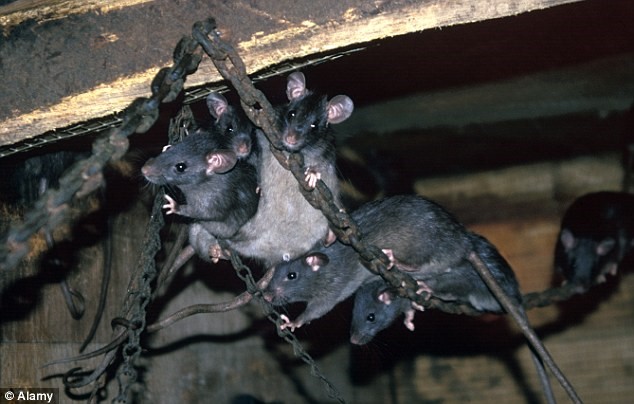
Able to climb obstacles from trees to buildings to ship’s ropes, DNA and other evidence suggests the black rat originates not from Europe, but southeast Asia.
Also known as the “ship’s rat”, the animal reaches sexual maturity in as little as three to four months and completes the act of reproduction, in the blink of an eye. Litters average 7 or 8 “kittens” with an average gestation period of only 20 to 22 days and a weaning period, of 20 to 28.
Rat infestations get out of hand with shocking rapidity. Left uncontrolled, rats will destroy a ship’s stores in a matter of weeks. This is to say nothing of the black rat’s prodigious ability to carry disease without itself, being affected. From Bubonic plague to Typhus to Toxoplasmosis, Trichinosis and any number of Streptococci, this third to half-pound animal has done more than any creature in history, to alter the course of human events.
Unsurprisingly, the “ship’s cat” was a feature of life at sea since man first took to the water.
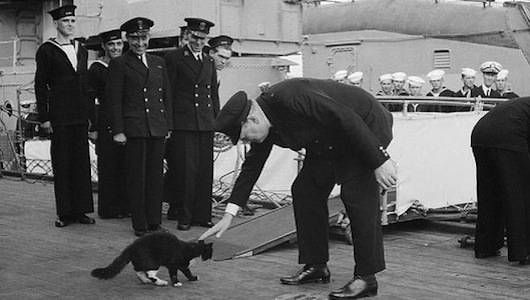
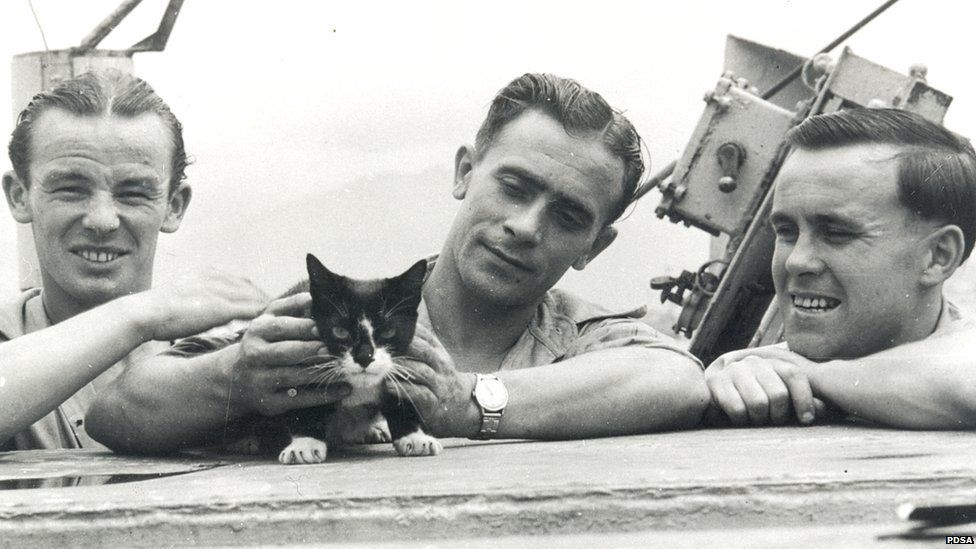
“Simon” was about a year old in 1948, one of countless and nameless feline waifs, starvelings roaming the dockyards of Hong Kong in search of a morsel. 17-year-old Ordinary Seaman George Hickinbottom smuggled the animal on board the frigate HMS Amethyst, the job of “ship’s cat” being open at that time.
Lieutenant Commander Ian Griffiths liked cats and well understood the threat posed by rodents, in the hot and humid weather of that time and place. As Hickinbottom recalled, ‘He warned me that if he saw any muck on board, he’d have me up on a charge.’ The crew made sure any ‘muck’ was quietly tossed overboard.
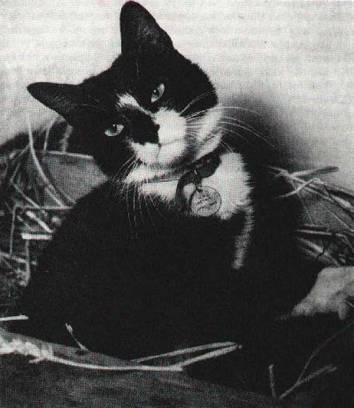 Simon earned the admiration of the Amethyst crew, with his prowess as a rat killer. Seamen learned to check their beds for “presents” of dead rats while Simon himself could usually be found, curled up and sleeping in the Captain’s hat.
China was embroiled in a Civil War at this time, between the Nationalist Kuomintang led Republic of China and the Communist Party led People’s Republic of China.
The first mission assigned to incoming Skipper Bernard Skinner was to travel up the Yangtze River to Nanjing to replace the duty ship HMS Consort, then standing guard over the British embassy.
On April 29, 1949, Amethyst was on her way up river when she came under fire from the People’s Liberation Army (PLA).
The frigate returned fire but she was soon disabled, run aground with most of her guns too high to return fire. The first salvo from the Communist guns exploded in the Captain’s quarters, killing Commander Skinner and badly wounding the ship’s cat.
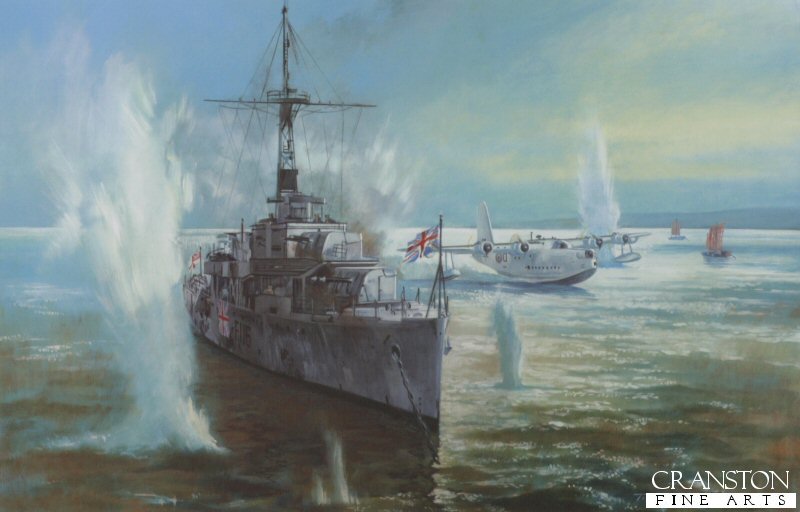
By 9:30, wounded First Lieutenant Geoffrey L. Weston made his last, desperate transmission: “Under heavy fire. Am aground in approx. position 31.10′ North 119.20′ East. Large number of casualties”.
The order was given to evacuate. Some managed to swim across to the Nationalist side, despite fire from Communist batteries. For the rest, the following three months became a tense and deadly standoff known as the Amethyst Incident.
Simon was carried to the sick bay where surviving members of the medical staff removed four pieces of shrapnel from his little body, and dressed his burned flesh and singed fur. He was grievously wounded and wasn’t expected to make it, through the night.
As weeks dragged to months, Simon did not die but recovered and resumed his duties as rat killer, below decks. A good thing it was, too. The trapped and cornered vessel was overrun, with vermin. Simon returned to his work with a vengeance, even earning the fanciful rank of “Able Sea Cat” after killing one notorious rodent known as Mao Tse-tung.
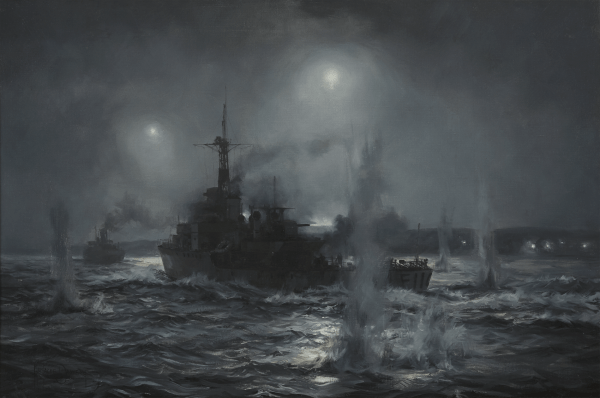
HMS Amethyst makes a nighttime dash for freedom. Painting by Montague Dawson
The Amethyst incident resulted in the death of 47 British seamen with another 74, wounded. HMS Amethyst herself sustained extensive damage in the episode. The heavy cruiser HMS London, the destroyer HMS Consort and the sloop HMS Black Swan were also damaged.
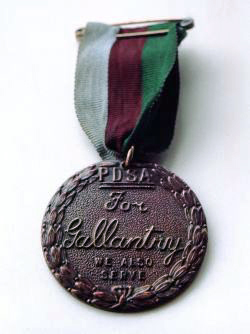 All but unseen amidst the economic devastation of World War 1, the domesticated animals of Great Britain were in desperate straits. Turn-of-the-century social reformer Maria Elizabeth “Mia” Dickin founded the People’s Dispensary for Sick Animals (PDSA) in 1917, working to lighten the dreadful state of animal health in Whitechapel, London. To this day, the PDSA is one of the largest veterinary charities in the United Kingdom, conducting over a million free veterinary consultations, every year.
The “Dickin Medal” was instituted on December 2, 1943, honoring the work performed by animals in World War Two. The “animal’s Victoria Cross”, the Dickin is equivalent to the highest accolade in the British system of military honors, comparable to the American Medal of Honor and bearing these words, “We Also Serve”.
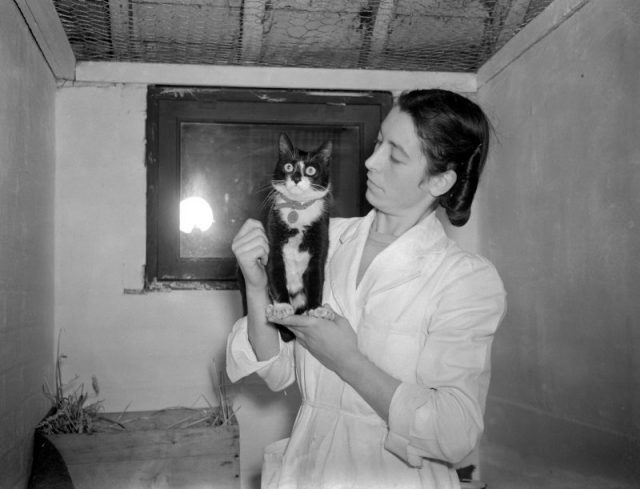
Excepting the 2014 blanket award to all animals of the “Great War”, the Dickin Medal has been awarded 71 times since its inception. Recipients include 34 dogs, 32 pigeons, 4 horses and, to this day, only one cat. A ship’s cat. The champion rat killer of the Yangtze River. Simon.
Simon arrived to accolades in Great Britain, awarded a Blue Cross medal, the Amethyst campaign medal and Naval General Service Medal with Yangtze clasp. Unhappily, Simon didn’t survive his war wounds, after all. Placed in quarantine like any other animal entering the United Kingdom, Simon succumbed to severe infections of his wounds and died on this day, November 28, 1949.
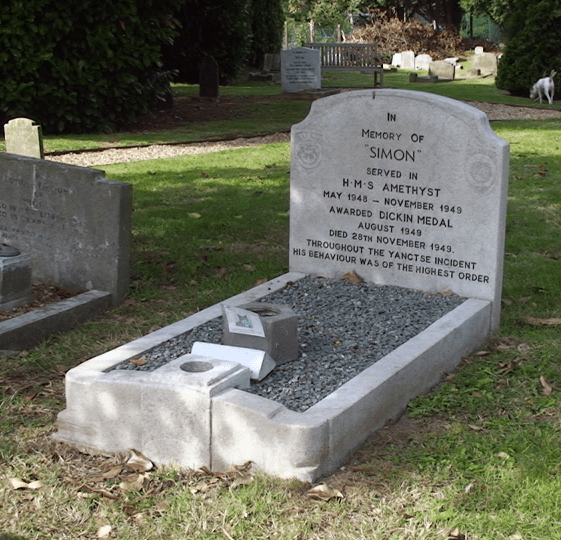
More than a thousand people including the entire crew of HMS Amethyst, attended the funeral for the two-year-old feline. Simon’s gravestone at the PDSA Animal Cemetery in Ilford reads: “Throughout the Yangtze Incident his behavior was of the highest order.”


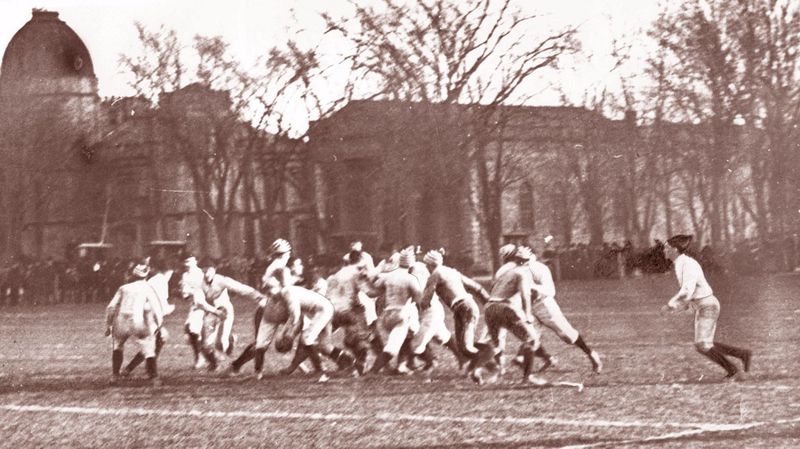
 The two met in Chicago on November 27, 1926 in a National Dedication of Soldier Field, as a monument to American servicemen killed in the War to end all Wars.
 Five-year post-graduation military service commitments preclude the NFL career aspirations of most Army-Navy game veterans, but not all. Notable exceptions include Dallas Cowboys Quarterback Roger Staubach (Navy, 1965), New York Giants Wide Receiver and Return Specialist Phil McConkey (Navy, 1979), and (then) LA Raiders Running back Napoleon McCallum (Navy, 1985).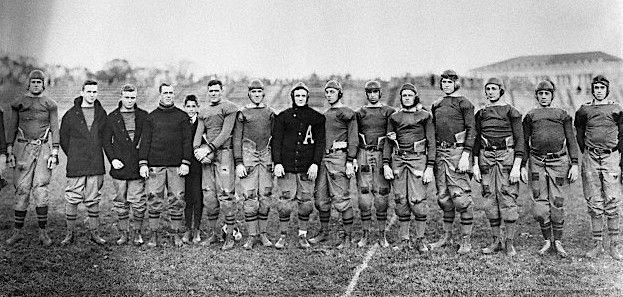
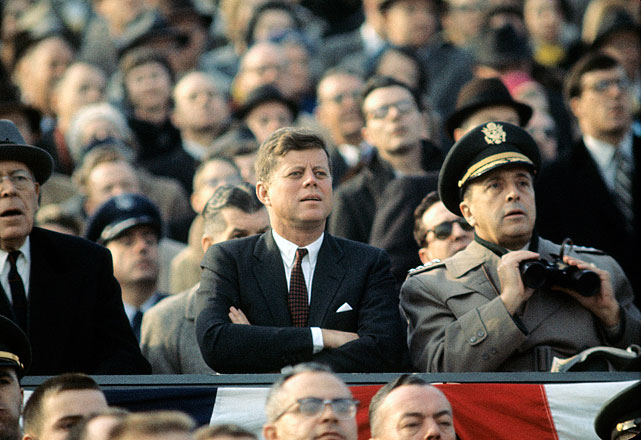

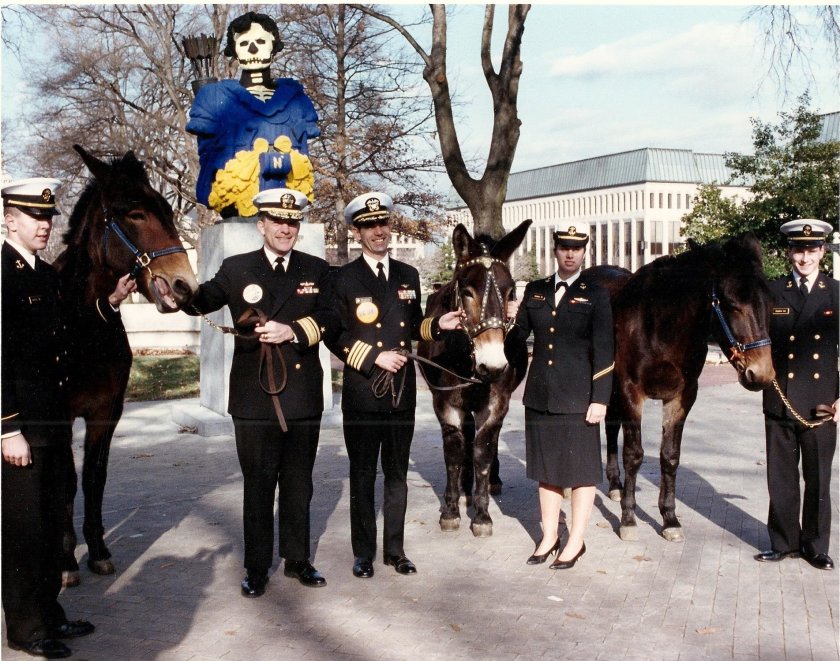
 As the brother, son and grandson of Army veterans going back to the Revolution and beyond, have no doubt who I’ll be rooting for. ‘Beat Navy’.
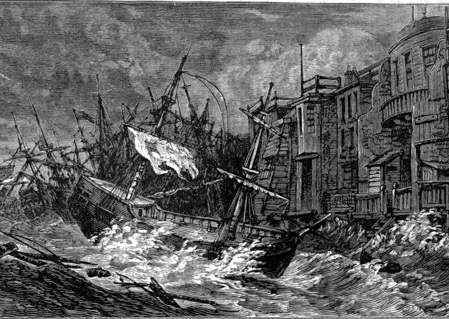
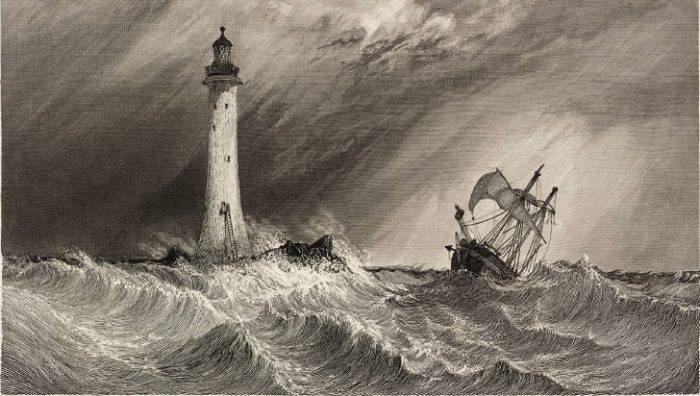
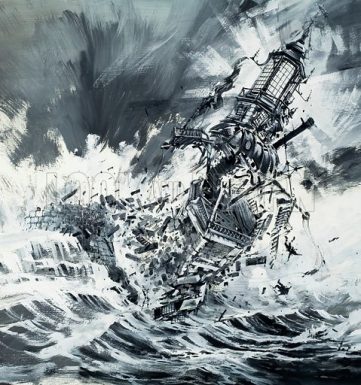 Beginning in early November, a series of gales drove hundreds of ships up the Thames estuary, is search of shelter. The “Perfect Hurricane” of 1703 arrived on November 24 (Old Style) and remained until December 2 with the worst of the storm on November 26-27.
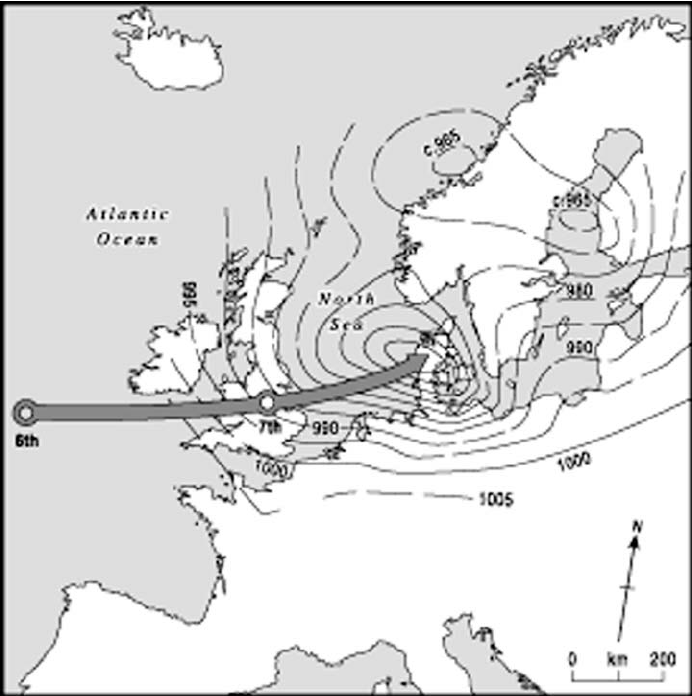 The most miraculous tale of survival was that of Thomas Atkins, a sailor aboard the HMS Mary. As Mary broke apart, Atkins watched as Rear Admiral Beaumont climbed aboard a piece of her quarter deck, only to be washed away. Atkins himself was lifted high on a wave and deposited on the decks of another ship, the HMS Stirling Castle. He was soon in the water again as Stirling Castle broke up and sank, only to thrown by yet another wave, this time landing in a small boat. Atkins alone survived the maelstrom, of the 269 men aboard HMS Mary.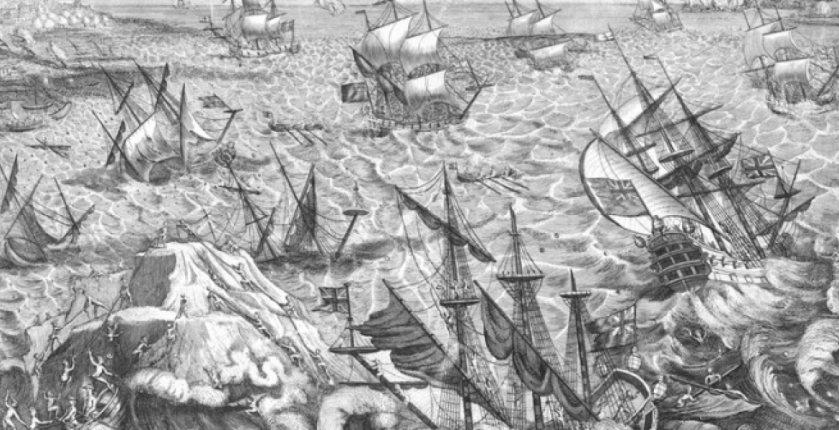




 Necessity became the mother of invention, and the needs of war led to prodigious increases in speed. No sooner was USS Massachusetts launched, than the keel of USS Vincennes, began to be laid. By the end of the war, Fore River had completed ninety-two vessels of eleven different classes.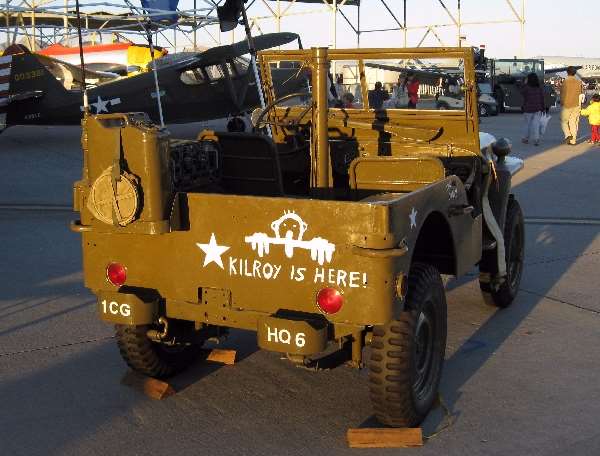


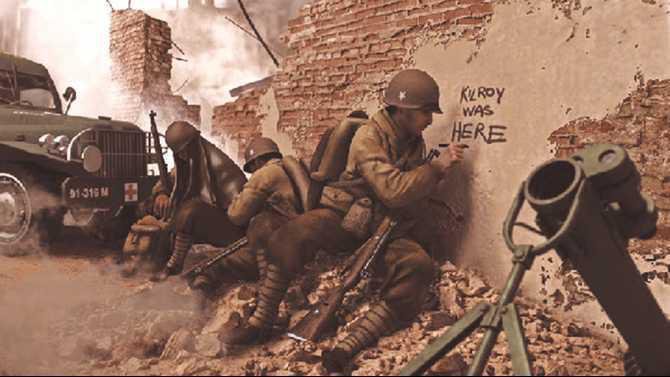
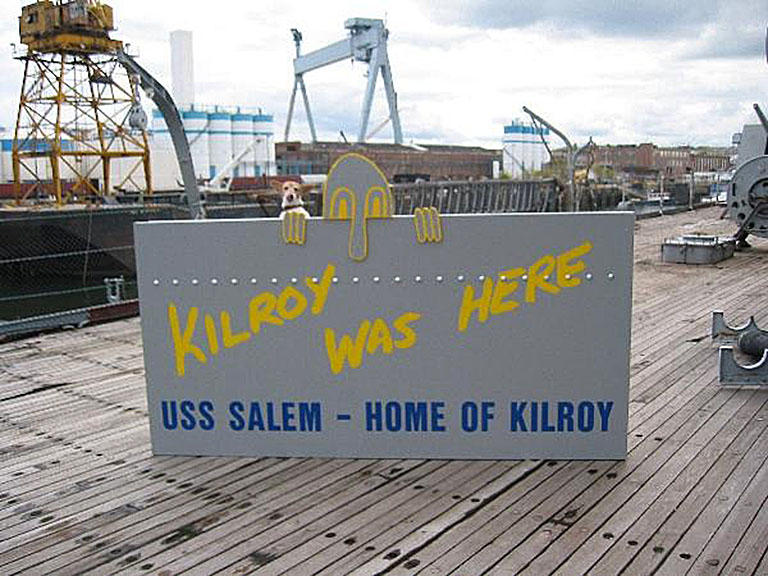
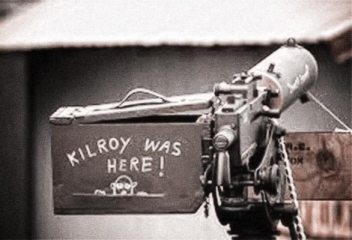
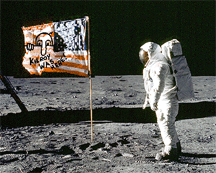 German Intelligence believed Kilroy to be some kind of “super spook”, able to go anywhere he pleased and to leave, without a trace.
 The cartoon appeared in every theater of the war, but few knew the mythical Kilroy’s true identity.
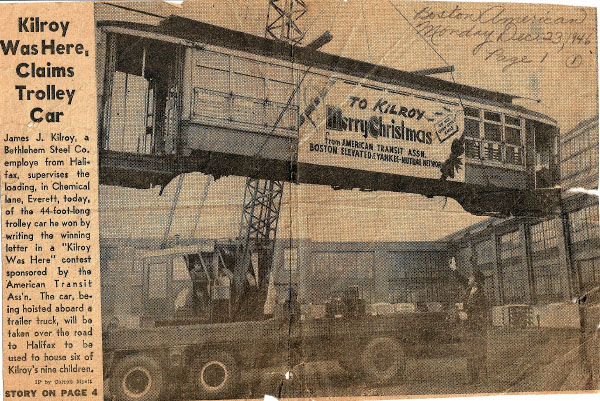 James Kilroy went on to serve as Boston City Councillor and member of the Massachusetts House of Representatives, from Halifax. Surely there is a doodle, somewhere in the “Great & General Court” up there in Boston, to inform the passer-by. Kilroy was here.
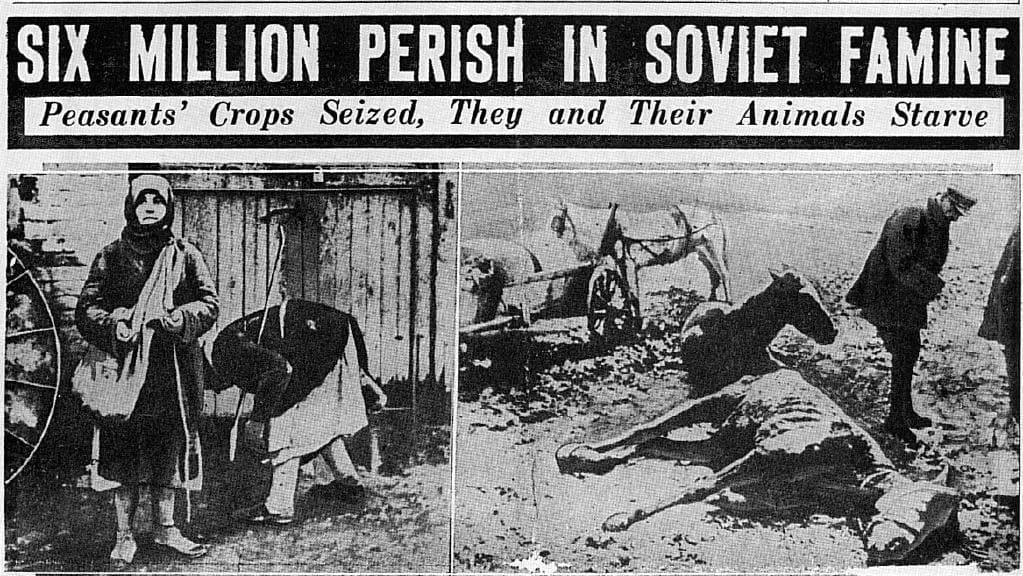
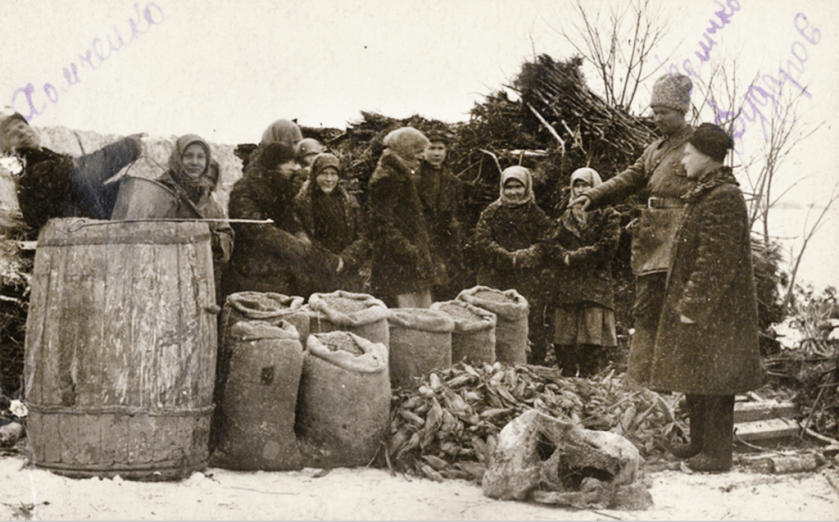 Armed dekulakization brigades confiscated land, livestock and other property by force, evicting entire families. Nearly half a million individuals were dragged from their homes in 1930-’31 alone, packed into freight trains and shipped off to remote areas like Siberia and often left without food or shelter. Many of them, especially children, died in transit or soon after arrival.
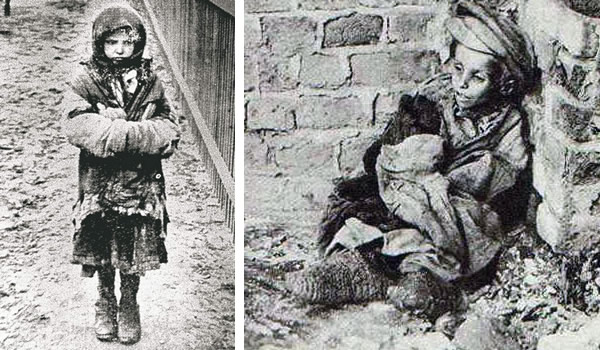 Military blockades were erected around villages preventing the transportation of food, while brigades of young activists from other regions were brought in to sweep through villages and confiscate hidden grain.
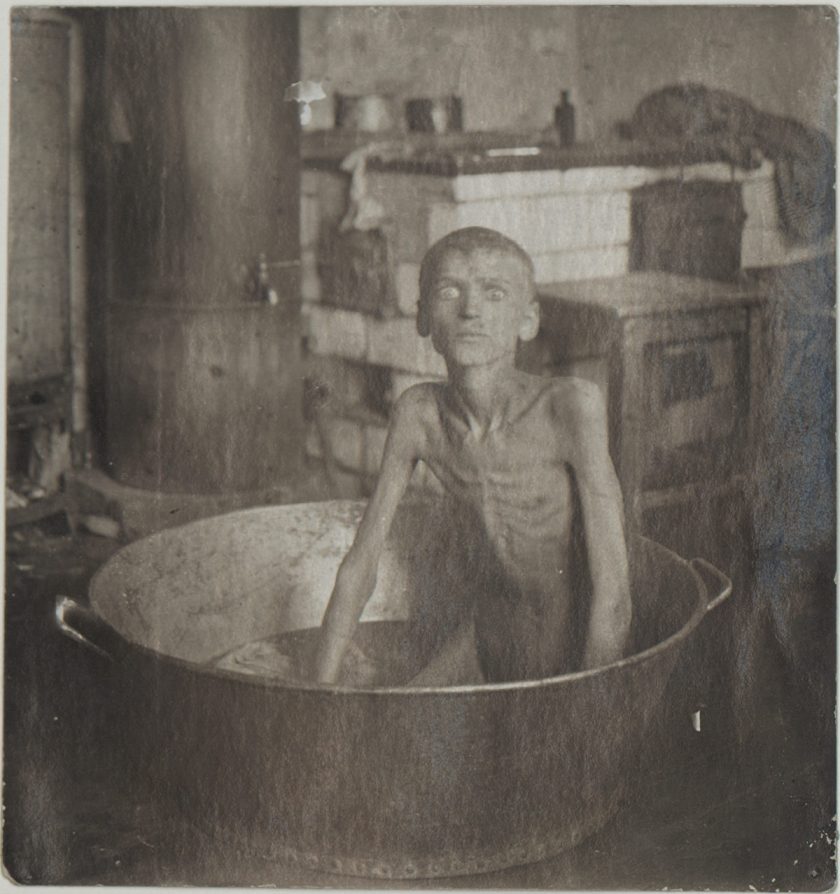 At the height of the famine, Ukrainians starved to death at a rate of 22,000 per day, almost a third of those, children 10 and under. How many died in total, is anyone’s guess. Estimates range from two million Ukrainian citizens murdered by their own government, to well over ten million.
 2,500 people were arrested and convicted during this time, for eating the flesh of their neighbors. The problem was so widespread that the Soviet government put up signs reminding survivors: “To eat your own children is a barbarian act.”
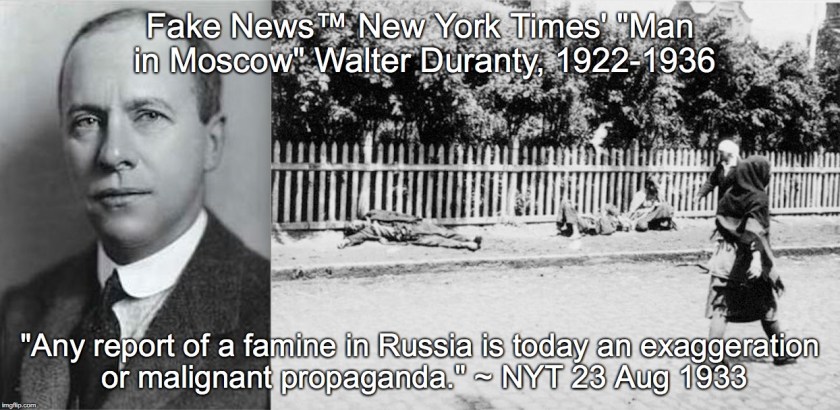 To this day, the New York Times has failed to repudiate Walter Duranty’s Pulitzer.
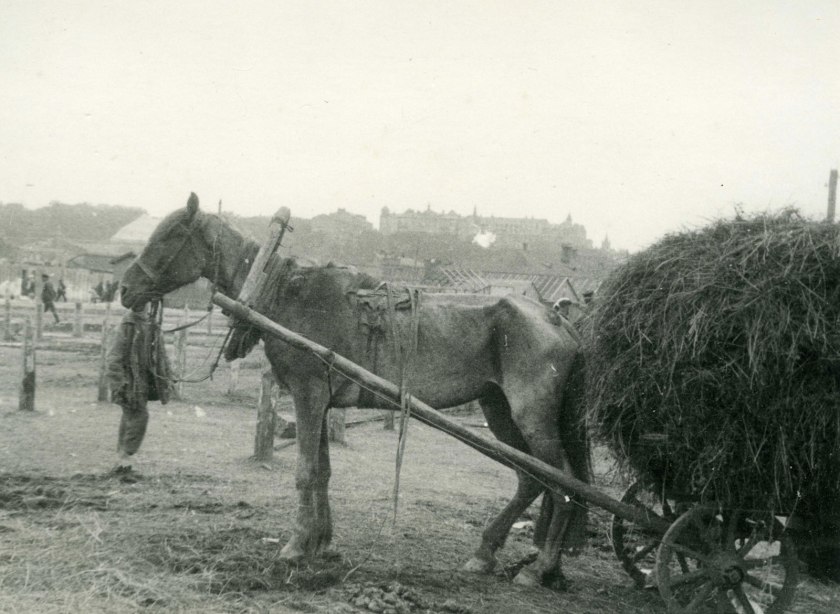 To do so at all was an act of courage. single Jewish woman who’d lost part of a leg in a childhood streetcar accident, traveling to a place where the Russian empire and its successor state had a long and wretched history. Particularly when it came to the treatment of its own Jews.
 The Holodomor Memorial to Victims of the Ukrainian Famine-Genocide of 1932–1933 was opened in Washington, D.C. on November 7, 2015


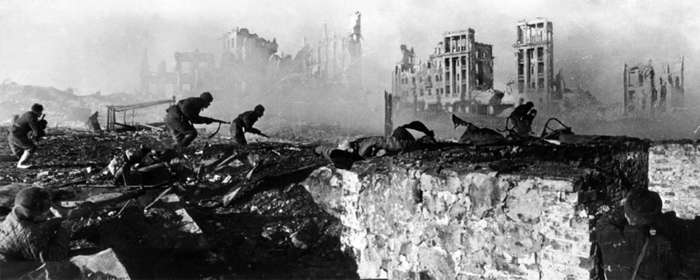
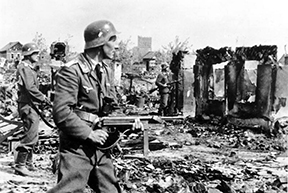
 Taken individually, either power possessed the potential to destroy the world order. The mind can only ponder the great good fortune of we who would be free, that these malign governments turned to destroying each other.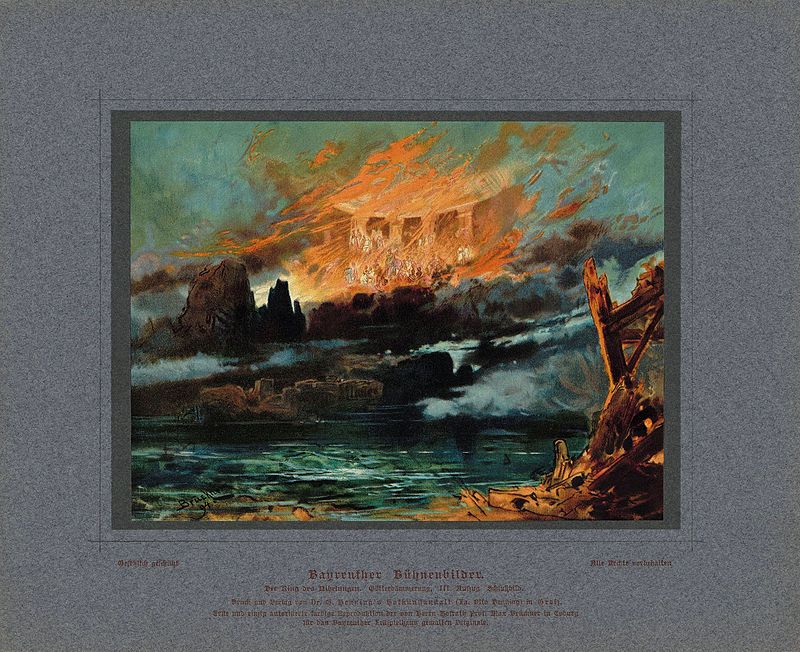

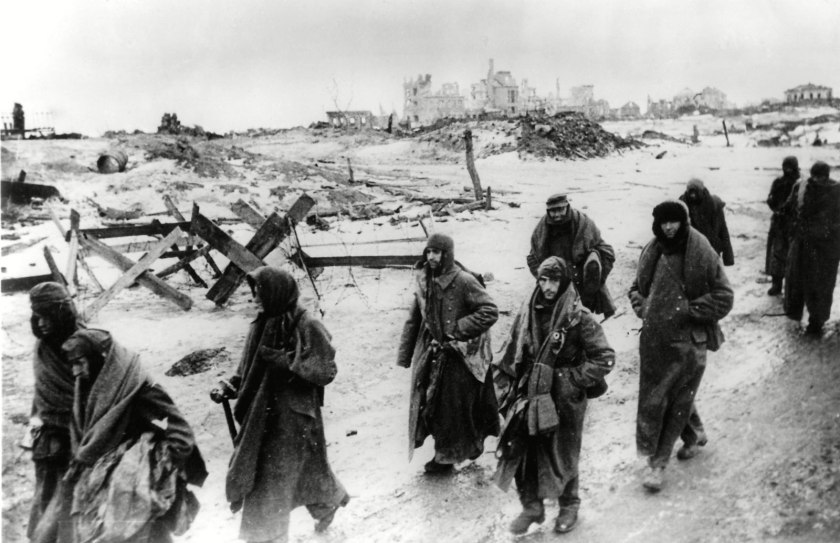

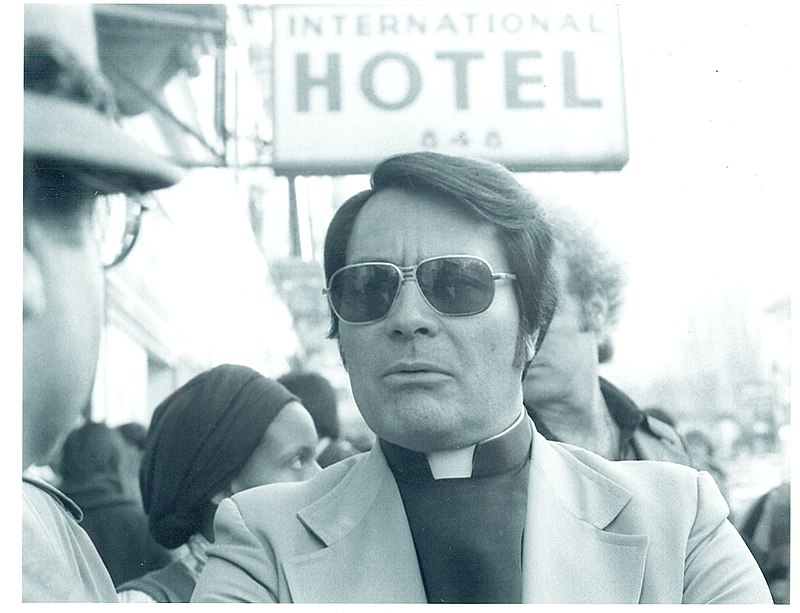
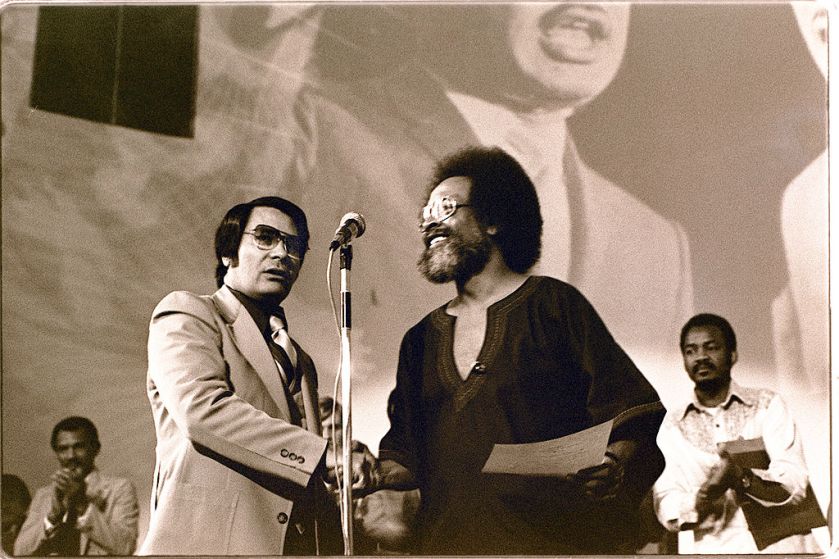
 It was depression-era rural Indiana, in the age of racial segregation. Father and son often clashed over issues of race. The two didn’t talk to each other for years one time, after the time the elder Jones refused to let one of his son’s black friends, into the house.
 “Reverend” Jim Jones got his start as a student pastor at the Sommerset Southside Methodist Church but soon left, over issues of segregation. He was a Social Justice Warrior in the age of Jim Crow.
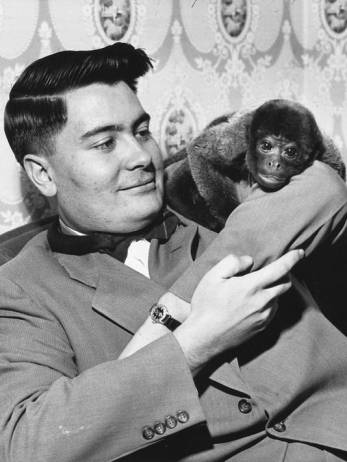 The New York Times reported in 1953, “declaring that he was outraged at what he perceived as racial discrimination in his white congregation, Mr. Jones established his own church and pointedly opened it to all ethnic groups. To raise money, he imported monkeys and sold them door to door as pets.”
 An apocalyptic streak began to show, as Jones preached of nuclear annihilation. He traveled to Brazil for a time, in search of a safe place for the coming holocaust. He even gave it a date: July 15, 1967. On returning from Brazil, the “Father” spoke to the flock. The “children” would have to move. To northern California, to a new and perfect, socialist, Eden.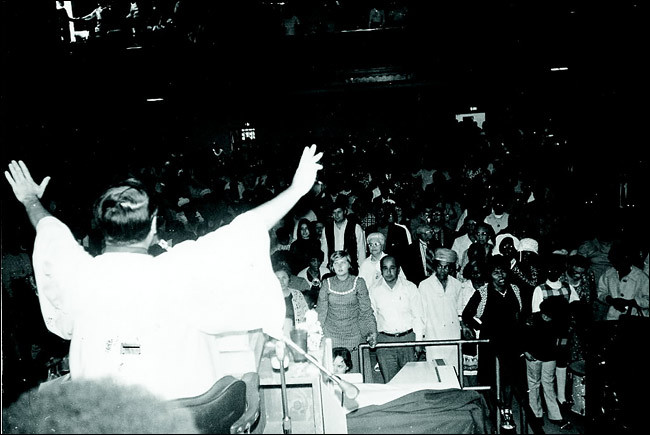



 Back at the compound, Jones lost an already tenuous grasp on reality.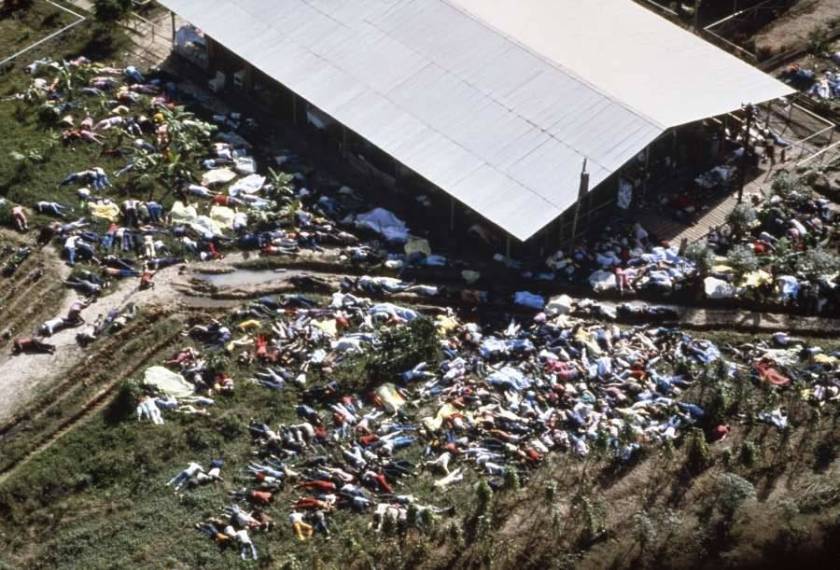


 In ancient Greece, blond hair was perceived as beautiful, probably because it was unusual. Women would lighten their hair using a mixture of ashes, olive oil & water, and sometimes arsenic.
 The 12th century Queen Isabeau of France likewise favored the sour donkey milk routine, followed up by rubbing her skin with crocodile glands and the brains of boars.
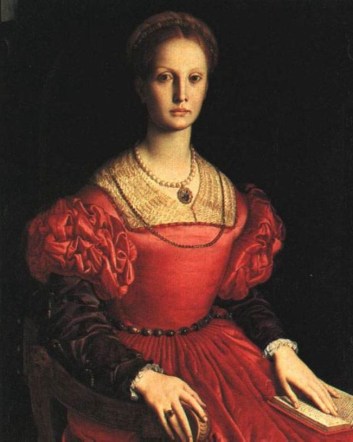
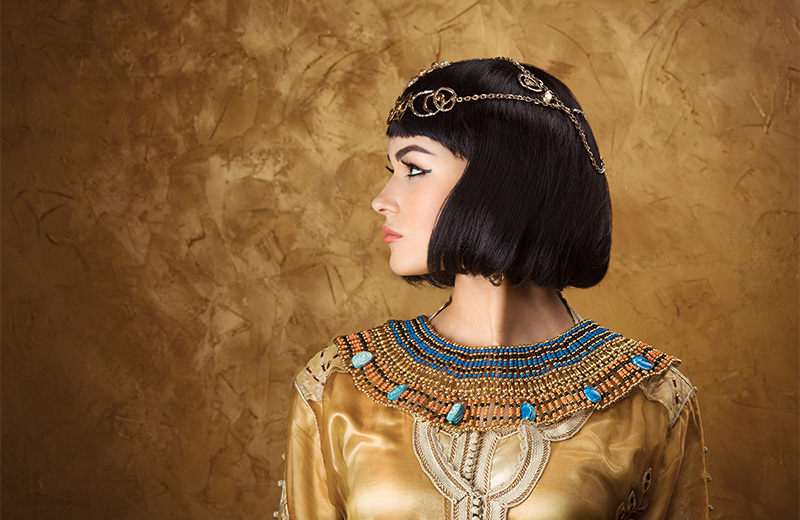
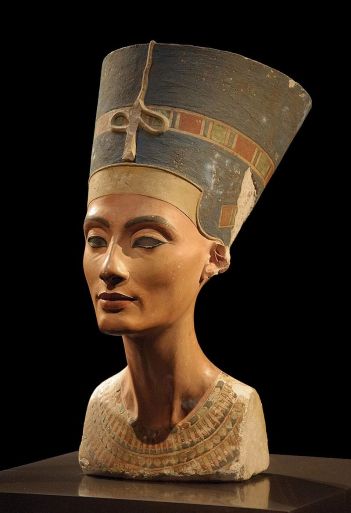 Nefertiti ruled as Egyptian Queen ca. 1351–1334 BC, the Great Royal Wife of Pharoah Akhenaten, predecessor to the great Tutankhamun. Nefertiti , her name translates as “The Beautiful Woman has Come”, would shave herself hairless from head to foot, donning a wig and lining her eyes with Egyptian kohl, a substance derived from lead. In case that wasn’t enough, Nefertiti would color her lips with a combination of seaweed and bromine nitrate, a plant-derived toxin so powerful, some believe the stuff to be the origin of the phrase, “the kiss of death”.
 The European quest for the perfect, porcelain complexion lasted well into the 19th century, for which some women ate clay. The ladies of the French Court obsessed over flawless, alabaster skin, until the end of the 18th century. They would fake it with thick layers of white powder, made from white lead, or talcum powder, or pulverized bone. Whatever they could get hold of. Combined with wax, whale blubber, deer fat or vegetable oil, the stuff had a nice, greasy consistency that stayed where they put it.
 Meanwhile, African women of antiquity favored lavender oil for its distinctive feminine scent and a red tea called Rooibos to keep skin looking young and supple. With its naturally high levels of zinc and vitamin D2, the stuff was an important defense against the hot African sun.
 Hers was a time of big hair, when hair was piled high on top of the head, powdered and augmented with the hair of servants and the fur of pets. The do was often adorned with fabric, ribbons or fruit, sometimes holding props like birdcages complete with stuffed birds and even miniature frigates, under sail.
 George Edward Pickett, he of the famous charge at the Battle of Gettysburg, was acclaimed for his oiled and perfumed locks. The “Boy General”, the youngest Civil War General in the Union Army, would anoint his hair with cinnamon oil. A lock of George Armstrong Custer’s hair recently sold at auction, for $12,500.
 Today we look on past practices as bizarre, but maybe we shouldn’t. If those people from the past were to peer into their own future, they’d see spray tanning, teeth bleaching, and Brazilian bikini wax. They’d see people injecting the neurotoxic output of Clostridium Botulinum into their faces, and sticking metal objects through all manner of body parts.

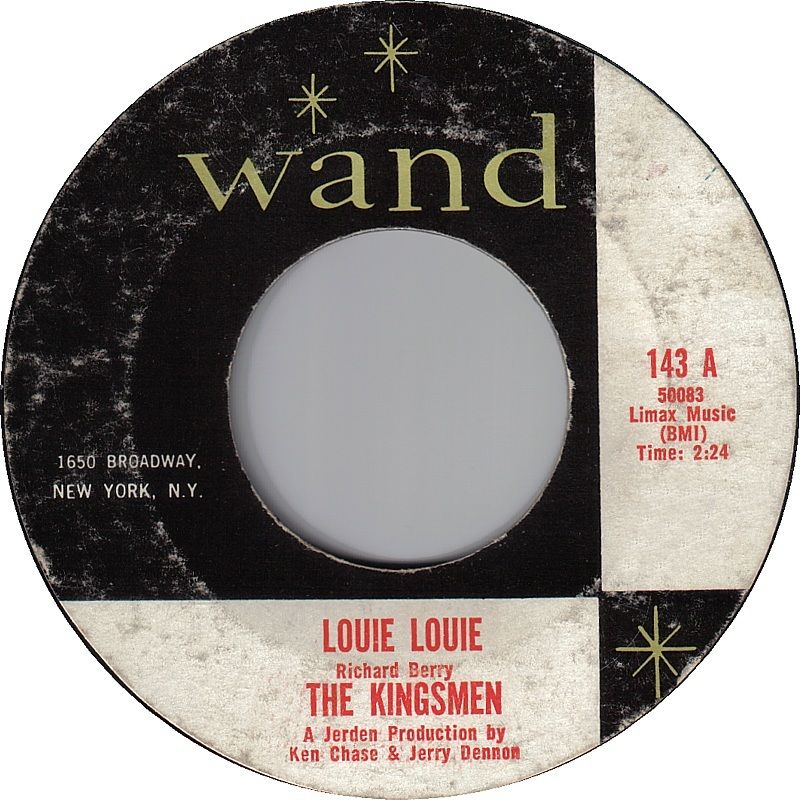
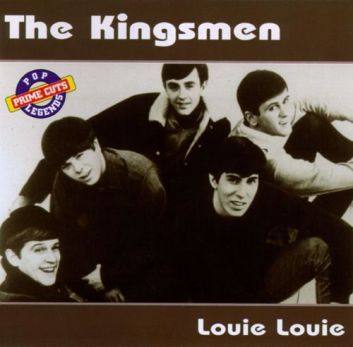 In 1955, singer-songwriter Richard Berry wrote a tune about a Jamaican sailor returning home to see his lady love. It’s a ballad, a Caribbean-flavored conversation in the first person singular, with a bartender. The bartender’s name is Louie.
 It all went downhill from there. “Louie Louie, me gotta go,” became in the fevered imagination, “Louie Louie, grab her way down low.” Invented lyrics ranging from mildly raunchy to downright pornographic were written out on slips of paper and exchanged between teenagers, spurring interest in the song and driving record sales, through the roof.
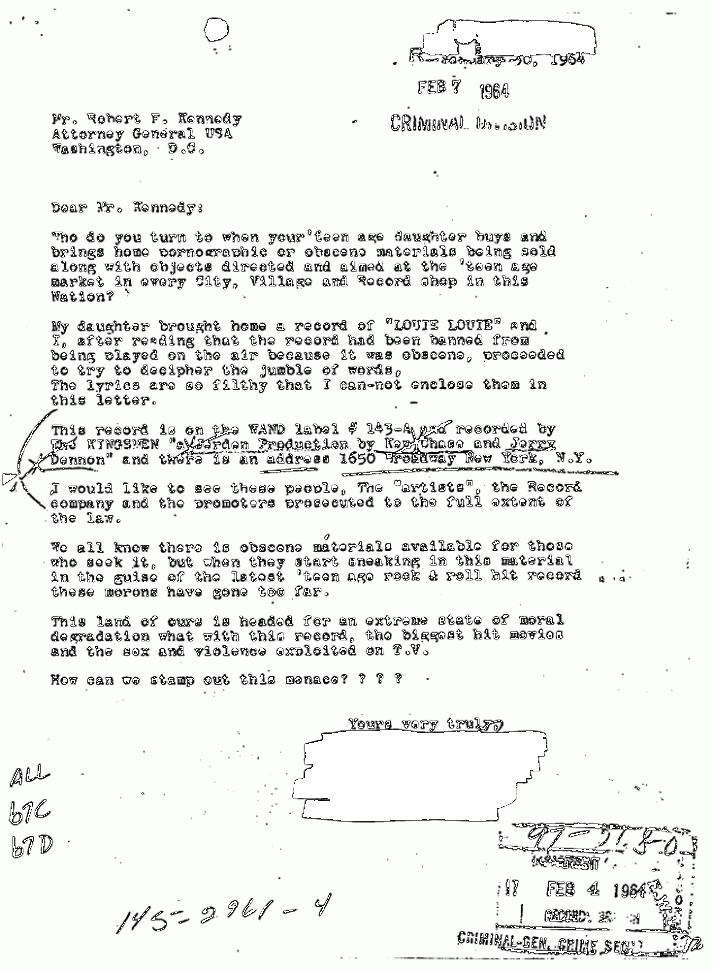 Dad might have taken a breath. The pop culture scene was not so steeped in filth, as he imagined. The top television program of the time was the Beverly Hillbillies. The top movie the Disney animated production, “The Sword and the Stone”.
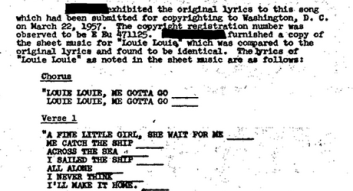 The FBI took up an investigation under the ITOM statute in 1964, a federal law regulating the Interstate Transportation of Obscene Material. Investigators interviewed witnesses. They listened to the song at varying speeds, backward and forward. The relentless search for lascivious material lasted two years and in the end, came up empty.


You must be logged in to post a comment.