
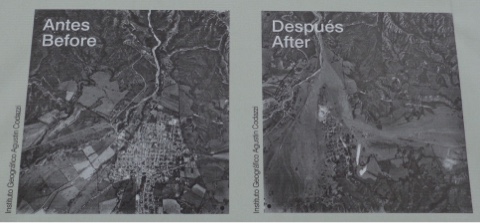
Fifty miles from the Colombian capital of Bogotá, the municipality of Armero was once home to 30,000 souls. Long known as “Colombia’s White City”, Armero was at one time a major cotton producer, seat of the prosperous agricultural region located in the northern Tolima Department, of Colombia.
Today, the place is a ghost town.
Some forty miles from Armero, the Nevado del Ruiz Stratovolcano in the Central Andes, is the site of three major eruptive periods since the early Pleistocene era. The present volcanic cone formed some 150,000 years ago during the present eruptive period. Known to locals as the “Sleeping Lion”, Nevado del Ruiz had not experienced a major eruption, since 1845. 140 years later, it was hard to imagine the thing presented much of a threat.
The eruption of November 13, 1985 was small by volcanic standards. For its unsuspecting victims, it was a distinction without a difference. Much as the ant may fail to notice. He was crushed by a very small elephant.

The eruption of Mount Vesuvius in 79AD was later described in a letter written by Pliny the Younger, describing the catastrophe that killed the philosopher’s uncle. The “Plinian Eruption” which killed the Roman author and naturalist Pliny the Elder would be repeated half a world away and some 2,000 years later, as a sleeping lion came to life.
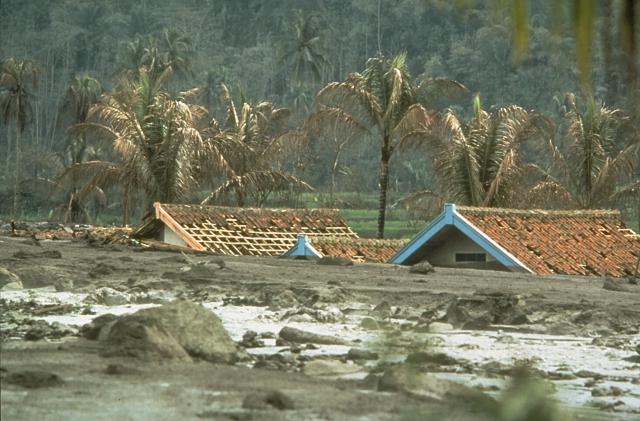
The fast moving clouds of gas and volcanic material came in the dead of night, the “pyroclastic flow” super-heated to 1,000° Fahrenheit and racing away from the cone at speeds as high as 430 miles-per-hour. Next came the Lahars, the violent and terrifying mud flow of pyroclastic material, rocky debris and vast quantities of water released by the near-instantaneous melting of the Nevado del Ruiz glacier. Imagine a wall of rocky mud coming at you at 22mph, only a little slower than Jamaican sprinter Usain Bolt’s best 100-meter dash. Usain Bolt just happens to be the fastest man who ever lived.
Mount Merapi Lahar, Central Java
Lahars flow at depths as great as 460-feet. Vast, hideous walls of mud, rock and debris the consistency of wet concrete, speeding down rivers and valleys. The first of three lahars and the most powerful of that night wiped fourteen towns and villages from the face of the earth, killing as many as 20,000 in Armero, alone.
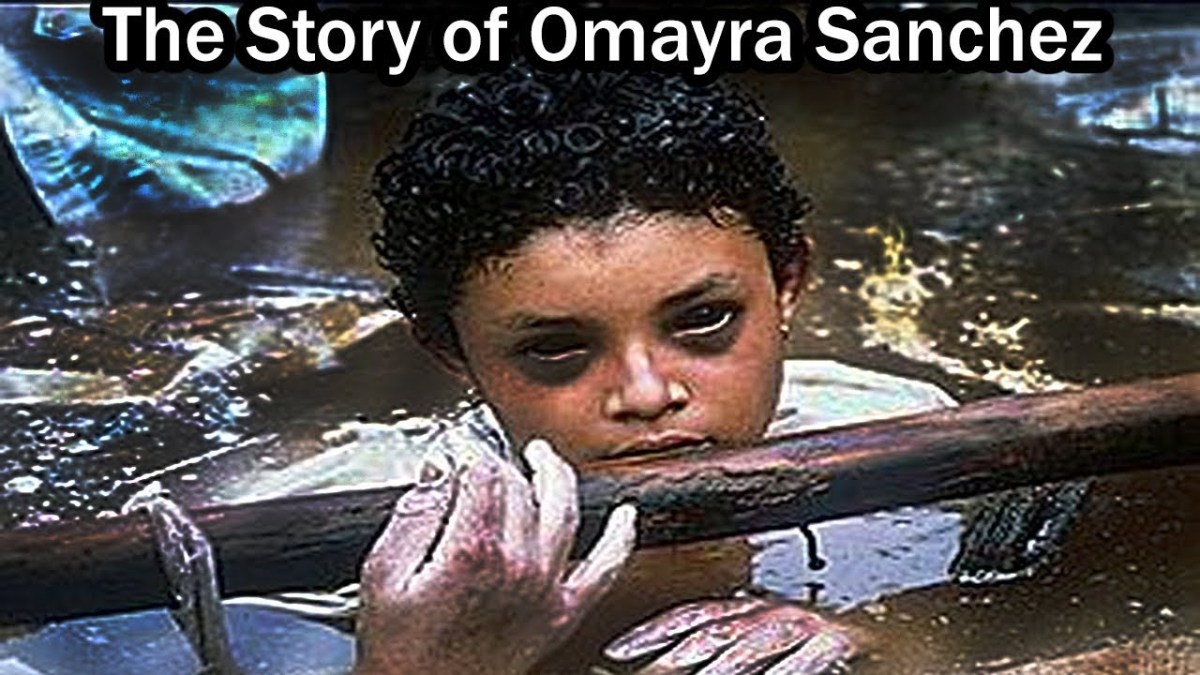
Omayra Sánchez Garzón was a little girl on this day in 1985, a typical thirteen-year-old and one among many, living in Armero. There is not enough meanness in all the world, to wish on anyone what this one little girl would endure for the next three days.
Many years ago, I found myself pinned under a car while working on the engine. The motor and transmission assembly, free of its mount, swung down and pinned my hand underneath. It obviously hurt but, more than that, there was the strangest feeling of being…trapped. Permanently pinned in place like an insect in a child’s science project, entirely denied the power of voluntary movement. It may as well have been a locomotive, sitting there on my fingers.
Omayra Sánchez suffered her legs to be so trapped, pinned under the collapsed stony structure of her own home, legs entangled in the dead arms of her aunt and submerged up to her neck, in water.
The nation of Colombia was a basket case at this time, engaged in a fight for its life with Leftist guerrilla organizations such as the M-19 Democratic Alliance (19th of April Movement), and the FARC. The Palace of Justice siege of less than a week earlier resulted in the murder of fully half the 25-member Colombian Supreme Court, as the Colombian military mobilized across the capital city of Bogotá.
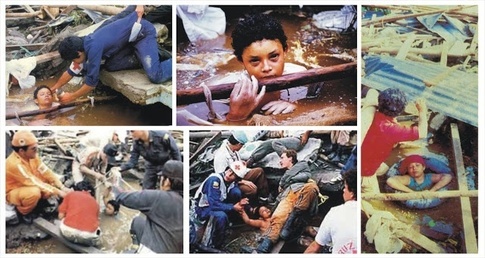
Rescue efforts on the ground in Armero were frantic, disorganized and mostly local. Official government assistance was all but, non-existent, pumps altogether unavailable. Soon even supplies of simple hand tools such as stretchers, shovels and cutting tools, began to give out. Foreign aid rushed in from nations from around the world but, for most victims, such well-intended help arrived, too late..
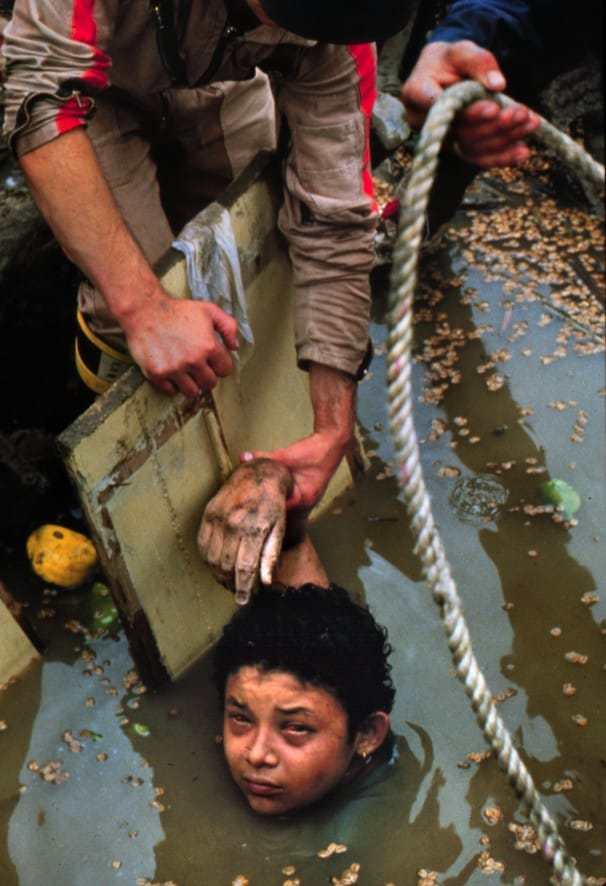
After the lahar passed, Sánchez found herself buried in rubble. She managed to get one hand out of the wreckage as rescuers desperately worked to clear the wood, stone and debris from her upper body. As the water rose, a tire was placed around her body to keep her from drowning. Divers attempted to free her legs, but without success. She was trapped. Bilateral amputation was considered but there were no means, even to remove the water. In the end, doctors determined the most humane course was to comfort this child as much as humanly possible, and let her die.
Colombian Ambassador to Portugal Germán Santa María Barragán was at that time a journalist and volunteer in the Armero rescue. Barragán was with Omayra for much of her last three days. Sánchez herself remained relatively positive throughout the ordeal, sometimes asking for sweets or soda, sometimes even singing to the journalist. Some times she cried and others, she prayed. Stuck there as she was she agreed to be interviewed, her face and her desperate plight quickly becoming known, around the world.
“Colombia and half of the world remained with the bitter sensation that Omayra Sánchez could have been able to continue living after remaining for almost 60 hours trapped from head to toe amidst the rubble of Armero. Her face, her words, and her courage, which streamed throughout the world on television and were a heartbreaking image in the largest newspapers and magazines of the United States and Europe, remained a testimony of accusation against those who could have at the very least made the tragedy less serious. – Germán Santa María Barragán in El Tiempo, November 23, 1985
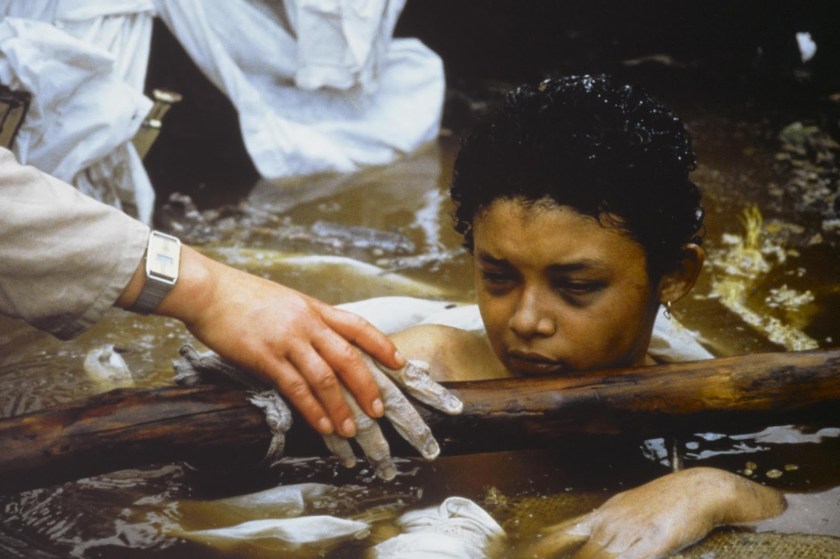
French photographer Frank Fournier arrived at dawn on the 16th. Omayra Sánchez had been in the water for nearly three days and nights by this time. She was all but abandoned when Fournier first saw her, the whole place eerily silent, save for the occasional scream.
Fournier received vehement backlash for his pictures. How could he do that, just taking pictures like that, without trying to help. What are you, some kind of ghoul? A “vulture”!? Fournier himself had no means to help this girl, save to use his skill and his camera, to bring her story to the world. He was a photographer.

In her final hours, Sánchez began to hallucinate. She asked the photographer to bring her to school. She didn’t want to miss her lessons. She had a math exam. At one point she even told her rescuers, to go get some rest.
Omayra Sánchez was trapped for sixty hours with only head and shoulders above water, caught in a kneeling position and pinned under massive and impenetrable piles of bricks and masonry. Her eyes reddened toward the end as her face swelled and her usually brown hands turned from pale, to white.
Two years later, the world held its breath for fifty-eight hours as scores of frantic volunteers worked ’round the clock, to free Baby Jessica from a West Texas well. Omayra Sánchez waited sixty hours for a rescue, that never arrived.

Red Cross workers desperately appealed to the Colombian government for a pump, and for help in freeing the trapped girl. In the end there was no alternative but to stay by her side, and pray. She died at 10:05am local time, from a combination of gangrene and hypothermia. Three hours after Fournier took the picture above.
In time, the water subsided. Those left alive moved away, to Bogotá or to Cali or a few kilometers north to the new town of Armero-Guayabal. Armero itself is a dead place now, save for a few memorials marking important places such as hospitals, parks, and theaters. And a small shrine, dedicated to one little girl.
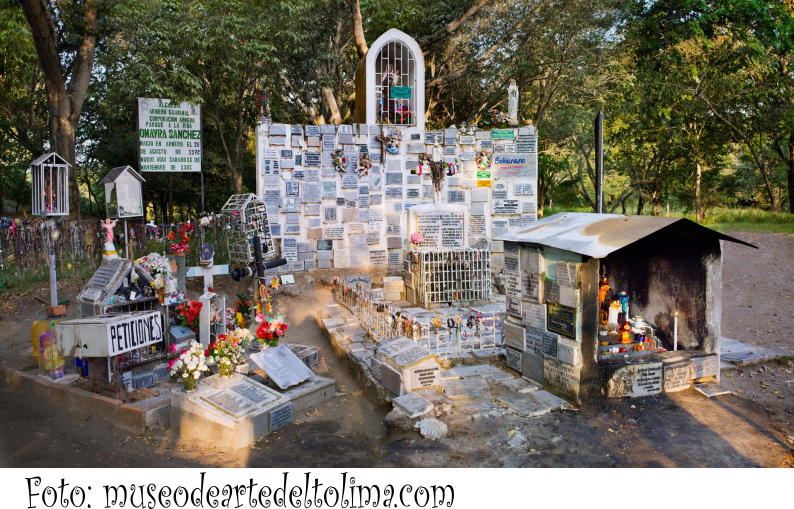
Little was left of Omayra’s family. Her father was killed in the collapse. Her aunt was dead. Two-thirds of the town in which she had spent her short life, were gone. 85% of Armero itself, had ceased to exist. From that day to this, the once prosperous “White City” of Colombia, remains a ghost town.


Omayra’s brother survived the disaster, with only the loss of a single digit. Her mother expressed the forlorn anguish only the parent of a dead child, will ever experience: “It is horrible, but we have to think about the living … I will live for my son, who only lost a finger.”


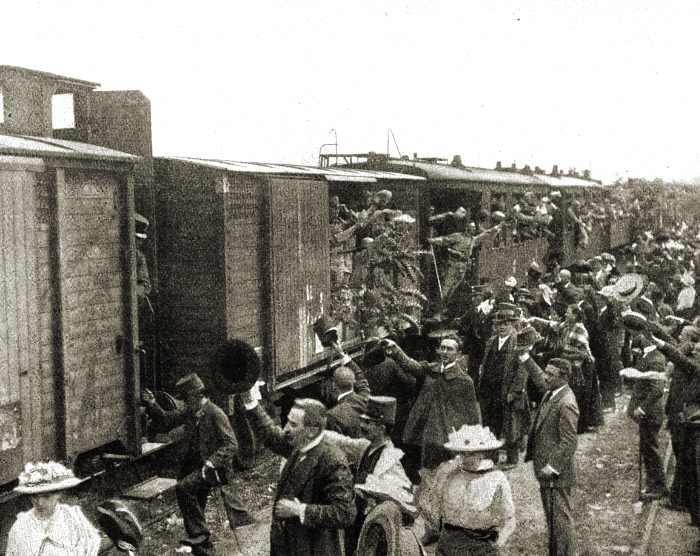
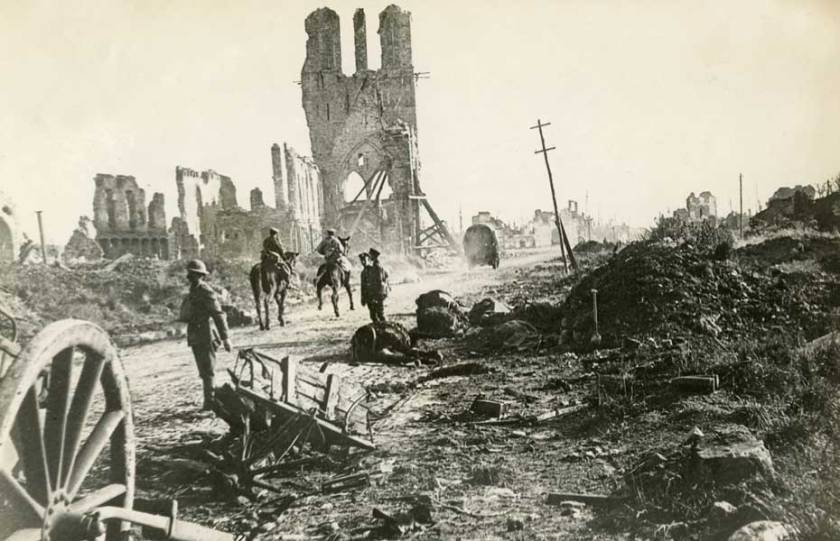 Some 40 million were killed in the Great War, either that or maimed or simply, vanished. It was a mind bending number, equivalent to the entire population in 1900 of either France, or the United Kingdom. Equal to the combined populations of the bottom two-thirds of every nation on the planet. Every woman, man, puppy, boy and girl.
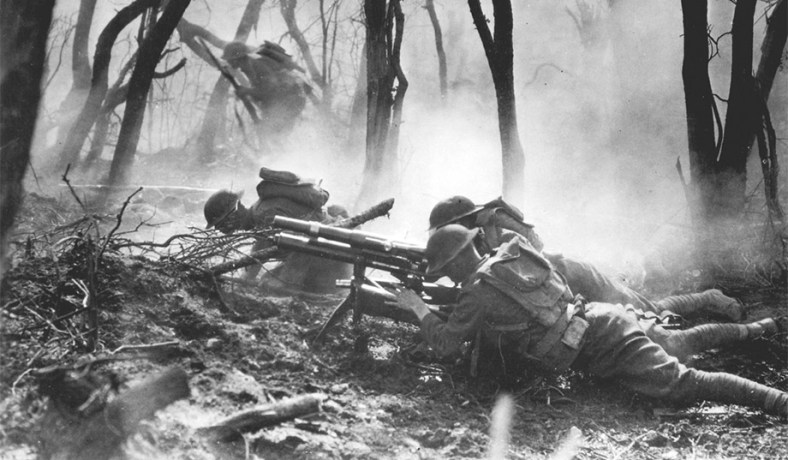 The idea of honoring the unknown dead from the “War to end all Wars” originated in Europe. Reverend David Railton remembered a rough cross from somewhere on the western front, with the words written in pencil: “An Unknown British Soldier”.

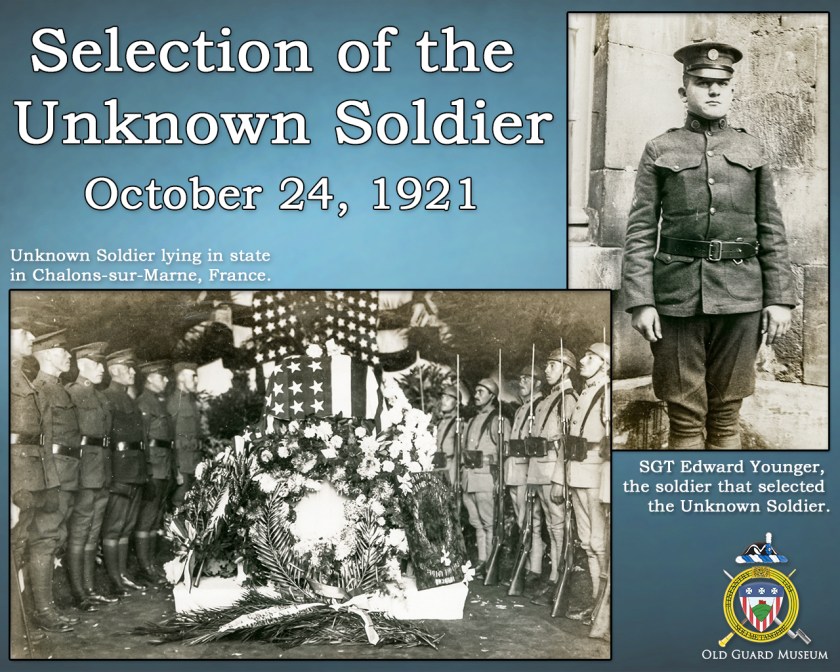 Passing between two lines of French and American officials, Sgt. Younger entered the room, alone. Slowly, he circled the four caskets, three times, before at last stopping at the third from the left. “What caused me to stop” he later said, “I don’t know. It was as though something had pulled me“. Younger placed the roses on the casket, drew himself to attention, and saluted. This was the one.
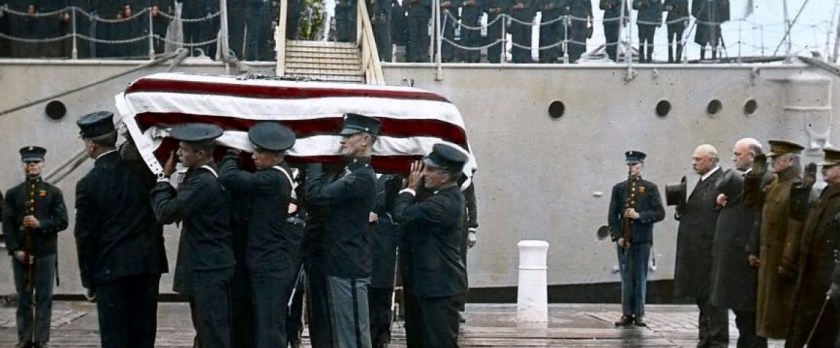 On November 11, the casket was removed from the Rotunda of the Capitol and escorted under military guard to the amphitheater at
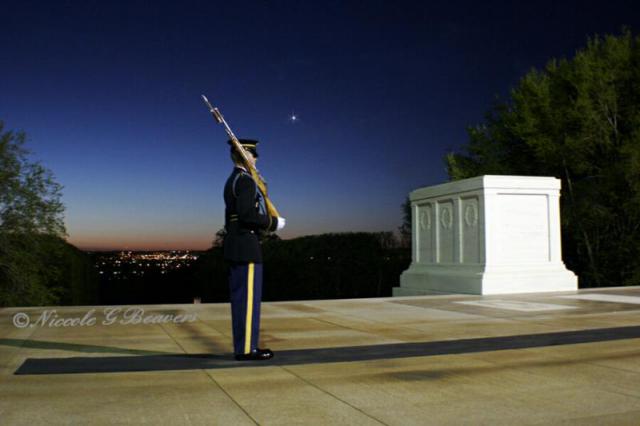
 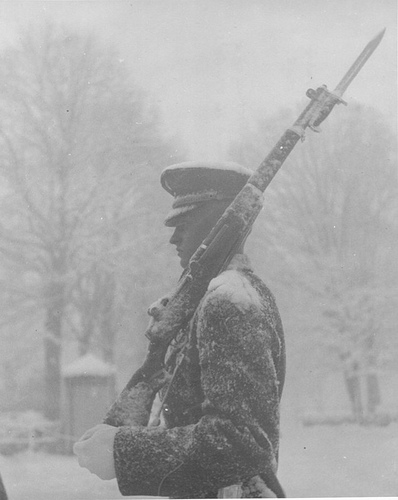 With three salvos of artillery, the rendering of Taps and the National Salute, the ceremony was brought to a close and the 12-ton marble cap placed over the Tomb of the Unknown Soldier. The west facing side bears this inscription: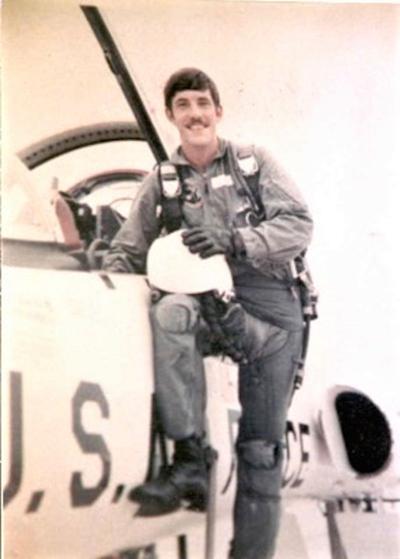

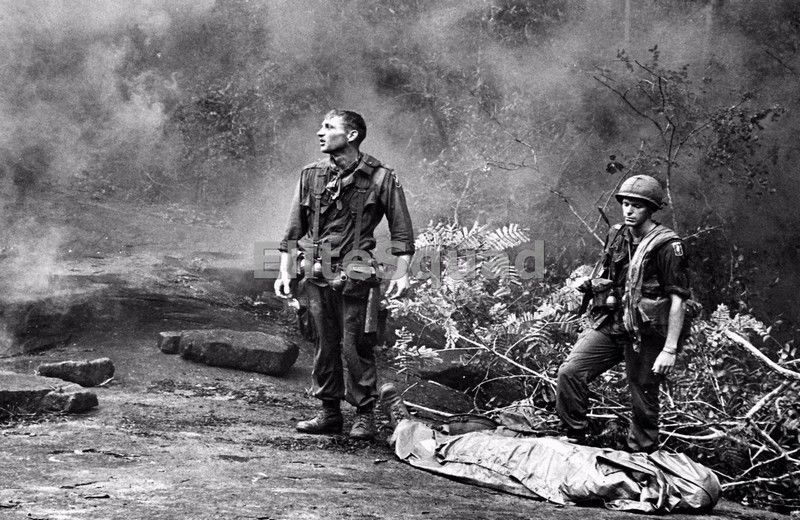
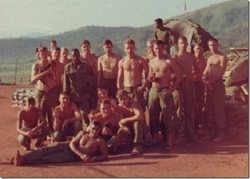 On this day in 1965, the 173rd Airborne Infantry Brigade was halfway through a one-year term of service, in Vietnam. “Operation Hump”, so named in recognition of that mid-point, was a search and destroy mission inserted by helicopter on November 5.
 There was little contact through the evening of the 7th, when B and C Companies of the 1/503rd took up a night defensive position in the triple canopied jungle near Hill 65.
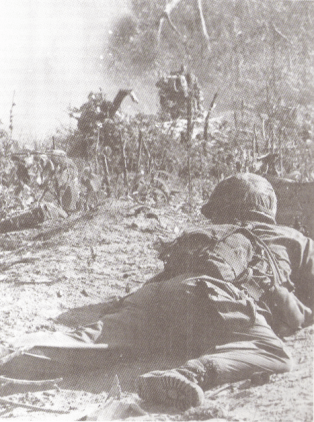 Outnumbered in some places six to one, it was a desperate fight for survival as parts of B and C companies were isolated in fighting that was shoulder to shoulder, hand to hand.
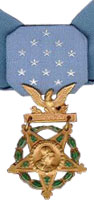 “For conspicuous gallantry and intrepidity at the risk of life above and beyond the call of duty. Specialist 5 Joel demonstrated indomitable courage, determination, and professional skill when a numerically superior and well-concealed Viet Cong element launched a vicious attack which wounded or killed nearly every man in the lead squad of the company. After treating the men wounded by the initial burst of gunfire, he bravely moved forward to assist others who were wounded while proceeding to their objective. While moving from man to man, he was struck in the right leg by machine gun fire. Although painfully wounded his desire to aid his fellow soldiers transcended all personal feeling. He bandaged his own wound and self-administered morphine to deaden the pain enabling him to continue his dangerous undertaking. Through this period of time, he constantly shouted words of encouragement to all around him. Then, completely ignoring the warnings of others, and his pain, he continued his search for wounded, exposing himself to hostile fire; and, as bullets dug up the dirt around him, he held plasma bottles high while kneeling completely engrossed in his life saving mission. Then, after being struck a second time and with a bullet lodged in his thigh, he dragged himself over the battlefield and succeeded in treating 13 more men before his medical supplies ran out. Displaying resourcefulness, he saved the life of one man by placing a plastic bag over a severe chest wound to congeal the blood. As 1 of the platoons pursued the Viet Cong, an insurgent force in concealed positions opened fire on the platoon and wounded many more soldiers. With a new stock of medical supplies,
 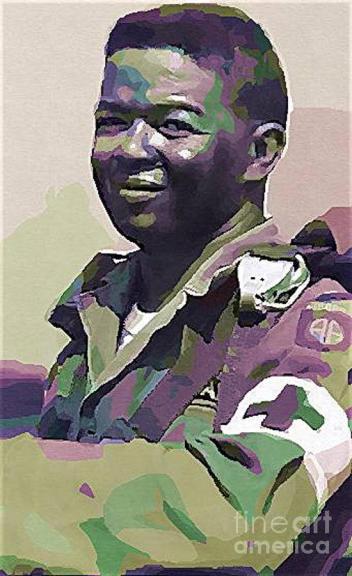 Specialist 5 Joel again shouted words of encouragement as he crawled through an intense hail of gunfire to the wounded men. After the 24 hour battle subsided and the Viet Cong dead numbered 410, snipers continued to harass the company. Throughout the long battle, Specialist 5 Joel never lost sight of his mission as a medical aid man and continued to comfort and treat the wounded until his own evacuation was ordered. His meticulous attention to duty saved a large number of lives and his unselfish, daring example under most adverse conditions was an inspiration to all. Specialist 5. Joel’s profound concern for his fellow soldiers, at the risk of his life above and beyond the call of duty are in the highest traditions of the U.S. Army and reflect great credit upon himself and the Armed Forces of his country“.

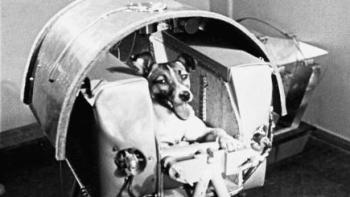 The first living creature to enter space was the dog “

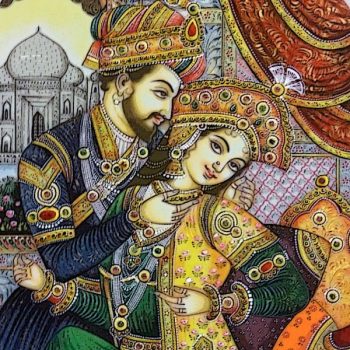 As Empress consort and beloved by the Emperor above all his wives, Arjumand was better known by the title “Mumtaz Mahal”, translating from the Persian as “the exalted one of the palace”. Jahan called her ‘Malika-i-Jahan’. She was his “Queen of the World”.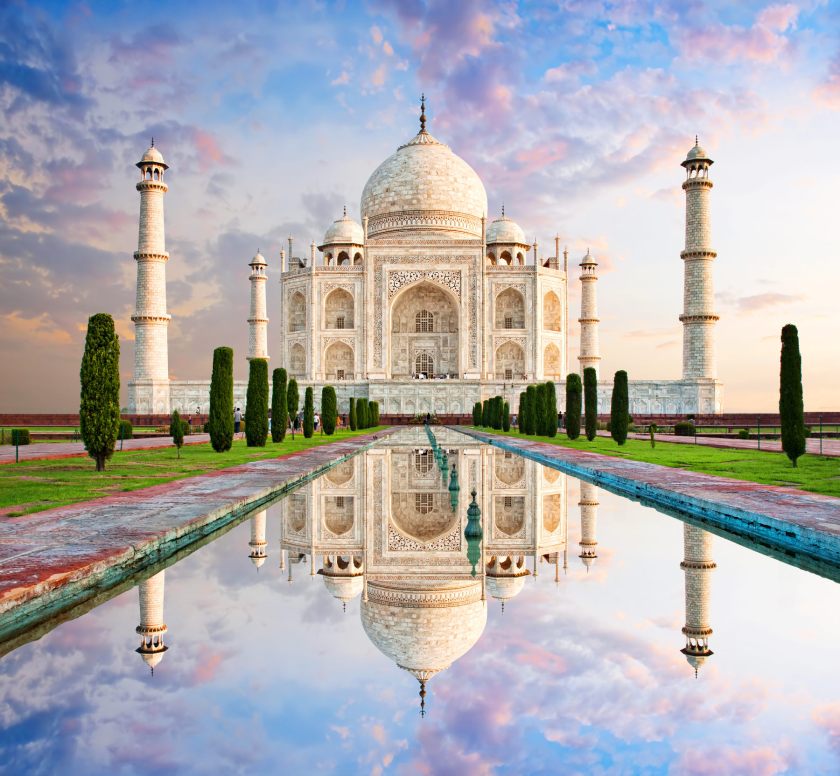


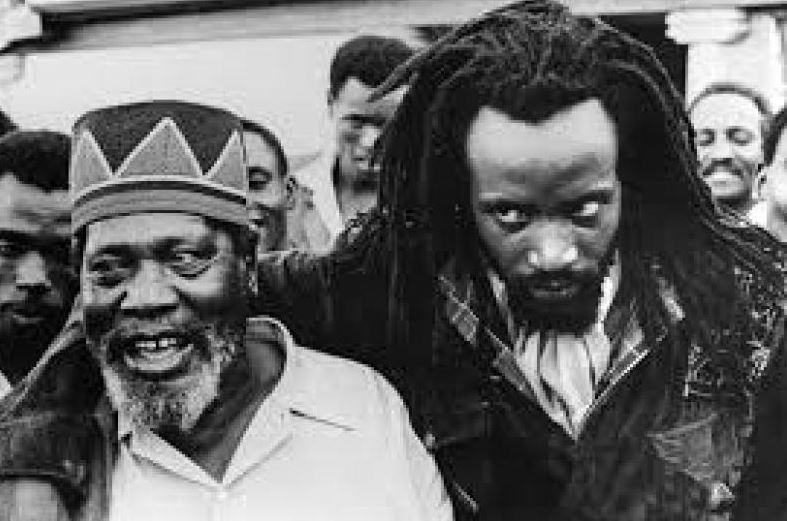

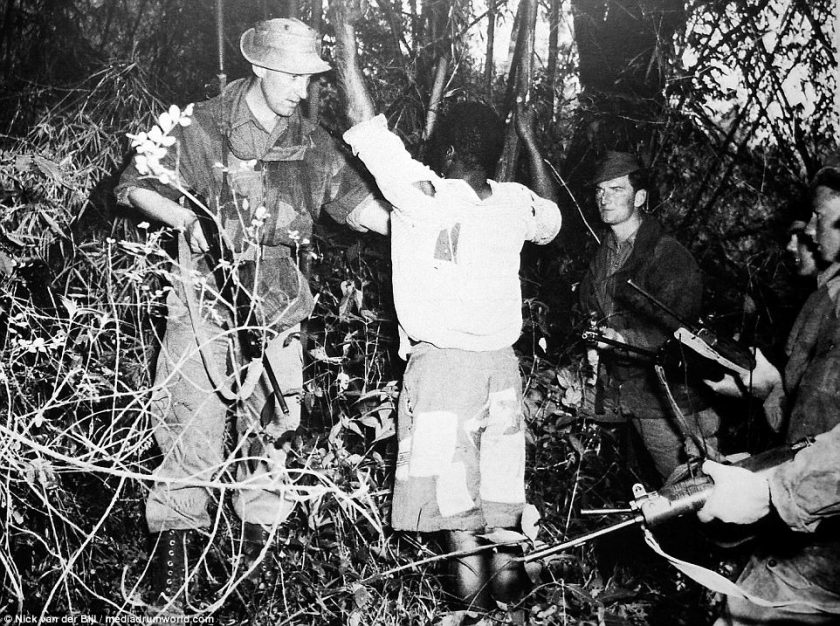 Barack Obama wrote in his memoir “Dreams from my Father”, that his grandfather Hussein Onyango Obama was captured and tortured by British authorities during the Mau Mau uprising. The now-former President wrote that his father was “selected by Kenyan leaders and American sponsors to attend a university in the United States, joining the first large wave of Africans to be sent forth to master Western technology and bring it back to forge a new, modern Africa“.
 If you’re interested in a little pop culture sauce to go with this turkey, the Mau Mau uprising inspired a number of similar rebellions throughout the region. One of them occurred in the East African coastal city of Zanzibar.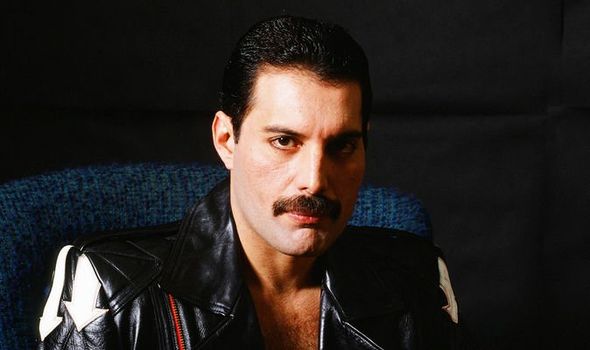

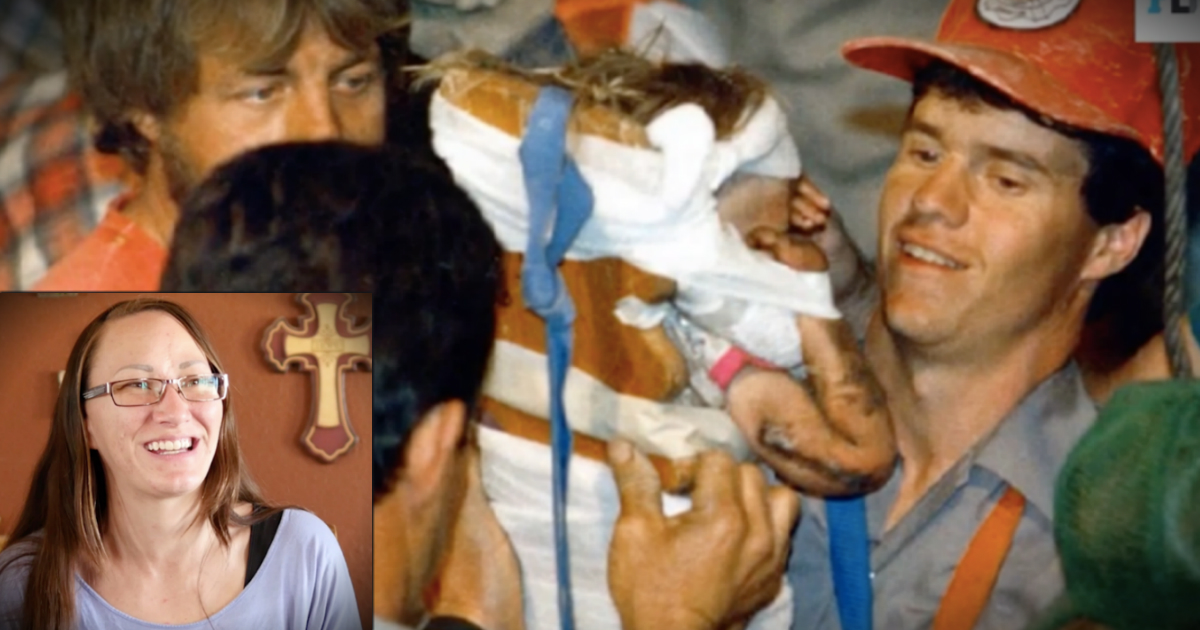
 Jessica McClure Morales is 33-years old. A typical West Texas Mom, with two kids and a dog. Her life is normal in every way. She’s a teacher’s aide. Her husband Danny, works for a piping supply outfit.
 Midland, Texas first responders quickly devised a plan. A second shaft would be dug, parallel to the well. Then it was left only to bore a tunnel, until rescuers reached the baby. The operation would be over, by dinnertime.
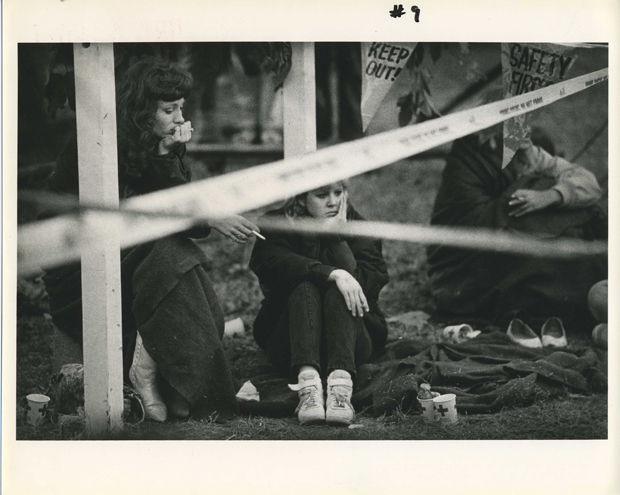


 These were good signs. A baby could neither sing nor cry, if she could not breathe.
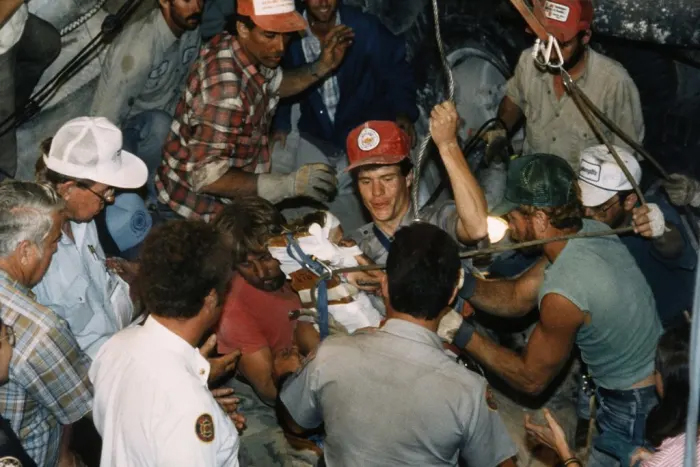 Baby Jessica came out of that well with her face deeply scarred and toes black with gangrene, for lack of blood flow. She required fifteen surgeries before her ordeal was over, but she was alive.
 The story has a happy ending for baby Jessica. Not so, for many others. The New York Times wrote:
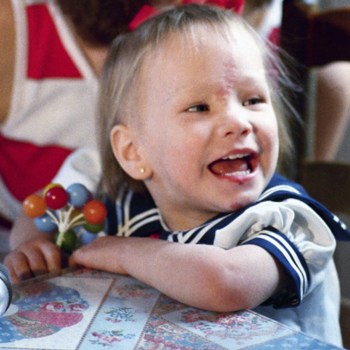 President Ronald Reagan quipped, “Everybody in America became godmothers and godfathers of Jessica while this was going on.” Baby Jessica appeared with her teenage parents Reba and Chip on Live with Regis and Kathie Lee, to talk about the incident. Scott Shaw of the Odessa American won the Pulitzer prize for The photograph. ABC made a television movie: Everybody’s Baby: The Rescue of Jessica McClure. USA Today ranked her 22nd on a list of “25 lives of indelible impact.” Everyone in the story became famous. Until they weren’t.
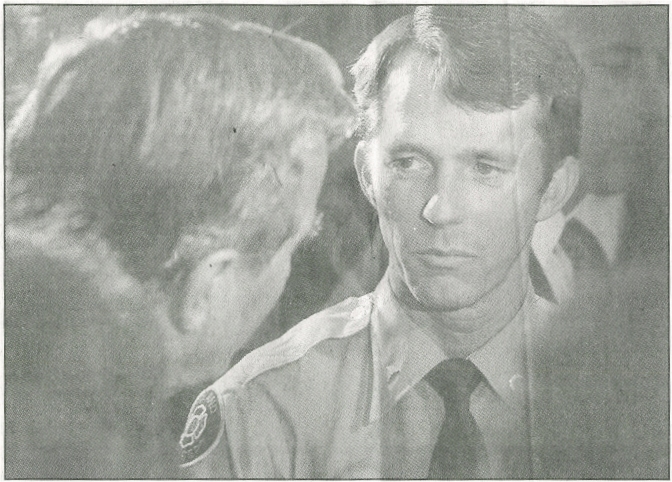 In April 1995, O’Donnell’s mother noticed the missing shotgun at the family ranch, in Stanton Texas. The 410 buckshot, loaded with larger pellets intended for bigger game, or self defense. They found the body some 20-miles away, slumped over the wheel of the new Ford pickup. This was no accident. You don’t put a barrel that long into your mouth, without meaning to.

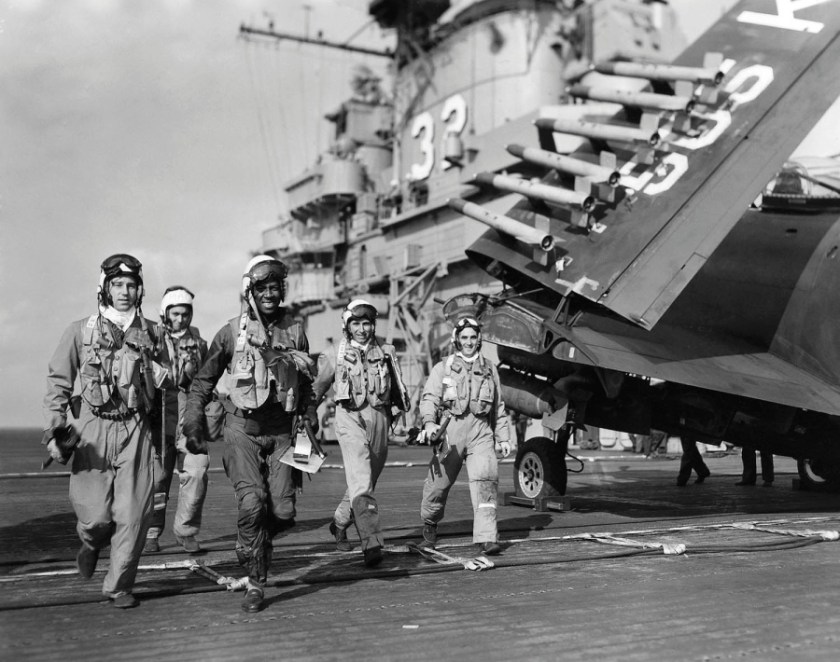
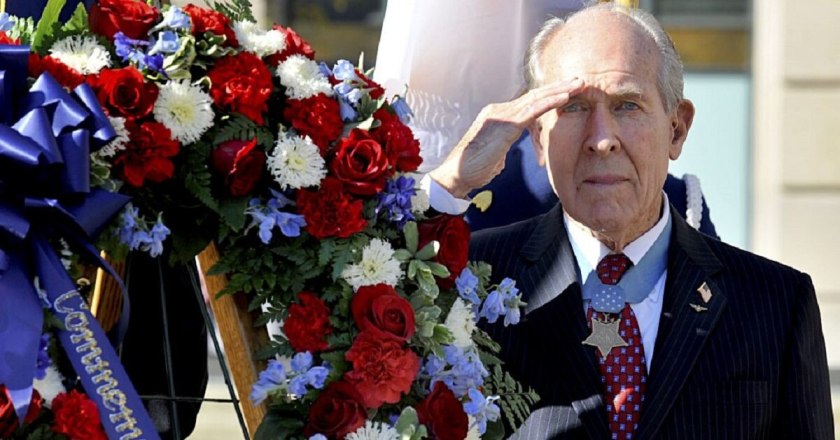
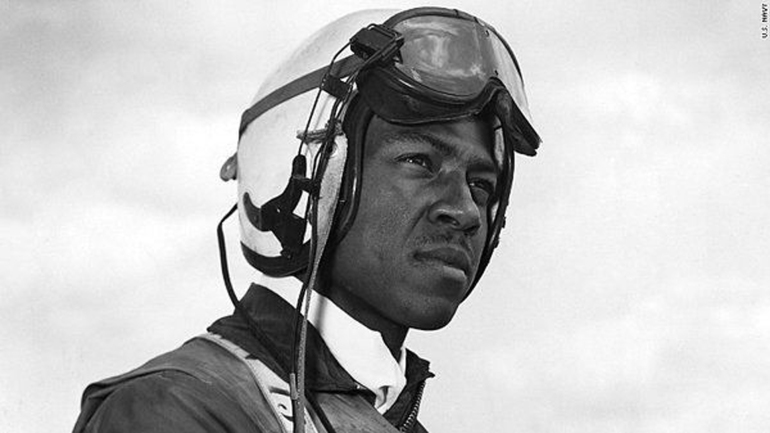
 Hudner acted on instinct, deliberately crash landing his own aircraft and, now injured, running across the snow to the aid of his friend and wing man. Hudner scooped snow onto the fire with his bare hands in the bitter 15° cold, burning himself in the progress while Brown faded in and out of consciousness. Soon, a Marine Corps helicopter pilot landed, to help out. The two tore into the stricken aircraft with an axe for 45 minutes, but could not free the trapped pilot.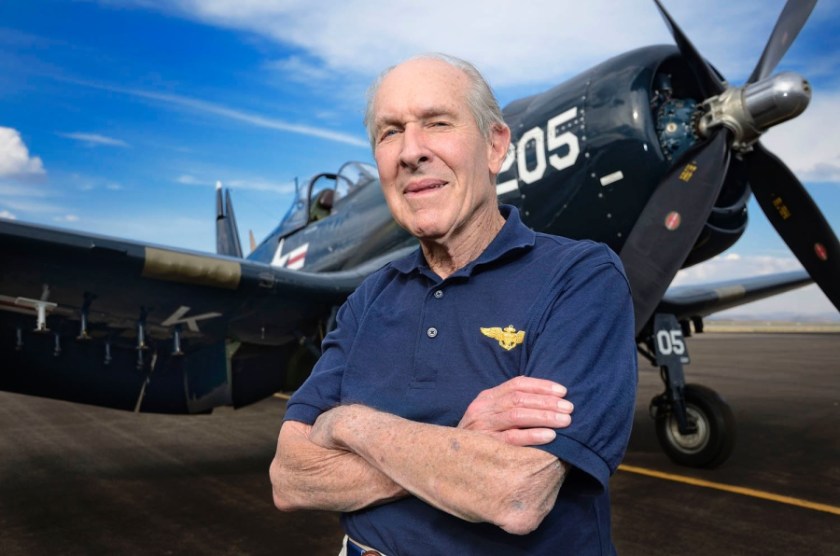

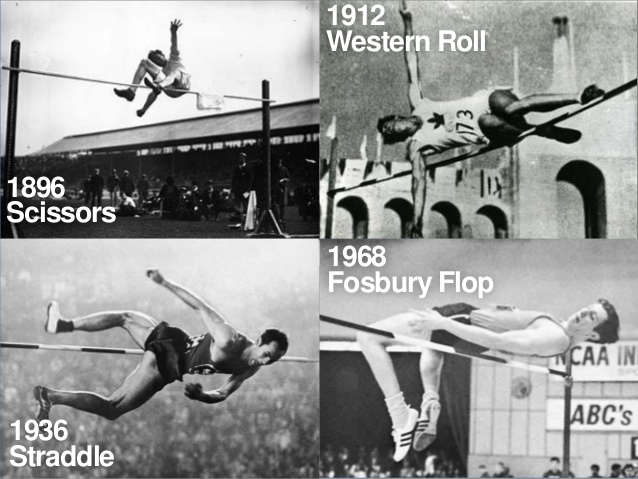


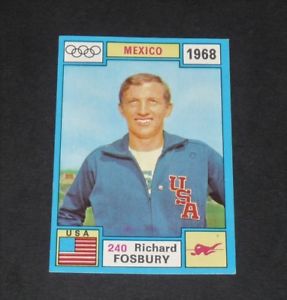 80,000 spectators witnessed for the first time, the “wrong foot” ascent. The perfect arch. The body mechanics leaving the jumper’s center of gravity, below the bar.
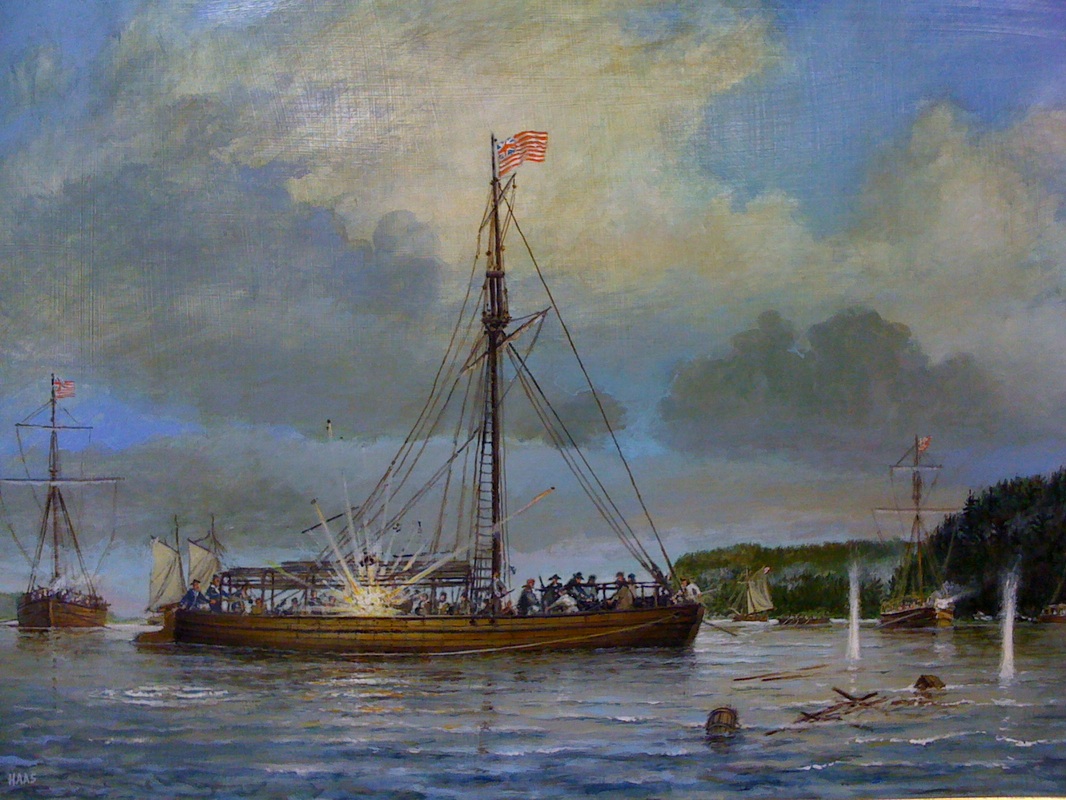
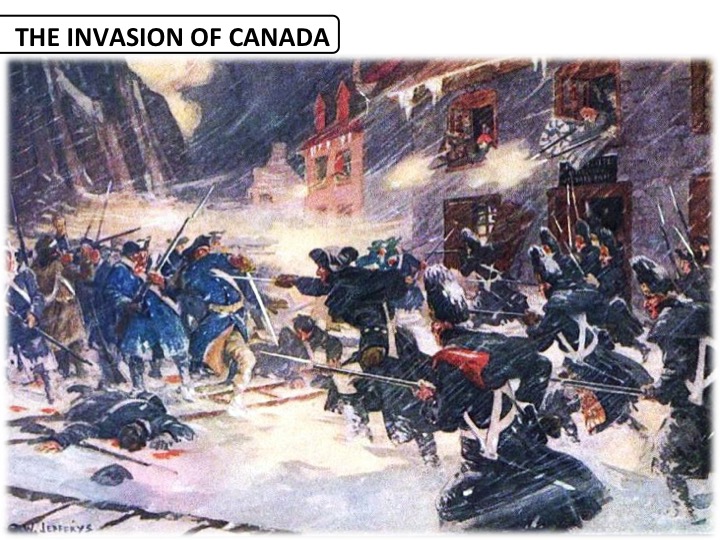
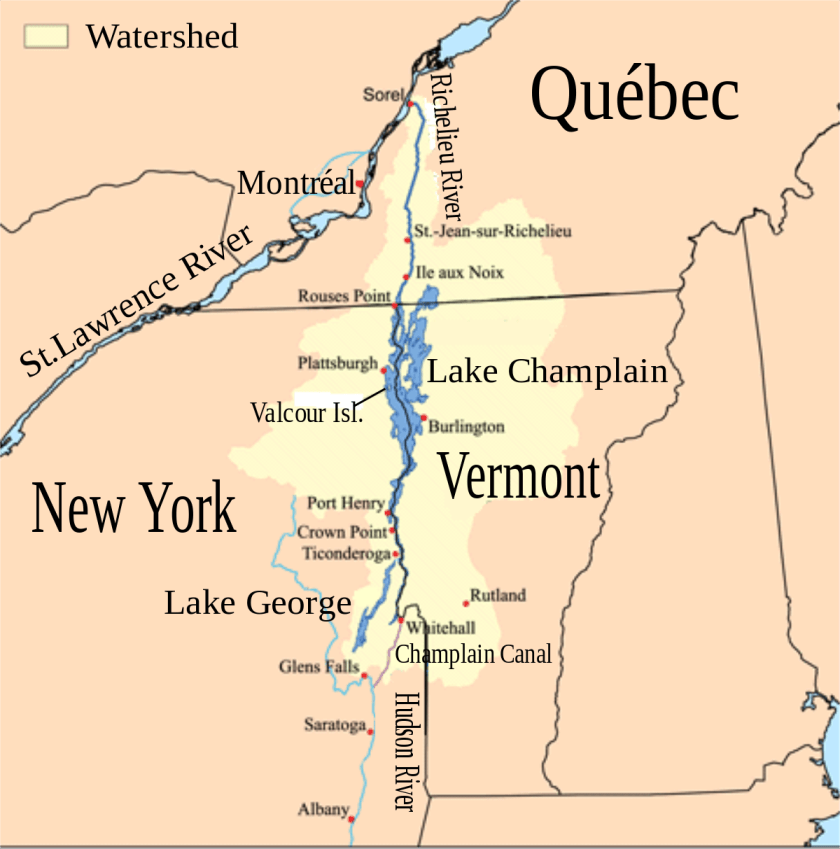
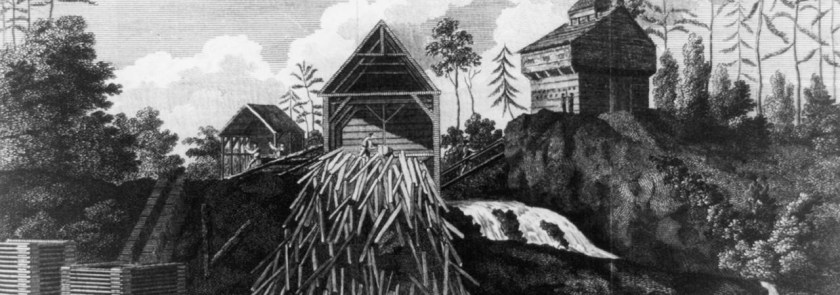 Hermanus Schuyler oversaw the effort, while military engineer Jeduthan Baldwin was in charge of outfitting. Gates asked General Benedict Arnold, an experienced ship’s captain, to spearhead the effort, explaining “I am intirely uninform’d as to Marine Affairs”.
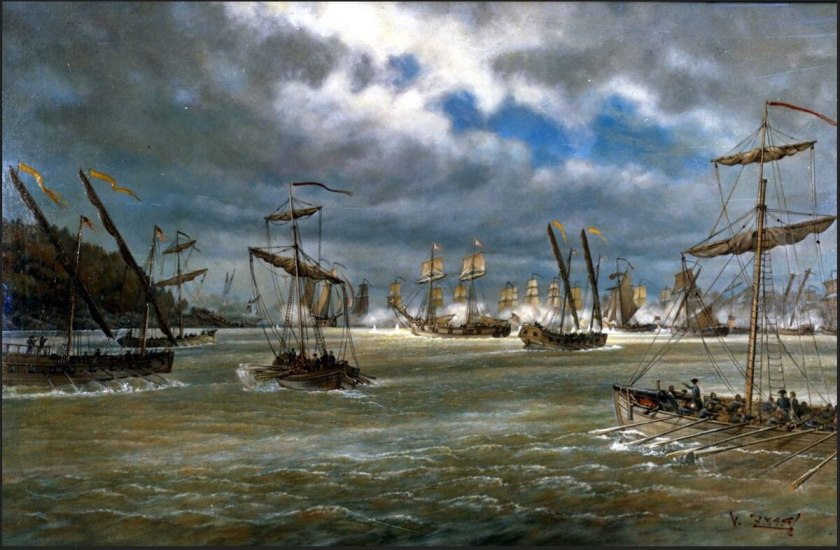
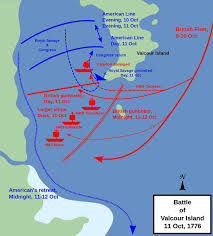 As the two sides closed in the early days of October, General Arnold knew he was at a disadvantage. The element of surprise was going to be critical. Arnold chose a small strait to the west of Valcour Island, where he was hidden from the main part of the lake. There he drew his small fleet into a crescent formation, and waited.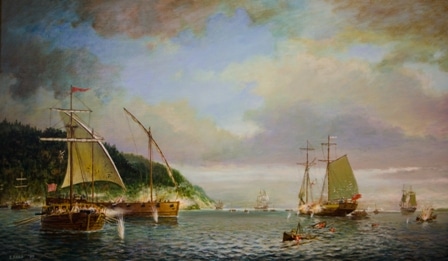



You must be logged in to post a comment.