

In the 12th century, French philosopher Bernard of Chartres expressed the concept of “discovering truth by building on previous discoveries”. The idea is familiar to the reader of English as expressed by the mathematician and astronomer Isaac Newton, who observed that “If I have seen further it is by standing on the shoulders of Giants.”

Nowhere is there more truth to the old adage, than in the world of medicine. In 1841, the child who survived to celebrate a fifth birthday could look forward to a life of some 55 years. Today, a five-year-old can expect to live to eighty-two, fully half again that of the earlier date.
Yet, there are times when the giants who brought us here are unknown to us, as if they had never been. One such is Dr. Ignaz Semmelweis, one of the earliest pioneers in anti-septic medicine.
Semmelweis studied law at the University of Vienna in the fall of 1837, but switched to medicine the following year. He received his MD in 1844 and, failing to gain a clinical appointment in internal medicine, decided to specialize in obstetrics.
In the third century AD, the Greek physician Galen of Pergamon first described the “miasma” theory of illness, holding that infectious diseases such as cholera, chlamydia and the Black Death were caused by noxious clouds of “bad air”. The theory is discredited today, but such ideas die hard.

The germ theory of disease was first proposed by Girolamo Fracastoro in 1546 and expanded by Marcus von Plenciz in 1762. Single-cell organisms – bacteria – were known to exist in human dental plaque as early as 1683, yet their functions were imperfectly understood. Today, the idea that microrganisms such as fungi, viruses and other pathogens cause infectious disease is common knowledge, but such ideas were held in disdain among scientists and doctors, well into the 19th century.
 In the mid-19th century, birthing centers were set up all over Europe, for the care of poor and underprivileged mothers and their illegitimate infants. Care was provided free of charge, in exchange for which young mothers agreed to become training subjects for doctors and midwives.
In 1846, Semmelweis was appointed assistant to Professor Johann Klein in the First Obstetrical Clinic of the Vienna General Hospital, a position similar to the “chief resident,” of today.
 At the time, Vienna General Hospital ran two such clinics, the 1st a “teaching hospital” for undergraduate medical students, the 2nd for student midwives.
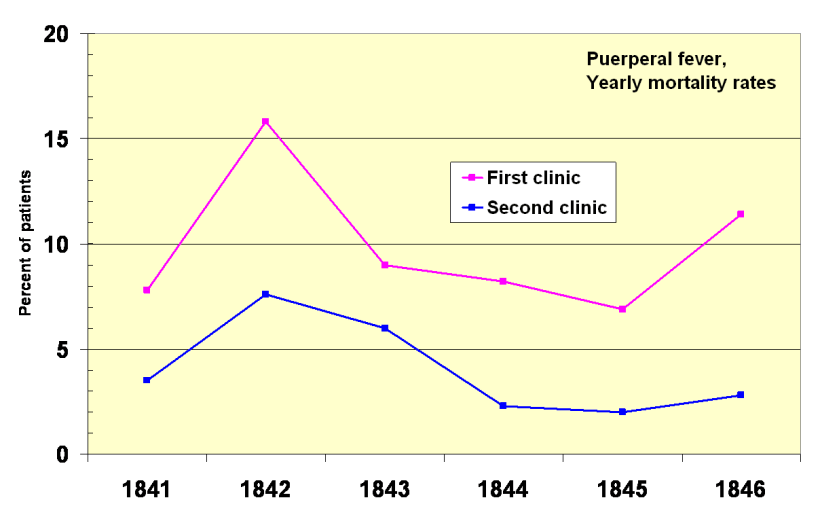
Semmelweis quickly noticed that one in ten women and sometimes one in five, were dying in the First Clinic of postpartum infection known as “childbed fever”, compared with less than 4% at the Second Clinic.
The difference was well known even outside of the hospital. Expectant mothers were admitted on alternate days into the First or Second Clinic. Desperate women begged on their knees not to be admitted into the First, some preferring even to give birth in the streets, over childbirth in that place. The disparity between the two clinics “made me so miserable”, Semmelweis said, “that life seemed worthless”. He had to know the reason why.
 Childbed or “puerperal” fever was rare among these “street births”, and far more prevalent in the First Clinic, than the Second. Semmelweis carefully eliminated every difference between the two, even including religious practices. In the end, the only difference was the people who worked there.
The breakthrough came in 1847, following the death of Semmelweis’ friend and colleague, Dr. Jakob Kolletschka. Kolletschka was accidentally cut by a student’s scalpel, during a post-mortem examination. The doctor’s own autopsy showed a pathology very similar to those women, dying of childbed fever. Medical students were going from post-mortem examinations of the dead to obstetrical examinations of the living, without washing their hands.
Midwife students had no such contact with the dead. This was it. Some unknown “cadaverous material” had to be responsible for the difference.
Semmelweis instituted a mandatory handwashing policy, using a chlorinated lime solution between autopsies and live patient examinations.
 Mortality rates in the First Clinic dropped by 90%, to rates comparable with the Second. In April 1847, First Clinic mortality rates were 18.3% – nearly one in five. Hand washing was instituted in mid-May, and June rates dropped to 2.2%. July was 1.2%. For two months, the rate was zero.
The European medical establishment celebrated the doctor’s findings, and Semmelweis was feted as a giant of modern medicine. No, just kidding. He wasn’t.
The imbecility of the response to Semmelweis’ findings is hard to get your head around, and the doctor didn’t help himself. The medical establishment took offense to the idea that they themselves were the cause of the mortality problem, and that the answer lay in simple cleanliness.
Semmelweis himself was anything but tactful, publicly berating those who disagreed with his hypothesis and gaining powerful enemies. For many, the doctor’s ideas were extreme and offensive, ignored or rejected and even ridiculed. Are we not Gentlemen!? Semmelweis was fired from his hospital position and harassed by the Vienna medical establishment, finally forced to move to Budapest.
 Dr. Semmelweis was outraged by the indifference of the medical community, and began to write open and increasingly angry letters to prominent European obstetricians. He went so far as to denounce such people as “irresponsible murderers”, leading contemporaries and even his wife, to doubt his mental stability.
Dr. Ignaz Philipp Semmelweis was committed to an insane asylum on July 31, 1865, twenty-three years before Dr. Louis Pasteur opened his institute for the study of microbiology.
On August 12, 1865, British surgeon and scientist Dr. Joseph Lister performed the first anti-septic surgery, in medical history. Dr. Semmelweis died the following day at the age of 47, the victim of a blood infection sustained following a severe beating by asylum guards.








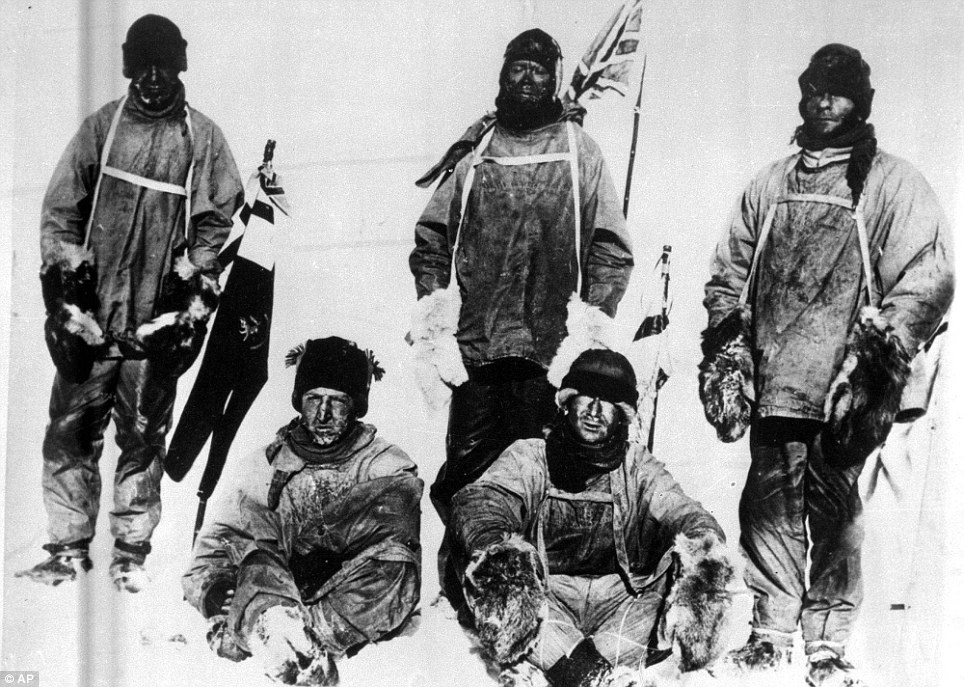


 Noble though it was, Lawrence Oates’ suicide came to naught. The last three made their final camp on March 19, with 400 miles to go. A howling blizzard descended on the tents the following day and lasted for days, as Scott, Henry “Birdie” Bowers and Dr. Edward Wilson wrote good-bye letters to mothers, wives, and others. In his final starved, frostbitten hours, Robert Falcon Scott wrote to his diary “It seems a pity, but I do not think I can write more.” In his final entry, Scott worried about the financial burden on his family, and those of the doomed expedition: “Last entry. For God’s sake look after our people”.
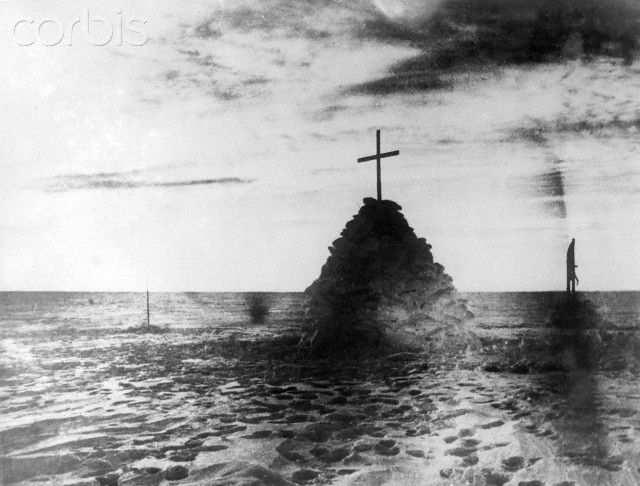 The last three survivors died eleven miles from their next supply depot.




 The animosity between the media and the White House grew as Nixon and administration officials discussed plans to “get” hostile media organizations.
 Within six days, the House Judiciary Committee approved three articles of impeachment: obstruction of justice, abuse of power and contempt of Congress.


 Reduced to three ships by August 1578, Drake made the straits of Magellan, emerging alone into the Pacific that September.


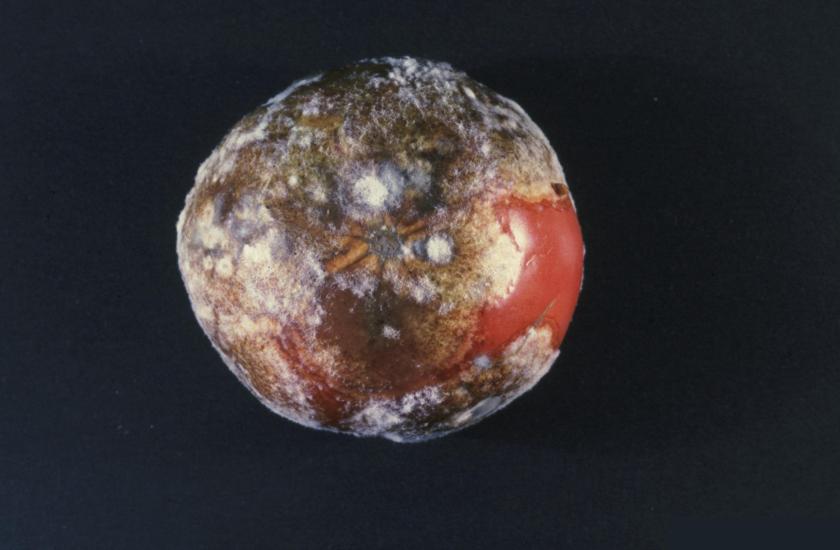


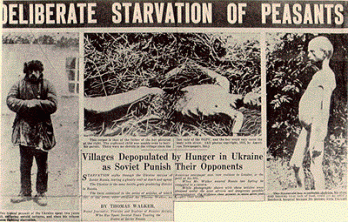 As Stalin’s Soviet Union imposed the “terror famine” of 1932-’33, the deliberate starvation of millions of Ukrainian peasant farmers known as the
  As director of the Soviet Academy of Agricultural Sciences, Lysenko put his theories to work, with unsurprisingly dismal results. He’d force Soviet farmers to plant WAY too close together, on the theory that plants of the same “class” would “cooperate” with one another, and that “mutual assistance” takes place within and even across plant species.

 By the siege’s end in the Spring of 1944, nine of them had starved to death, standing watch over all that food. These guys had stood guard over their seed bank for twenty-eight months, without eating so much as a grain.


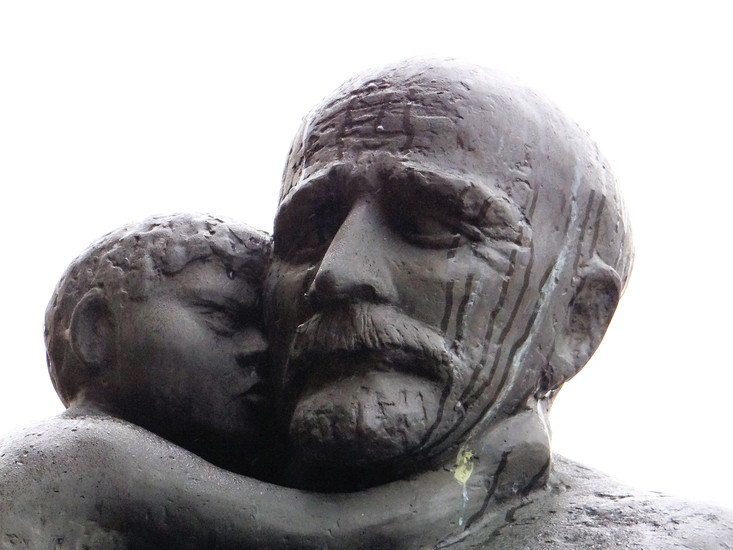
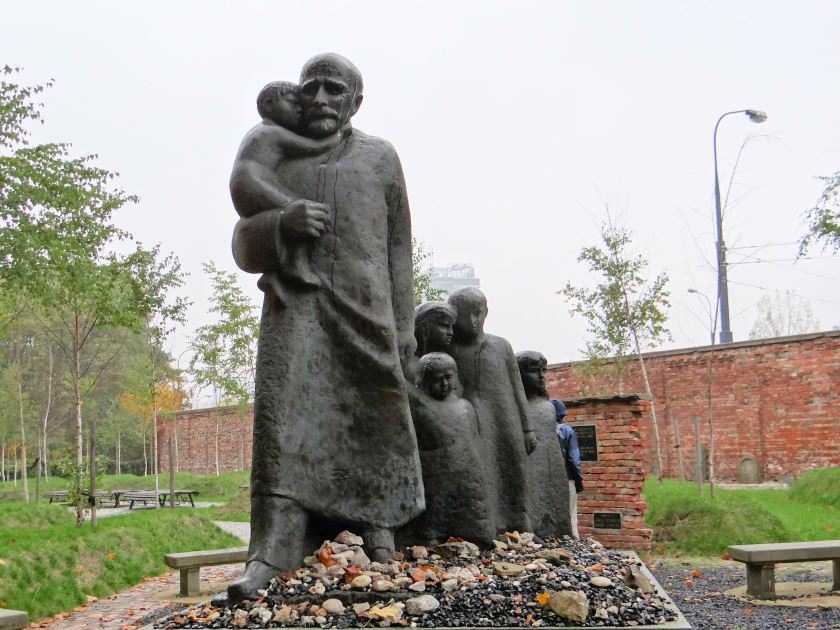
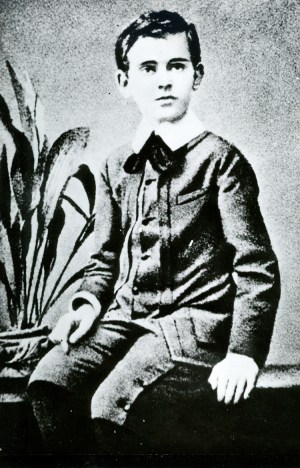 Born Henryk Goldszmit into the Warsaw family of Józef Goldszmit, in 1878 or ’79 (the sources vary), Korczak was the pen name by which he wrote children’s books.
 Korczak wrote for several Polish language newspapers while studying medicine at the University of Warsaw, becoming a pediatrician in 1904. Always the writer, Korczak received literary recognition in 1905 with his book Child of the Drawing Room (Dziecko salonu), while serving as medical officer during the Russo-Japanese war.
 The Polish nation, the sixth largest in all Europe, was sectioned and partitioned for over a century, by Austrian, Prussian, and Russian imperial powers. Korczak volunteered for military service in 1914, serving as military doctor during WW1 and the series of Polish border wars between 1919-’21.




 The oldest winery for which archaeological evidence exists was established around BC4100, in present-day Armenia. The Egyptian Pharoahs were producing a wine-like substance from 3100BC for use in public ceremonies, due to its resemblance to blood.
 Sounds like a great job, as Greek Gods go.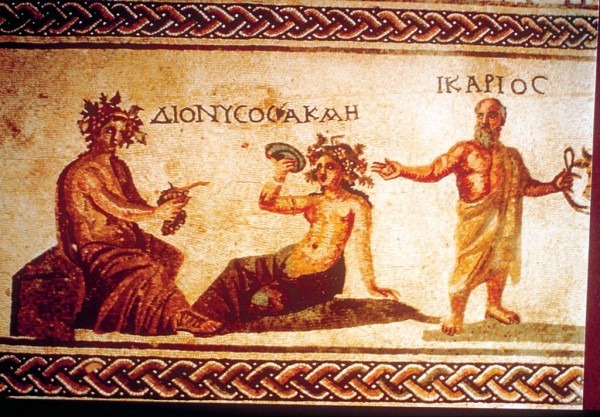
 The legions of Rome expanded the Empire across Europe from modern day France and Germany into Portugal and Spain. Everywhere the Legions went, vineyards were soon to follow. To this day, some regions are said to have more ‘Terroir’, than others.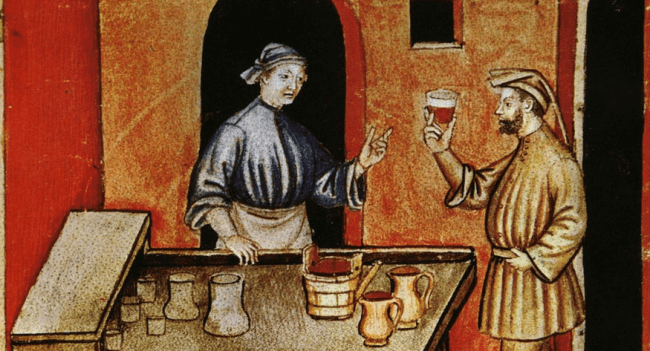
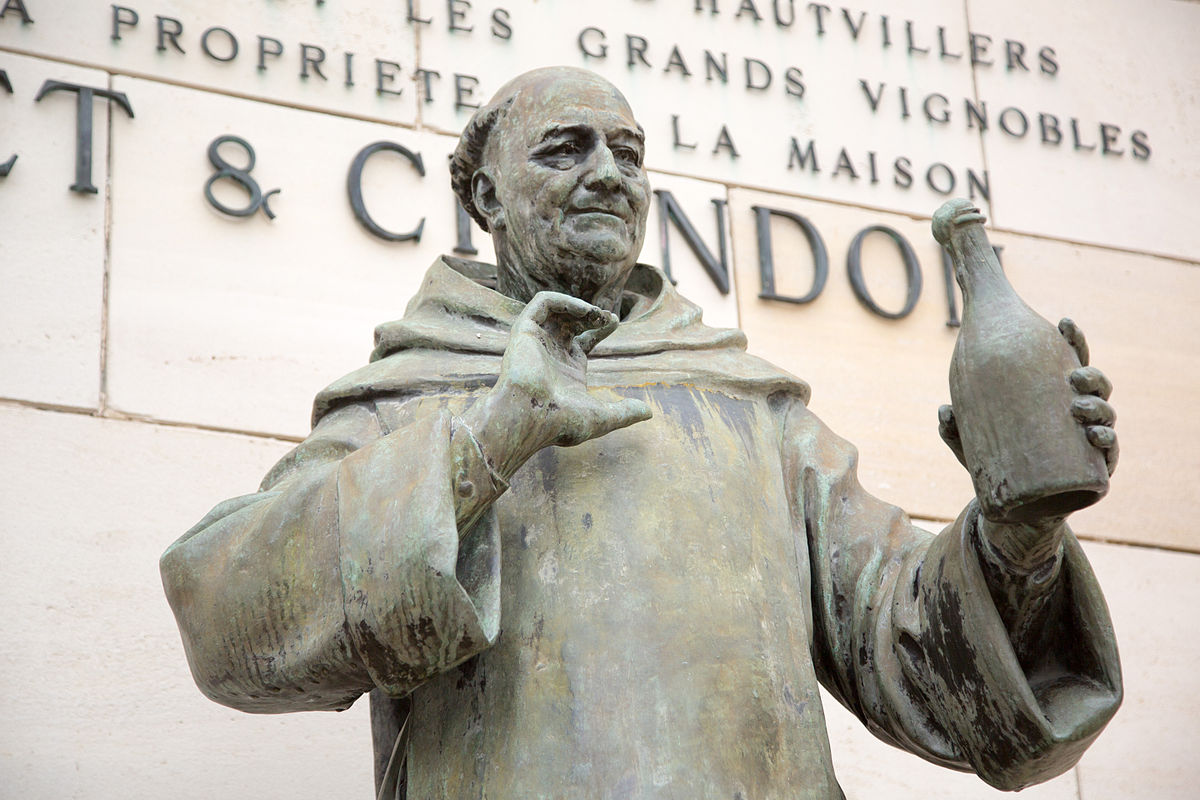
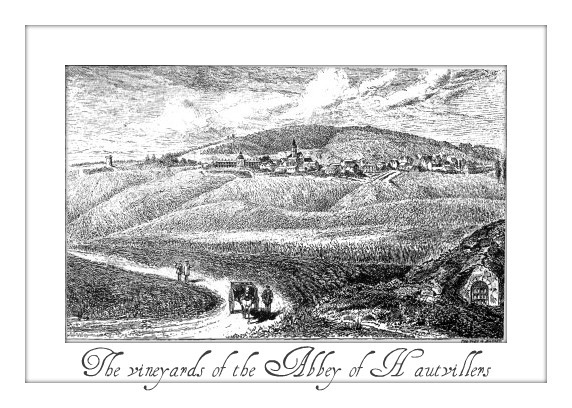 The story is almost certainly a myth, a later embellishment to the story. During his 47 year career, Pérignon went to considerable lengths to eliminate bubbles from his wine. Dom Pérignon never succeed in that goal, yet he did make bubbly wine a whole lot better, using corks for the first time to prevent the escape of carbon dioxide, and perfecting a ‘gentle’ pressing technique which left out the murkiness of the skins.
 Pérignon didn’t like white grapes because of their tendency to enter refermentation. He preferred the Pinot Noir, and would aggressively prune the plants so that vines grew no higher than three feet and produced a smaller crop. The harvest was always in the cool, damp early morning hours, and Pérignon took every precaution to avoid bruising or breaking his grapes. Over-ripe and overly large fruit was always thrown out. Pérignon never permitted grapes to be trodden upon, always preferring the use of multiple presses.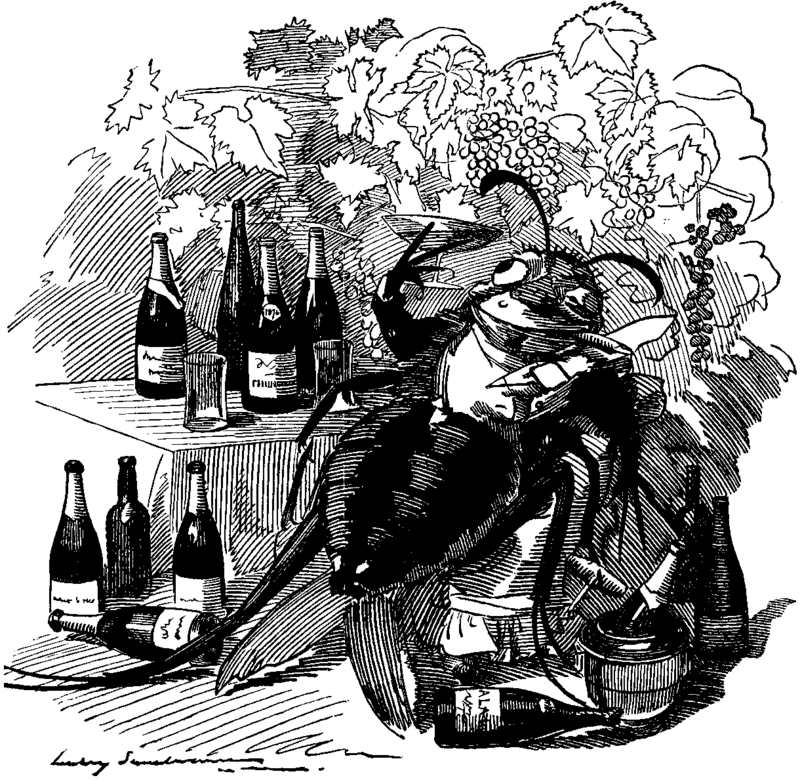





 Shorter in stature and considerably more powerful than Cro-Magnon, our direct ancestor and all but indistinguishable from ourselves, Neanderthal bodies were suited to the ice age of the early and middle Paleolithic era.


 Augustus Longstreet Hull was born 1847 in “The Classic City” of Athens Georgia, and enlisted in the Confederate Army on September 8, 1864.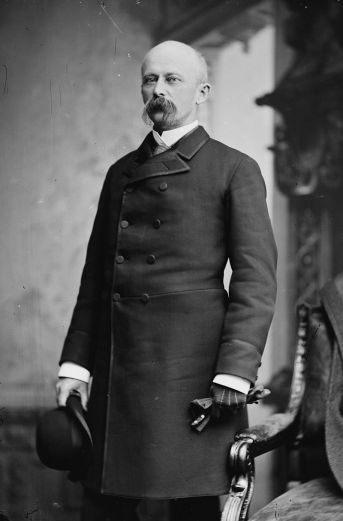




 Historical Easter Eggs - Today in History
You must be logged in to post a comment.