

 In 18th century London, it was a bad idea to go out at night. Not without a lantern in one hand, and a club in the other.
The city introduced its first gas-lit street in 1807 on the Central London Pall Mall, between St. James’s Street & Trafalgar Square. Before long, hundreds of “Lamp Lighters” could be seen with their ladders, gas lights bathing the city in a soft, green glow.
The Westminster Review newspaper opined that gas lamps had done more to eliminate immorality and criminality on the streets, than any number of church sermons.
The United States followed nine years later, when the city of Baltimore lit up in 1816.
Thomas Edison patented the first carbon-thread incandescent lamp in 1879. The first baseball game played “under the lights” took place the following year near Nantasket Beach, in the ‘south shore’ town of Hull, Massachusetts.
It was September 2, 1880 when two teams, sponsored by the RH White & Co. and Jordan Marsh department stores of Boston, played a full nine innings to a 16-all tie. The era of the night game had arrived, and the lamp lighters of London, can be seen to this day.
Except, no, it didn’t work out that way. The lamp lighter part is true enough. Today, five gas engineers keep the Victorian era alive, winding and checking the mechanisms, polishing the glass and replacing the mantles of some 1,500 – 2,000 gas lamps.
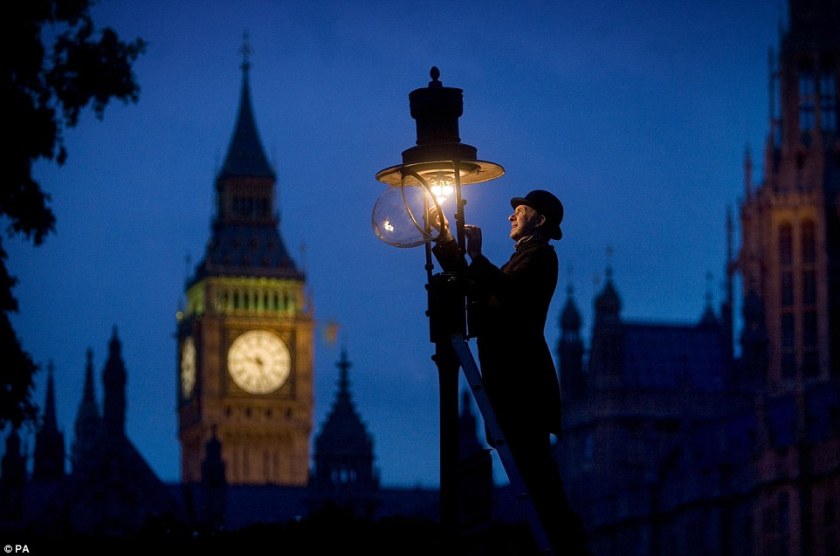
Across the pond, organized baseball would take another fifty years to give the arc light another try.
Evidence exists of other 19th-century night games, but these were little more than novelties. Holyoke Massachusetts inventor George F. Cahill, creator of the pitching machine, devised a portable lighting system in 1909. With the blessing of Garry Herrmann, President of the Cincinnati Reds, Cahill staged an exhibition game on the night of June 19, between the Elk Lodges of Cincinnati and Newport, Kentucky.
The crowd of 3,000 had little trouble following the ball and Cahill was an enthusiastic salesman for his invention, but the man was doomed to frustration and disappointment. Night-time exhibition games were regularly met with great enthusiasm, yet Organized Baseball was slow to catch on.
The Class B New England league played a night exhibition game on June 24, 1927 before a crowd of 5,000, sponsored by the General Electric Employees’ Athletic Association. The Washington Senators were in town at that time to play the Boston Red Sox. Delegations from both clubs were on-hand to watch Lynn defeat Salem in a seven-inning game, 7-2. Washington manager Bucky Harris and Boston manager Bill Carrigan, were impressed. Senator’s star outfielder Goose Goslin expressed a desire to play a night game. Claude Johnson, President of the New England League, predicted that all leagues would have night baseball within five years, including the majors.
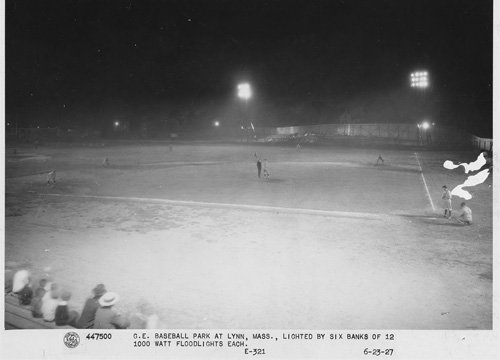 When the Great Depression descended across the land, minor league clubs folded by the bushel. Small town owners were desperate to innovate. The first-ever night game in professional baseball was played on May 2, 1930, when Des Moines, Iowa hosted Wichita for a Western League game.
The game drew 12,000 spectators at a time when Des Moines was averaging just 600 per game. Soon, minor league owners were finding night games a key to staying in business.
Even then, the Poobahs of Major League Baseball were slow to catch on. Five years later, the Cincinnati Reds defeated the Philadelphia Phillies in the first-ever big league game played under the lights.
A crowd of 25,000 spectators waited on this day in 1935, as President Roosevelt symbolically turned on the lights from Washington DC. The Reds played a night game that year against every National League opponent and, despite a losing record of 68-85, enjoyed an increase in paid attendance of 117%.

Thoughought the ’30s and ’40s, teams upgraded facilities to include lights and, before long, most of Major League Baseball had night games on the schedule. Wrigley Field, home of the Chicago Cubs and the second-oldest MLB stadium after Fenway Park, was the last to begin hosting night games. To this day, the Cubbies remain the only major league team to host the majority of its games, during the day.
Wrigley’s first officially recorded night game ended in a 6-4 win over the New York Mets on August 8, 1988.


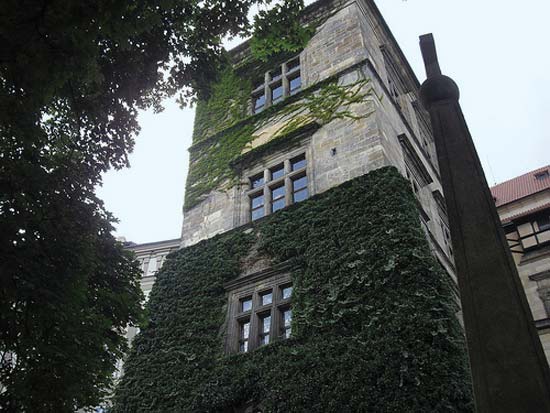


 In the first half of the 19th century, 90% of federal government revenue came from tariffs on foreign manufactured goods. A lion’s share of this revenue was collected in the south, with the region’s greater dependence on imported goods. Much of this federal largesse was spent in the north, with the construction of railroads, canals and other infrastructure.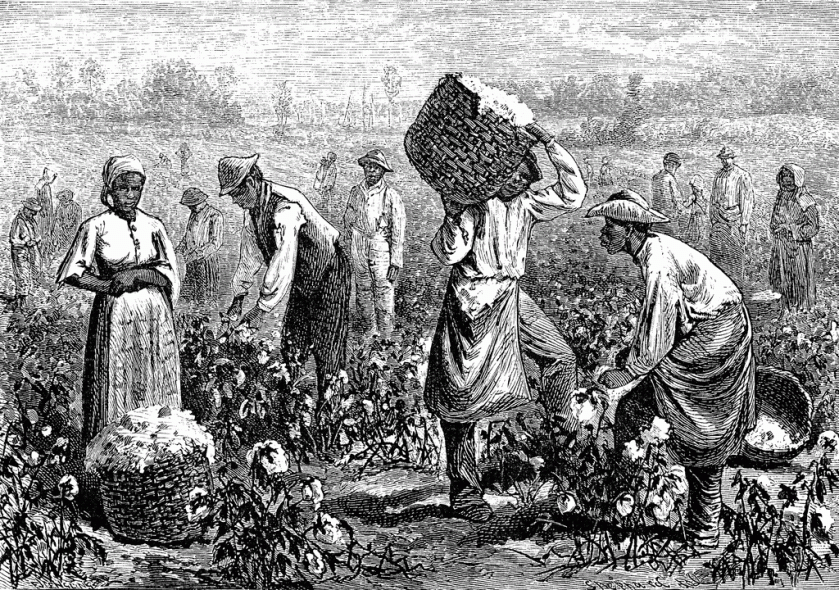
 The issue of slavery had joined and become so intertwined with ideas of self-determination, as to be indistinguishable.
 In Washington, Republicans backed the anti-slavery side, while most Democrats supported their opponents. On May 20, 1856, Massachusetts Senator Charles Sumner took to the floor of the Senate and denounced the Kansas-Nebraska Act. Never known for verbal restraint, Sumner attacked the measure’s sponsors Stephen A. Douglas of Illinois (he of the later Lincoln-Douglas debates), and Andrew Butler of South Carolina by name, accusing the pair of “consorting with the harlot, slavery”. Douglas was in the audience at the time and quipped “this damn fool Sumner is going to get himself shot by some other damn fool”.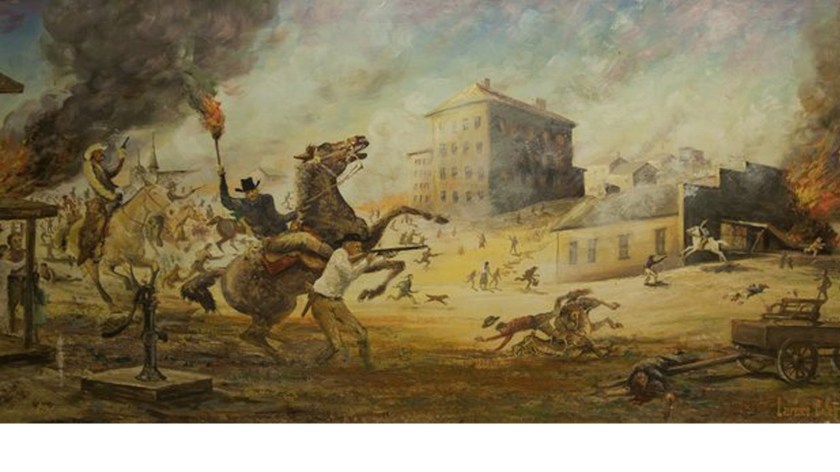


 The trio approached Sumner, who was sitting at his desk writing letters. “Mr. Sumner”, Brooks said, “I have read your speech twice over carefully. It is a libel on South Carolina, and Mr. Butler, who is a relative of mine.”
 In the next two days, a group of unarmed men will be hacked to pieces by anti-slavery radicals, on the banks of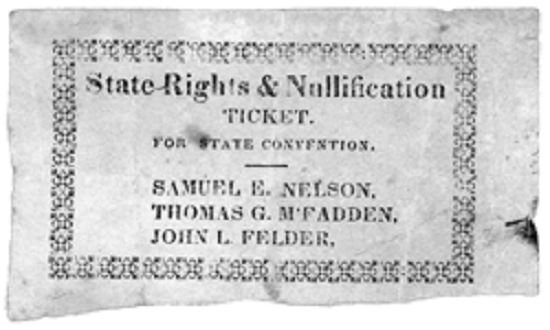


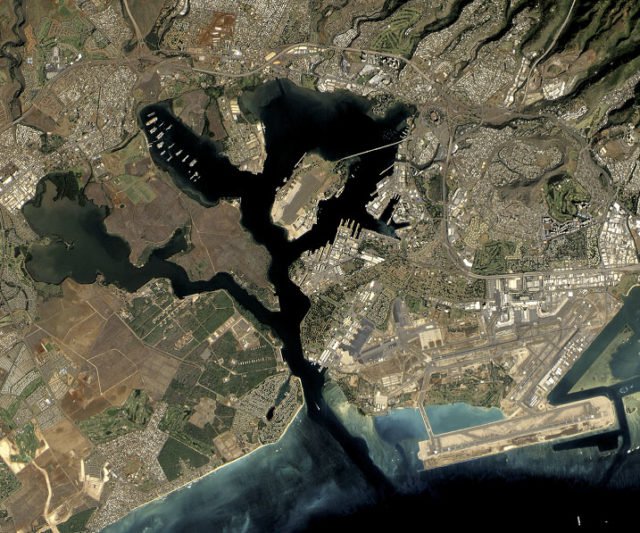

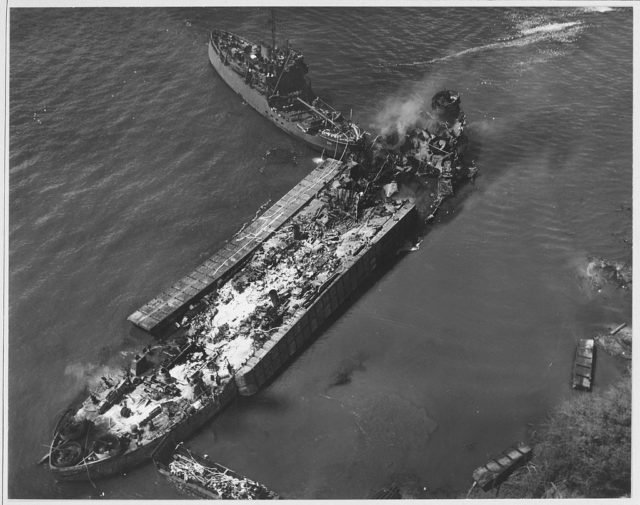

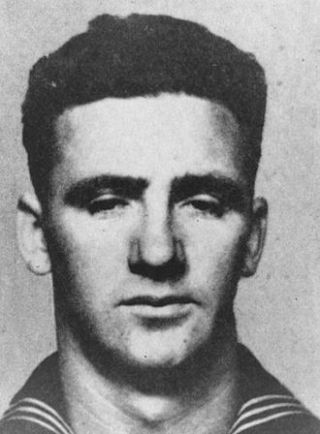
 “…Venturing still farther under the buried hulk, he held tenaciously to his purpose, reaching a place immediately above the other man just as another cave-in occurred and a heavy piece of steel pinned him crosswise over his shipmate in a position which protected the man beneath from further injury while placing the full brunt of terrific pressure on himself. Although he succumbed in agony 18 hours after he had gone to the aid of his fellow divers, Hammerberg, by his cool judgment, unfaltering professional skill and consistent disregard of all personal danger in the face of tremendous odds, had contributed effectively to the saving of his 2 comrades…”.

 Carlos Norman Hathcock, born this day in Little Rock in 1942, was a Marine Corps Gunnery Sergeant and sniper with a record of 93 confirmed and greater than 300 unconfirmed kills during the American war in Vietnam.
 The sniper’s choice of target could at times be intensely personal. One female Vietcong sniper, the platoon leader and interrogator called ‘Apache’ due to her interrogation techniques, would torture Marines and ARVN soldiers until they bled to death. Her signature was to cut the eyelids off her victims. After she skinned one Marine alive and left him emasculated within earshot of his base, Hatchcock spent weeks hunting this one sniper.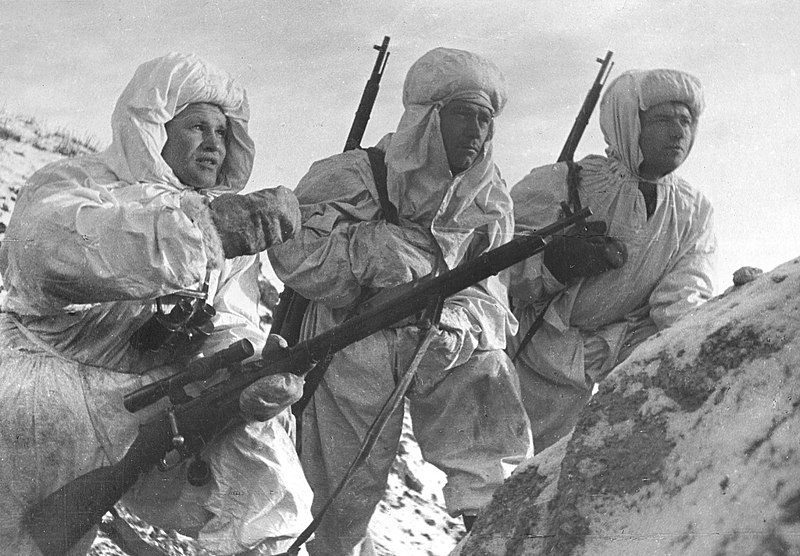


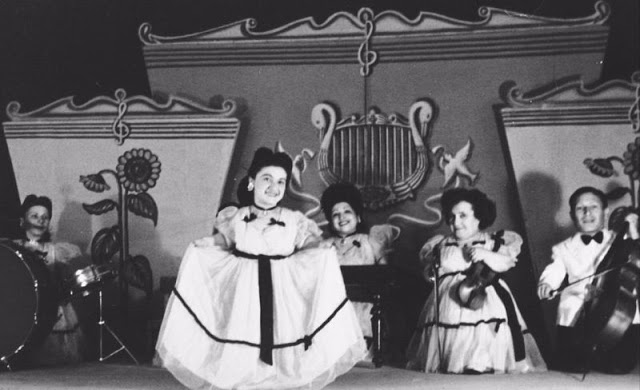

 There was no future for them in this place. Only 50 of the 650 Jewish inhabitants of the village ever returned. The family emigrated to Israel in May 1949, resuming their musical tour and performing until the group retired in 1955.
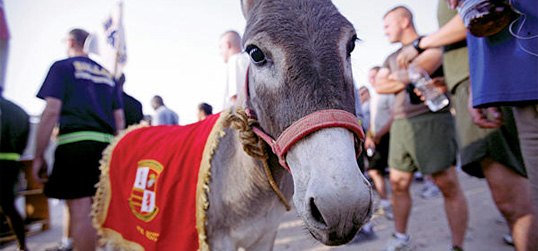
 Early one August morning, Colonel Folsom awoke to a new sound. The thwap-thwap-thwap of the helicopters, the endless hum of the generators, those were the sounds of everyday life. This sound was different – the sound of braying donkey.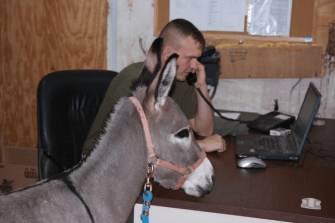
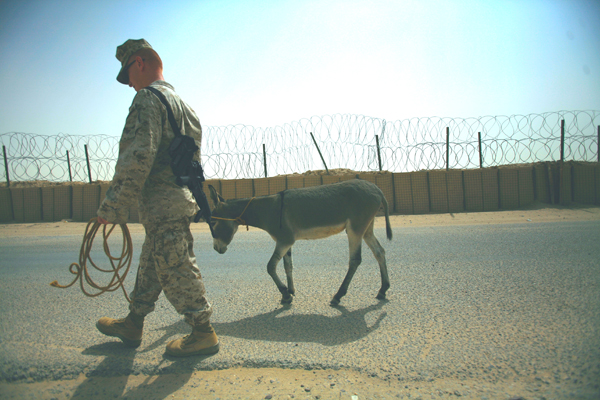 Before long, Smoke was a familiar sight around Camp Taqaddum. After long walks around the wire, Smoke learned to open doors and wander around. If you ever left that candy dish out on your desk, you were on your own.
 Regulations prohibit the keeping of pets in a war zone. A Navy Captain helped get Smoke designated as a therapy animal, and he was home to stay. As it turned out, there was more than a little truth to the label. For young women and men thousands of miles from home in a war zone, the little animal was a welcome reminder of home.
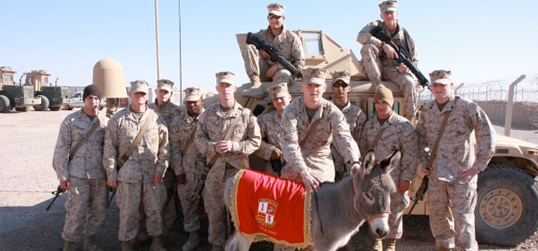 Colonel Folsom couldn’t get the little animal out of his head and, learning of his plight in 2010, determined to get him back. There were plenty of kids who had survived trauma of all kinds in his home state of Nebraska. Folsom believed that the animal could do them some good, as well.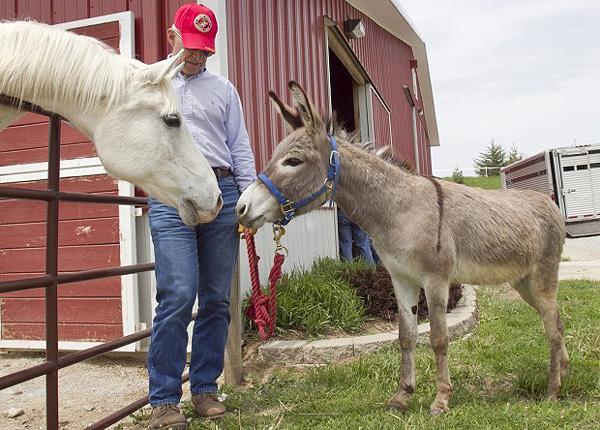






 Today, The Seeing Eye operates a 330-acre complex in Morris Township, New Jersey, the oldest guide dog school still in operation, in the world. The primary breeds used for such training are German Shepherds, Labs, Golden Retrievers, and Lab/Golden mixed breeds. Boxers are occasionally used, for individuals with allergies.


You must be logged in to post a comment.