
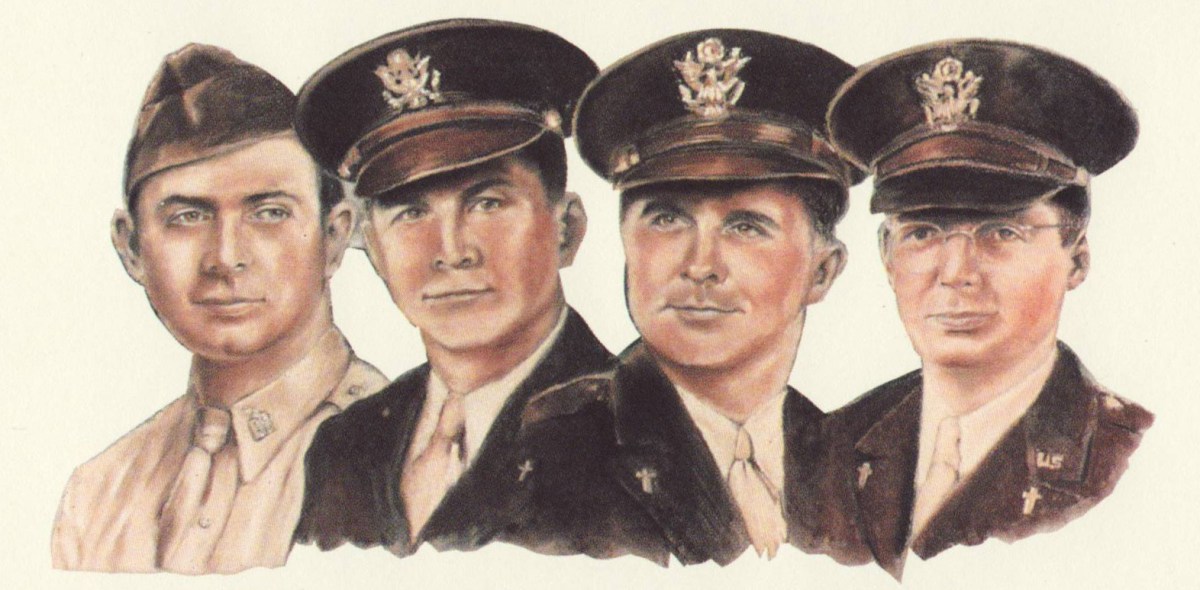
The Troop Transport USAT Dorchester sailed out of New York Harbor on January 23, 1943, carrying 904 service members, merchant seamen and civilian workers. They were headed for the the Army Command Base at Narsarsuaq in southern Greenland, part of a six-ship convoy designated SG-19 together with two merchant ships and escorted by the Coast Guard Cutters Comanche, Escanaba and Tampa.
Built as a coastal liner in 1926, Dorchester was anything but graceful, bouncing and shuddering her way through the rough seas of the North Atlantic. German submarine wolf packs had already sunk several ships in these waters. Late on the night of February 2, one of the Cutters flashed flashed the light signal “we’re being followed”.
Dorchester Captain Hans Danielson ordered his ship on high alert that night. Men were ordered to sleep in their clothes with their life jackets on, but many disregarded the order. It was too hot down there in the holds, and those life jackets were anything but comfortable.
Some of those off-duty tried to sleep that night, while others played cards or threw dice, well into the night. Nerves were understandably on edge, especially among new recruits, as four Army chaplains passed among them with words of encouragement.
They were the Jewish rabbi Alexander David Goode, the Catholic priest John Patrick Washington, the Reformed Church in America (RCA) minister Clark Vandersail Poling, and the Methodist minister George Lansing Fox.
At 12:55am on February 3rd, the German submarine U-223 fired a spread of three torpedoes. One struck Dorchester amidships, deep below the water line. A hundred or more were killed in the blast, or in the clouds of steam and ammonia vapor billowing from ruptured boilers. Suddenly pitched into darkness, untold numbers were trapped below decks. With boiler power lost, there was no longer enough steam to blow the full 6 whistle signal to abandon ship, while loss of power prevented a radio distress signal. For reasons which remain unclear, there never were any signal flares.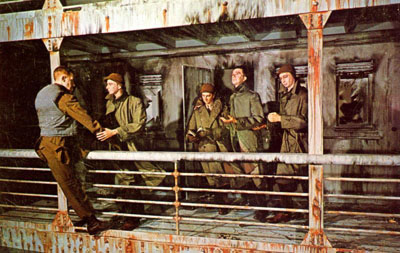 Those who could escape scrambled onto the deck, injured, disoriented, many still in their underwear as they emerged into the cold and darkness.
The four chaplains must have been a welcome sight, guiding the disoriented and the wounded, offering prayers and words of courage. They opened a storage locker and handed out life preservers, until there were no more. “Padre,” said one young soldier, “I’ve lost my life jacket and I can’t swim!” Witnesses differ as to which of the four it was who gave this man his life jacket, but they all followed suit. One survivor, John Ladd, said “It was the finest thing I have seen or hope to see this side of heaven.” Rabbi Goode gave his gloves to Petty Officer John Mahoney, saying “Never mind. I have two pairs”. It was only later that Mahoney realized. Rabbi Goode intended to stay with the ship.
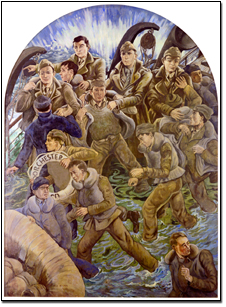 Dorchester was listing hard to starboard and taking on water fast, with only 20 minutes to live. Port side lifeboats were inoperable due to the ship’s angle. Men jumped across the void into those on the starboard side, overcrowding some to the point of capsize. Only two of fourteen lifeboats launched successfully.
Private William Bednar found himself floating in 34° water, surrounded by dead bodies and debris. “I could hear men crying, pleading, praying,” he recalled. “I could also hear the chaplains preaching courage. Their voices were the only thing that kept me going.”
As the ship upended and went down by the bow, survivors floating nearby could see the four chaplains. With arms linked and leaning against the slanting deck, their voices offered prayers and sang hymns for the dead and for those about to die. Rushing back to the scene, coast guard cutters found themselves in a sea of bobbing red lights, the water-activated emergency strobe lights of individual life jackets. Most marked the location of corpses. Of the 904 on board, the Coast Guard plucked 230 from the water, alive.
The United States Congress attempted to confer the Medal of Honor on the four chaplains for their selfless courage, but strict requirements for “heroism under fire” prevented it from doing so. Congress authorized a one time, posthumous “Chaplain’s Medal for Heroism”, awarded to the next of kin on January 18, 1961 by Secretary of the Army Wilber M. Brucker at Fort Myer, Virginia.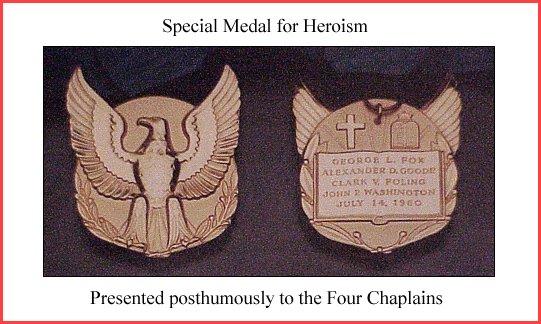 John 15:13 teaches us, “Greater love hath no man than this, that a man lay down his life for his friends”. Rabbi Goode did not call out for a Jew when he gave away his only hope for survival, Father Washington did not ask for a Catholic. Neither minister Fox nor Poling asked for a Protestant. Each gave his life jacket to the nearest man.
Carl Sandburg once said that “Valor is a gift. Those having it never know for sure whether they have it until the test comes.” If I were ever to be so tested, I hope I would prove myself half the man as any of those four chaplains.


 Groundhogs hibernate for the winter, an ability some people of my acquaintance, would love to master. During that time, the animal’s heart rate drops from 80 beats per minute to 5 as the slumbering rodent lives off stored body fat. Another ability some of us could learn to appreciate, very much.
 But then there is the amorous woodchuck’s worst nightmare in a top hat, the groundhog hunter.
 There are those who would dispute the Gobbler’s Knob crowd and their claims to Punxsutawney Phil’s weather forecasting prowess. Alabama has “Birmingham Bill”, and Canada has Shubenacadie Sam. New York can’t seem to decide between Staten Island Chuck and New York City’s very own official groundhog, “Pothole Pete”.

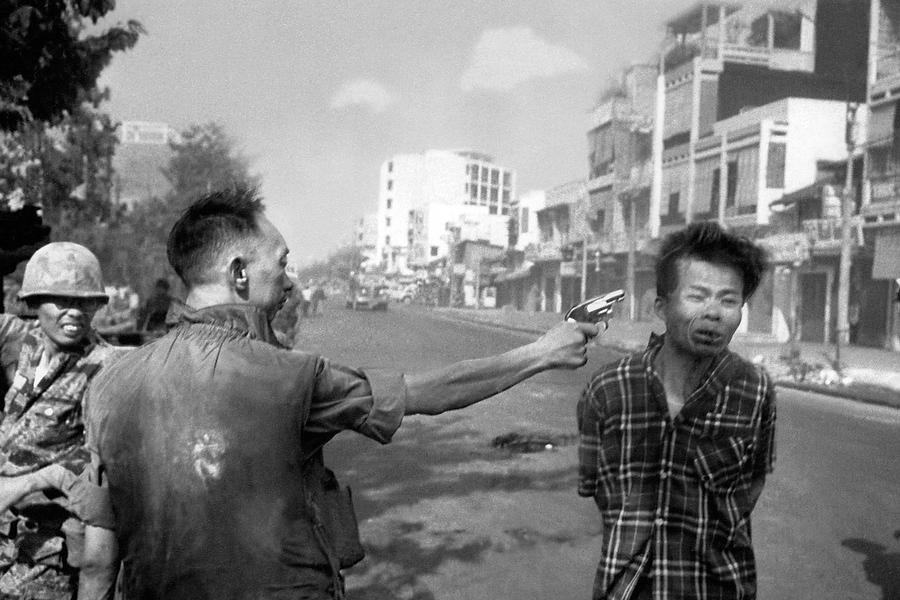
 By 1967, the Johnson administration was coming under increasing criticism, for what many of the American public saw as an endless and pointless stalemate in Vietnam.
 One of the largest military operations of the war launched on January 30, 1968, coinciding with the Tết holiday, the Vietnamese New Year. In the first wave of attacks, North Vietnamese troops and Viet Cong Guerillas struck over 100 cities and towns including Saigon, the South Vietnamese capitol.
 While the Tết offensive was a military defeat for the forces of North Vietnam, the political effects on the American public, were profound. Support for the war effort plummeted, leading to demonstrations. Jeers could be heard in the streets. “Hey! Hey! LBJ! How many kids did you kill today?”
 Lyndon Johnson’s Presidency, was finished. The following month, Johnson appeared before the nation in a televised address, saying “I shall not seek, and I will not accept, the nomination of my party for another term as your president.”
 AP photographer Eddie Adams was out on the street with NBC News television cameraman Võ Sửu, looking for something interesting. The pair saw a group of South Vietnamese soldiers dragging what appeared to be an ordinary man into the road, and filmed the event.


 The couple was forced to close the restaurant in 1991. Nguyễn Ngọc Loan died of cancer, seven years later.

 There the couple may have ridden out WWII, but the war was consuming manpower at a rate unprecedented in history. Shortly after the couple’s first anniversary, Slovik was re-classified 1A, fit for service, and drafted into the Army. Arriving in France on August 20, 1944, he was part of a 12-man replacement detachment, assigned to Company G of the 109th Infantry Regiment, US 28th Infantry Division.
 of my desertion we were in Albuff [Elbeuf] in France. I came to Albuff as a replacement. They were shelling the town and we were told to dig in for the night. The following morning they were shelling us again. I was so scared, nerves and trembling, that at the time the other replacements moved out, I couldn’t move. I stayed there in my fox hole till it was quiet and I was able to move. I then walked into town. Not seeing any of our troops, so I stayed over night at a French hospital. The next morning I turned myself over to the Canadian Provost Corp. After being with them six weeks I was turned over to American M.P. They turned me loose. I told my commanding officer my story. I said that if I had to go out there again I’d run away. He said there was nothing he could do for me so I ran away again AND I’LL RUN AWAY AGAIN IF I HAVE TO GO OUT THERE. — Signed Pvt. Eddie D. Slovik A.S.N. 36896415”.
 On December 9, Slovik wrote to Supreme Allied Commander Dwight D. Eisenhower, pleading for clemency. Desertion was a systemic problem at this time. Particularly after the surprise German offensive coming out of the frozen Ardennes Forest on December 16, an action that went into history as the Battle of the Bulge. Eisenhower approved the execution order on December 23, believing it to be the only way to discourage further desertions.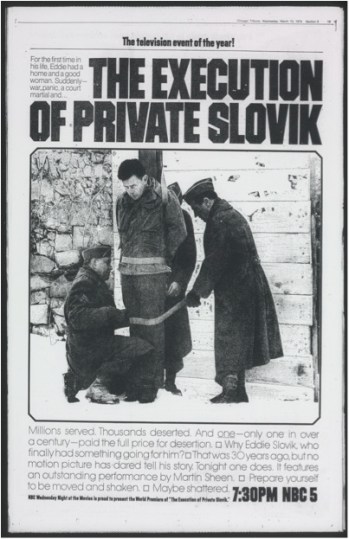
 Nick Gozik of Pittsburg passed away in 2015, at the age of 95. He was there in 1945, a fellow soldier called to witness the execution. “Justice or legal murder”, he said, “I don’t know, but I want you to know I think he was the bravest man in that courtyard that day…All I could see was a young soldier, blond-haired, walking as straight as a soldier ever walked. I thought he was the bravest soldier I ever saw.”

 In it, a follower called Yen Yüan asked the Master about perfect virtue.
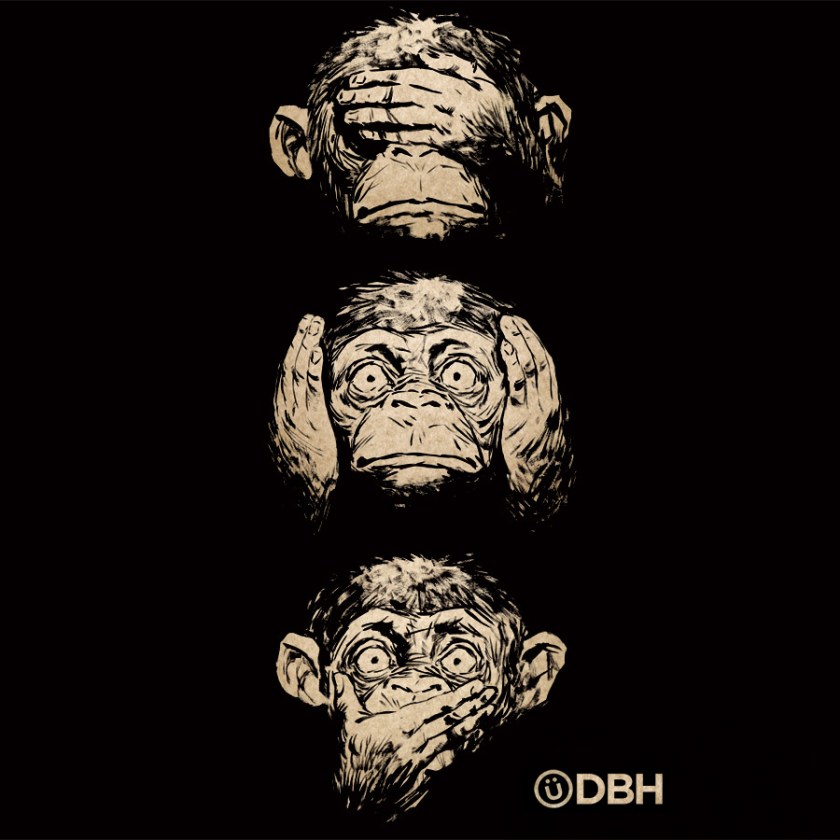 In medieval Japanese, mi-zaru, kika-zaru, and iwa-zaru translate as “don’t see, don’t hear, and don’t speak”, –zaru being an archaic negative verb conjugation and pronounced similarly to “saru”, the word for monkey.
 The first known depiction of the “Three Mystic Apes” appears over the doors of the Tōshō-gū shrine in Nikkō, Japan, carved sometime in the 17th century.
 Mohandas Karamchand Gandhi was a Hindu lawyer, a member of the merchant caste from coastal Gujarat, in western India. Today he is known by the honorific “Mahatma”, from Gandhithe Sanskrit meaning “high-souled”, or “venerable”.


 When Nazi Germany invaded Poland the following September, London Mayor Herbert Morrison was at 10 Downing Street, meeting with Chamberlain’s aide, Sir Horace Wilson. Morrison believed that the time had come for Operation Pied Piper. Only a year to the day from the Prime Minister’s “Peace in our Time” declaration, Wilson protested. “But we’re not at war yet, and we wouldn’t want to do anything to upset delicate negotiations, would we?”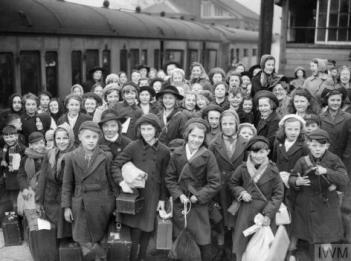
 This was no mindless panic. Zeppelin raids had killed 1,500 civilians in London alone during the ‘Great War’. Since then, governments had become infinitely better at killing each other’s citizens.
 All things considered, the evacuation of all that humanity ran relatively smoothly. James Roffey, founder of the Evacuees Reunion Association, recalls ‘We marched to Waterloo Station behind our head teacher carrying a banner with our school’s name on it. We all thought it was a holiday, but the only thing we couldn’t work out was why the women and girls were crying.’
 In the 2003 BBC Radio documentary “Evacuation: The True Story,” clinical psychologist Steve Davis described the worst cases, as “little more than a pedophile’s charter.”
 Authorities produced posters urging parents to leave the kids where they were and a good thing, too. The Blitz against London itself began on September 7. The city experienced the most devastating attack to-date on December 29, in a blanket fire-bombing that killed almost 3,600 civilians.
 “Operation Steinbock”, the Luftwaffe’s last large-scale strategic bombing campaign of the war against southern England, was carried out three years later. On this day in 1944, 285 German bombers attacked London in what the Brits called, a “Baby Blitz”.
 Late in the war, the subsonic “Doodle Bug” or V1 “flying bomb” was replaced by the terrifying supersonic
  In the end, many family ‘reunions’ were as emotionally bruising as the original breakup. Years had come and gone and new relationships had formed. The war had turned biological family members, into all but strangers.
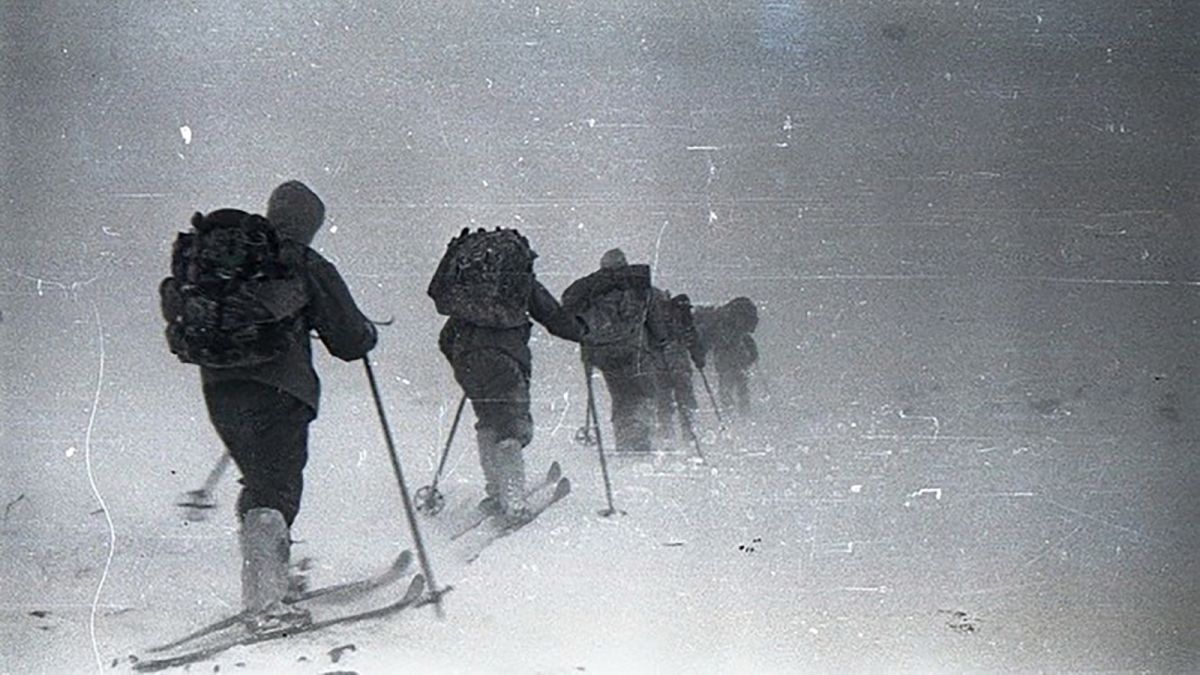
 The Northern Ural is a remote and frozen place, the Ural Mountains forming the barrier between the European and Asian continents and ending in an island chain, in the Arctic Ocean. Very few live there, mostly a small ethnic minority called the Mansi people.
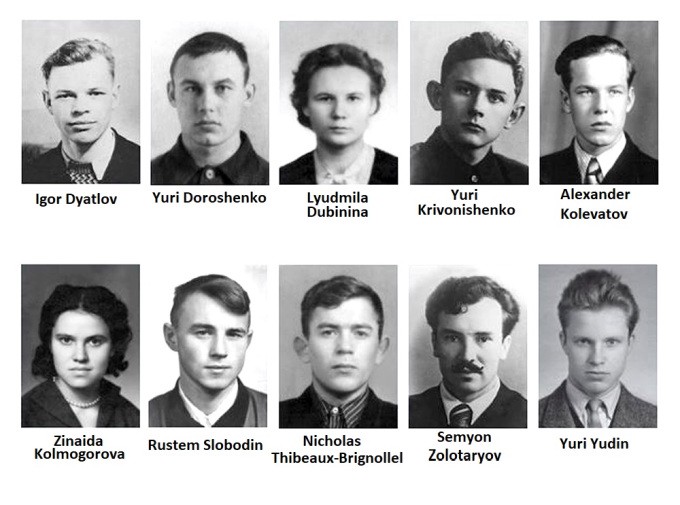
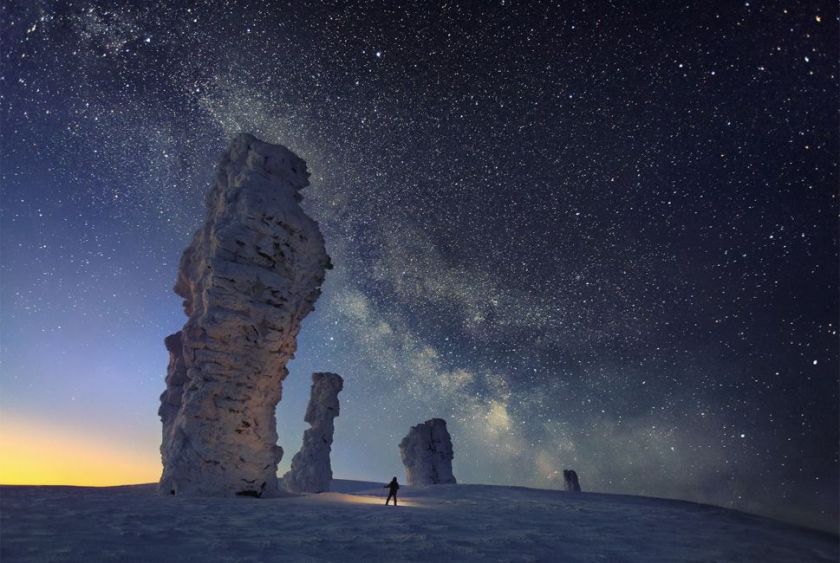 The eight men and two women made it by truck as far as the tiny village of Vizhai, on the edge of the wilderness. There the group learned the ancient and not a little frightening tale of a group of Mansi hunters, mysteriously murdered on what came to be called “Dead Mountain”.
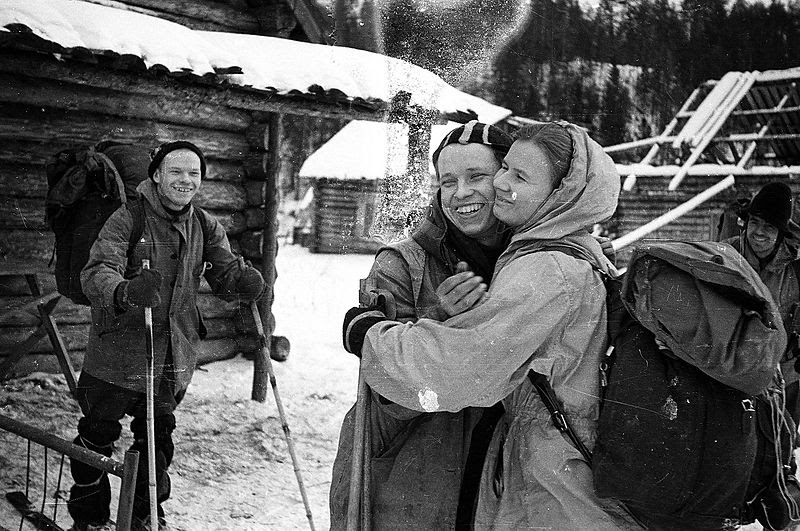 On January 28, Yuri Yudin became ill, and had to back out of the trek. The other nine agreed to carry on. None of them knew at the time. Yudin was about to become the sole survivor of a terrifying mystery.
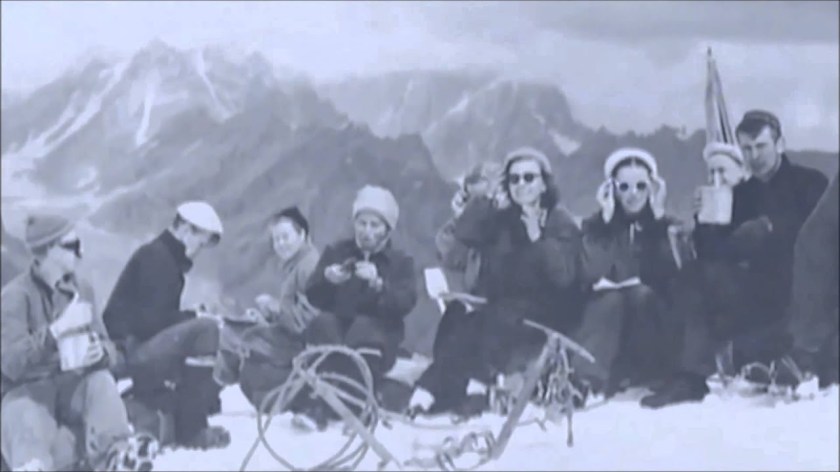 By February 20. friends and relatives were concerned Something was wrong. Rescue expeditions were assembled, first from students and faculty of the Ural Polytechnic Institute and later by military and local police.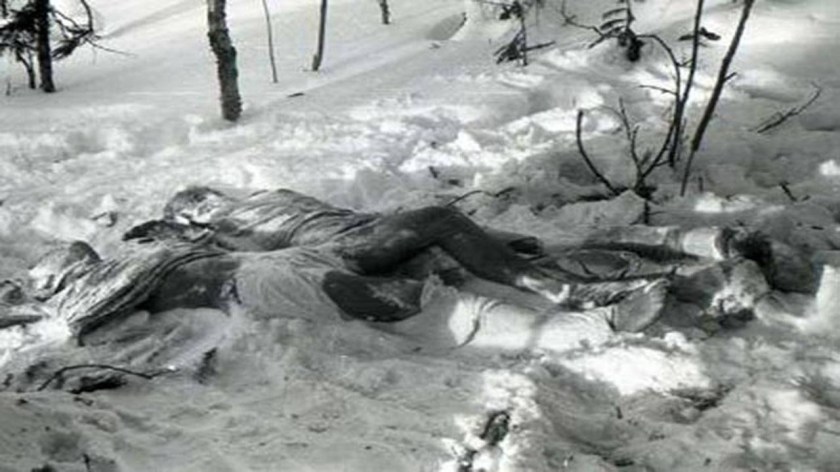
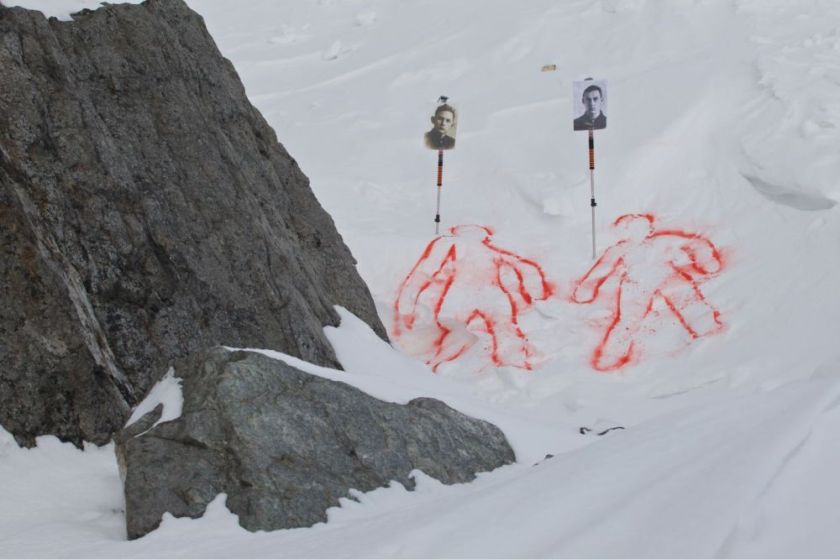
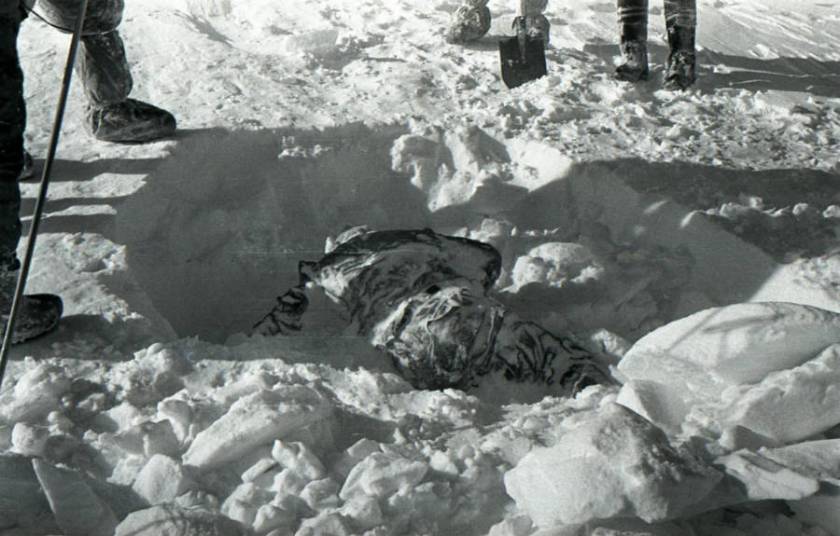 Three more bodies were found leading back to the tent, frozen in postures suggesting they were trying to return. Medical investigators examined the bodies. One, that of Rustem Slobodin showed a small skull fracture, probably not enough to threaten his life. Cause of death was ruled, hypothermia.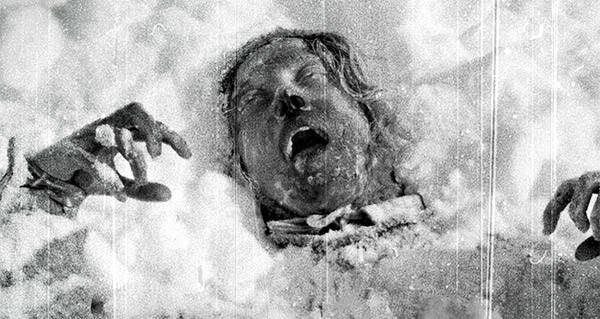


 Diphtheria is a highly contagious infection caused by the bacterium Corynebacterium diphtheriae, with early symptoms resembling a cold or flu. Fever, sore throat, and chills lead to bluish skin coloration, painful swallowing, and difficulty breathing.
 Leonhard Seppala and his dog team took their turn, departing in the face of gale force winds and zero visibility, with a wind chill of −85°F.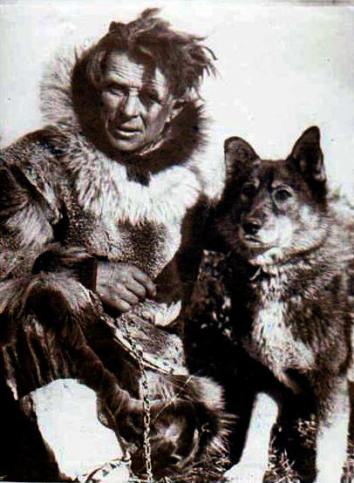
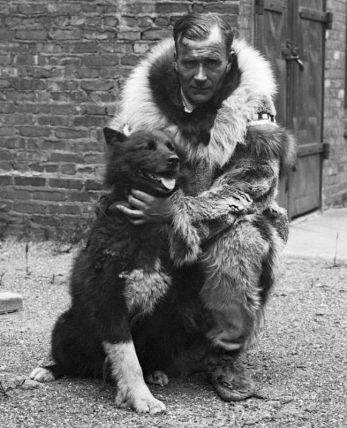
 Seppala was in his old age in 1960, when he recalled “I never had a better dog than Togo. His stamina, loyalty and intelligence could not be improved upon. Togo was the best dog that ever traveled the Alaska trail.”
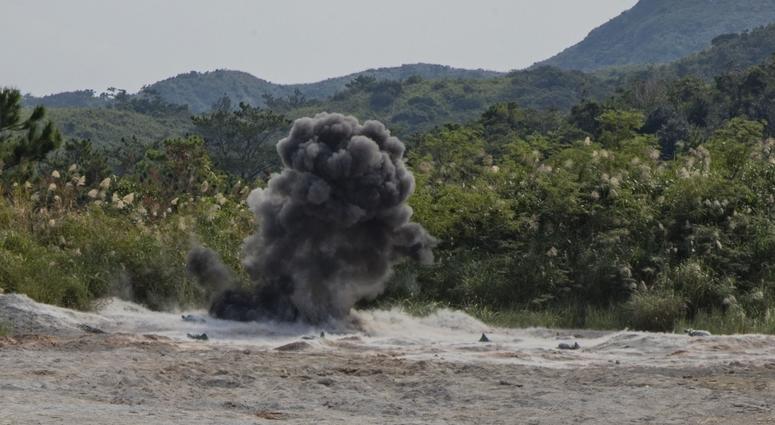
 On November 12, 1970, a 45 foot, 8-ton, dead sperm whale washed up on the beaches near Florence, Oregon. State beaches came under the jurisdiction of the Department of Transportation at that time, and officials came down, to have a look.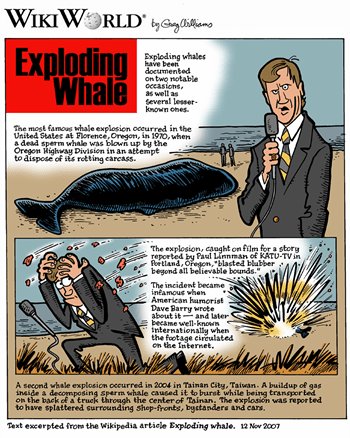
 Umenhofer was among the crowd that day. A great slab of the stuff the size of a coffee table came down from the sky, and landed on his brand new Oldsmobile 88. He’d just bought the car from a dealer running a “Whale of a Sale” deal. You can’t make this stuff up.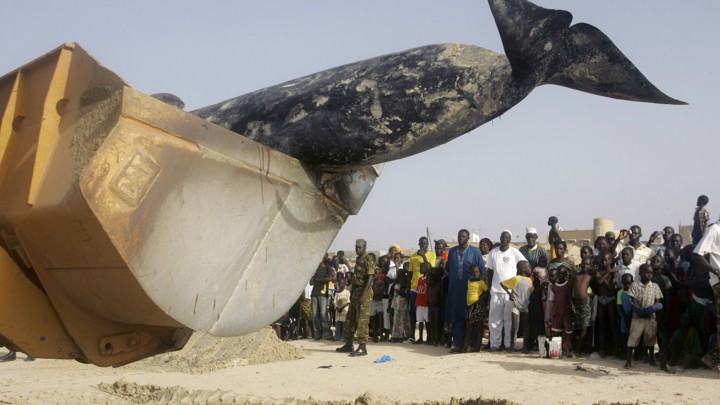
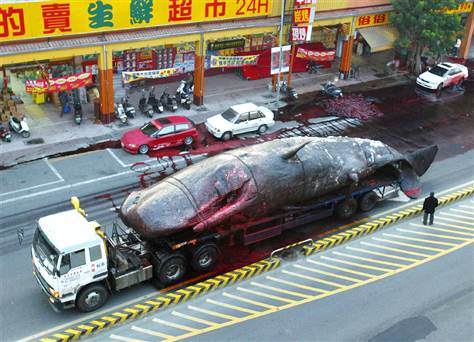 Nigh on fifty years ago, folks in the Pacific Northwest learned an important lesson on the beaches of Florence. Nine years later, 41 dead sperm whales washed ashore on the nearby coast. This time, the things were burned and buried, where they lay.
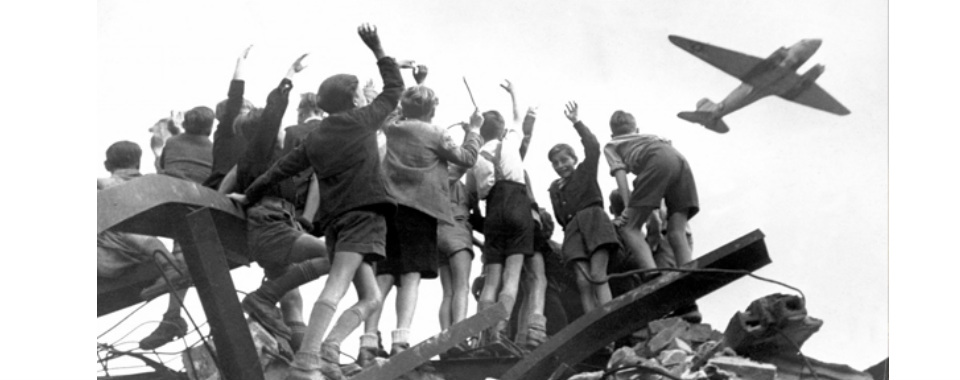
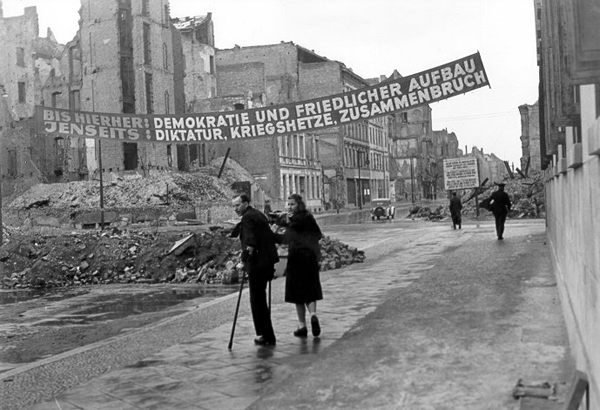 During the war, ideological fault lines were suppressed in the drive to destroy the Nazi war machine. Such differences were quick to reassert themselves in the wake of German defeat. In Soviet-occupied east Germany, factories and equipment were disassembled and transported to the Soviet Union, along with technicians, managers and skilled personnel.
 West Berlin, a city utterly destroyed by war, was home to some 2.3 million at that time, roughly three times the city of Boston.
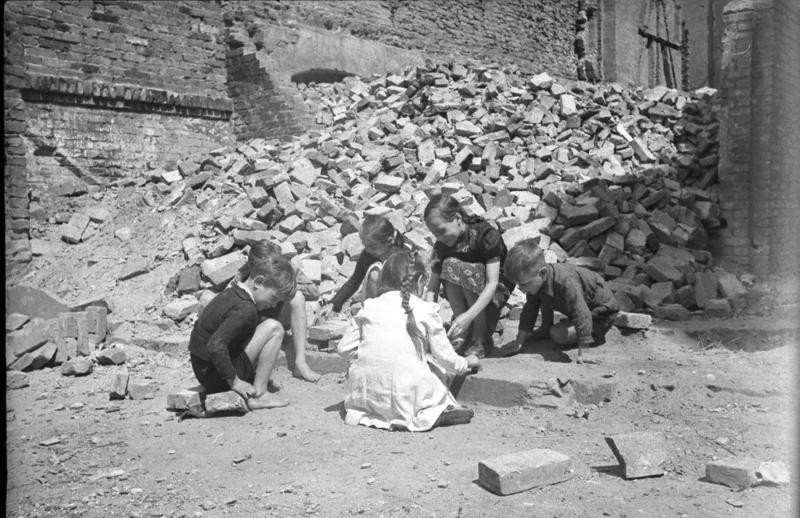 With that many lives at stake, allied authorities calculated a daily ration of only 1,990 calories would require 646 tons of flour and wheat, 125 tons of cereal, 64 tons of fat, 109 tons of meat and fish, 180 tons of dehydrated potatoes, 180 tons of sugar, 11 tons of coffee, 19 tons of powdered milk, 5 tons of whole milk for the children, 3 tons of fresh yeast for baking, 144 tons of dehydrated vegetables, 38 tons of salt and 10 tons of cheese.
 What followed is known to history, as the
  US Army Air Force Colonel Gail “Hal” Halvorsen was one of those pilots, flying C-47s and C-54 aircraft deep inside of Soviet controlled territory. On his days off, Halvorsen liked to go sightseeing, often bringing a small movie camera.
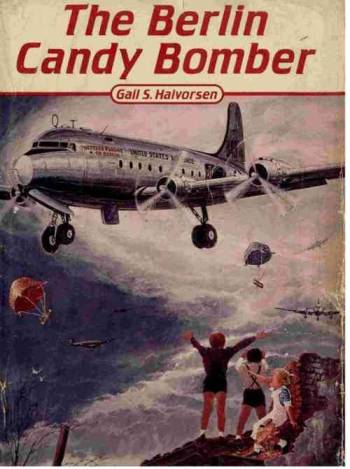 Newspapers got wind of what was going on. Halvorsen thought he’d be in trouble, but no. Lieutenant General William Henry Tunner liked the idea. A lot. “Operation Little Vittles” became official, on September 22.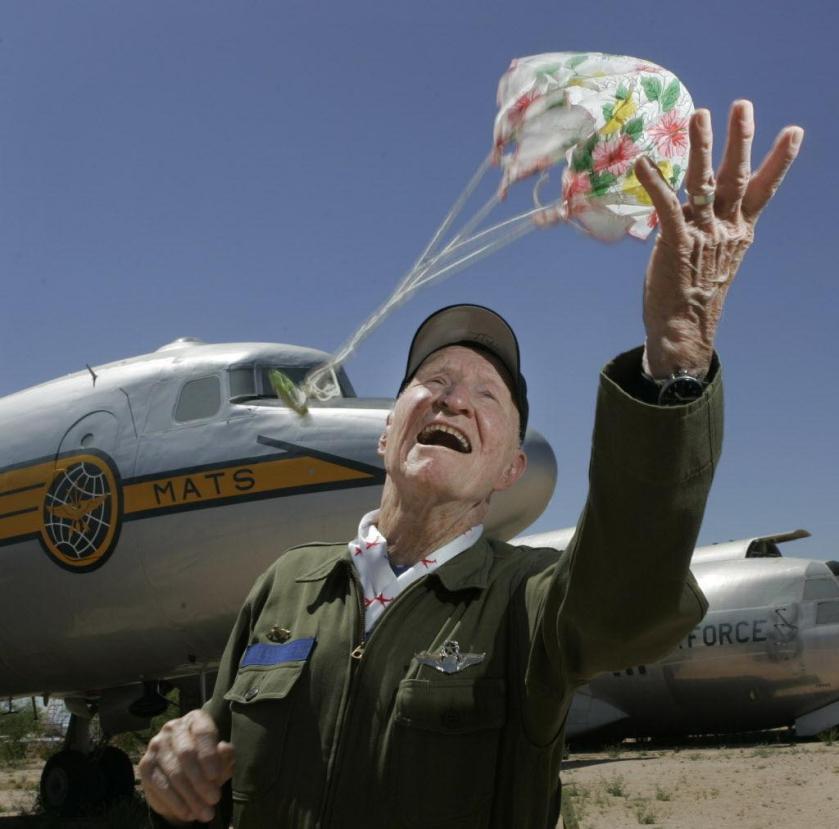


You must be logged in to post a comment.