

The waterborne bacterium Vibrio cholerae (V. cholerae) lives in the warm waters of coastal estuaries and rivers, and the waters along coastal plains. Most of the time, those contracting the bacterium do so by consuming contaminated water, developing only mild symptoms or none at all.
Most times the infection resolves itself yet, at times, urban density has combined with poor sanitation, to produce some of the most hideous pandemics, in medical history.
The origins of Cholera, are unknown. The Portuguese explorer Gaspar Correa described a flare-up in the Ganges Delta city of Bangladesh in the spring of 1543, an outbreak so virulent that it killed most victims within eight hours, with a mortality rate so high that locals struggled to bury all the dead.

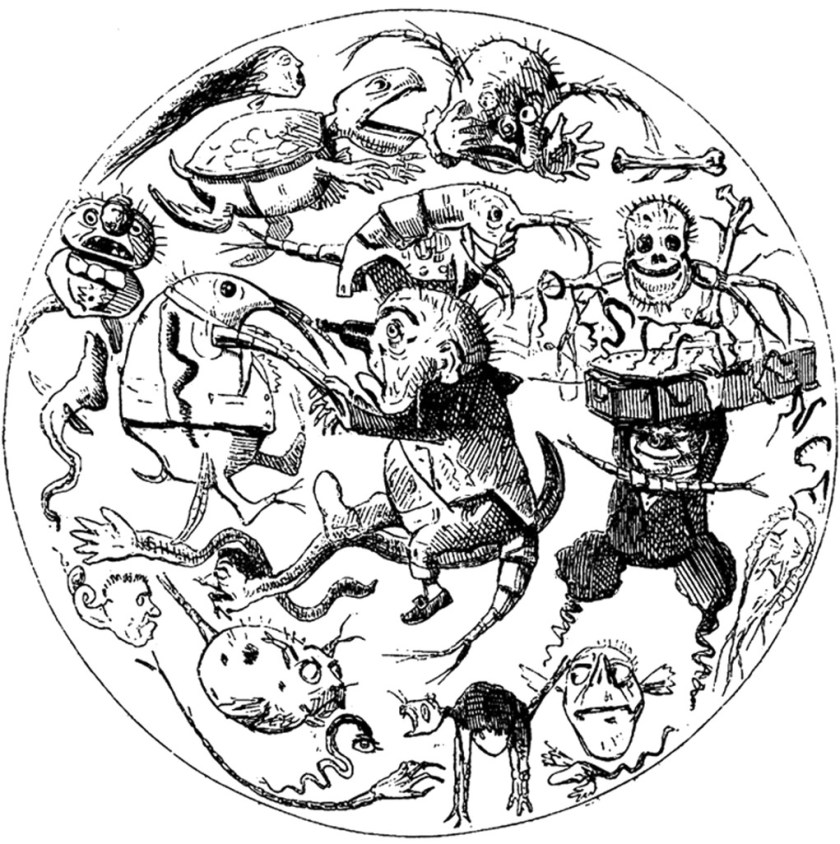
V. Cholerae populations undergo explosive growth in the intestines of the sufferer, releasing a toxin and causing cells to expel massive quantities of fluid. Severe cramps lead to “rice water” diarrhea and the rapid loss of electrolytes. Dehydration is so severe that it leads to plummeting blood pressures and often, death. It’s easy to see how the disease can “spike”. One such episode can cause a million-fold increase in bacterial populations in the environment, according to the CDC.
The first pandemic emerged out of the Ganges Delta in 1817, spreading to Thailand, Indonesia and the Philippines. 100,000 were killed on the island of Java, alone. The severe winter of 1823-’24 appears to have killed off much of the bacteria living in water supplies, but not for long.
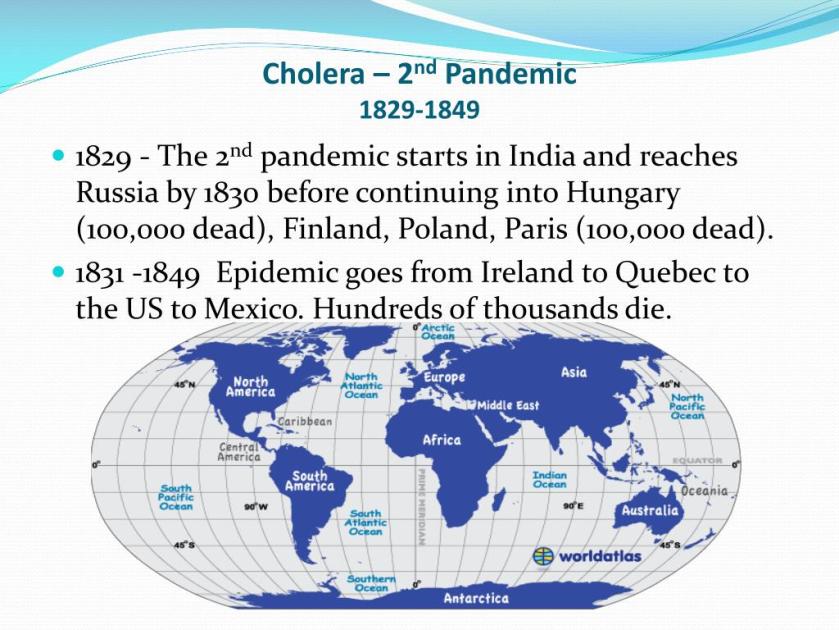
The second Cholera pandemic began in 1830-’31, spreading throughout Poland, Russia and Germany. The disease reached Great Britain in 1832, when authorities undertook quarantines and other measures, to contain the outbreak.
Four years earlier, William Burke and William Hare had carried out 16 murders over a ten-month period in Edinburgh, selling the corpses to Doctor Robert Knox for dissection during his anatomy lectures. Now, quarantines were met with pubic fear, and distrust of government and medical authorities. ‘Cholera riots’ broke out in Liverpool and London, with demands to ‘Bring out the Burkers”.
 The world would see four more cholera pandemics between 1852 and 1923, with the first being by far, the deadliest. This one devastated much of Asia, North America and Africa. in 1854, the worst year of the outbreak, 23,000 died in Great Britain, alone.
In 1760, the British capital of London was home to some 740,000 souls. One-hundred years later, population shifts had ballooned that number to nearly 3.2 million, in a city without running water.
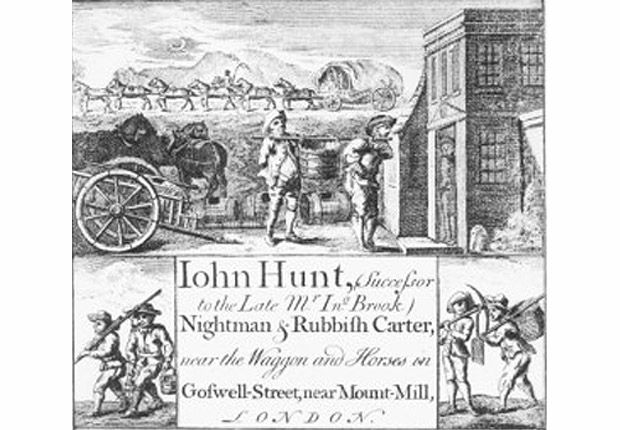
At one time, the many farms surrounding the city of London used the, er…”stuff” provided by “Gong Farmers”, the ‘nightsoilmen’ whose execrable job it was to shovel out the growing numbers of cesspits throughout the city, for fertilizer. Transportation costs grew as the city expanded, and the farms moved away. In 1847, solidified bird droppings (guano) were brought in from South America at a cost far below that of the local stuff, leaving London’s poorer quarters increasingly, to their own filth.
The “Great Stink” of Victorian-era London is beyond the scope of this essay, save to point out that formal portraits may be found of Queen Victoria herself, with a clothespin on her nose. Today the topic is mildly amusing and not a little disgusting however, in an era before public sewage, we’re talking about life and death.
In 1854, police constable Thomas Lewis lived with his wife Mary and five-month-old Frances, at 40 Broad Street in the Soho neighborhood of London. The baby developed severe diarrhea over August 28-29, as Mrs Lewis soaked the soiled ‘nappies’ in pails of water. These she dumped into the pit in front of her house, as first her baby and then her husband, sickened and died.
The pit was three feet away from the Broad Street well, where much of the neighborhood came to pump drinking water.
 Several other outbreaks had occurred that year, but this one was particularly acute. Within the next three days, 127 died within a short distance of the Broad Street address. By September 10, there were five-hundred more.
In the third century AD, the Greek physician Galen of Pergamon first described the “miasma” theory of illness, holding that infectious disease such as Cholera were caused by noxious clouds of “bad air”. Today the theory is discredited but, such ideas die hard.
Most everyone blamed the fetid air for the cholera outbreak, but Dr. John Snow was different. Snow suspected there was something in the water and, through door-to-door interviews and careful analysis of mortality rates, devised a ‘dot map’ identifying the Broad Street address.
“On proceeding to the spot, I found that nearly all the deaths had taken place within a short distance of the [Broad Street] pump. There were only ten deaths in houses situated decidedly nearer to another street-pump. In five of these cases the families of the deceased persons informed me that they always sent to the pump in Broad Street, as they preferred the water to that of the pumps which were nearer. In three other cases, the deceased were children who went to school near the pump in Broad Street …”
Snow himself believed in the Miasma theory of disease as did Reverend Henry Whitehead, who helped him collect his data. Yet somehow, the pair became convinced that infectious agents were somehow concentrated in the water, and they had found the “Index Case”.
Despite near-universal skepticism regarding Dr. Snow’s theories, the pump handle at 40 Broad Street was removed. It was later re-installed but, by that time, the danger had passed. Untold numbers of lives were saved by Dr. Snow’s intervention.
Dr. Snow succumbed to a stroke in 1858 and died at the age of 45, never learning how right he had been. Dr. Louis Pasteur opened his institute for the study of microbiology, thirty years later.
Today, the place is known as “Broadwick Street”. There’s a replica of the old water pump out front of #40, across from the John Snow pub. If you’re ever in London, stop and hoist a glass to an unsung hero. One of the Founding Fathers, of modern epidemiology.


 The information was surprisingly difficult to find, and no reference book was available to settle the matter.

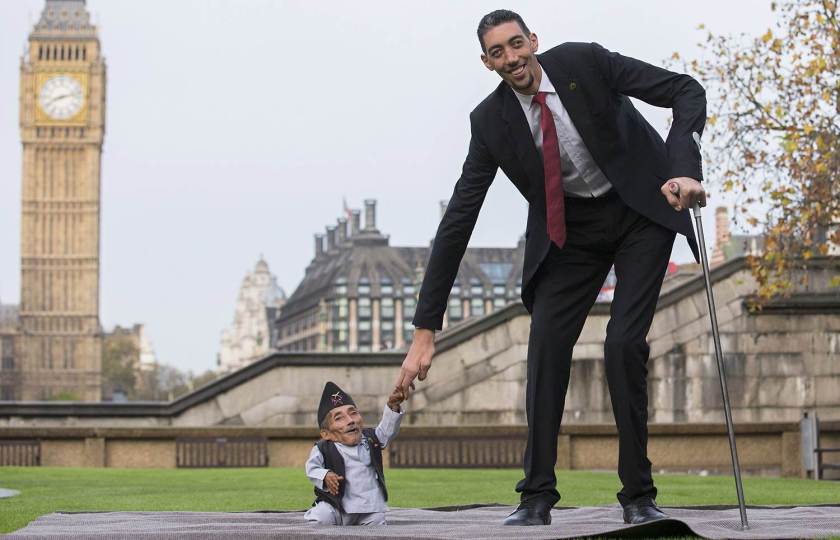

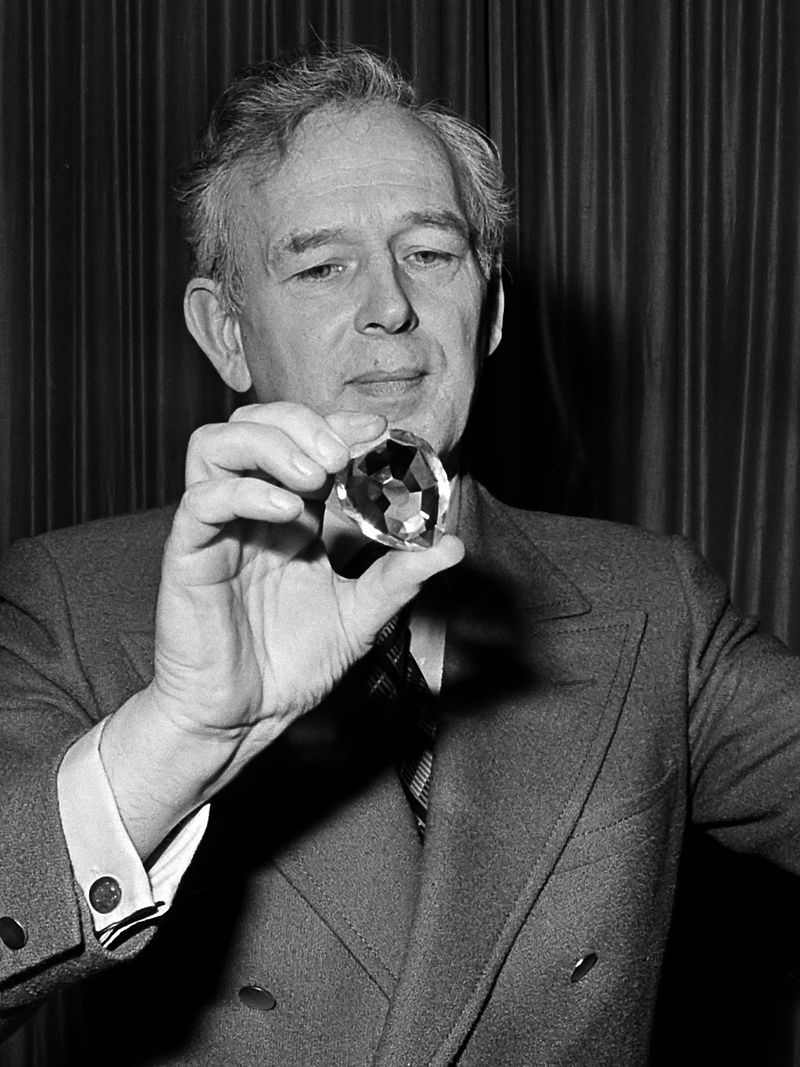

 The free reference book once intended to inform barroom squabbles has spawned a franchise including museums and television programs, becoming the leading international authority for the certification of every world record you can think of, from the longest fingernail (2 feet, 11 inches), to the longest mustache (14 feet), to slam dunking basketball bunnies.


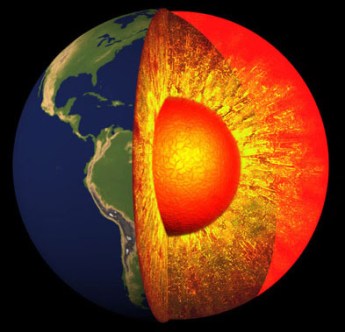
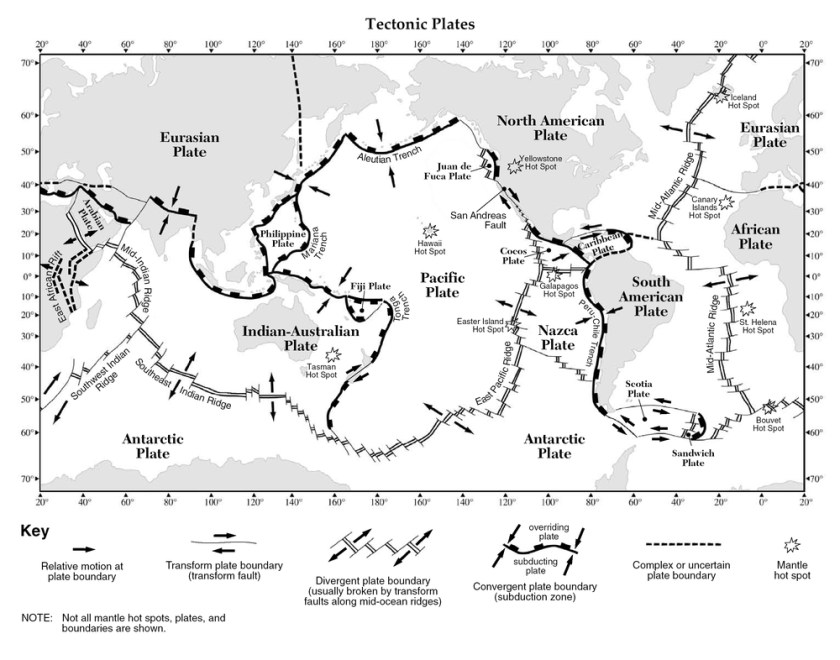
 Roughly 90% of all earthquakes and 75% of potentially active volcanoes in the world, occur along a horseshoe shaped Ring of Fire, encircling the Pacific Ocean.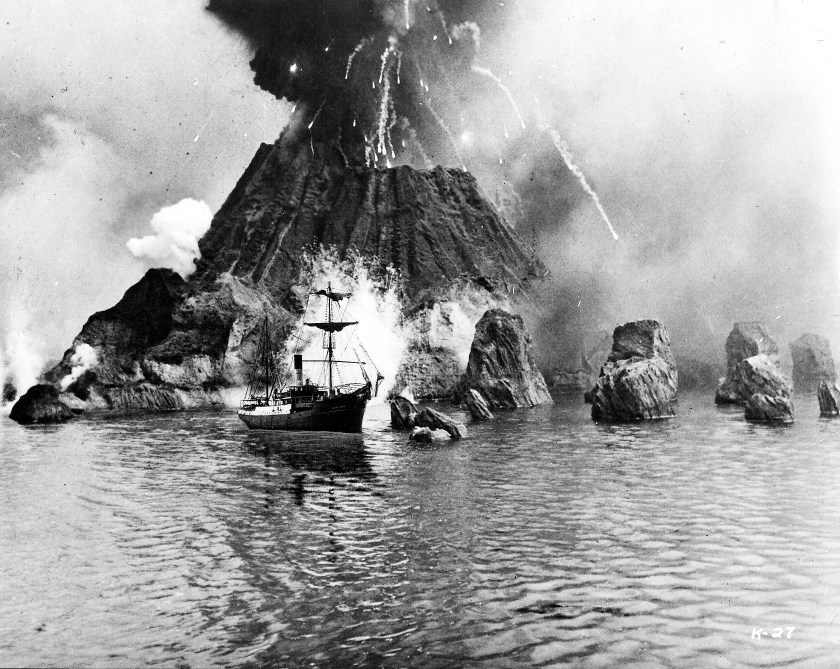
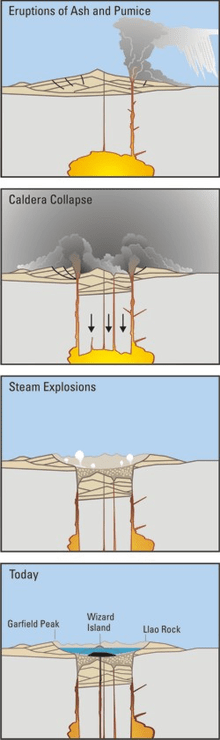
 Following the 1883 eruption, temperatures in the northern hemisphere fell by an average of 2.2°, Fahrenheit. Weather patterns were disrupted for years on end.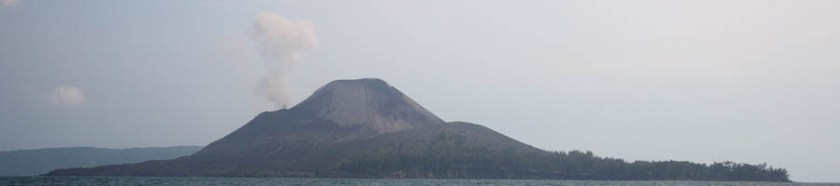


 Those of us of a certain age remember the “Thunder Lizard”, the Brontosaurus, that iconic dinosaur seemingly at the center of every museum display. The Sinclair Oil Company adopted the creature as its mascot. The United States Postal Service featured the animal, in a series of commemorative stamps.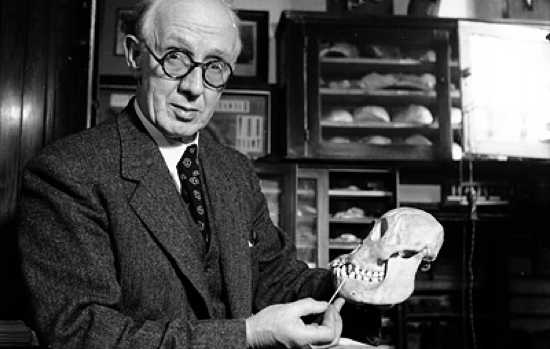



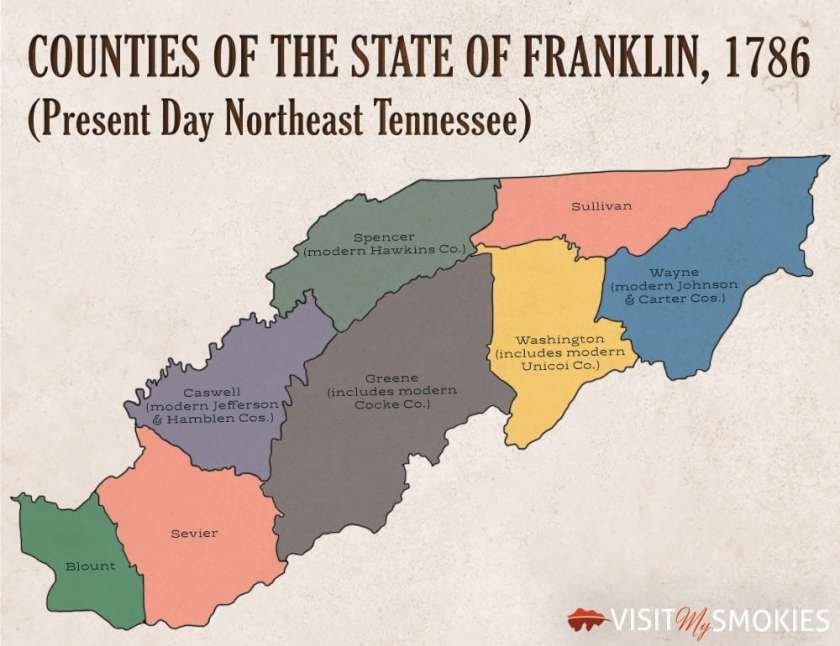 For ten years or more, settlers in the area known as the Cumberland River Valley operated their own independent government, along the western frontiers of North Carolina. With its new-found independence, settlers to the Western Counties found themselves alone in dealing with the area Cherokee, who were at that time anything but peaceful.
 The Western counties petitioned the United States Congress for statehood the following May as the 14th state in the Union, the independent state of “Frankland”. Seven states voted in the affirmative, short of the two-thirds majority required by the Articles of Confederation, for full statehood.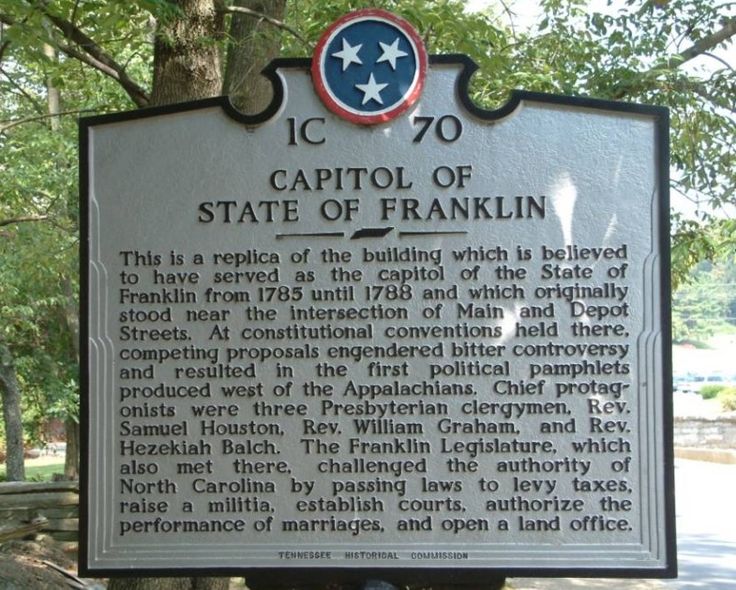
 As Franklin expanded westward, the state met resistance from the Chickamauga and “Overhill Cherokee” of war chief Dragging Canoe, a man often referred to as the “Savage Napoleon”. With the protection of neither a federal army nor a state militia, Sevier sought a loan from the Spanish government, who then attempted to assert control over the territory.


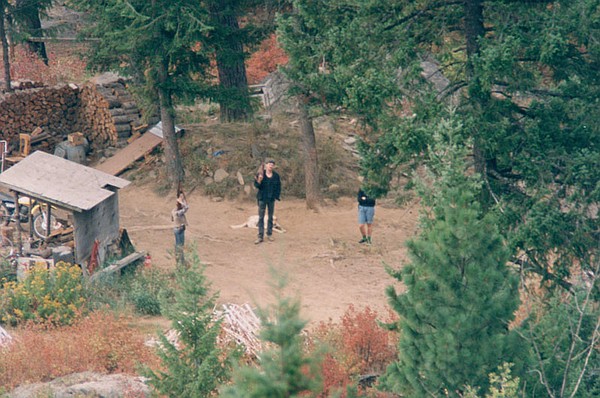


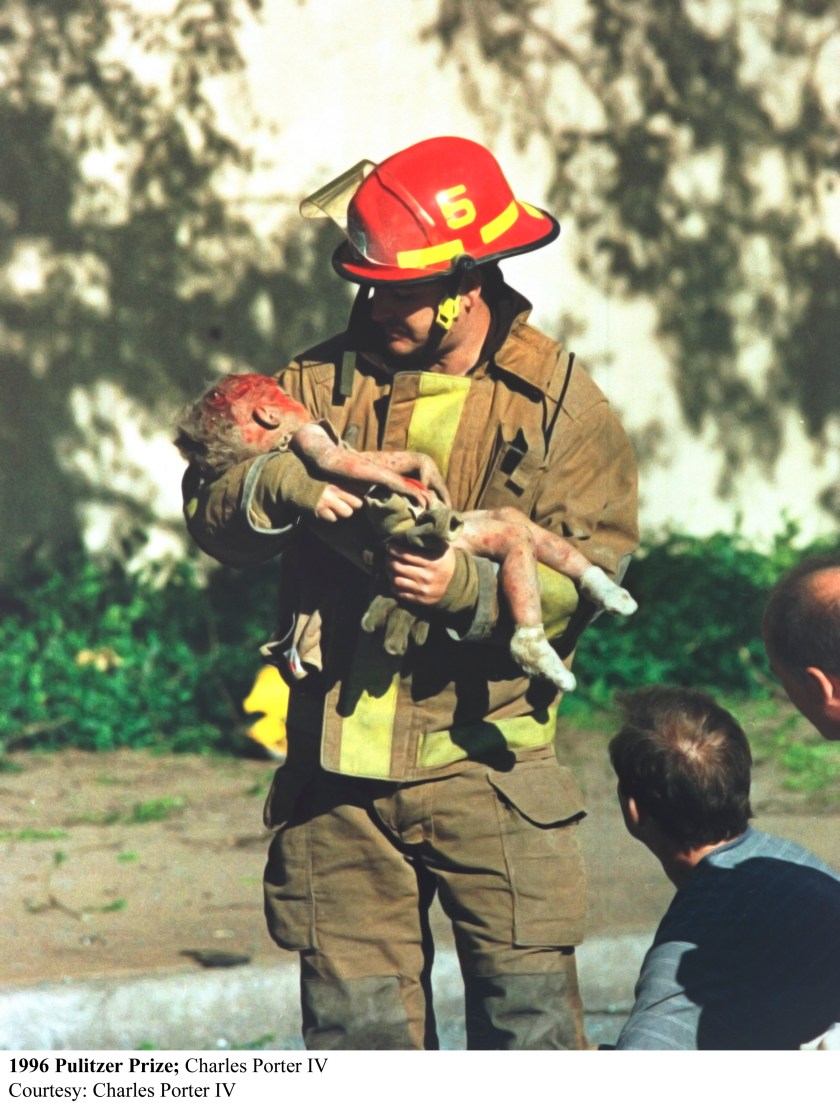


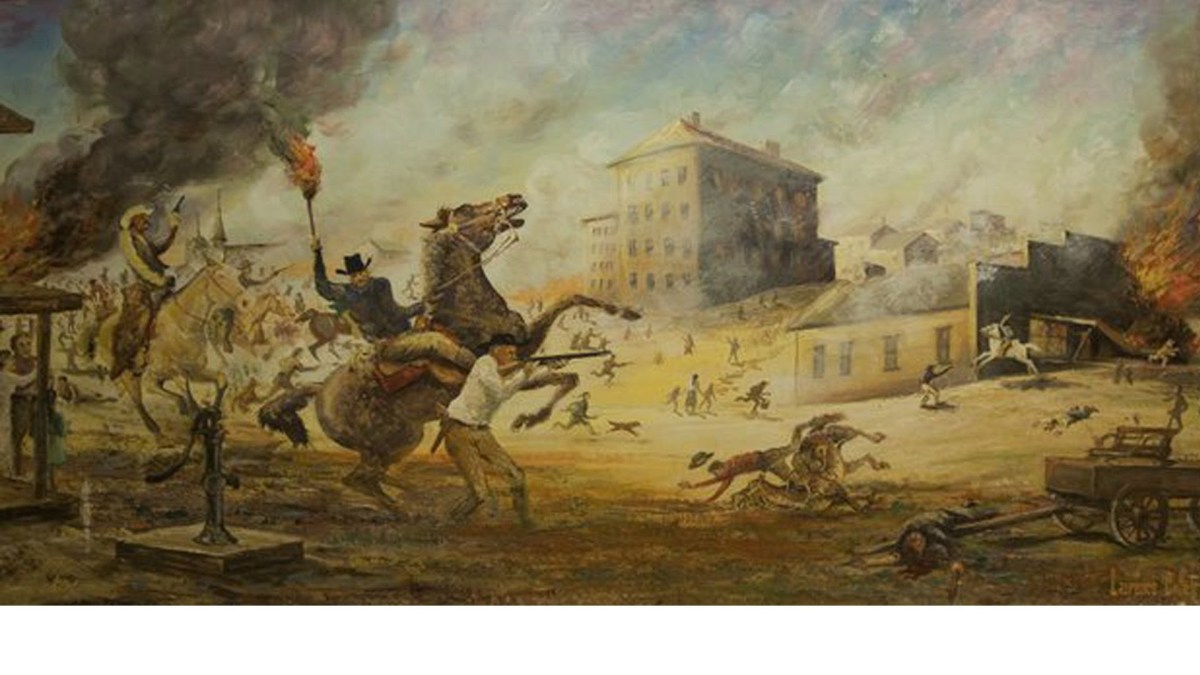
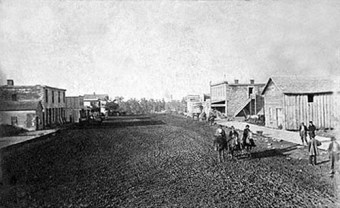
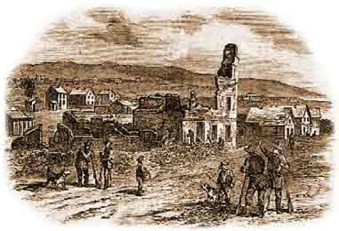
 Intending to deprive Confederate sympathizers from their base of support, General Thomas Ewing authorized General Order No. 11 four days later, ordering that most of four counties along the Kansas-Missouri border be depopulated. Tens of thousands of civilians were forced out of their homes as Union troops came through, burning buildings, torching fields and shooting livestock.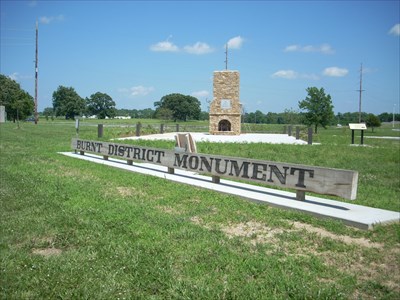
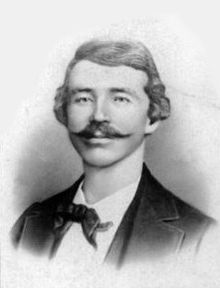
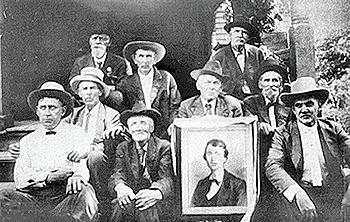


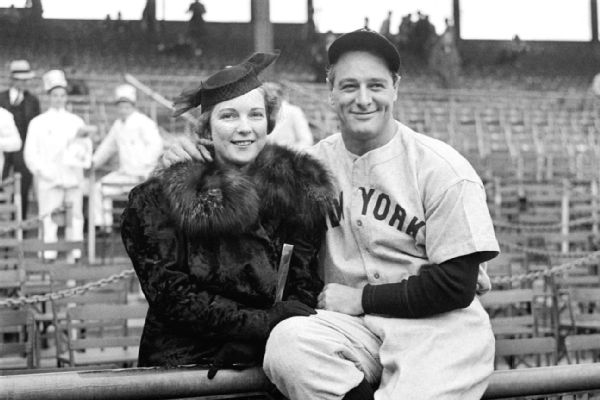
 Gehrig was pitching for Columbia University against Williams College on April 18, 1923, the day that Babe Ruth hit the first home run out of the brand new Yankee Stadium. Though Columbia would lose the game, Gehrig struck out seventeen batters that day, to set a team record. The loss didn’t matter to Paul Krichell, the Yankee scout who had been following Gehrig. Krichell didn’t care about the arm either, as much as he did that powerful, left-handed bat. He had seen Gehrig hit some of the longest home runs ever seen on several Eastern campuses, including a 450′ home run at Columbia’s South Field that cleared the stands and landed at 116th Street and Broadway.

 The team was in Detroit on May 2 when he told manager Joe McCarthy “I’m benching myself, Joe”. It’s “for the good of the team”. McCarthy put Babe Dahlgren in at first and the Yankees won 22-2, but that was it. The Iron Horse’s streak of 2,130 consecutive games, had come to an end.
 Gehrig left the team in June, arriving at the Mayo Clinic on the 13th. The diagnosis of Amyotrophic Lateral Sclerosis (ALS) was confirmed six days later, on June 19. It was his 36th birthday. It was a cruel prognosis: rapidly increasing paralysis, difficulty in swallowing and speaking, and a life expectancy of fewer than three years.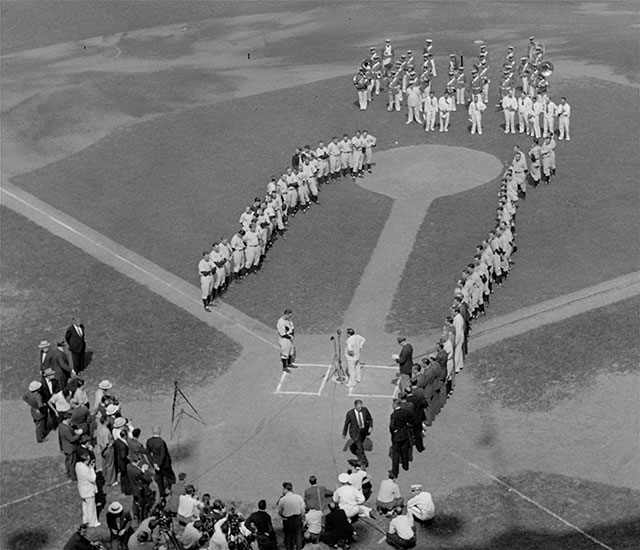


 This was the world of bare knuckle boxing in the age of John L. Sullivan. He thrived in that world. The urban prize ring was his “temple of manhood”. He intended to be its Crown Prince.

 Sullivan’s unbeaten record over 44 professional fights came to an end on July 9, 1892, when “Gentleman Jim” Corbett unloaded a smashing left in the 21st round that put the champion down, for good. Sullivan would later say that his opponent only “gave the finishing touches to what whiskey had already done to me.”


 Historical Easter Eggs - Today in History
You must be logged in to post a comment.