

The Roman Republic of antiquity operated on the basis of separation of powers with checks and balances, and a strong aversion to the concentration of authority. Except in times of national emergency, no single individual was allowed to wield absolute power over his fellow citizens.
The retired patrician and military leader Lucius Quinctius Cincinnatus was called from his farm in 458BC to assume the mantle of Dictator and, despite his old age, again, twenty years later. With the crisis averted, Cincinnatus relinquished all power and the perks which came with it, and returned to his plow.
The man’s name remains symbolic, from that day to this. A synonym for outstanding leadership, selfless service and civic virtue.
Of all the General officers who fought for American Independence, there is but one true Cincinnatus. A man who risked his life in the cause of Liberty, and truly retired from public life.
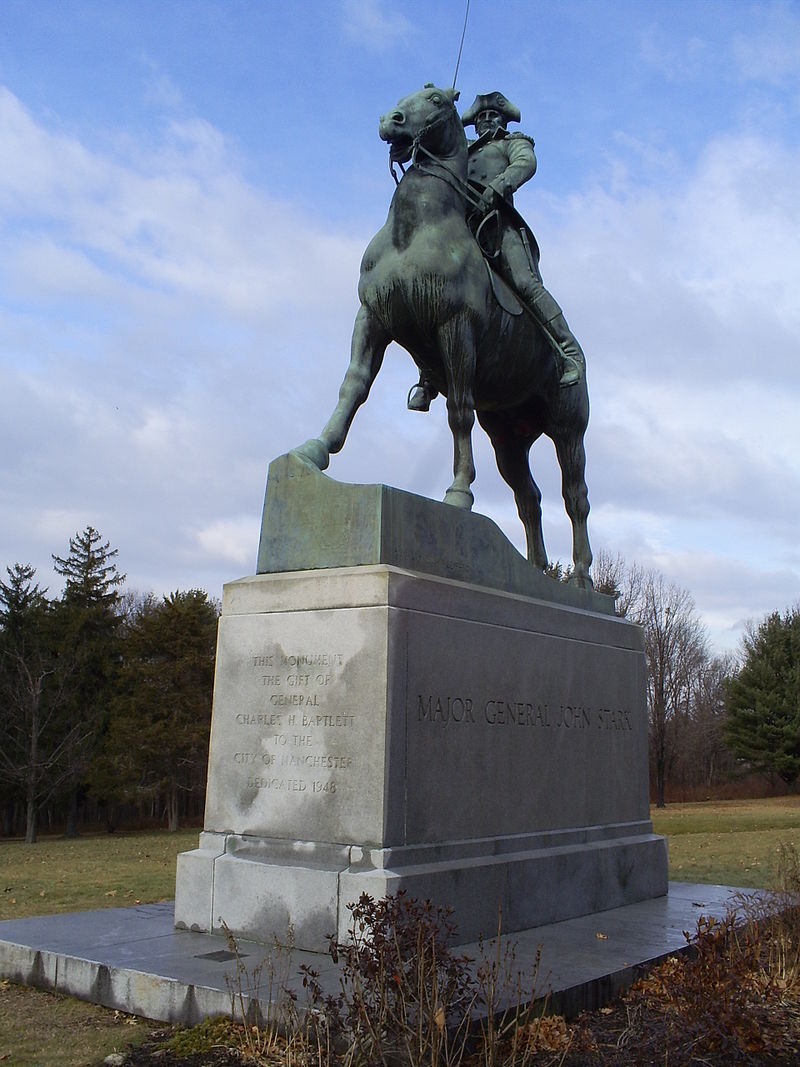
Outside of his native New Hampshire, few remember the name of John Stark. Born August 28, 1728 in Londonderry (modern day Derry), the family moved up the road when the boy was eight, to Derryfield. Today we know it as Manchester.
On April 28, 1752, 23-year-old John Stark was out trapping and fishing with his brother William, and a couple of buddies. The small group was set upon by a much larger party of Abenaki warriors. David Stinson was killed in the struggle, as John was able to warn his brother away. William escaped, in a canoe.
John was captured along with Amos Eastman. 267 years ago today, the hostages were heading north, all the way to Quebec, where the pair were subjected to a ritual torture known as “running the gauntlet”.
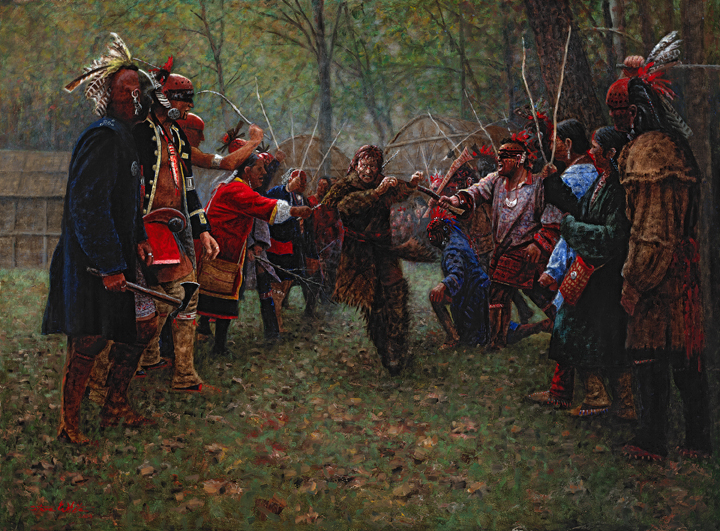
In the eastern woodlands of the United States and southern Quebec and Ontario, captives in the colonial and pre-European era often faced death by ritual torture at the hands of indigenous peoples, a process which could last, for days. In running the gauntlet, the condemned is forced between two opposing rows, where warriors strike out with clubs, whips and bladed weapons.
Eastman barely got out alive, but Stark wasn’t playing by the same rules. He hit the first man at a dead run, wrenching the man’s club from his grasp and striking out, at both lines. The scene was pandemonium, as the tormented captive gave as good as he got. To the chief of the Abenaki, it may have been the funniest thing, ever. He was so amused, he adopted the pair into the tribe. Eastman and Stark lived as tribal members for the rest of that year and into the following Spring, when a Massachusetts Bay agent bought their freedom. Sixty Spanish dollars for Amos and $103, for John Stark.
 Seven years later during the French & Indian War, Rogers’ Rangers were ordered to attack the Abenaki village with John Stark, second in command. Stark refused to accompany the attacking force out of respect for his Indian foster family, returning instead to Derryfield and his wife Molly, whom he had married the year before.
John Stark returned to military service in 1775 following the Battles of Lexington and Concord, accepting a Colonelcy with the 1st Regiment of the New Hampshire militia.
During the early phase of the Battle of Bunker Hill, American Colonel William Prescott knew he was outgunned and outnumbered, and sent out a desperate call for reinforcements. The British warship HMS Lively was raining accurate fire down on Charlestown Neck, the narrow causeway linking the city with the rebel positions. Several companies were milling about just out of range, when Stark ordered them to step aside. Colonel Stark and his New Hampshire men then calmly marched to Prescott’s position on Breed’s Hill, without a single casualty.
Stark and his men formed the left flank of the rebel position, leading down to the beach at Mystic River. The Battle of Bunker Hill was a British victory, in that they held the ground, when it was over. It was a costly win which could scarcely be repeated. At the place in the line held by John Stark’s New Hampshire men, British dead were piled up like cord wood.
John Stark’s service record reads like a timeline of the American Revolution. The doomed invasion of Canada in the Spring of 1776. The famous crossing of the Delaware and the victorious battles at Trenton, and Princeton New Jersey. Lieutenant Colonel Friedrich Baum and his Brunswick mercenaries ran into a buzz saw in Bennington Vermont, in the form of Seth Warner’s Green Mountain Boys and John Stark, rallying his New Hampshire militia with the cry, “There are your enemies, the Red Coats and the Tories. They are ours, or this night Molly Stark sleeps a widow!” When it was over, Stark reported 14 dead and 42 wounded. Of Lt. Col. Baum’s 374 professional soldiers, only nine walked away.

The loss of his German ally led in no small part to “Gentleman Johnny” Burgoyne’s defeat, at Saratoga. Stark served with distinction for the remainder of the war and, like Cincinnatus before him, returned home to his farm.
In 1809, a group of Bennington veterans gathered for a reunion. Stark was 81 at this time and not well enough to travel. Instead, he wrote his comrades a letter, closing with these words:
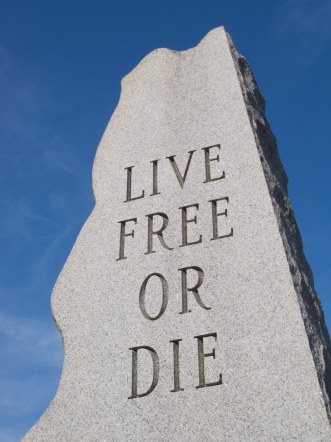
“Live free or die: Death is not the worst of evils.”
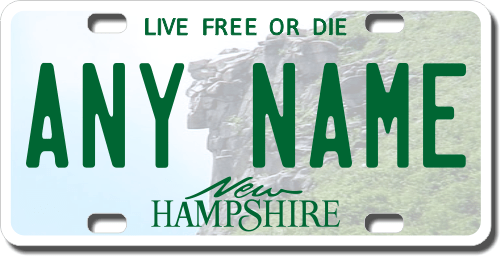
The name of the American Cincinnatus is all but forgotten today but his words live on, imprinted on every license plate, in New Hampshire. “Live Free or Die”.






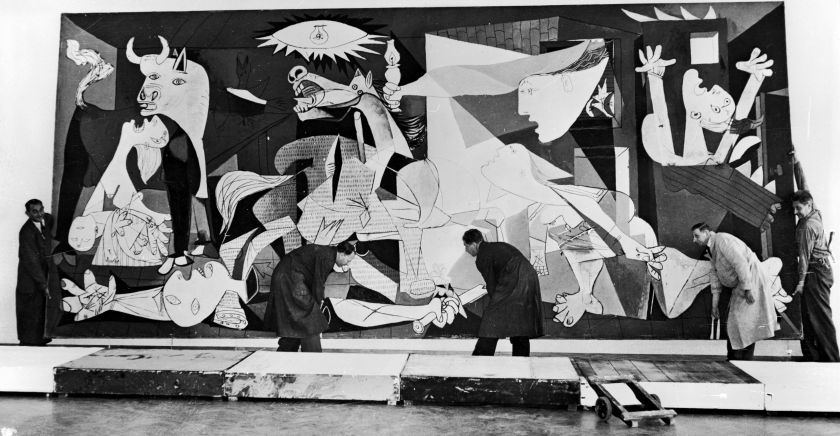


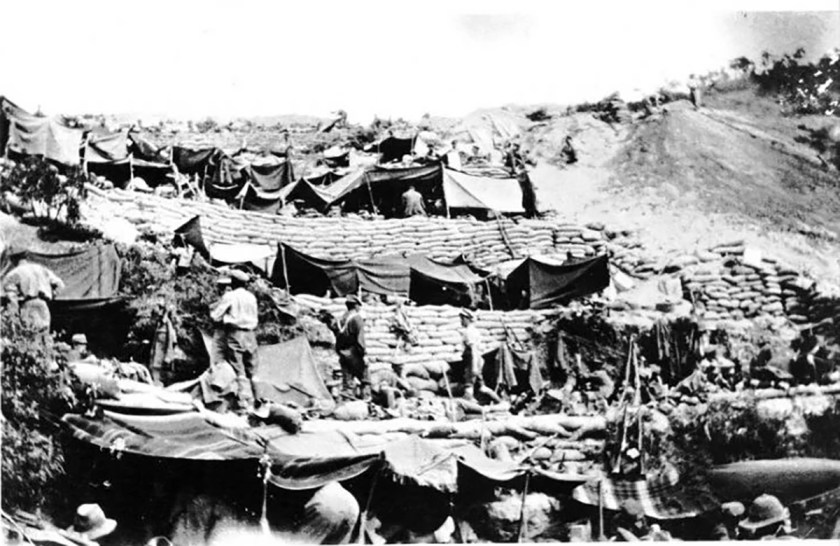
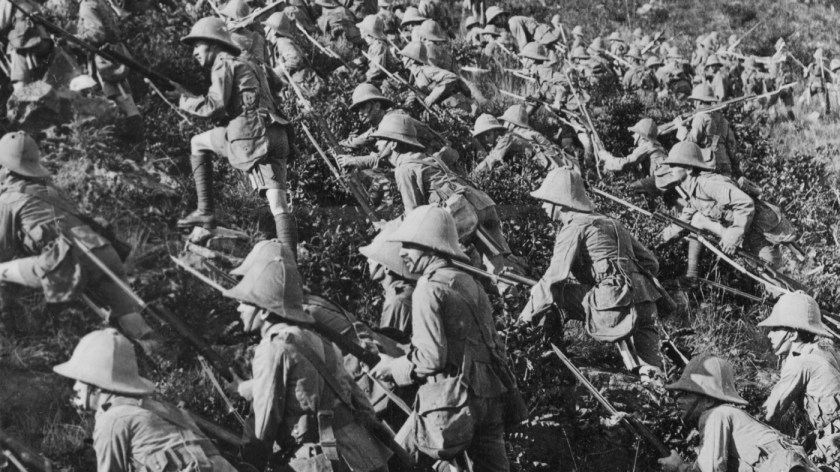
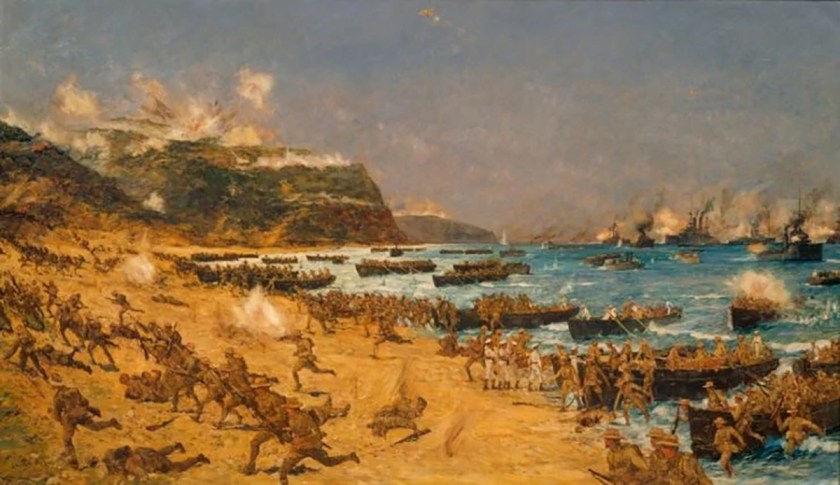


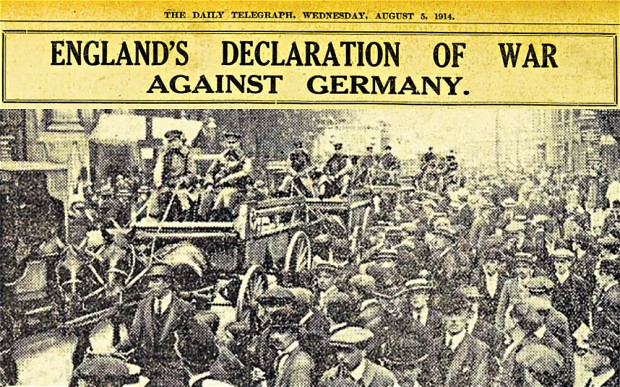
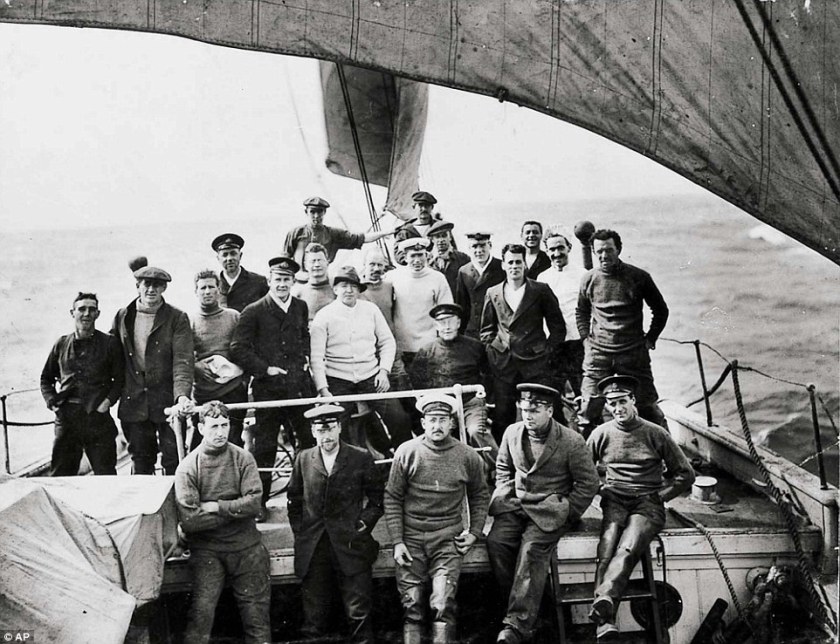
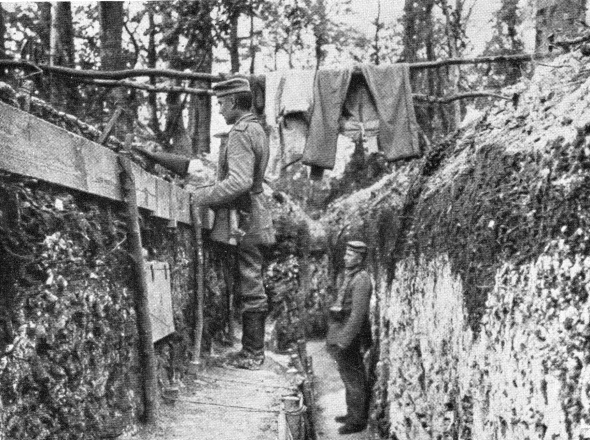
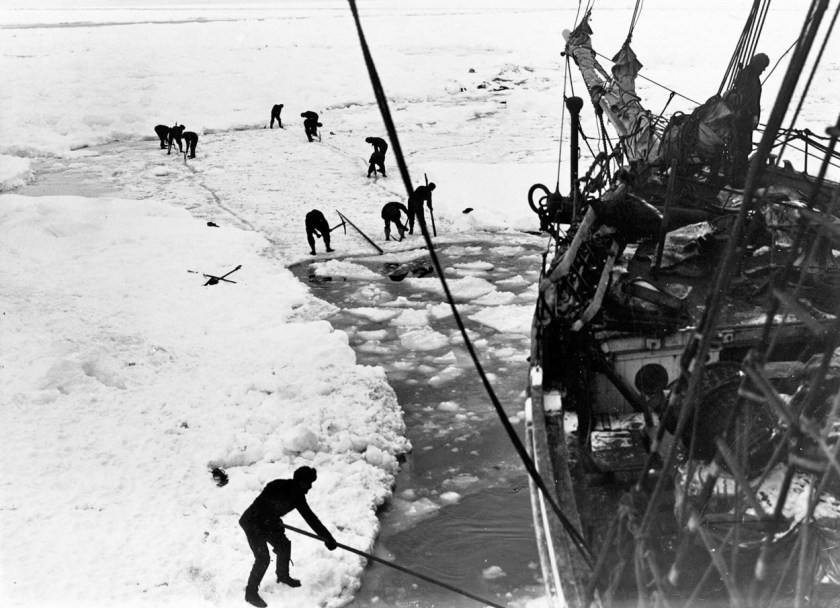
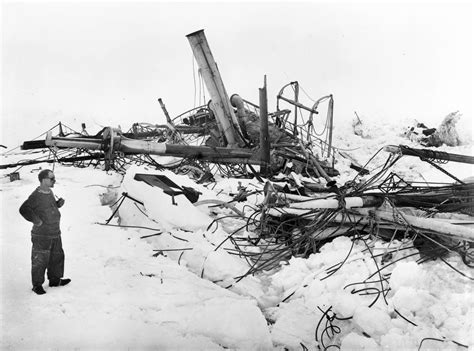
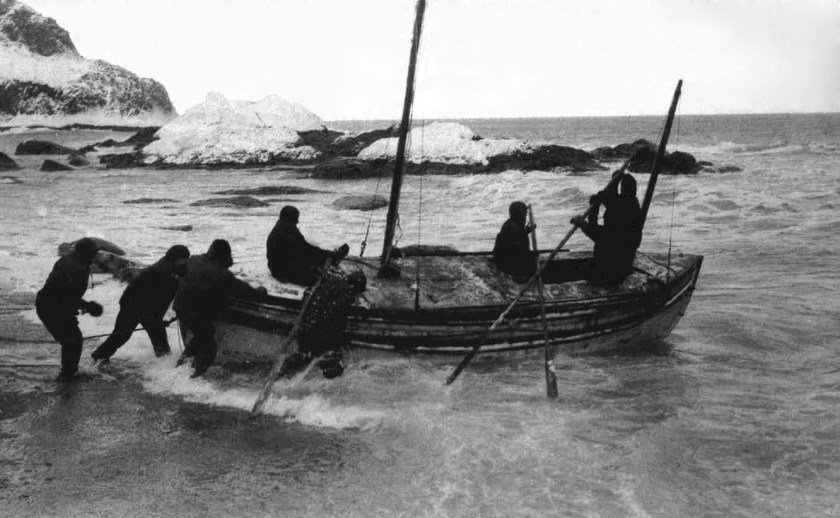
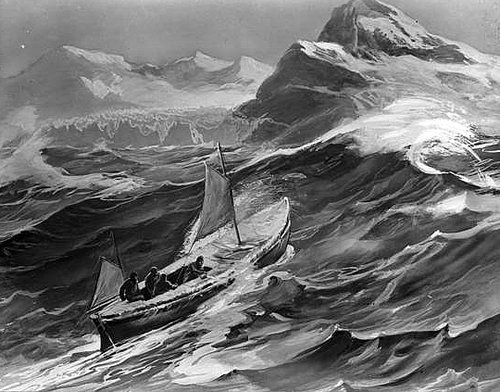
 The disaster of the Great War became “Total War” with the zeppelin raids of January, as Endurance met with disaster of its own. The ship was frozen fast, within sight of the Antarctic continent. There was no hope of escape.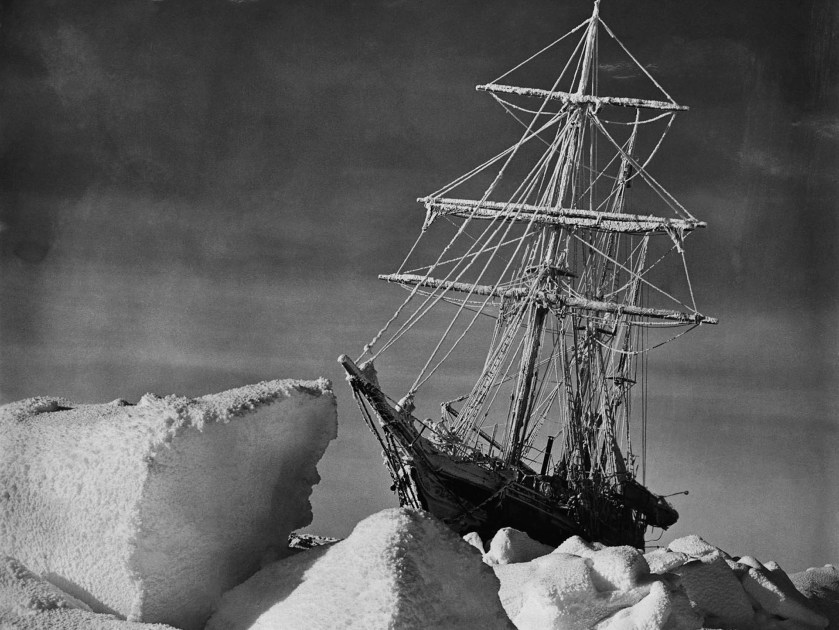




 The United States had a border in those days, which the Federal government attempted to enforce.
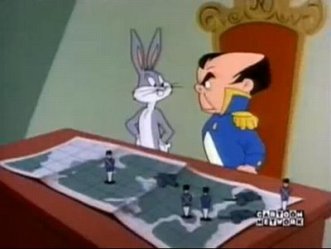
 Dennis Wardlow, then-Mayor of Key West, contacted the chief of police, the Monroe County sheriff, his State Representative and then-Governor Bob Graham, demanding the roadblock’s removal. With none of the above having any knowledge of the barrier and lacking the authority to pull it down, Wardlow contacted INS directly. When the Border Patrol told him it was “none of his business,” the Mayor’s response could best be summed up in the words of Bugs Bunny: “Of course you know, this means war!”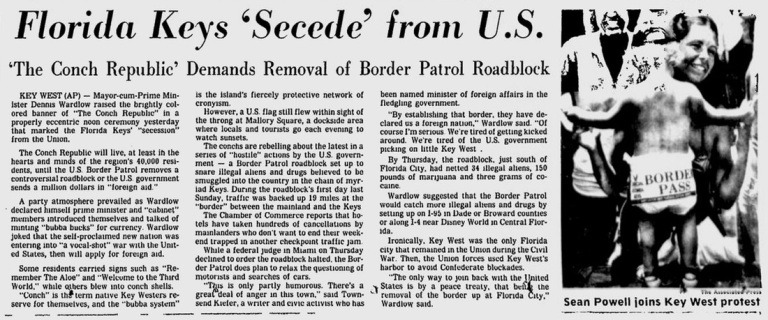
 On April 23, with federal agents on scene to monitor the proceedings, a crowd gathered before the old customs building. Mayor Wardlow and a gaggle of allies mounted the back of a flatbed truck, to read the proclamation of secession. “We serve notice on the government in Washington”, Wardlow began, “to remove the roadblock or get ready to put up a permanent border to a new foreign land. We as a people, may have suffered in the past, but we have no intention of suffering in the future at the hands of fools and bureaucrats“.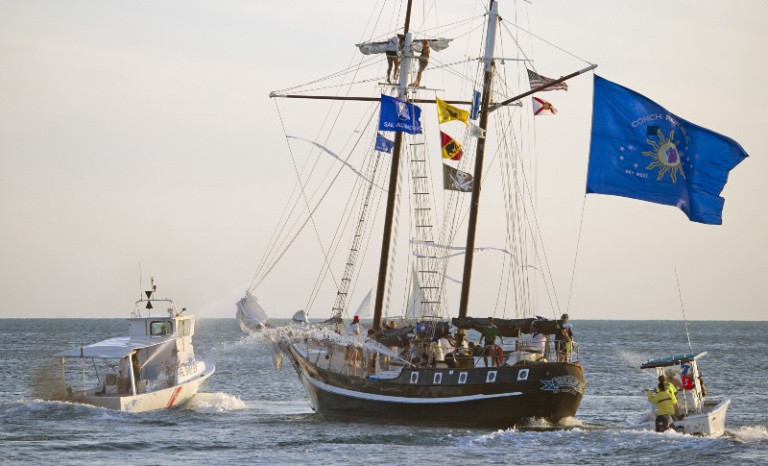
 Apparently, that’s what it takes to get the attention of a Federal government bureaucrat. The roadblock lifted. The restaurants, stores and hotels of the Keys soon filled with tourists and, once again, happiness smiled upon the land. Key West never got its “foreign aid”, but secessionist leaders never received so much as a letter, saying they couldn’t leave the Union, either.
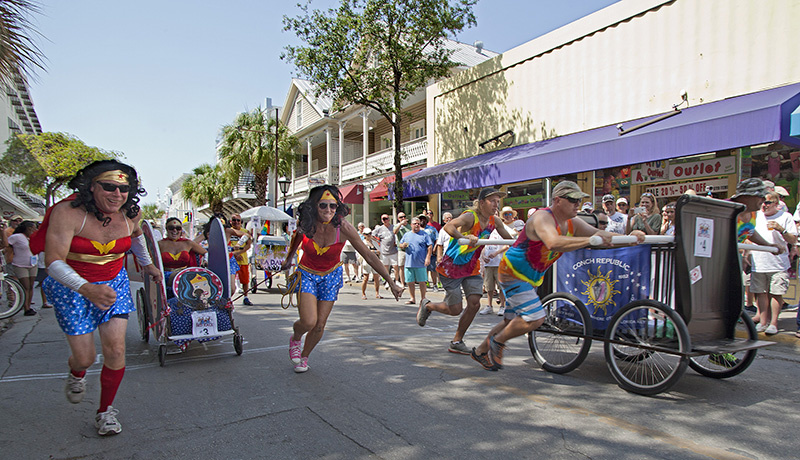
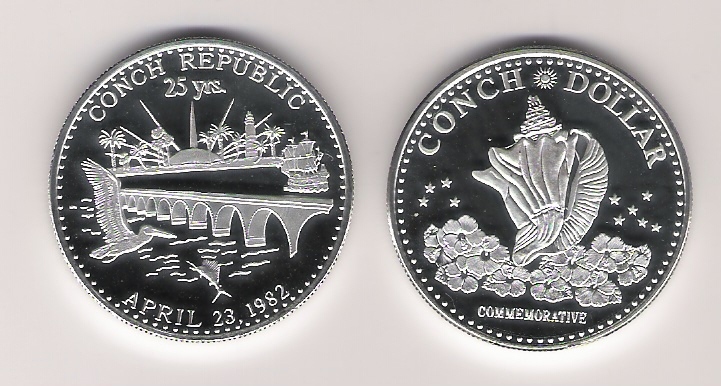
 So it is that the micro-nation of Key West celebrates its independence, every April 23. The “Conch Republic’ issues its own passports, selling T-shirts and bumper stickers with the slogan “We seceded where others failed”.

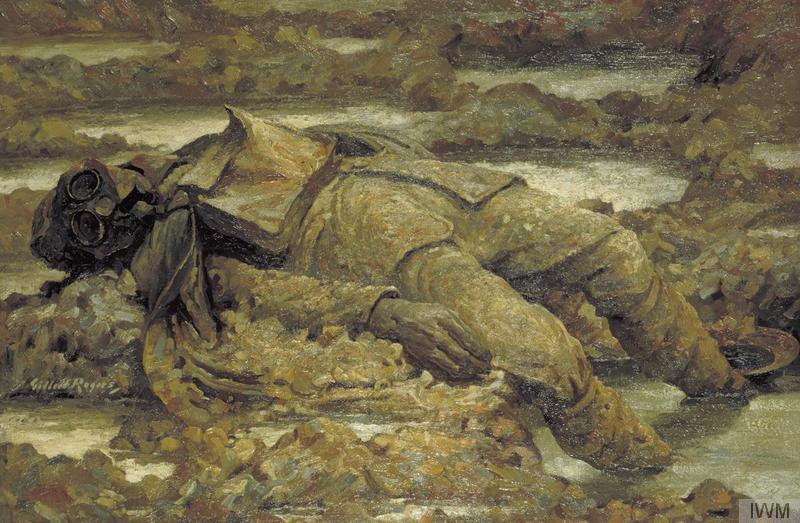
 Both sides in the battle for Troy used poisoned arrows, according to the Iliad and the Odyssey of Homer. Alexander the great encountered poison arrows and fire weapons in the Indus valley of India, in the fourth century, BC. Chinese chronicles describe an arsenic laden “soul-hunting fog”, used to disperse a peasant revolt, in AD178.
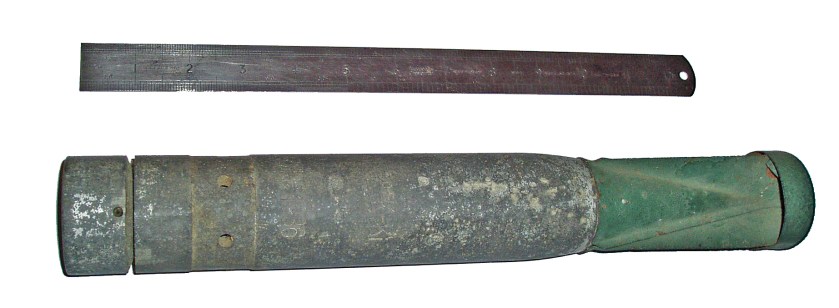
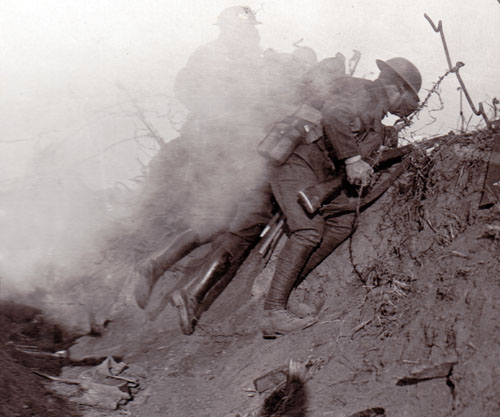
 Imperial Germany was first to give serious study to chemical weapons of war, early experiments with irritants taking place at the battle of Neuve-Chapelle in October 1914, and with tear gas at Bolimów on January 31, 1915 and again at Nieuport, that March.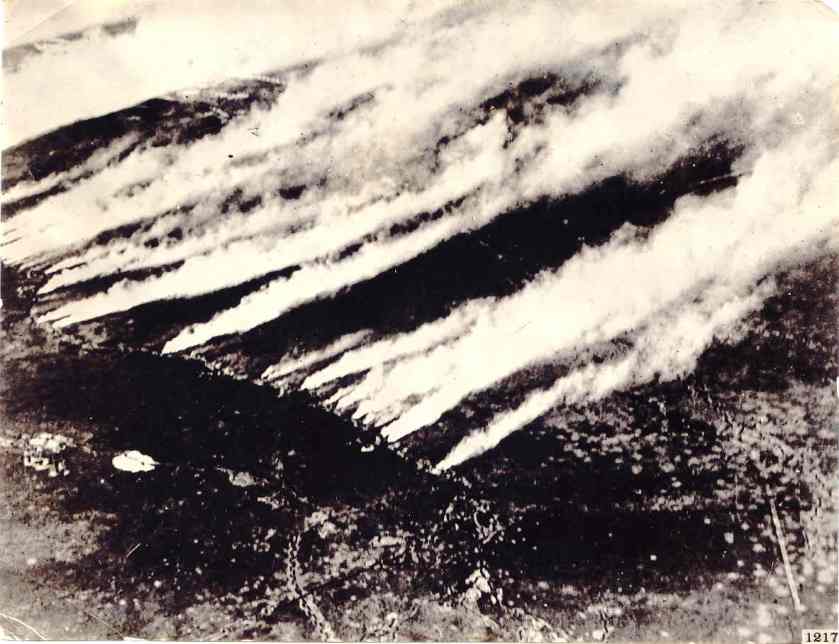
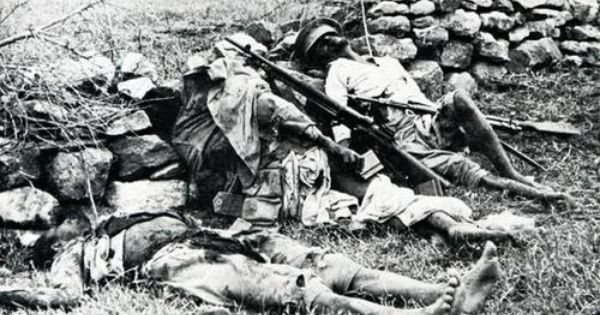
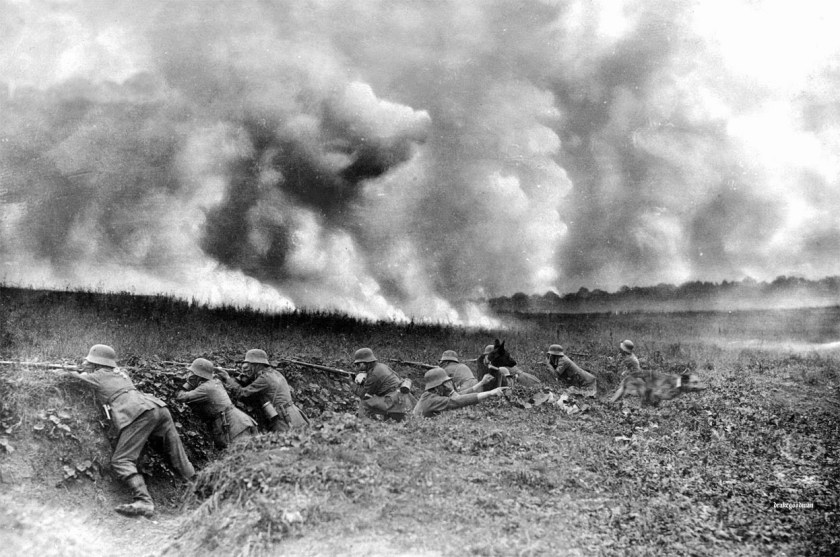
 Great Britain possessed massive quantities of mustard, chlorine, Lewisite, Phosgene and Paris Green, awaiting retaliation should Nazi Germany resort to such weapons on the beaches of Normandy. General Alan Brooke, Commander-in-Chief of the Home Forces, “[H]ad every intention of using sprayed mustard gas on the beaches” in the event of a German landing on the British home islands.
 The Geneva Protocols on 1925 banned the use of chemical weapons, but not their manufacture, or transport. By 1942, the U.S. Chemical Corps employed some 60,000 soldiers and civilians and controlled a $1 Billion budget.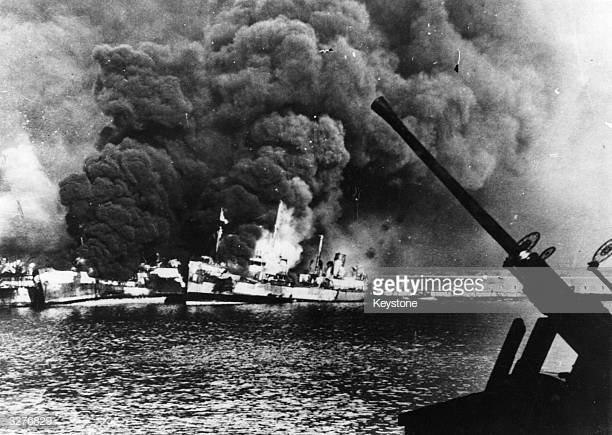
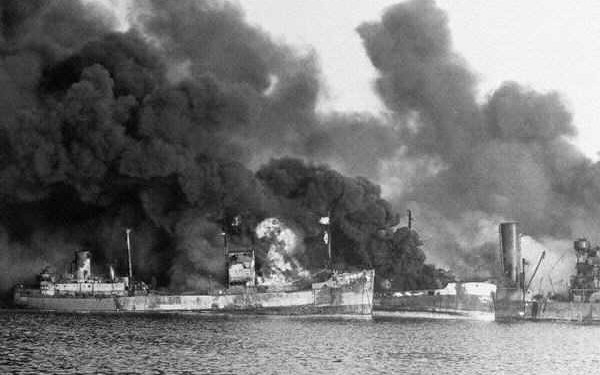
 Death comes in days or weeks. Survivors are likely to suffer chronic respiratory disease and infections. DNA is altered, often resulting in certain cancers and birth defects. To this day there is no antidote.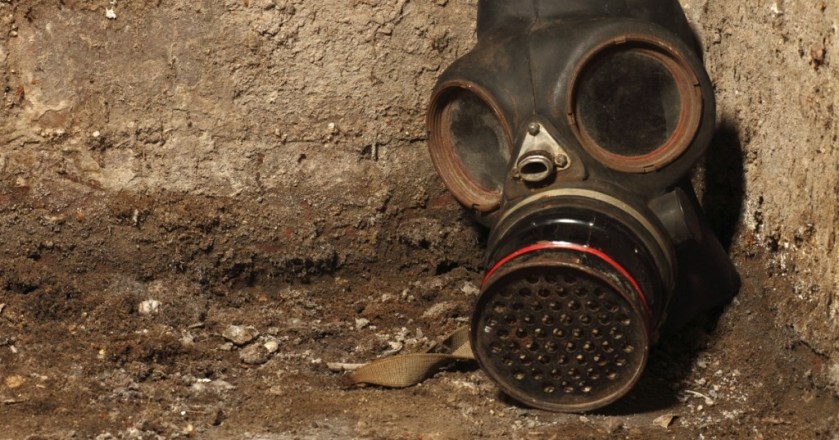




 The story involves no less a figure than Napoleon Bonaparte. In July 1807, Napoleon had just signed the Treaty of Tilsit, ending the war between the French Empire and Imperial Russia. As a means of celebration, Napoleon suggested a rabbit hunt, and ordered Chief of Staff Alexandre Berthier, to make it happen.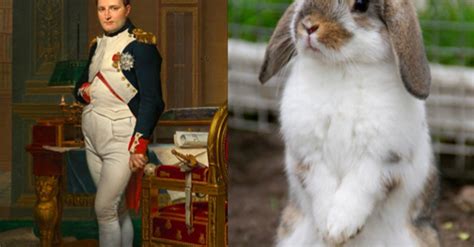

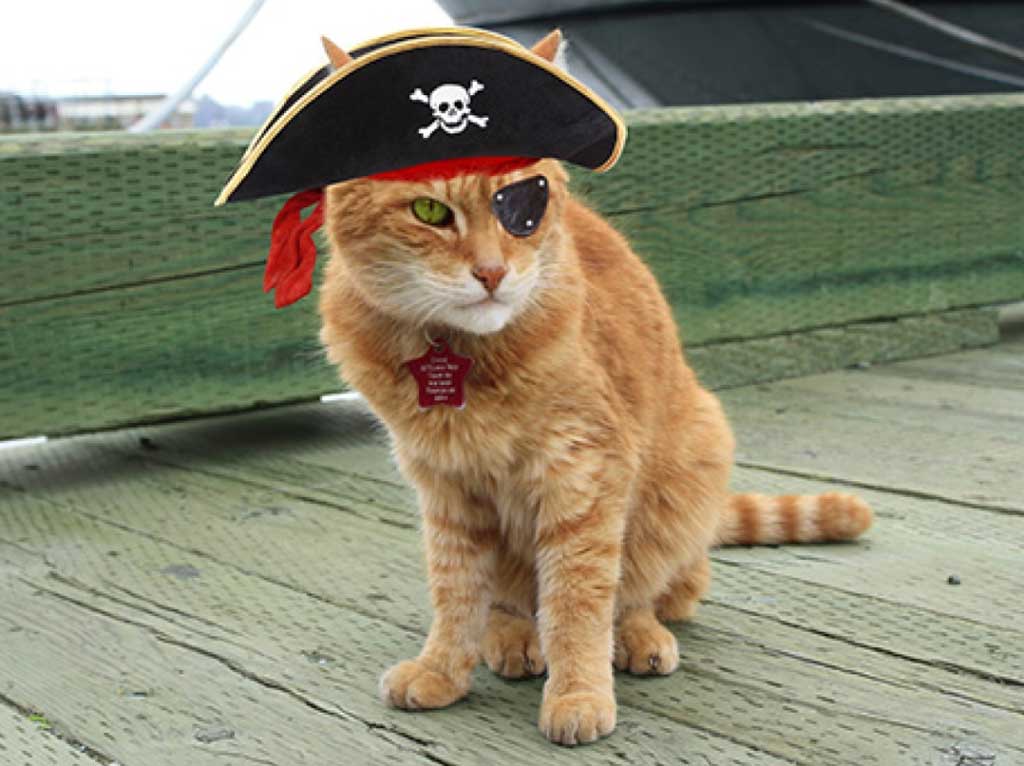
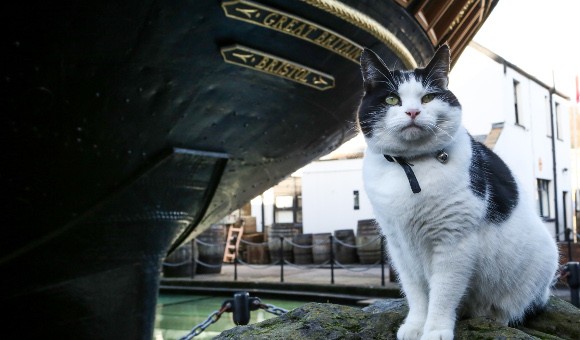
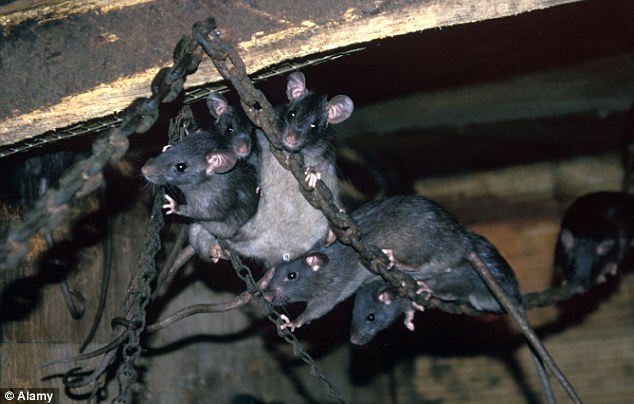


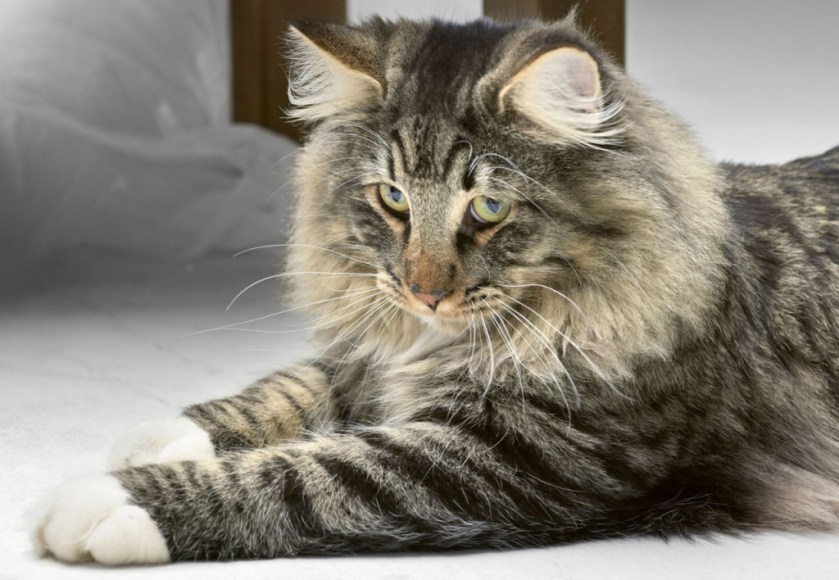
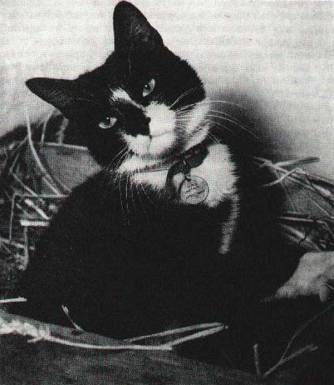
 Amethyst returned fire but it wasn’t long before she was disabled, run aground with most of her guns too high to return fire. The first salvo from the Communist guns exploded in the Captain’s quarters, mortally wounding Commander Skinner and badly injuring the ship’s cat.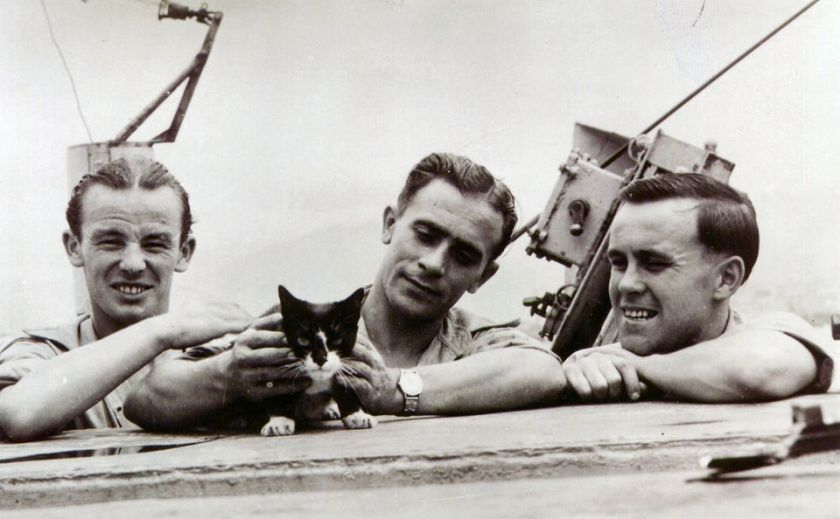
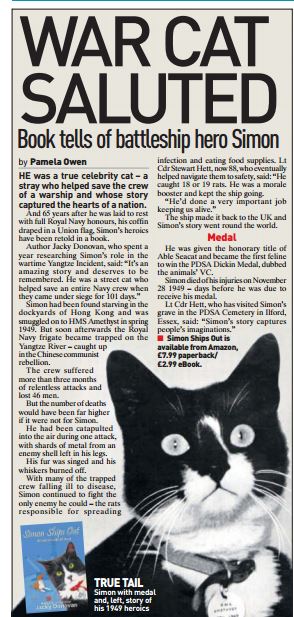 The Amethyst incident resulted in the death of 47 British seamen with another 74, wounded. HMS Amethyst herself sustained heavy damage in the episode. The heavy cruiser HMS London, the destroyer HMS Consort and the sloop HMS Black Swan were also damaged.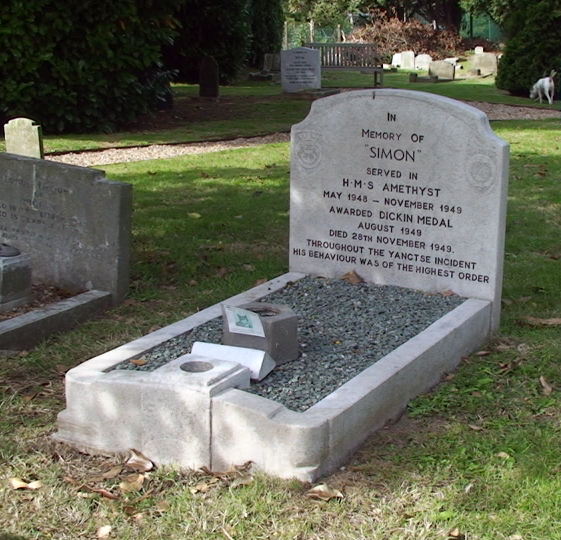




You must be logged in to post a comment.