

Earnest “Ernie” Taylor Pyle was born at the turn of the century, the only child of a tenant farmer and his wife, from the Vermilion County of rural Indiana. The boy disliked life on the farm, and looked for a life of adventure. Following high school graduation, Pyle enlisted in the US Naval Reserve, beginning training at the University of Illinois at Champaign–Urbana.
The Great War came to an end before he completed training, and Pyle enrolled at Indiana University. He wanted to write, it was in his blood, but IU offered no degree in journalism. He majored in economics and took every journalism course he could find, while writing for the student newspaper, the Indiana Daily Student.
 During his junior year, Pyle and a few fraternity brothers dropped out for a year, to follow the IU baseball. The 1922 trip across the Pacific brought the group to Shanghai, Hong Kong, Manila and Japan, leaving the the young writer with a lifelong love of travel, and exploration.
Ernie Pyle met Geraldine Elizabeth “Jerry” Siebolds at a Halloween party in 1923, the year he moved to Washington to work for the Washington Daily News. Two years later, the couple were wed.
The year before the “Mother Road” became part of the national highway system, Ernie and Jerry Pyle quit their jobs to begin an epic, 9,000 mile trip across the United States. In a Ford Model T, no less.
Though never himself a pilot, Pyle flew some 100,000 miles as a passenger between 1928-’32, writing one of the earliest and best-known aviation columns, in the nation. No less a figure than Amelia Earhart once said “Any aviator who didn’t know Pyle was a nobody.”
He wrote in an easy, conversational style, the way of the story teller. Scripps-Howard newspapers editor-in-chief of G.B. (“Deac”) Parker found in his articles “a sort of Mark Twain quality and they knocked my eyes right out.”
Ernie Pyle went to work for himself in 1935, driving from South America to Canada with Jerry, “That Girl who rides with me,” writing human interest stories. His column appeared six days a week in Scripps-Howard newspapers, published under the name “Hoosier Vagabond”.

The series continued until 1942, two years after Pyle began the most famous part of his career. The part for which he would give his life.
Ernie Pyle initially went to London in 1940 to cover the Battle of Britain, later becoming war correspondent for the Scripps-Howard newspapers.
Pyle’s travels read like a summary of the war itself: from North Africa to Europe, to the Asiatic-Pacific theater. Ernie Pyle traveled with the U.S. military during the North African Campaign, the Italian campaign, and the Sicily landing. He went where they went, slept where they slept and ate what they ate.
He landed on an LST-353 with American troops on D-Day, writing from Omaha Beach:
“The best way I can describe this vast armada and the frantic urgency of the traffic is to suggest that you visualize New York city on its busiest day of the year and then just enlarge that scene until it takes in all the ocean the human eye can reach clear around the horizon and over the horizon. There are dozens of times that many”.

Pyle returned to the United States in the Fall of 1943 and again in 1944, badly in need of rest and recuperation from the stress of combat. This was no rear-echelon scribe. Ernie Pyle was right out front with the infantry and the tankers, the Marines and the soldiers who fought and bled and died to put the murderous and totalitarian regimes of the 1940’s, on the garbage pile of history.
 What Bill Mauldin was with his cartoon characters “Willy and Joe”, Ernie Pyle was to the written word. He was free to go anywhere and speak to anyone, from the commander-in-chief to the lowliest private soldier. Harry Truman himself once said “No man in this war has so well told the story of the American fighting man as American fighting men wanted it told. He deserves the gratitude of all his countrymen.”
Exhausted, repeatedly hospitalized with “war neurosis” and subject to epic drinking binges, Ernie Pyle reluctantly accepted his final assignment in 1945, to cover the Battle of Okinawa. Somehow, he knew this would be his last. Before landing, Pyle wrote to his friend Paige Cavanaugh, and playwright Robert E. Sherwood, predicting his own death.
 On April 17, 1945, the war correspondent landed with the U.S. Army’s 305th Infantry Regiment, 77th “Liberty Patch” Division on the island of Ie Shima. The small island northwest of Okinawa had been captured by this time, but was by no means clear of enemy soldiers.
On this day in 1945, Ernie Pyle was killed by a Japanese sniper. Traveling by jeep with Lieutenant Colonel Joseph B. Coolidge and three other officers of the 305th, the vehicle came under fire from a Japanese machine gunner. All five dove for cover, in a ditch. Let Colonel Coolidge take the story from here:
“A little later Pyle and I raised up to look around. Another burst hit the road over our heads … I looked at Ernie and saw he had been hit.”
The bullet entered the left temple, just below his helmet. Ernie Pyle was dead before his body hit the ground.
 The best loved reporter of the second World War was buried wearing that helmet, between the remains of an infantry private and a combat engineer.
The men of the 77th Infantry Division erected a monument which stands to this day, inscribed with these words: “At this spot the 77th Infantry Division lost a buddy, Ernie Pyle, 18 April 1945.” Half a world away, General Eisenhower echoed those same sentiments: “The GIs in Europe––and that means all of us––have lost one of our best and most understanding friends.”


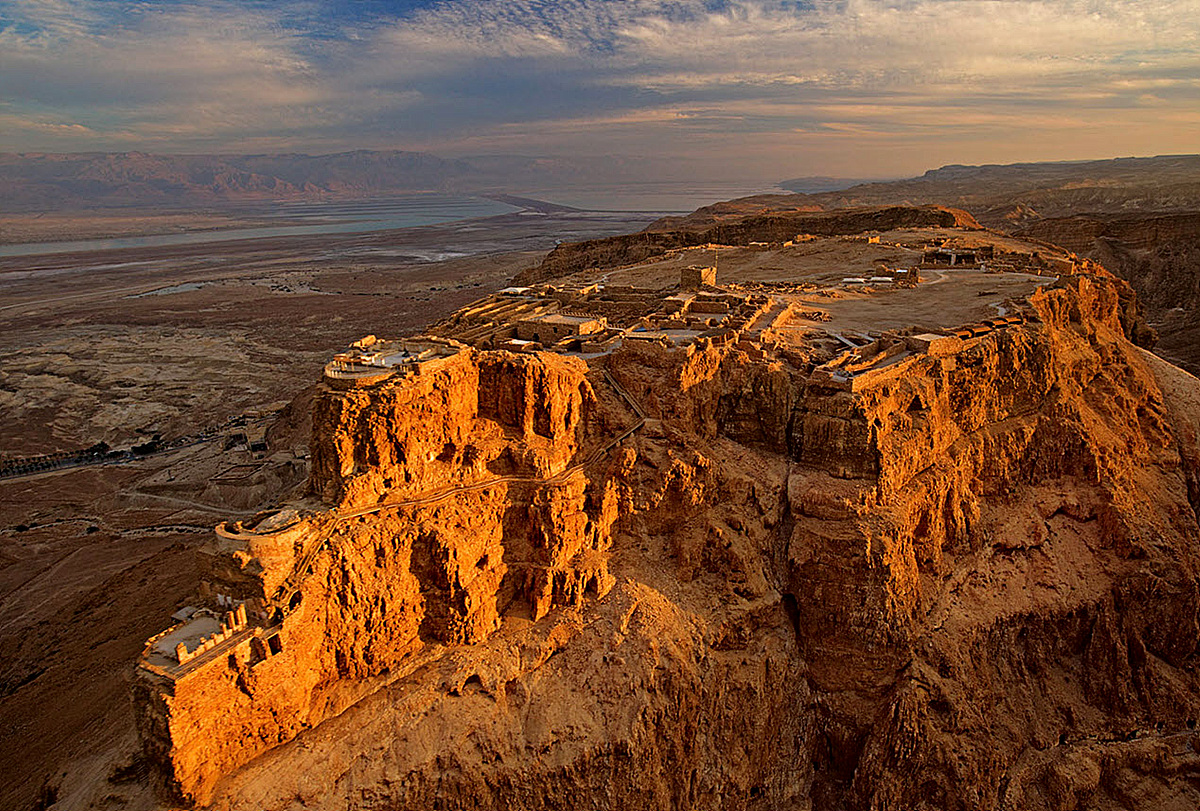
 So important is this event to the Jewish people that it is commemorated still as the bitterest day of the Jewish calendar, a day of fasting and mourning known as Tisha B’Av.


 Masada remained the last remnant of Jewish rule in Palestine in 70, following the fall of Jerusalem and destruction of the second temple. A defending force of fewer than 1,000 (including women and children) held out for nearly two years as the 15,000-strong legions of General Flavius Silva placed stone upon stone, building the sloping ramp of earth and stone seen above.


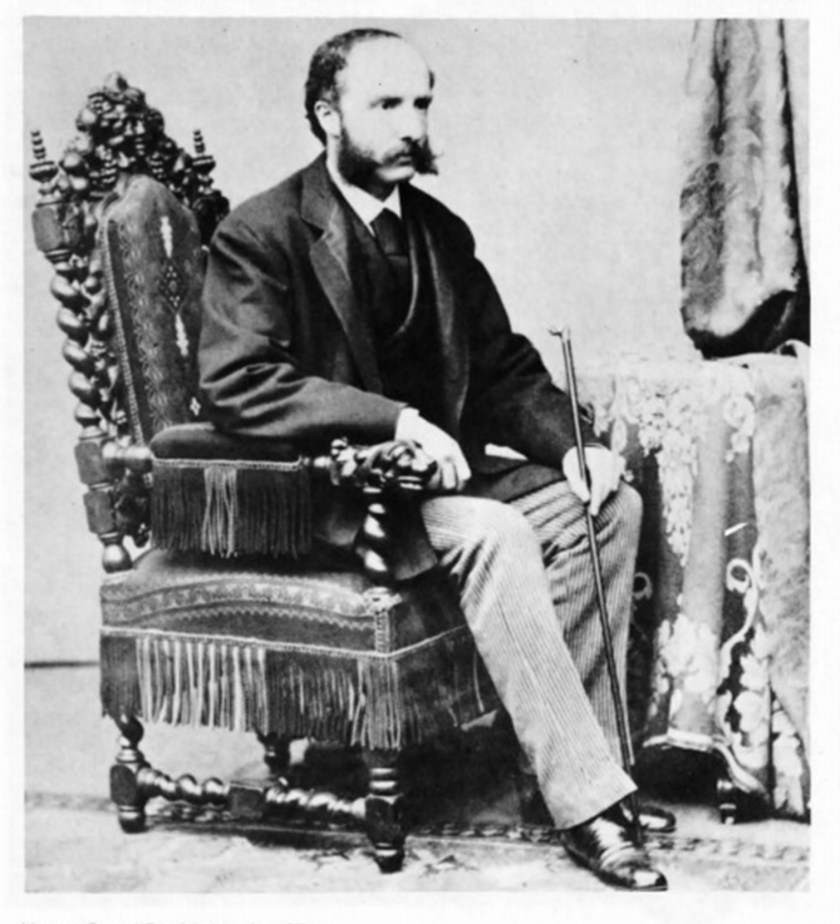
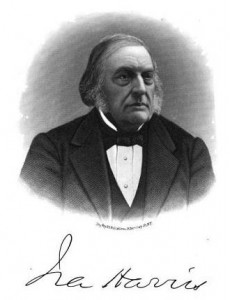 New York Supreme Court Justice Ira Harris, himself a widower and father of four, joined his household with hers when the couple married, in 1848. There were now six kids. A regular 19th-century “Brady Bunch.”
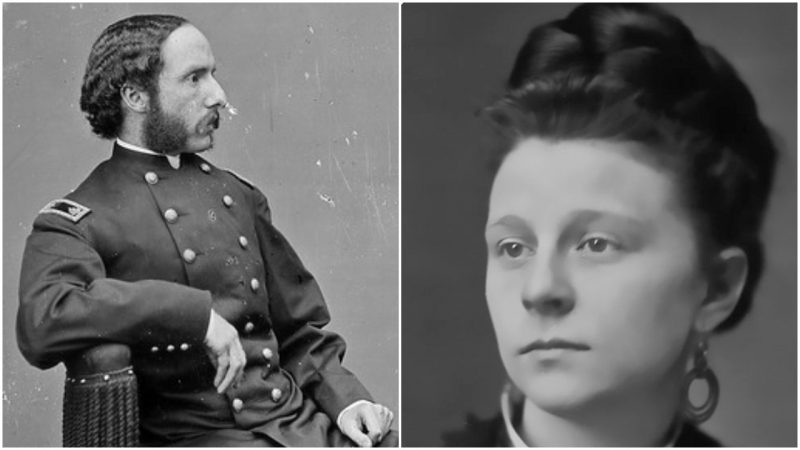 Rathbone served the Union army for the duration of the war, becoming Captain in the 12th Infantry Regiment and participating in the battles at Antietam and Fredericksburg. By the end of the war, Rathbone had attained the rank of Major.




 As the story goes, Taft’s fellow spectators noticed the President rising, and followed his lead. Most had no idea why, but soon the entire section was standing.



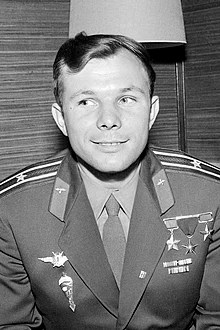 Gagarin’s flight gave fresh life to the “Space Race” between the cold war rivals. President John F. Kennedy announced the intention to put a man on the moon, before the end of the decade.


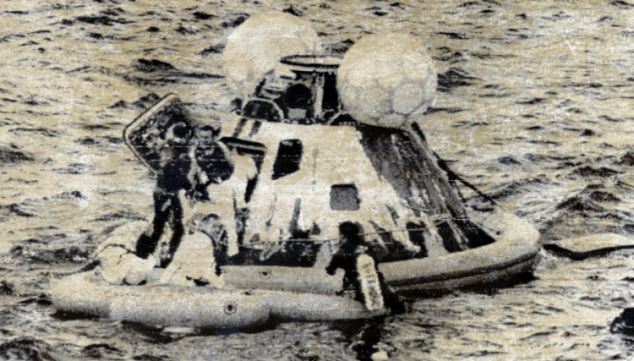
 The seventh manned mission in the Apollo space program was scheduled to be the third moon landing, launching at 13:13 Central Standard Time from the Kennedy Space Center in Florida.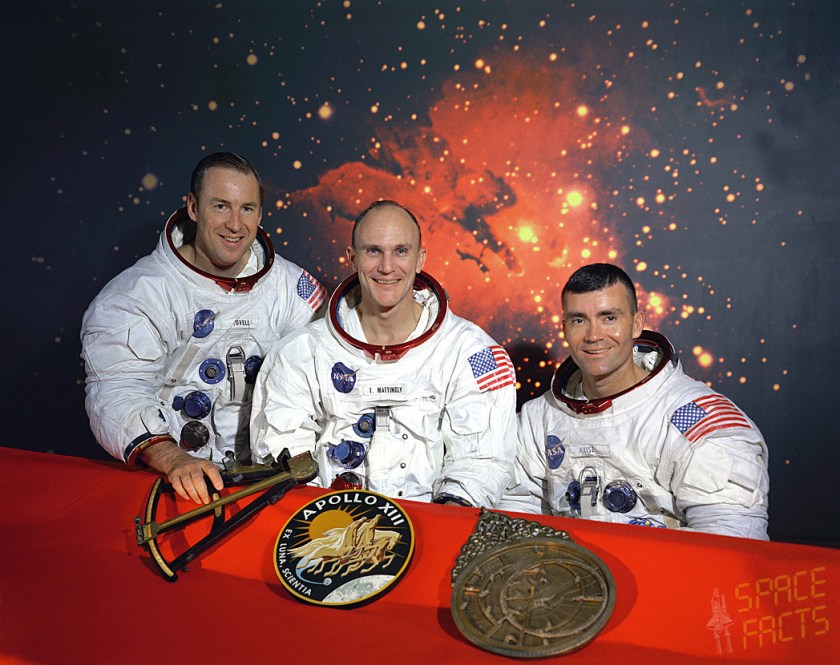

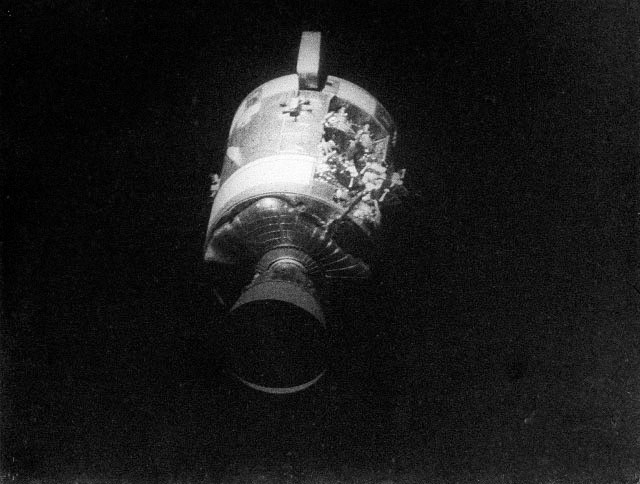
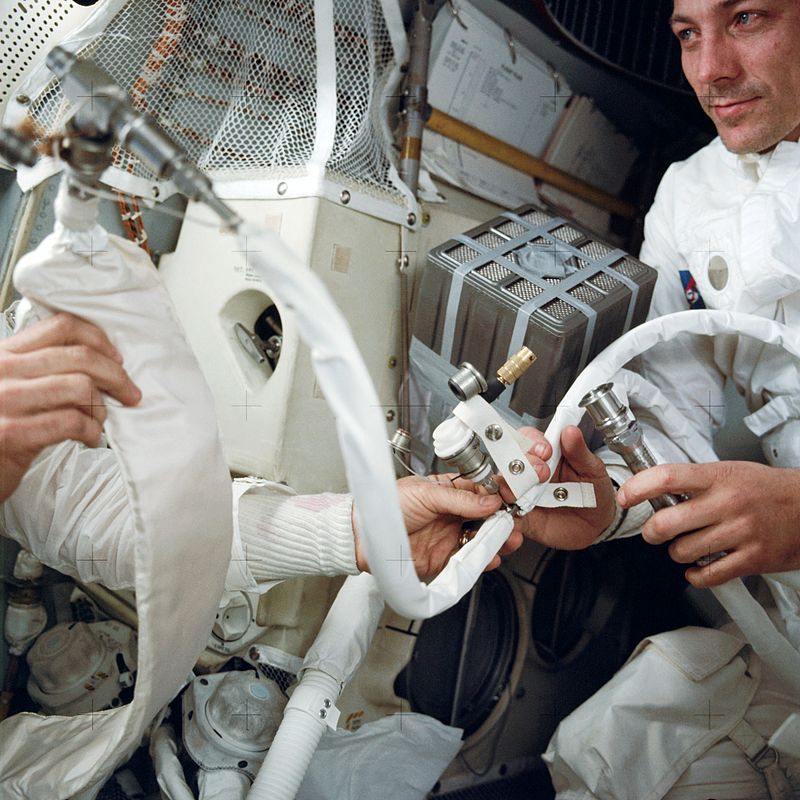
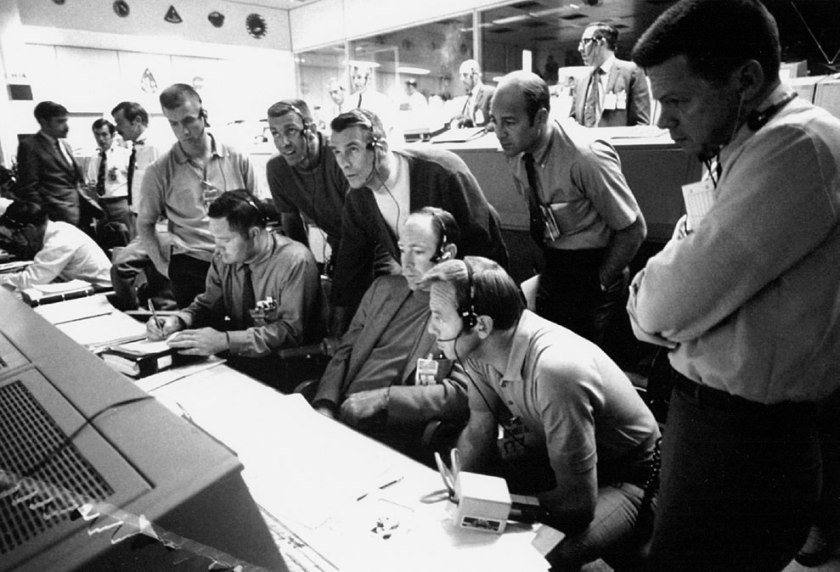 Fifteen years before Angus “Mac” MacGyver hit your television screen, mission control teams, spacecraft manufacturers and the crew itself worked around the clock to “MacGyver” life support, navigational and propulsion systems. For four days and nights, the three-man crew lived aboard the cramped, freezing Aquarius, a landing module intended to support a crew of 2 for only a day and one-half.


 “To go into an internment camp seemed like the sensible thing to do, but for the life of me I could not see what use I would be to myself or to anyone else cooped up there. … For from the moment the inconceivable thing happened and the Japanese arrived, there was just one thought in my mind—to find Jack.”


You must be logged in to post a comment.