
As General in the American Revolution, George Washington once wrote that the “road to glory in a patriot army and a free country is…open to all”. European armies of the time bestowed honors, only on high-ranking officers who had achieved victory in battle.
There was no such honor for the common soldier.
The American military of the colonial era had precedent for such an award, but only under limited circumstances. Congressional medals were awarded to Washington himself on March 25, 1776, following the British evacuation of Boston, to General Horatio Gates in November 1777 in recognition of his victory over British General John Burgoyne at Saratoga, and to Major-General “Light-Horse Harry” Lee, father of Civil War-era Confederate general Robert E. Lee, in recognition of his 1779 attack on the British position at Paulus Hook, New Jersey.
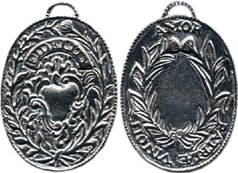
A “Fidelity Medallion” was awarded to three militia men in 1780, for the capture of John André, the British officer and spy whose capture uncovered the treachery of General Benedict Arnold.
The future 1st President’s general orders of August 7, 1782 established a “Badge of Military Merit” to recognize those members of the Continental Army who performed “any singular meritorious action”.
In time, General Washington’s Badge of Military Merit morphed into what we now know as the Purple Heart, but the precedent had been set. This was the first such honor available to any United States military service member, who had distinguished himself by act of valor.
Around the time of the Mexican-American war (1846 – ’48), Congress created the “Meritorious Service Citation Certificate”, a recognition for “any private soldier who had distinguished himself by gallantry performed in the presence of the enemy”. The award came in and out of use in the following decades, later becoming the Distinguished Service Medal, an award available to United States and foreign military service personnel and, in limited circumstances, civilians.
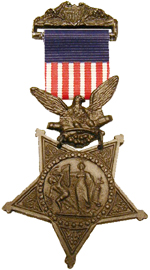 In the early days of the Civil War, General-in-chief of the army Winfield Scott argued against such an award, claiming it to be “too European”.
Secretary of the Navy Gideon Welles adopted the idea on behalf of the Navy, following Scott’s retirement in October 1861. President Abraham Lincoln signed “Public Resolution #82” on December 21, 1861, creating a Navy medal of honor.
An Army version of the medal was created the following July, first awarded to six Union soldiers for hijacking the Confederate locomotive, “The General”. Several were caught and hanged as Union spies including leader of the raid, James Andrews. He alone was Not awarded the Medal of Honor, as he was a civilian.
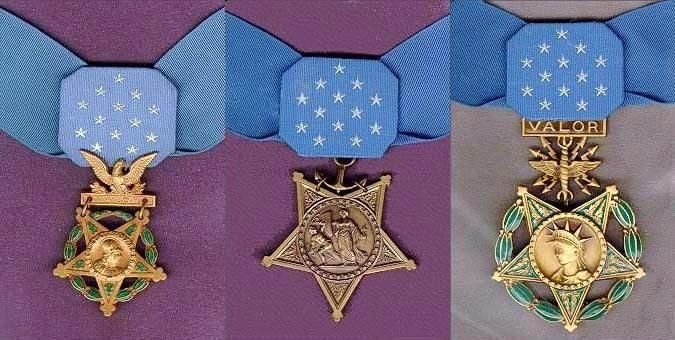
Medals of Honor are not awarded casually, reserved only for the bravest of the brave, and for well-documented acts of valor. Permit me to share a few examples, each from his own moment in history.
Few soldiers on the Civil War battlefield had a quicker route to death’s door, than the color bearer. National and regimental flags were all-important sources of inspiration and communication.
Reverend W. Jamison Thomson of Hartford, CT described the importance of the battle flag: “It represents the cause, is the rallying point, while it is aloft proclaims that victory is still intended, is the center of all eyes, is the means of communication between soldiers, officers, and nation,” he said, “and after the engagement, and after many of them, is their marked memento so long as its identity can be preserved.”
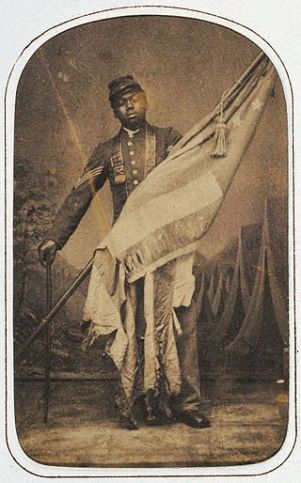
William Harvey Carney was born a slave in Norfolk Virginia, in 1840. How the man made it to freedom is uncertain but, in 1863, Carney joined the Massachusetts 54th Infantry, with the rank of Sergeant.
During the ill-fated assault on Fort Wagner of July 1863, Carney took up the Regimental Color as the color guard fell, mortally wounded. Carney continued all the way to the parapet despite multiple serious wounds and struggled back across the battlefield, as the 54th retired under intense fire. At last handing the colors over to another survivor, Carney said “Boys, I only did my duty; the old flag never touched the ground!”
Sergeant Carney’s heroism of July 1863 was the earliest such action to result in a Medal of Honor given to an American of African Ancestry, though the medal itself was not awarded until 1900.
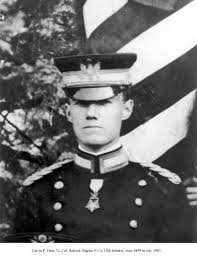
During the Boxer Rebellion of 1900, Chaplain’s assistant and regimental musician Calvin Pearl Titus of Vinton, Iowa volunteered to scale the 30-ft walls of Peking, raising the American flag over the outer walls of the city.
President Theodore Roosevelt awarded Titus the medal of Honor, for “Gallant and daring conduct in the presence of his colonel and other officers…”
President Roosevelt would one day become the only President awarded the Medal of Honor for actions performed on July 1, 1898, in Cuba. Titus himself is now remembered as the last American standard-bearer.
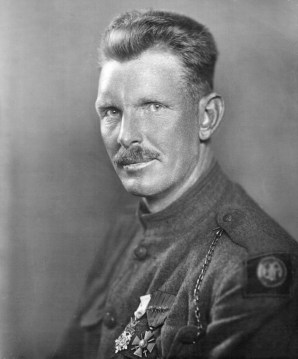 On October 8, 1918, Tennessee native Corporal Alvin Cullum York of the 82nd Division lead a group of seventeen against a numerically superior German force, dug in at Chatel-Chehery, France.
Let his citation tell the story: “…After his platoon had suffered heavy casualties and three other non-commissioned officers had become casualties, Cpl. York assumed command. Fearlessly leading seven men, he charged with great daring toward a machine gun nest, which was pouring deadly and incessant fire upon his platoon. In this heroic feat the machine gun nest was taken, together with four officers and 128 men and several guns.”
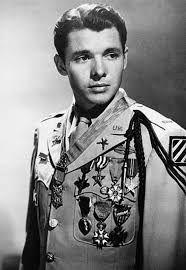 Kingston Texas 2nd Lieutenant Audie Murphy found himself senior officer of a company of 18, whittled down from 235 by disease, wounds and casualties.
On January 26, 1945, Murphy’s small force found itself under assault by six German tanks and a large infantry force.
A man the Marine Corps had once turned down for being too small, Murphy climbed aboard a burning tank destroyer. Out in the open and exposed to German fire from three sides, the 19-year old single-handedly fought off the entire assault, killing or wounding fifty and causing the German tanks to withdraw.
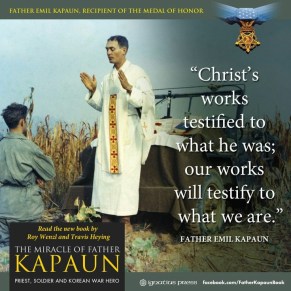 Chaplain Emil Kapaun, the “Shepherd in Combat Boots” selflessly sacrificed himself on behalf of fellow prisoners in 1951, in the frozen hell of a North Korean prison camp.
President Barack Obama awarded Kapaun’s family the Medal of Honor during a ceremony in the east wing of the White House, on April 11, 2013.
Father Kapaun’s body lies in an unmarked mass grave, somewhere in Pyoktong county.
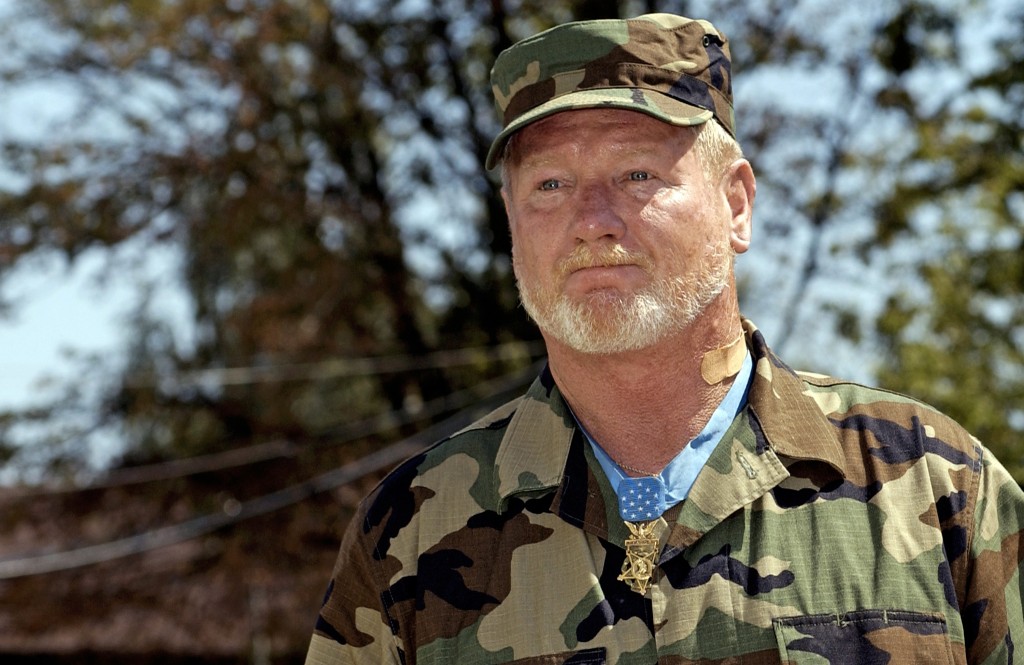
PFC Sammy Lee Davis distinguished himself during the small hours of November 18, 1967, when the 4th Artillery of 9th Infantry Division came under heavy attack west of Cai Lay, Republic of Vietnam.
Repeatedly knocked to the ground by enemy mortar fire and suffering multiple injuries, the Cannoneer from Dayton, Ohio fought back first with a heavily damaged, flaming howitzer, then with recoilless rifle and finally, a machine gun.
That’s his picture, at the top of this page.
Two Medals of honor were awarded posthumously, to Delta Force snipers Gary Gordon and Randy Shugart, for their hopeless defense of the crash site of a downed UH-60 Blackhawk helicopter against hundreds of fighters loyal to the Somali warlord Mohamed Farrah Aidid.
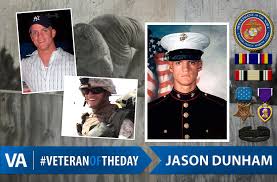 Corporal Jason Lee Dunham of Scio New York deliberately threw himself on an Iraqi grenade on April 14, 2004, saving the lives of fellow Marines at the sacrifice of his own life.
John 15:13 of the King James Bible teaches us: “Greater love hath no man than this, that a man lay down his life for his friends”.
Corporal Dunham was twenty-two years old.
Sergeant 1st class Jared Monti of Abington Massachusetts was killed in the mountains of Nuristan Province in Afghanistan, while attempting to rescue a wounded soldier from a hail of small arms and rocket-propelled grenade fire.
Sgt. Monti was the sixth person from the wars in Iraq and Afghanistan, to be awarded the Medal of Honor.
The Lee Brice song “I Drive your Truck“, voted Song of the Year at the 49th annual Academy of Country Music Awards, is his story.
The nation’s highest medal for military valor has been awarded 3,525 times since its inception in 1861, to 3,506 individual recipients. 624 were awarded posthumously. Nineteen men have received the Medal of Honor, twice.
Doctor Mary Edwards Walker received the Medal of Honor on November 11, 1865. The Army changed eligibility criteria in 1917 and revoked 911 such awards given to non-combatants, including Dr. Walker. Fifty years later, an Army board restored Walker’s Medal of Honor, praising her “distinguished gallantry, self-sacrifice, patriotism, dedication and unflinching loyalty to her country, despite the apparent discrimination because of her sex.” She is the only female so honored and only the second woman in American history, licensed as a Medical Doctor.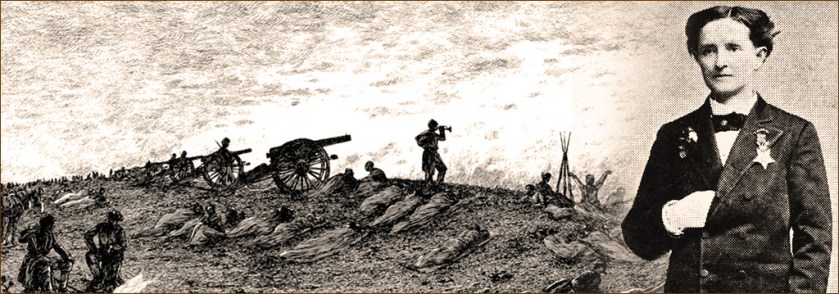 The youngest Medal of Honor recipient was 11-year old drummer boy, Willie Johnston.
Possibly without exception, every one will tell you they are not heroes. They were doing a job and those who gave their lives, are the Real heroes.
If that’s not the very definition of heroism, I’m at a loss to understand what might be.
Fun Fact: Just last month, the Animals in War & Peace Medal of Bravery was instituted in the Unites States, to recognize the extraordinary contributions of animals in times of war and peace. Patterned after the Dickin Medal awarded in the United Kingdom, recipients include Cher Ami, a pigeon who served with the US Signal Corps in WW1, Chips, a Military Working Dog (MWD) who served in WW2 and Sergeant Reckless, the Mongolian Mare who served with the United Sates Marine Corps, during the Korean conflict.


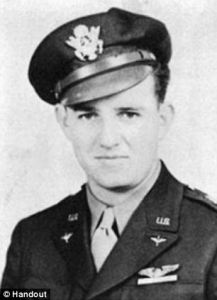
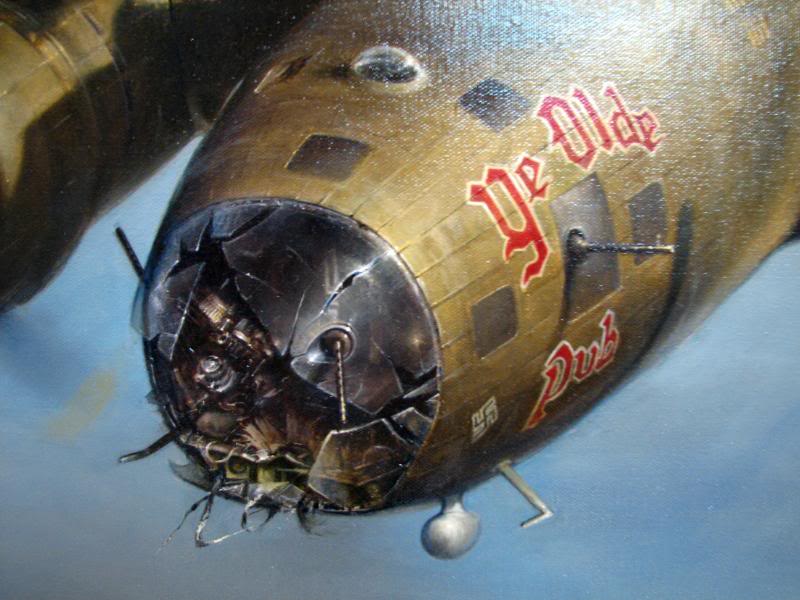 The battered aircraft was completely alone and struggling to maintain altitude. The American pilot was well inside German air space when he looked to his left and saw his worst nightmare. Three feet from his wing tip was the sleek gray shape of a German fighter, the pilot so close that the two men were looking into each other’s eyes. Brown’s co-pilot, Spencer “Pinky” Luke said “My God, this is a nightmare.” “He’s going to destroy us,” was Brown’s reply. This had been his first mission. He was sure it was about to be his last.
 The German had to do something. Nazi leadership would surely shoot him for treason if he was seen this close without completing the kill. One of the American crew was making his way to a gun turret as the German made his decision. Stigler saluted his adversary, motioned with his hand for the stricken B17 to continue, and peeled away.
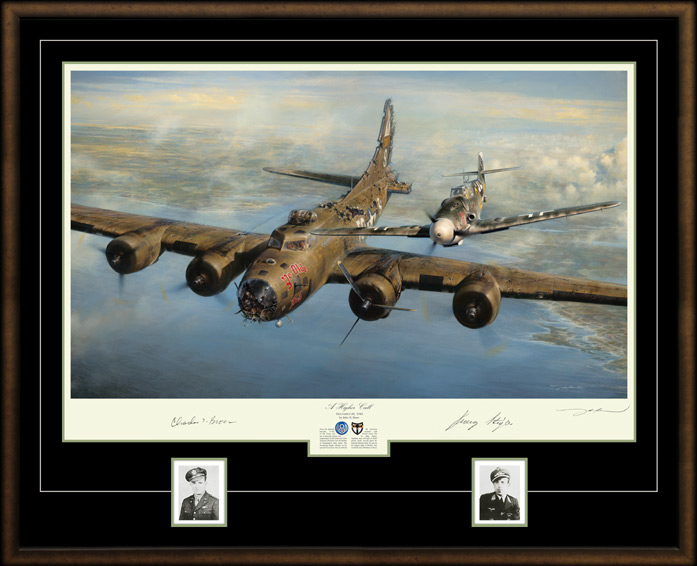 Over 40 years later, the German pilot was living in Vancouver, Canada. Brown took out an ad in a fighter pilots’ newsletter, explaining that he was searching for the man ‘who saved my life on December 20, 1943.’ Stigler saw the ad, and the two met for the first time in 1987. “It was like meeting a family member”, Brown said of that first meeting. “Like a brother you haven’t seen for 40 years”.
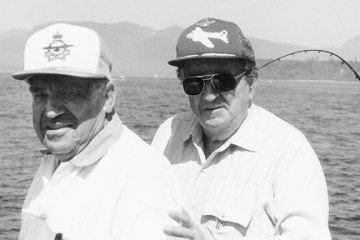 The two former enemies passed the last two decades of their lives as close friends and occasional fishing buddies.

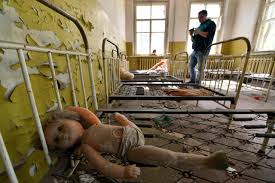 An estimated 4,000 to 93,000 died in the aftermath of the accident, many of whom, were children.
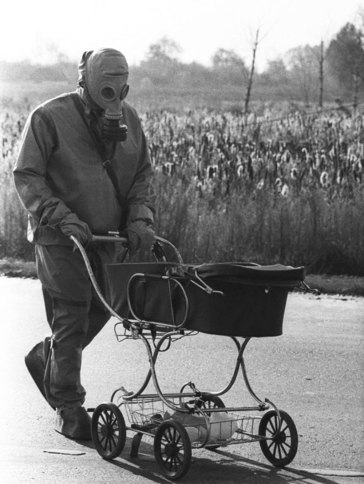 Officials of the top-down Soviet state first downplayed the disaster. Asked by one Ukrainian official, “How are the people?“, acting minister of Internal Affairs Vasyl Durdynets replied there was nothing to be concerned about: “Some are celebrating a wedding, others are gardening, and others are fishing in the Pripyat River.”
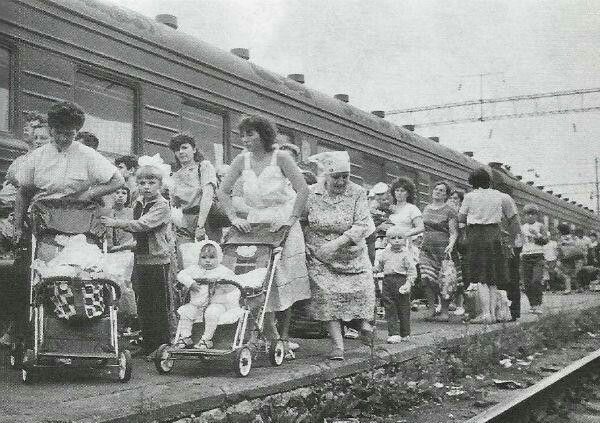 The chaos of these forced evacuations, can scarcely be imagined. Confused adults. Crying children. Howling dogs. Shouting soldiers, barking orders and herding now-homeless civilians onto waiting trains and vehicles by the tens of thousands. Dogs and cats, beloved companion animals and lifelong family members, were abandoned to fend for themselves.
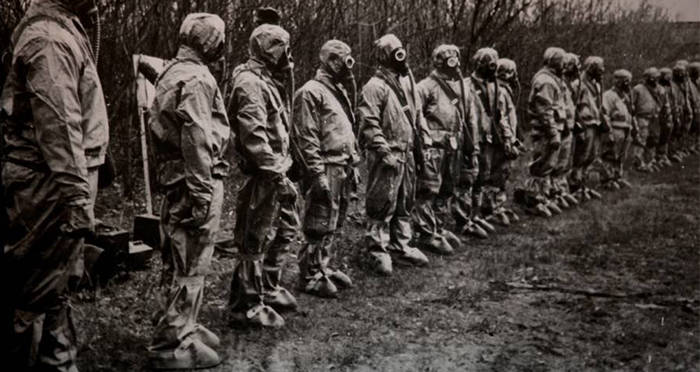 There were countless and heartbreaking scenes of final abandonment, of mewling cats, and whimpering dogs. Belorussian writer Svetlana Alexievich compiled hundreds of interviews into a single monologue, an oral history of the forgotten. The devastating Chernobyl Prayer tells the story of: “dogs howling, trying to get on the buses. Mongrels, Alsatians. The soldiers were pushing them out again, kicking them. They ran after the buses for ages.”
 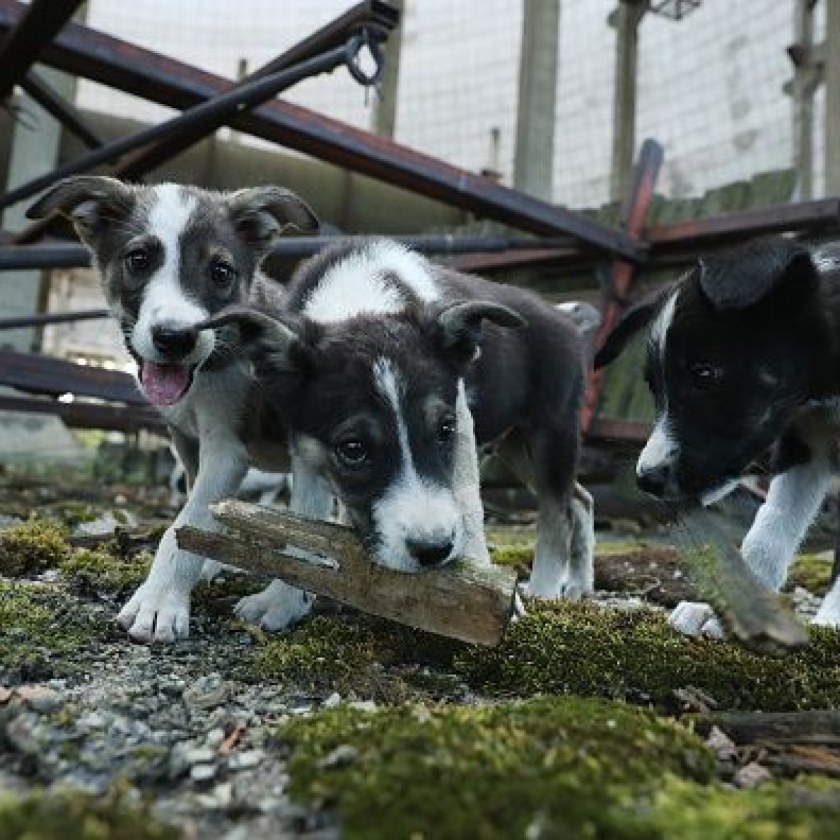 There was no mercy. Squads of soldiers were sent to shoot the animals, left behind. Heartbroken families pinned notes to their doors: “Don’t kill our Zhulka. She’s a good dog.” Most of these abandoned pets, were shot. Some escaped notice, and survived.
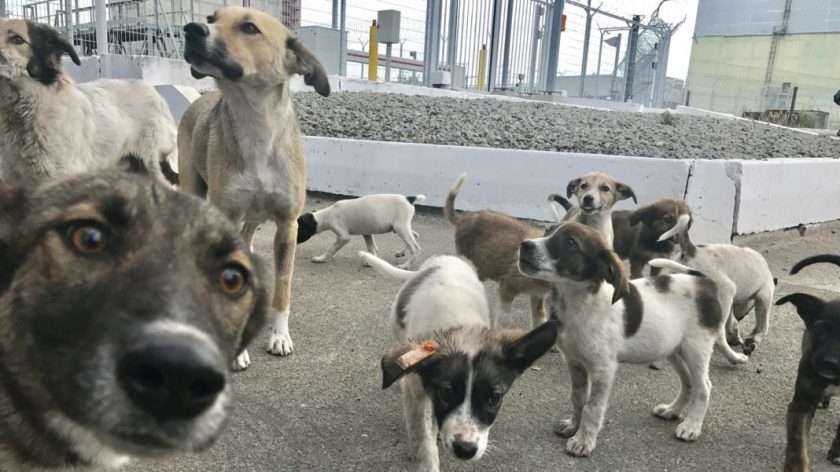 Later on, plant management hired someone, to kill the 1,000 or so dogs still remaining. The story is, the worker refused.
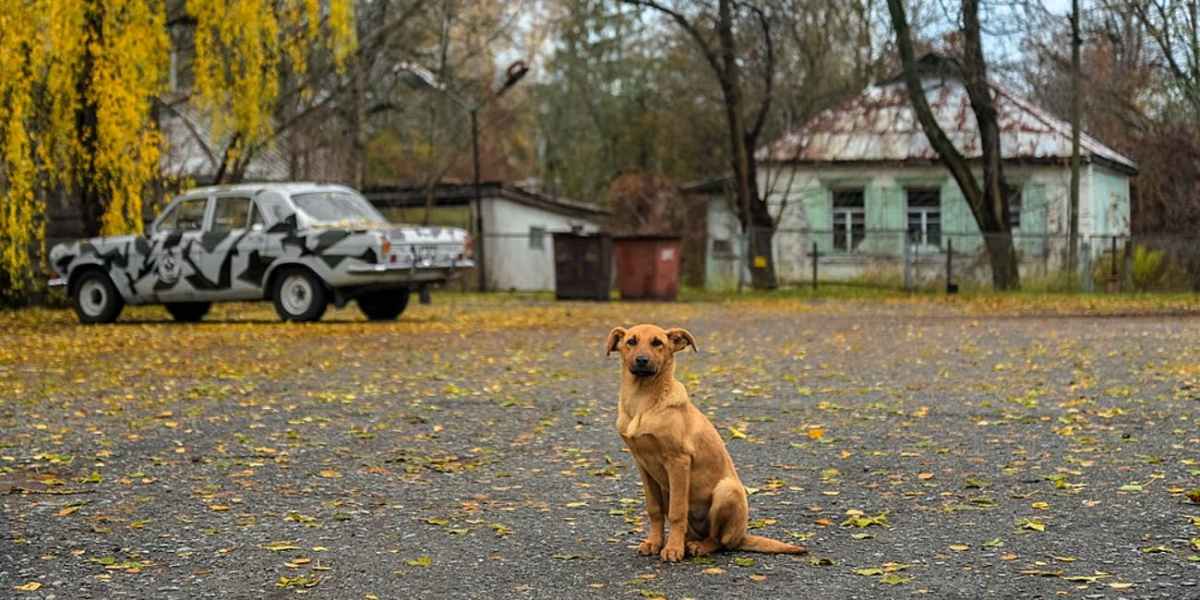
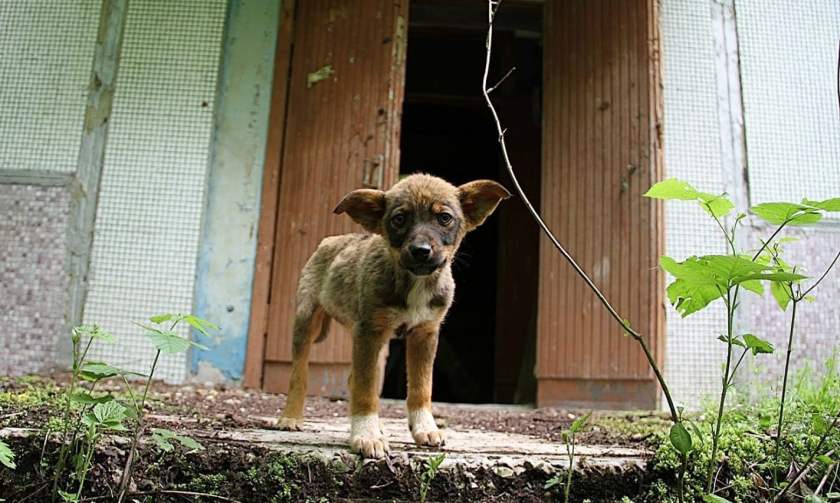 Today, untold numbers of stray dogs live in the towns of Chernobyl, Pripyat and surrounding villages. Descendants of those left behind, back in 1986. Ill equipped to survive in the wild and driven from forests by wolves and other predators, they forage as best they can among abandoned streets and buildings, of the 1,000-mile exclusion zone. For some, radiation can be found in their fur. Few live beyond the age of six but, all is not bleak.
 Since September 2017, a partnership between the SPCA International and the US-based 501(c)(3) non-profit
 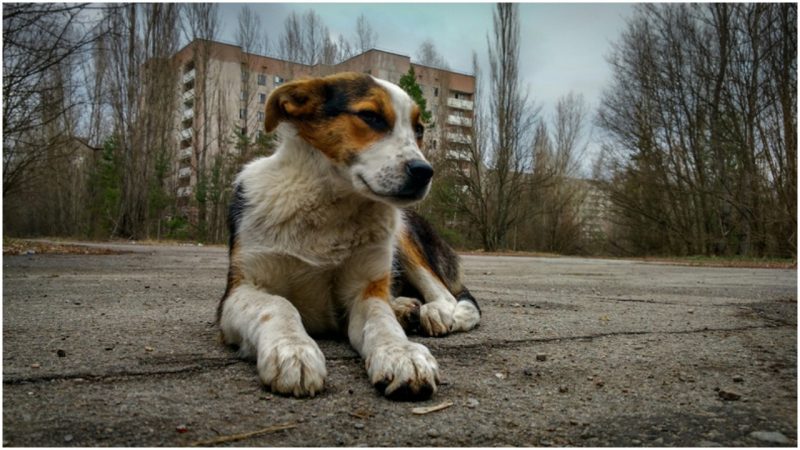 Some have been successfully decontaminated and socialized for human interaction. In 2018, the first batch became available for adoption into homes in Ukraine and North America, some forty puppies and dogs.
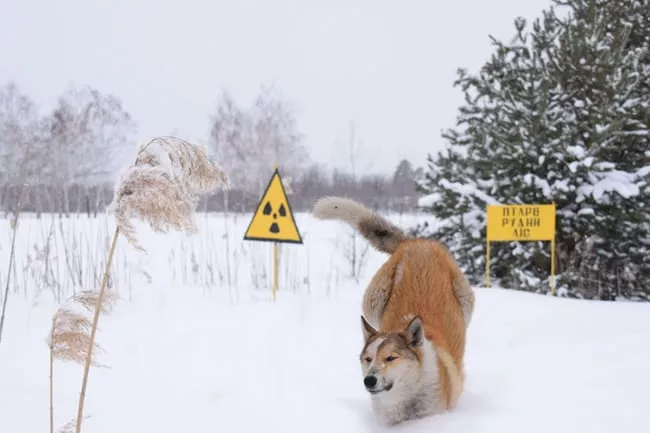 Believe it or not there are visitors to the area. People actually go on tours of the region but they’re strictly warned. No matter how adorable, do not pet, cuddle nor even touch any puppy or dog who has not been through rigorous decontamination.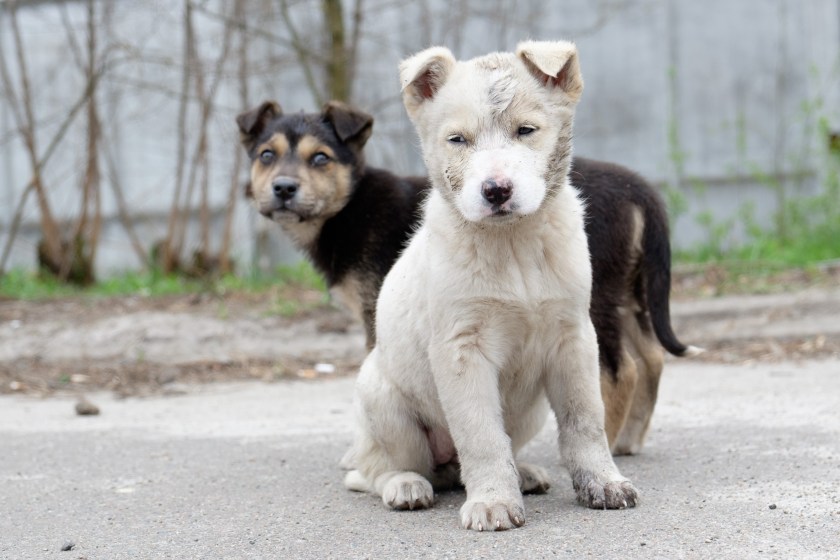

 Wait…What?

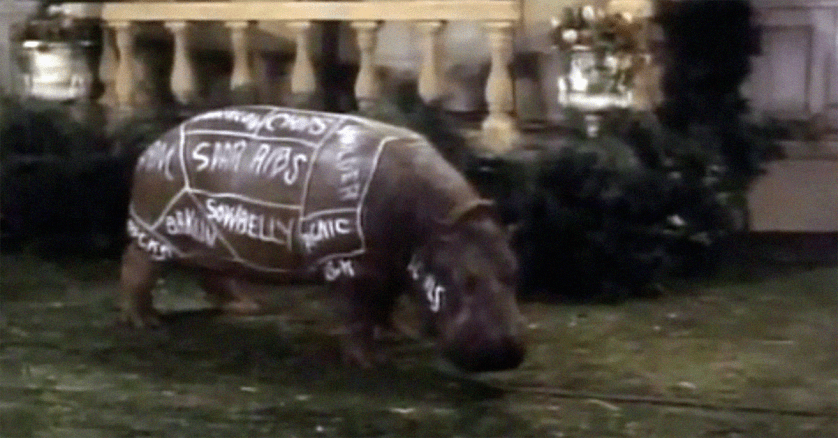
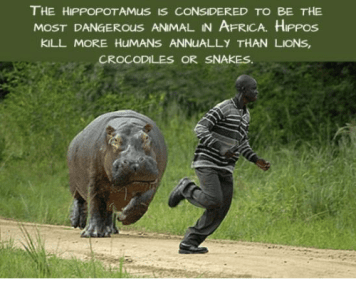 Be that at it as it may, the animal is a voracious herbivore, spending daylight hours at the bottom of rivers & lakes, happily munching on vegetation.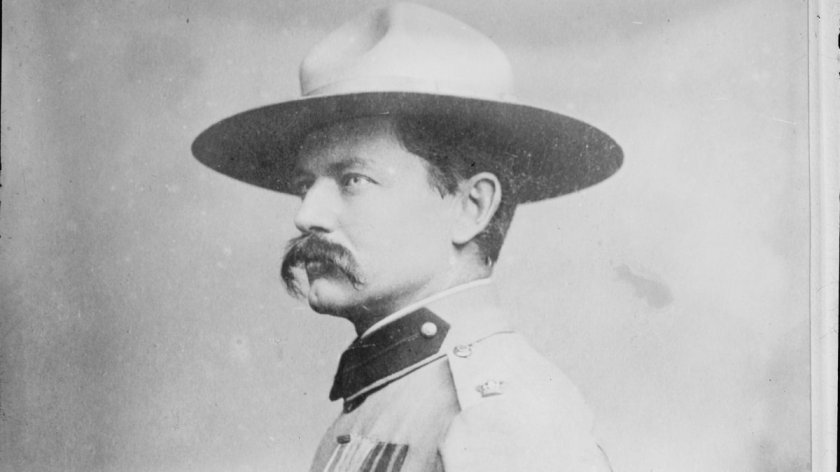
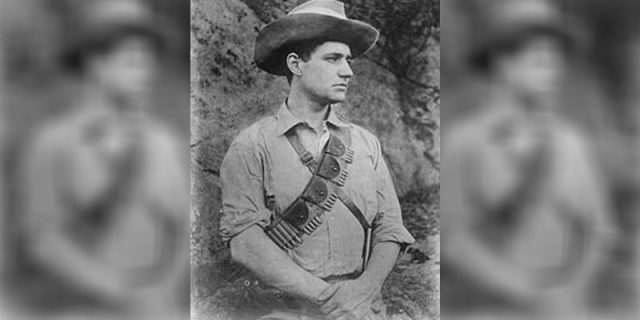
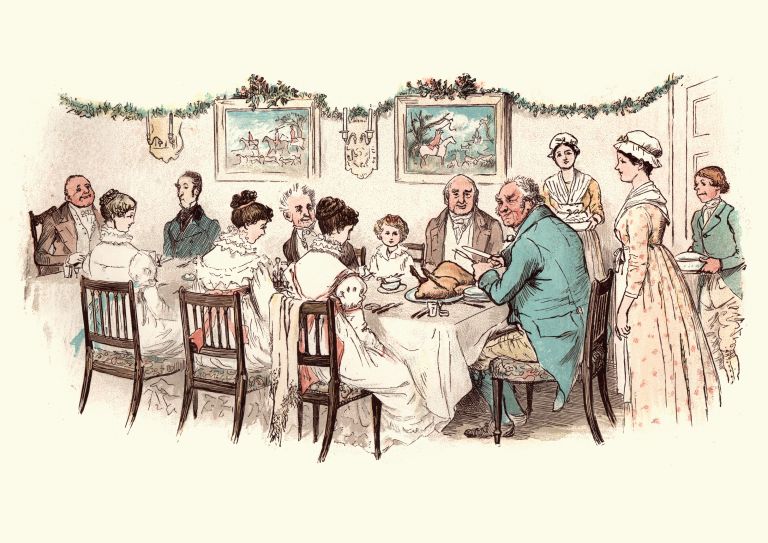
 That golden future of Lippincott’s hippo herds roam only in the meadows and bayous of the imagination. Who knows, it may be for the best. I don’t know if any of us could see each other across the table. Not with a roast hippopotamus.


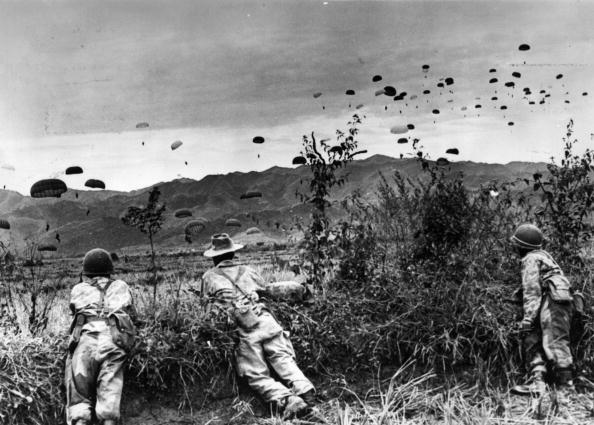
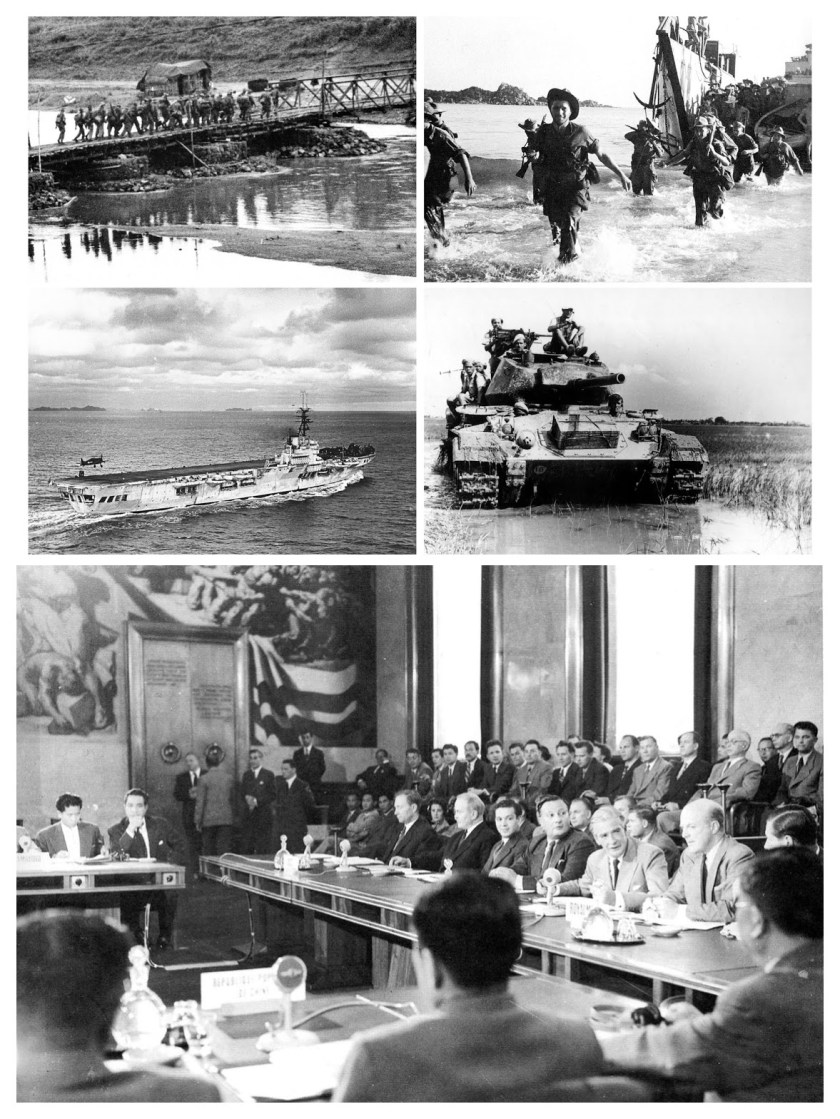 What historians call the First Indochina War, many contemporaries called “la sale guerre”, or “dirty war”. The government forbade the use of metropolitan recruits, fearing that that would make the war more unpopular than it already was. Instead, French professional soldiers and units of the French Foreign Legion were augmented with colonial troops, including Moroccan, Algerian, Tunisian, Laotian, Cambodian, and Vietnamese ethnic minorities.
 The war went poorly for the Colonial power. By 1952 the French were looking for a way out. Premier René Mayer appointed Henri Navarre to take command of French Union Forces in May of that year with a single order. Navarre was to create military conditions which would lead to an “honorable political solution”.
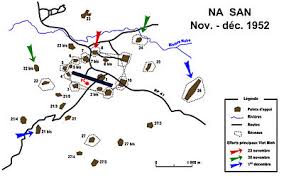
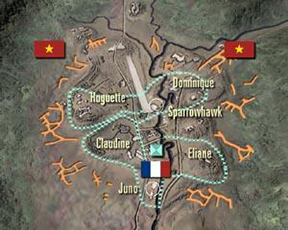 In June, Major General René Cogny proposed a “mooring point” at Dien Bien Phu, creating a lightly defended point from which to launch raids. Navarre wanted to replicate the Na San strategy and ordered that Dien Bien Phu be taken and converted to a heavily fortified base.
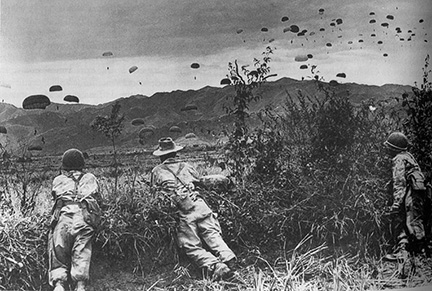 The French staff made their battle plan, based on the assumption that it was impossible for the Viet Minh to place enough artillery on the surrounding high ground, due to the rugged terrain. The communists didn’t possess enough artillery to do serious damage anyway, or so they thought.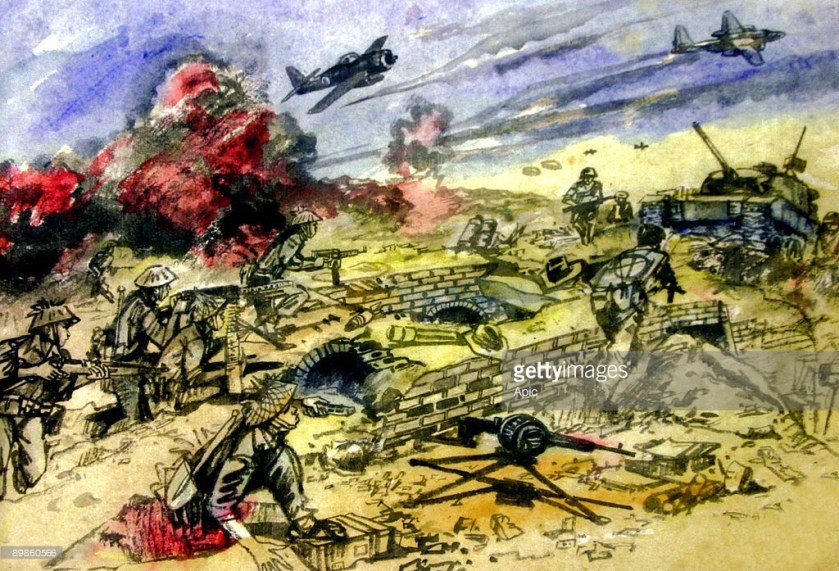


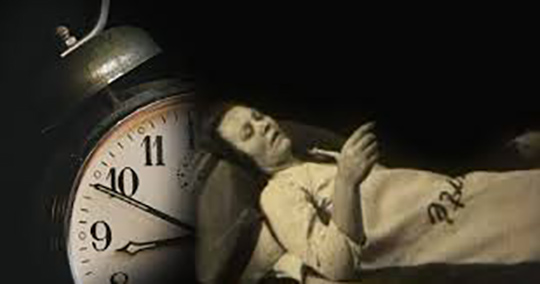
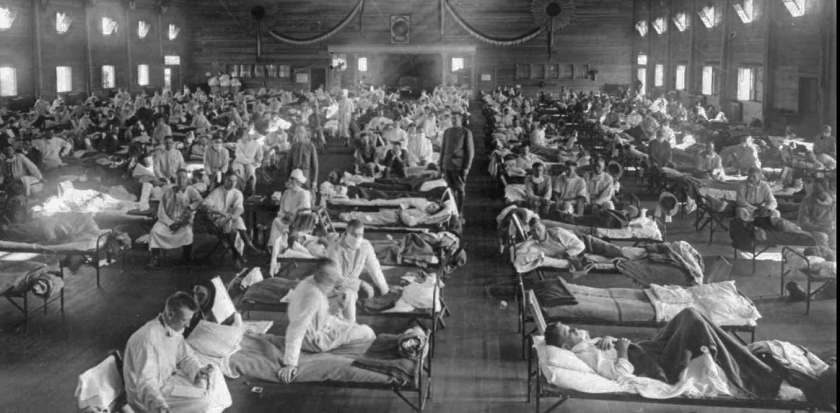 Ordinary flu strains prey most heavily on children, elderly, and those with compromised immune systems. Not this one. This flu would kick off a positive feedback loop between small proteins called cytokines, and white blood cells. This “cytokine storm” resulted in a death rate for 15 to 34-year-olds twenty times higher in 1918, than in previous years.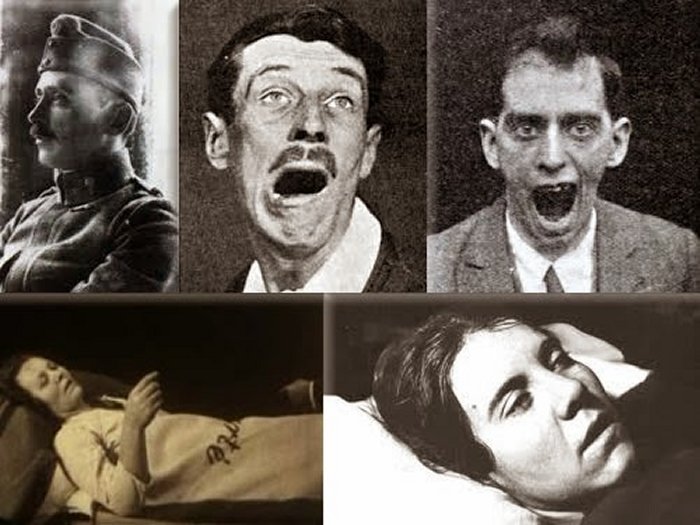
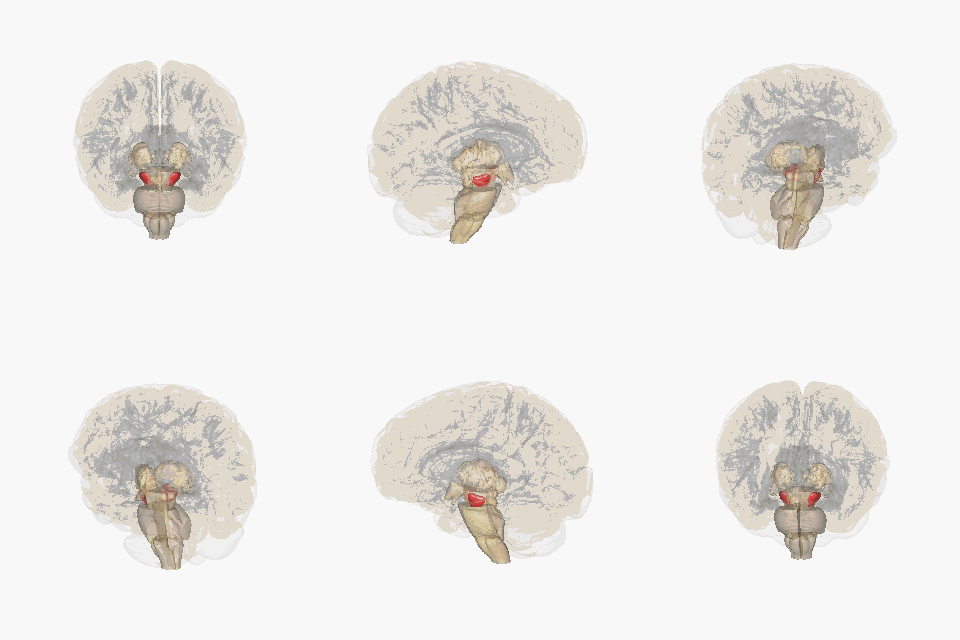
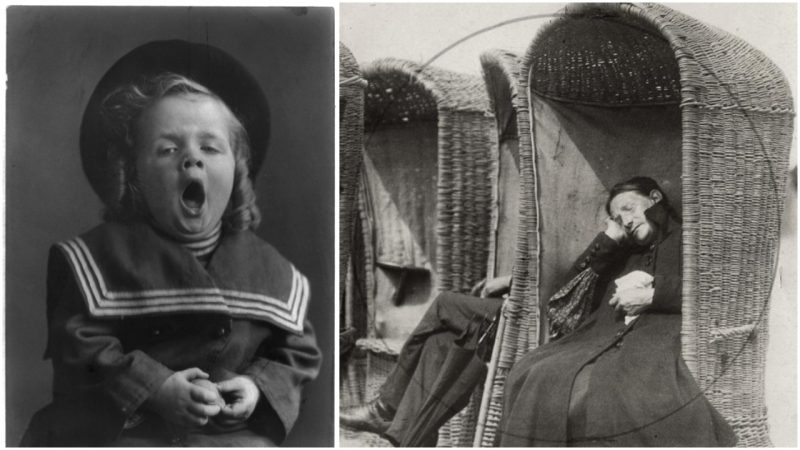 One-third of sufferers died in the acute phase, a higher mortality rate than the Spanish flu of 1918-’19. Many of those who survived never returned to pre-disease states of “aliveness” and lived out the rest of their lives institutionalized, literal prisoners of their own bodies. Living paperweights.
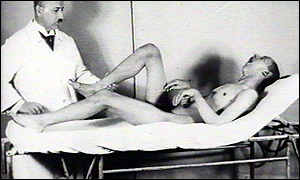 Professor John Sydney Oxford is an English virologist, a leading expert on influenza, the 1918 Spanish Influenza, and HIV/AIDS. Few have done more in the modern era, to understand Encephalitis Lethargica: “I certainly do think that whatever caused it could strike again. And until we know what caused it we won’t be able to prevent it happening again.”

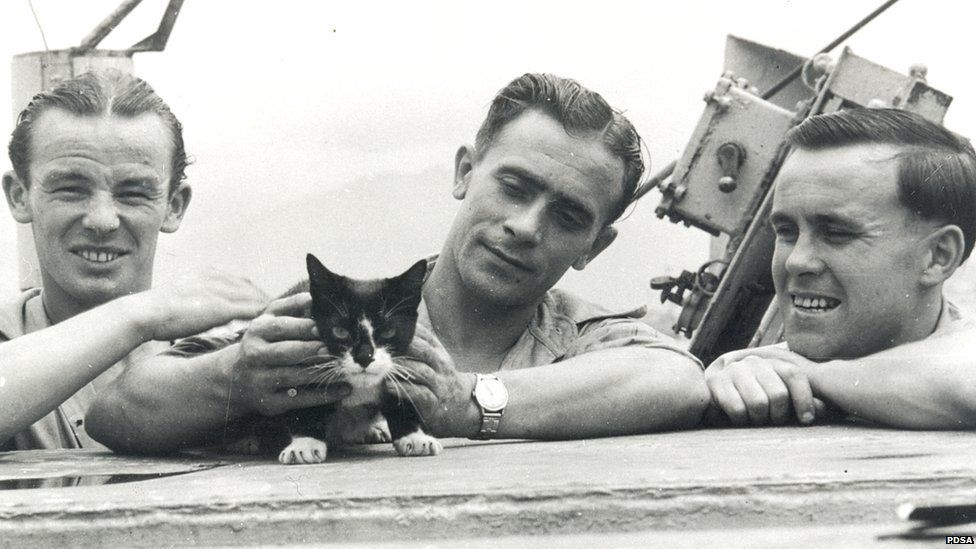
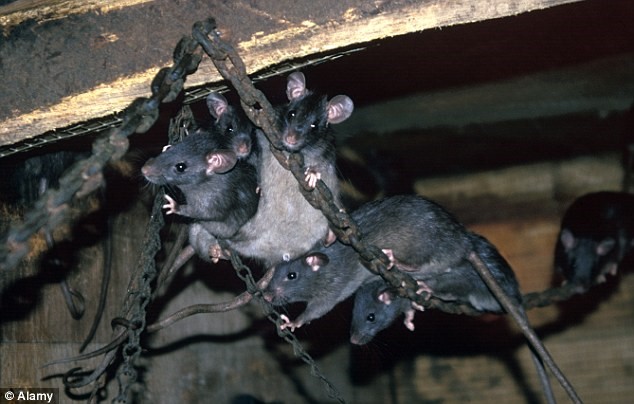
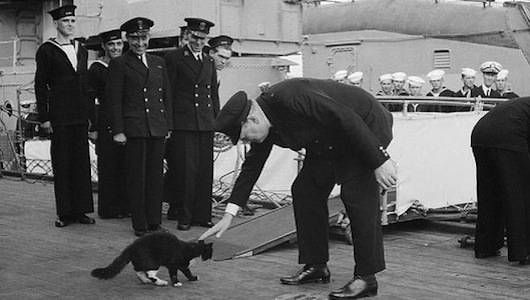
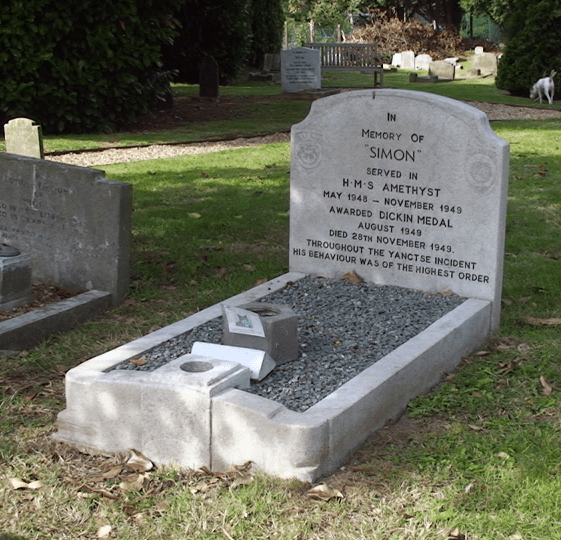
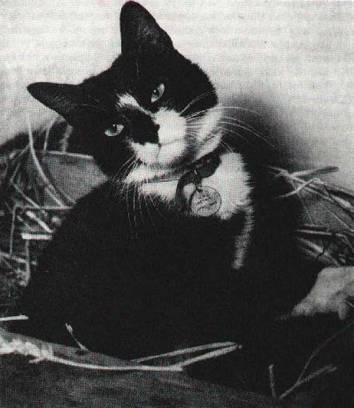 Simon earned the admiration of the Amethyst crew, with his prowess as a rat killer. Seamen learned to check their beds for “presents” of dead rats while Simon himself could usually be found, curled up and sleeping in the Captain’s hat.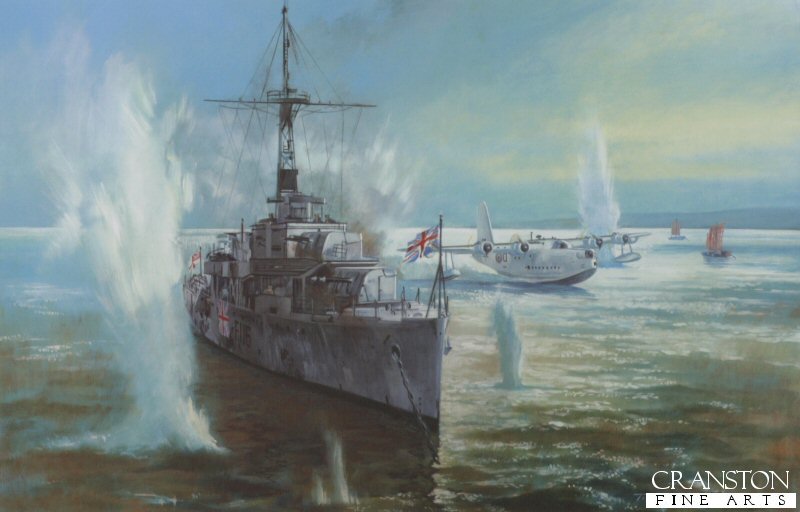
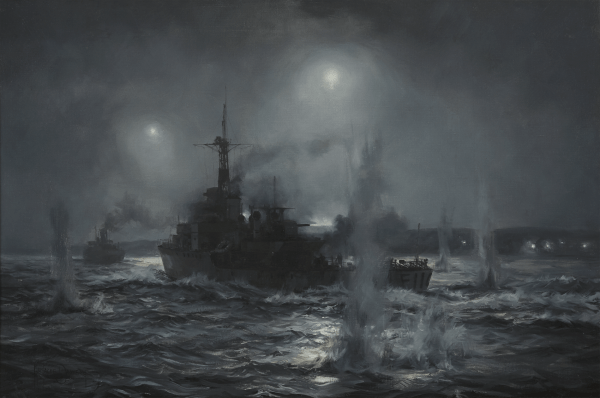
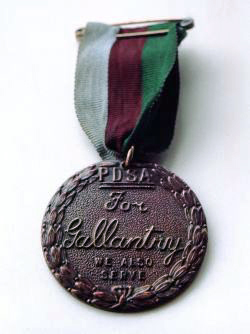 All but unseen amidst the economic devastation of World War 1, the domesticated animals of Great Britain were in desperate straits. Turn-of-the-century social reformer Maria Elizabeth “Mia” Dickin founded the People’s Dispensary for Sick Animals (PDSA) in 1917, working to lighten the dreadful state of animal health in Whitechapel, London. To this day, the PDSA is one of the largest veterinary charities in the United Kingdom, conducting over a million free veterinary consultations, every year.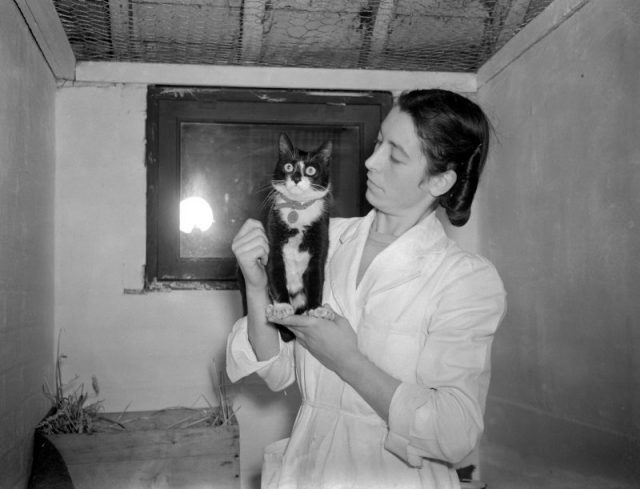

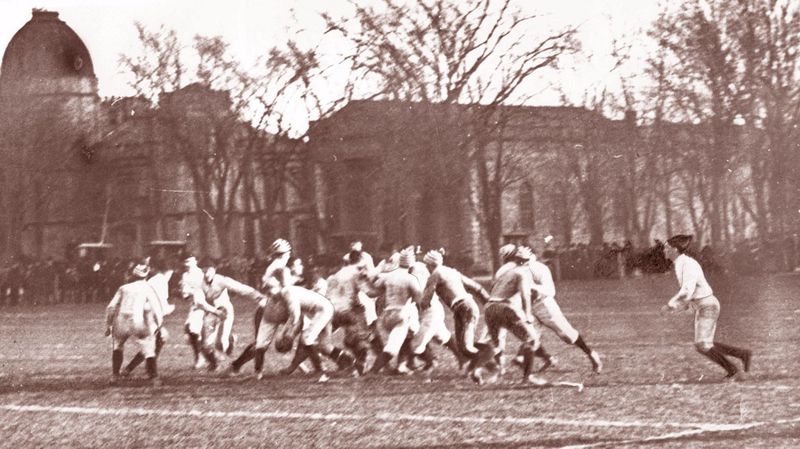
 The two met in Chicago on November 27, 1926 in a National Dedication of Soldier Field, as a monument to American servicemen killed in the War to end all Wars.
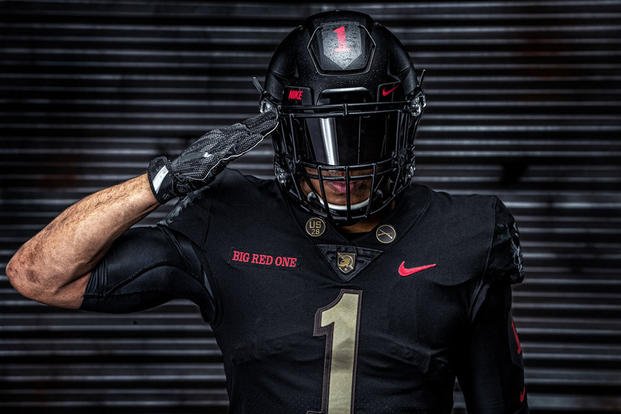
 Five-year post-graduation military service commitments preclude the NFL career aspirations of most Army-Navy game veterans, but not all. Notable exceptions include Dallas Cowboys Quarterback Roger Staubach (Navy, 1965), New York Giants Wide Receiver and Return Specialist Phil McConkey (Navy, 1979), and (then) LA Raiders Running back Napoleon McCallum (Navy, 1985).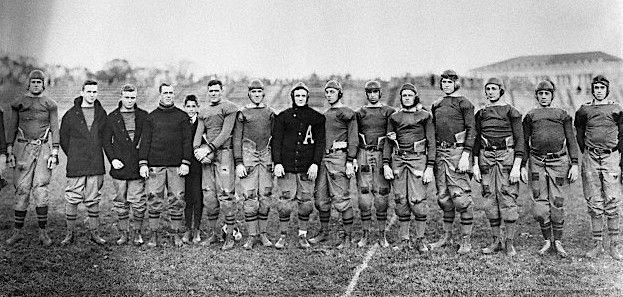
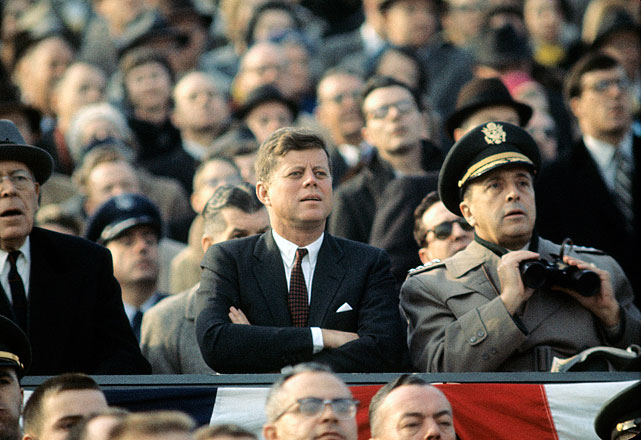

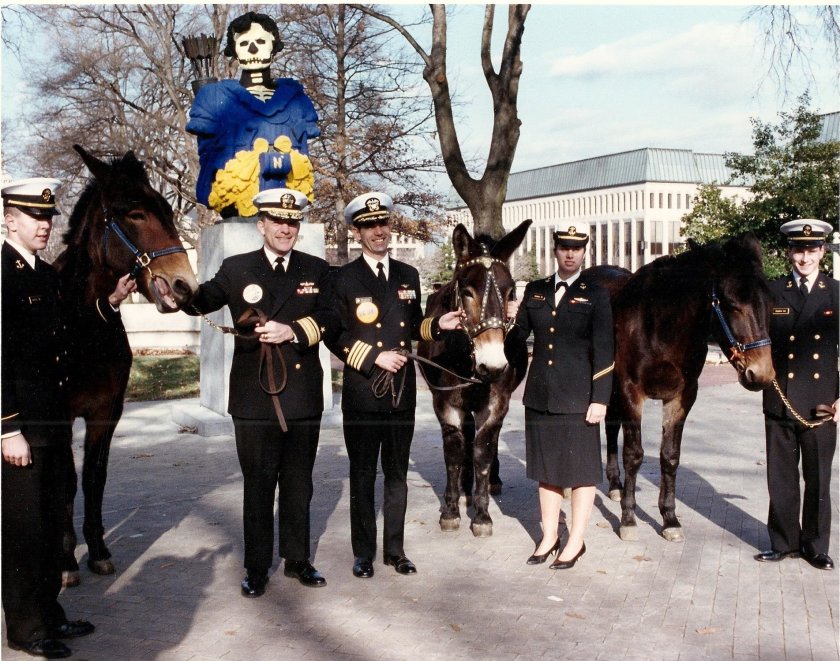
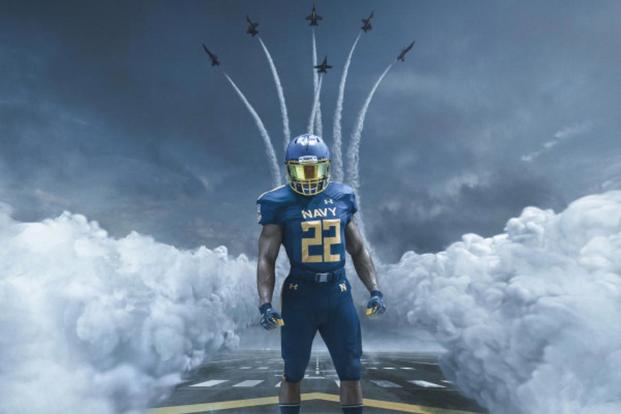 As the brother, son and grandson of Army veterans going back to the Revolution and beyond, have no doubt who I’ll be rooting for. ‘Beat Navy’.
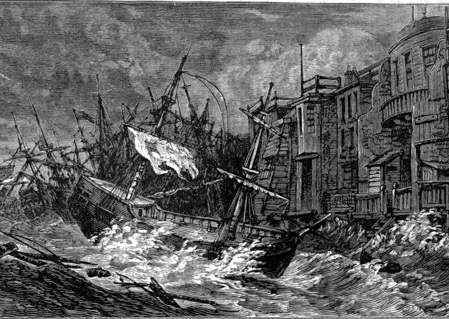
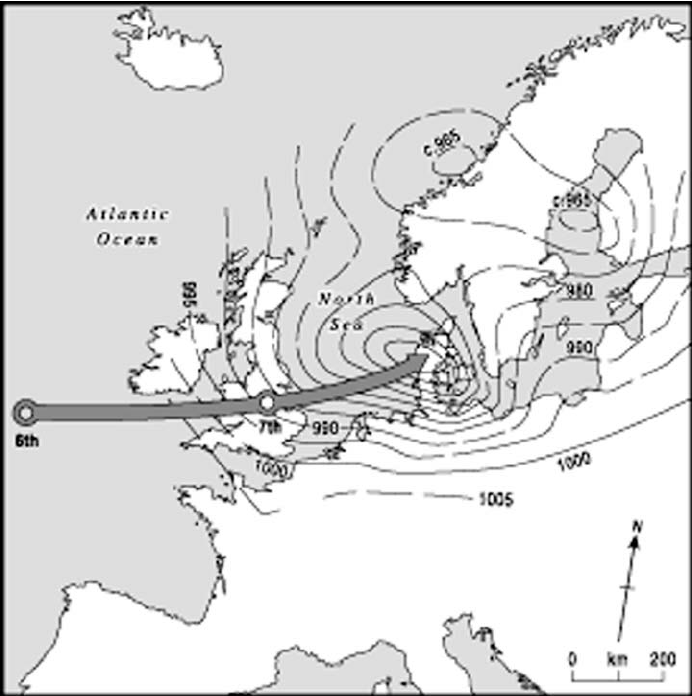
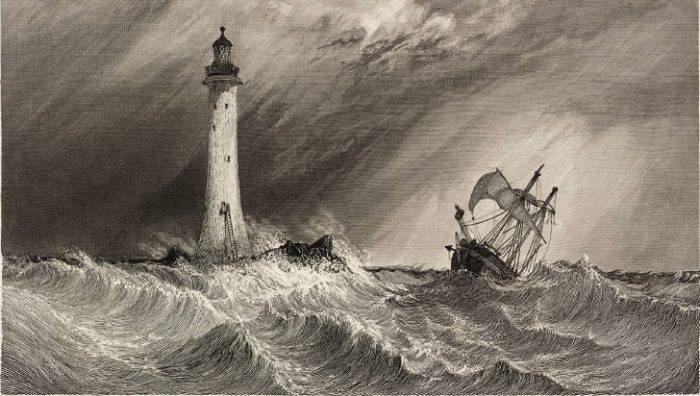
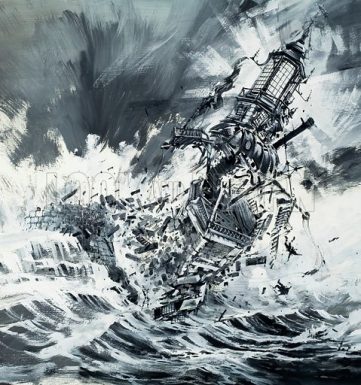 Beginning in early November, a series of gales drove hundreds of ships up the Thames estuary, is search of shelter. The “Perfect Hurricane” of 1703 arrived on November 24 (Old Style) and remained until December 2 with the worst of the storm on November 26-27.
 The most miraculous tale of survival was that of Thomas Atkins, a sailor aboard the HMS Mary. As Mary broke apart, Atkins watched as Rear Admiral Beaumont climbed aboard a piece of her quarter deck, only to be washed away. Atkins himself was lifted high on a wave and deposited on the decks of another ship, the HMS Stirling Castle. He was soon in the water again as Stirling Castle broke up and sank, only to thrown by yet another wave, this time landing in a small boat. Atkins alone survived the maelstrom, of the 269 men aboard HMS Mary.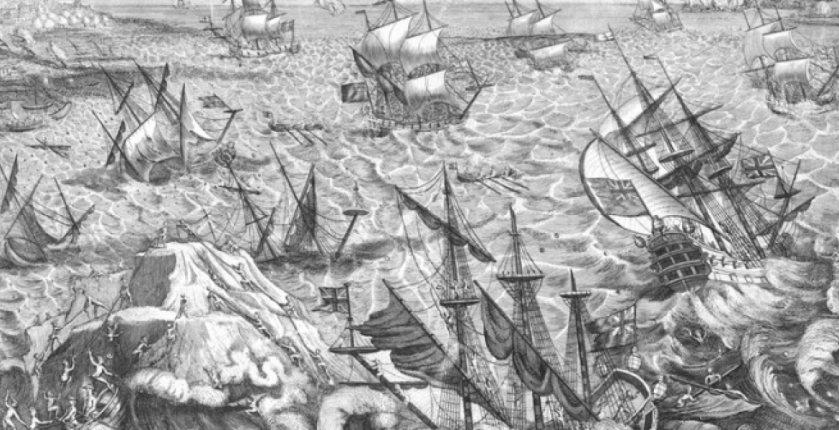



 Historical Easter Eggs - Today in History
You must be logged in to post a comment.