Since the late 19th century, the area now known as Laos, Cambodia and Vietnam was governed as a French Colonial territory. “French Indo-China” came to be occupied by the Imperial Japanese after the fall of France, at the onset of WWII. There arose a nationalist-communist army during this period, dedicated to throwing out the Japanese occupier. It called itself the “League for the Independence of Vietnam”, or “Viet Minh”.
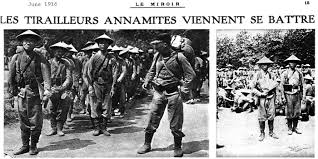 France re-occupied the region following the Japanese defeat which ended World War 2, but soon faced the same opposition from the army of Ho Chi Minh and Vo Nguyen Giap.
What began as a low level rural insurgency, later became a full-scale modern war when Communist China entered the fray in 1949.
The disastrous defeat of French forces at Dien Bien Phu in 1953 led to French withdrawal from Vietnam, the Geneva Convention partitioning the country into the communist “Democratic Republic of Vietnam” in the north, and the State of Vietnam in the south led by Emperor Bao Dai and Prime Minister Ngo Dinh Diem.
Communist forces of the north continued to terrorize Vietnamese patriots in north and south alike, with aid and support from communist China and the Soviet Union.
The student of history understands that nothing happens in a vacuum. US foreign policy is no exception. International Communism had attempted to assert itself since the Paris Commune rebellion of 1871, and found its first major success with the collapse of czarist Russia in 1917.
 US policy makers feared a “domino” effect, and with good cause. The 15 core nations of the Soviet bloc were soon followed by Eastern Europe, as Poland, Bulgaria, Romania, Hungary and Czechoslovakia fell each in their turn, into the Soviet sphere of influence. Germany was partitioned into Communist and free-enterprise spheres after WWII, followed by China, North Korea and on across Southeast Asia.
Communism is no benign ideology, morally equivalent to the free market west. Current estimates of citizens murdered by Communist party ideology in the Soviet Union alone, range from 8 to 61 million during the Stalinist period.
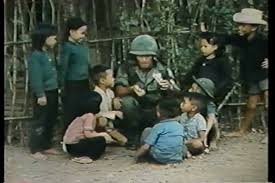
Agree or disagree with policy makers of the time that’s your business, but theirs was a logical thought process. US aid and support for South Vietnam increased as a way to “stem the tide” of international communism, at the same time that French support was pulling back. By the late 1950s, the US was sending technical and financial aid in expectation of social and land reform. By 1960, the “National Front for the Liberation of South Vietnam” (“NLF”, or “Viet Cong”) had taken to murdering Diem supported village leaders. JFK responded by sending 1,364 American advisers into South Vietnam, in 1961.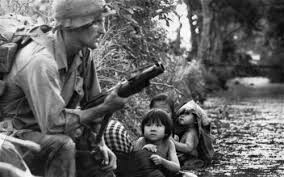 The war in Vietnam pitted as many as 1.8 million allied forces from South Vietnam, the United States, Thailand, Australia, the Philippines, Spain, South Korea and New Zealand, against about a half million from North Vietnam, China, the Soviet Union and North Korea. Begun on November 1, 1955, the conflict lasted 19 years, 5 months and a day. On March 29, 1973, two months after signing the Paris Peace accords, the last US combat troops left South Vietnam as Hanoi freed the remaining POWs held in North Vietnam.
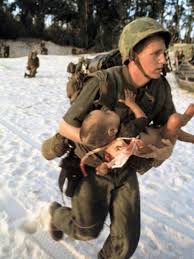 Even then it wasn’t over. Communist forces violated cease-fire agreements before they were even signed. Some 7,000 US civilian Department of Defense employees stayed behind to aid South Vietnam in conducting an ongoing and ultimately futile war against communist North Vietnam.
The last, humiliating scenes of the war played themselves out on the roof of the US Embassy in Saigon on April 29 – 30, 1975, as those able to escape boarded helicopters, while communist forces closed around the South Vietnamese capital.
The “Killing Fields” of Cambodia followed between 1975 – ‘79, when the “Khmer Rouge”, self-described as “The one authentic people capable of building true communism”, murdered or caused the deaths of an estimated 1.4 to 2.2 million of their own people, out of a population of 7 million. All to build the perfect, agrarian, “Worker’s Paradise”.
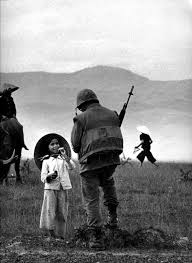 Imagine feeling so desperate, so fearful of the alien ideology invading your country, that you convert all your worldly possessions and those of your family into a single diamond, and bite down on that stone so hard it embeds in your shattered teeth. Forced to flee for your life and those of your young ones, you take to the open ocean in a small boat. All in the faint and desperate hope, of getting out of that place.
That is but one story among more than three million “boat people”. Three million from a combined population of 56 million, fleeing the Communist onslaught in hopes of temporary asylum in other countries in Southeast Asia or China.
They were the Sino-Vietnamese Hoa, and Cambodians fleeing the Khmer Rouge. Ethnic Laotians, Iu Mien, Hmong and other highland peoples of Laos. The 30 or so Degar (Montagnard) tribes of the Central Highlands, so many of whom had been our steadfast allies in the late war. Over 2.5 million of them were resettled, more than half to the United States. The other half went mostly to Canada, Europe and South Pacific nations.
A half-million were repatriated, voluntarily or involuntarily. Hundreds of thousands vanished in the attempt to flee, never to be seen again.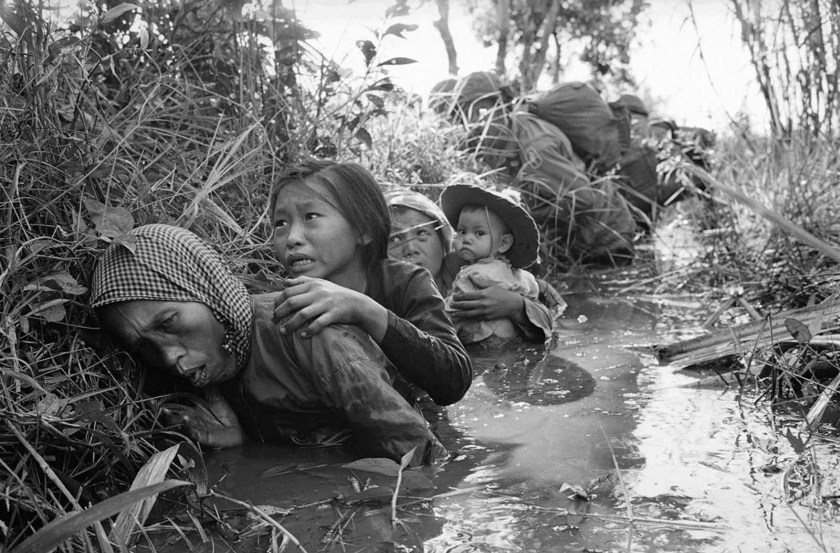 The humanitarian disaster that was the Indochina refugee crisis was particularly acute between 1979 – ’80, but reverberations continued into the 21st century.
Graduating UMass Lowell in 1972 with a degree in nuclear engineering, John Ogonowski joined the United States Air Force. During the war in Vietnam. The pilot would ferry equipment from Charleston, SC to Southeast Asia, sometimes returning with the bodies of the fallen aboard his C-141 transport aircraft.
Today, we remember him as Senior Captain on American Airlines flight 11, one of thousands murdered by Islamist terrorists, on September 11, 2001. When he wasn’t flying jumbo jets, John Ogonowski was a farmer. Until he was killed in his cockpit, John mentored Cambodian refugees turned farmers on his Dracut, Massachusetts “White Gate Farm“, helping them grow familiar crops, in an unfamiliar climate. Just as those old Yankee farmers had once mentored his Polish immigrant ancestors, generations before.
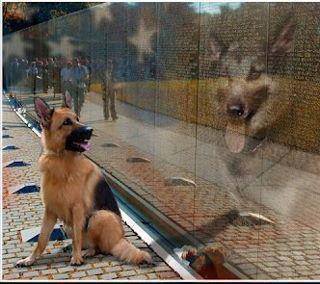
Military Working Dogs (MWDs) served with every service branch in Vietnam, mostly German Shepherds and Dobermans but many breeds were accepted into service.
It is estimated that 4,900 dogs served between 1964 and 1975. Detailed records were kept only after 1968, documenting 3,747.
A scant 204 dogs ever left during the ten-year period. Some remained in the Pacific while others returned to the United States. Not one ever returned to civil life. An estimated 350 dogs were killed in action as were 263 handlers. Many more were wounded. As to the rest, many were euthanized, or left with ARVN units, or simply abandoned, as “surplus equipment”.
There would be no war dog adoption law until 2000 when WWII Marine War Dog Platoon Leader and Veterinarian Dr. William Putney made it happen, with assistance from Congressman Roscoe Bartlett of Maryland.
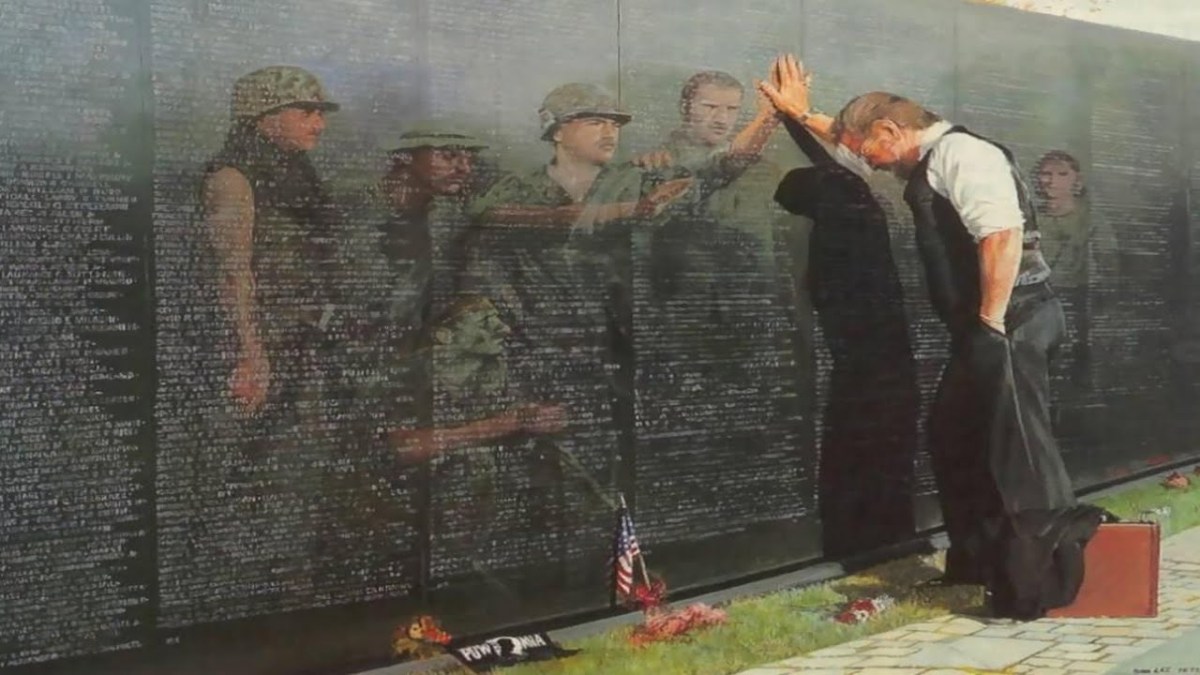
The day it opened in 1982 there were 57,939 names inscribed on the Vietnam Memorial Wall, Over the years, the names of military personnel who succumbed to wounds sustained in the war, were added to the wall. As of Memorial Day 2015, there are 58,307.
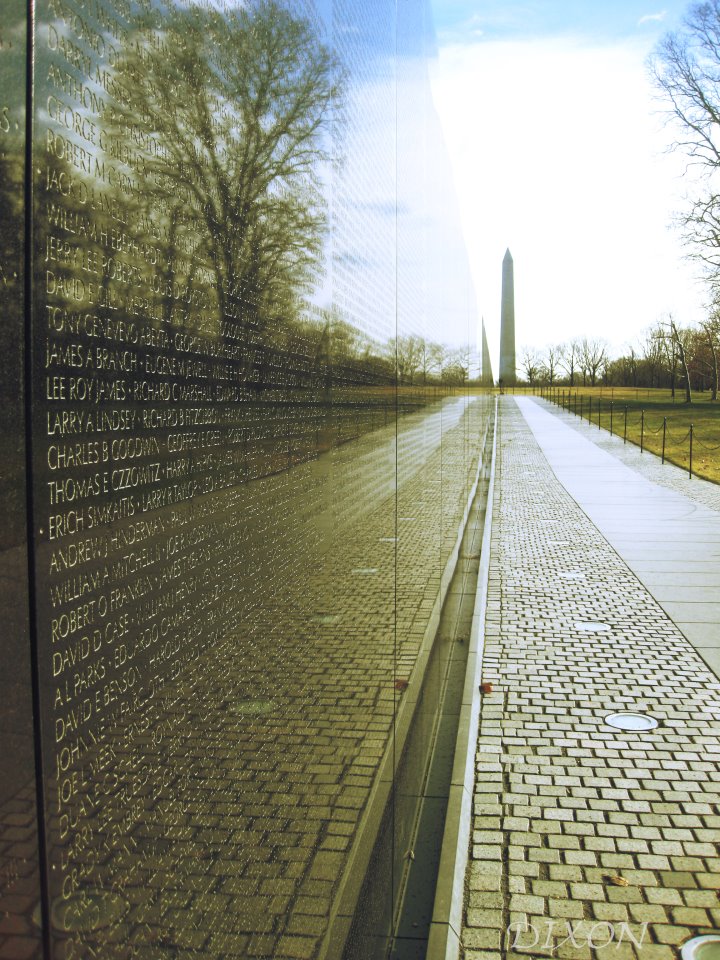 In the end, US public opinion would not sustain what too many saw as an endless war in Vietnam. We feel the political repercussions, to this day. I was ten at the time of the Tet Offensive in 1968. Even then I remember the searing sense of disgrace and humiliation, at the behavior of some of my fellow Americans.
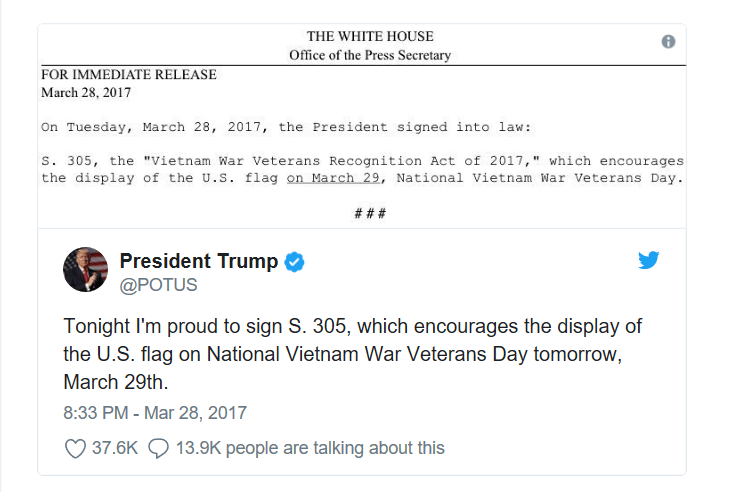
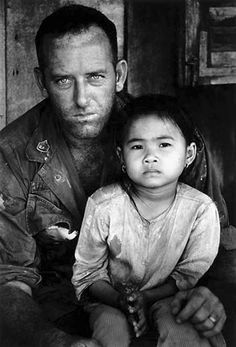 In 2012, President Barack Obama declared a one-time occasion proclaiming March 29 National Vietnam War Veterans Day and calling on “all Americans to observe this day with appropriate programs, ceremonies, and activities.”
In 2017, Senator Pat Toomey (R-PA) and Joe Donnelly (D-IN) co-sponsored a measure to declare March 29 Vietnam Veterans Day from that day forward, to honor US service members who served in the war in southeast Asia. The measure passed the United States Senate on February 3 and the House of Representatives on March 21. President Donald Trump signed the measure into law on March 28 designating the following day and every March 29 henceforward, Vietnam Veteran’s Day.
The recognition and gratitude due those who served in an unpopular war, was long overdue
Sharing Today in History:

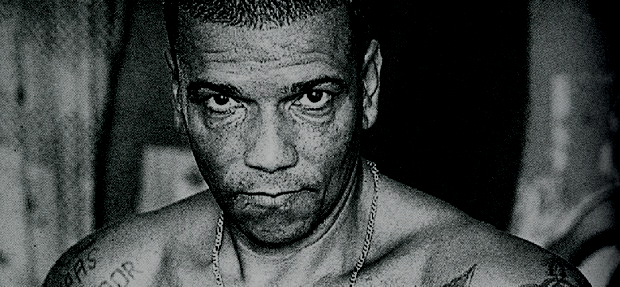
 To search on the term “Serial killers with the highest known victim count” is to be rewarded with the knowledge that the top 32 serial killers of the modern era, are responsible for a proven list of 1,661 victims and a probable count, several times that number.
 Filho says he first wanted to kill at age 13, when he tried to push an older cousin into a sugar cane press. His first victim came a year later. Filho murdered the deputy mayor of Santa Rita do Sapucaí with a shotgun in front of city hall, for firing his father from the school where he worked as security guard. It was claimed the elder Filho, was stealing food. Pedro then killed the guard whom he believed to be the real thief.
 He was once attacked by five gang members before killing three by himself and chasing off, the other two. Brazilian law dictates a maximum of 30 years. By the time he got out the Brazilian Dexter had killed another 47.


 Tacitus scorned the bitter brew of Germanic barbarians. Wine seemed better suited to the sensibilities of the Roman palate. Nevertheless, letters from Roman cavalry commanders of the Roman Britain period, c. 97-103 AD, include requests for more “cerevisia“, for the legionaries.
 Prior to the drum roaster’s invention in 1817, malt was typically dried over wood, charcoal or straw fires, leaving a smoky quality which would seem foreign to the modern beer drinker. William Harrison wrote in his “Description of England” in 1577, “For the wood-dried malt, when it is brewed, beside that the drink is higher of colour, it doth hurt and annoy the head of him that is not used thereto, because of the smoke“.
 1,389 were trampled to death and another 1,300 injured in a
  The 18th amendment, better known as “prohibition”, went into effect at midnight, January 16, 1920. For thirteen years it was illegal to import, export, transport or sell liquor, wine or beer in the United States.
 Organized crime became vastly more powerful due to the influx of enormous sums of cash. The corruption of public officials was a national scandal.
 Finally, even John D. Rockefeller, Jr., a lifelong teetotaler who contributed $350,000 to the Anti-Saloon League, had to announce his support for repeal.
 “Dry” leaders tried to prohibit consumption of alcohol on military bases in 1941, but military authorities claimed it was good for morale. Brewers were required to allocate 15% of total annual production to be used by the armed forces. So essential were beer manufacturers to the war effort, that teamsters were ordered to end a labor strike against Minneapolis breweries. Near the end of WWII, the army made plans to operate recaptured French breweries, to ensure adequate supplies for the troops.
 The night before Roosevelt’s law went into effect, April 6, 1933, beer lovers lined up at the doors of their favorite watering holes, waiting for their first legal beer in thirteen years.


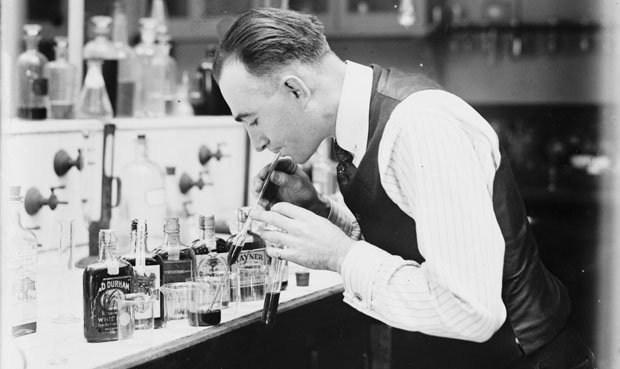
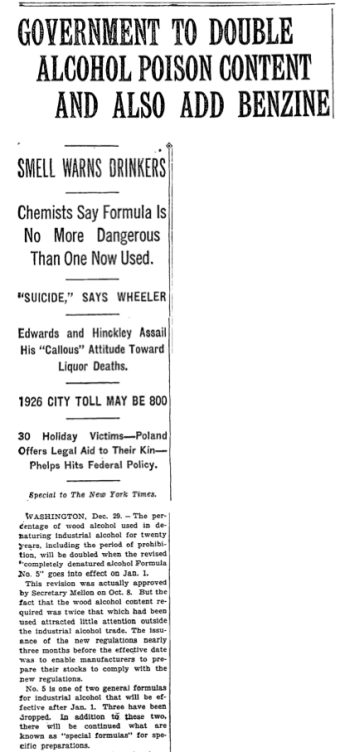
 “Industrial alcohol” such as solvents, polishes and fuels were “denatured” and rendered distasteful by the addition of dyes and chemicals. The problem was, it wasn’t long before bootleggers figured out how to “renature” the stuff.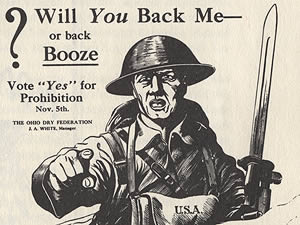



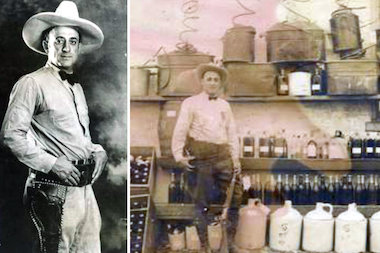
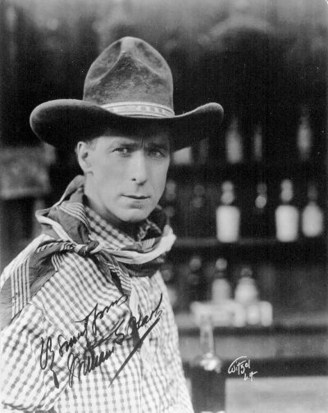
 The small town was enthralled by this new arrival, the town council appointing Hart as Marshall. He was a big fish in a small pond, elected commander of the Legion post and district commissioner for the Boy Scouts of America.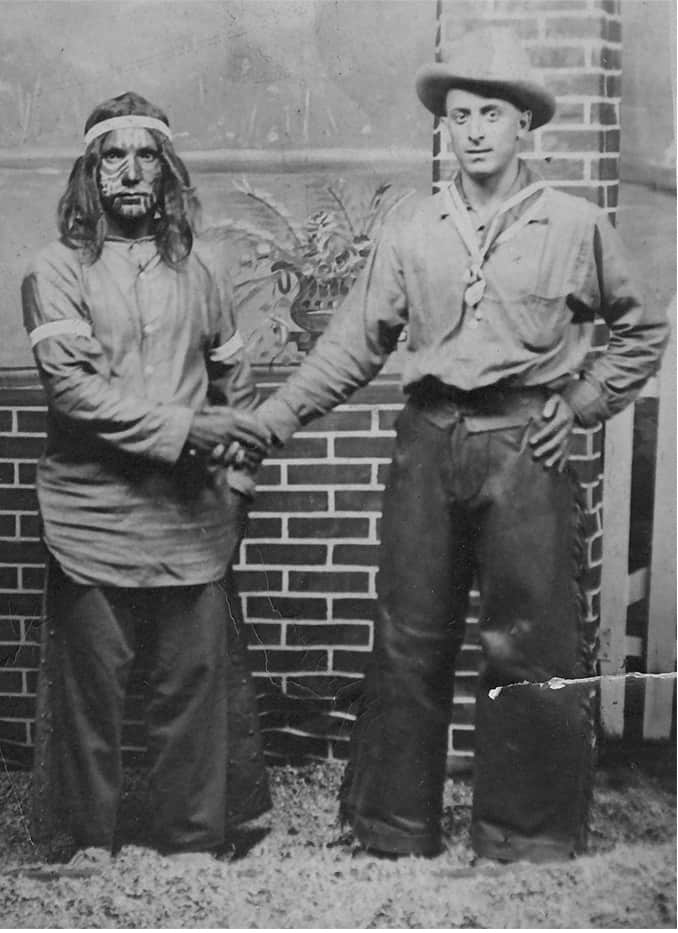
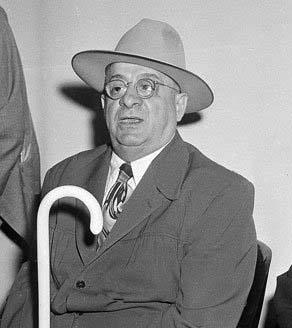 Hart became livestock inspector after repeal of prohibition, and special agent assigned to the Winnebago and Omaha reservations. He was re-appointed Marshall of his adopted home town but, depression-era Nebraska was tough. The money was minuscule and the Marshall was caught, stealing cans of food.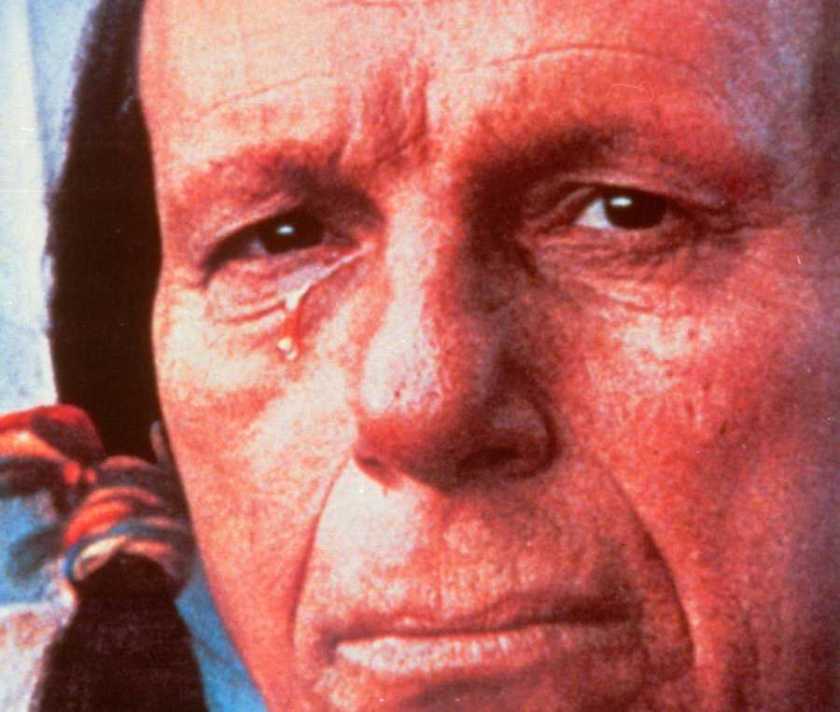


 Twelve of the thirteen original states ratified these “Articles of Confederation” by February, 1779. Maryland would hold out for another two years, over land claims west of the Ohio River. In 1781, seven months before Cornwallis’ surrender at Yorktown, the 2nd Continental Congress formally ratified the Articles of Confederation. The young nation’s first governing document.

 It’s interesting to note the priorities of that first Congress, as expressed in their original 1st and 2nd amendments. The ones that were thrown out. The first had to do with proportional representation, and would have led us to a 6,000-member House of Representatives, instead of the 435 we currently have. The second most important thing in the world, judging by the priorities of that first Congress, was that any future Congress could not change their own salaries. Any such change could affect only future Congresses.
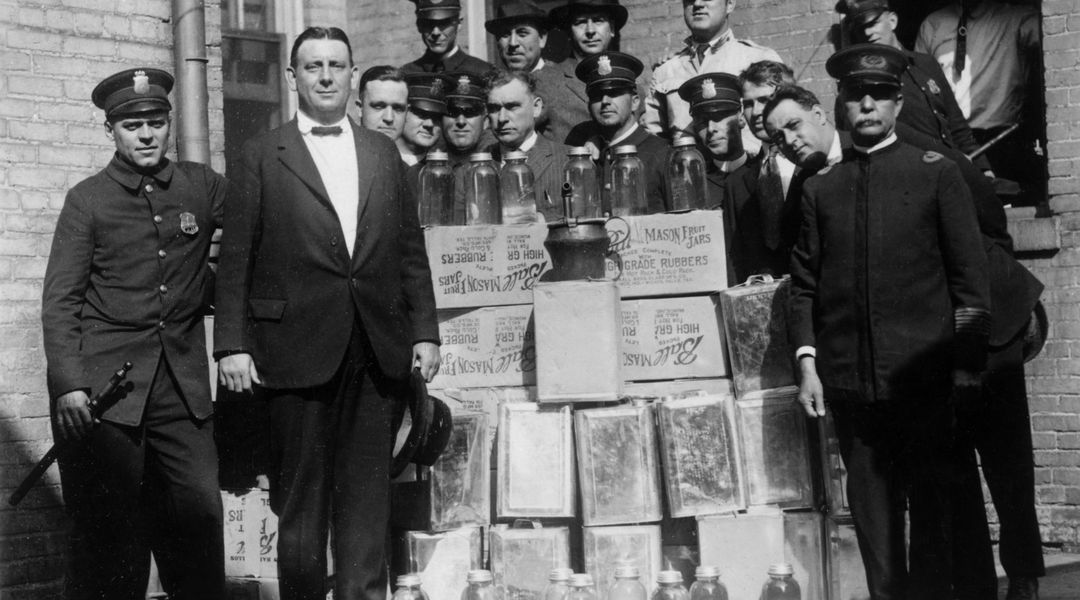
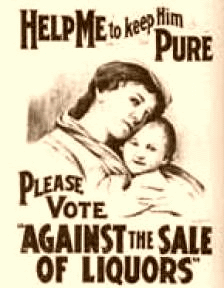 The Eighteenth Amendment establishing the national prohibition of “intoxicating liquors” was passed out of Congress on December 17, 1917 and sent to the states, for ratification. The National Prohibition or “Volstead” act, so named for Chairman of the House Judiciary Committee Andrew Volstead, was enacted to carry out its intent.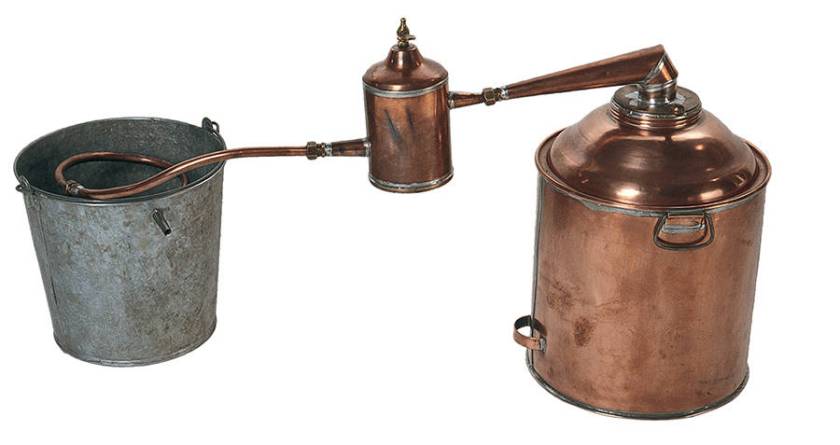


 Even at the Constitutional Convention, delegates expressed concerns about the larger, more populous states holding sway, at the expense of the smaller states. The “Connecticut Compromise” solved the problem, creating a bicameral legislature with proportional representation in the lower house (House of Representatives) and equal representation of the states themselves in the upper house (Senate).
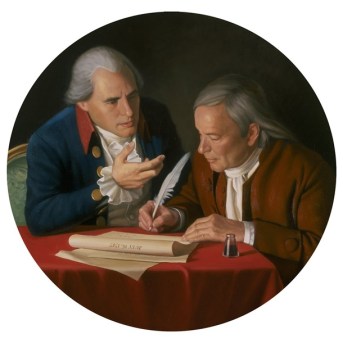 A compromise was reached in February, 1788 whereby Massachusetts and other states would ratify the document, with the assurance that such amendments would immediately be put up for consideration.



 Historical Easter Eggs - Today in History
You must be logged in to post a comment.