

Had you lived in England 266 years ago, or one of her American colonies, this day did not exist. Neither, for that matter, did the better part of the next two weeks. When you went to bed last night, it was September 2. This morning when you got up, it was September 14. The days in-between just ‘disappeared’.
The reason goes back nearly two thousand years.
For seven hundred years, the Roman calendar attempted to follow the cycles of the moon. The method frequently fell out of phase with the change of seasons, requiring the random addition of days. The Pontifices, the Roman body charged with overseeing the calendar, made matters worse. The body was known to add days to extend political terms, and to interfere with elections. Military campaigns were won or lost due to confusion over dates. By the time of Julius Caesar, things needed to change.

When Caesar went to Egypt in 48BC, he was impressed with the way they handled their calendar. Ol’ Julius hired the Alexandrian astronomer Sosigenes to help straighten things out. The astronomer calculated that a proper year was 365¼ days, more accurately tracking the solar, rather than the lunar year. “Do like the Egyptians”, he might have said. The new “Julian” calendar went into effect in 46BC.
The problem was, that ¼-day. The Julian calendar miscalculated the solar cycle by 11 minutes per year, resulting in a built-in error of a day for every 128 years. By the late 16th century, the seasonal equinoxes were ten days out of sync, causing a problem with the holiest days of the Catholic church.
In 1579, Pope Gregory XIII commissioned the Jesuit mathematician and astronomer Christopher Clavius, to devise a new calendar and correct this “drift”. The “Gregorian” calendar was adopted in 1582, omitting ten days that October, and changing the manner in which “leap” years were calculated.

The Catholic countries such as Italy, Portugal and Spain were quick to adopt the Gregorian calendar, and much of western Europe, followed suit. England and its overseas colonies continued to use the Julian calendar well into the 18th century, resulting in immense confusion. Legal contracts, civic calendars, and the payments of rents and taxes were all complicated by the two calendar system.
Between 1582 and 1752, some English and colonial records included both “Old Style” and “New Style” year. The system was known as “double dating”, and resulted in date notations such as March 19, 1602/3. Others merely changed dates.
Perform a keyword search on “George Washington’s birthday” for instance, and you’ll be rewarded with the information that the father of our country was born on February 22, 1732. The man was actually born on February 11, 1731, under the Julian Calendar. It was only after 1752 that Washington himself recognized the date of his birth as February 22, 1732, reflecting the adoption of the Gregorian Calendar.
Tragically, the number of historians’ and geneologists’ heads to have exploded over the difference, remains uncertain.
 The “Calendar Act of 1750” set out a two-step process for adopting the Gregorian calendar. Since the Roman calendar began on March 25, the year 1751 was to have only 282 days so that January 1 could be synchronized with that date. That left 11 days to deal with.
Thus it was decreed that Wednesday, September 2, 1782, would be followed by Thursday, September 14.
You can read about “calendar riots” around this time, though those appear to be little more than a late Georgian-era urban myth. Philip Stanhope, 4th Earl of Chesterfield, was a prime sponsor of the calendar measure. Stanhope’s use of the term “Mobs” was probably a description of the bill’s opponents, in Parliament.
Even so, some genuinely believed that their lives were being shortened by those 11 days, and others who considered the Gregorian calendar to be a “Popish Plot”. The subject would become a very real campaign issue between the Tories and the Whigs, in 1754.
There’s a story concerning one William Willett, who lived in Endon. Willett wagered that he could dance non-stop for 12 days and 12 nights, starting his jig about town the evening of September 2nd, 1752. Willett stopped the next morning, and went out to collect his bets. I was unable to determine, how many actually paid up.
The official beginning of the British tax year was changed in 1753, so as not to “lose” those 11 days of revenue. Revolution was still 23 years away in the American colonies, but the reaction “across the pond”, could not have been one of unbridled joy.
 Benjamin Franklin seems to have liked the idea, writing that, “It is pleasant for an old man to be able to go to bed on September 2, and not have to get up until September 14.”
The Gregorian calendar gets ahead of the solar cycle by 26 seconds every year, despite some very clever methods of synchronizing the two cycles. Several hours have already been added but the issue will have to be dealt with, around the year 4909.
I wonder how Mr. Franklin would feel, to wake up and find that it’s still yesterday.


 A story comes down to us from the Royal Residence of Queen Victoria, of the hapless attendant who told a spicy story one night, at dinner. You could have watched the icicles grow, when the Queen of the United Kingdom of Great Britain and Ireland turned and said: “We are not amused“.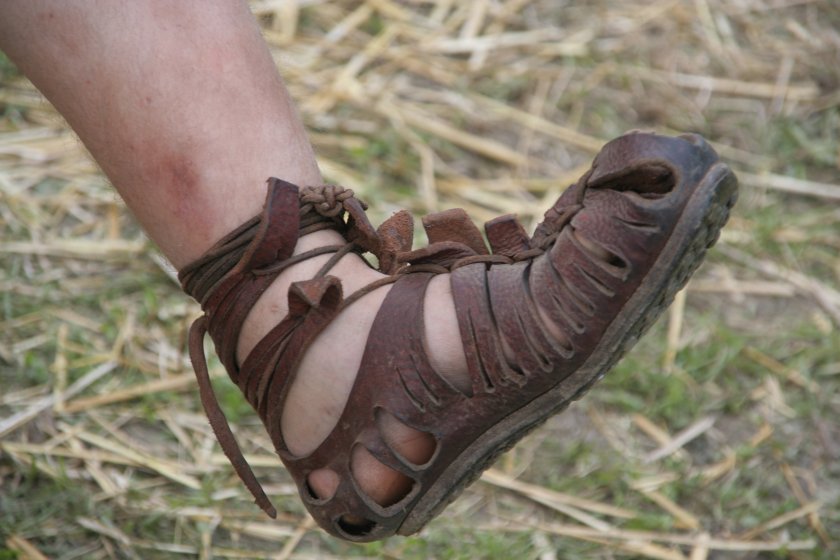











 1776 started out well for the cause of American independence, when the twenty-six-year-old bookseller Henry Knox emerged from a six week slog through a New England winter, at the head of a “
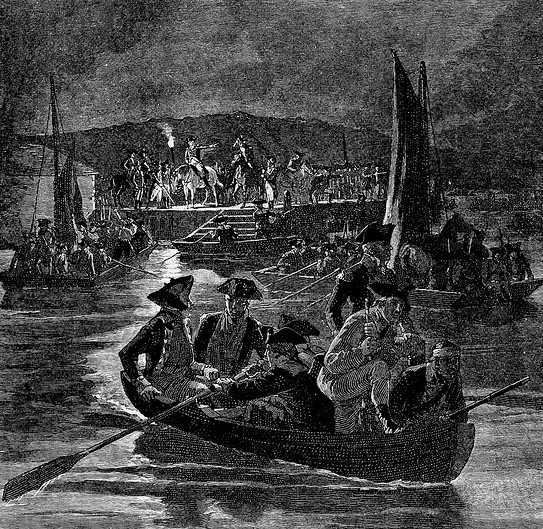
 The Continental Congress adopted the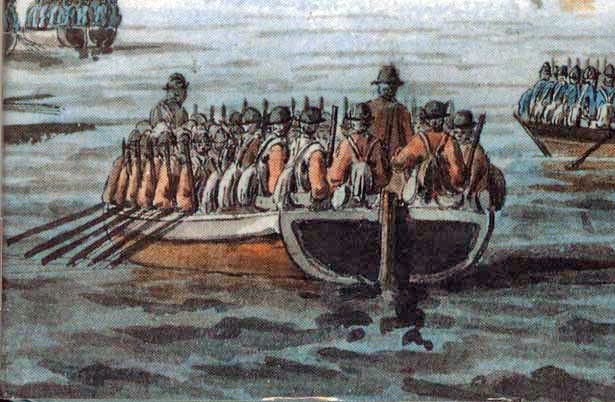



 HMS Resolute was a Barque rigged merchant ship, purchased in 1850 as the Ptarmigan, and refitted for Arctic exploration. Re-named Resolute, the vessel became part of a five ship squadron leaving England in April 1852, sailing into the Canadian arctic in search of the doomed Franklin expedition.
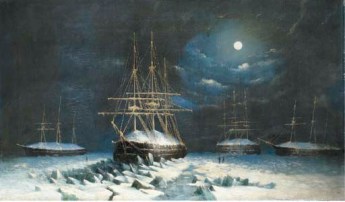 Three of the HMS Resolute expedition’s ships themselves became trapped in floe ice in August 1853, including Resolute, herself. There was no choice but to abandon ship, striking out across the ice pack in search of their supply ships. Most of them made it, despite egregious hardship, straggling into Beechey Island in the Canadian Arctic Archipelago, between May and August of the following year.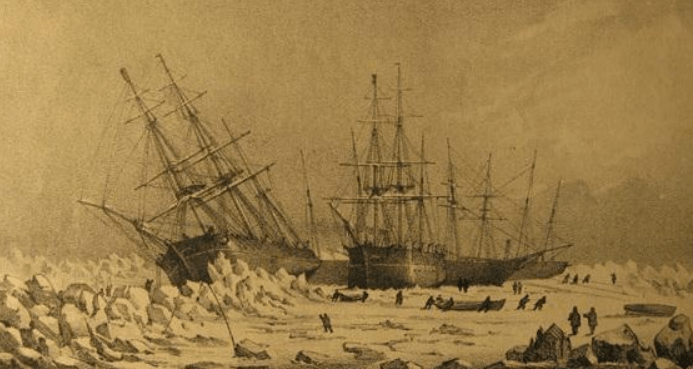
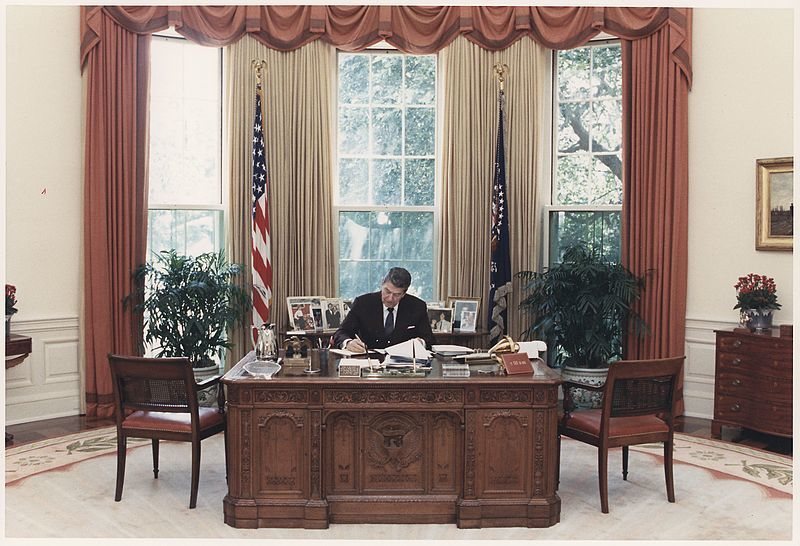 The desk, known as the Resolute Desk, has been used by nearly every American President since, whether in a private study or the oval office.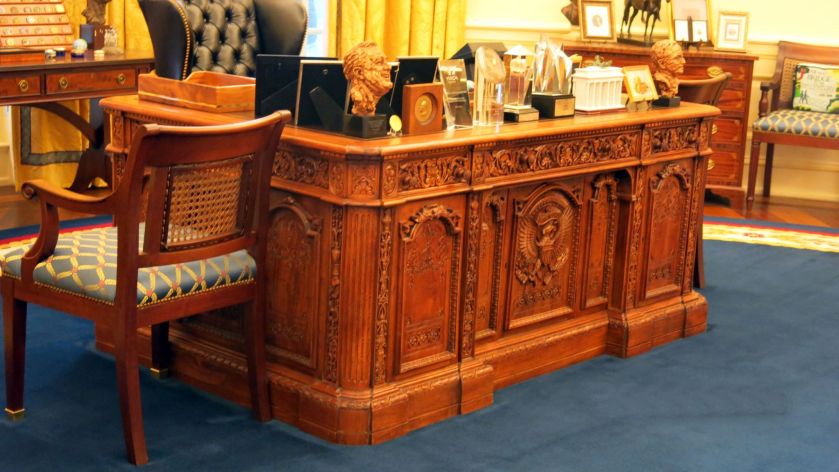



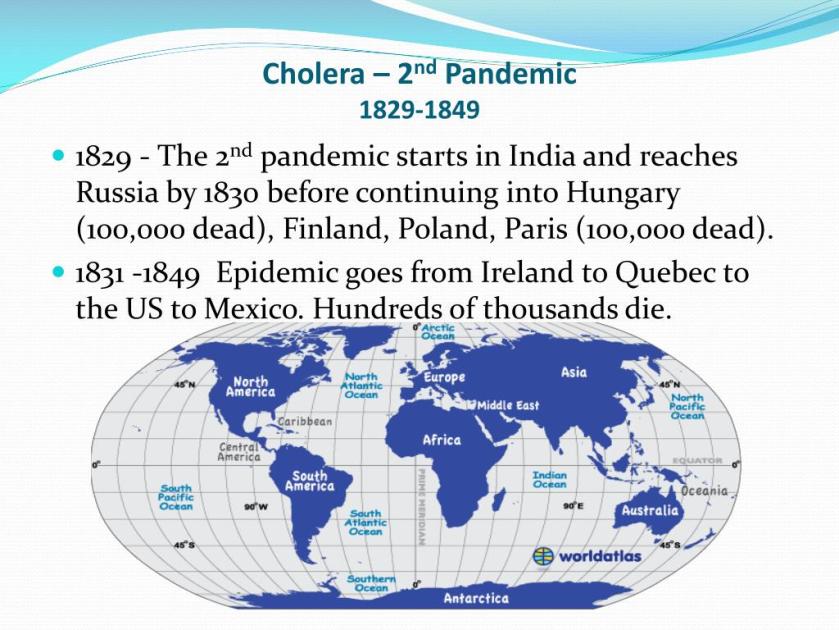
 The world would see four more cholera pandemics between 1852 and 1923, with the first being by far, the deadliest. This one devastated much of Asia, North America and Africa. in 1854, the worst year of the outbreak, 23,000 died in Great Britain, alone.
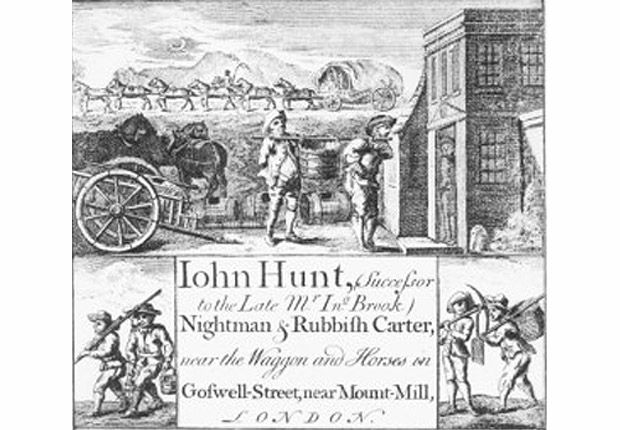
 Several other outbreaks had occurred that year, but this one was particularly acute. Within the next three days, 127 died within a short distance of the Broad Street address. By September 10, there were five-hundred more.

 The information was surprisingly difficult to find, and no reference book was available to settle the matter.





 The free reference book once intended to inform barroom squabbles has spawned a franchise including museums and television programs, becoming the leading international authority for the certification of every world record you can think of, from the longest fingernail (2 feet, 11 inches), to the longest mustache (14 feet), to slam dunking basketball bunnies.


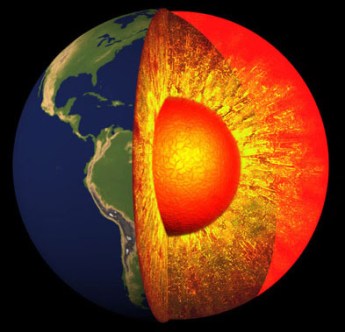

 Roughly 90% of all earthquakes and 75% of potentially active volcanoes in the world, occur along a horseshoe shaped Ring of Fire, encircling the Pacific Ocean.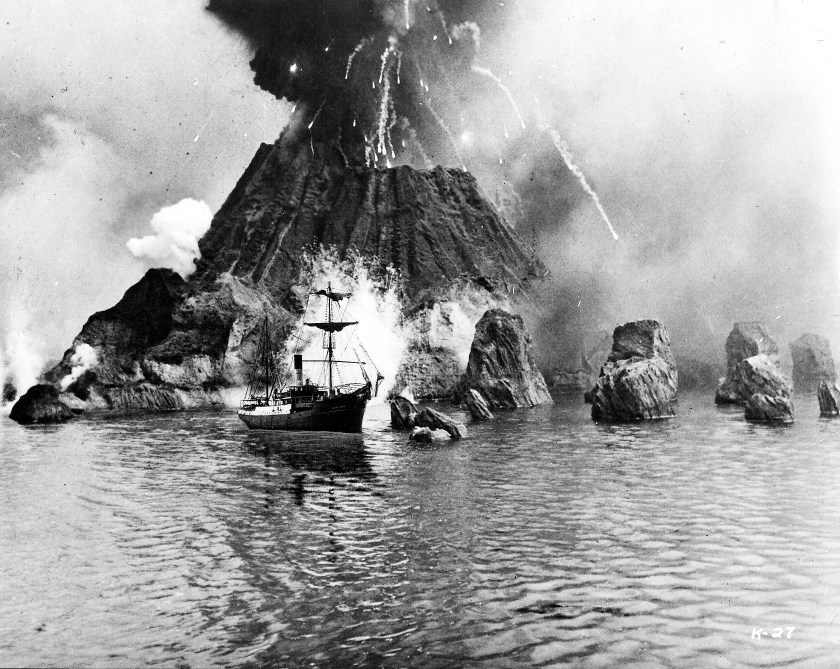

 Following the 1883 eruption, temperatures in the northern hemisphere fell by an average of 2.2°, Fahrenheit. Weather patterns were disrupted for years on end.



 Those of us of a certain age remember the “Thunder Lizard”, the Brontosaurus, that iconic dinosaur seemingly at the center of every museum display. The Sinclair Oil Company adopted the creature as its mascot. The United States Postal Service featured the animal, in a series of commemorative stamps.



You must be logged in to post a comment.