
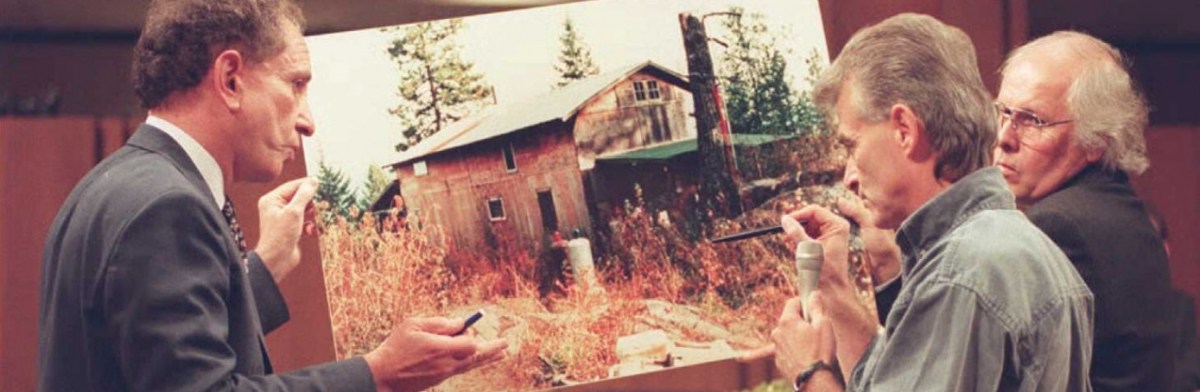
Randall Claude “Randy” Weaver came into the world in 1948, one of four children born to Claude and Wilma Weaver, a farming couple from Villisca, Iowa. Deeply religious people, the Weavers moved among several Evangelical, Presbyterian, and Baptist churches, in search of a spiritual ‘home’ to fit with their beliefs.
Weaver dropped out of community college at age 20 and enlisted in the Army, stationed at Fort Bragg and serving three years before earning an honorable discharge.
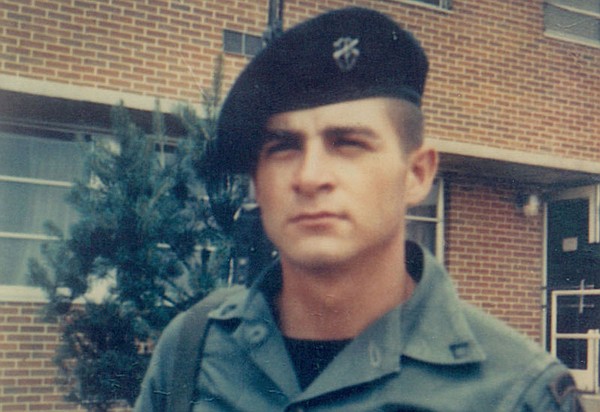
A month after leaving the Army, Weaver married Victoria Jordison and soon enrolled at the University of Northern Iowa to study criminal justice. At the time, Weaver wanted to become an FBI agent, but the high cost of tuition put an end to that. Randy found work at a local John Deere factory while “Vicki” became first a secretary and later a homemaker, as the family grew.
Over time, the couple began to harbor fundamentalist beliefs, while becoming increasingly distrustful of the government. Vicki came to believe that the Apocalypse was imminent. The answer to her family’s survival lay in moving ‘off the grid’, away from ‘corrupt civilization’.
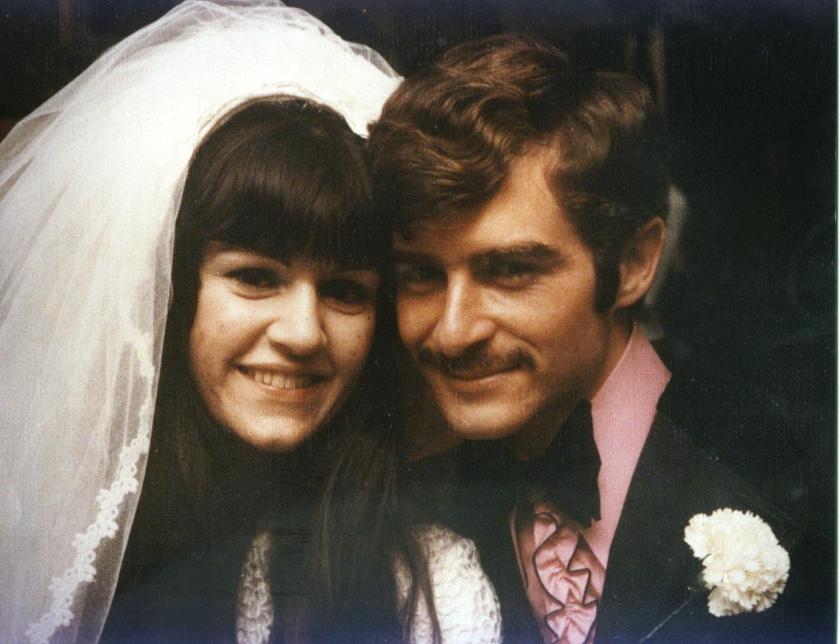
In the early eighties, the couple paid $5,000 cash plus their moving truck for a piece of property, and built a cabin on the remote Ruby Ridge in the north of Idaho.
In 1984, Randy Weaver had a falling out with neighboring Terry Kinnison, over a $3,000 land deal. Kinnison lost the ensuing lawsuit and was ordered to pay Weaver an additional $2,100 in court costs and damages. Kinnison took his vengeance in letters written to the FBI, Secret Service, and county sheriff, claiming that Weaver had threatened to kill Pope John Paul II, President Ronald Reagan, and Idaho governor John Evans.
Randy and Vicki Weaver were interviewed by FBI as well as Secret Service agents, and the County sheriff. Investigators were told that Weaver was a member of the white supremacist Aryan Nation and that he had a large gun collection in his cabin. Weaver denied the allegations, and no charges were filed.
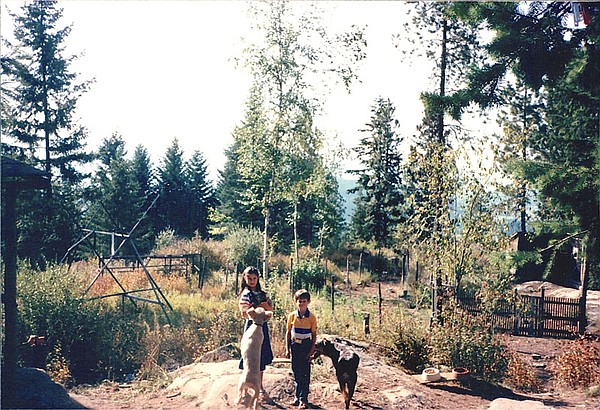
There seems no small amount of paranoia and mutual distrust, in what followed. The Weavers filed an affidavit in 1985, that their enemies were plotting to provoke the FBI into killing them. The couple wrote a letter to President Reagan, claiming that a threatening letter may have been sent to him, over a forged signature. No such letter ever materialized but, seven years later, prosecutors would cite the 1985 letter, as evidence of a Weaver family conspiracy against the government.
White supremacist Frank Kumnick was a member of the Aryan Nations, and target of an investigation by the federal bureau of Alcohol, Tobacco and Firearms. Weaver attended his first meeting of the World Aryan Congress in 1986, where he met a confidential ATF informant, posing as a firearms dealer. In 1989, Weaver invited the informant to his home, to discuss forming a group to fight the “ZOG”, the “Zionist Occupation Government” of anti-Semitic and paranoid conspiracy theory.

ATF charged Weaver that same year, with selling its informant two sawed-off shotguns. The government offered to drop the charges in exchange for Weaver’s becoming an informant. Weaver declined, and ATF filed illegal weapons indictments, claiming the subject was a bank robber, with an extensive criminal record. Subsequent US Senate investigation revealed that Weaver had no such criminal convictions, but Weaver was ensnared, by a government bureaucracy as unreasoningly suspicious, as himself.
Trial was set for February 20 1991 and subsequently moved to February 21, due to a federal holiday. Weaver’s parole officer sent him a letter, erroneously stating that the new date was March 20. A bench warrant was issued when Weaver failed to show in court, for the February date.

Randy Weaver was now a “Fugitive from Justice”.
The U.S. Marshals Service agreed to put off execution of the warrant until after the March 20 date, but the U.S. Attorney’s Office called a grand jury, a week earlier. It’s been said that a grand jury could indict a ham sandwich and the adage proved true, particularly when the prosecution failed to reveal parole officer Richins’ letter, with the March 20 date.
The episode fed into the worst preconceptions, on both sides. Marshalls developed a “Threat Profile” on the Weaver family and an operational plan: “Operation Northern Exposure”. Weaver, more distrustful than ever, was convinced that if he lost at trial, the government would seize his land and take his four children, leaving Vicki homeless.
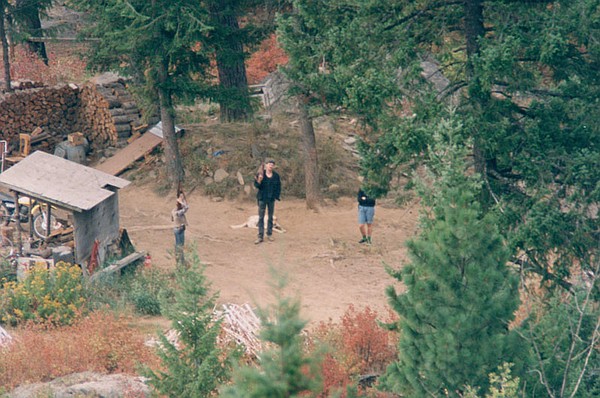
Marshalls attempted to negotiate over the following months, but Weaver refused to come out. Several people used as go-betweens, were even more radical than the Weavers themselves. When Deputy Marshal Dave Hunt asked Bill Grider: “Why shouldn’t I just go up there … and talk to him?” Grider replied, “Let me put it to you this way. If I was sitting on my property and somebody with a gun comes to do me harm, then I’ll probably shoot him.”
On April 18, 1992, a helicopter carrying media figure Geraldo Rivera for the Now It Can Be Told television program was allegedly fired on, from the Weaver residence. Surveillance cameras then being installed by US Marshalls showed no such shots fired, and Pilot Richard Weiss denied the story. Yet, a lie gets around the world, before the truth can get its pants on. (H/T, Winston Churchill). The ‘shots fired narrative’ became a media sensation. The federal government drew up ‘rules of engagement’.
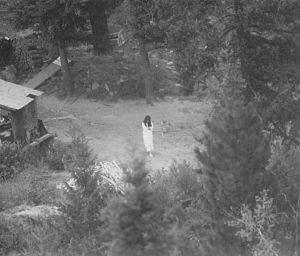
On August 21, a six-man armed Recon team arrived to scout the property, for a suitable spot to ambush and arrest Randy Weaver. Deputy Art Roderick threw rocks at the cabin to see how the dogs would react. The cabin was at this time out of meat and, thinking the dog’s reaction had been provoked by a game animal, Randy, a friend named Kevin Harris and Weaver’s 14-year-old son Samuel came out with rifles, to investigate. Vicki, Rachel, Sarah and baby Elisheba, remained in the cabin.
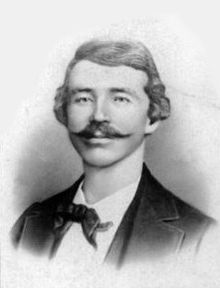
Marshalls retreated to a place out of sight of the cabin, while “Sammy” and Harris followed the dog ‘Striker’ into the woods. Later accounts disagree on who fired first, but a firefight erupted, between Sammy, Harris, and the Marshall’s team. When it was over, the boy, the dog and Deputy US Marshall William “Billy” Degan, lay dead.
The standoff now spun out of control, with National Guard Armored personnel carriers, SWAT, State Police and FBI Hostage Rescue Teams, complete with snipers.
On the 22nd, Harris, Weaver and sixteen-year old daughter Sarah were entering a shed to see the body of Weaver’s dead son, when FBI sniper Lon Horiuchi fired from a position some 200 yards distant. The bullet tore into Weaver’s back and out his armpit. When the three raced back to the cabin, Horiuchi’s second round entered the door as Harris dove for the opening, injuring him in the chest before striking Vicki in the face, as she held the baby in her arms.
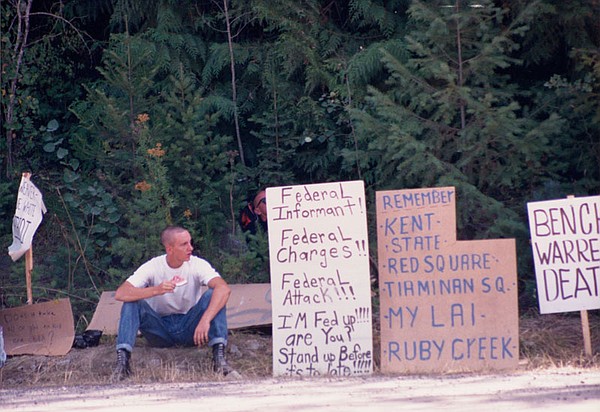
Two days later, FBI Deputy Assistant Director Danny Coulson wrote the following memorandum, unaware that Vicki Weaver lay dead:
“Something to Consider
1. Charge against Weaver is Bull Shit.
2. No one saw Weaver do any shooting.
3. Vicki has no charges against her.
4. Weaver’s defense. He ran down the hill to see what dog was barking at. Some guys in camys shot his dog. Started shooting at him. Killed his son. Harris did the shooting [of Degan]. He [Weaver] is in pretty strong legal position.”
The siege of Ruby Ridge would drag on for ten days. Kevin Harris was brought out on a stretcher on August 30, along with Vicki’s body. Randy Weaver emerged the following day. Subsequent trials acquitted Harris of all wrongdoing and Weaver of all but his failure to appear in court, for which he received four months and a $10,000 fine.
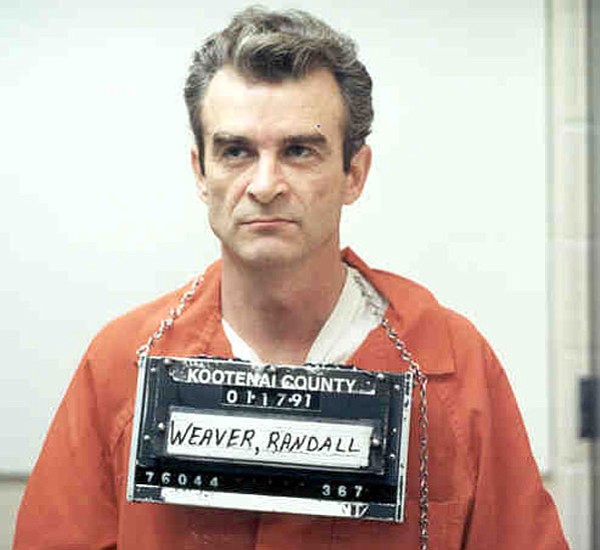
Questions persist about the government’s ham-fisted approach at Ruby Ridge, and intensified after the Branch Davidian train wreck at Waco six months later, involving many of those same agencies and federal officials.
In 1995, a pair of reprobates would carry out their “revenge” on the government, blowing up a federal office building in Oklahoma City and killing 168 innocent people, injuring 680 others. Nineteen of the dead, were children.
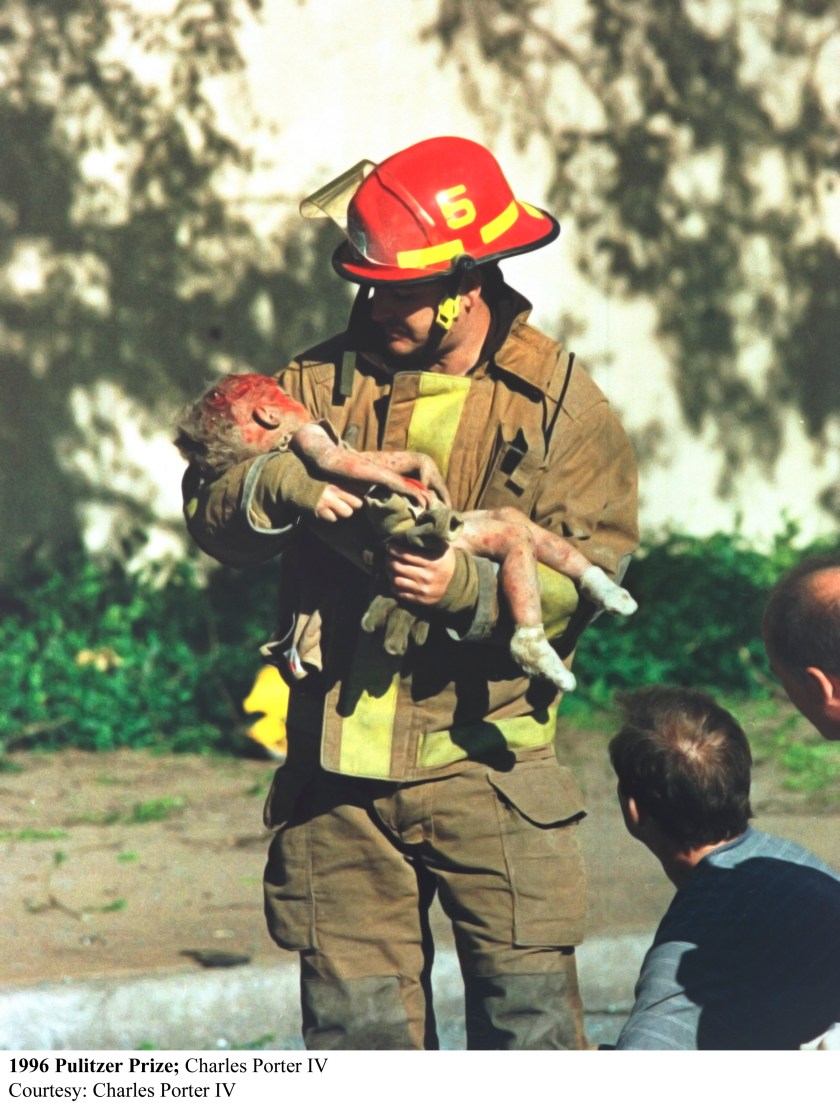
Subsequent Senate hearings criticized Ruby Ridge “rules of engagement” as unconstitutional, the use of deadly force unwarranted, under the circumstances. Kevin Harris was awarded $380,000 damages for pain and suffering. Weaver was awarded $100,000, and his three daughters, $1 million each.
FBI sniper Lon Horiuchi was indicted for manslaughter in 1997, charges later dismissed on grounds of sovereign immunity.
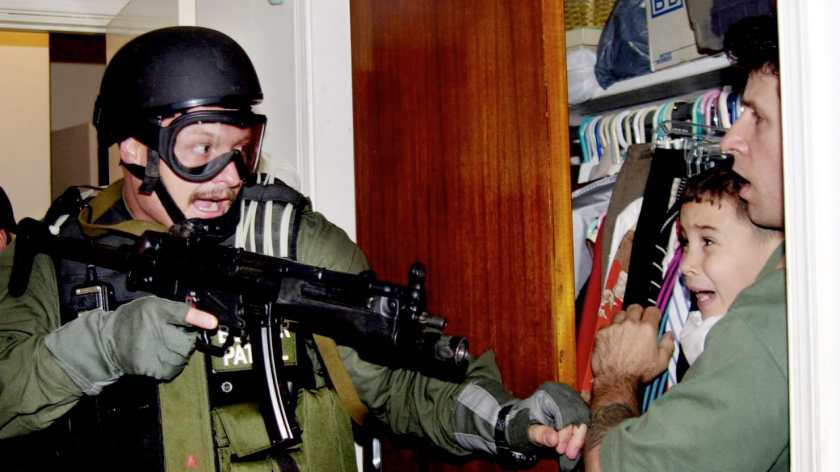
Deadly force procedures were brought about, intending to bring the government into line with Supreme Court precedent, resulting in a kinder, gentler federal law enforcement apparatus. That was the idea. You might want to ask Elian Gonzalez, how that worked out.

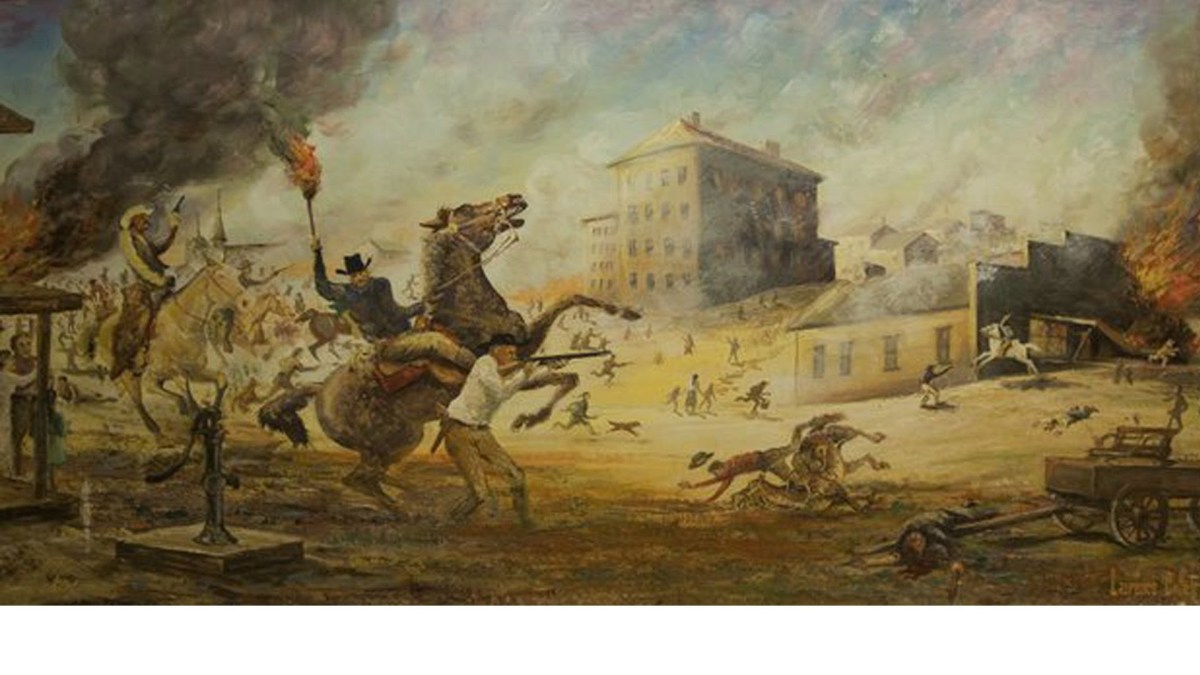
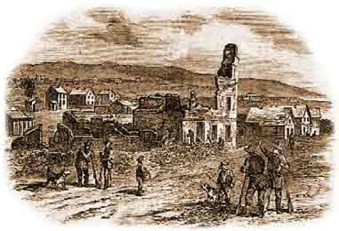
 Intending to deprive Confederate sympathizers from their base of support, General Thomas Ewing authorized General Order No. 11 four days later, ordering that most of four counties along the Kansas-Missouri border be depopulated. Tens of thousands of civilians were forced out of their homes as Union troops came through, burning buildings, torching fields and shooting livestock.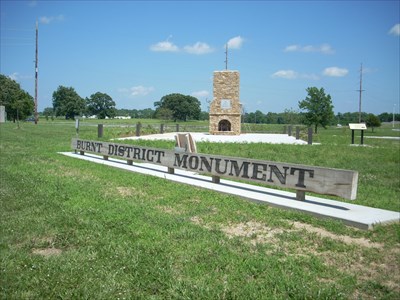


 Gehrig was pitching for Columbia University against Williams College on April 18, 1923, the day that Babe Ruth hit the first home run out of the brand new Yankee Stadium. Though Columbia would lose the game, Gehrig struck out seventeen batters that day, to set a team record. The loss didn’t matter to Paul Krichell, the Yankee scout who had been following Gehrig. Krichell didn’t care about the arm either, as much as he did that powerful, left-handed bat. He had seen Gehrig hit some of the longest home runs ever seen on several Eastern campuses, including a 450′ home run at Columbia’s South Field that cleared the stands and landed at 116th Street and Broadway.

 The team was in Detroit on May 2 when he told manager Joe McCarthy “I’m benching myself, Joe”. It’s “for the good of the team”. McCarthy put Babe Dahlgren in at first and the Yankees won 22-2, but that was it. The Iron Horse’s streak of 2,130 consecutive games, had come to an end.
 Gehrig left the team in June, arriving at the Mayo Clinic on the 13th. The diagnosis of Amyotrophic Lateral Sclerosis (ALS) was confirmed six days later, on June 19. It was his 36th birthday. It was a cruel prognosis: rapidly increasing paralysis, difficulty in swallowing and speaking, and a life expectancy of fewer than three years.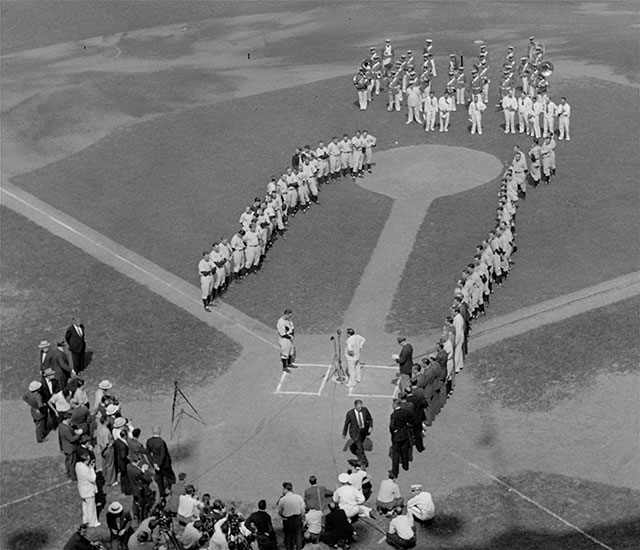


 This was the world of bare knuckle boxing in the age of John L. Sullivan. He thrived in that world. The urban prize ring was his “temple of manhood”. He intended to be its Crown Prince.

 Sullivan’s unbeaten record over 44 professional fights came to an end on July 9, 1892, when “Gentleman Jim” Corbett unloaded a smashing left in the 21st round that put the champion down, for good. Sullivan would later say that his opponent only “gave the finishing touches to what whiskey had already done to me.”


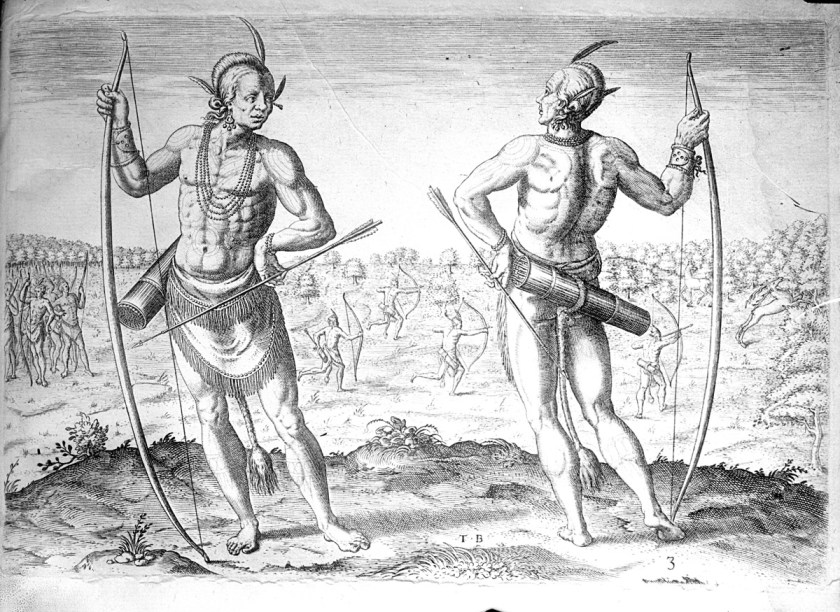 Raleigh believed that the Chesapeake afforded better opportunities for his new settlement, but Portuguese pilot Simon Fernandes, had other ideas. The caravan stopped at Roanoke Island in July, 1587, to check on the 15 men left behind a year earlier. Fernandes was a Privateer, impatient to resume his hunt for Spanish shipping. He ordered the colonists ashore on Roanoke Island.


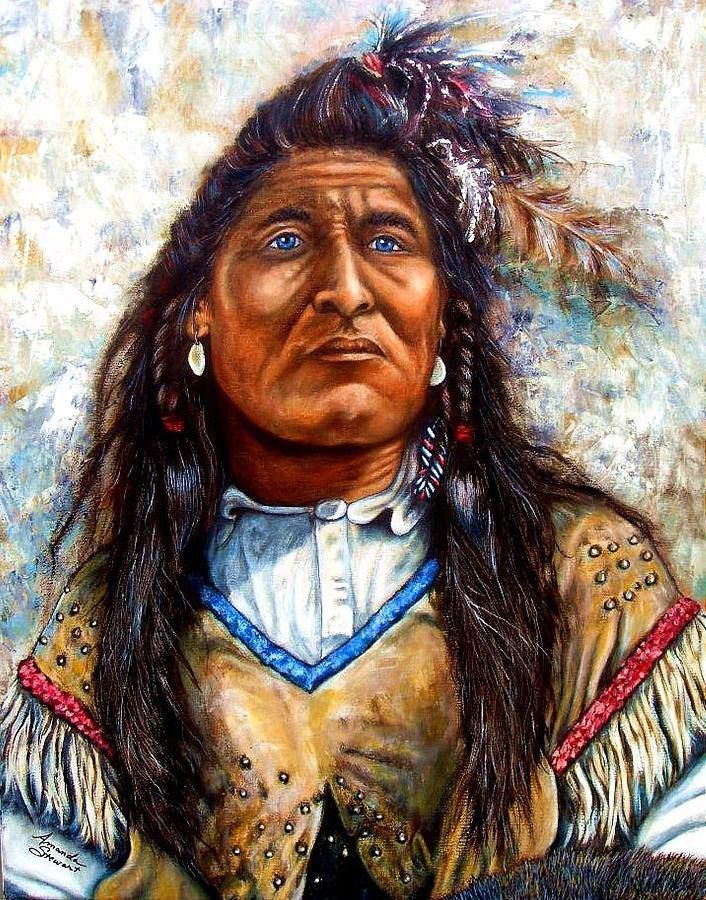
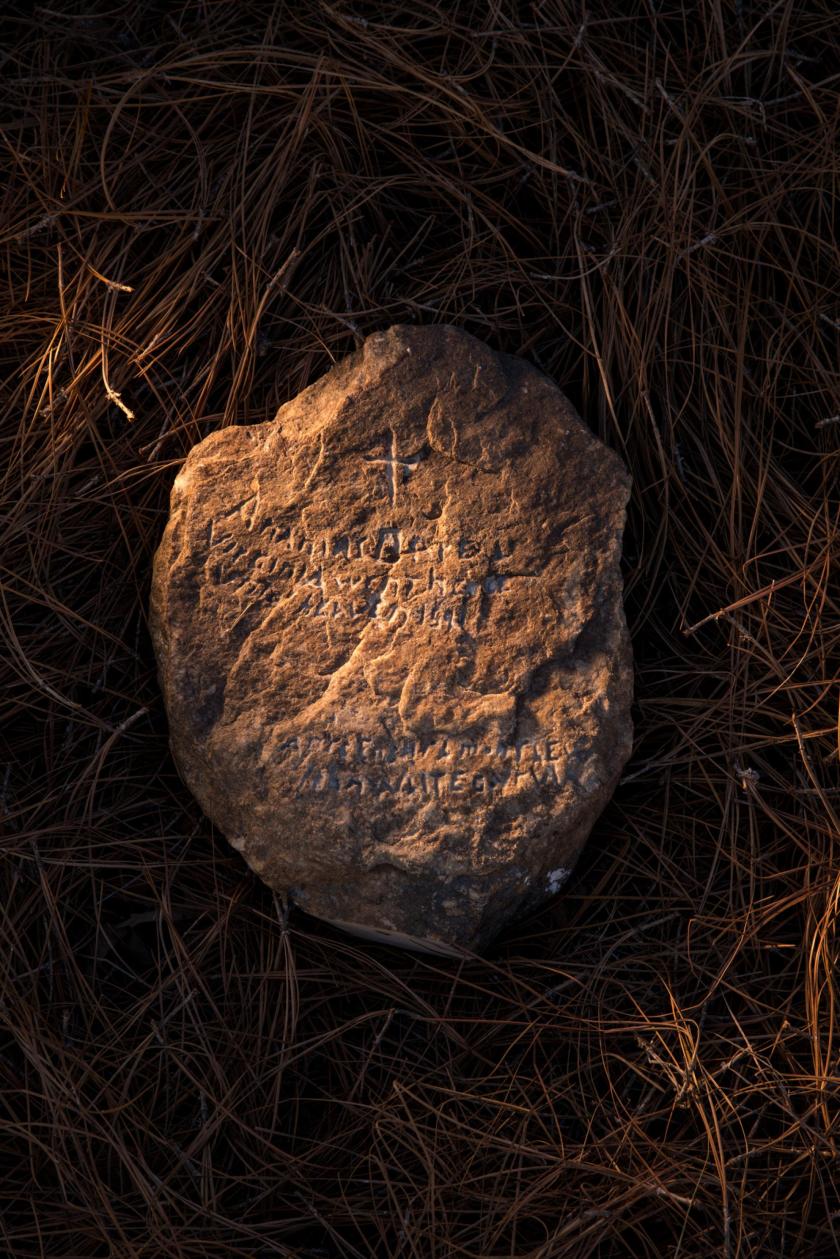
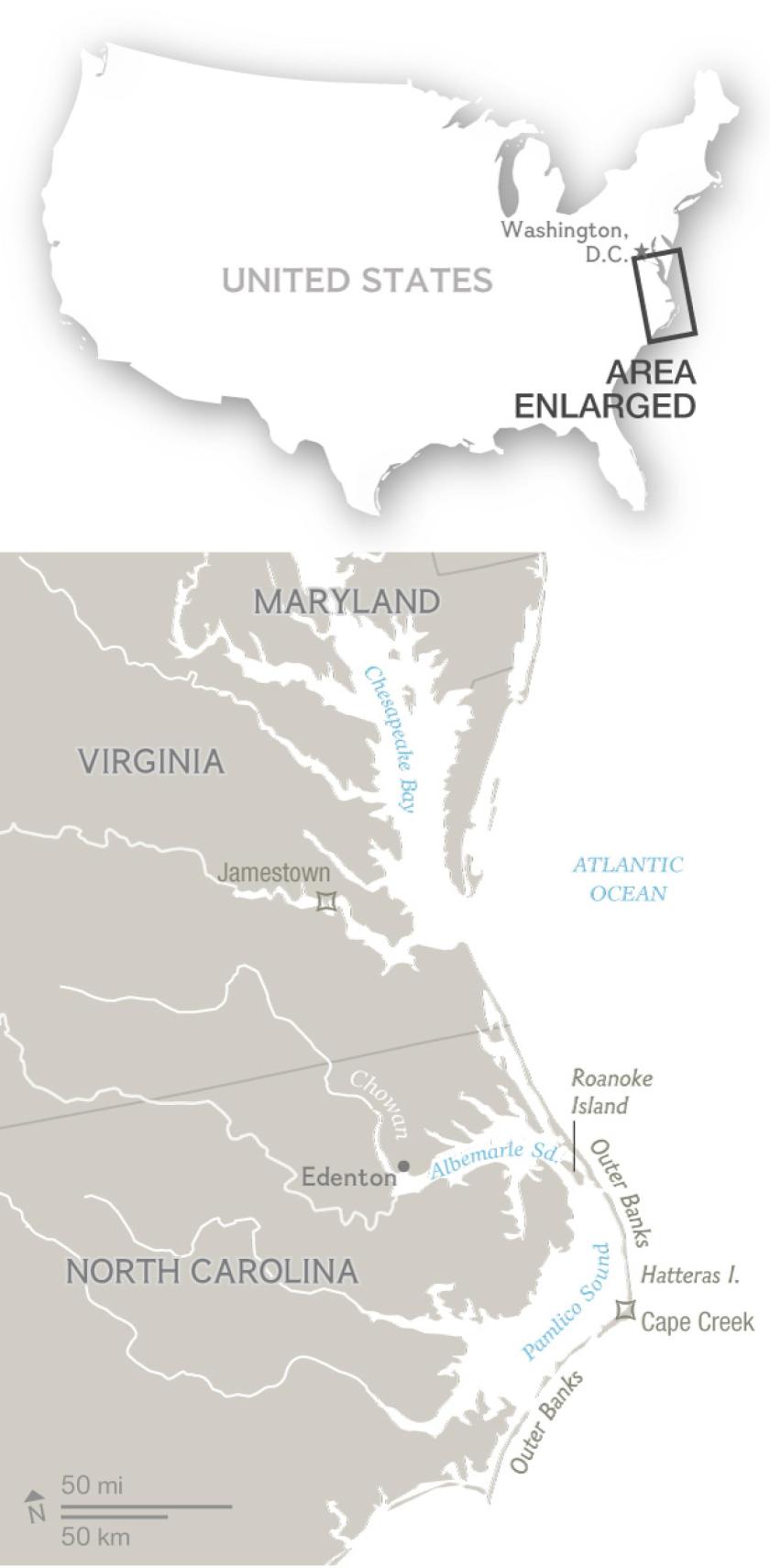 Research concluded at “Site X” in 2017, the cloak & dagger moniker given to deter thieves and looters. The mystery of the lost Colony of Roanoke, remains unsolved. “We don’t know exactly what we’ve got here,” admitted one archaeologist. “It remains a bit of an enigma.”

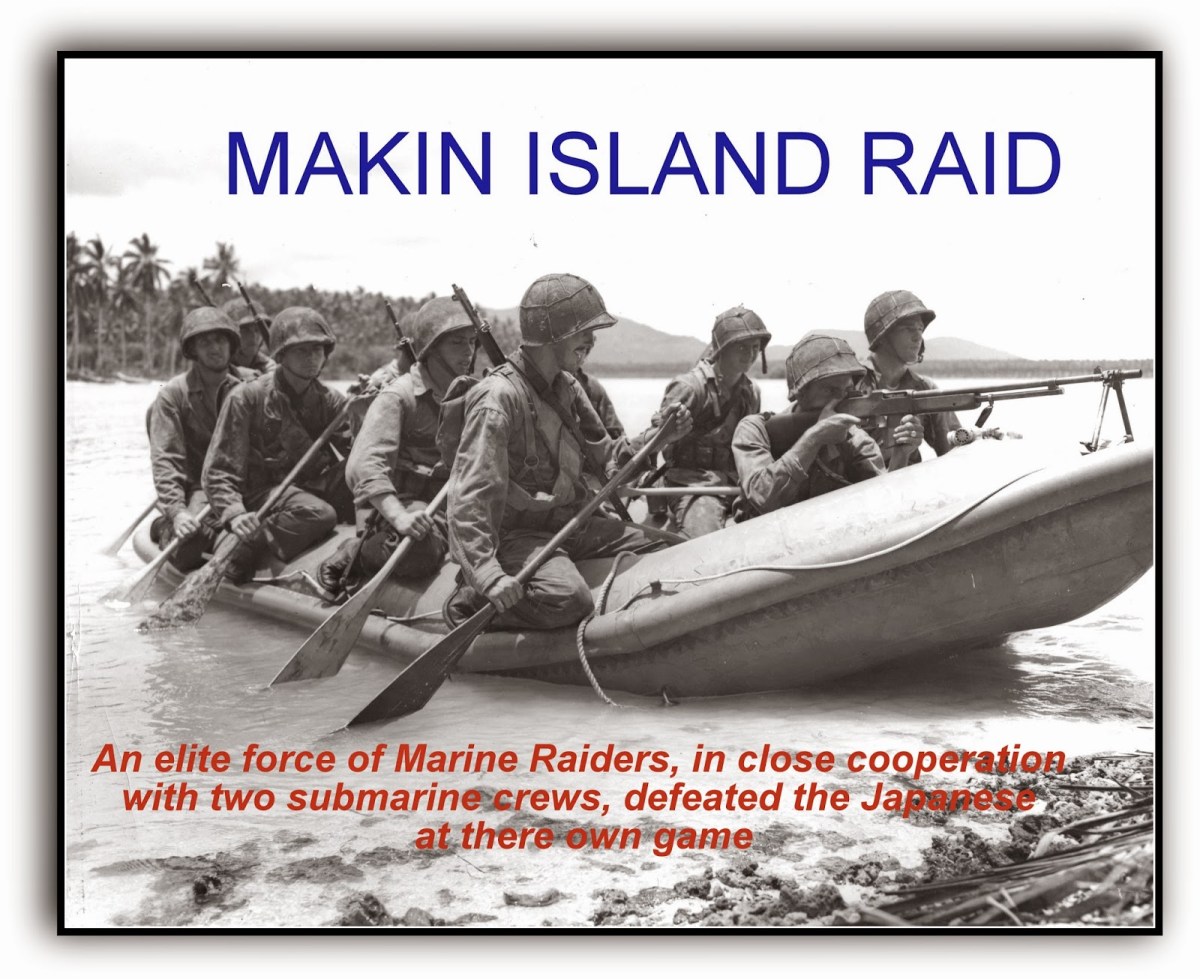
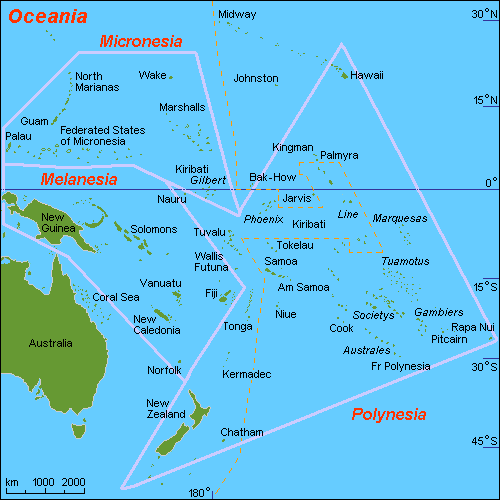


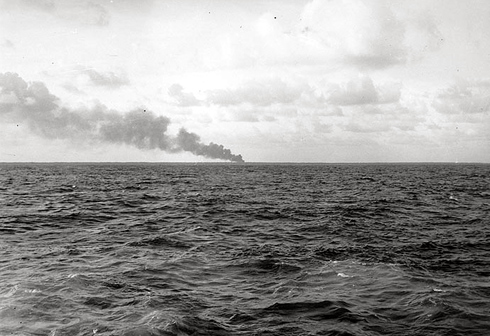


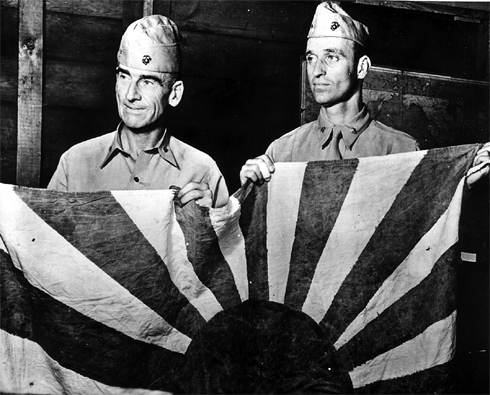


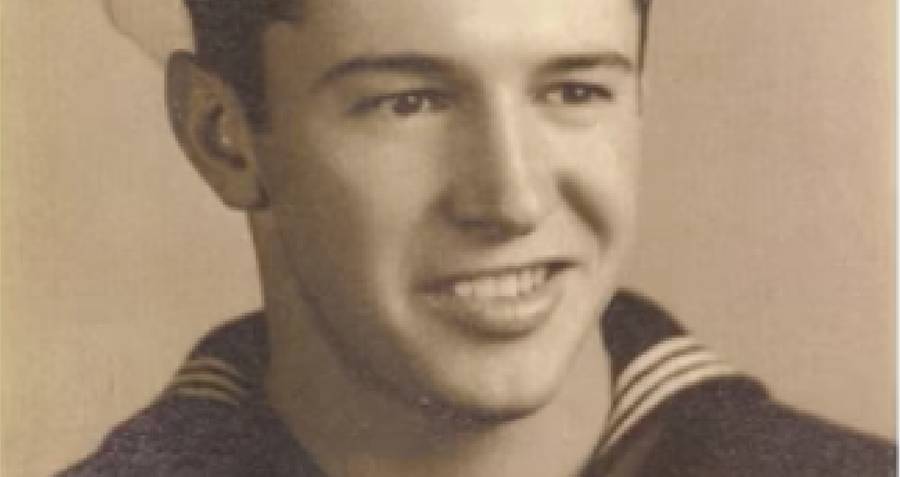
 Being around newspapers allowed the boy to keep up on events overseas, “I didn’t like Hitler to start with“, he once told a reporter. By age eleven, some of Graham’s cousins had been killed in the war, and the boy wanted to fight.

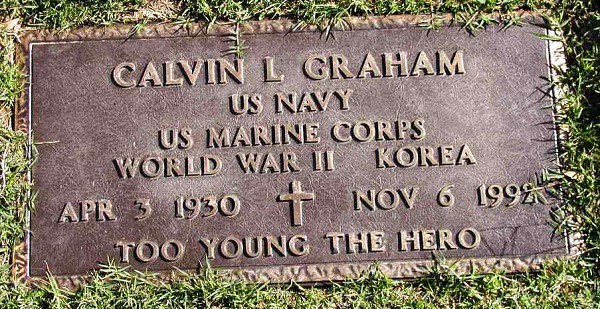
 For the rest of his life, Calvin Graham fought for a clean service record, and for restoration of medical benefits. President Jimmy Carter personally approved an honorable discharge in 1978, and all Graham’s medals were reinstated, save for his Purple Heart. He was awarded $337 in back pay but denied medical benefits, save for the disability status conferred by the loss of one of his teeth, back in WW2.


 Born and raised in Austria, Greta Zimmer was 16 years old, in 1939. Fearful of the war bearing down on them, Greta’s parents sent her and her two sisters to America, not knowing if they’d ever see each other again.
 The couple went to a movie at Radio City Music Hall, but the film was interrupted by a theater employee who turned on the lights, announcing that the war was over. Leaving the theater, the couple joined the tide of humanity moving toward Times Square.
 Now Eisenstaedt and his Leica Illa rangefinder camera worked for Life Magazine, heading for Times Square in search of “The Picture™”.


 Historical Easter Eggs - Today in History
You must be logged in to post a comment.