

A French proverb comes down to us from 1742, attributed to one François de Charette: “On ne fait pas d’omelette sans casser des oeufs”. You can’t make an omelette without breaking eggs.
Irish playwright George Bernard Shaw was a big fan of socialism in his day and an enthusiastic supporter of the gulags, of Josef Stalin.“[The] unfortunate Commissar” he wrote, must shoot his own workers “so that he might the more impressively ask the rest of the staff whether they yet grasped the fact that orders are meant to be executed.”.
Yikes
Connoisseurs of the animated series South Park will remember the Prime Directive of Mr. Garrison’s favorite third grader, Eric Cartman. “You will respect my authoritah“!
All well and good for a cartoon. Few would have guessed the real-world Federal Government would poison its own citizens, to enforce its own authoritah.
The Eighteenth Amendment establishing national prohibition of intoxicating liquors was passed out of Congress on December 17, 1917 and sent to the states, for ratification. The “Volstead” act, so named for Chairman of the House Judiciary Committee Andrew Volstead, was enacted to carry out the will of congress.
At last ratified in January 1919, “Prohibition” went into effect at midnight, January 16, 1920. For thirteen years it was illegal to import, export, transport or sell intoxicating liquor, wine or beer in the United States. “Industrial alcohol” such as solvents, polishes and fuels were “denatured” and rendered distasteful by the addition of dyes and chemicals. The problem was, it wasn’t long before bootleggers figured out how to “renature” the stuff.
The Treasury Department, in charge of enforcement at that time, estimated that over 60 million gallons of industrial alcohol were stolen during Prohibition.
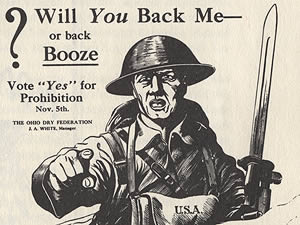
Not to be defied, the federal government upped the ante. The Parasite Leviathan, would not be defied.
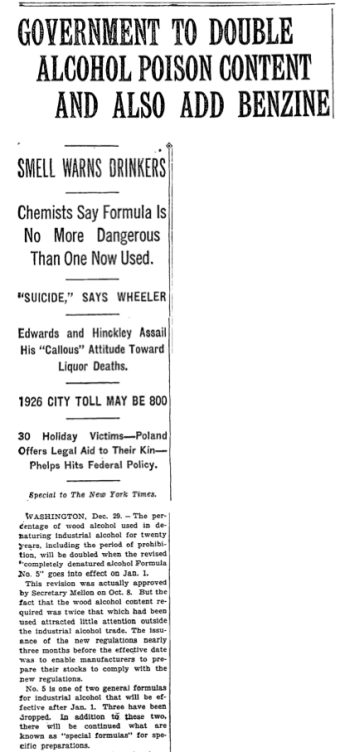
By the end of 1926, denaturing processes were reformulated with the introduction of known poisons such as kerosene, gasoline, iodine, zinc, nicotine, formaldehyde, chloroform, camphor, quinine and acetone.
Treasury officials went so far as to impose a requirement of no less than 10% by volume of methanol, a virulent toxin used in anti-freeze.
You will respect my authoritah.
You can renature this stuff ’til the cows come home. It will kill you.
Sixty people wound up at New York’s Bellevue Hospital on Christmas eve 1926, desperately ill from contaminated alcohol. Eight of them died. Within two days, the death toll stood at thirty-one. The number soared to 400 by New Year’s Day , with no end in sight.

Many who didn’t die, probably wished it. Holiday revelers experienced hallucinations, uncontrollable vomiting, even blindness.
TIME Magazine reported a doubling in toxicity levels in the January 10, 1927 issue, compared with the old method: “The new formula included “4 parts methanol (wood alcohol), 2.25 parts pyridine bases, 0.5 parts benzene to 100 parts ethyl alcohol”. TIME noted, “Three ordinary drinks of this may cause blindness. (In case you didn’t guess, “blind drink” isn’t just a figure of speech).”
To paraphrase Wikipedia, Pyridine is a highly flammable chemical structurally related to benzene, with the unpleasant smell of dead fish.
New York medical examiner Charles Norris was quick to understand the problem and organized a press conference to warn of the danger. “The government knows it is not stopping drinking by putting poison in alcohol. Yet it continues its poisoning processes, heedless of the fact that people determined to drink are daily absorbing that poison. Knowing this to be true, the United States government must be charged with the moral responsibility for the deaths that poisoned liquor causes, although it cannot be held legally responsible.”
Norris pointed out that the poorest people of the city, were most likely to be victims: “Those who cannot afford expensive protection and deal in low-grade stuff”.
The towering sanctimony of the other side, is hard to believe. Teetotalers argued the dead had “brought it on themselves”. Long-time leader of the anti-saloon league Wayne Wheeler proclaimed “The Government is under no obligation to furnish the people with alcohol that is drinkable when the Constitution prohibits it. The person who drinks this industrial alcohol is a deliberate suicide.”
You will respect my Authoritah.
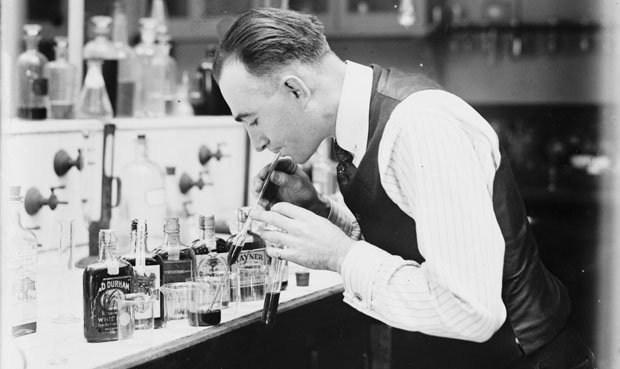
In its thirteen years of existence, Prohibition was an unmitigated disaster. Portable stills went on sale within a week of enactment and organized smuggling was quick to follow. California grape growers increased acreage by over 700% over the first five years, selling dry blocks of grapes as “bricks of Rhine” or “blocks of Port”. The mayor of New York City himself sent instructions to his constituents, on how to make wine.
Smuggling operations became widespread as cars were souped up to outrun “the law”. This lead in time to competitive car racing, beginning on the streets and back roads and later moving to dedicated race tracks. It’s why we have NASCAR, today.
Organized crime muscled up to become vastly more powerful, due to the influx of enormous sums of cash. The corruption of public officials was a national scandal.
Gaining convictions for breaking a law everyone hated became increasingly difficult. The first 4,000 prohibition-related arrests resulted in only six convictions and not a single jail sentence.
It’s hard to compare alcohol consumption rates before and during prohibition but, if death by cirrhosis of the liver is any indication, alcohol consumption never went down by more than 10 to 20 per cent.
In the end, even John D. Rockefeller, Jr., a lifelong teetotaler who contributed $350,000 to the Anti-Saloon League, had to announce support for repeal.
On December 5, 1933, the state of Utah triggered the magic 2/3rds requirement to ratify the Twenty-first Amendment, repealing the Eighteenth and voiding the Volstead Act, returning control over alcohol policy to the states.
Not to be defied, federal officials poisoned industrial alcohol until the very last day, resulting in the death of no fewer than 10,000 Americans. They didn’t even pretend not to know, what was happening.
You will respect my authoritah!
Assistant Secretary of the Treasury Seymour Lowman had the last word among those who would tell you, “I’m from the government. I’m here to help”. If deliberately poisoned alcohol resulted in a more sober nation Lowman opined, then “a good job will have been done”.


 they called him “Charles”, or “Chuck”, that was a sure sign of the mere pretender. Schulz’ uncle called him “Sparky” as a boy, after the horse Spark Plug in Billy DeBeck’s comic strip, Barney Google. He always signed the strip “Schulz”, but friends and family knew him as Sparky, until the day he died.
 A Charlie Brown Christmas has been a staple of the Christmas season since 1965, though Linus almost didn’t get to tell his famous story of the baby Jesus. ABC executives thought Linus’ recitation of the birth of Christ too overtly religious. The “suits” wanted a laugh track as well, but Schulz refused. “If we don’t do it, who will?” In the end, the scene remained. Perhaps the most memorable moment in cartoon history. The laugh track version was produced, but never aired.
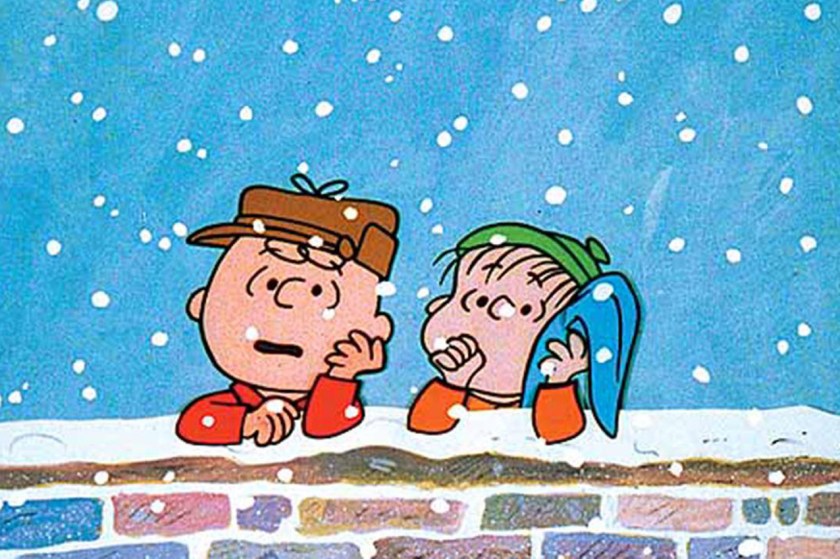 Charlie Brown’s love interest in some of those TV specials, the “Little Red-Haired Girl”, was based on an accountant from that old job at Art Instruction, named Donna Mae Johnson. The couple had an office romance for a time, but she turned him down when Shulz proposed.


 Over fifty years, Schulz drew nearly 18,000 strips, taking vacation only once in 1997 to celebrate his 75th birthday. In all those years, that five-week stretch was the only time the papers ever had Peanuts reruns.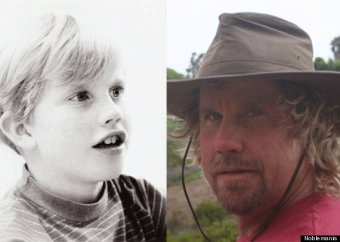


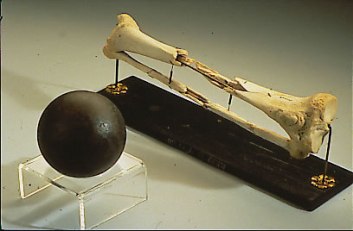

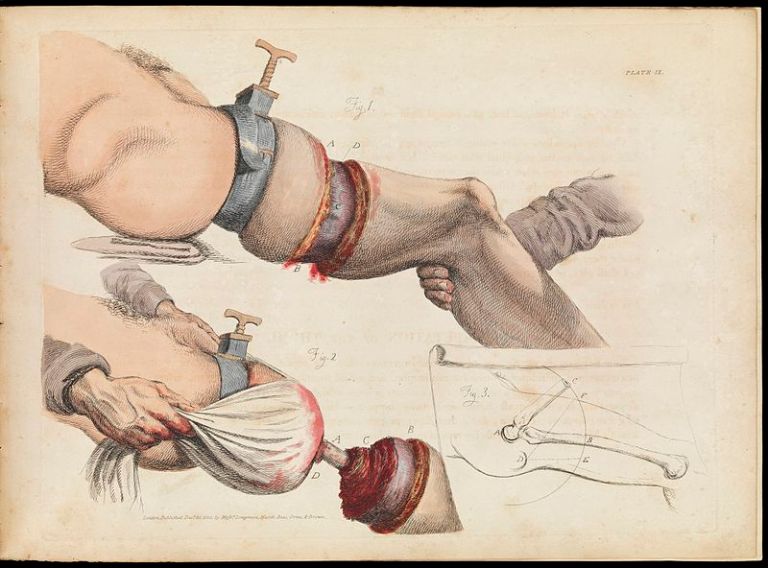
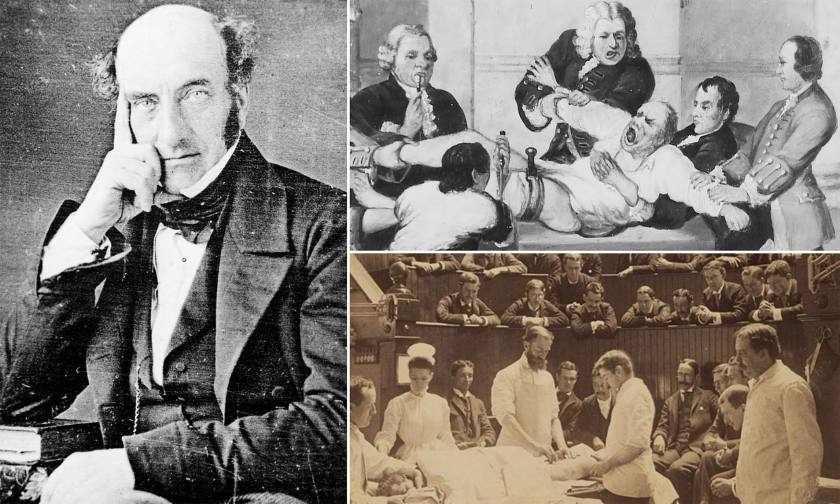 Liston once amputated a leg in 2½ minutes from incision to suture but accidentally severed the poor bastard’s testicles, in the process.



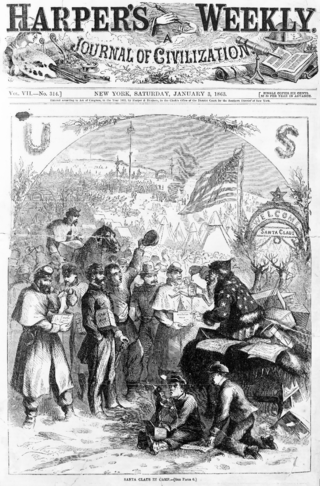
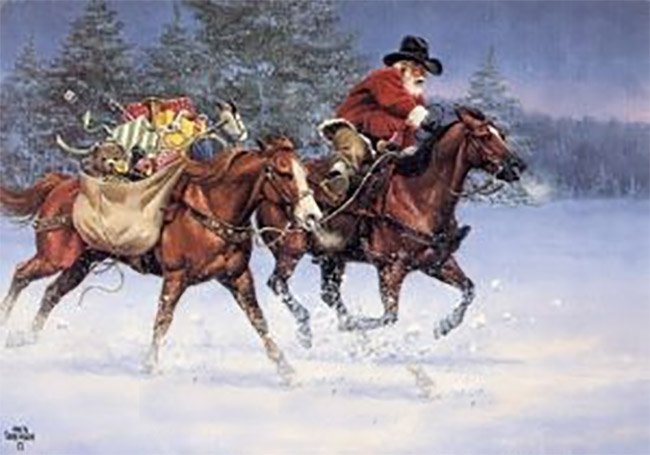
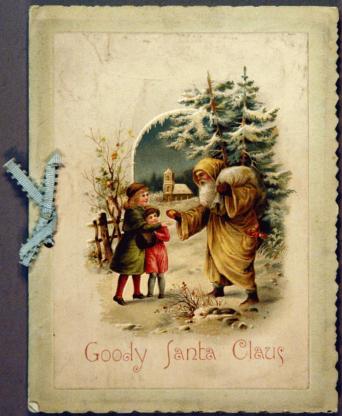
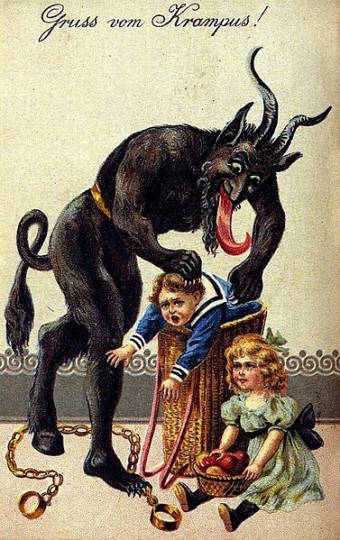 On the European continent, legends of St. Nicholas combined with Pagan traditions and developed in quirky directions, including an evil doppelgänger who accompanies St. Nick on his rounds.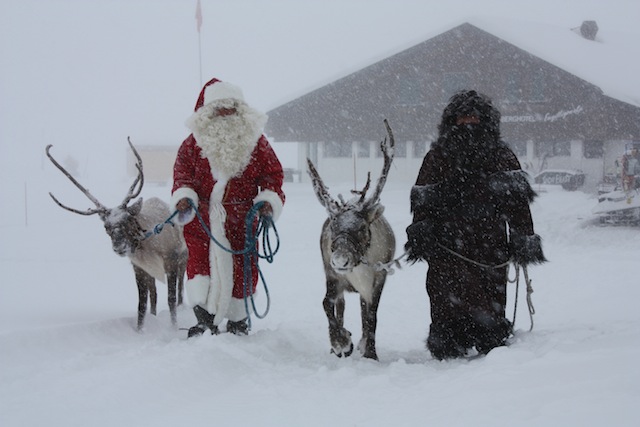

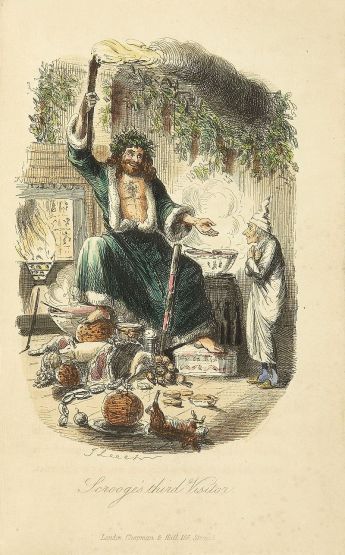

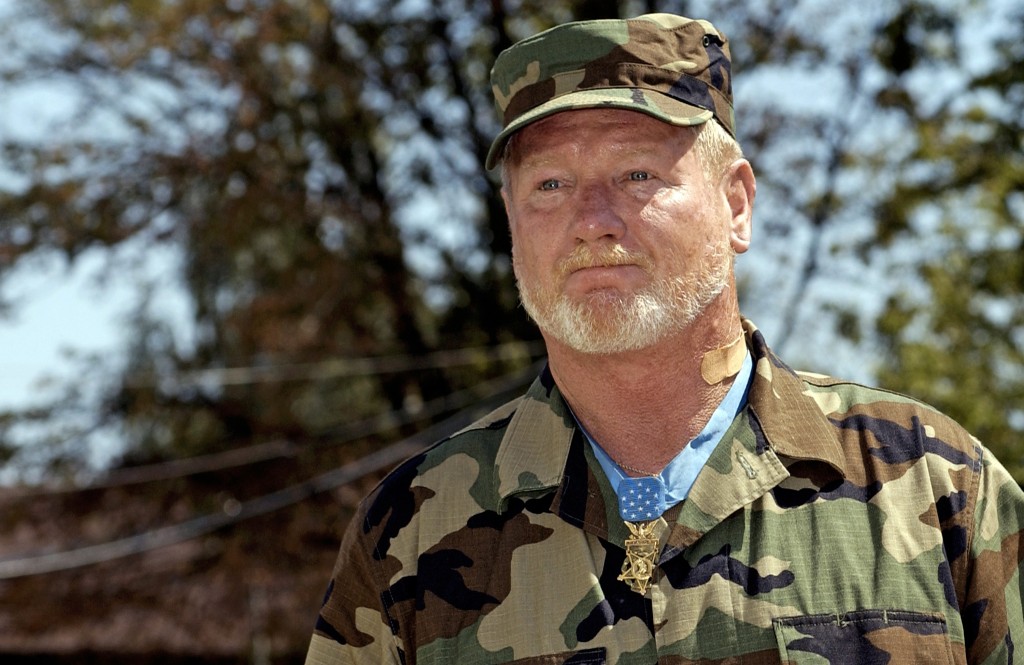

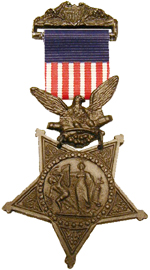 In the early days of the Civil War, General-in-chief of the army Winfield Scott argued against such an award, claiming it to be “too European”.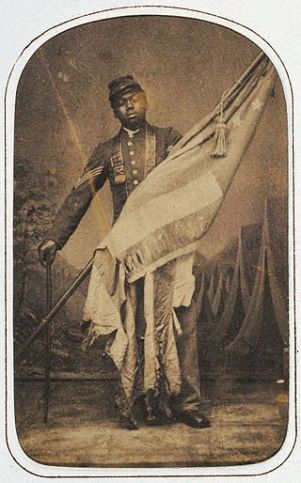
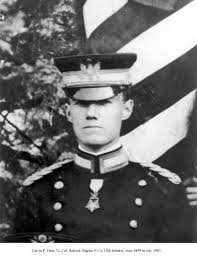
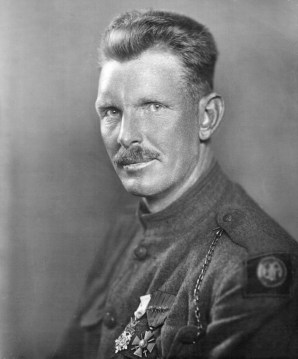 On October 8, 1918, Tennessee native Corporal Alvin Cullum York of the 82nd Division lead a group of seventeen against a numerically superior German force, dug in at Chatel-Chehery, France.
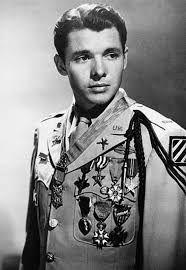 Kingston Texas 2nd Lieutenant
 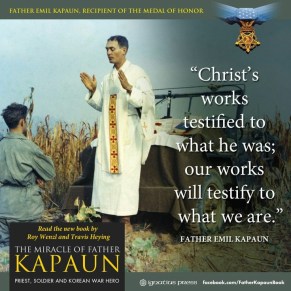 Chaplain Emil Kapaun, the “
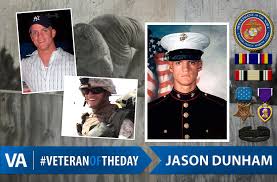 Corporal Jason Lee Dunham of Scio New York deliberately threw himself on an Iraqi grenade on April 14, 2004, saving the lives of fellow Marines at the sacrifice of his own life.
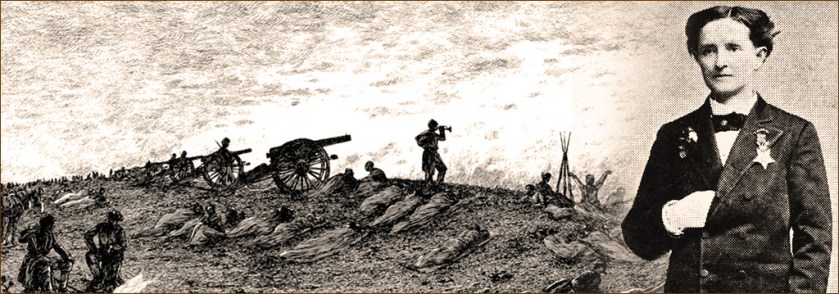 The youngest Medal of Honor recipient was 11-year old drummer boy, Willie Johnston.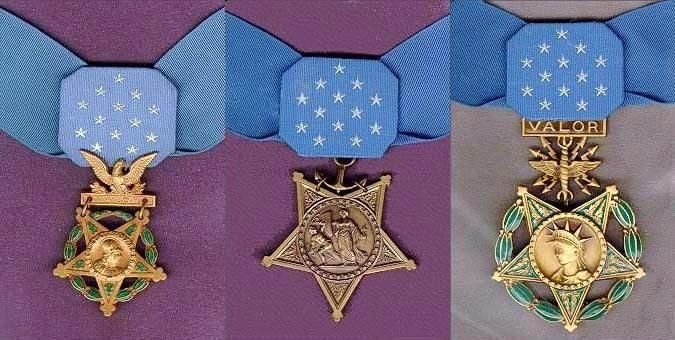


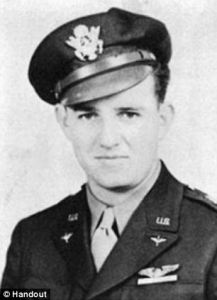
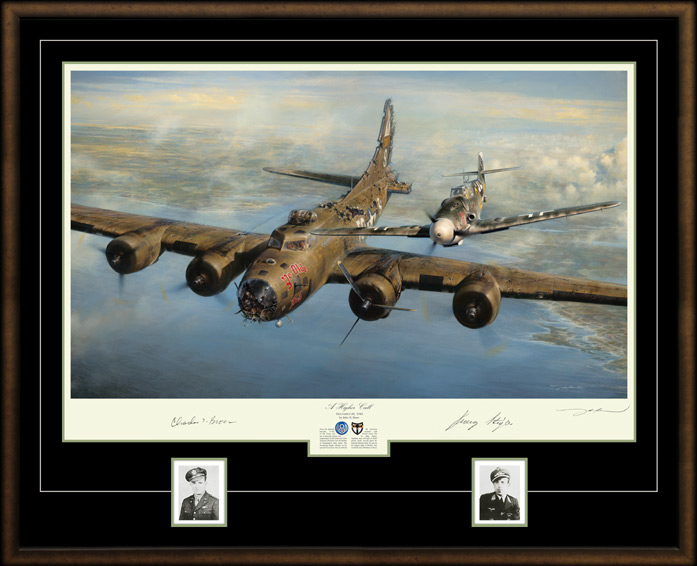
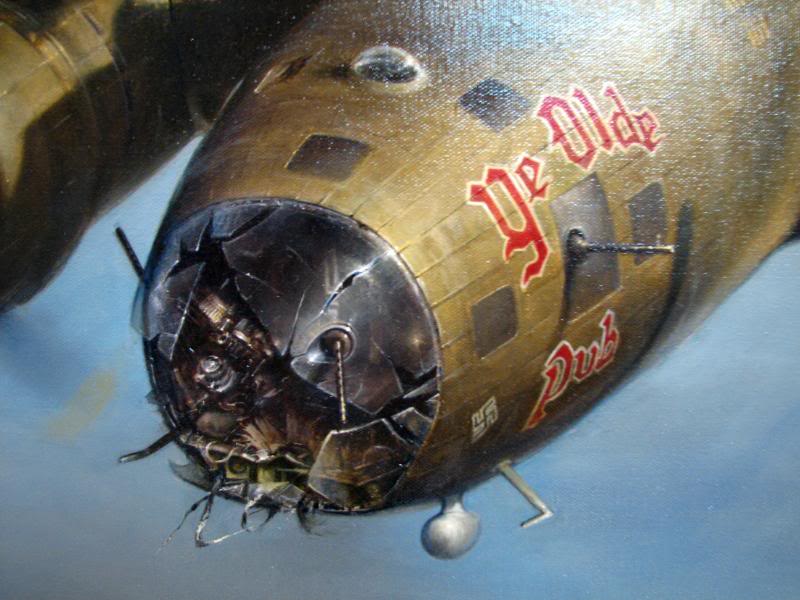 The battered aircraft was completely alone and struggling to maintain altitude. The American pilot was well inside German air space when he looked to his left and saw his worst nightmare. Three feet from his wing tip was the sleek gray shape of a German fighter, the pilot so close that the two men were looking into each other’s eyes. Brown’s co-pilot, Spencer “Pinky” Luke said “My God, this is a nightmare.” “He’s going to destroy us,” was Brown’s reply. This had been his first mission. He was sure it was about to be his last.
 The German had to do something. Nazi leadership would surely shoot him for treason if he was seen this close without completing the kill. One of the American crew was making his way to a gun turret as the German made his decision. Stigler saluted his adversary, motioned with his hand for the stricken B17 to continue, and peeled away.
 Over 40 years later, the German pilot was living in Vancouver, Canada. Brown took out an ad in a fighter pilots’ newsletter, explaining that he was searching for the man ‘who saved my life on December 20, 1943.’ Stigler saw the ad, and the two met for the first time in 1987. “It was like meeting a family member”, Brown said of that first meeting. “Like a brother you haven’t seen for 40 years”.
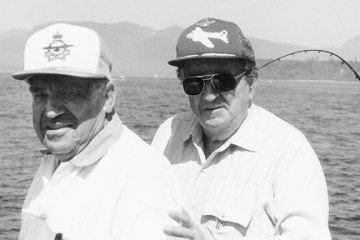 The two former enemies passed the last two decades of their lives as close friends and occasional fishing buddies.


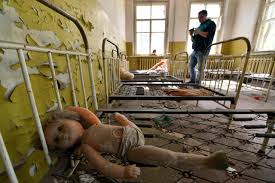 An estimated 4,000 to 93,000 died in the aftermath of the accident, many of whom, were children.
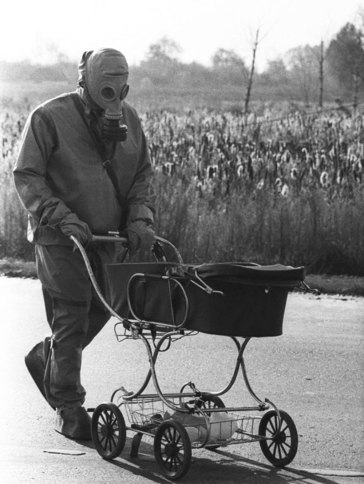 Officials of the top-down Soviet state first downplayed the disaster. Asked by one Ukrainian official, “How are the people?“, acting minister of Internal Affairs Vasyl Durdynets replied there was nothing to be concerned about: “Some are celebrating a wedding, others are gardening, and others are fishing in the Pripyat River.”
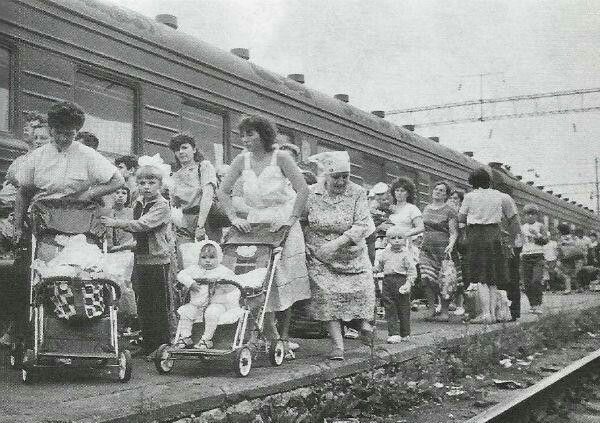 The chaos of these forced evacuations, can scarcely be imagined. Confused adults. Crying children. Howling dogs. Shouting soldiers, barking orders and herding now-homeless civilians onto waiting trains and vehicles by the tens of thousands. Dogs and cats, beloved companion animals and lifelong family members, were abandoned to fend for themselves.
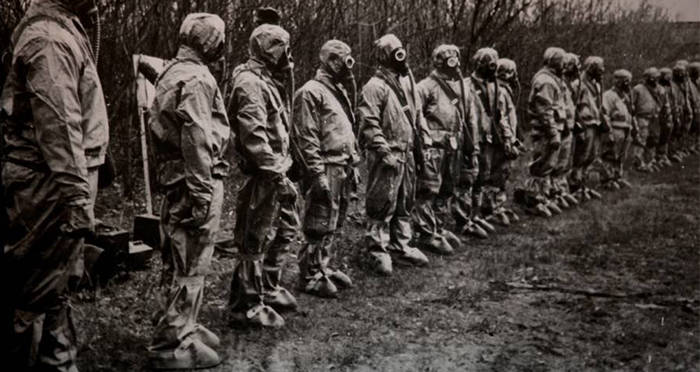 There were countless and heartbreaking scenes of final abandonment, of mewling cats, and whimpering dogs. Belorussian writer Svetlana Alexievich compiled hundreds of interviews into a single monologue, an oral history of the forgotten. The devastating Chernobyl Prayer tells the story of: “dogs howling, trying to get on the buses. Mongrels, Alsatians. The soldiers were pushing them out again, kicking them. They ran after the buses for ages.”
 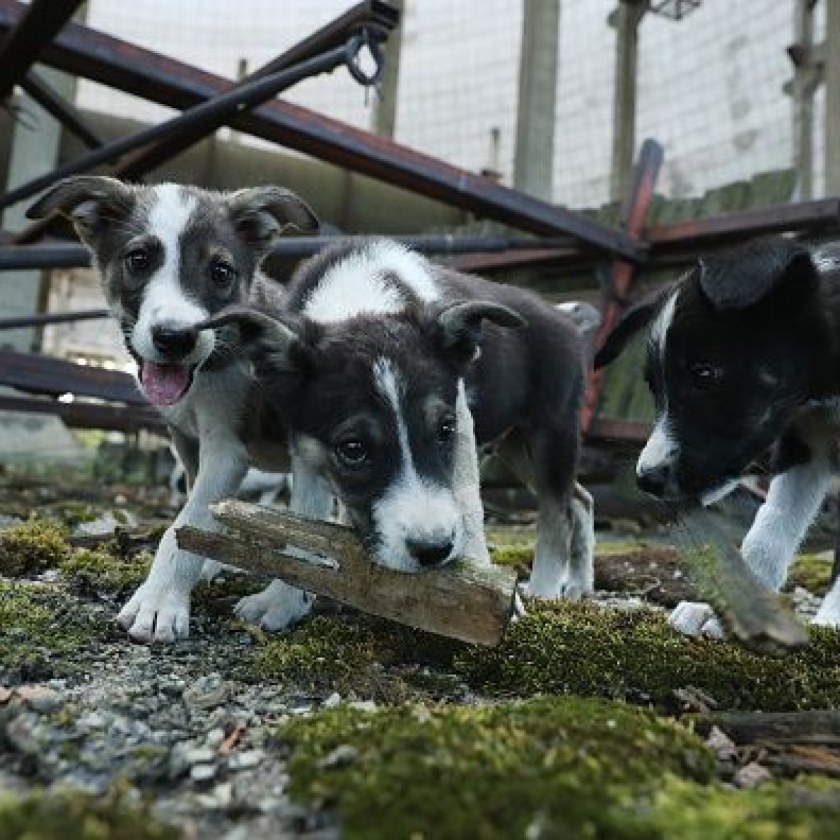 There was no mercy. Squads of soldiers were sent to shoot the animals, left behind. Heartbroken families pinned notes to their doors: “Don’t kill our Zhulka. She’s a good dog.” Most of these abandoned pets, were shot. Some escaped notice, and survived.
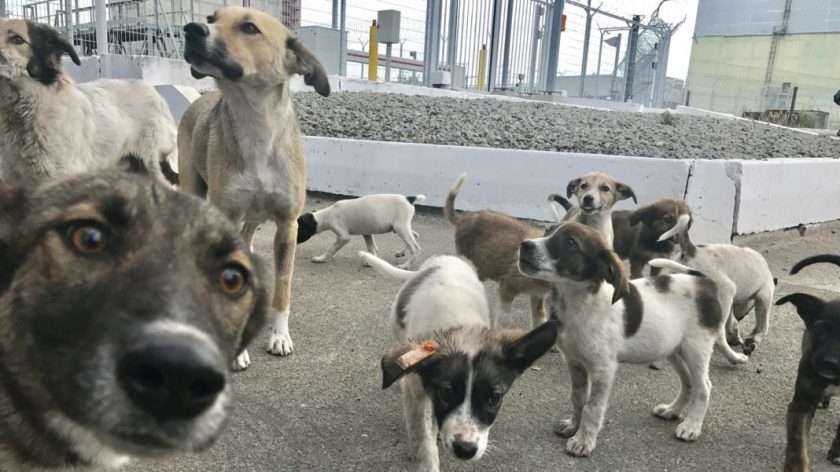 Later on, plant management hired someone, to kill the 1,000 or so dogs still remaining. The story is, the worker refused.
 Today, untold numbers of stray dogs live in the towns of Chernobyl, Pripyat and surrounding villages. Descendants of those left behind, back in 1986. Ill equipped to survive in the wild and driven from forests by wolves and other predators, they forage as best they can among abandoned streets and buildings, of the 1,000-mile exclusion zone. For some, radiation can be found in their fur. Few live beyond the age of six but, all is not bleak.
 Since September 2017, a partnership between the SPCA International and the US-based 501(c)(3) non-profit
  Some have been successfully decontaminated and socialized for human interaction. In 2018, the first batch became available for adoption into homes in Ukraine and North America, some forty puppies and dogs.
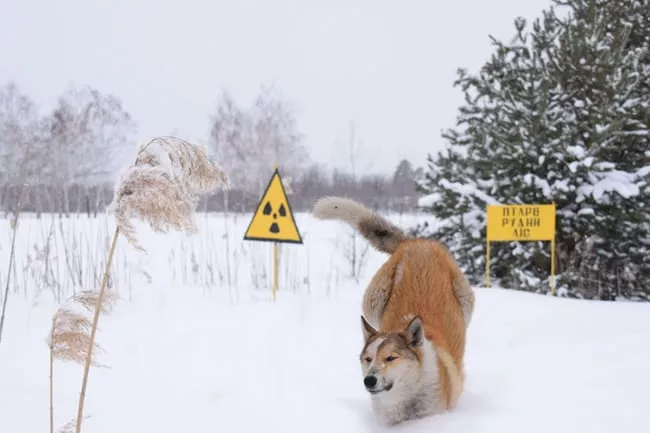 Believe it or not there are visitors to the area. People actually go on tours of the region but they’re strictly warned. No matter how adorable, do not pet, cuddle nor even touch any puppy or dog who has not been through rigorous decontamination.

 Wait…What?

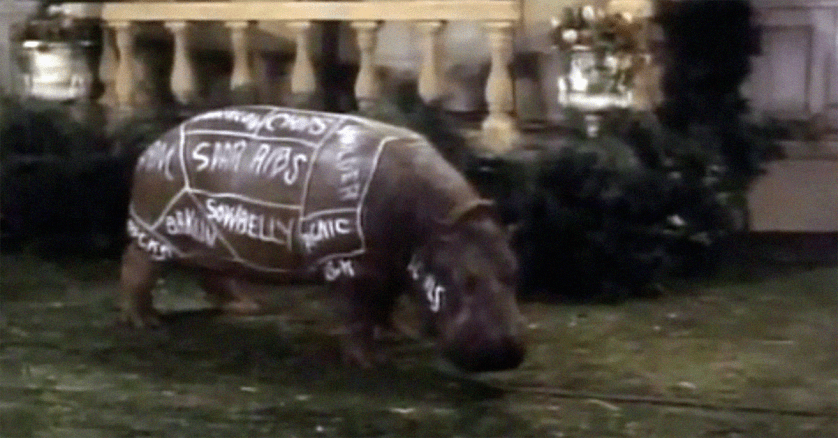
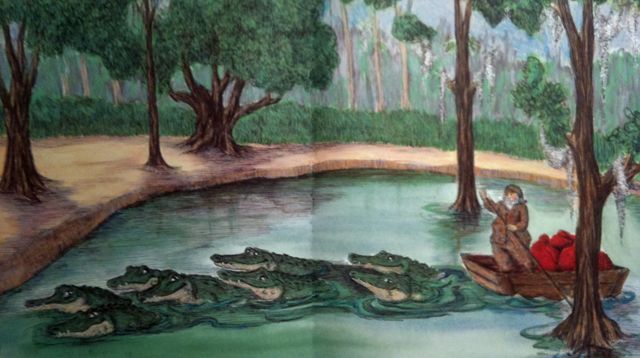
 Be that at it as it may, the animal is a voracious herbivore, spending daylight hours at the bottom of rivers & lakes, happily munching on vegetation.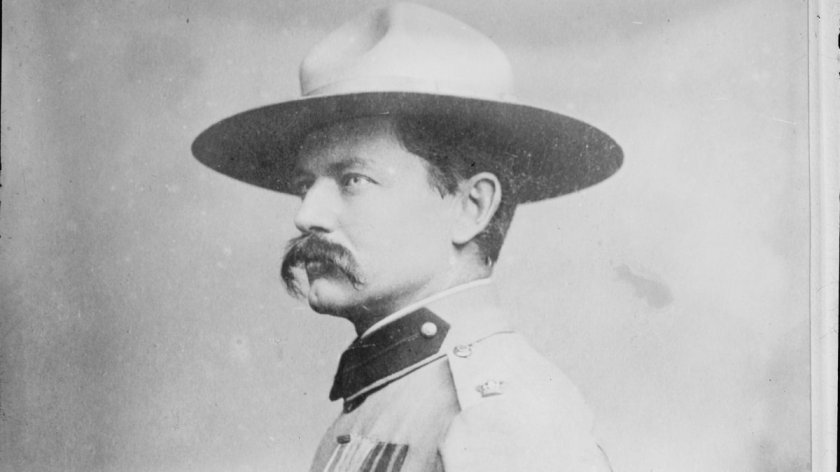
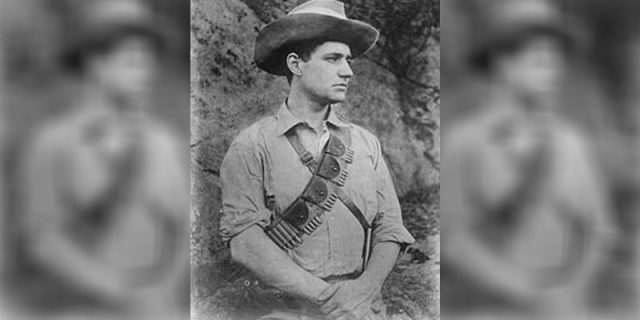
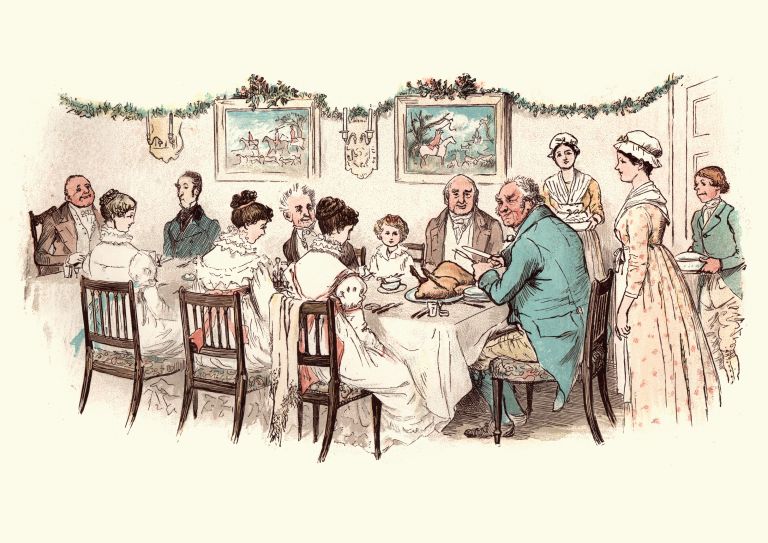
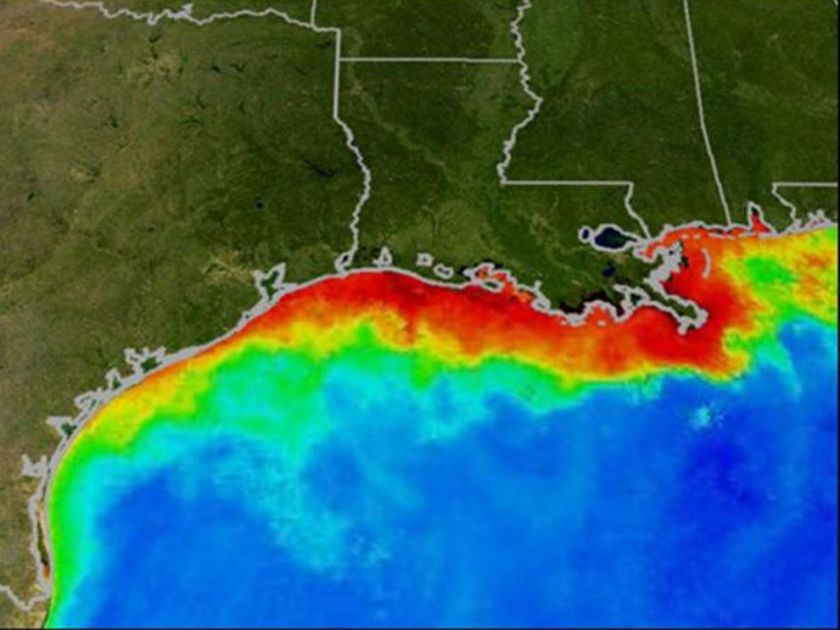 That golden future of Lippincott’s hippo herds roam only in the meadows and bayous of the imagination. Who knows, it may be for the best. I don’t know if any of us could see each other across the table. Not with a roast hippopotamus.


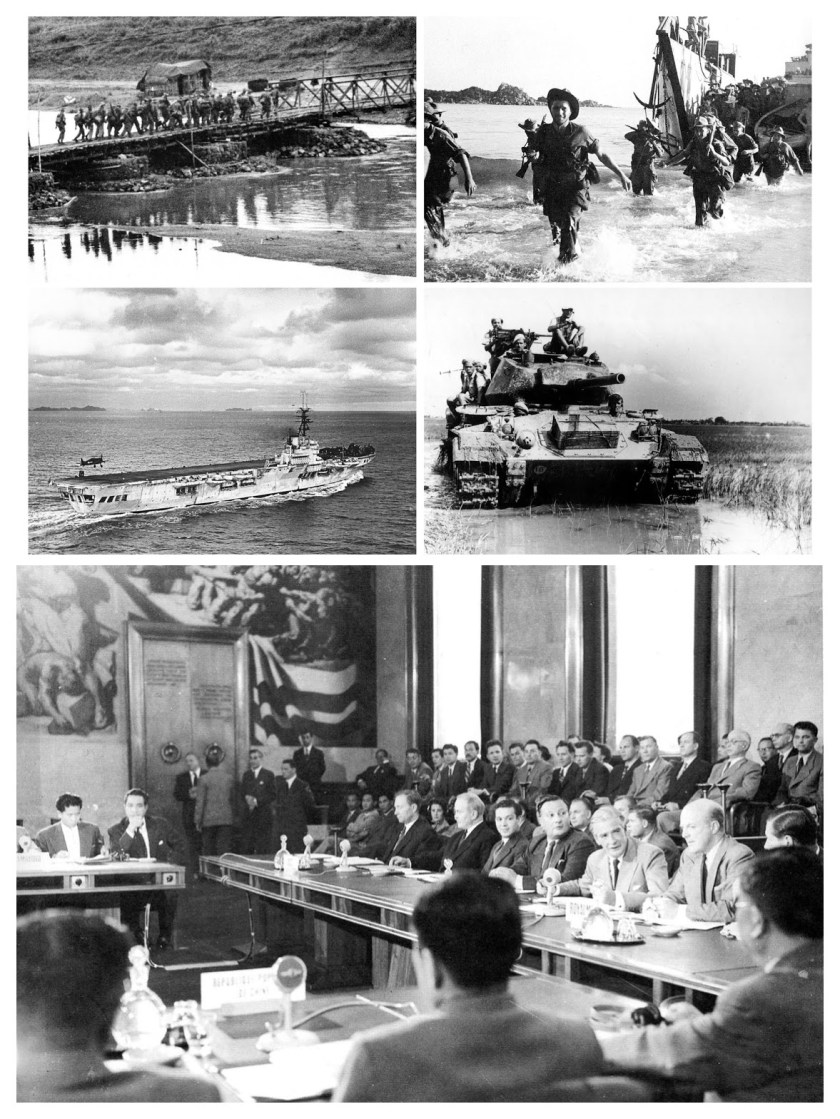 What historians call the First Indochina War, many contemporaries called “la sale guerre”, or “dirty war”. The government forbade the use of metropolitan recruits, fearing that that would make the war more unpopular than it already was. Instead, French professional soldiers and units of the French Foreign Legion were augmented with colonial troops, including Moroccan, Algerian, Tunisian, Laotian, Cambodian, and Vietnamese ethnic minorities.
 The war went poorly for the Colonial power. By 1952 the French were looking for a way out. Premier René Mayer appointed Henri Navarre to take command of French Union Forces in May of that year with a single order. Navarre was to create military conditions which would lead to an “honorable political solution”.
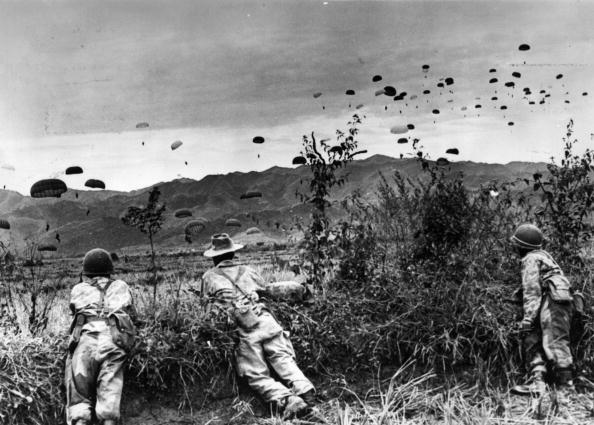
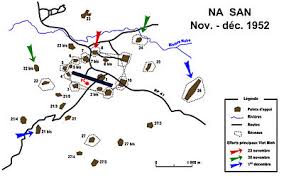
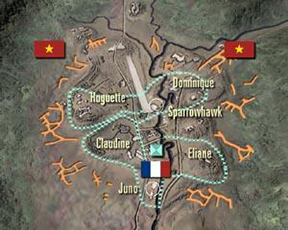 In June, Major General René Cogny proposed a “mooring point” at Dien Bien Phu, creating a lightly defended point from which to launch raids. Navarre wanted to replicate the Na San strategy and ordered that Dien Bien Phu be taken and converted to a heavily fortified base.
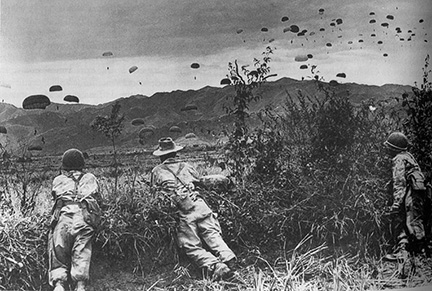 The French staff made their battle plan, based on the assumption that it was impossible for the Viet Minh to place enough artillery on the surrounding high ground, due to the rugged terrain. The communists didn’t possess enough artillery to do serious damage anyway, or so they thought.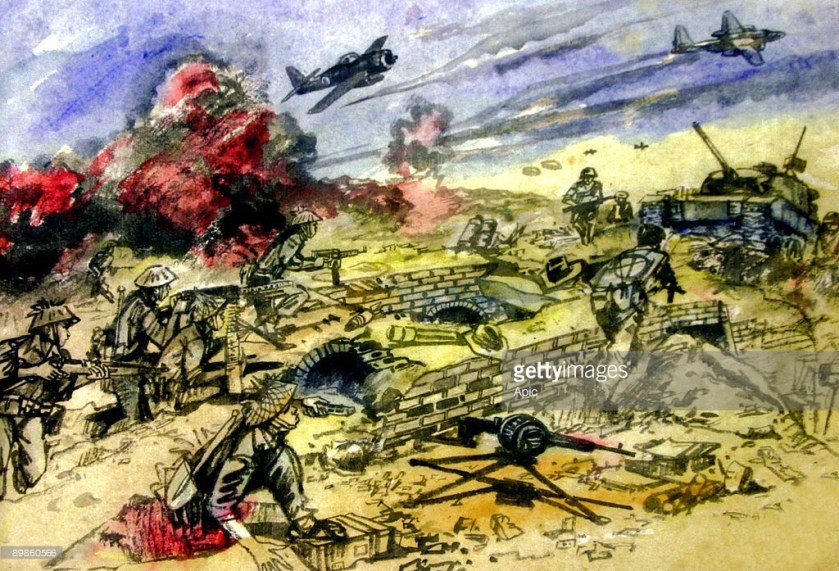


 Historical Easter Eggs - Today in History
You must be logged in to post a comment.