
If you speak of France, most of us think of the five-sided country between Spain and Germany. That would be partly correct but “la Métropole” or “Metropolitan France” today accounts for only 82.2% of the landmass and 95.9% of the population, of la République Française. The overseas departments and territories which make up “la France d’outre-mer”, “Overseas France”, account for the rest.
That overseas percentage would have been higher in the mid-20th century with many former colonial territories added in, among them Laos, Cambodia and Vietnam.
Japanese occupation of southeast Asia caused the Europeans to leave French Indochina during WWII. Within a year of re-occupation, the French faced virulent opposition from the Nationalist-Communist Viet Minh, led by Ho Chi Minh and Vo Nguyen Giap. Theirs was a low level, rural insurgency at first, later becoming a full-scale modern war when Chinese Communists entered the fray in 1949.
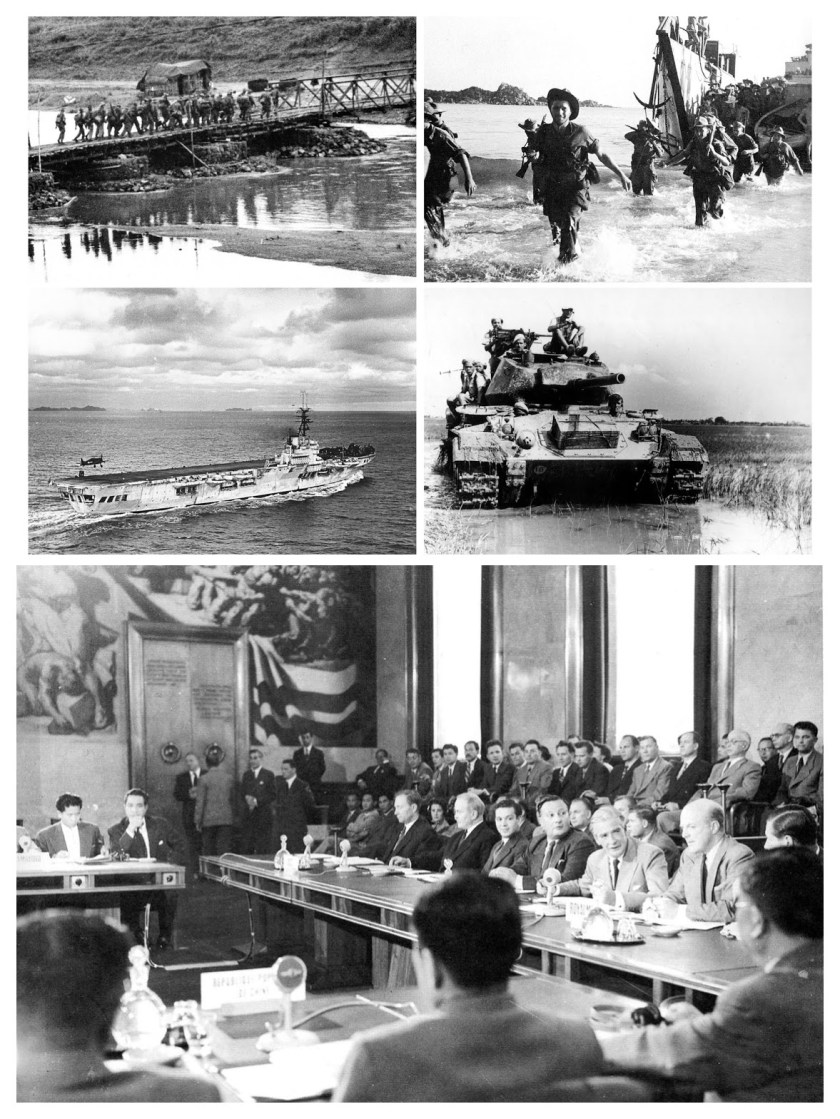 What historians call the First Indochina War, many contemporaries called “la sale guerre”, or “dirty war”. The government forbade the use of metropolitan recruits, fearing that that would make the war more unpopular than it already was. Instead, French professional soldiers and units of the French Foreign Legion were augmented with colonial troops, including Moroccan, Algerian, Tunisian, Laotian, Cambodian, and Vietnamese ethnic minorities.
 The war went poorly for the Colonial power. By 1952 the French were looking for a way out. Premier René Mayer appointed Henri Navarre to take command of French Union Forces in May of that year with a single order. Navarre was to create military conditions which would lead to an “honorable political solution”.
In November and December of the previous year, the French army had air lifted soldiers into a fortified position at Na San, adjacent to a key Viet Minh supply line to Laos. Superior French fire power, armor and air resources had driven Vo Nguyen Giap’s forces back with heavy losses, in what French planners called the “hérisson” or “hedgehog” strategy.
 In June, Major General René Cogny proposed a “mooring point” at Dien Bien Phu, creating a lightly defended point from which to launch raids. Navarre wanted to replicate the Na San strategy and ordered that Dien Bien Phu be taken and converted to a heavily fortified base.
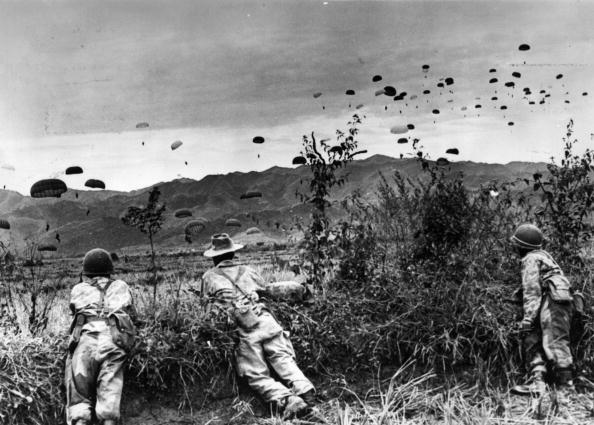
“Operation Castor” began on 20 November with three parachute infantry battalions dropping into Dien Bien Phu. The operation was completed with minimal French casualties on November 30, as air forces continued to land supplies, troops, and engineering equipment into the isolated base.
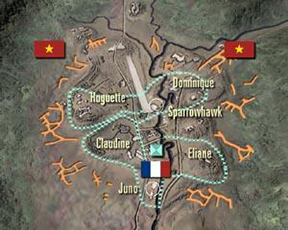
Under the command of Colonel Christian de Castries, French forces built seven fortified positions to defend the base, each allegedly named after one of his mistresses. 10,800 French troops were committed, with another 16,000 in reserve.
Vo felt that he had made a serious mistake at Na San, rushing his troops in piecemeal against French defenses. This time, he carefully prepared his positions, moving 50,000 men into position around the valley, meticulously stockpiling ammunition and placing his anti-aircraft and heavy artillery, with which he was well supplied.
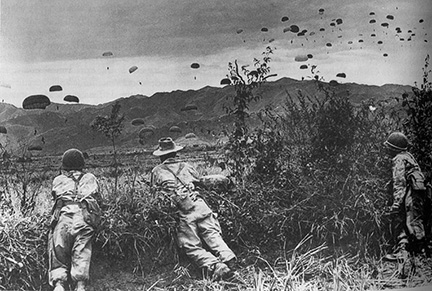 The French staff made their battle plan, based on the assumption that it was impossible for the Viet Minh to place enough artillery on the surrounding high ground, due to the rugged terrain. The communists didn’t possess enough artillery to do serious damage anyway, or so they thought.
French officers quickly learned how mistaken they had been. The first sporadic artillery fire began on January 31, around the time that patrols discovered the enemy’s presence in every direction. Heavy artillery virtually ringed the valley in which they found themselves, and air support was quickly nullified by the enemy’s well placed anti-aircraft fire.
The Viet Minh assault began in earnest on March 13, when several outposts came under furious artillery barrage. Air support became next to impossible, and counter-battery fire was next to useless against Giap’s fortifications.
Lieutenant Colonel Charles Piroth commanded the French artillery at Dien Bien Phu. He was a professional soldier and no lightweight, having had his arm amputated in 1946 with no anesthesia. When it became clear how wrong his assumptions had been, Colonel Piroth circled the camp making apologies to his officers, returned to his tent, and killed himself with a hand grenade.
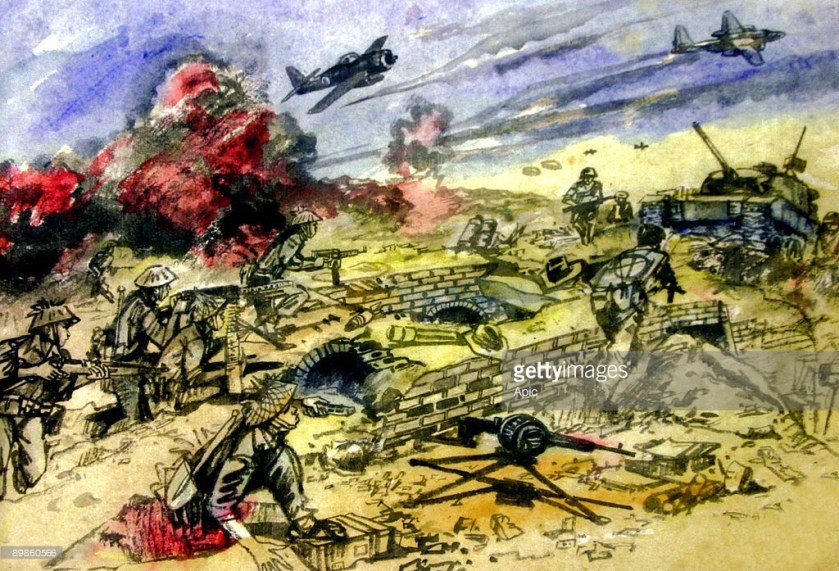
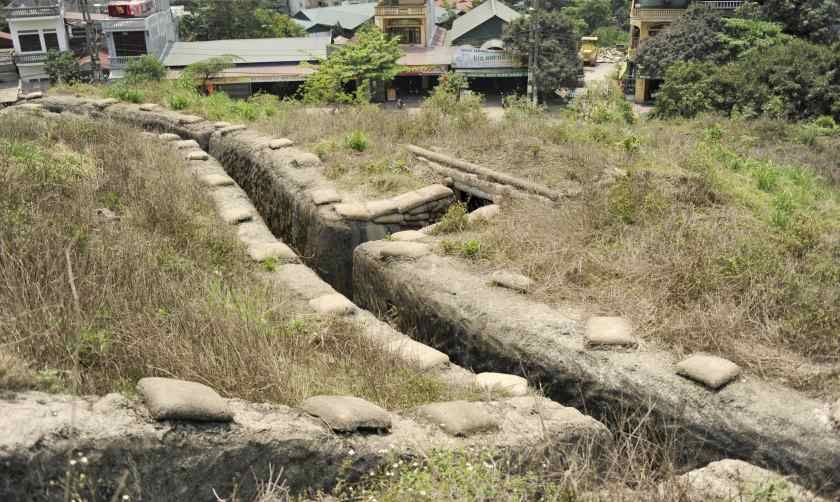
“Beatrice” was the first fire base to fall, then “Gabrielle” and “Anne-Marie”. Viet Minh controlled 90% of the airfield by the 22nd of April, making even parachute drops next to impossible. On May 7, Vo ordered an all-out assault of 25,000 troops against the 3,000 remaining in garrison. By nightfall, it was over. The last words from the last radio man were “The enemy has overrun us. We are blowing up everything. Vive la France!”
Military historian Martin Windrow wrote that Dien Bien Phu was “the first time that a non-European colonial independence movement had evolved through all the stages from guerrilla bands to a conventionally organized and equipped army able to defeat a modern Western occupier in pitched battle”.
The Geneva conference opened the following day, resulting in a Vietnam partitioned into two parts. In the north was the “Democratic Republic of Vietnam” administered by the communists, and the State of Vietnam in the south, under Emperor Bao Dai and Prime Minister Ngo Dinh Diem. The North was supported by both the People’s Republic of China and the Soviet Union, and continued to terrorize patriots in the north and south alike.
US support for South Vietnam increased as the French withdrew. By the late 1950s, the US was sending technical and financial aid in expectation of social and land reform. By 1960, the National Front for the Liberation of South Vietnam (NLF, or “Viet Cong”) had taken to murdering Diem-supported village leaders. President John F. Kennedy responded in 1961, sending 1,364 American advisers into South Vietnam.
The American war in Indochina, had begun.

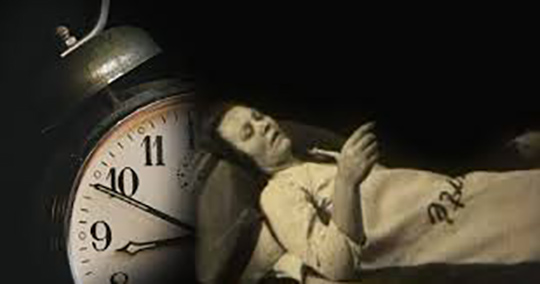
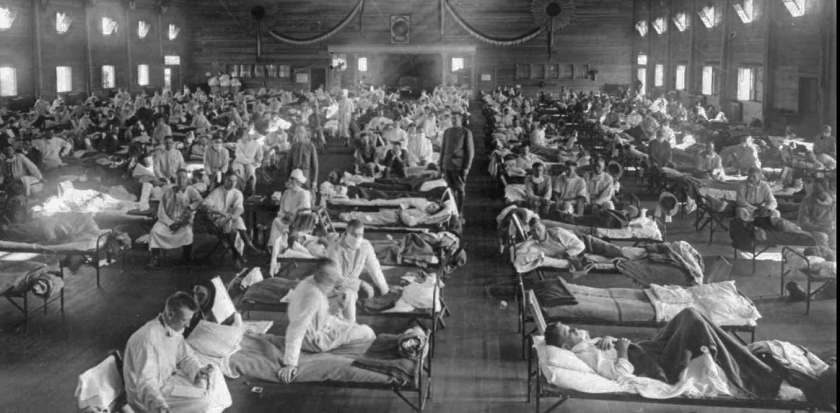 Ordinary flu strains prey most heavily on children, elderly, and those with compromised immune systems. Not this one. This flu would kick off a positive feedback loop between small proteins called cytokines, and white blood cells. This “cytokine storm” resulted in a death rate for 15 to 34-year-olds twenty times higher in 1918, than in previous years.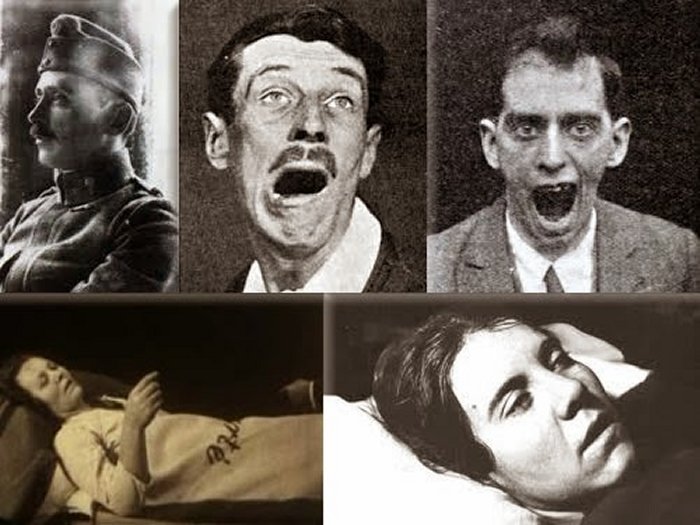
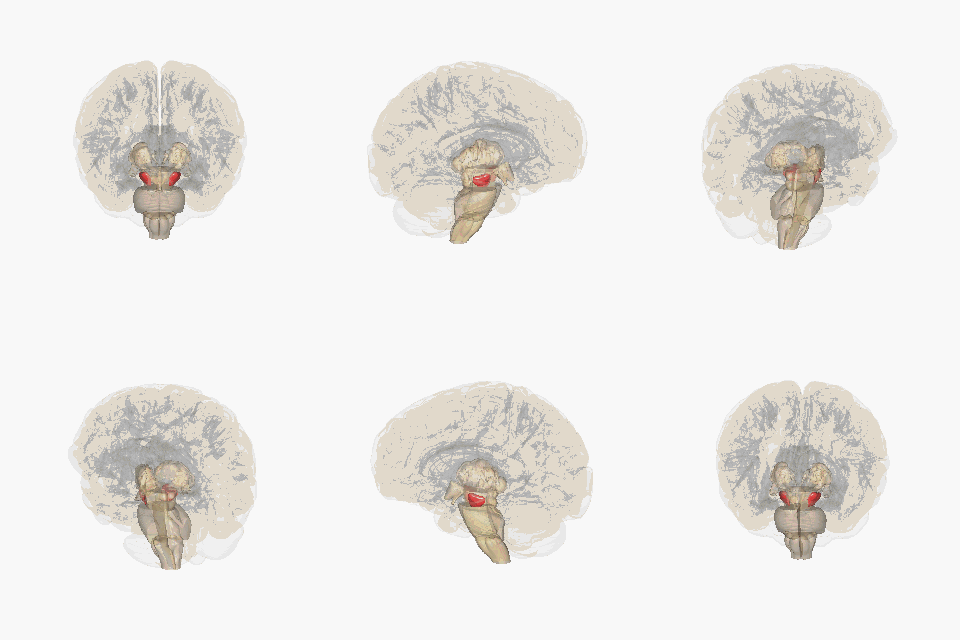
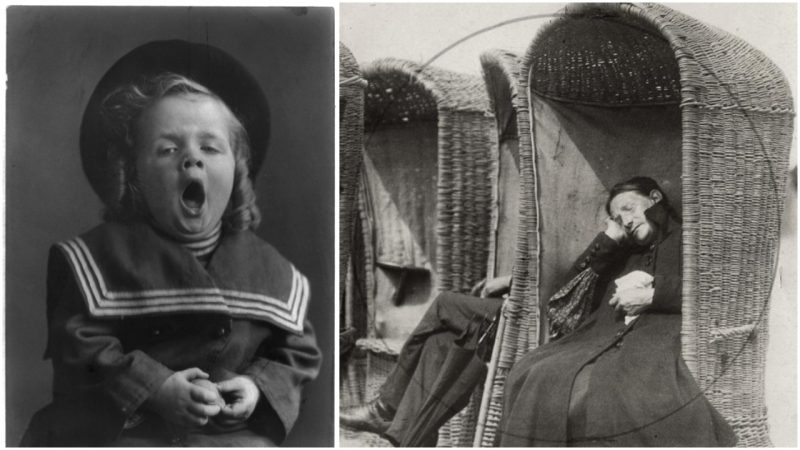 One-third of sufferers died in the acute phase, a higher mortality rate than the Spanish flu of 1918-’19. Many of those who survived never returned to pre-disease states of “aliveness” and lived out the rest of their lives institutionalized, literal prisoners of their own bodies. Living paperweights.
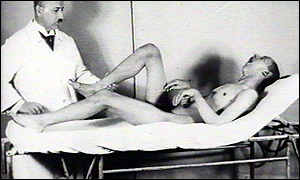 Professor John Sydney Oxford is an English virologist, a leading expert on influenza, the 1918 Spanish Influenza, and HIV/AIDS. Few have done more in the modern era, to understand Encephalitis Lethargica: “I certainly do think that whatever caused it could strike again. And until we know what caused it we won’t be able to prevent it happening again.”

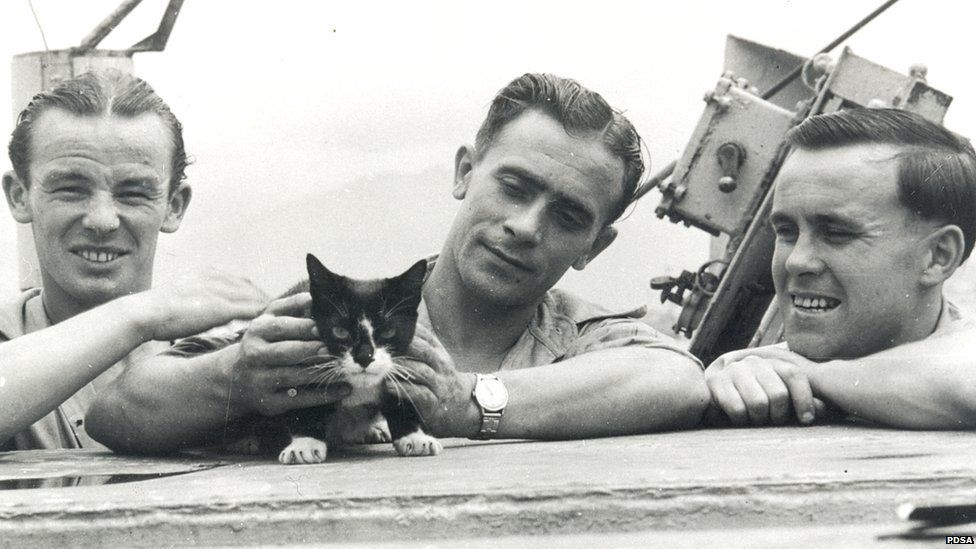
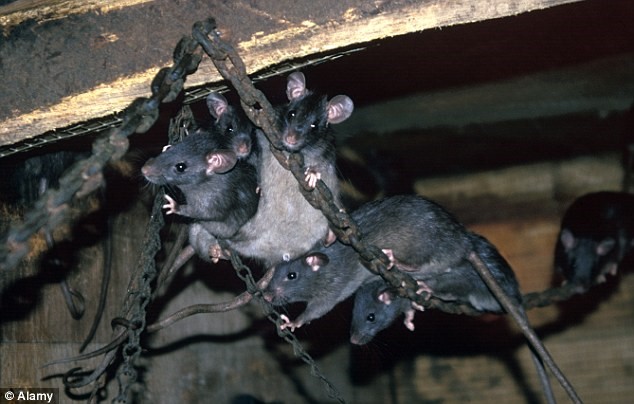
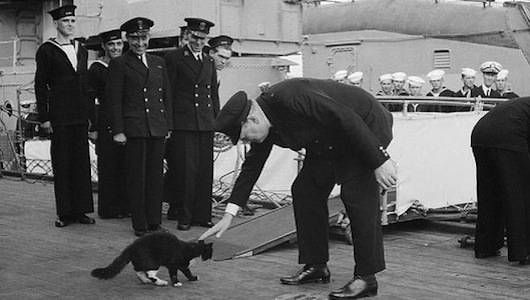
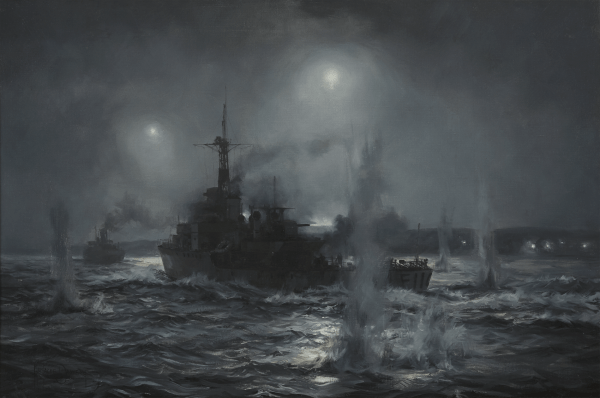
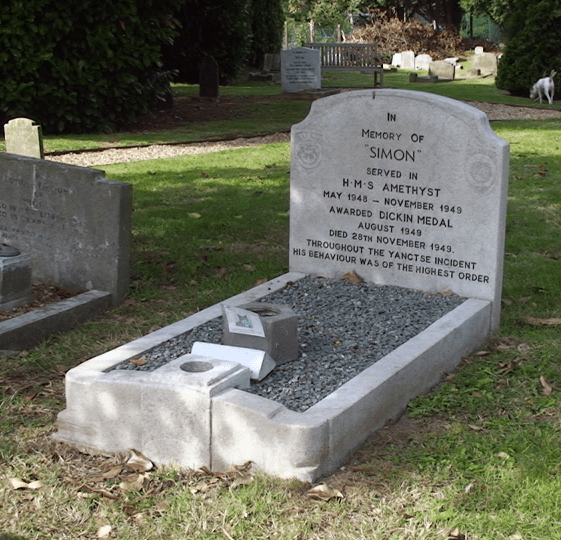
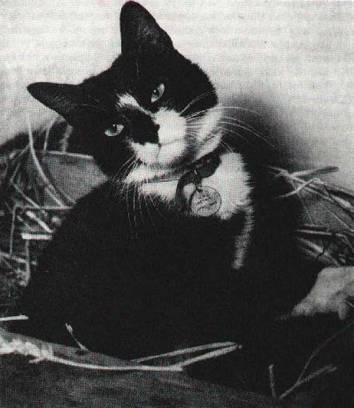 Simon earned the admiration of the Amethyst crew, with his prowess as a rat killer. Seamen learned to check their beds for “presents” of dead rats while Simon himself could usually be found, curled up and sleeping in the Captain’s hat.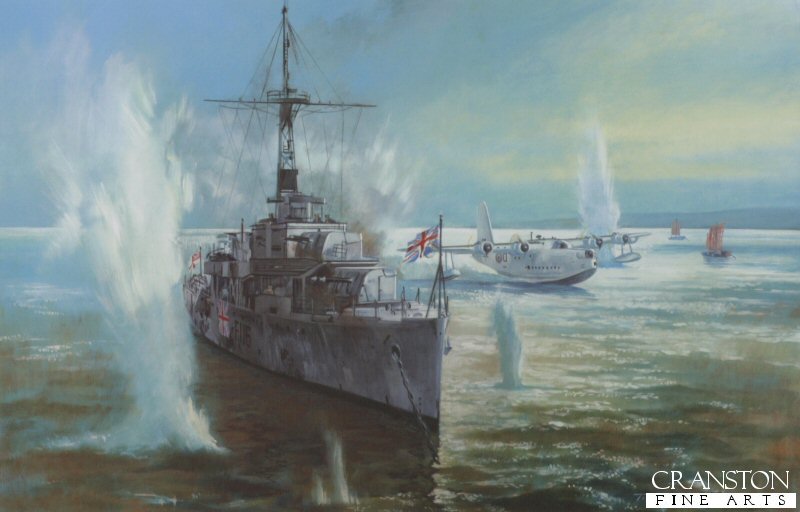
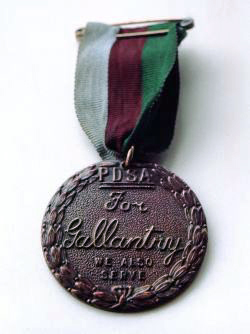 All but unseen amidst the economic devastation of World War 1, the domesticated animals of Great Britain were in desperate straits. Turn-of-the-century social reformer Maria Elizabeth “Mia” Dickin founded the People’s Dispensary for Sick Animals (PDSA) in 1917, working to lighten the dreadful state of animal health in Whitechapel, London. To this day, the PDSA is one of the largest veterinary charities in the United Kingdom, conducting over a million free veterinary consultations, every year.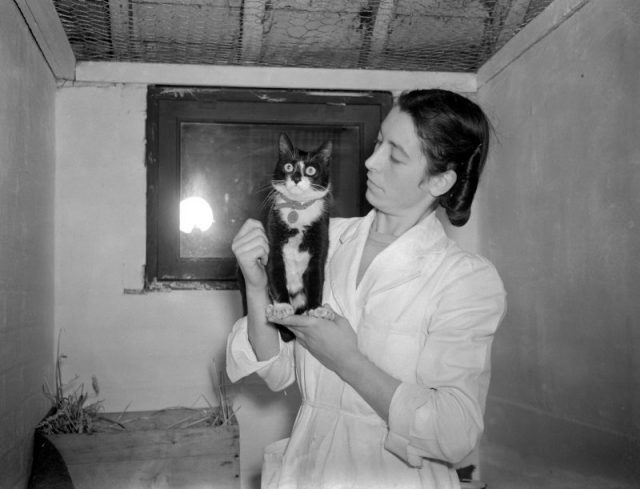


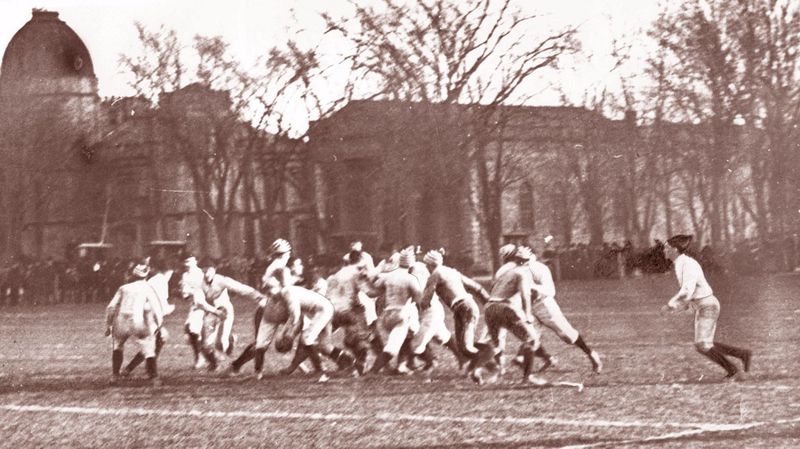
 The two met in Chicago on November 27, 1926 in a National Dedication of Soldier Field, as a monument to American servicemen killed in the War to end all Wars.
 Five-year post-graduation military service commitments preclude the NFL career aspirations of most Army-Navy game veterans, but not all. Notable exceptions include Dallas Cowboys Quarterback Roger Staubach (Navy, 1965), New York Giants Wide Receiver and Return Specialist Phil McConkey (Navy, 1979), and (then) LA Raiders Running back Napoleon McCallum (Navy, 1985).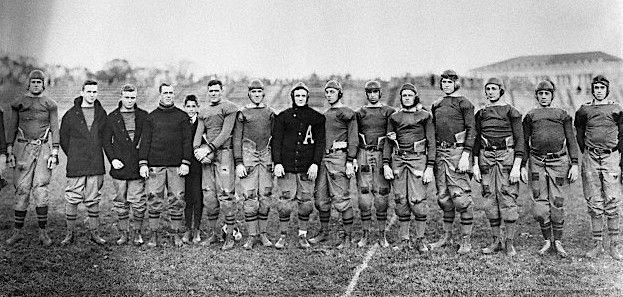
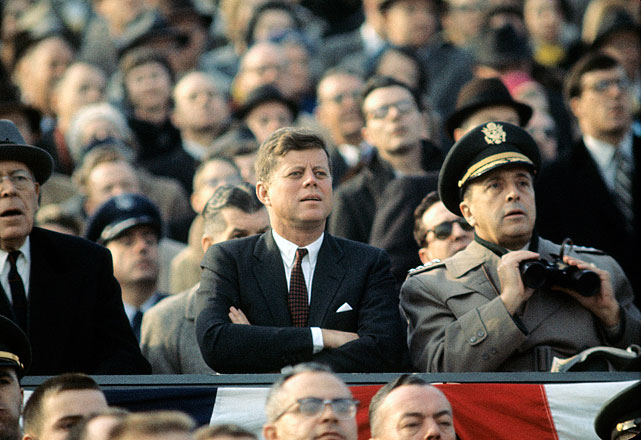

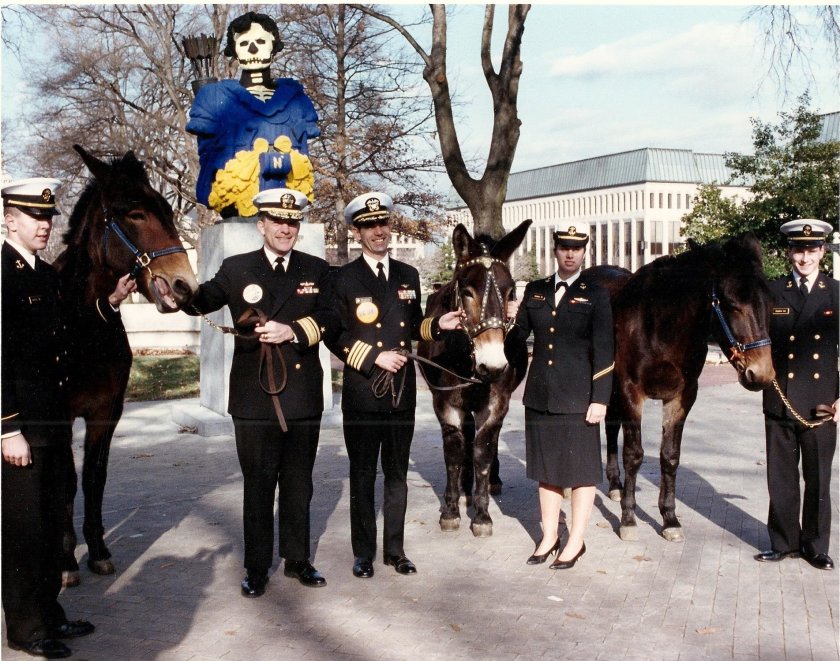
 As the brother, son and grandson of Army veterans going back to the Revolution and beyond, have no doubt who I’ll be rooting for. ‘Beat Navy’.
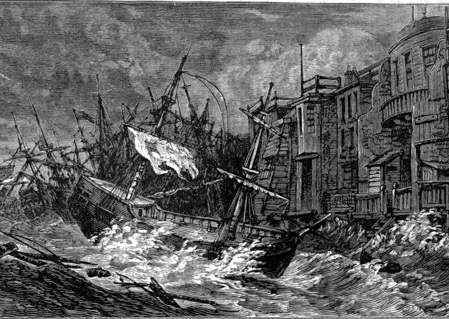
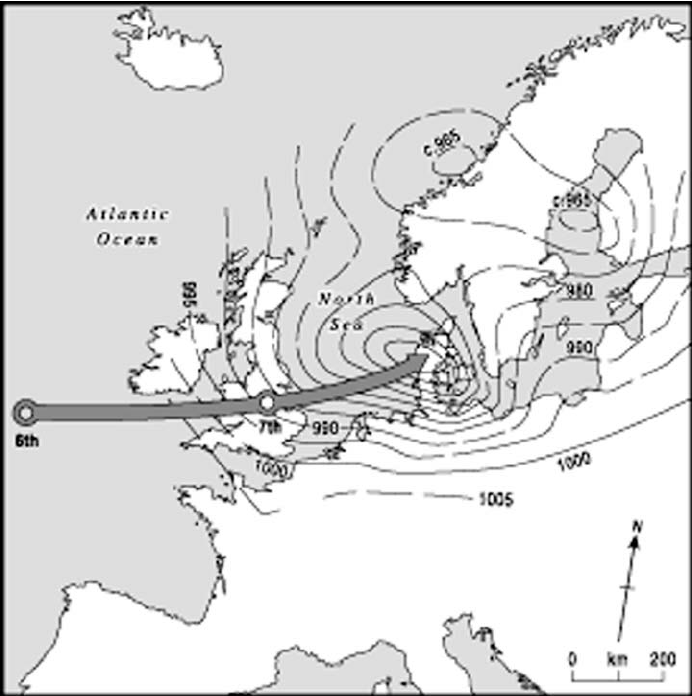
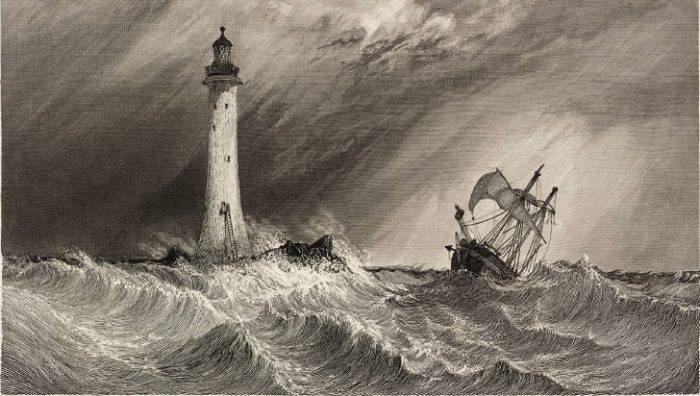
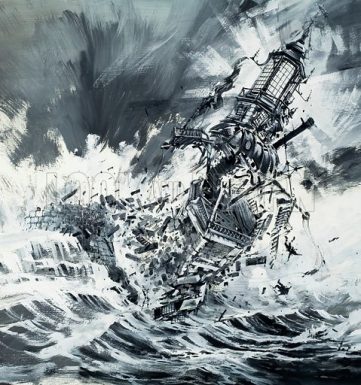 Beginning in early November, a series of gales drove hundreds of ships up the Thames estuary, is search of shelter. The “Perfect Hurricane” of 1703 arrived on November 24 (Old Style) and remained until December 2 with the worst of the storm on November 26-27.
 The most miraculous tale of survival was that of Thomas Atkins, a sailor aboard the HMS Mary. As Mary broke apart, Atkins watched as Rear Admiral Beaumont climbed aboard a piece of her quarter deck, only to be washed away. Atkins himself was lifted high on a wave and deposited on the decks of another ship, the HMS Stirling Castle. He was soon in the water again as Stirling Castle broke up and sank, only to thrown by yet another wave, this time landing in a small boat. Atkins alone survived the maelstrom, of the 269 men aboard HMS Mary.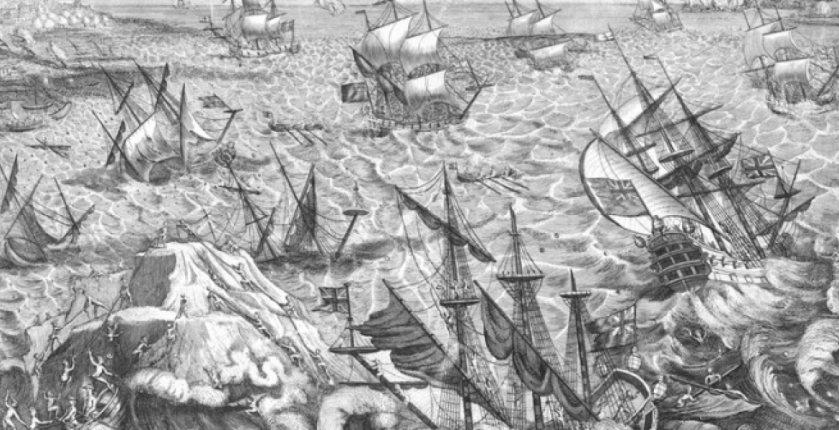



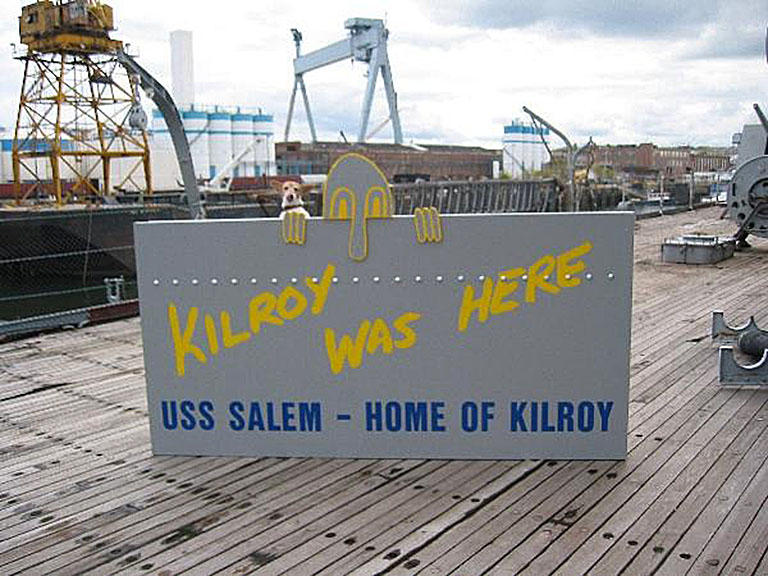
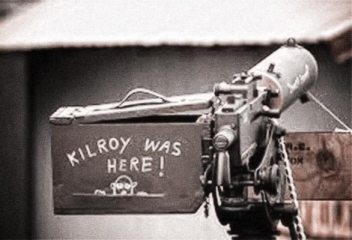 Necessity became the mother of invention, and the needs of war led to prodigious increases in speed. No sooner was USS Massachusetts launched, than the keel of USS Vincennes, began to be laid. By the end of the war, Fore River had completed ninety-two vessels of eleven different classes.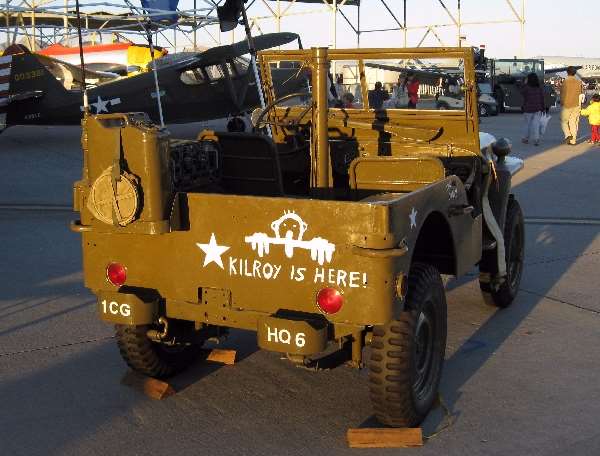


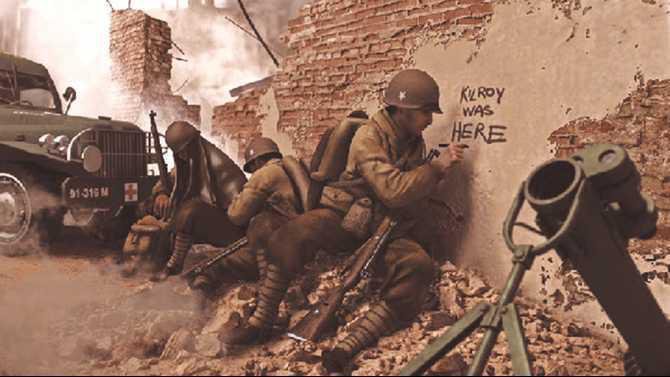
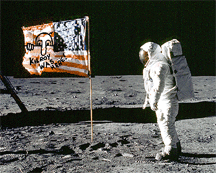 German Intelligence believed Kilroy to be some kind of “super spook”, able to go anywhere he pleased and to leave, without a trace.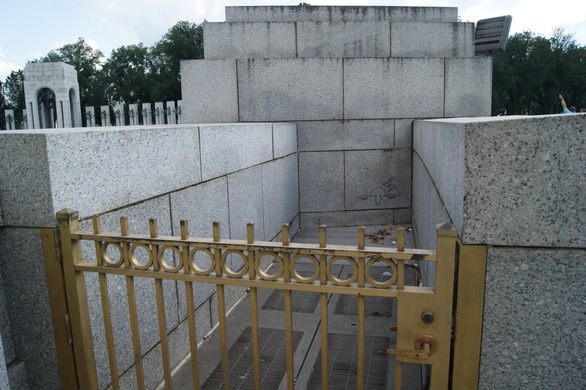
 The cartoon appeared in every theater of the war, but few knew the mythical Kilroy’s true identity.
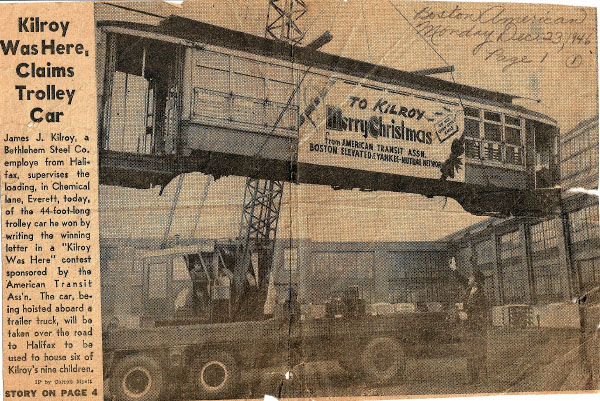 James Kilroy went on to serve as Boston City Councillor and member of the Massachusetts House of Representatives, from Halifax. Surely there is a doodle, somewhere in the “Great & General Court” up there in Boston, to inform the passer-by. Kilroy was here.
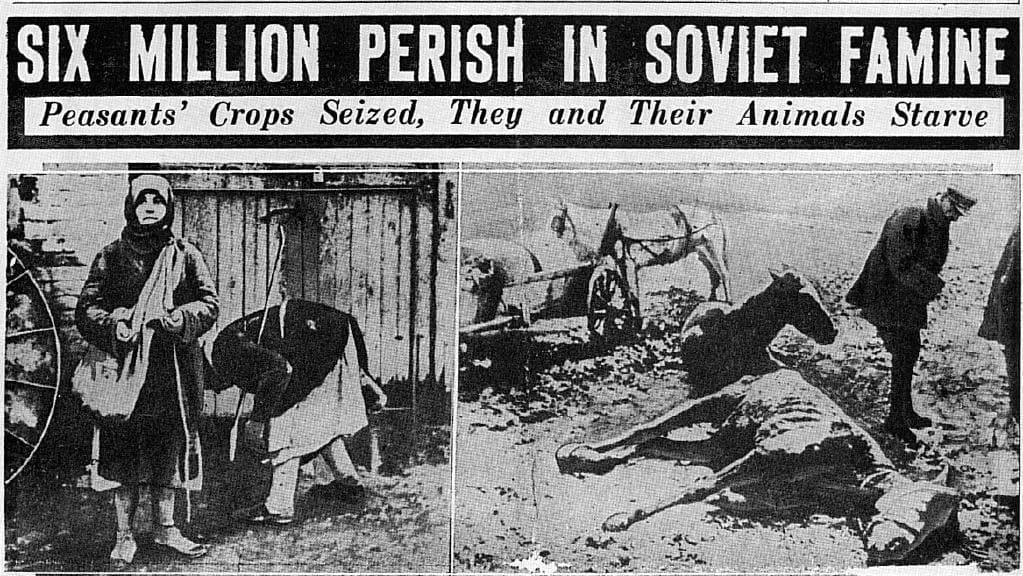
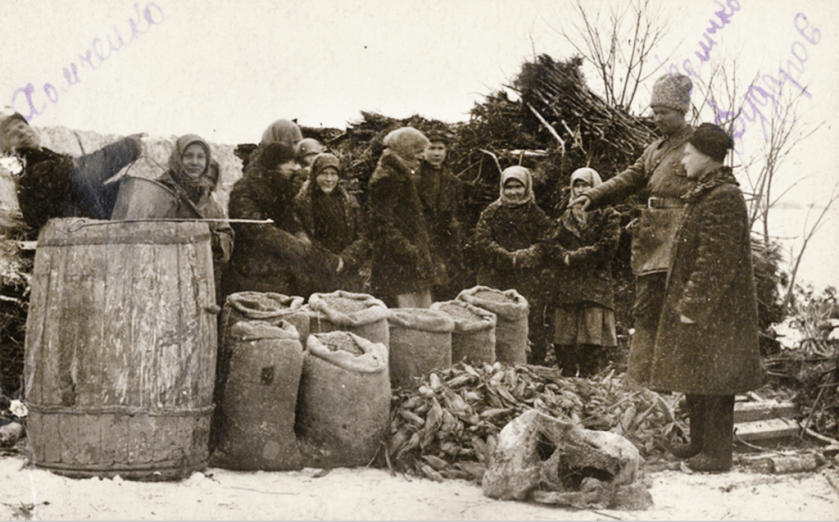 Armed dekulakization brigades confiscated land, livestock and other property by force, evicting entire families. Nearly half a million individuals were dragged from their homes in 1930-’31 alone, packed into freight trains and shipped off to remote areas like Siberia and often left without food or shelter. Many of them, especially children, died in transit or soon after arrival.
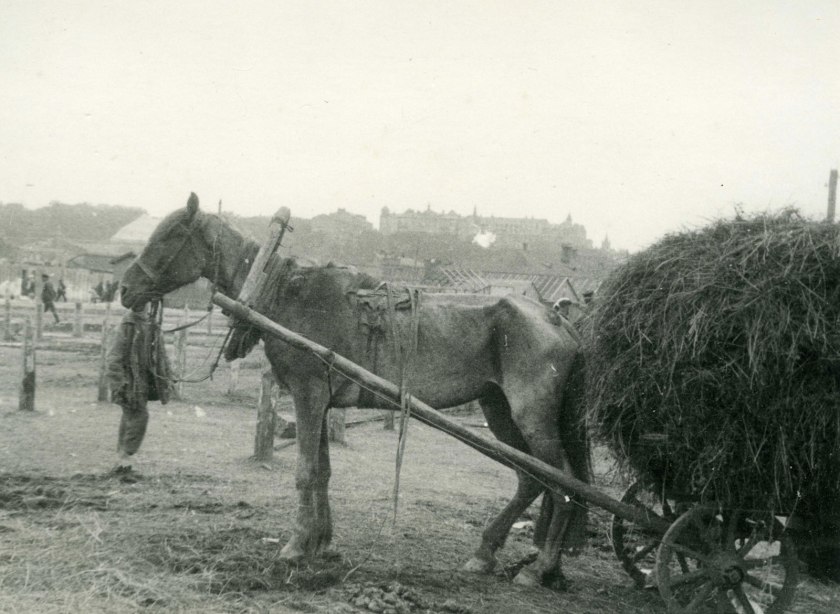
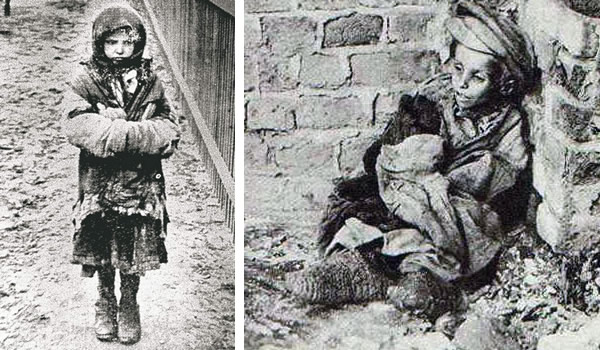 Military blockades were erected around villages preventing the transportation of food, while brigades of young activists from other regions were brought in to sweep through villages and confiscate hidden grain.
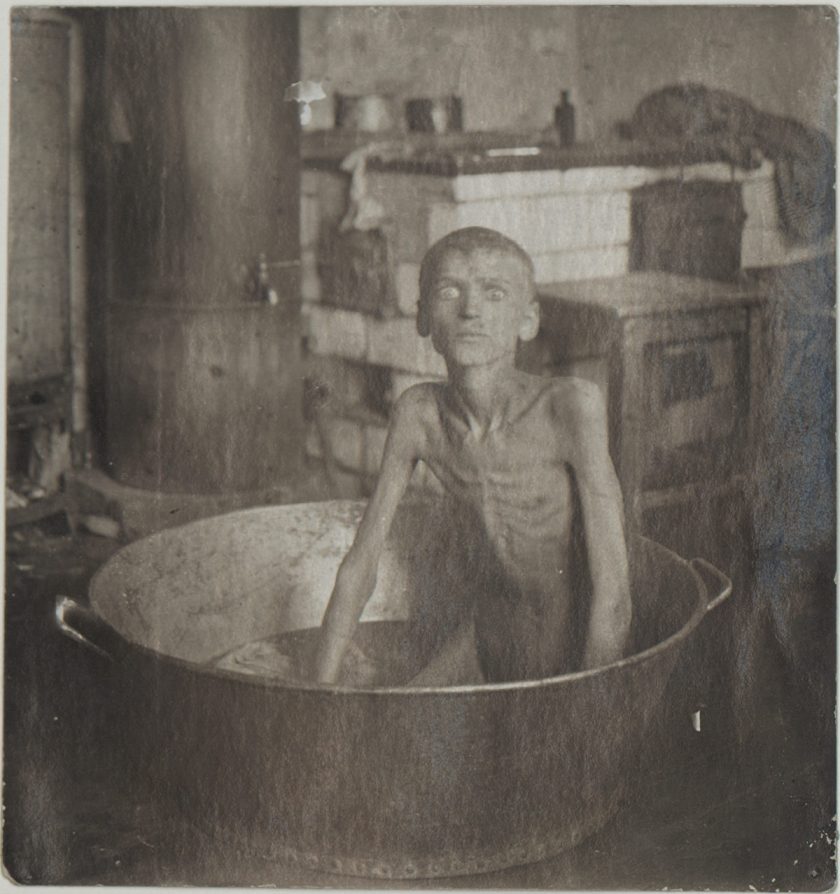 At the height of the famine, Ukrainians starved to death at a rate of 22,000 per day, almost a third of those, children 10 and under. How many died in total, is anyone’s guess. Estimates range from two million Ukrainian citizens murdered by their own government, to well over ten million.
 2,500 people were arrested and convicted during this time, for eating the flesh of their neighbors. The problem was so widespread that the Soviet government put up signs reminding survivors: “To eat your own children is a barbarian act.”
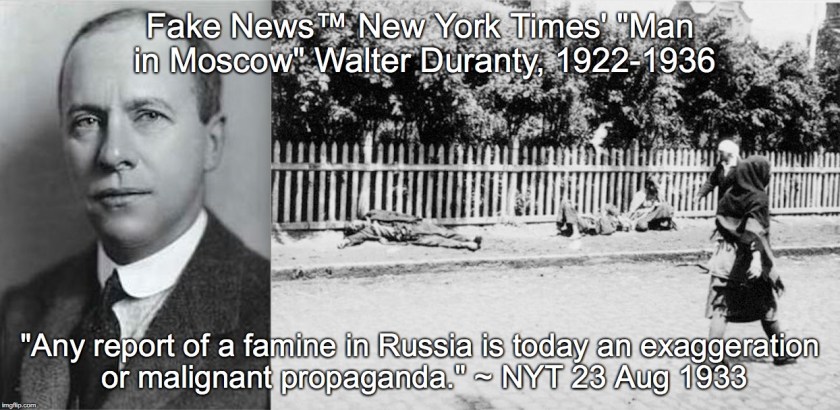 To this day, the New York Times has failed to repudiate Walter Duranty’s Pulitzer.
 To do so at all was an act of courage. single Jewish woman who’d lost part of a leg in a childhood streetcar accident, traveling to a place where the Russian empire and its successor state had a long and wretched history. Particularly when it came to the treatment of its own Jews.
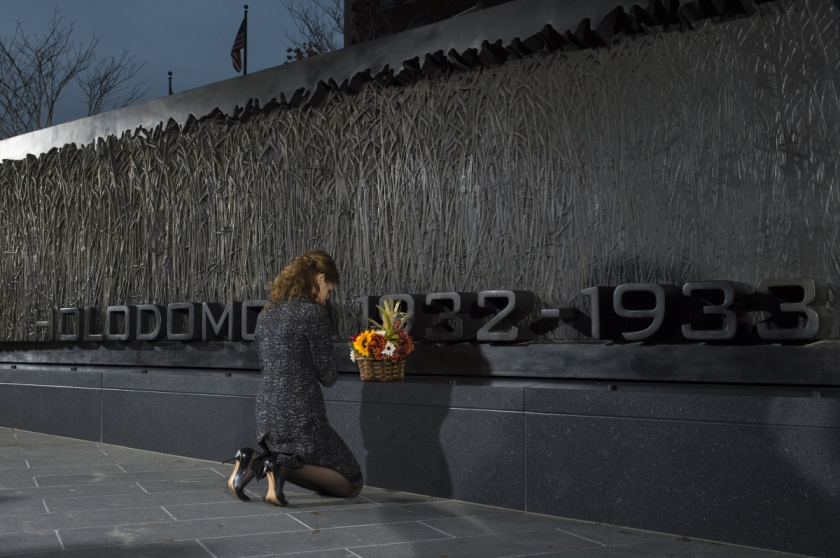 The Holodomor Memorial to Victims of the Ukrainian Famine-Genocide of 1932–1933 was opened in Washington, D.C. on November 7, 2015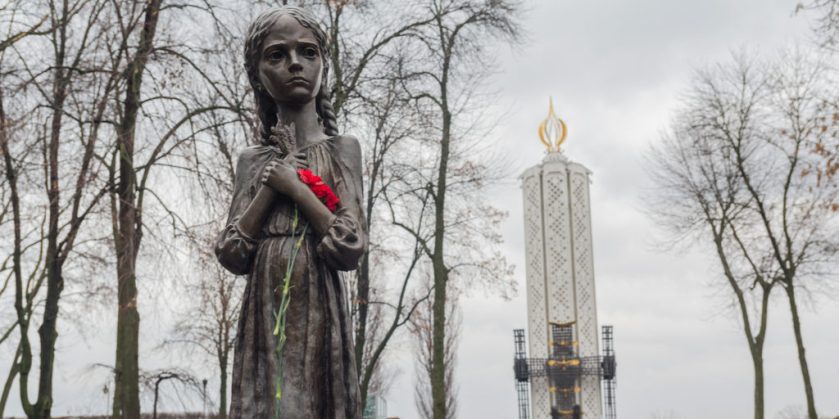


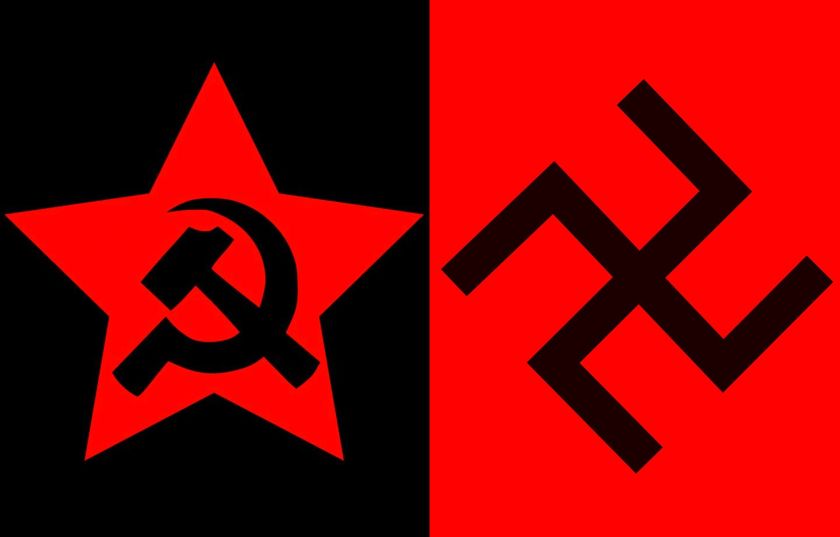 Taken individually, either power possessed the potential to destroy the world order. The mind can only ponder the great good fortune of we who would be free, that these malign governments turned to destroying each other.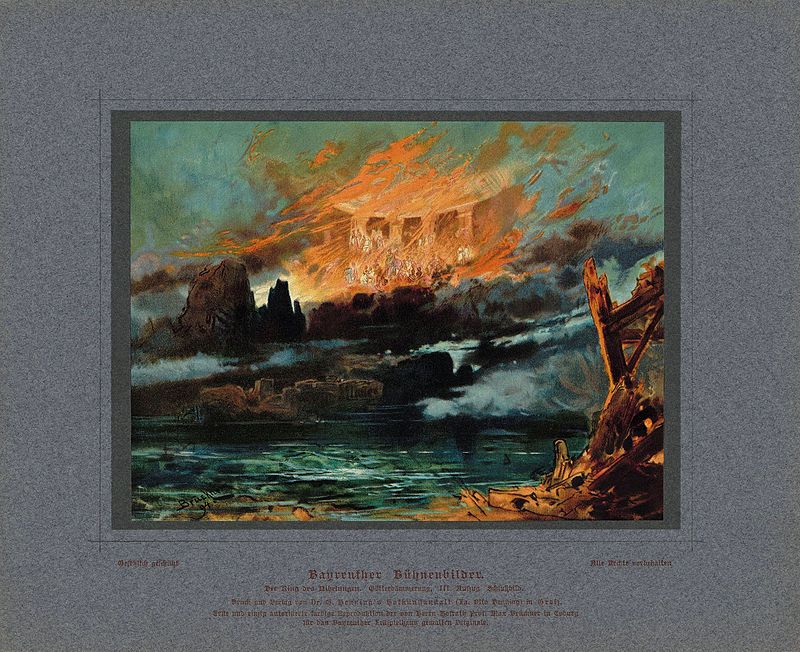
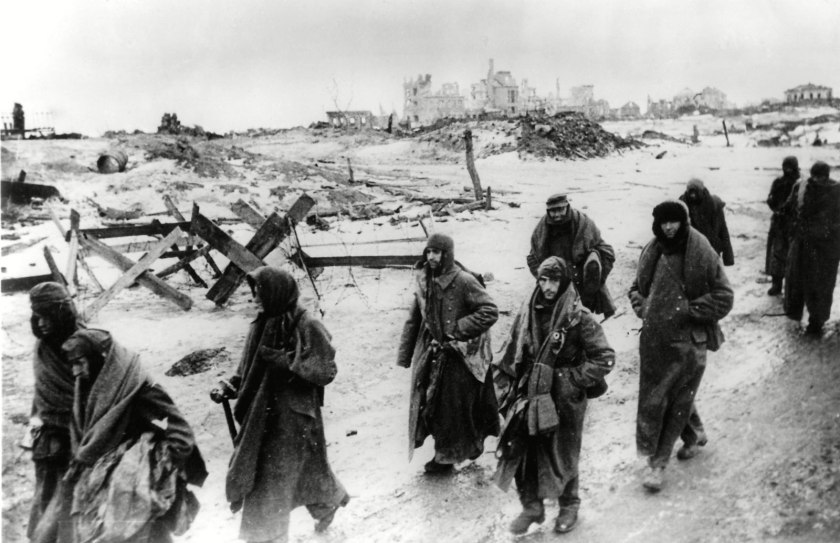

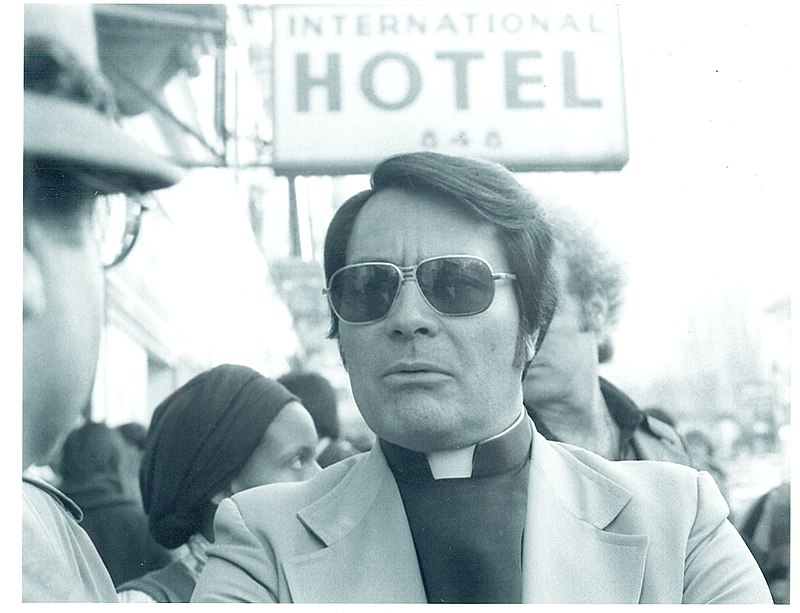
 It was depression-era rural Indiana, in the age of racial segregation. Father and son often clashed over issues of race. The two didn’t talk to each other for years one time, after the time the elder Jones refused to let one of his son’s black friends, into the house.
 “Reverend” Jim Jones got his start as a student pastor at the Sommerset Southside Methodist Church but soon left, over issues of segregation. He was a Social Justice Warrior in the age of Jim Crow.
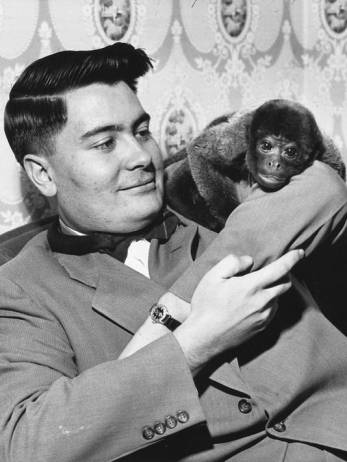 The New York Times reported in 1953, “declaring that he was outraged at what he perceived as racial discrimination in his white congregation, Mr. Jones established his own church and pointedly opened it to all ethnic groups. To raise money, he imported monkeys and sold them door to door as pets.”
 An apocalyptic streak began to show, as Jones preached of nuclear annihilation. He traveled to Brazil for a time, in search of a safe place for the coming holocaust. He even gave it a date: July 15, 1967. On returning from Brazil, the “Father” spoke to the flock. The “children” would have to move. To northern California, to a new and perfect, socialist, Eden.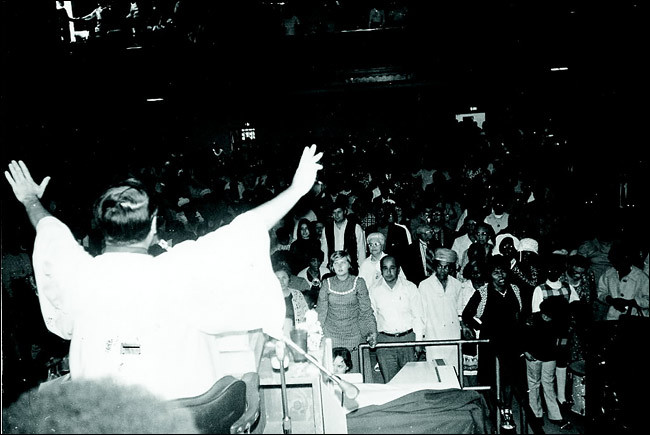
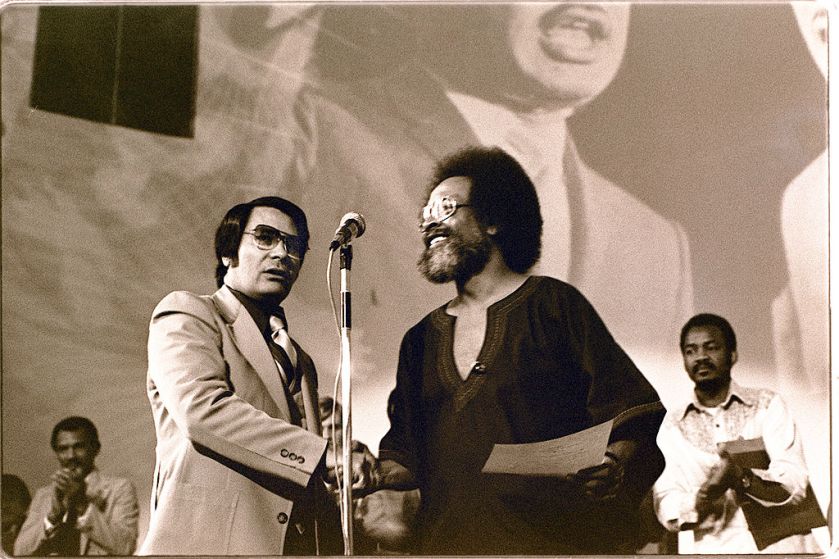



 Back at the compound, Jones lost an already tenuous grasp on reality.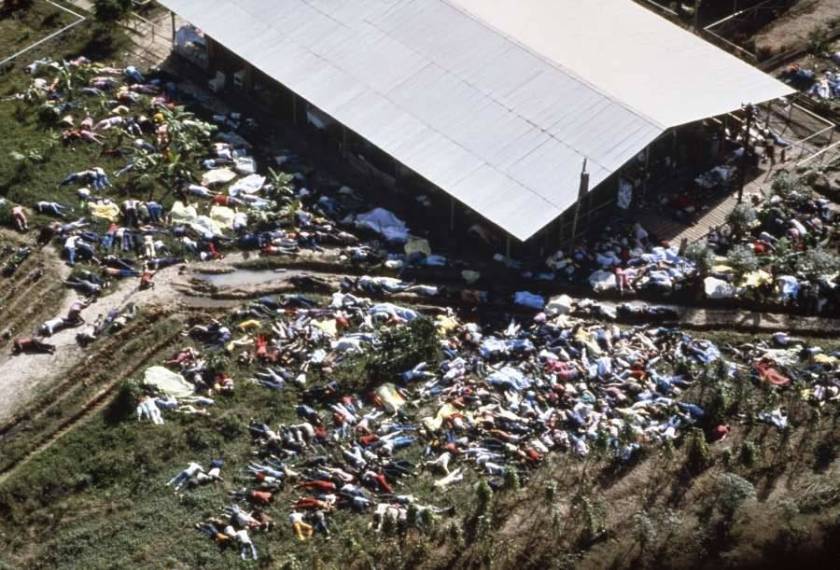


You must be logged in to post a comment.