

The attraction of taking flight in time of war is unmistakable. For a lad of nineteen, twenty, twenty one, he is a latter-day knight at the prime of his life, mounting his steed of steel to do battle with evil. Life seems indestructible and without end at that age, except, reality is shockingly different. Of a group of 100 RAF airmen in the early phase of World War Two, a mere twenty escaped being killed, captured or incinerated alive.
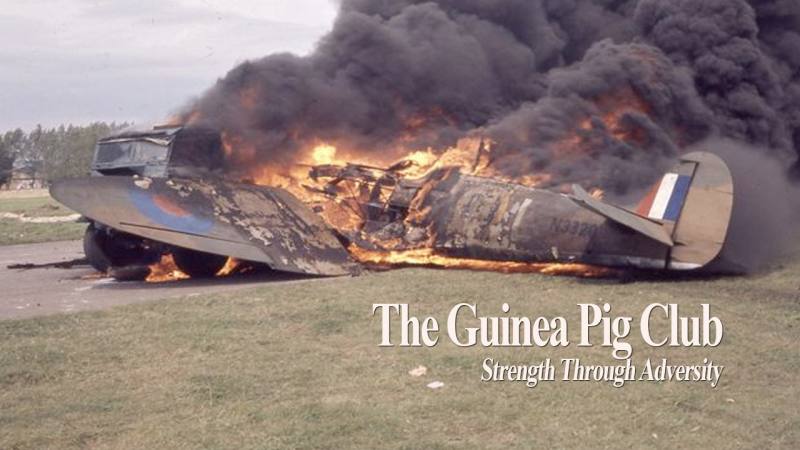
Flying Officer Desmond “Des” O’Connell was just nineteen when he joined the British Royal Air Force, in 1938.
O’Connell was assigned to RAF Limavady in the north of Ireland in the early months of World War Two, around the time the Capital Battleship Bismarck cleared the Kiel Canal and emerged into the Baltic Sea. On this day in 1941, Desmond O’Connell and six other flyers were assigned to find and take out the German warship.
The twin engine Whitworth Mark V ‘Whitley’ medium bomber never had a chance, overloaded as it was with extra crew, tanks full of fuel and bombs. The aircraft struggled to gain altitude and clipped the mountains outside of Limavady before striking the ground, and breaking apart.
Desmond O’Connell miraculously survived as did the rest of the crew, but his ordeal had just begun. Soaked with fuel and suffering a skull fracture, he was crawling on his hands and knees when the fire caught up. He remembers peering through the flames at his hands, as pieces came off of his gloves. But those weren’t gloves. The flesh was burning from his hands.
Archibald Hector McIndoe took to medicine at an early age, earning the first New Zealand fellowship to the prestigious Mayo Clinic in Rochester Minnesota, at only 24. Dr. McIndoe moved to London in 1930 and, unable to find work, joined in private practice with his great uncle, fellow Kiwi Sir Harold Gillies. Gillies was a pioneer in the field of plastic surgery by this time, made famous through his work in the Great War as “The Man who Fixed Faces“.
Dr. McIndoe was a talented surgeon: confident, precise, and quick on his feet. Under Harold Gillies’ direction, Archibald McIndoe became a leading figure in the field of plastic surgery.
With the outbreak of WW2, Dr. McIndoe took a position at Queen Victoria Hospital in East Grinstead, Sussex, where he headed up a center for plastic and maxillofacial surgery. A trickle of patients from the “Phoney War” period soon turned to a flood, during the Battle of Britain.
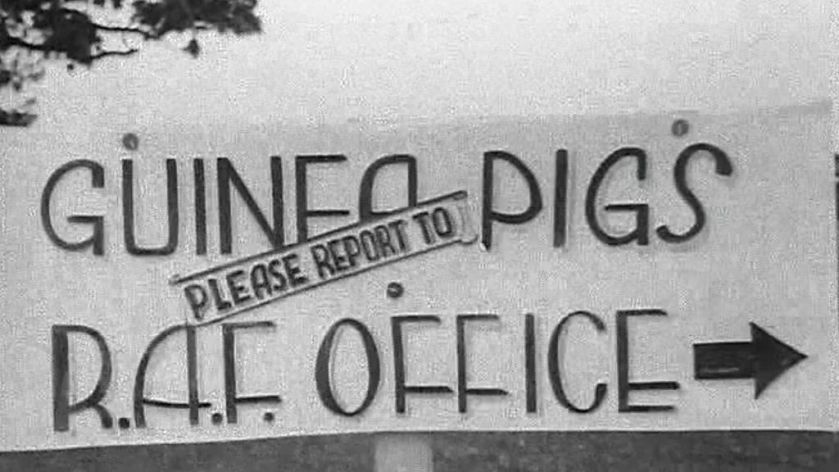
The mind recoils in horror at the human body enveloped in flame, but that’s just the beginning. Both Hurricane and Spitfire fighters place fuel tanks, directly in front of the pilot. The wind speed of an F5 tornado is 201MPH+. The nozzle speed from a common pressure washer, 243. The maximum speed of these two fighter aircraft are 340 and 363 respectively, the explosive force of escaping gasses, geometric multiples of those numbers. The burns resulting from exploding aviation fuel were called “Hurricane Burns”. The wreckage wrought on the human form, beggars the imagination.
Dr. McIndoe treated no fewer than 649 of these men, not only Brits but Canadians, Australians and New Zealanders. There were Americans and French, Czechs and Poles. Each man required dozens and sometimes hundreds of surgeries over agonizing years. Sausage-like constructions of living flesh called “tubed pedicles” were “waltzed” up from remote donor sites on patient’s own bodies, to replace body parts consumed by the war.
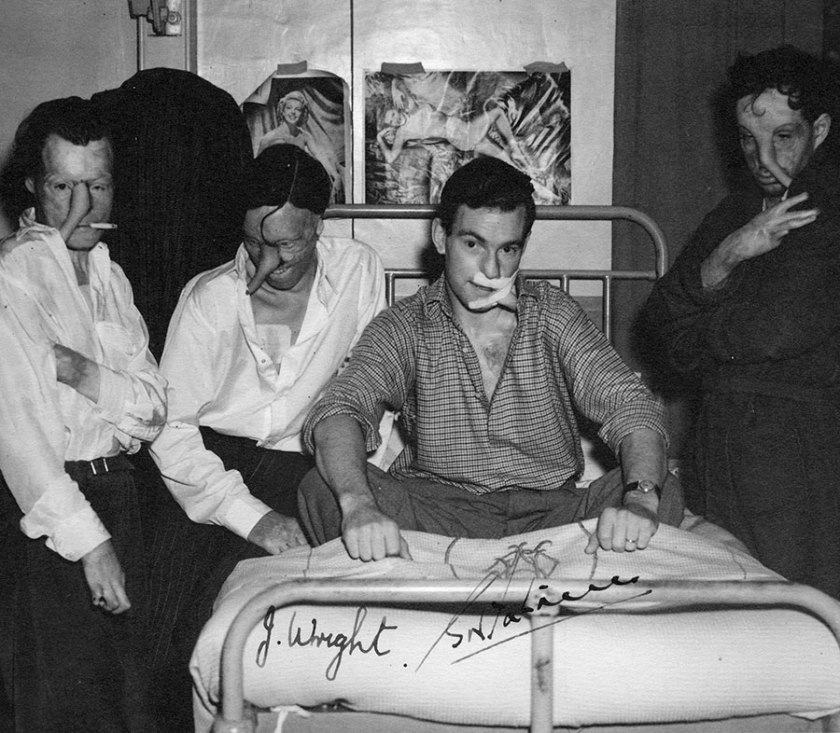
To be rendered hideous and unsightly in service to one’s nation, a subject of horrified stares, is more than most can bear. McIndoe understood as much and his treatment methods threw convention, out the window. Inmates were treated not as patients or objects of pity, but as men. They wore not the ‘jammies or those degrading hospital johnnys with their asses hanging out but their own clothing, and even uniforms. They had parties and socialized. Those who were able went “out on the town”. They were the “Guinea Pig Club”, they socialized, threw parties. More than a few relationships were formed with nurses, many ended in marriage.
“Others met women from East Grinstead, a place the ‘guinea pigs’ referred to as ‘the town that never stared’”. H/T nzhistory.govt.nz
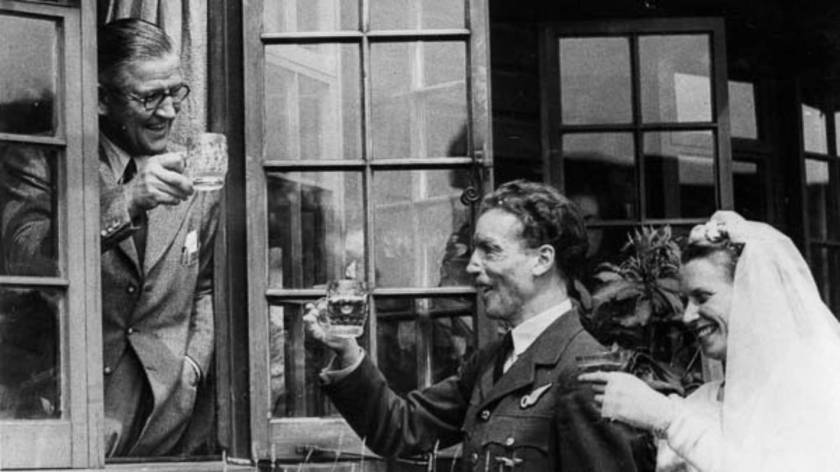
Dr. McIndoe was knighted in 1947 and passed away at only fifty nine, but his work lives on in the African Medical and Research Foundation (AMREF), and the British Association of Plastic Surgeons (BAPS) for which he once served, as president. The Blond McIndoe Research Foundation opened at the Queen Victoria Hospital in 1961, and continues to conduct research into new methods of wound management, to this day.
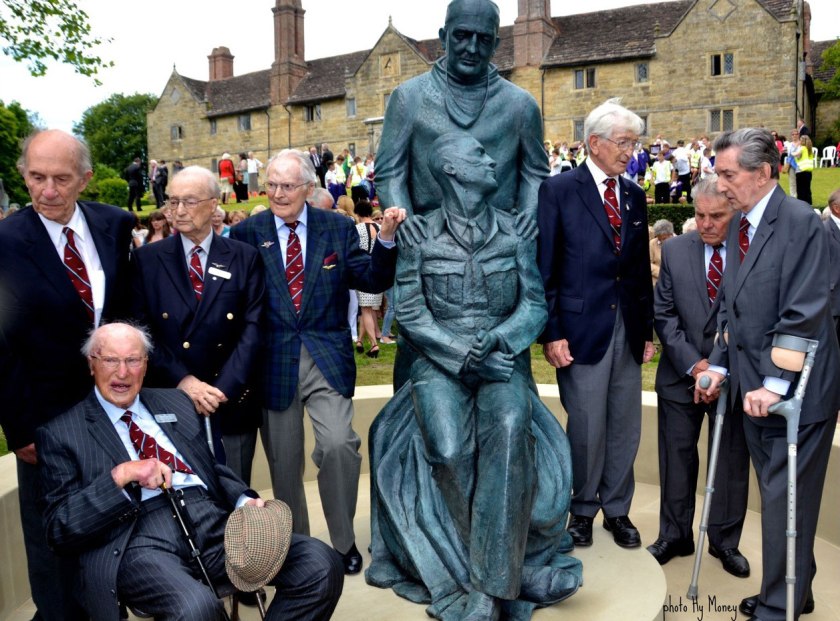
The Guinea Pig Club turned seventy-five years old in 2016. Most of those early RAF members are gone now, but the organization lives on. Today, new members come from places like the Falkland islands. And Iraq. And Afghanistan.
Feature image, top of page: A scene from the 2012 play “The Guinea Pig Club”, depicts the agonies of WW2-era RAF airmen, treated for severe burns



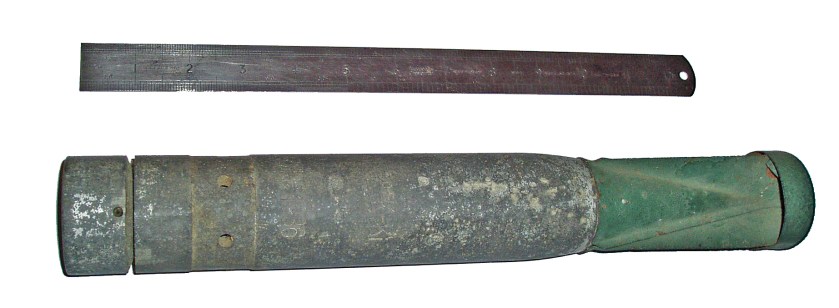

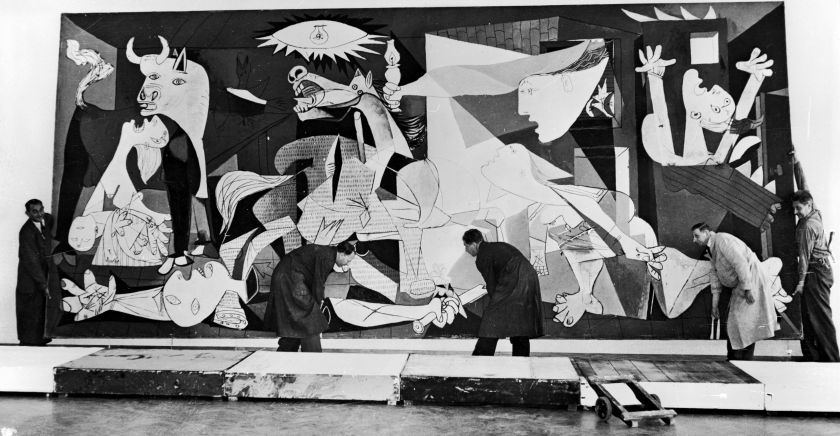


 Both sides in the battle for Troy used poisoned arrows, according to the Iliad and the Odyssey of Homer. Alexander the great encountered poison arrows and fire weapons in the Indus valley of India, in the fourth century, BC. Chinese chronicles describe an arsenic laden “soul-hunting fog”, used to disperse a peasant revolt, in AD178.
 Imperial Germany was first to give serious study to chemical weapons of war, early experiments with irritants taking place at the battle of Neuve-Chapelle in October 1914, and with tear gas at Bolimów on January 31, 1915 and again at Nieuport, that March.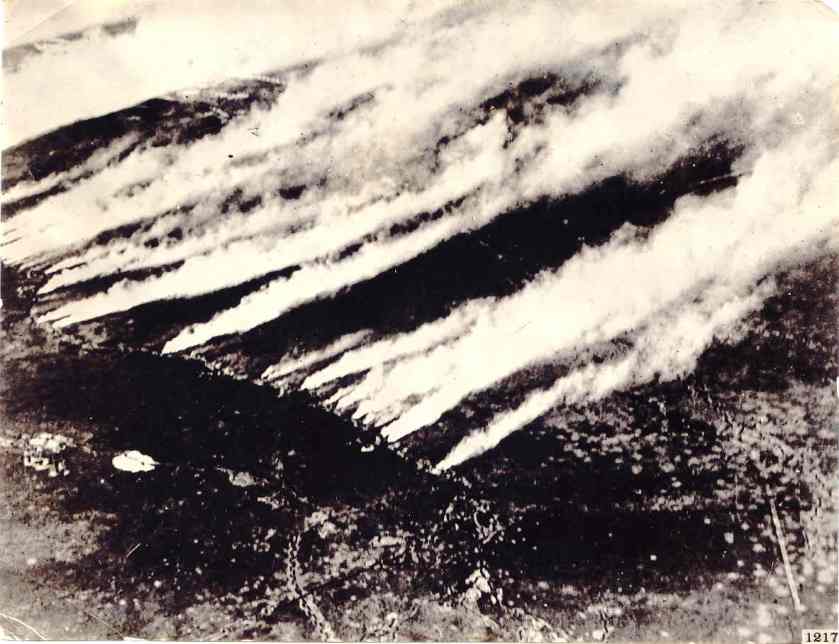
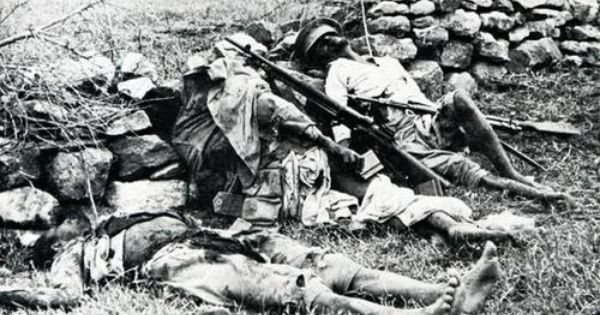
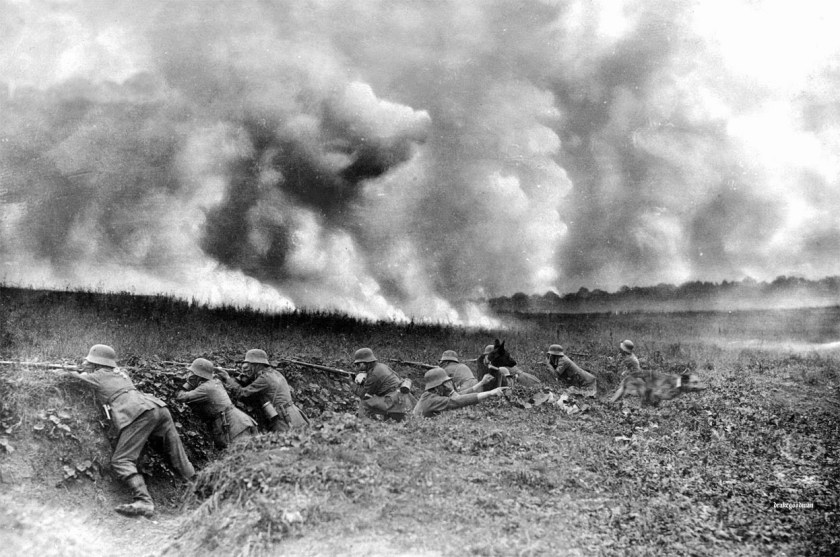
 Great Britain possessed massive quantities of mustard, chlorine, Lewisite, Phosgene and Paris Green, awaiting retaliation should Nazi Germany resort to such weapons on the beaches of Normandy. General Alan Brooke, Commander-in-Chief of the Home Forces, “[H]ad every intention of using sprayed mustard gas on the beaches” in the event of a German landing on the British home islands.
 The Geneva Protocols on 1925 banned the use of chemical weapons, but not their manufacture, or transport. By 1942, the U.S. Chemical Corps employed some 60,000 soldiers and civilians and controlled a $1 Billion budget.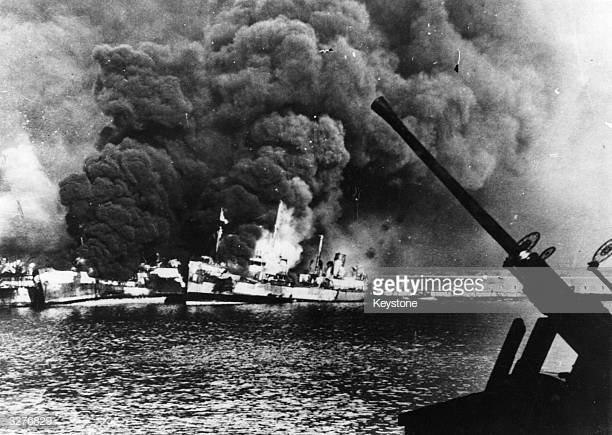
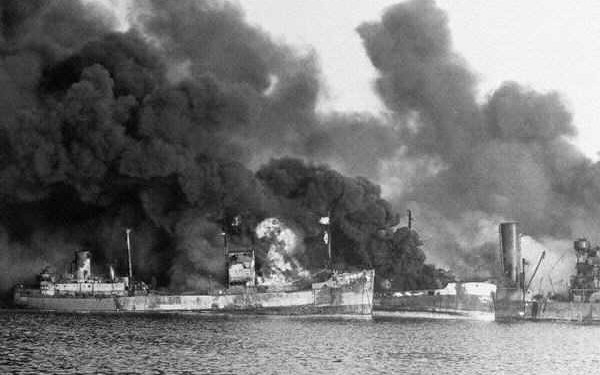
 Death comes in days or weeks. Survivors are likely to suffer chronic respiratory disease and infections. DNA is altered, often resulting in certain cancers and birth defects. To this day there is no antidote.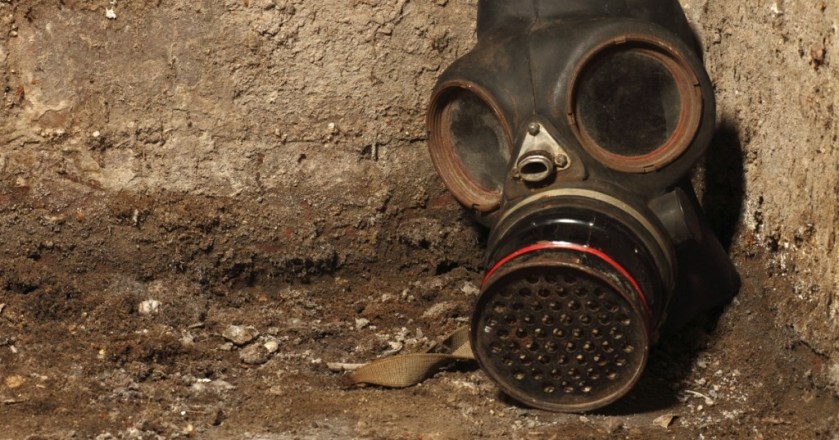


 During his junior year, Pyle and a few fraternity brothers dropped out for a year, to follow the IU baseball. The 1922 trip across the Pacific brought the group to Shanghai, Hong Kong, Manila and Japan, leaving the the young writer with a lifelong love of travel, and exploration.

 What
What  On April 17, 1945, the war correspondent landed with the U.S. Army’s 305th Infantry Regiment, 77th “Liberty Patch” Division on the island of Ie Shima. The small island northwest of Okinawa had been captured by this time, but was by no means clear of enemy soldiers.
 The best loved reporter of the second World War was buried wearing that helmet, between the remains of an infantry private and a combat engineer.


 “To go into an internment camp seemed like the sensible thing to do, but for the life of me I could not see what use I would be to myself or to anyone else cooped up there. … For from the moment the inconceivable thing happened and the Japanese arrived, there was just one thought in my mind—to find Jack.”


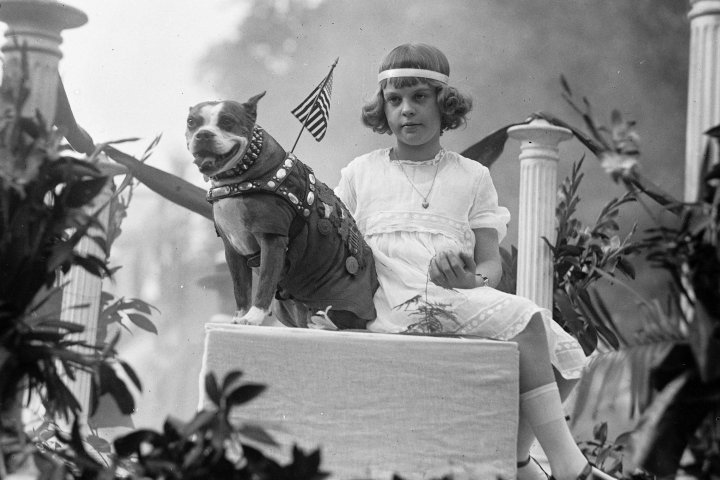
 By the last year of the Great War, the French, British and Belgians had at least 20,000 dogs on the battlefield. Imperial Germany had 30,000.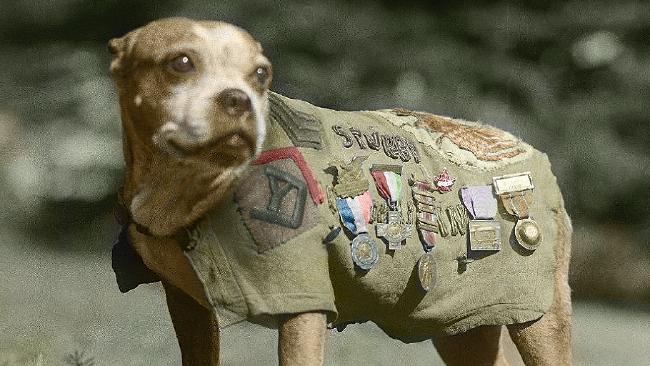
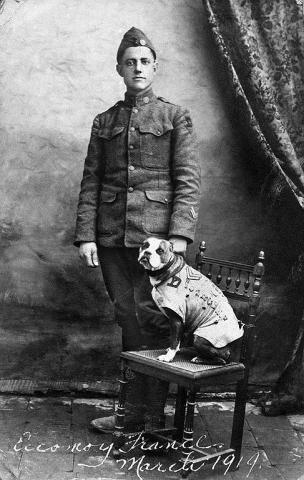 Stubby saw his first action at Chemin des Dames. Since the boom of artillery fire didn’t faze him, he learned to follow the men’s example of ducking when the big ones came close. It became a great game to see who could hit the dugout, first. After a few days, the guys were watching him for a signal. Stubby was always the first to hear incoming fire. We can only guess how many lives were spared by his early warning.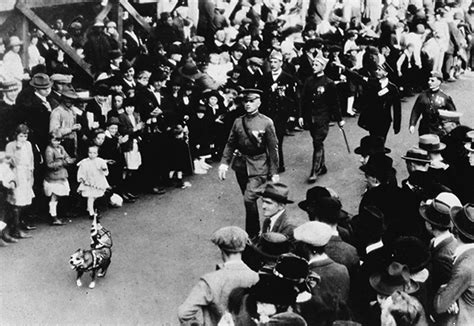

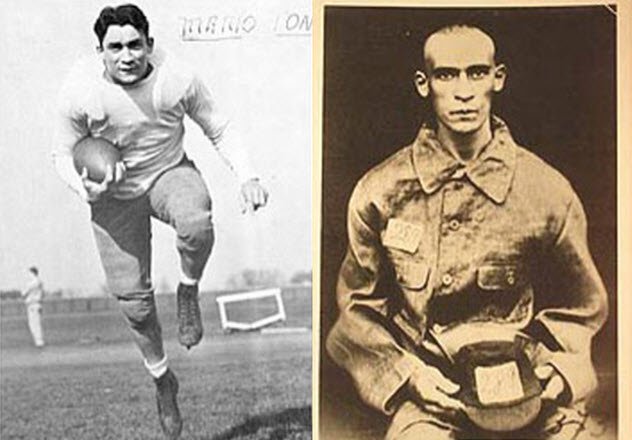
 In some ways, Mario Tonelli himself was the miracle. Years earlier at the age of 6, he’d been burned over 80% of his body, when a trash compactor toppled over on him. Mario’s immigrant father Celi, a laborer from a northern Italian marble quarry, refused to believe the doctor who said his son would never walk again. Fixing four wheels to a door, the elder Tonelli taught his first American-born son to move about with his arms.
 On April 9, 75,000 surrendered the Bataan peninsula, beginning a 65 mile, five-day slog into captivity through the heat of the Philippine jungle. Japanese guards were sadistic. Some would beat the marchers at random, or bayonet those too weak to walk. Japanese tanks would swerve out of the way to run over anyone who had fallen and was too slow in getting up. Some were burned alive. Already crippled from tropical disease and starving from the long siege of Luzon, thousands perished in what came to be known as the Bataan Death March.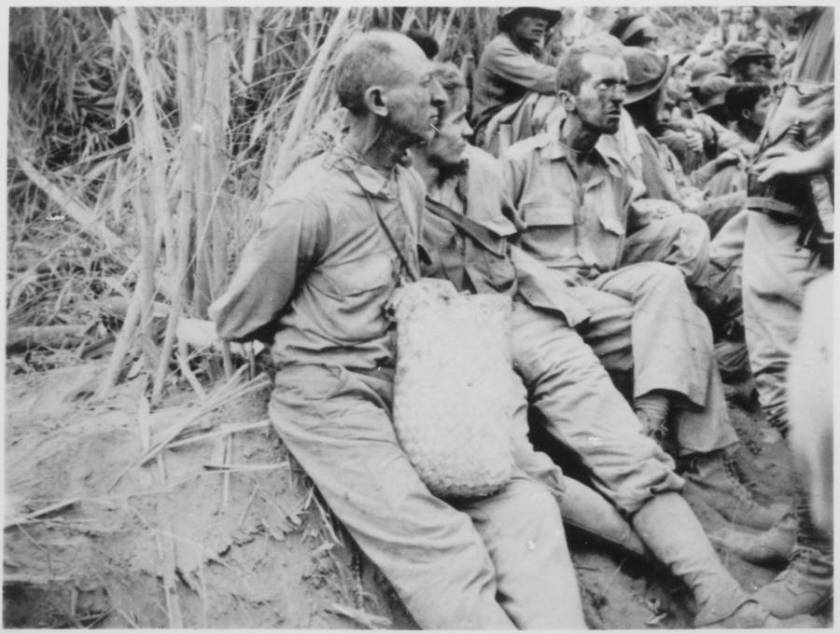
 An American military tribunal conducted after the war held Lieutenant General Homma Masaharu, commander of the Japanese invasion forces in the Philippines, guilty of war crimes. He was executed by firing squad on April 3, 1946.


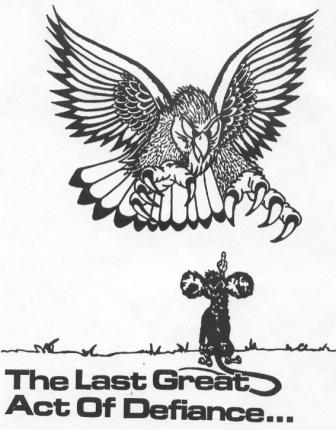 Before the age of the internet meme, office jokes and bits of folk wisdom were passed around and copied and copied again. There was one, “The Last great of Defiance“, which will live for all time as my favorite. The picture speaks for itself. I had one on the wall, for years.
 Prisoners were swept up by the thousands, and faced an uncertain future. In Malmedy, Belgium, seventy-five captured Americans were marched into an open field and machine gunned by members of the 1st SS Panzer Division (Leibstandarte Adolf Hitler), a part of 6th Panzer Army.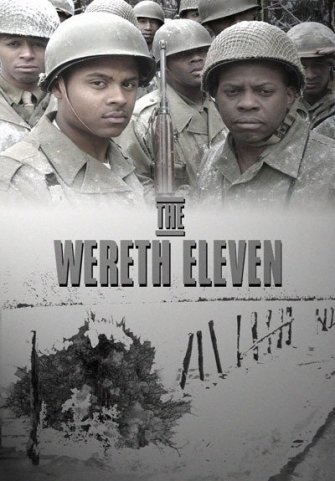







You must be logged in to post a comment.