

In 380BC, Plato described a system of state-controlled human breeding in his Socratic dialogue “The Republic”, introducing a “guardian class” to watch over over his ideal society.
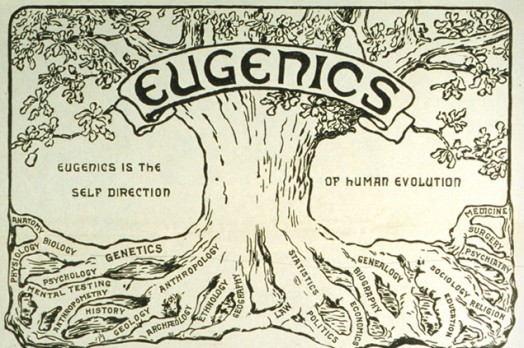
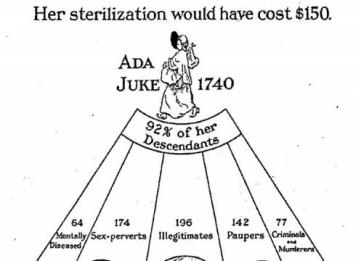 In the 19th century, Francis Galton studied the theories of his cousin Charles Darwin on the evolution of species, applying them to a system of selective breeding intended to bring “better” human beings into the world. He called it his theory of “Eugenics”.
Eugenics gained worldwide respectability in the early 20th century, when countries from Brazil to Japan adopted policies regarding the involuntary sterilization of certain mental patients.
 “Better Babies” competitions sprang up at state fairs across the United States, where babies were measured, weighed, and “judged”. Like livestock. By the 20s, these events had evolved into “Fitter Family” competitions.
One of the leaders of the eugenics movement was the pacifist and Stanford University professor, David Starr Jordan. After writing several books on the subject, Jordan became a founding member of the Eugenics Committee of the American Breeders Association. The higher classes of American society were being eroded by the lower class, he argued. Careful, selective breeding would be required to preserve the nation’s “upper crust”.
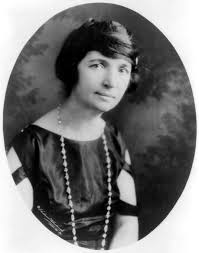
Margaret Higgins Sanger believed that birth control should be compulsory for “unfit” women, who “recklessly perpetuated their damaged genetic stock by irresponsibly breeding more children in an already overpopulated world.”
An early advocate for birth control, Sanger has her supporters to this day, including former Presidential candidate Hillary Rodham Clinton. “I admire Margaret Sanger enormously”, Clinton said. “Her courage, her tenacity, her vision…” Time Magazine points out that “Sanger opened the first birth-control clinic in the United States”, describing her as “An advocate for women’s reproductive rights who was also a vocal eugenics enthusiast…”
Detractors have described Sanger as a “thoroughgoing racist”, citing her own words in What Every Girl Should Know, published in 1910: “In all fish and reptiles where there is no great brain development, there is also no conscious sexual control. The lower down in the scale of human development we go the less sexual control we find. It is said that the aboriginal Australian, the lowest known species of the human family, just a step higher than the chimpanzee in brain development, has so little sexual control that police authority alone prevents him from obtaining sexual satisfaction on the streets”.
Admire or detest the woman as you choose, Sanger’s work established organizations which later evolved into the Planned Parenthood Federation of America.
Around the world, eugenics policies took the form of involuntarily terminated pregnancies, compulsory sterilization, euthanasia, and even mass extermination.
Madison Grant, the New York lawyer best known for his work in developing the discipline of wildlife management, was a leader in the eugenics movement, once receiving an approving fan letter from none other than Adolf Hitler.
Public policy and academic types conducted three international eugenics conferences to discuss the application of programs to improve human bloodlines. The first such symposium convened in London in 1912, discussing papers on “racial suicide” and similar topics. Presiding over the conference was none other than Major Leonard Darwin, the son of Charles Darwin, with Harvard president emeritus Charles William Eliot serving as vice President.
 The 1912 conference was followed by two more in 1921 and 1932, both held in New York City. Colleges and universities delved into eugenics as academic discipline, with courses exploring the ethical and public policy considerations of eliminating the “degenerate” and “unfit”.
In Pennsylvania, 270 involuntary sterilizations were performed without benefit of law, between 1892 and 1931. On March 21, 1905, the Pennsylvania legislature passed “An Act for the Prevention of Idiocy”, requiring that every institution in the state entrusted with the care of “ idiots and imbecile children”, be staffed by at least one skilled surgeon, whose duty it was to perform surgical sterilization. The bill was vetoed by then-Governor Samuel Pennypacker, only to return in 1911, ’13, ’15, ’17, ’19, and again in 1921.
By the height of the eugenics movement, some 30 states had passed legislation, legalizing the involuntary sterilization of individuals considered “unfit” for reproduction. All told, some 60,000 individuals were forcibly sterilized in state-sanctioned procedures.
California forced Charlie Follett to undergo a vasectomy in 1945 at the age of 15, when Follett found himself abandoned by alcoholic parents. He was only one of some 20,000 Californians forced to undergo such a procedure.
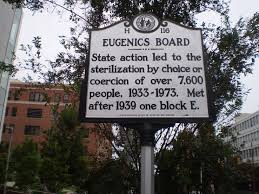
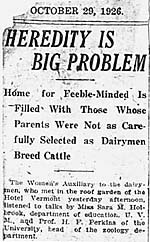
Vermont passed a sterilization law in 1931, aimed at what then-University of Vermont zoology professor Henry Perkins called the “rural degeneracy problem.” An untold number of “defectives” were forced to undergo involuntary sterilization, including Abenaki Indians and French-Canadian immigrants.
Indiana passed the first eugenic sterilization law in 1907, but the measure was legally flawed. To remedy the situation, the Eugenics Record Office (ERO), founded in 1910 by the the former Harvard University Zoology Professor Charles Benedict Davenport, Ph.D., crafted a statute, which was later adopted by the Commonwealth of Virginia as state law in 1924.
That September, Superintendent of the ‘Virginia State Colony for Epileptics and Feebleminded’ Dr. Albert Sidney Priddy, filed a petition to sterilize one Carrie Elizabeth Buck, an 18-year-old patient at the institution whom Priddy claimed to be “incorrigible”. A “genetic threat to society”. Buck’s 52-year-old mother had a record of prostitution and immorality, Priddy claimed, and the child to whom Buck gave birth in the institution only proved the point.
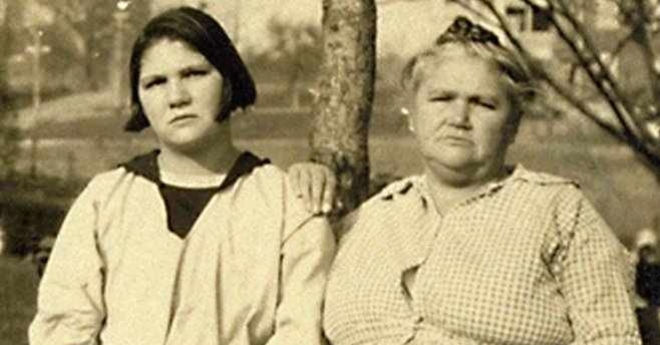
Buck’s guardian brought her case to court, arguing that compulsory sterilization violated the equal protection clause of the 14th amendment. After losing in district court, the case was appealed to the Amherst County Circuit Court, the Virginia Supreme Court, and finally the United States Supreme Court.
Dr. Priddy died along the way, Dr. John Hendren Bell taking his place. SCOTUS decided the “Buck vs Bell” case on May 2, 1927, ruling in an 8–1 decision that Carrie Buck, her mother, and her perfectly normal infant daughter, were all “feeble-minded” and “promiscuous.”
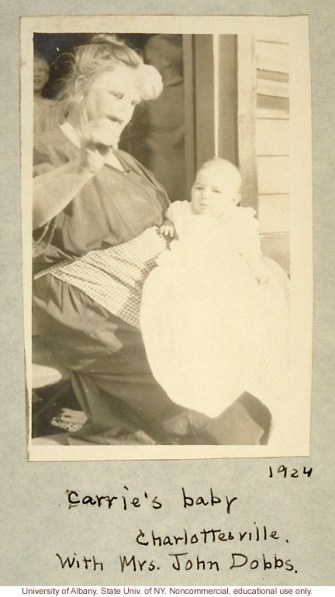
In the majority ruling, Justice Oliver Wendell Holmes, Jr., did more than just greenlight the Virginia statute. He urged the nation as a whole to get serious about eugenics, and to prevent large numbers of “unfit” from breeding: “”It is better for all the world“, Holmes wrote, “if instead of waiting to execute degenerate offspring for crime, or to let them starve for their imbecility, society can prevent those who are manifestly unfit from continuing their kind“. In writing about Carrie Buck herself, her mother and infant daughter Vivian, Holmes delivered one of the most brutal pronouncements in all American jurisprudence: “Three generations of imbeciles are enough.”
It was later revealed that Carrie Buck had been raped by a member of the Dobbs family, the foster family who had taken her in and later had her committed. To save the family “honor”. No matter. Buck was compelled to undergo tubal ligation, later paroled from the institution to become a domestic worker with a family in Bland, Virginia. Buck’s daughter Vivian was adopted by the Dobbs family.
In a later examination of the child, ERO field worker Dr. Arthur Estabrook pronounced her “feeble minded” saying that she “showed backwardness”, supporting the “three generations” theory expressed in the SCOTUS opinion.
Vivian died from complications of measles in 1932, after only two years in school. Dr. Estabrook failed to explain in his report, how she seemed to do well for those two years, nor did doctor Estabrook reveal how she came to be listed on her school’s honor roll, in April, 1931.


 In 1620, the 60-ton Pinnace Speedwell departed Delfshaven, meeting with Mayflower at Southampton, Hampshire. The two vessels set out on August 15, but soon had to turn back as Speedwell was taking on water. Speedwell was abandoned after a second failed attempt, Mayflower setting out alone on September 16, 1620, with an estimated 142 passengers and crew.
 As anyone familiar with the area will understand, a month in that place and time convinced them of its unsuitability. By mid-December the Mayflower had crossed Cape Cod Bay and fetched up at Plimoth Harbor.


 Years later, colonists would go to war against the Wampanoag people and ‘King Philip’, the English name for Metacomet, the son of Massasoit. The Nauset would act as warriors and scouts against the Wampanoag people in King Philip’s War, a conflict which killed some 5,000 New England inhabitants, three quarters of whom were indigenous people.

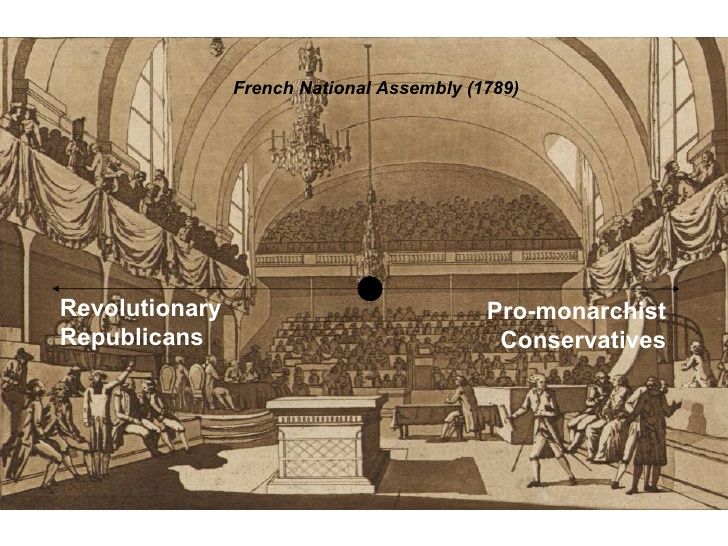 By that time it wasn’t just the “Party of Order” on the right and the “Party of Movement” on the left. Now, the terms began to describe nuances in political philosophy, as well.

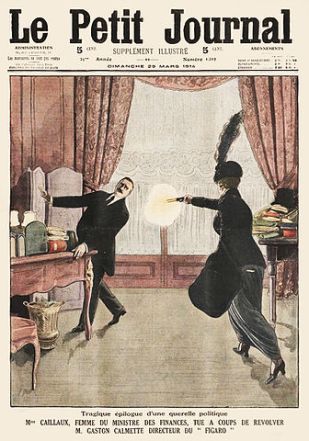 The July Crisis of 1914 was a series of diplomatic maneuverings, culminating in the ultimatum from Austria-Hungary to the Kingdom of Serbia. Vienna, with tacit support from Berlin, made plans to punish Serbia for her role in the assassination, while Russia mobilized armies in support of her Slavic ally.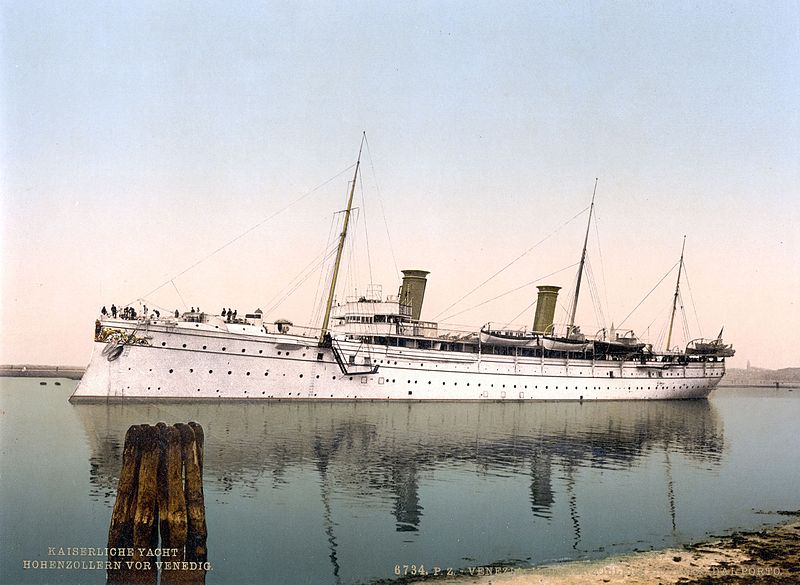
 In the days that followed, the Czar would begin the mobilization of men and machines which would place Imperial Russia on a war footing. Kaiser Wilhelm’s Germany invaded Belgium, in pursuit of the one-two punch strategy by which it sought first to defeat France, before turning to face the “Russian Steamroller”. England declared war in support of a 75-year-old commitment to protect Belgian neutrality, a treaty obligation German diplomats had dismissed as a “


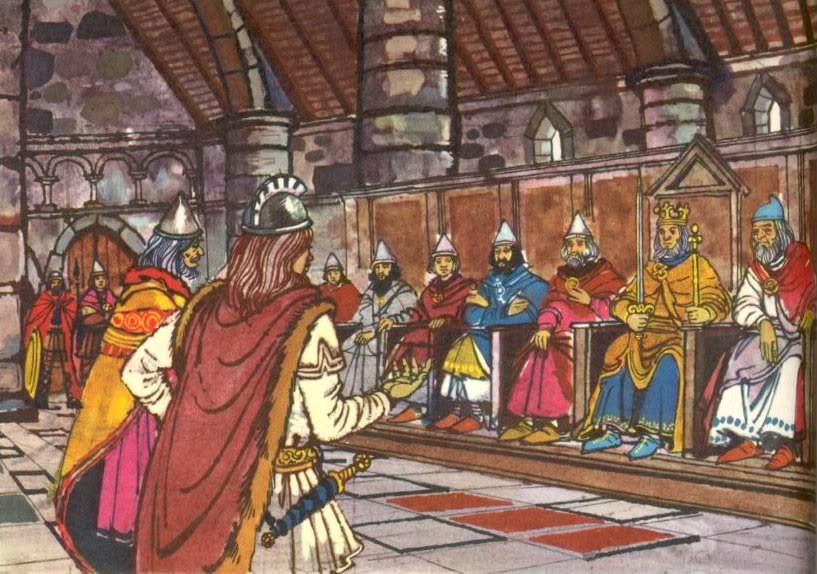
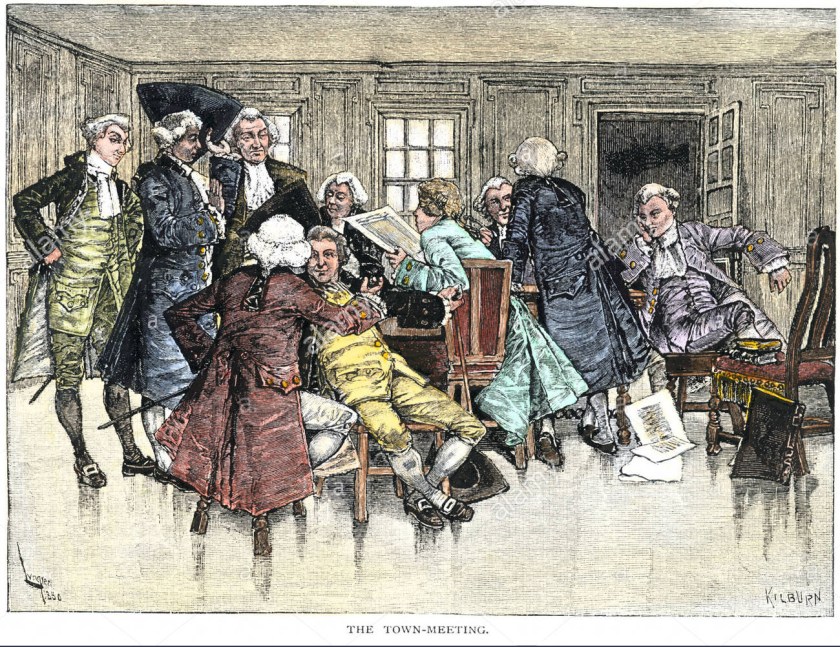
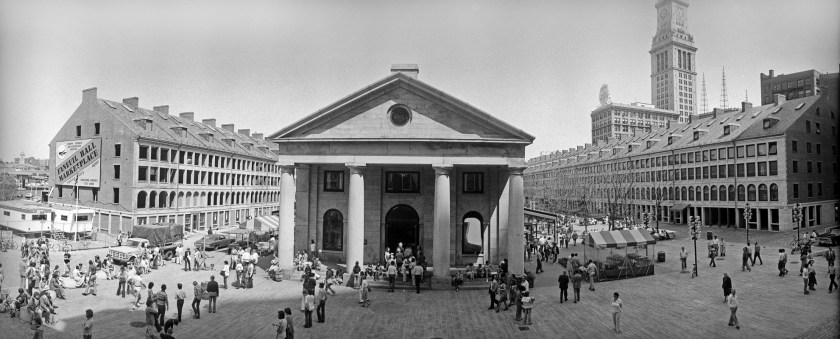
 Town meetings have been more prevalent in New England states, but not exclusively. Michigan was the first Midwestern state to adopt the system, and Minnesota townships of more than 25 regularly hold town meeting.


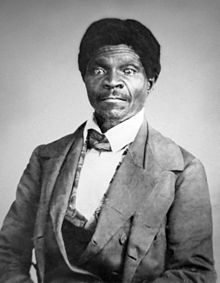
 Dr. Emerson died in 1842, leaving his estate to his wife Eliza, who continued to lease the Scotts out as hired slaves.


 Far-left anarchists mailed no fewer than 36 dynamite bombs to prominent political and business leaders in April 1919, alone. In June, another nine far more powerful bombs destroyed churches, police stations and businesses.
 To this day there are those who describe the period as the “First Red Scare”, as a way to ridicule the concerns of the era. The criticism seems unfair. The thing about history, is that we know how their story ends. The participants don’t, any more than we know what the future holds for ourselves.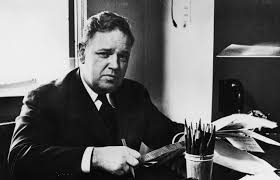

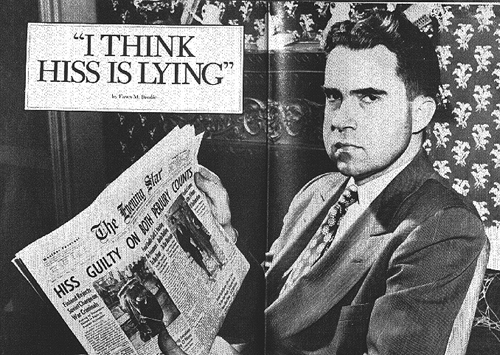
 Before defecting from the Left, Chambers had secreted documents and microfilms, some of which he hid inside a pumpkin at his Maryland farm. The collection was known as the “Pumpkin Papers”, consisting of incriminating documents, written in what appeared to Hiss’ own hand, or typed on his Woodstock no. 230099 typewriter.
 Hiss’ theory never explained why Chambers side needed another typewriter, if they’d had the original long enough to mimic its imperfections with a second.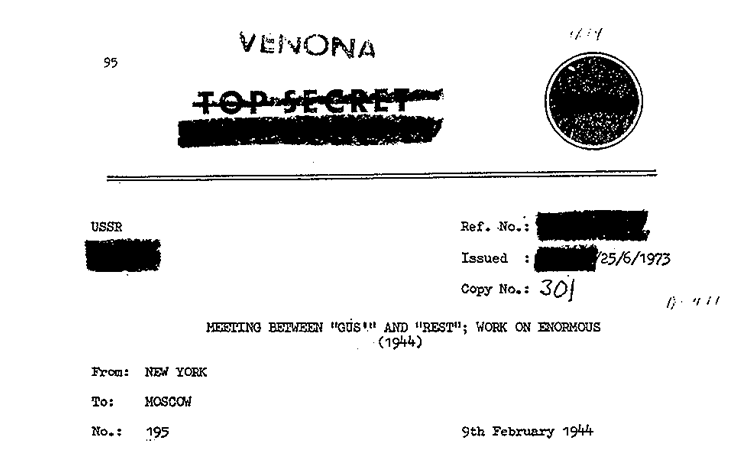


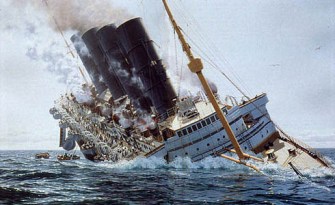 Though Wilson didn’t mention it directly, HMS Lusitania had been torpedoed only three days earlier with the loss of 1,198, 128 of whom were Americans.
 The reaction to the Lusitania sinking was immediate and vehement, portraying the attack as the act of barbarians and huns and demanding a German return to “prize rules”, requiring submarines to surface and search merchantmen while placing crews and passengers in “a place of safety”.
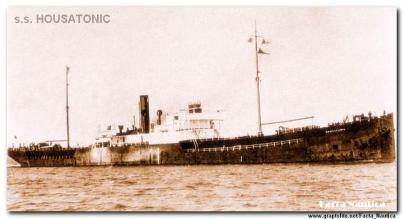 The American cargo vessel SS Housatonic was stopped off the southwest coast of England on February 3, and boarded by German submarine U-53. Captain Thomas Ensor was interviewed by Kapitänleutnant Hans Rose, who explained he was sorry, but Housatonic was “carrying food supplies to the enemy of my country”. She would be destroyed. The American Captain and crew were allowed to launch lifeboats and abandon ship, while German sailors raided the American’s soap supplies. Apparently, WWI-vintage German subs were short on soap.
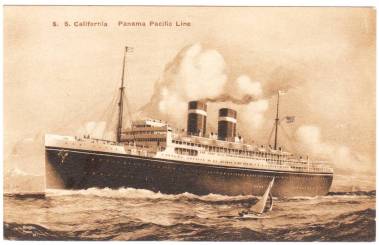 President Woodrow Wilson retaliated, breaking off diplomatic relations with Germany the following day. Three days later, a German U-boat fired two torpedoes at the
 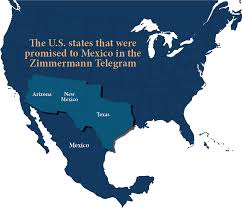 The contents of Zimmermann’s note were published in the American media on March 1. Even then, there was considerable antipathy toward the British side, particularly among Americans of German and Irish ethnicity. “Who says this thing is genuine, anyway”, they might have said. “Maybe it’s a British forgery”.


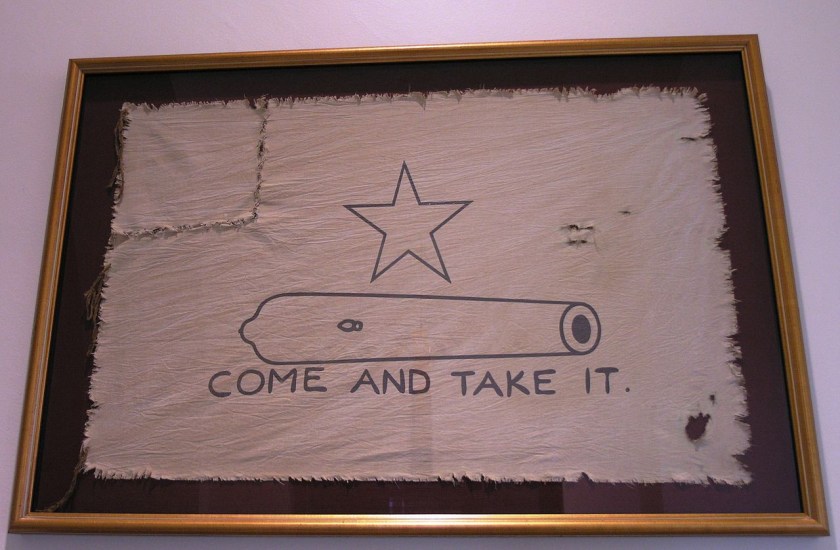
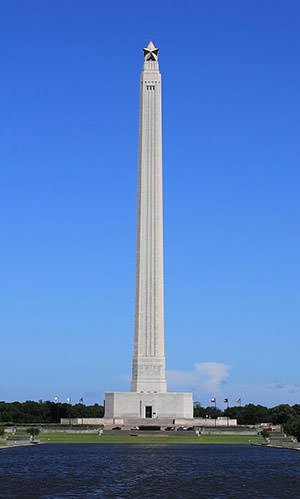
 Estimates of the Alamo garrison have ranged between 189 and 257 at this stage, but current sources indicate that defenders never numbered more than 200.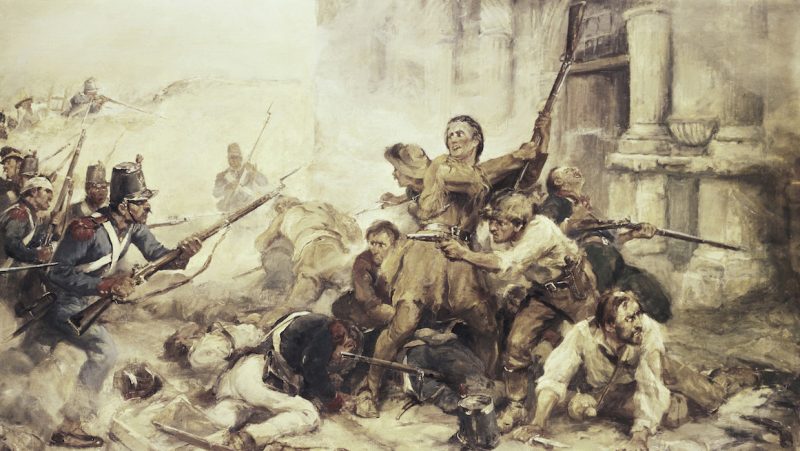





 Eminent domain exists for a purpose, but the most extreme care should be taken in its use. Plaintiffs argued that this was not a “public use”, but rather a private corporation using the power of government to take their homes for economic development, a violation of both the takings clause of the 5th amendment and the due process clause of the 14th.
 Clarence Thomas took an originalist view, stating that the majority opinion had confused “Public Use” with “Public Purpose”. “Something has gone seriously awry with this Court’s interpretation of the Constitution“, Thomas wrote. “Though citizens are safe from the government in their homes, the homes themselves are not“. Antonin Scalia concurred, seeing any tax advantage to the municipality as secondary to the taking itself.





 The Geneva Convention of 1954 partitioned Vietnam at the 17th parallel, and guaranteed Laotian neutrality. North Vietnamese communists had no intention of withdrawing from the country or abandoning their Laotian communist allies, any more than they were going to abandon the drive for military reunification, with the south.

 On February 18, 1977, Murray Hiebert, now senior associate of the Southeast Asia Program at the Center for Strategic and International Studies (CSIS) in Washington, D.C. summed up the situation in a letter to the Mennonite Central Committee, US: “…a formerly prosperous people still stunned and demoralized by the destruction of their villages, the annihilation of their livestock, the cratering of their fields, and the realization that every stroke of their hoes is potentially fatal.”


 Historical Easter Eggs - Today in History
You must be logged in to post a comment.