

The column of British soldiers moved out from Boston in the late night hours of April 18, with the mission of confiscating the American arsenal at Concord and capturing the Patriot leaders Sam Adams and John Hancock, known to be hiding in Lexington.
Patriots had been preparing for such an event. Sexton Robert John Newman and Captain John Pulling carried two lanterns to the steeple of the Old North church, signaling the Regulars were crossing the Charles River to Cambridge.
Dr. Joseph Warren ordered Paul Revere and Samuel Dawes to ride out and warn surrounding villages and towns, the two soon joined by a third rider, Samuel Prescott. Prescott alone would make it as far as Concord, though hundreds of riders would fan out across the countryside before the night was through.

The column arrived in Lexington with the first moments of sunrise on April 19, bayonets gleaming in the early morning light. Armed with a sorry assortment of weapons, colonial militia poured out of Buckman Tavern and fanned out across the town square. Some weapons were hand made by village gunsmiths and blacksmiths, some decades old, but all were in good working order. Taking positions across the village green to block the soldiers’ line of march, eighty “minutemen” turned and faced seven hundred of the most powerful military, on the planet.
Words were exchanged and no one knows who fired the first shot. When it was over, eight Lexington men lay dead or dying, another ten wounded. One British soldier was wounded.
If you’ve never see the dawn reenactment of the Battle of Lexington, I highly recommend it. It’s a regular feature of the Patriot’s Day festivities around the city of Boston, and well worth getting up early. Hat tip Gethin Coolbaugh for this film of the 2018 event
Vastly outnumbered, the militia soon gave way as word spread and militia gathered from Concord to Cambridge. The King’s Regulars never did find the weapons for which they had come, nor did they find Adams or Hancock. There had been too much warning for that.
Regulars clashed with colonial subjects two more times that day, first at Concord Bridge and then in a running fight at a point in the road called “The Bloody Angle”. Finally, hearing that militia was coming from as far away as Worcester, the column turned to the east and began their return march to Boston.
Hat tip DiscerningHistory.com, for this brief video on the Battle of Concord Bridge.
Some British soldiers marched 35 miles over those two days, their final retreat coming under increasing attack from militia members firing from behind stone walls, buildings and trees.
One taking up such a firing position was Samuel Whittemore of Menotomy Village, now Arlington Massachusetts. At eighty years old, he was the oldest known combatant of the Revolution.
Whittemore took his position by the road armed with his ancient musket, two dueling pistols and the old cutlass captured years earlier from a French officer whom he had once explained had “died suddenly”.

Waiting until the last possible moment, Whittemore rose and fired his musket at the oncoming Redcoats. One shot, one kill. Several charged him from only feet away as he drew his pistols. Two more shots, one dead and one mortally wounded. He had barely drawn his sword when they were on him, a .69 caliber ball fired almost point blank tearing part of his face off, as the butt of a rifle smashed down on his head. Whittemore tried to fend off the bayonet strokes with his sword but he didn’t have a chance. He was run through thirteen times before he lay still. One for each American colony.
Hat tip, The History Guy, for this presentation on Sam Whittemore. The ages given vary slightly from that engraved on his memorial but, age 78 or 80 at the time of this story, it seems a small matter.
The people who came out of their homes to clean up the mess afterward found Whittemore, up on one knee and trying to reload his old musket.
Doctor Nathaniel Tufts treated the old man’s wounds as best he could, but felt there was nothing anyone could do. Sam Whittemore was taken home to die in the company of his loved ones, and that’s what he did. Eighteen years later, at the age of ninety-eight.


 During his junior year, Pyle and a few fraternity brothers dropped out for a year, to follow the IU baseball. The 1922 trip across the Pacific brought the group to Shanghai, Hong Kong, Manila and Japan, leaving the the young writer with a lifelong love of travel, and exploration.

 What
What  On April 17, 1945, the war correspondent landed with the U.S. Army’s 305th Infantry Regiment, 77th “Liberty Patch” Division on the island of Ie Shima. The small island northwest of Okinawa had been captured by this time, but was by no means clear of enemy soldiers.
 The best loved reporter of the second World War was buried wearing that helmet, between the remains of an infantry private and a combat engineer.


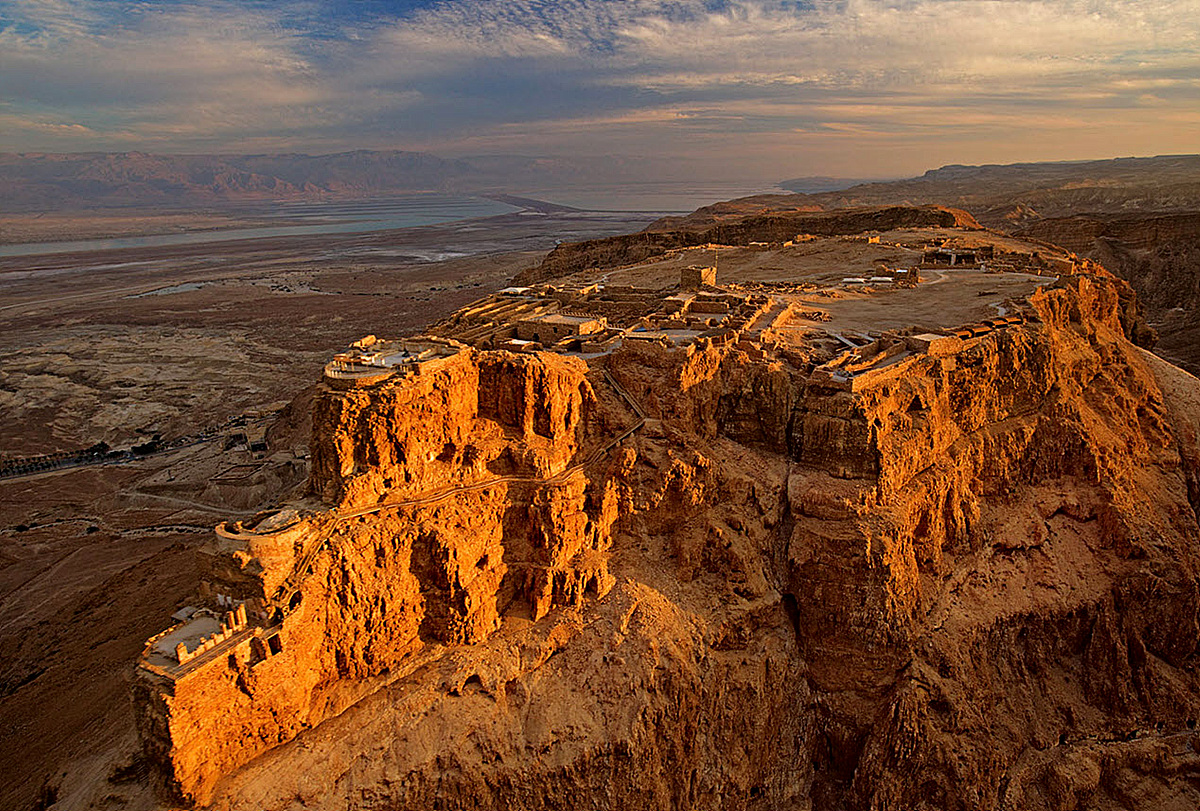
 So important is this event to the Jewish people that it is commemorated still as the bitterest day of the Jewish calendar, a day of fasting and mourning known as Tisha B’Av.


 Masada remained the last remnant of Jewish rule in Palestine in 70, following the fall of Jerusalem and destruction of the second temple. A defending force of fewer than 1,000 (including women and children) held out for nearly two years as the 15,000-strong legions of General Flavius Silva placed stone upon stone, building the sloping ramp of earth and stone seen above.


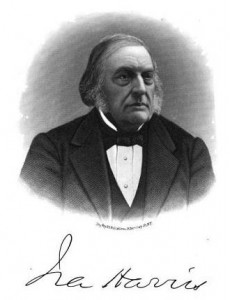 New York Supreme Court Justice Ira Harris, himself a widower and father of four, joined his household with hers when the couple married, in 1848. There were now six kids. A regular 19th-century “Brady Bunch.”
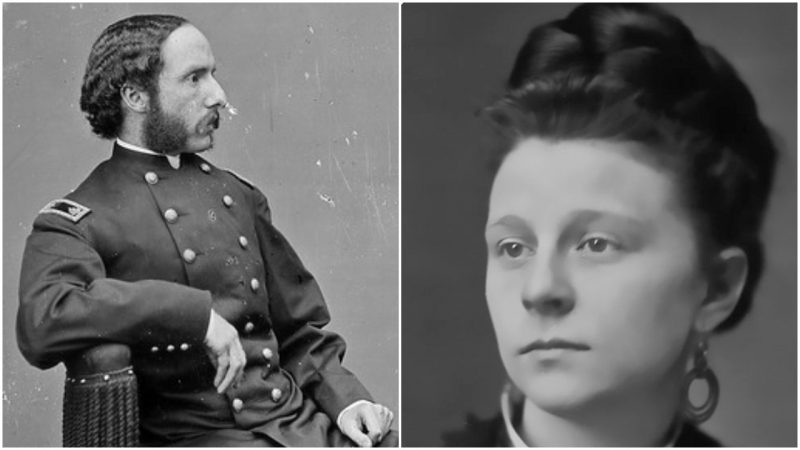 Rathbone served the Union army for the duration of the war, becoming Captain in the 12th Infantry Regiment and participating in the battles at Antietam and Fredericksburg. By the end of the war, Rathbone had attained the rank of Major.


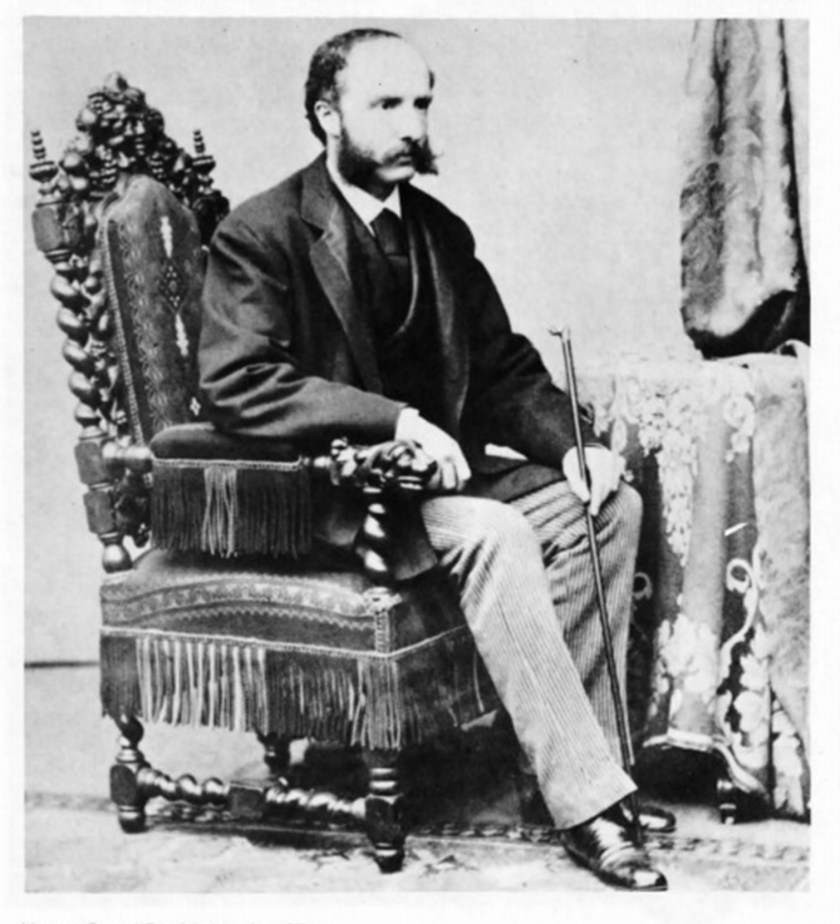


 As the story goes, Taft’s fellow spectators noticed the President rising, and followed his lead. Most had no idea why, but soon the entire section was standing.



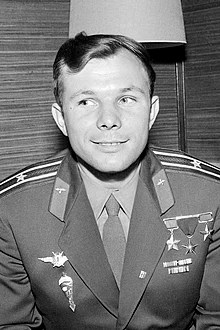 Gagarin’s flight gave fresh life to the “Space Race” between the cold war rivals. President John F. Kennedy announced the intention to put a man on the moon, before the end of the decade.


 The seventh manned mission in the Apollo space program was scheduled to be the third moon landing, launching at 13:13 Central Standard Time from the Kennedy Space Center in Florida.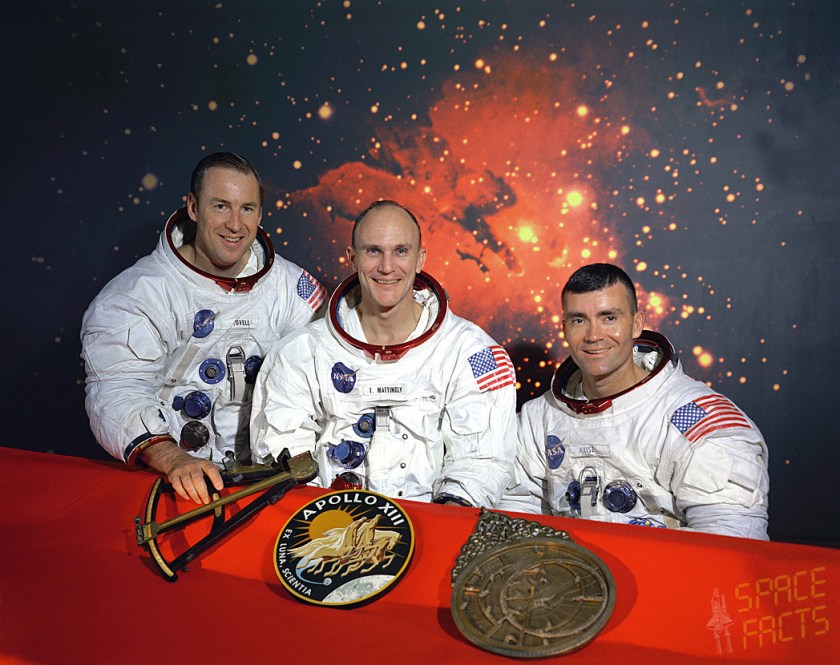

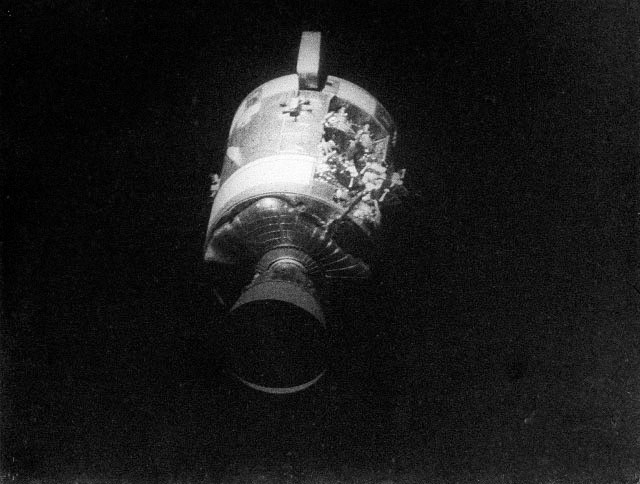
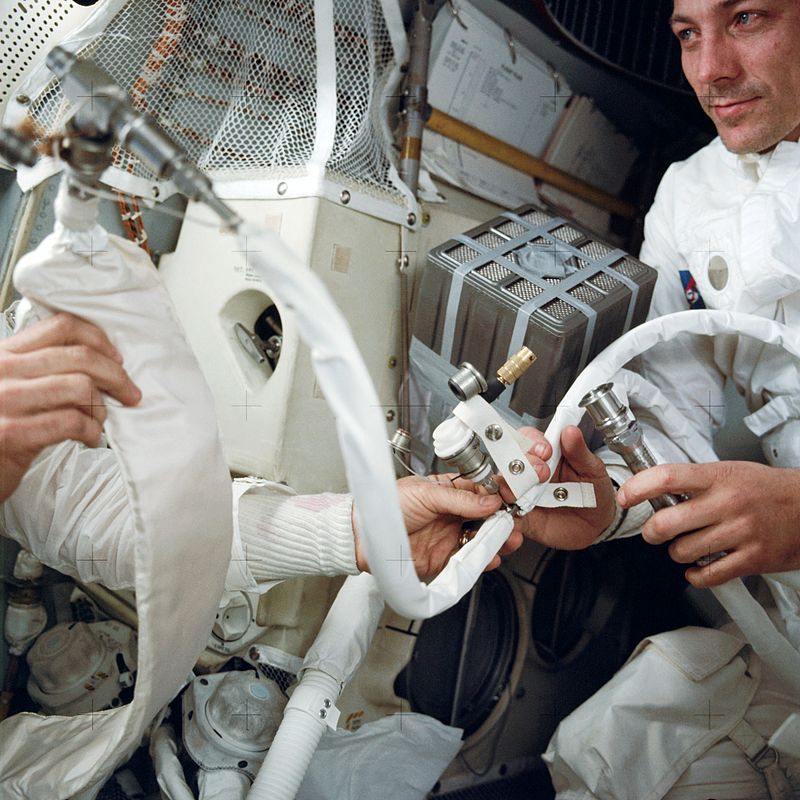
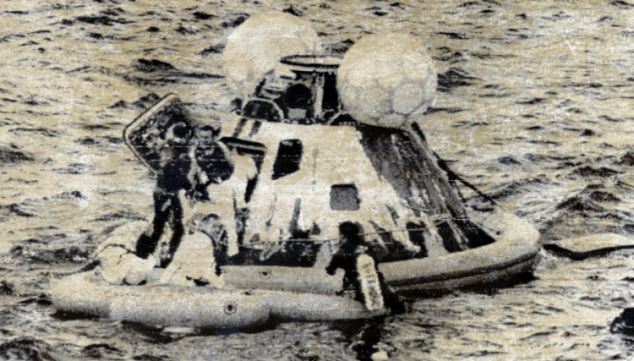
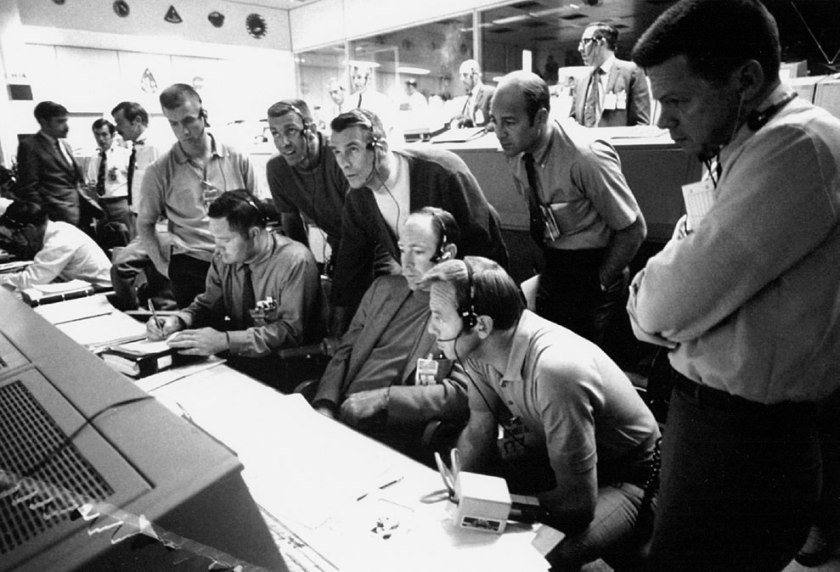 Fifteen years before Angus “Mac” MacGyver hit your television screen, mission control teams, spacecraft manufacturers and the crew itself worked around the clock to “MacGyver” life support, navigational and propulsion systems. For four days and nights, the three-man crew lived aboard the cramped, freezing Aquarius, a landing module intended to support a crew of 2 for only a day and one-half.


 Historical Easter Eggs - Today in History
You must be logged in to post a comment.