

On September 8, 2004, CBS News aired a 60 Minutes™ program hosted by News Anchor Dan Rather, centered on four documents critical of President George W. Bush’s National Guard service in 1972-‘73. It was less than two months before the 2004 Presidential election.
The documents were supposed to have been written by Bush’s commander, Lieutenant Colonel Jerry B. Killian, who was unavailable for comment. Lt. Col. Killian passed away, in 1984.
 The documents came from Lt. Col. Bill Burkett, a former Texas Army National Guard officer who had received publicity back in 2000, when he claimed to have been transferred to Panama after refusing to falsify then-Governor Bush’s personnel records. Burkett later retracted the claim, but popped up again during the 2004 election cycle. Many considered the man to be an “anti-Bush zealot”.
Within hours of the broadcast, the documents were criticized as forgeries. Internet fora and blogs challenged the terminology and typography of the memos. Within days it came out that the font used in the memos didn’t even exist, at the time the documents were supposed to have been written.
That didn’t stop the Boston Globe from running a story entitled “Authenticity Backed on Bush Documents”, a story it was later forced to retract.
Criticism of the 60 Minutes’ piece intensified, as CBS News and Dan Rather dug in and defended their story. Within the week, Rather was talking to a Daily Kos contributor and former typewriter repairman who claimed that the documents could have been written in the 70s.
 Meanwhile, the four “experts” used in the original story were publicly repudiating the 60 Minutes piece.
Other aspects of the documents were difficult to authenticate without the originals. CBS had nothing but faxes and photocopies. Burkett claimed to have burned the originals after faxing them to the network.
The New York Times interviewed Marian Carr Knox, then-secretary to the squadron in 1972, running a story dated September 14 under the bylines of Maureen Balleza and Kate Zernike. The headline read “Memos on Bush Are Fake but Accurate, Typist Says“.
The story went on to describe the 86 year-old Carr’s recollections that she never typed the memos, but they accurately reflected Lt. Col. Killian’s sentiments. “I think he was writing the memos”, she said, “so there would be some record that he was aware of what was going on and what he (Bush) had done.”
 Yet Killian’s wife and son had cleared out his office after his death, and neither found anything so much as hinting at the existence of such documents. Others who claimed to know Carr well described her as a “sweet old lady”, but said they had “no idea” where those comments had come from.
CBS News would ultimately retract the story, as it came out that Producer Mary Mapes collaborated on it with the Kerry campaign. Several network news people lost their jobs, including Dan Rather himself, and Mapes.
 Public confidence in the “Mainstream Media” plummeted. Many saw the episode as a news network lying, and the “Newspaper of Record” swearing by it.
“Conservative” news sources like PJ Media rose from the ashes of the scandal, a tongue-in-cheek reference to the fact that a bunch of bloggers “in their jammies”, had uncovered in a matter of hours, what the vaunted news gathering apparatus of CBS News failed to figure out in weeks.
That the mainstream media “filters” the news, is neither a revelation, nor is it new. In 1932-’33, New York Times reporter Walter Duranty reported on Josef Stalin’s deliberate starvation of millions of Ukrainians, known as “Holodomor”. “Extermination by hunger”. With 25,000 starving to death every day, Duranty won a Pulitzer with such gems as: “There is no famine or actual starvation nor is there likely to be.” – (Nov. 15, 1931), and, “Any report of a famine in Russia is today an exaggeration or malignant propaganda.” – (Aug. 23, 1933).
The 1993 NBC Dateline “Exploding Truck” edition didn’t get the desired effect when it crash tested General motor’s pickup truck, so the network rigged another with a pyrotechnic device. Sure enough, that one exploded, right on cue. The “Exposé” was pure BS masquerading as “News”, but hey. The explosion made for good television.
In a transparent attack on an administration with which it had political disagreements, the New York Times ran the Abu Ghraib story on the front page, above the fold, for 32 days straight. Just in case anyone might have missed the first 31.
And who can forget that racially incendiary, edited audio from George Zimmermann’s 911 call, or those photoshopped images, of the man’s head. Thank you, NBC.
If the point requires further proof, watch ABC News Charlie Gibson’s 2008 interview with Sarah Palin, then read the transcript. Whether you like or don’t like Ms. Palin is irrelevant to the point. The transcript and the interview as broadcast, are two different things.

As I write, Hurricane Florence makes landfall, on the North Carolina coast. A storm in which, three days ago, the Washington Post declared President Trump, to be “complicit”.
The political process fails us when those we trust to provide the “news” act as advocates, instead of honest conduits of information. The American system of self-government operates within a marketplace of ideas. Such a system cannot properly function when those who would be its “watchdogs”, must themselves, be watched. That may be the worst part of this whole sorry story.


 On September 13, 1987, Roberto dos Santos Alves and Wagner Mota Pereira entered the Instituto Goiano de Radioterapia (IGR), bent on theft. The private hospital was permanently closed at the time, and partly demolished. Alves and Pereira were looking for anything they might sell, for scrap.
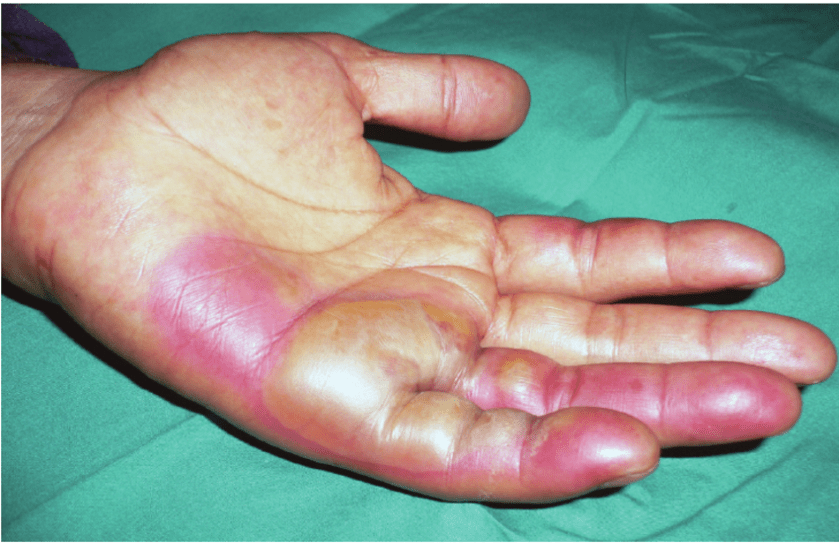
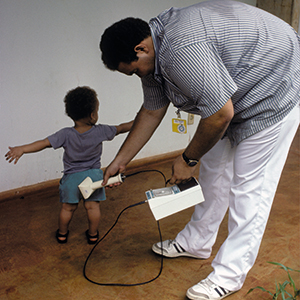 Five days after the theft, Alves sold the items he had pilfered, to a nearby scrapyard. Noticing the blue glow from the punctured capsule, the scrapyard owner thought the object might be valuable or even supernatural, and took the thing inside. Several rice-sized grains of the glowing material were pried from inside the capsule, as Devair Ferreira (the owner of the scrapyard) invited friends and family to come and see the strange, glowing substance. Ferreira’s brother Ivo brought some of the stuff home to his six-year-old daughter, about the time when Devair’s 37-year-old wife Gabriela, became ill.
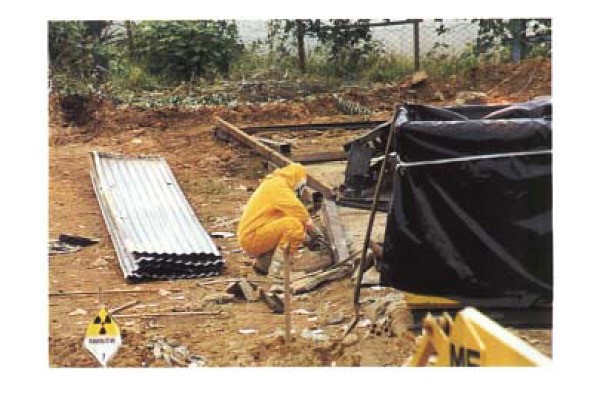 The incident was broadcast all over Brazil, and 130,000 people people flooded into area hospitals, afraid they had been exposed. One thousand individuals showed greater than background levels of radiation, 249 showed significant signs of contamination.

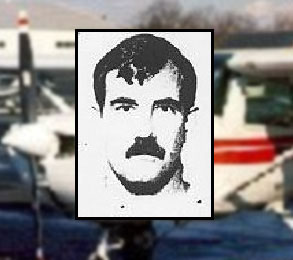 For Frank Eugene Corder, life took a turn for the worse in 1993, around the time the truck driver was fired for reasons unknown. That April, Corder was arrested for theft. Another arrest that October, this time on illegal substance charges, led to a 90-day sentence to a drug rehab center.







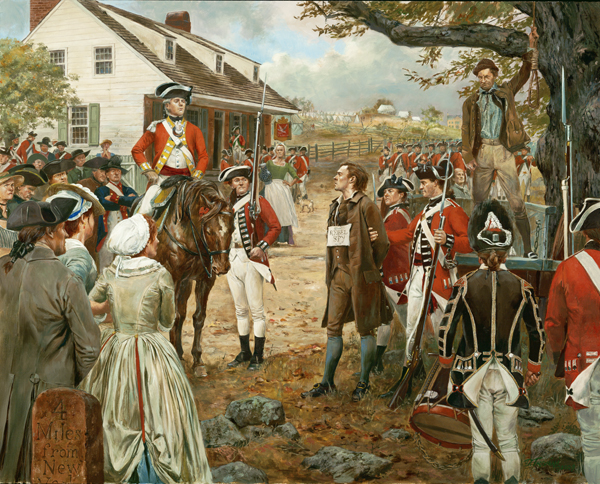


 There was no official record taken of Nathan Hale’s last words, yet we know from eyewitness statement, that the man died with the same clear-eyed personal courage, with which he had lived.


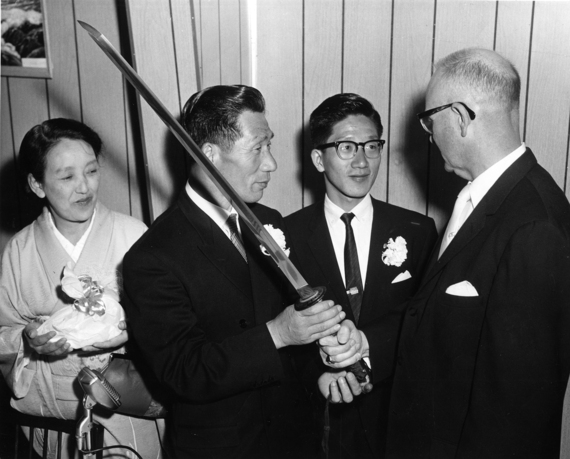


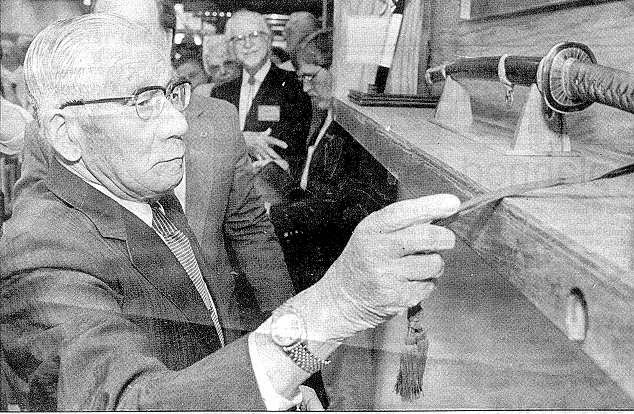


 He was “Il Divino”, “The Divine One”, literally growing up with the hammer and chisel. He had a “Terribilità” about him, an awe-inspiring sense of grandeur which made him difficult to work with, but for which he was at the same time, widely admired and imitated. Michelangelo was that insufferably cocky kid who wasn’t bragging. He could deliver.
 The 17′, six-ton David was originally intended for the roof of the Florence Cathedral, but it wasn’t feasible to raise such an object that high. A committee including Leonardo da Vinci and Sandro Botticelli was formed to decide on an appropriate site for the statue. The committee chose the Piazza della Signoria outside the Palazzo Vecchio, the town hall of Florence.

 Estimates suggest that the second of four major Caliphates, that of the Umayyad based in Damascus, Syria, was over 5 million square miles, larger than any modern state with the sole exception of the Russian Federation.

 No less a figure than Dante Alighieri counted Saladin a “virtuous pagan,” ranking among the likes of Hector, Aeneas, and Caesar.
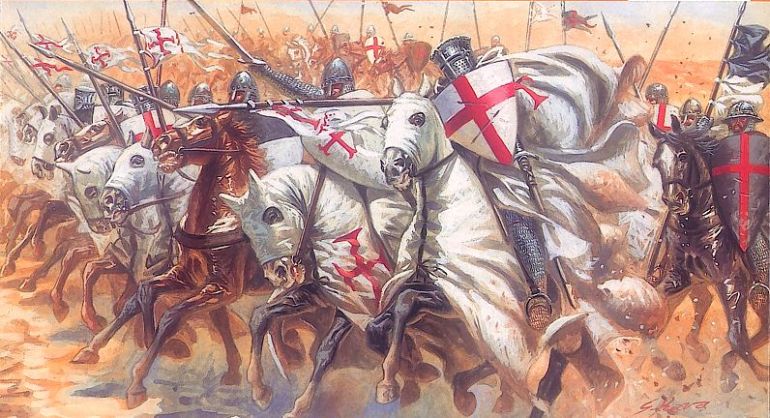
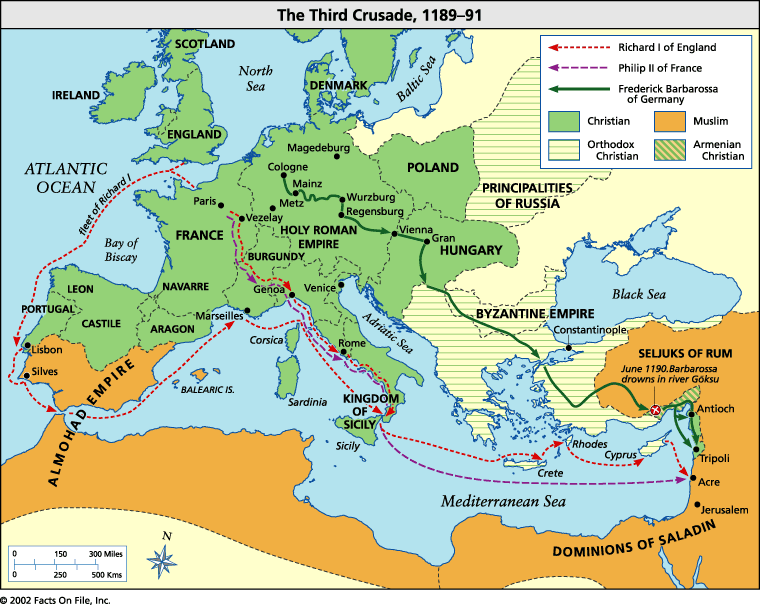 The aging Holy Roman Emperor, Frederick I “Barbarossa” (Red Beard), was the first to go, taking up the cross at Mainz Cathedral in March, 1188. Emperor Frederick drowned crossing the Saleph River in Asia Minor in June 1190, after which most of his army of 100,000 returned to Germany.
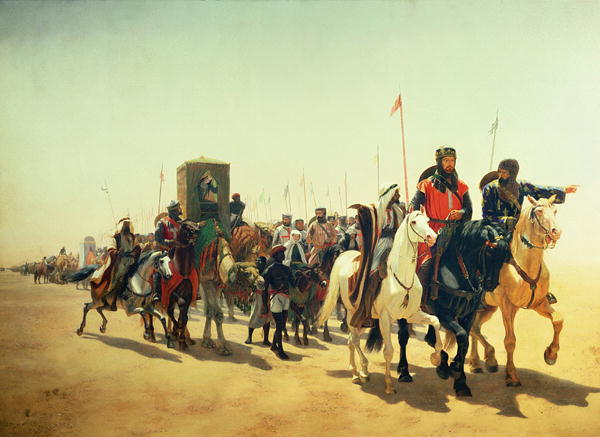



 John Connell Freeborn was a pilot with the RAF, and a good one, too. Credited with 13½ enemy aircraft shot down, Freeborn flew more operational hours during the Battle of Britain, than any other pilot, ending the war with a Distinguished Flying Cross and Bar, and completing his RAF career as a Wing Commander. Yet, there is a time when every hero is as green as the grass. In the beginning, John Freeborn like everyone else, were rank amateurs.
 Richard Hough and Denis Richards wrote about the episode in


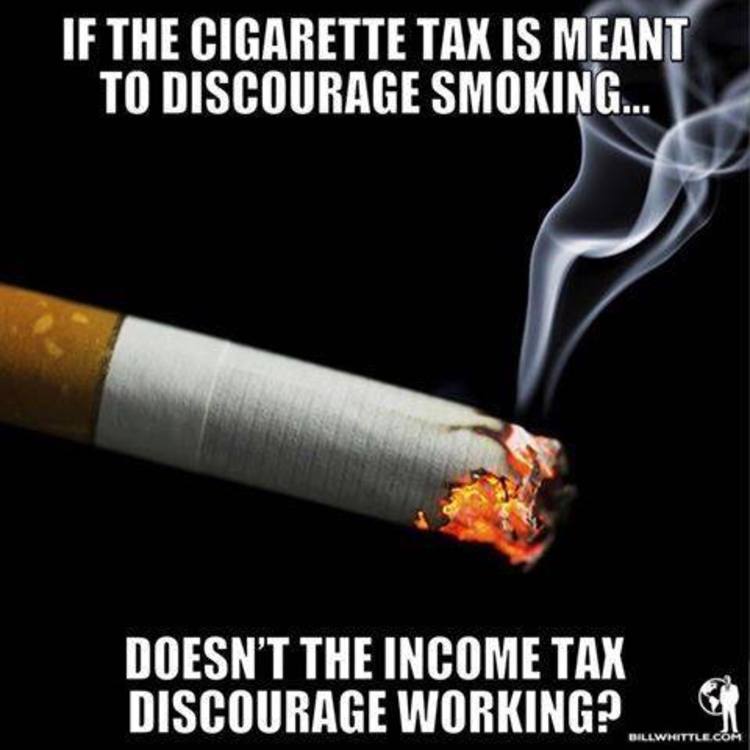
 Undeterred, then-Governor Elliott Spitzer proposed a tax on illegal drugs as part of the Empire State’s 2008-’09 budget, making New York the 30th state to pass such a measure. “Mr. Clean” stepped down in a hooker scandal, amid threats of impeachment by state lawmakers. The state Senate passed a budget resolution the following day, specifically rejecting the crack tax.
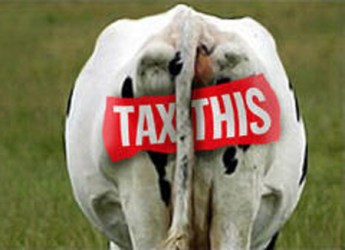 New Zealand proposed a tax on bovine flatulence in 2003, to curb “Global Warming”. The fuss raised by New Zealand farmers over a tax on cow farts, was near-measurable on the Richter scale. Red-faced politicians quietly dropped the proposal.
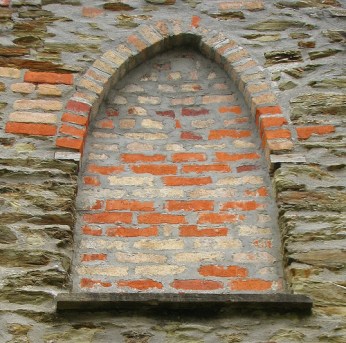 In 1662, Charles II levied a tax on fireplaces, to finance the Royal Household. Britons hurried to brick up their fireplaces to avoid the “hearth tax, preferring to shiver rather than pay up. The village baker in Churchill in Oxfordshire knocked out the wall from her oven to avoid the tax, and not surprisingly, burned the whole village down.
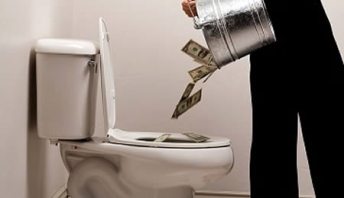 In 2004, the Maryland Legislature passed a monthly fee on sewer bills, ostensibly to protect the Chesapeake Bay and Atlantic tributaries. You pee, you poo, you pay. The fee doubled in 2012, the year in which Governor Martin O’Malley signed a tax – on rain.
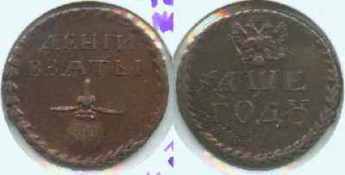 When you paid your beard tax of 100 Rubles, (peasants and clergy were exempt), you had to carry a “beard token”. Two phrases were inscribed on the coin: “The beard tax has been taken” and “The beard is a superfluous burden”. Failure to shave or pay the tax might lead to your beard being forcibly cut off your face. Some unfortunates had theirs pulled out by the roots, by Peter himself.
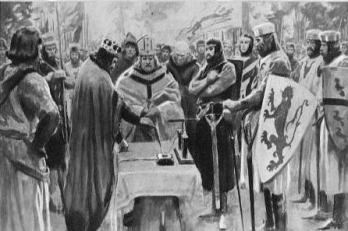 When King Henry I reigned over England (1100 – 1135), people who avoided military service were charged a “Cowardice Tax” called a”Scutage”. It was modest at first, but Richard Lionheart’s little brother John raised it by 300% when he became King, charging even his knights in years when there were no wars. It’s no small part of what led to the Magna Carta.


 Historical Easter Eggs - Today in History
You must be logged in to post a comment.