
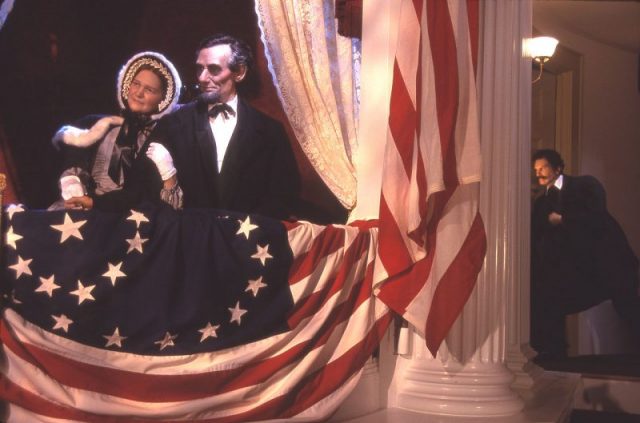
An historical ghost story, for your Halloween enjoyment. But there are no such things as ghosts…Right?
Albany, New York businessman Jared Rathbone passed away in 1845, leaving a considerable fortune to his widow Pauline, and their four children.
New York Supreme Court Justice Ira Harris, himself a widower, joined his household with hers when the couple married, in 1848. There were now eight kids. A regular 19th-century “Brady Bunch.”
Pauline’s son Henry and Ira’s daughter Clara became close friends and later, more. Much more. They were step-siblings, yes, but there was no “blood” between them. Such a relationship seems not to have been so ‘odd’ then, as it may seem, today.
With the incoming Lincoln administration, Ira Harris was elected to the United States Senate, replacing Senator William H. Seward who’d been picked to serve in the new administration.
By the time of the War between the States, Clara Harris and Henry Rathbone were engaged to be married.
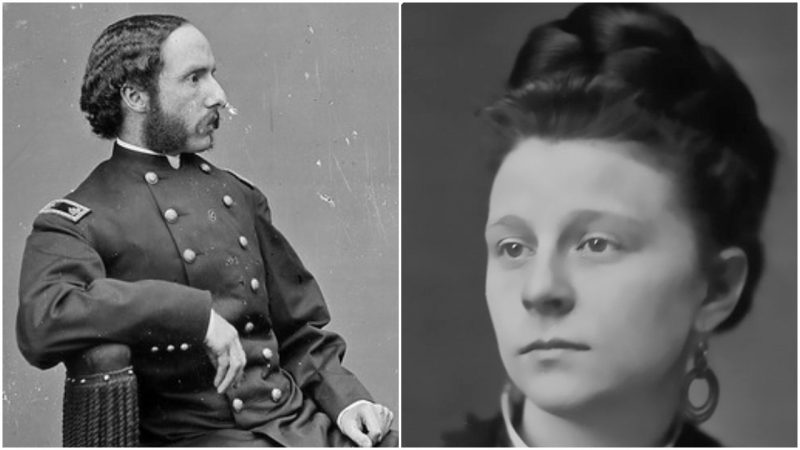
Rathbone served the Union army for the duration of the war, becoming Captain in the 12th Infantry Regiment and participating in the battles at Antietam and Fredericksburg. By the end of the war, Rathbone had attained the rank of Major.
Meanwhile, Senator Harris’ daughter Clara had conceived a friendship with the First Lady of the United States, Mary Todd Lincoln.
If a picture is worth a thousand words, before and after photographs tell of the burdens, born by the chief executive of a nation at war with itself. Making matters worse, the Lincolns had lost two of their four boys in childhood, by war’s end. In April 1865, a night out must have seemed like a welcome break. An evening at the theater. The play, a three-act farce by English playwright Tom Taylor. “Our American Cousin”.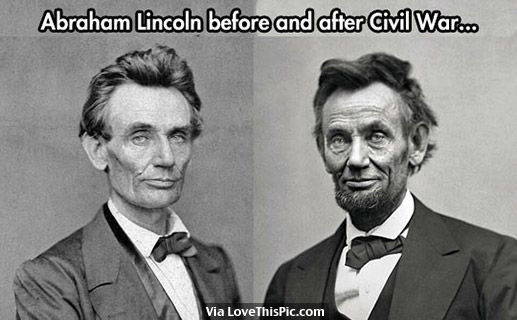
The Lincoln’s companions for the evening were to be General Grant and his wife, Julia, but the General had other plans. It was probably convenient, because the ladies didn’t get along. Mary suggested her neighbor Clara Harris, of whom she was quite fond. And besides, didn’t her fiancée cut a dashing figure, in his blue uniform.
The story of that night is familiar, the assassin creeping up from behind. The mark of the coward.
John Wilkes Booth was himself one of the great actors of his day, and chose his moment, carefully. Raucous laughter and applause could be expected to follow the line “Don’t know the manners of good society, eh? Well, I guess I know enough to turn you inside out, old gal — you sockdolagizing old man-trap!”
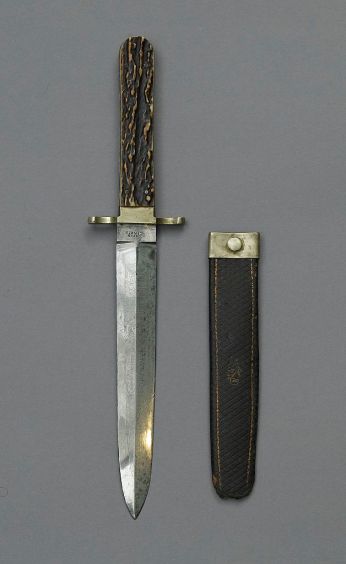
The bullet was fired at point-blank range, entering the President’s skull behind the left ear and coming to rest, behind the right eye. Rathbone sprang to the attack but the assassin was ready, the dagger slashing the major nearly bone-deep, from shoulder to elbow. Rathbone made one last lunge, knocking Booth off balance as he leapt to the stage, below. Witnesses remembered that he cried out “Sic Semper Tyrannis”. Thus always, to tyrants. And then, he was gone.
In the President’s box, all was chaos. The first lady was inconsolable, sobbing and shrieking, like a wildcat. Rathbone was losing blood at a prodigious rate, a major artery slashed in the scuffle.
Clara’s new dress was soaked with the blood of her fiancee, her face splashed and clothing drenched through the layers of petticoats to the skin, beneath. The small group was taken across the street to the Peterson house, the President laid out on a bed. Henry Rathbone faded in and out of consciousness due to blood loss, raving in his delirium how he should have caught the assassin, his head on Clara’s lap, her handkerchief stuffed into the void where the bicep used to be.
There wasn’t even time to clean off her face. Mary Lincoln would just begin to calm down when she’d see Clara and fall apart, wailing “My husband’s blood!”. It wasn’t, but, no matter. Perception is reality. The death vigil lasted this way, for nine hours. The 16th President of the United States passed away at 7:22 the following morning, April 15, 1865.
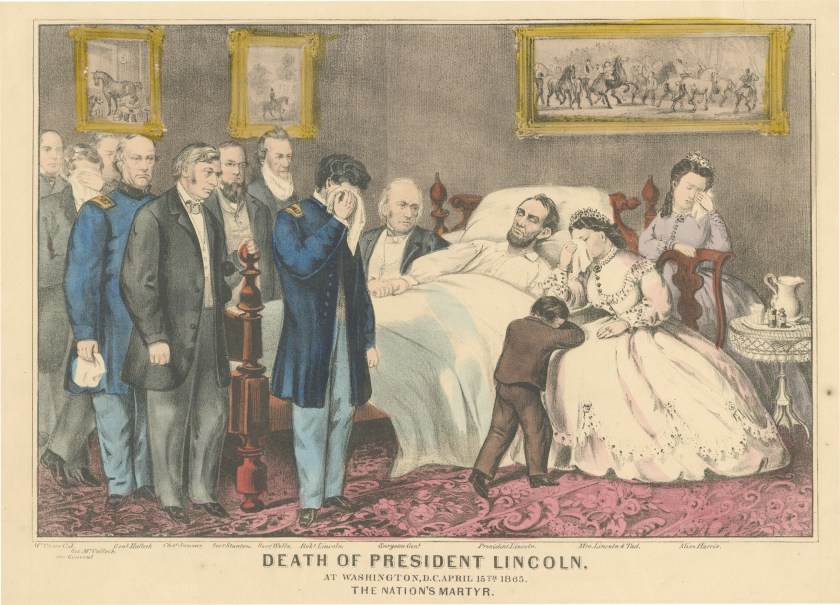
Major Rathbone would heal, in time, but he never came to terms with his failure to protect the President. He was tormented, distraught with guilt, unable to understand what he could have done differently, but, What!? Surely there must have been…Something.
Clara Harris couldn’t bring herself to wash that dress, nor to burn it. She hung it in a guest room closet, blood and all, in the family’s vacation home in New York.
What demons afflicted the mind of Henry Rathbone can only be guessed at, as a mental illness which had no name, crept into his soul. He was possessed with that night. Was I not quick enough? Or brave enough? Or Strong enough? It was MY fault. A Better Man would have taken that bullet. Or Stopped that man. No he wouldn’t…yes he would…but…I…what, the, hell, is WRONG WITH YOU???!!!
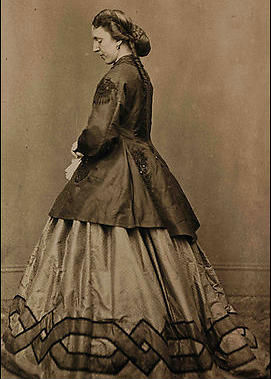
Washington DC was saturated with All Things Lincoln in April 1866, and Clara fled to the family home in Albany, to get away. There in that closet hung the bloody dress. On the anniversary of the assassination, she heard laughter, she knew she did, coming down the hall. Lincoln’s laughter.
Others reported the same thing in the following years. The sound of laughter. A single gun shot. But there are no such things as ghosts…Right?
Major Rathbone and Clara Harris were married in July 1867 and the couple had three children, Henry rising to the rank of brevet Colonel, in 1870. That was the year he resigned from the army, but work was hard to come by, due to increasing mental instability.
Rathbone convinced himself that Clara was unfaithful, and that she planned to take the kids away. He would fly into rages and she considered divorce, but couldn’t bear the thought, nor the stigma.
Clara went so far as to have the closet bricked up with that dress inside, like Montresor bricked up Fortunato. It changed, nothing. The family traveled to Europe and back in search of a cure, but Rathbone’s condition only worsened.
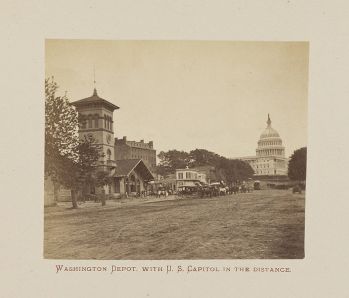
Despite all this or possibly because of it, President Chester A. Arthur appointed Rathbone US Consul to the Province of Hannover in Germany, in 1882.
“Trick or Treating” had yet to take hold by this time, back in the United States. For most, October 31, 1883 passed pleasantly enough: Fall festivals, children bobbing for apples, young women consulting mirrors or tossing nuts into fires, to see whom they would marry. Not so, Henry Rathbone. He had Monsters in his head.
Two months later, December 23, Henry Rathbone shot his wife, and stabbed himself, in the chest. Six times. He lived. She died.
He claimed he was defending her, against an attacker.
The three children, Henry Riggs, Gerald Lawrence and Clara Pauline, went to live with relatives. Henry Reed Rathbone was convicted of their mother’s murder and committed to an asylum for the criminally insane in Hildesheim, Germany, there to spend the next twenty-eight years.
Henry Reed Rathbone died on August 14, 1911 and was buried, next to his wife.
In 1922, Henry Riggs Rathbone would be elected to the United States House of Representatives. Twelve years earlier he unbricked that closet and burned the hated dress, the dress which had stolen his childhood, and murdered his mother, and cursed his father. But there are no such things as ghosts…Right?

Afterward
Burial customs are different in Germany, than in the United States. Grave plots are generally leased for a period of 20 – 30 years, with an option to renew. In 1952, officials with the city cemetery at Hanover/Engesohde looked over visitation records, and determined that there was no further interest, in Clara Harris or Henry Rathbone. The couple was exhumed and their remains burned, and disposed of. Like they were never even there.
But there are no such things as ghosts.
Right?


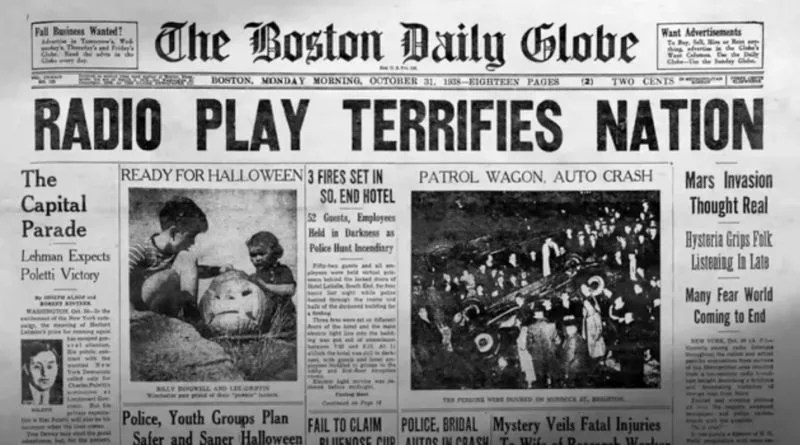
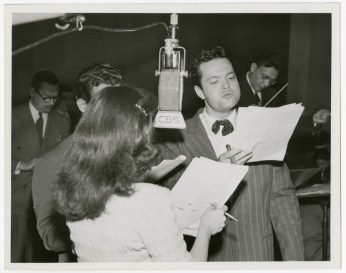 The radio drama began with a statement that, what followed, was fictional. The warning was repeated at the 40 and 55-minute mark, and again at the end of the broadcast. It began with a weather report, and then went to a dance band remote, featuring “Ramon Raquello and his orchestra”. The music was periodically interrupted by live “news” flashes, beginning with strange explosions on Mars. Producer Orson Welles made his first radio appearance as the “famous” (but non-existent) Princeton Professor Dr. Richard Pierson, who dismissed speculation about life on Mars.
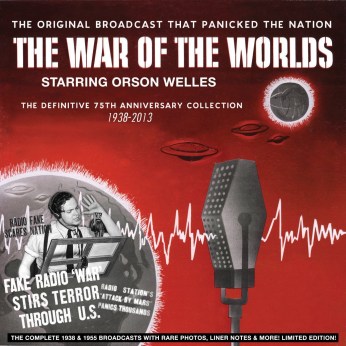 A short time later, another “news flash” reported a fiery crash in Grovers Mill, NJ. What was originally thought to be a meteorite was revealed to be a rocket machine as a tentacled, pulsating Martian unscrewed the hatch and incinerated the crowd with a death ray.



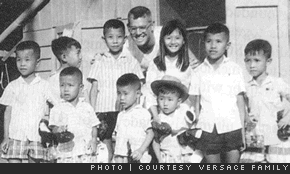
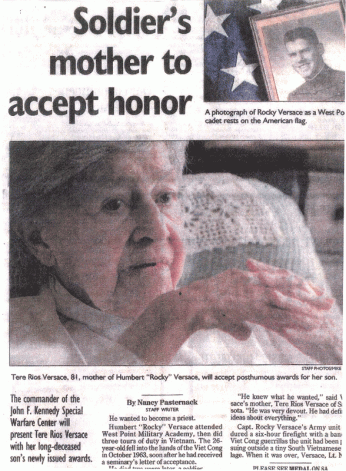
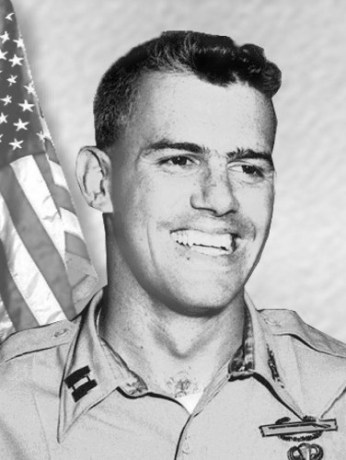 Humbert Roque Versace was born in Honolulu on July 2, 1937, the oldest of five sons born to Colonel Humbert Joseph Versace. Writer Marie Teresa “Tere” Rios was his mother, author of the
  He did his tour, and voluntarily signed up for another six months. By the end of October 1963, Rocky had fewer than two weeks to the end of his service. He had served a year and one-half in the Republic of Vietnam. Now he planned to go to seminary school. He had already received his acceptance letter, from the Maryknoll order.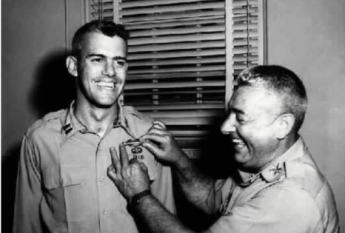
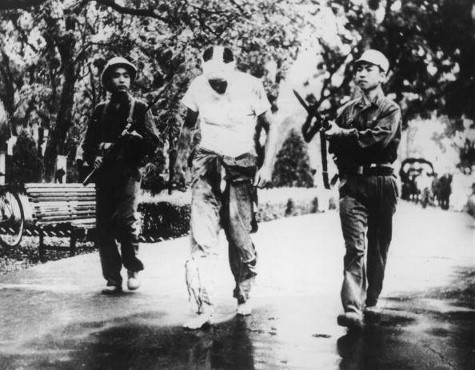
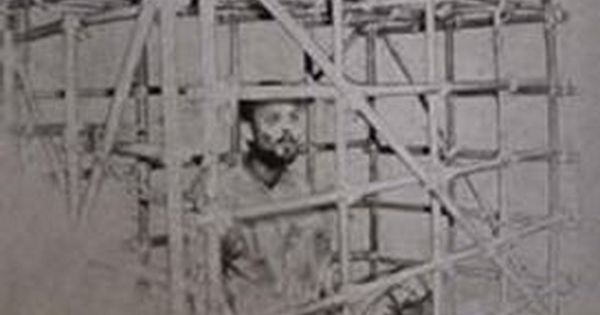
 The effect was entirely unacceptable to his Communist tormentors. To the people of these villages, this man made sense.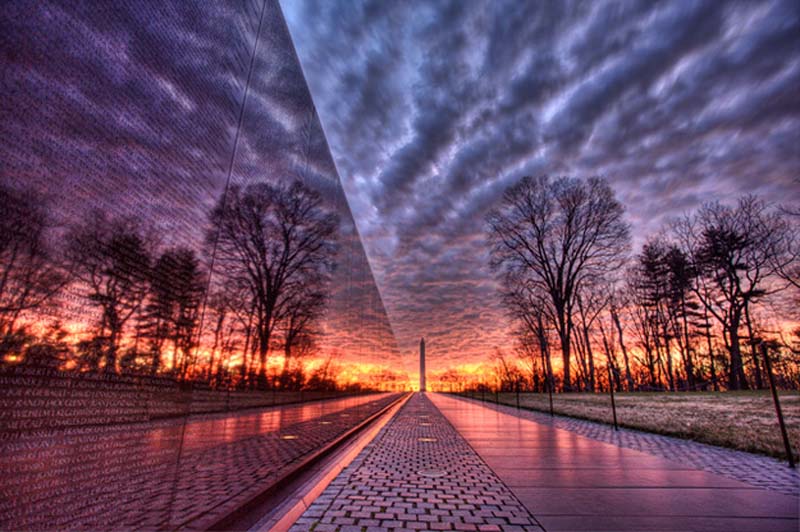

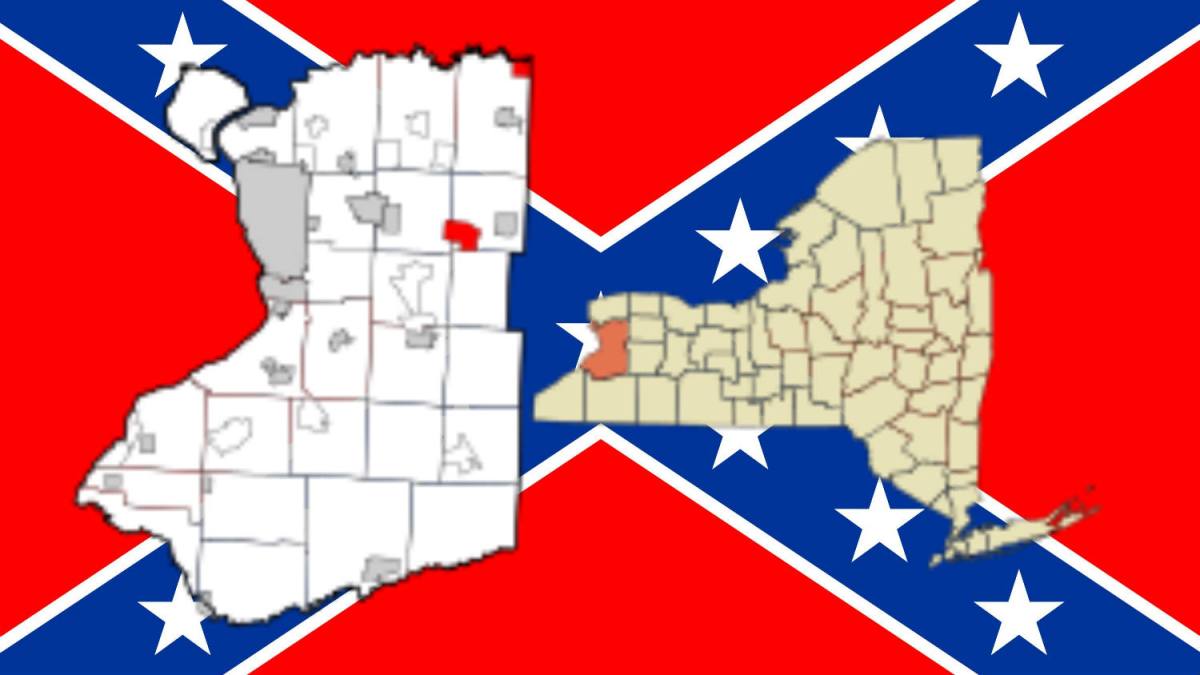
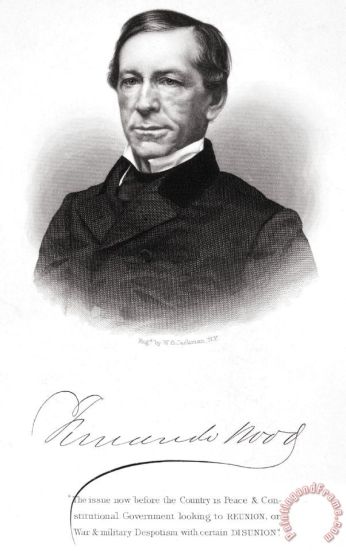 South Carolina seceded in December 1860, and the world waited to see who’d follow. New York City became the next to call for secession on January 6, when Mayor Fernando Wood addressed the city’s governing body. “When Disunion has become a fixed and certain fact”, he said, “why may not New York disrupt the bands which bind her to a venal and corrupt master…and destroyed the Confederacy of which she was the proud Empire City?”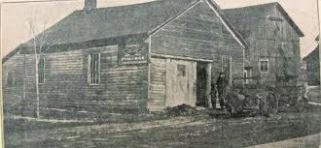

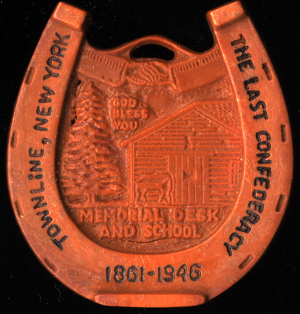 A courier express note arrived on October 7, 1945. “There are few controversies that are not susceptible to a peace time resolution” read the note, “if examined in an atmosphere of tranquility and calm rather than strife and turmoil. I would suggest the possibility of roast veal as a vehicle of peace. Why don’t you run down the fattest calf in Erie County, barbecue it and serve it with fixin’s in the old blacksmith shop where the ruckus started? Who can tell? The dissidents might decide to resume citizenship.” The note was signed “Very Sincerely Yours, Harry Truman”.
![4b4cf0f864c3dabcdb_IMG_7326[1]](https://todayinhistory.blog/wp-content/uploads/2018/10/4b4cf0f864c3dabcdb_img_73261.jpg?w=684&h=513)


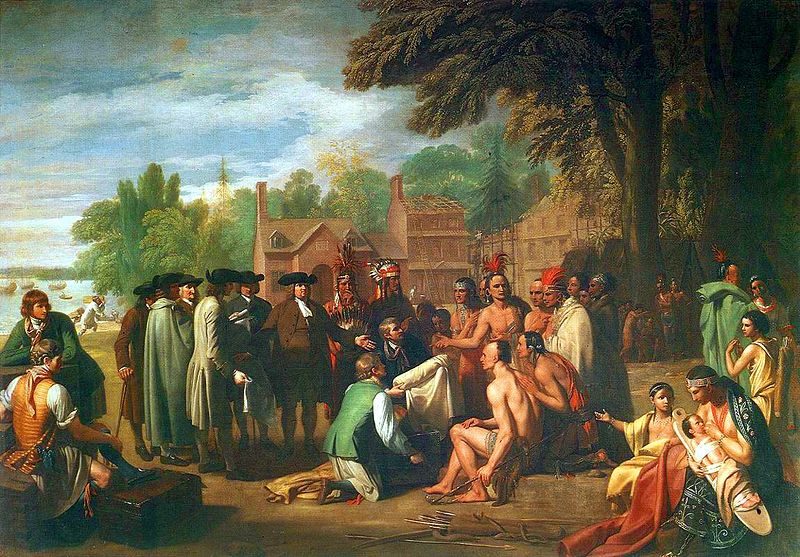
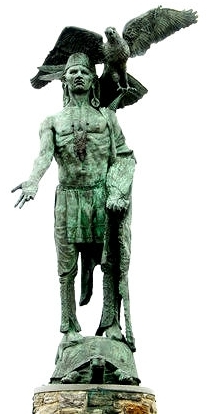 Tammany Societies adopted a number of native terms, with leaders calling themselves Grand Sachem, and meeting in halls called “Wigwams”. The most famous of these was incorporated in New York on May 12, 1789.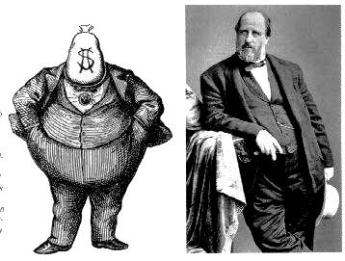
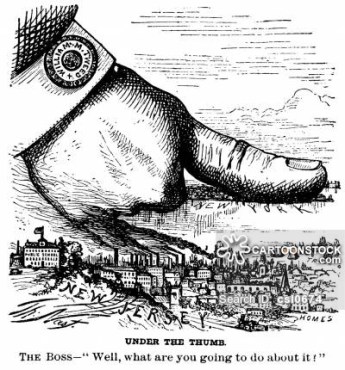 Some among the self-styled “Uppertens”, the top 10,000 amid New York’s socioeconomic strata, fell in with the self-dealing and corruption of the Tammany Hall machine. Others counted on an endless supply of cheap immigrant labor.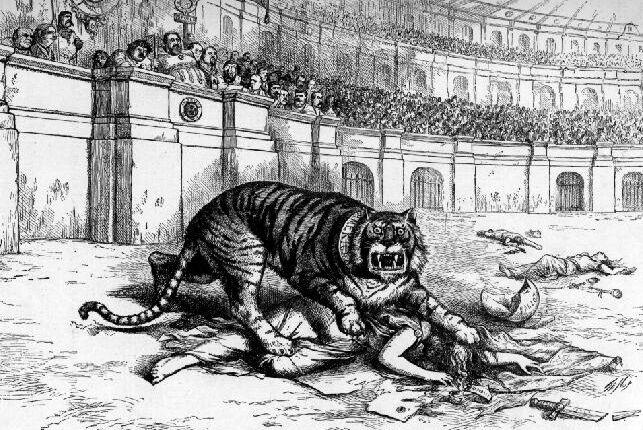
 Next is the spoils system, itself. To this day, too many think it’s government’s job to “Bring home the Bacon”, not seeming to realize that they are themselves, the hogs. The Roosevelt administrations’ efforts to fix the Great Depression resulted in a blizzard of bacon from an increasingly Nationalized federal government, separating the local machines from their proximate base of support.


 The history of the Navajo code talkers of WWII is relatively well known, but by no means, unique. Indigenous Americans of other nations served as code talkers in WW2, including Assiniboine, Lakota and Meskwaki soldiers, who did service in the Pacific, North African, and European theaters of the war.
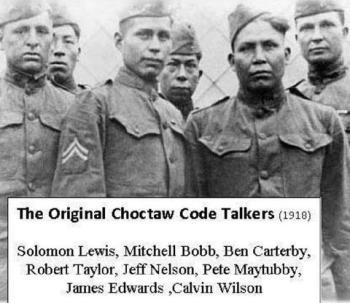 The Choctaw themselves didn’t use the term “Code Talker”, that wouldn’t come along until WWII. At least one member of the group, Tobias W. Frazier, simply described what they did as, “talking on the radio”. Of the 19 who served in WWI, 18 were native Choctaw from southeast Oklahoma. The last was a native Chickasaw. The youngest was Benjamin Franklin Colbert, Jr., the son of Benjamin Colbert Sr., one of Teddy Roosevelt’s “Rough Riders” of the Spanish American War. Born September 15, 1900 in the Durant Indian Territory, he was all of sixteen, the day he enlisted.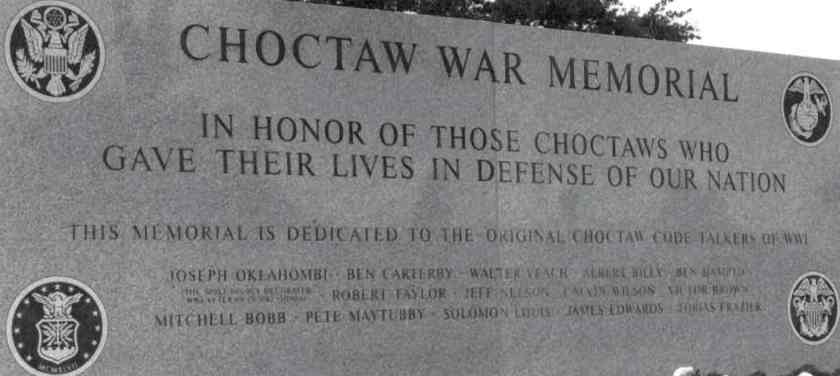

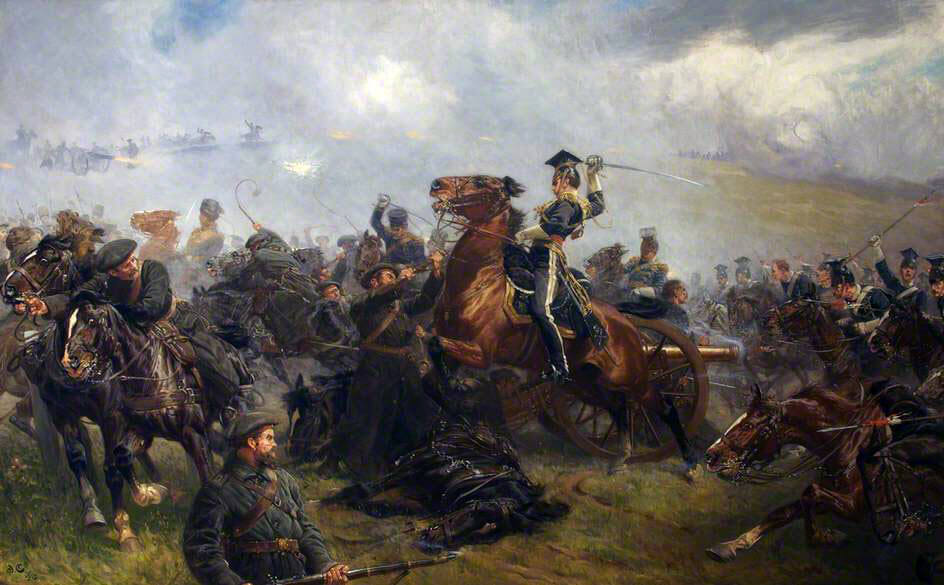
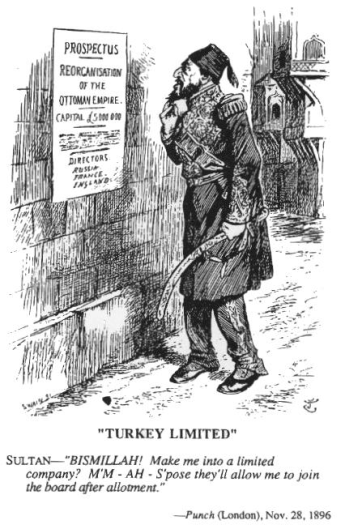
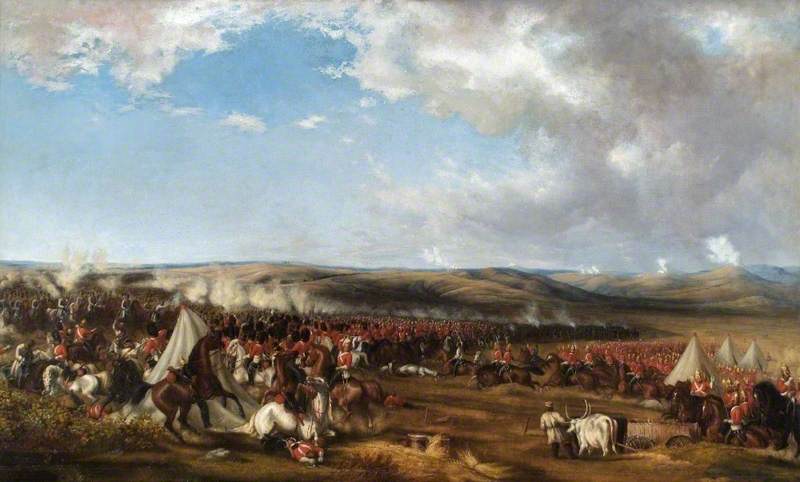
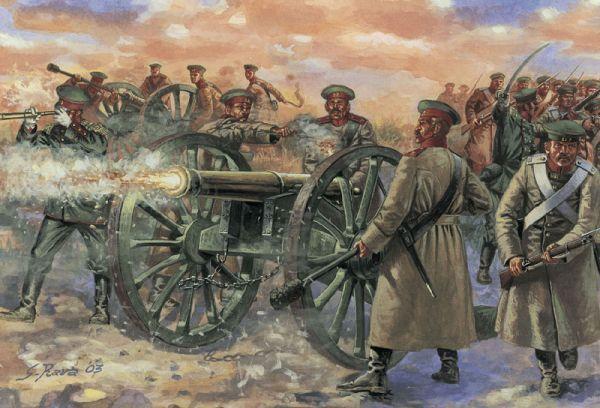
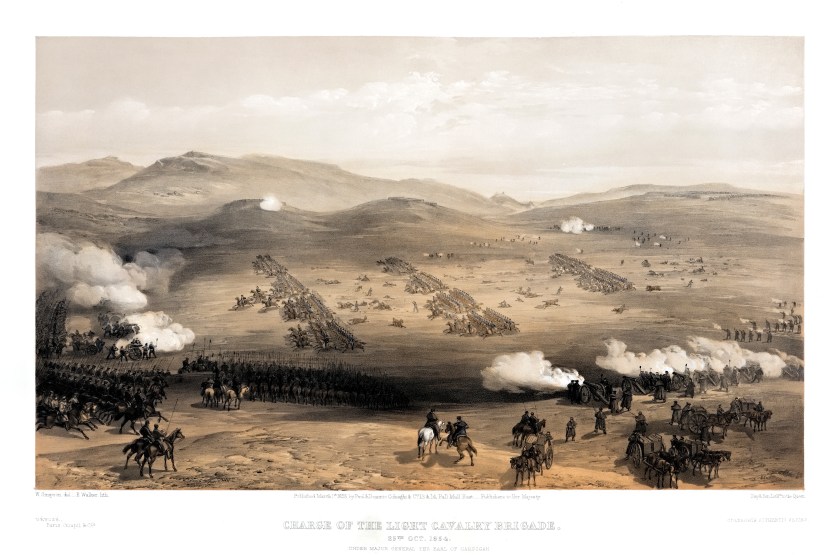
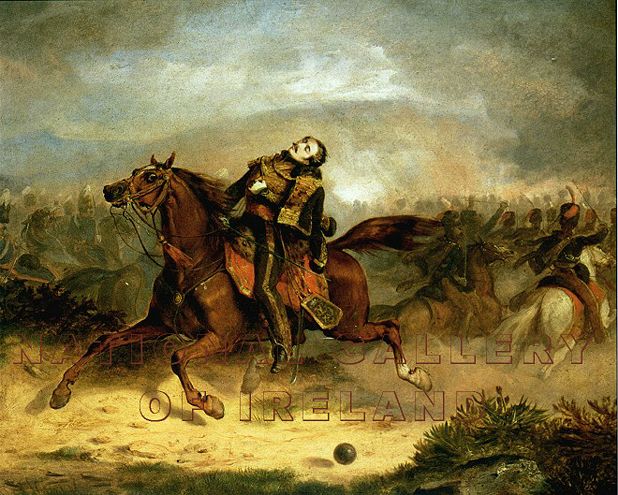
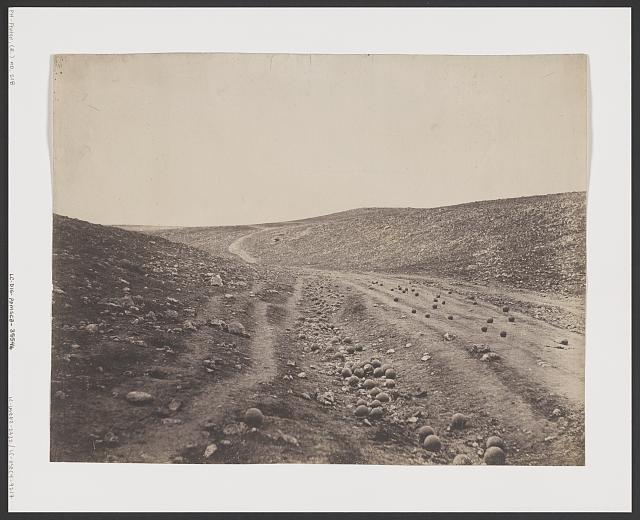
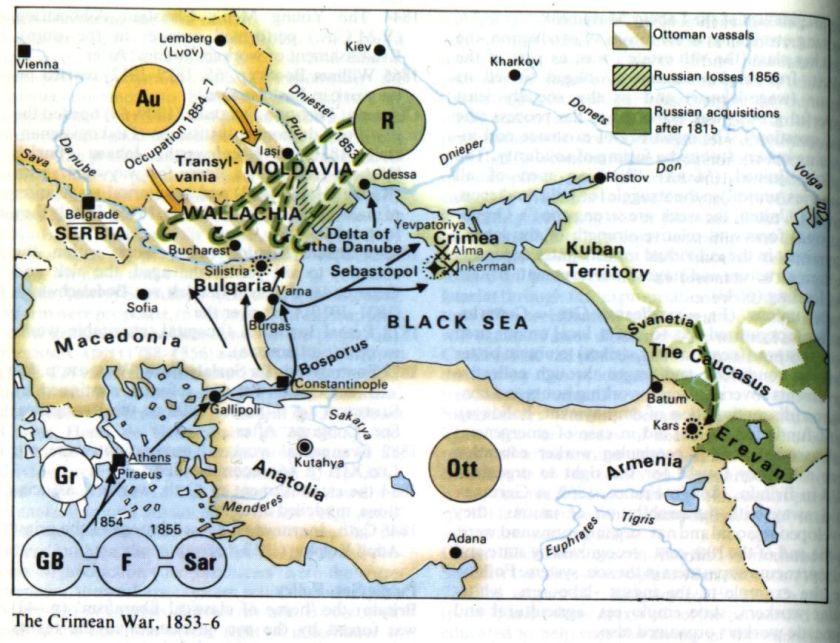 The Battle of Balaclava opened shortly after 5:00am on this day in 1854, when a squadron of Russian Cossack Cavalry advanced under cover of darkness. The Cossacks were followed by a host of Uhlans, their Polish light cavalry allies, against several dug-in positions occupied by Ottoman Turks. The Turks fought stubbornly, sustaining 25% casualties before finally being forced to withdraw.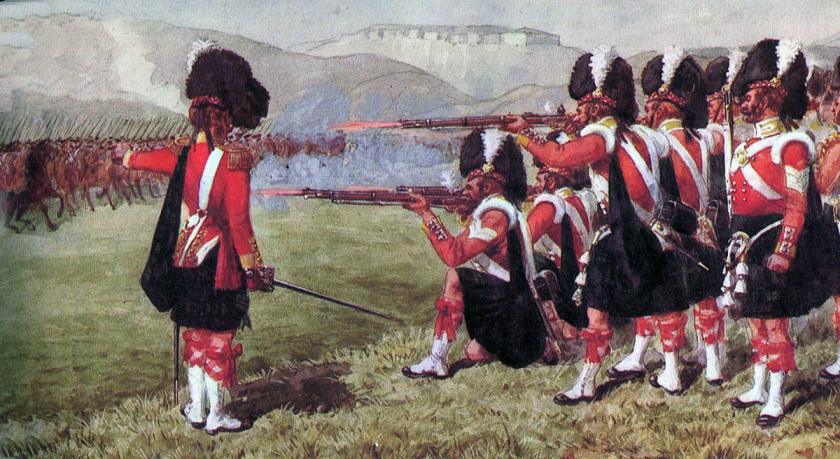




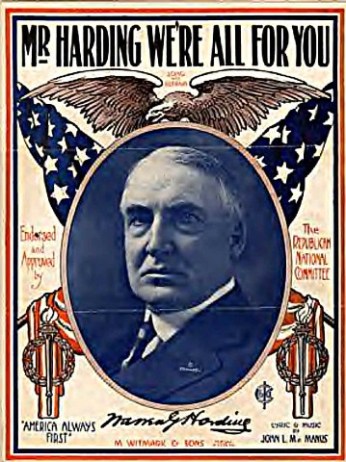 Harding’s Treasury Secretary, Andrew Mellon, believed that money was driven underground or overseas as income tax rates increased. Mellon held the heretical belief for that time, that lower tax rates led to greater levels of economic activity and that, as people had more of their own money to work with, increased activity resulted in higher tax revenues.
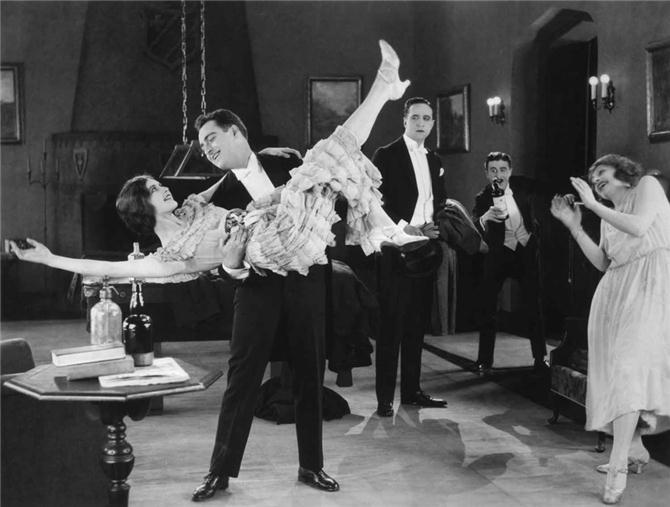

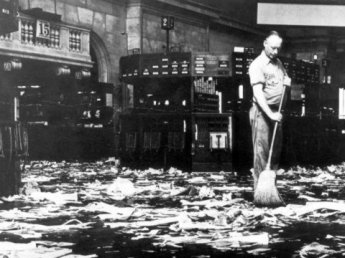 Fears of the Smoot-Hawley tariff act fueled a further contraction in the following weeks, for apparently good reason. When President Hoover signed the protectionist measure into law in 1930, American imports and exports plunged by more than half.

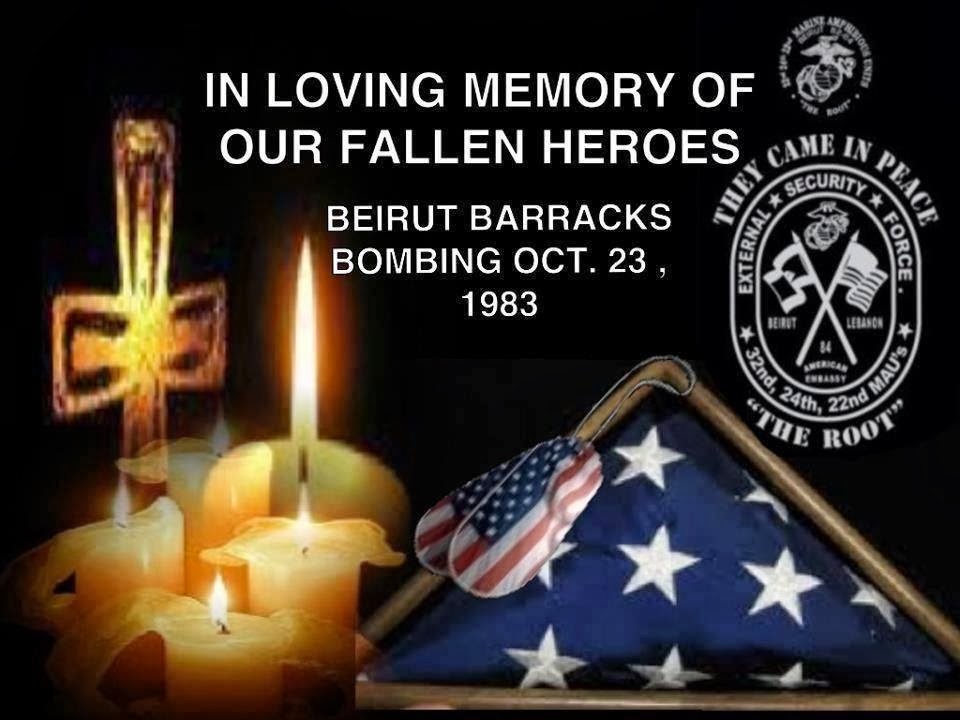
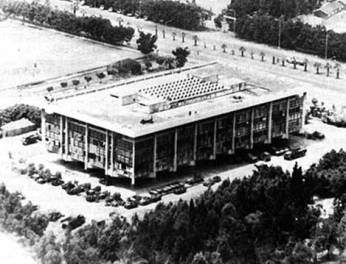
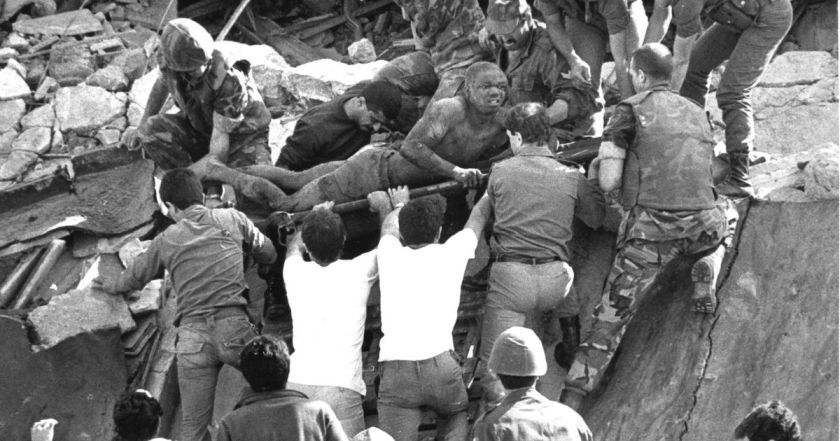


 A Lebanese cedar tree grows in the green expanse of section 59 at Arlington National Cemetery, marking the final resting place of twenty-one honored dead, among the first Americans to die in the global war against Islamist terrorism. A fight which continues, to this day.
 Historical Easter Eggs - Today in History
You must be logged in to post a comment.