

In 1858, the overly crowded tenements of Roxbury Massachusetts teemed with newly arrived Irish immigrants, looked down upon as “unmannered bogtrotters” and given wide berth by the self-appointed elites, of Boston. 5-foot 2-inch Michael Sullivan, newly arrived from County Kerry, worked as “hod carrier” for bricklayers and masons, dug ditches, and did any other job, that was available.
Like many first-generation immigrants, Michael and Catherine Sullivan did whatever they had to do, always hoping for something better, for their children.

That was the year the couple’s first-born son came into the world. From the beginning, baby John Lawrence was something different. “Strong as a bear” even as an infant, one family legend described little “Sully” clocking a visiting aunt before the age of one, leaving the woman with a black eye.
Sully excelled in sports as a boy and got into plenty of fights, which he easily won. He left high school as a young teenager and made a few bucks in semi-professional baseball, while working as a tinsmith, plumber and mason.
Prize fighting was illegal in those days, looked down upon by the middle classes as “butchery for profit”. The working classes had no such qualms, reveling in the sport in the saloons and music halls of most American cities.
Nineteenth century prizefighting rules were nothing like the modern “sweet science” of boxing. The earliest recognizable form of the sport, as opposed to mere brawling, came about after a 1744 bout in which British boxer George Stevenson was fatally injured, following a fight with Jack Broughton.
Broughton’s “seven rules of boxing” were printed and framed, and posted that August at his London amphitheater.

Frank Lewis Dowling wrote in Fistiana; or The Oracle of the Ring:…Results of prize battles from 1700 to December 1867, that Broughton’s rules brought about “that spirit of fair play which off ers so wide a contrast to the practices of barbarous ages…[when] It is to be lamented that, even in modern times, the inhuman practices of uncivilised periods have subsisted to a disgraceful extent, and hence we have heard of gouging, that is to say forcing out the eye of an antagonist with the thumb or finger…kicking a man with nailed shoes as he lies on the ground, striking him in vital parts below the waistband, seizing him when on his knees, and administering punishment till life be extinct…”
In 1838, William “Brighton Bill” Phelps died following a particularly savage match with the British bare-knuckle prize fighter, Owen Swift. Phelps, who had himself killed a man in the ring, died after an 85-round, ninety-five minute fight for which Swift was tried and convicted, of manslaughter. Robert Rodriguez, author of The Regulation of Boxing: A History and Comparative Analysis of Policies Among American States writes that the “London Prize Ring Rules” of that year and amended in 1853 “introduced measures that remain in effect for professional boxing to this day, such as outlawing butting, gouging, scratching, kicking, hitting a man while down, holding the ropes, and using resin, stones or hard objects in the hands, and biting.”
The London prize ring rules specified the size and shape of the ring, and that of the spikes in the fighter’s shoes, as well as the role for each fighter’s “second”. Nothing is said of the length or number, of rounds. Each round ended when a fighter was knocked (or thrown) to the ground. There followed a thirty-second break when the umpire would cry “Time!”, and an eight-second interval when each combatant was to step up to the “scratch line”. Failure to come “up to scratch” or incapacity put an end to the match, but 70+-round fights, were commonplace.
 This was the world of bare knuckle boxing in the age of John L. Sullivan. He thrived in that world. The urban prize ring was his “temple of manhood”. He intended to be its Crown Prince.
In 1879, Sullivan trounced the veteran brawler Mike Donovan in an exhibition match. The older fighter was the more skilled and experienced, but the 21-year-old made up for it with speed and power. Afterward, Donovan knew that he had “just fought the coming champion of the prize ring.”
A month later, Sullivan challenged “any man breathing” to fight for prizes ranging between $1,000 to $10,000. Sometimes, matches were fought with bare knuckles, other times, with padded gloves and timed rounds. Over 450 fights, Sullivan seemed unbeatable. “The Hercules of the Ring.” Gamblers and other backers were making a fortune.
The media eagerly promoted the fighter as an “urban Paul Bunyan”. Stories were told and retold, each becoming more outlandish, as Sullivan “battled wild animals with his bare hands, drank rivers of liquor, had his way with regiments of women. . . .”
The epic drunkenness and domestic violence of the man’s real life at home, went largely unreported.

Sullivan was a Rockstar, the “Boston Strongboy”, the first professional athlete to make a million dollars. He performed in vaudeville, and hung out with some of the most iconic figures of the ‘gilded age’, from Presidents and Kings to wild west gunslingers. Sullivan made countless public appearances and even considered a run for the United States Senate. A famous song of the era invited listeners to “shake the hand that shook the hand of John L. Sullivan.”
On this day in 1887, thousands of adoring fans crowded the ways to Nantasket Beach in Hull, to glimpse the Heavyweight Champion of the World with his diamond-studded, gold-plated belt.
Depending on who you read, Sullivan was first considered world heavyweight champion either in 1888 when he fought Charley Mitchell in France, or in 1889 when he knocked out Jake Kilrain in round 75 of a scheduled 80-round bout.

The modern sport of Boxing was born in 1867, with the twelve rules drawn up by John Graham Chambers, member of the British Amateur Athletic Club under the sponsorship of John Sholto Douglas, 9th Marquess of Queensberry. Timed rounds and gloves remained optional until the night of July 8, 1889, a scheduled 80-round bare knuckle bout between the undefeated champion John L Sullivan, and Jake Kilrain, the last professional fight to be held under the old London Prize Ring rules.
Whiskey had taken its toll on Sullivan by this time. It looked like he was done when he threw up in the 42nd round, but Sullivan got his second wind. Kilrain’s second threw in the towel in round 75, afraid that his principle was about to be killed.
 Sullivan’s unbeaten record over 44 professional fights came to an end on July 9, 1892, when “Gentleman Jim” Corbett unloaded a smashing left in the 21st round that put the champion down, for good. Sullivan would later say that his opponent only “gave the finishing touches to what whiskey had already done to me.”
Sullivan retired to his home in Abington Massachusetts. In his later years, the last bare knuckle champ in history became a sports reporter, celebrity baseball umpire and tavern owner. He gave up his life-long addiction to alcohol taking his last drink in 1905. Sullivan took to the temperance lecture circuit, but the prizefighting years and those “Rivers of Whiskey” had taken their toll.

John Lawrence Sullivan earned over a million dollars over his career, and died with an estate valued at $3,675, and ten dollars in his pocket. He was fifty-nine. Sullivan constantly warned young men to avoid the perils of alcohol. “John L. Sullivan, champion of the world, could not lick whiskey. What gives any one of them the notion that he can?”


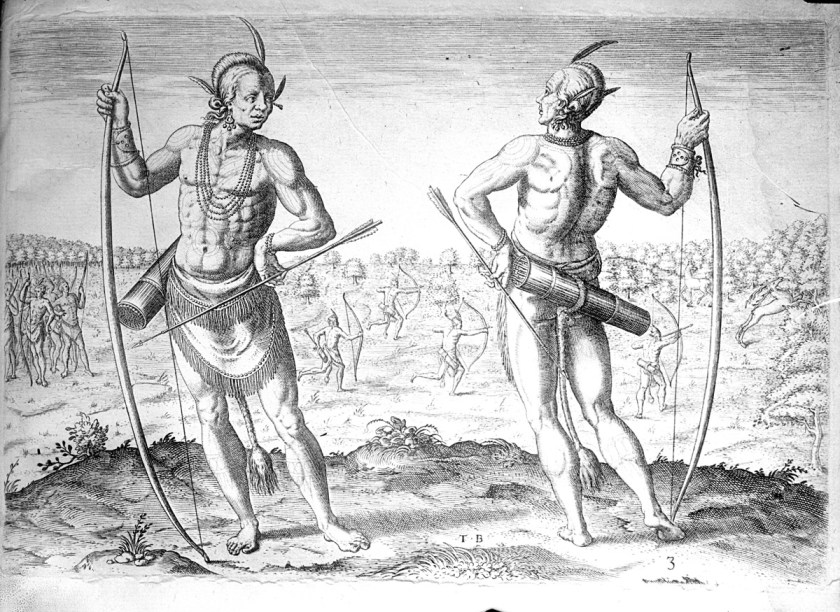 Raleigh believed that the Chesapeake afforded better opportunities for his new settlement, but Portuguese pilot Simon Fernandes, had other ideas. The caravan stopped at Roanoke Island in July, 1587, to check on the 15 men left behind a year earlier. Fernandes was a Privateer, impatient to resume his hunt for Spanish shipping. He ordered the colonists ashore on Roanoke Island.


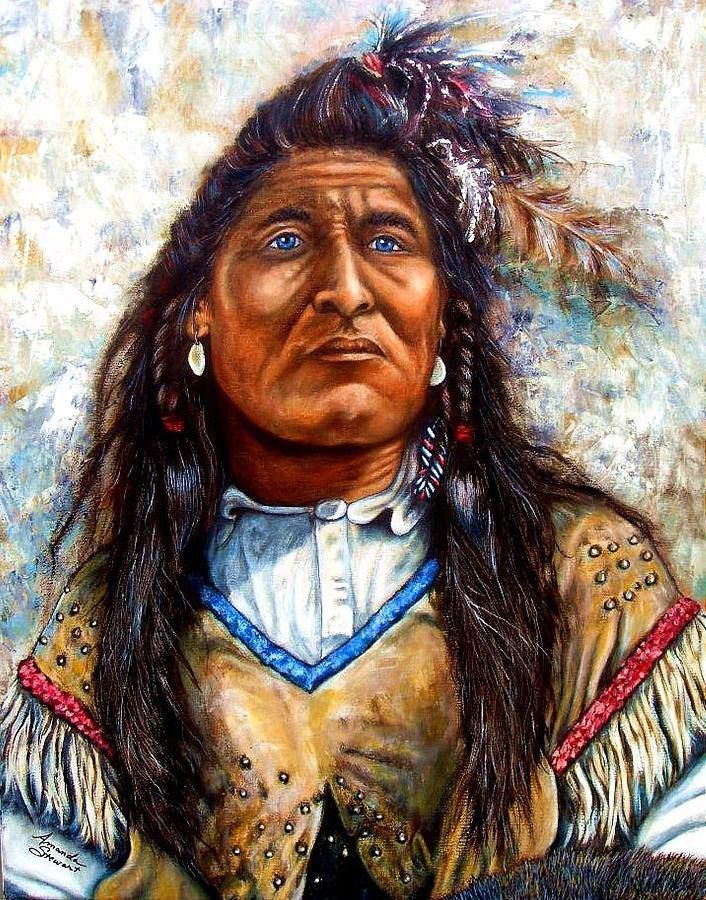
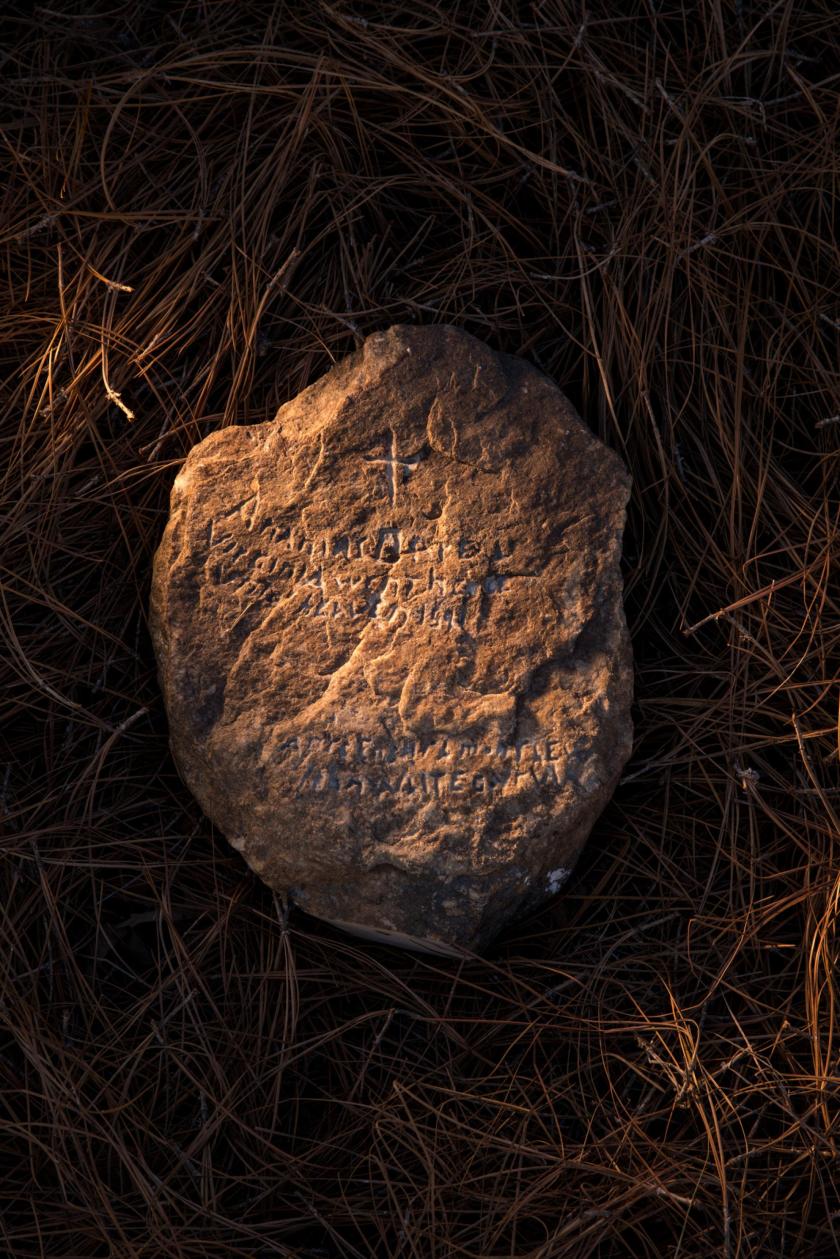
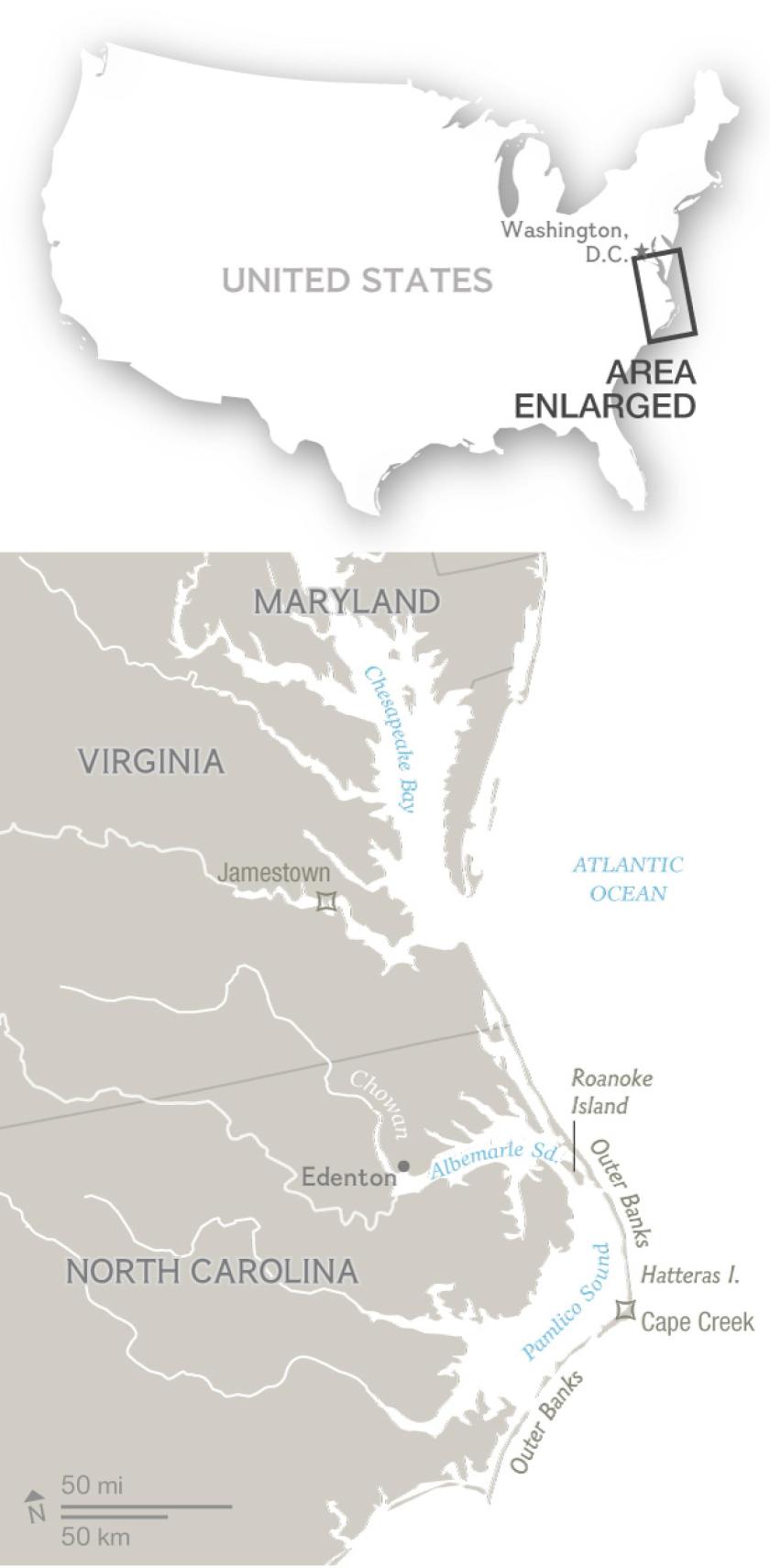 Research concluded at “Site X” in 2017, the cloak & dagger moniker given to deter thieves and looters. The mystery of the lost Colony of Roanoke, remains unsolved. “We don’t know exactly what we’ve got here,” admitted one archaeologist. “It remains a bit of an enigma.”







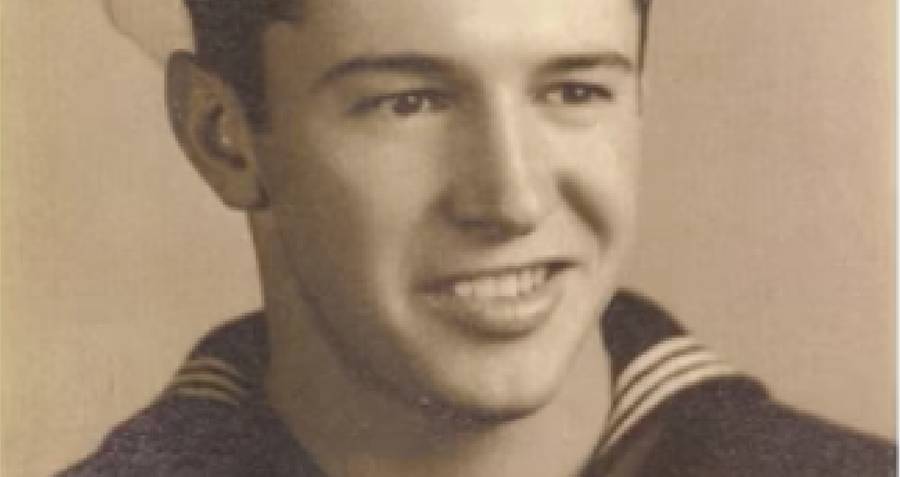
 Being around newspapers allowed the boy to keep up on events overseas, “I didn’t like Hitler to start with“, he once told a reporter. By age eleven, some of Graham’s cousins had been killed in the war, and the boy wanted to fight.

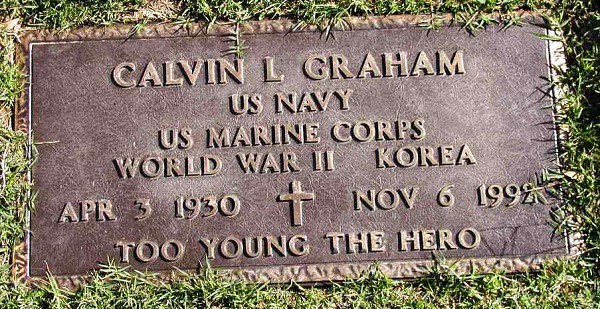
 For the rest of his life, Calvin Graham fought for a clean service record, and for restoration of medical benefits. President Jimmy Carter personally approved an honorable discharge in 1978, and all Graham’s medals were reinstated, save for his Purple Heart. He was awarded $337 in back pay but denied medical benefits, save for the disability status conferred by the loss of one of his teeth, back in WW2.


 Born and raised in Austria, Greta Zimmer was 16 years old, in 1939. Fearful of the war bearing down on them, Greta’s parents sent her and her two sisters to America, not knowing if they’d ever see each other again.
 The couple went to a movie at Radio City Music Hall, but the film was interrupted by a theater employee who turned on the lights, announcing that the war was over. Leaving the theater, the couple joined the tide of humanity moving toward Times Square.
 Now Eisenstaedt and his Leica Illa rangefinder camera worked for Life Magazine, heading for Times Square in search of “The Picture™”.


 Ford left the family farm outside of modern-day Detroit as a young man, never to return. His father William thought the boy would one day own the place but young Henry couldn’t stand farm work. He later wrote, “I never had any particular love for the farm—it was the mother on the farm I loved”.
 Ford claimed he’d be able to “grow automobiles from the soil”, a hedge against the metal rationing of world War Two. He dedicated 120,000 acres of soybeans to experimentation, but to no end. The total acreage devoted to “fuel” production, is unrecorded.
 Henry Ford’s experiment in making cars from soybeans never got past that first prototype, and came to a halt during WW2. The project was never revived, though several states adopted license plates stamped out of soybeans, a solution farm animals found to be quite delicious.


 In the mid-19th century, birthing centers were set up all over Europe, for the care of poor and underprivileged mothers and their illegitimate infants. Care was provided free of charge, in exchange for which young mothers agreed to become training subjects for doctors and midwives.
 At the time, Vienna General Hospital ran two such clinics, the 1st a “teaching hospital” for undergraduate medical students, the 2nd for student midwives.
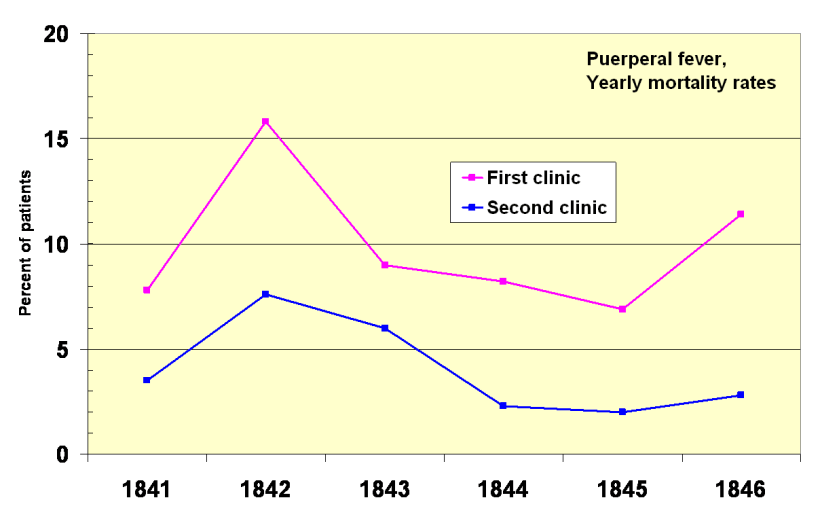
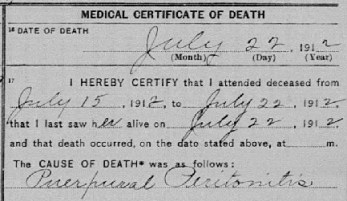 Childbed or “puerperal” fever was rare among these “street births”, and far more prevalent in the First Clinic, than the Second. Semmelweis carefully eliminated every difference between the two, even including religious practices. In the end, the only difference was the people who worked there.
 Mortality rates in the First Clinic dropped by 90%, to rates comparable with the Second. In April 1847, First Clinic mortality rates were 18.3% – nearly one in five. Hand washing was instituted in mid-May, and June rates dropped to 2.2%. July was 1.2%. For two months, the rate was zero.
 Dr. Semmelweis was outraged by the indifference of the medical community, and began to write open and increasingly angry letters to prominent European obstetricians. He went so far as to denounce such people as “irresponsible murderers”, leading contemporaries and even his wife, to doubt his mental stability.





 Historical Easter Eggs - Today in History
You must be logged in to post a comment.