
As Japan emerged from the medieval period into the early modern age, the future Nippon Empire transformed from a period characterized by warring states, to the relative stability of the Tokugawa Shōgunate. Here, a feudal military government ruled from the Edo castle in the Chiyoda district of modern-day Tokyo, over some 250 provincial domains called han. The military and governing structure of the time was based on a rigid and inflexible caste system, placing the feudal lords or daimyō at the top, followed by a warrior-caste of samurai, and a lower caste of merchants and artisans. At the bottom of it all stood some 80% of the population, the peasant farmer forbidden to engage in non-agricultural activities, and expected to provide the income that made the whole system work.
Into this world stepped the “gunboat diplomats” of President Millard Filmore in the person of Commodore Matthew Calbraith Perry, determined to open the ports of Japan to trade with the west. By force, if necessary.
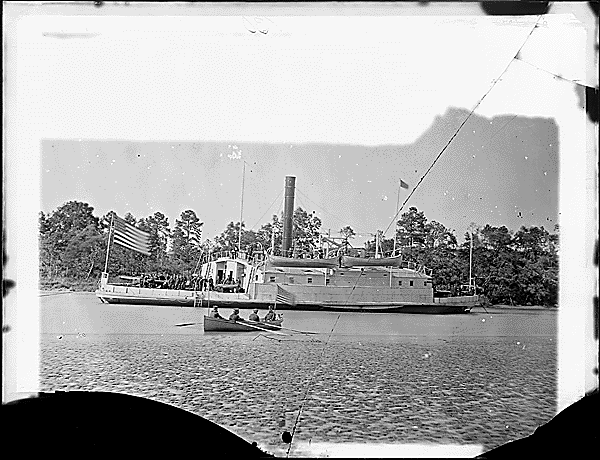
The system led to a series of peasant uprisings in the 18th and 19th centuries, and extreme dislocation within the warrior caste. In time, these internal Japanese issues and the growing pressure of western encroachment led to the end of the Tokugawa period and the restoration of the Meiji Emperor, in 1868.
Many concluded as did feudal Lord (daimyō) Shimazu Nariakira, that “if we take the initiative, we can dominate; if we do not, we will be dominated”. In the following decades, Japanese delegations and students traveled around the world to learn and assimilate Western arts, sciences and technologies. As the 19th century gave way to the 20th, Japan was transform from a feudal society into a modern industrial state.
The Korean peninsula remained backward and “uncivilized” during this period, little more than a tributary state to China, and easy prey for foreign domination. A strong and independent Korea would have represented little threat to Japanese security but, as it was, Korea was a “a dagger pointed at the heart of Japan” in the words of German military adviser to the Meiji government, Major Jacob Meckel.
 The first Sino-Japanese war of July 1894 – April 1895, was primarily fought over control of the Korean peninsula. The outcome was never in doubt, with the Japanese army and navy by this time patterned after those of the strongest military forces of the day.
The Japanese 1st Army Corps was fully in possession of the Korean peninsula by October, and of the greater part of Manchuria, in the following weeks. The sight of the mutilated remains of Japanese soldiers in the port city of Lüshunkou (Port Arthur) drove their comrades to a frenzy of shooting and slashing. When it was over, numbers estimated from 1,000 to 20,000 were murdered in the Port Arthur Massacre. It was a sign of things to come.

Russian desire for a warm-water port to the east brought the two into conflict in 1904 – ’05, the Russo Japanese War a virtual dress rehearsal for the “Great War” ten years later, complete with trench lines and fruitless infantry charges into interlocking fields of machine gun fire.
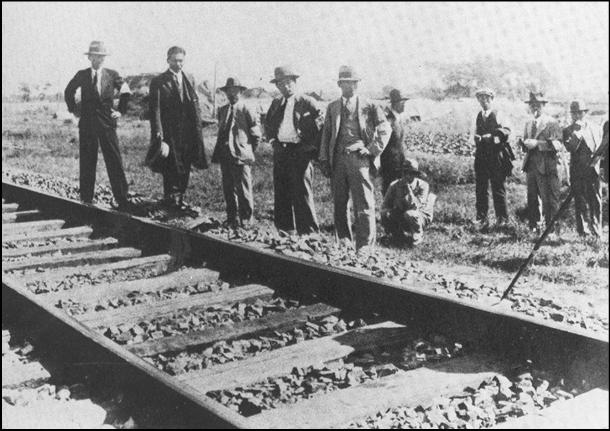
Subsequent treaties left Japanese forces in nominal control of Manchurian railroads when, on September 18, 1931, a minuscule dynamite charge was detonated by Japanese Lt. Kawamoto Suemori, near a railroad owned by Japan’s South Manchuria Railway near Mukden, in modern Shenyang, China. The explosion was so weak that it barely disturbed the tracks. A train passed harmlessly over the site just minutes later, yet, the script was already written.
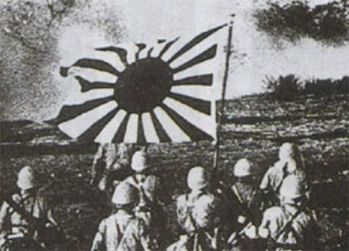
The Imperial Japanese Army accused Chinese dissidents of the incident, launching a full scale invasion and installing the puppet emperor Puyi as Emporer Kangde of the occupied state of “Manchukuo”, one of the most brutal and genocidal occupations of the 20th century.
The “Mukden incident” was entirely staged, a “false flag” operation and bald pretext to war, carried out by Japanese military personnel and identical in purpose to that carried out against Poland by Nazi aggressors some eight years later, nearly to the day.
 As Western historians tell the tale of WW2, the deadliest conflict in history began in September 1939, with the Nazi invasion of Poland. The United States joined the conflagration two years later, following the sneak attack on the American Naval anchorage at Pearl Harbor, by naval air forces of the Empire of Japan.
Eastern historians are more likely to point to a day eight years earlier, when this and subsequent invasions and the famine and civil wars which ensued, killed more people than the modern populations of Canada and Australia, combined.
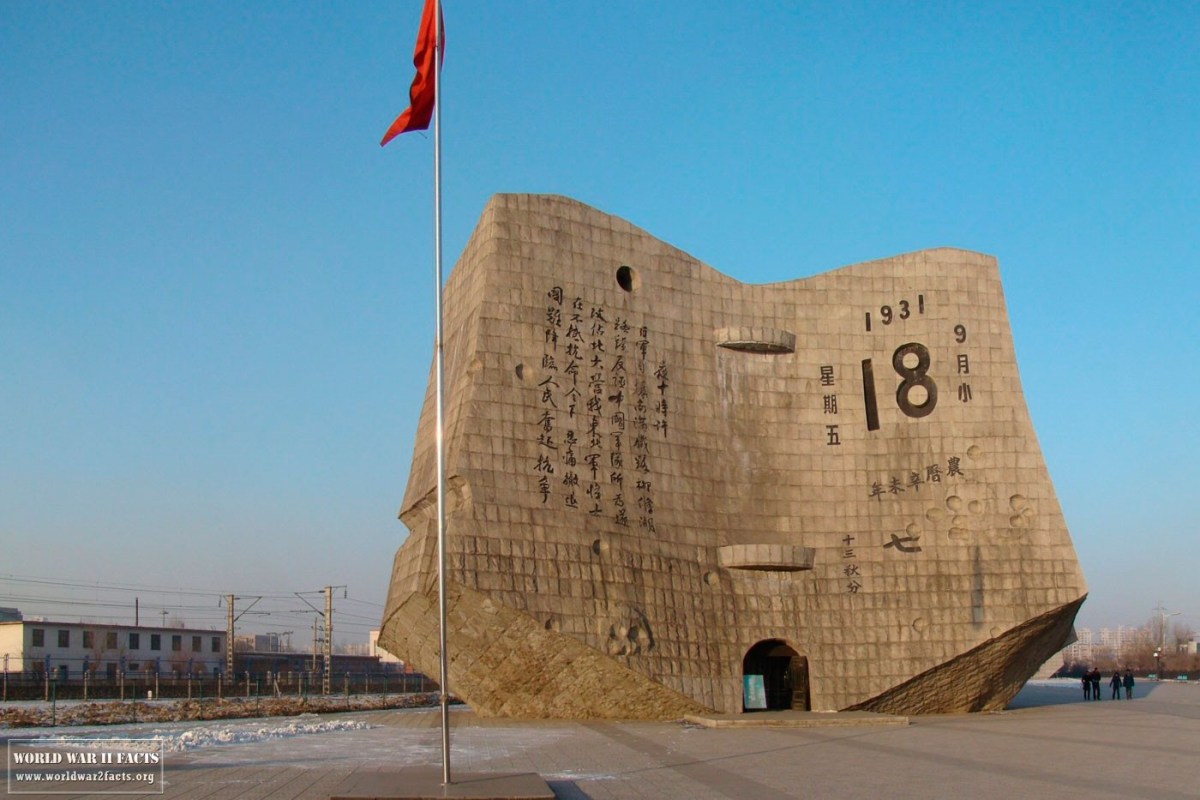
Feature image, top of page: Mukden Incident Memorial and Museum, Shenyang, China


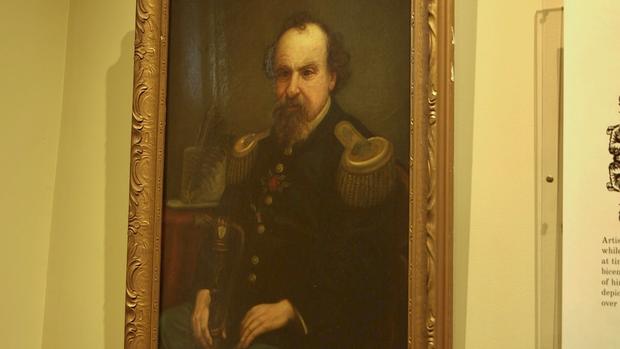
 WHEREAS, it is necessary for the repose of our Empire that the said decree should be strictly complied with; NOW, THEREFORE, we do hereby Order and Direct Major-General Scott, the Command-in-Chief of our Armies, immediately upon receipt of this, our Decree, to proceed with a suitable force and clear the Halls of Congress”.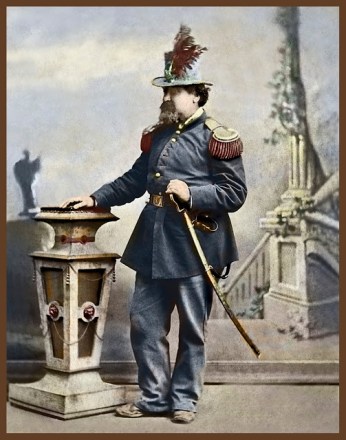

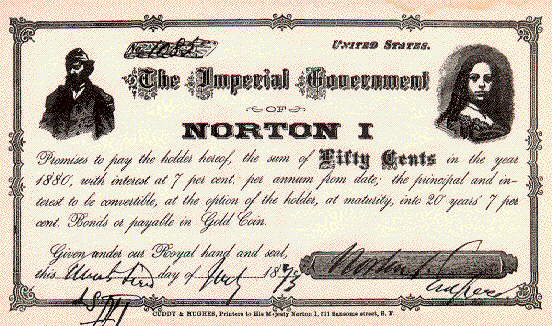

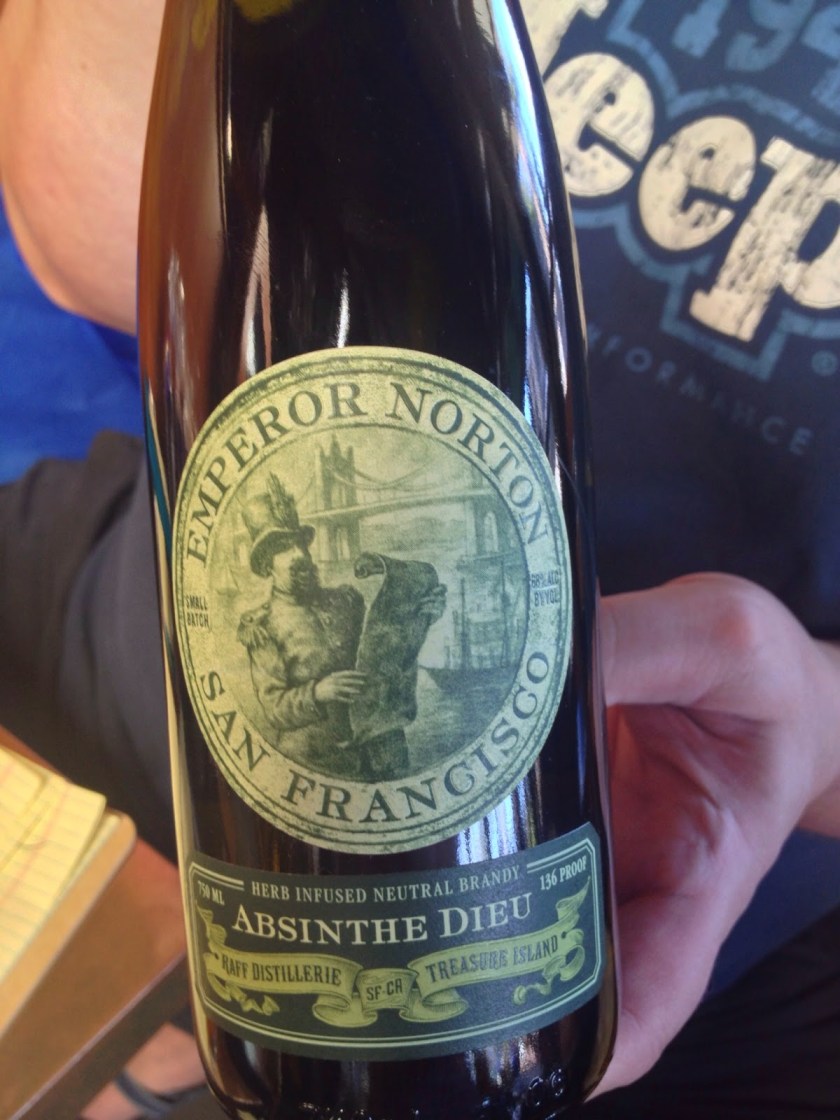


 In the heart of the Financial District in Manhattan, at the corner of Wall Street & Broad stands an office building, commonly known as “The Corner”.


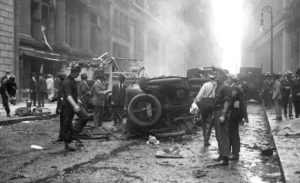 That June, another nine far more powerful bombs used up to twenty-five pounds of dynamite, for the first time introducing the use of metal slugs, to add to the bomb’s lethality. The intended victims were all political figures who’d supported anti-sedition or deportation legislation including AG Palmer himself, or judges who’d sentenced anarchists to long prison terms. None were successful, though one killed a 70-year-old night watchman, who stopped to check a suspicious package on the doorstep of judge Charles Nott.


 Early armored cars were fine for moving personnel over smooth roads, but there was a need for a vehicle capable of navigating the broken terrain of no man’s land. In the run-up to WWI, several soon-to-be belligerents were conducting experiments with “land ships”, with varying degrees of success.

 The most unusual tank of WWI was the tricycle designed “Lebedenko” or “Tsar Tank”. Developed by pre-Soviet Russia, the armament and crew quarters on this thing were 27′ from the ground, making them irresistible targets for enemy artillery.


 Interior temperatures rose to 122° Fahrenheit and more, making me wonder if these things weren’t as dangerous to their own crews as they were to the other side.
 The only German project to be produced and fielded in WWI was the A7V. They only made 20 of these things in the armored, “Sturmpanzerwagen Oberschlesien“, “Upper Silesia Assault Armored Vehicle” version, and a few more in the unarmored “Überlandwagen”, “Over-land vehicle”, used for cargo transport.
 It would be very different, in the next war.

 The documents came from Lt. Col. Bill Burkett, a former Texas Army National Guard officer who had received publicity back in 2000, when he claimed to have been transferred to Panama after refusing to falsify then-Governor Bush’s personnel records. Burkett later retracted the claim, but popped up again during the 2004 election cycle. Many considered the man to be an “anti-Bush zealot”.
 Meanwhile, the four “experts” used in the original story were publicly repudiating the 60 Minutes piece.
 Yet Killian’s wife and son had cleared out his office after his death, and neither found anything so much as hinting at the existence of such documents. Others who claimed to know Carr well described her as a “sweet old lady”, but said they had “no idea” where those comments had come from.
 Public confidence in the “Mainstream Media” plummeted. Many saw the episode as a news network lying, and the “Newspaper of Record” swearing by it.


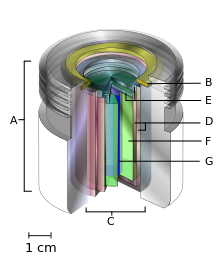 On September 13, 1987, Roberto dos Santos Alves and Wagner Mota Pereira entered the Instituto Goiano de Radioterapia (IGR), bent on theft. The private hospital was permanently closed at the time, and partly demolished. Alves and Pereira were looking for anything they might sell, for scrap.

 Five days after the theft, Alves sold the items he had pilfered, to a nearby scrapyard. Noticing the blue glow from the punctured capsule, the scrapyard owner thought the object might be valuable or even supernatural, and took the thing inside. Several rice-sized grains of the glowing material were pried from inside the capsule, as Devair Ferreira (the owner of the scrapyard) invited friends and family to come and see the strange, glowing substance. Ferreira’s brother Ivo brought some of the stuff home to his six-year-old daughter, about the time when Devair’s 37-year-old wife Gabriela, became ill.
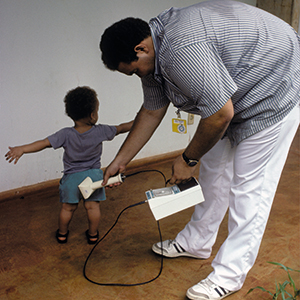
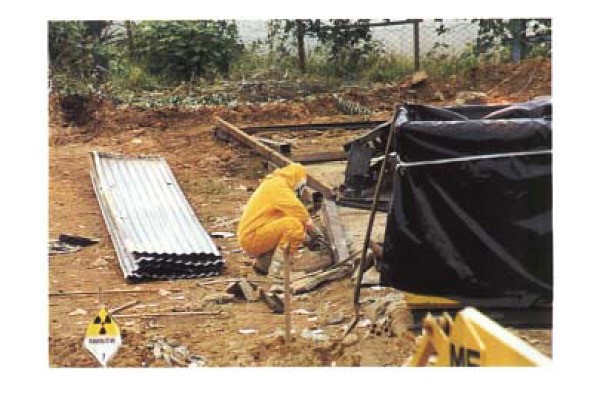 The incident was broadcast all over Brazil, and 130,000 people people flooded into area hospitals, afraid they had been exposed. One thousand individuals showed greater than background levels of radiation, 249 showed significant signs of contamination.
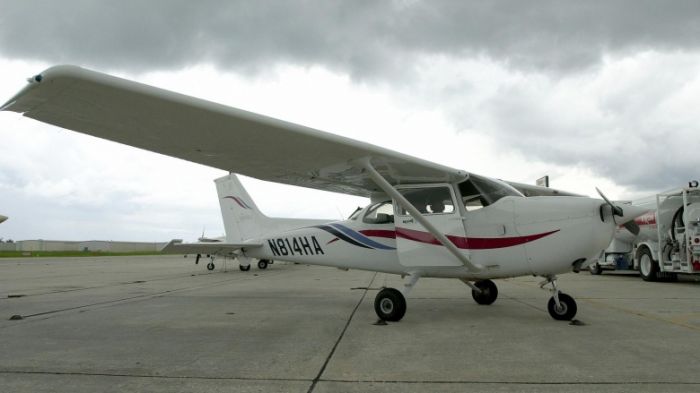
 For Frank Eugene Corder, life took a turn for the worse in 1993, around the time the truck driver was fired for reasons unknown. That April, Corder was arrested for theft. Another arrest that October, this time on illegal substance charges, led to a 90-day sentence to a drug rehab center.







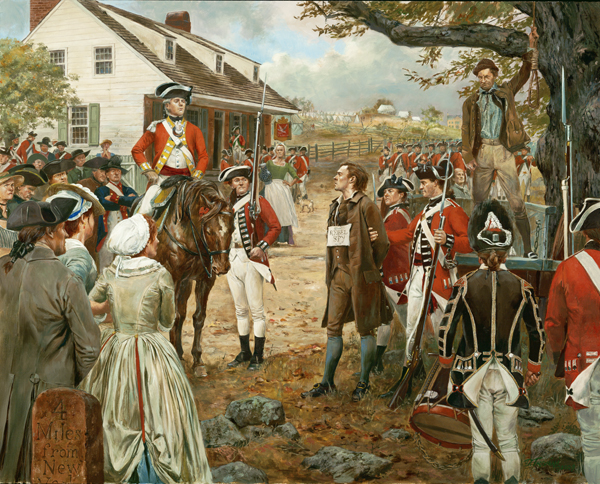


 There was no official record taken of Nathan Hale’s last words, yet we know from eyewitness statement, that the man died with the same clear-eyed personal courage, with which he had lived.






 Historical Easter Eggs - Today in History
You must be logged in to post a comment.