
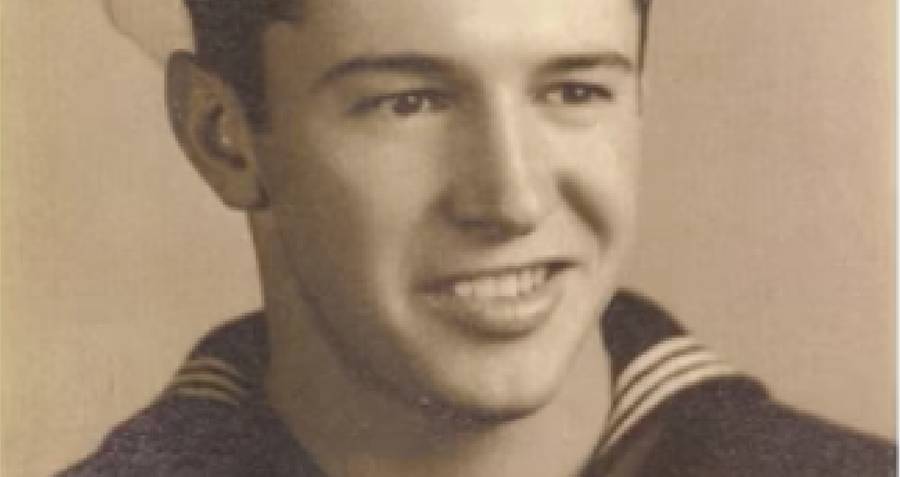
Calvin Leon Graham was a child of the Great Depression, a poor East Texas farm kid born April 3, 1930, the youngest of seven.
By the time Japanese military planners were outlining the surprise attack on the American anchorage at Pearl Harbor, the boy’s mother had become widowed and remarried. The man was by all accounts mean and abusive of his step-children. By sixth grade, Calvin had moved out with an older brother, living in a cheap rooming house and supporting himself selling newspapers and delivering telegrams on weekends and after school.
The boys’ mother continued to visit, sometimes only to sign their report cards, at the end of a semester.
 Being around newspapers allowed the boy to keep up on events overseas, “I didn’t like Hitler to start with“, he once told a reporter. By age eleven, some of Graham’s cousins had been killed in the war, and the boy wanted to fight.
He began to shave, believing that his facial hair would come in faster and thicker that way (it didn’t), and practiced “talking deep”.
“In those days, you could join up at 16 with your parents’ consent” he later said, “but they preferred 17“. Graham forged his mother’s signature and stole a notary stamp, telling his mother he was going to see some relatives for a while.
On this day in 1942, Calvin Leon Graham showed up at a Houston recruiting office, dressed in his older brother’s clothes. All five-foot-two inches of him, and 125 pounds. He was twelve years old.
Graham was less concerned with the recruiting officer spotting that forged signature, than he was with the dentist. With good reason, this was a man with a finely tuned BS detector. “When the dentist kept saying I was 12, I said I was 17“. At last, the boy played his trump card, informing the dentist that the last two boys were fourteen and fifteen, and that the dentist had already let them through. “Finally,” Graham recalled, “he said he didn’t have time to mess with me and he let me go“.
During the WW2 era, it wasn’t unusual for boys to lie about their age in order to enlist. Ray Jackson joined the United States Marine Corps at 16, and founded a group for underage military veterans in 1991, “to assure all underage veterans that there will be no retribution from the government because of their fraudulent enlistment“. Smithsonian.com reports the organization lists over 1,200 active members. Twenty-six of them, are women.
The boy was sent to boot camp in San Diego and on to Pearl Harbor six weeks later, and assigned to the newly christened battleship USS South Dakota.
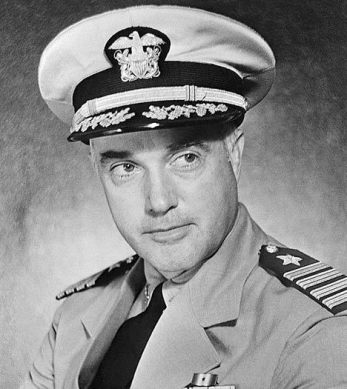
When South Dakota steamed out of Philadelphia and cleared the Panama Canal, “No ship more eager to fight ever entered the Pacific.” Under the command of Captain Thomas Leigh Gatch, the battleship was brimming with “green boys” – cocky, inexperienced new recruits, full of fight and eager for payback against the Japanese empire.
During the October battle for the Santa Cruz islands, South Dakota was credited with downing 26 Japanese aircraft, while taking a 500-pound bomb to the #1 gun turret.

Standing on the bridge, Captain Gatch watched as that 500-pounder came in, striking the main gun turret. The impact threw the skipper off his feet and severed his jugular vein, and permanently injuring ligaments in the man’s arms. Quick-thinking quartermasters saved the unconscious captain’s life, and several later asked him, why he hadn’t ducked. “I consider it beneath the dignity of a captain of an American battleship“, he said, “to flop for a Japanese bomb“.
Before the action was over, the South Dakota’s guns had fired 890 rounds of 5-inch, 4,000 rounds of 40mm, 3,000 rounds of 1.1-inch and 52,000 rounds of 20mm ammunition. One of those gunners, was twelve-year-old Calvin Graham.
Over the November 14 night battle for Guadalcanal, USS South Dakota came under attack from three Japanese warships, receiving no fewer than forty-seven hits. With her radio communications out and radar demolished, the battleship lost track of the complicated tactical situation. Calvin Graham was manning his 40mm gun when shrapnel tore through his mouth and jaw, tearing out his front teeth. Another hit burned the boy severely and threw him off his feet, and down three stories of superstructure.
Despite his injuries, Graham did what he could to take care of his fellow sailors:
“I took belts off the dead and made tourniquets for the living and gave them cigarettes and encouraged them all night. It was a long night. It aged me… I didn’t do any complaining because half the ship was dead”.
USS South Dakota was so beat up during the confused night action, that the Japanese believed her to have been sunk. Eventually, she would limp back to new York for repairs and, not wanting the enemy to know too much, she was stripped of her insignia.
USS South Dakota would complete her WW2 service as “Battleship X”, but that must be a story for another day.

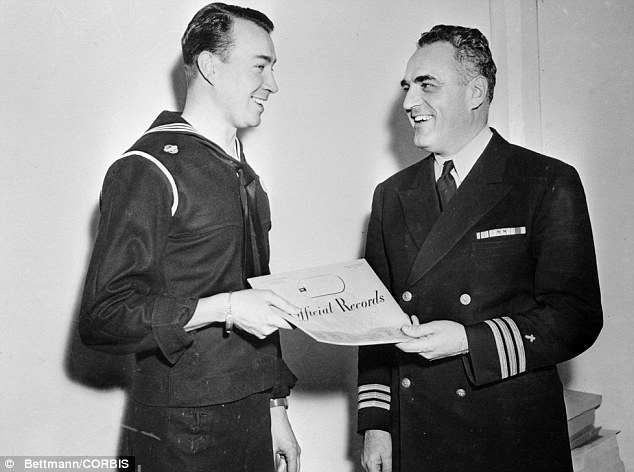
Graham received a Bronze Star and a Purple Heart for his actions, but such distinctions were short-lived. His mother learned what the boy had been up to and informed the Navy of his real age. Graham was thrown in the brig for lying about his age and held for nearly three months, released only when his sister threatened to go to the media. He was stripped of his medals and dishonorably discharged from the military. At thirteen, Calvin Graham was a “Baby Vet”, no longer fitting in at school and rejected by the nation he had served.
If only our politicians, could expect such stern justice.
Graham soon chose the life of an adult, marrying and fathering a child at the age of fourteen, while working as a welder. He was divorced by seventeen and enlisted in the Marine Corps. A fall from a pier broke his back three years later, ended his military career for good and leaving him selling magazine subscriptions for a living.
 For the rest of his life, Calvin Graham fought for a clean service record, and for restoration of medical benefits. President Jimmy Carter personally approved an honorable discharge in 1978, and all Graham’s medals were reinstated, save for his Purple Heart. He was awarded $337 in back pay but denied medical benefits, save for the disability status conferred by the loss of one of his teeth, back in WW2.
Graham came to public notice in 1988 with the made-for-TV movie Too Young the Hero starring Rick Schroder, prompting government review of his case. Graham earned $50,000 for rights to his story, but half went to two agents and another 20% to the writer of a book, which was never published. Graham and his wife received only $15,000, before taxes.

Calvin Leon Graham, Military Awards
1st Row: Bronze Star Medal with Combat “V”
2nd Row: Purple Heart Medal, Navy Unit Commendation with service star, American Campaign Medal
3rd Row: Asiatic-Pacific Campaign Medal with two service stars, World War II Victory Medal, National Defense Service Medal
President Ronald Reagan signed legislation granting Graham full disability benefits and increasing back pay to $4,917, and allowing $18,000 for medical expenses incurred during his military service. Lamentably, many old medical bills were permanently lost, and some of his doctors, had died. Graham received only $2,100 reimbursement for past medical expenses.
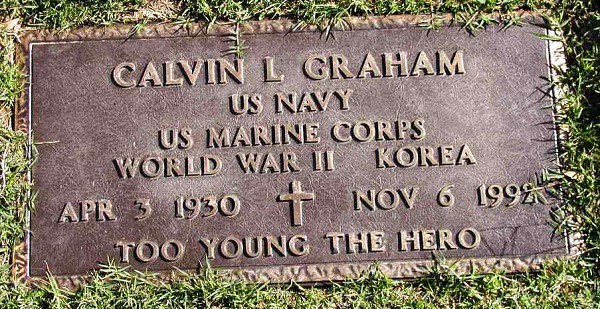
Calvin Leon Graham died at his home in Fort Worth Texas in 1992, a victim of heart failure. He was buried at Laurel Land Memorial Park in Fort Worth, Texas. Graham’s Purple Heart was reinstated two years later and awarded to his widow by Secretary of the Navy John Dalton. Fifty-two years after the events which led to its award.


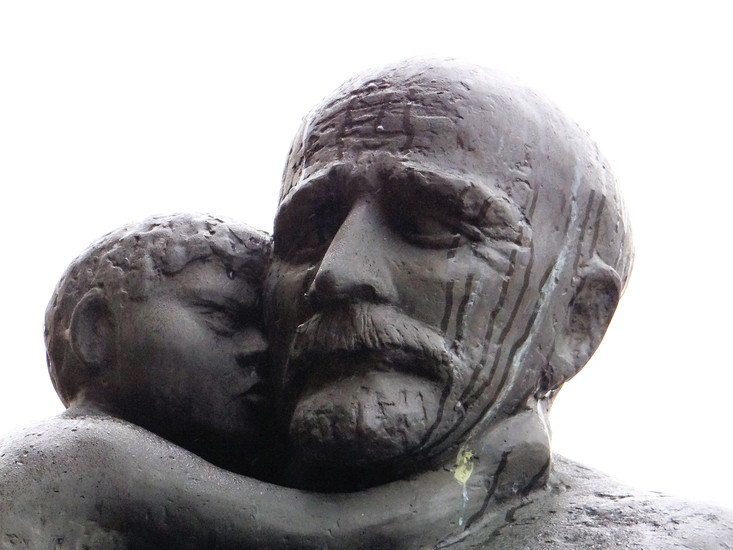
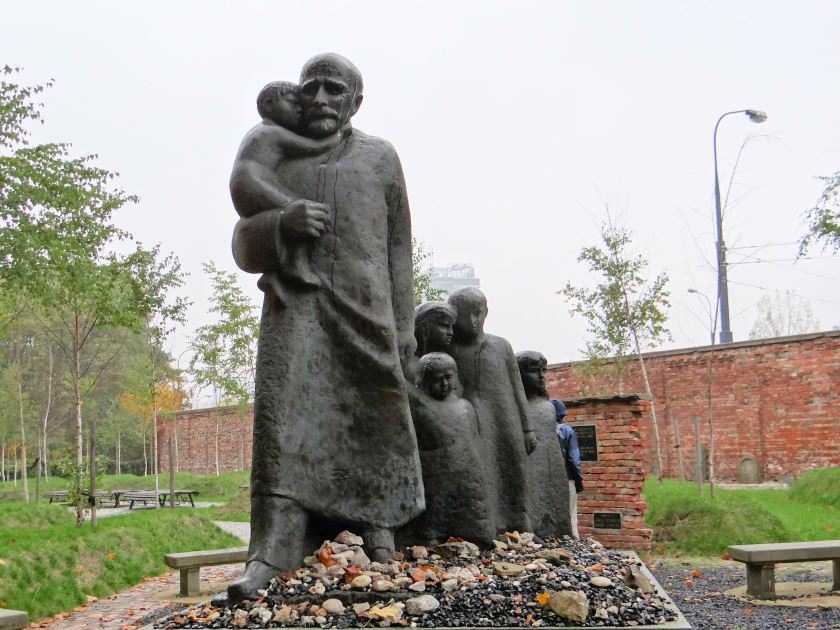
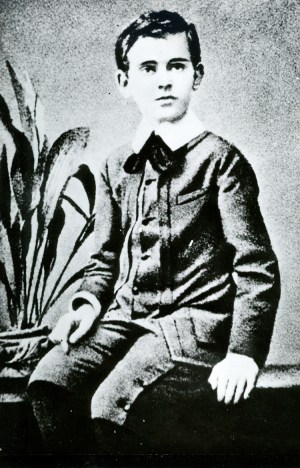 Born Henryk Goldszmit into the Warsaw family of Józef Goldszmit, in 1878 or ’79 (the sources vary), Korczak was the pen name by which he wrote children’s books.
 Korczak wrote for several Polish language newspapers while studying medicine at the University of Warsaw, becoming a pediatrician in 1904. Always the writer, Korczak received literary recognition in 1905 with his book Child of the Drawing Room (Dziecko salonu), while serving as medical officer during the Russo-Japanese war.
 The Polish nation, the sixth largest in all Europe, was sectioned and partitioned for over a century, by Austrian, Prussian, and Russian imperial powers. Korczak volunteered for military service in 1914, serving as military doctor during WW1 and the series of Polish border wars between 1919-’21.




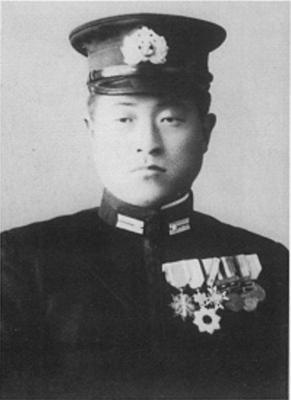
 The Japanese submarine I-58, Captain Mochitsura Hashimoto commanding, fired a spread of six torpedoes at the cruiser, two striking Indianapolis’ starboard bow at fourteen minutes past midnight on Monday, July 30. The damage was massive. Within 12 minutes, the 584-ft, 9,950-ton vessel had rolled over, gone straight up by the stern, and sunk beneath the waves.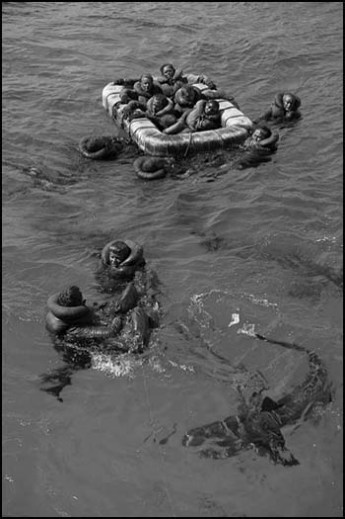
 He couldn’t let it end there. Scott began to attend Indianapolis survivors’ reunions, at their invitation, and helped to gain a commitment in 1997 from then-Representative Joe Scarborough that he would introduce a bill in Congress to exonerate McVay the following year.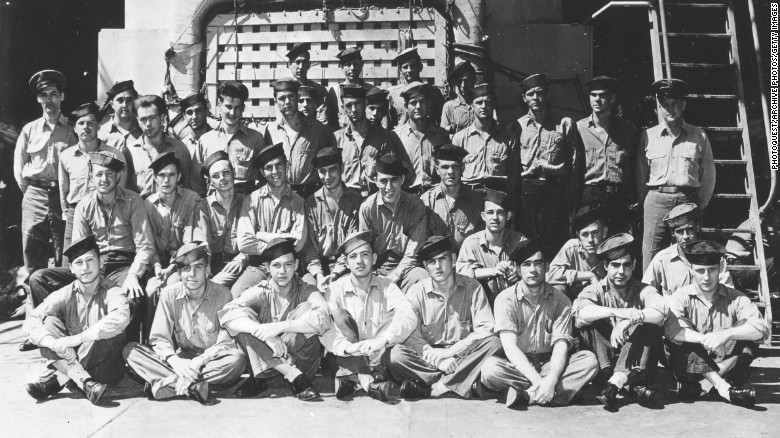



 There would be 5 hours of unarmed, unescorted flight through Nazi-controlled air space and an emergency landing with no brakes, before those V2 rocket components finally made it to England.




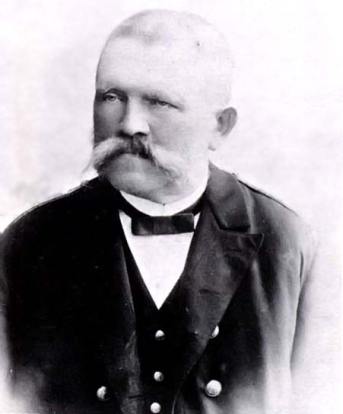
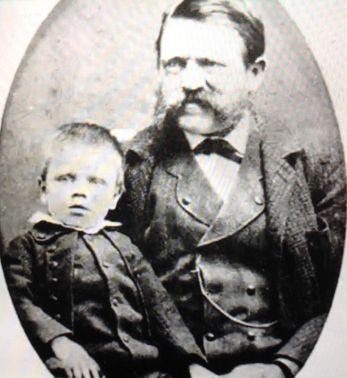 There are plenty of tales regarding the man’s paternity, but none are any more than that. Alois Schicklgruber ‘legitimized’ himself in 1877, adopting a variant on the name of his stepfather and calling himself ‘Hitler”.


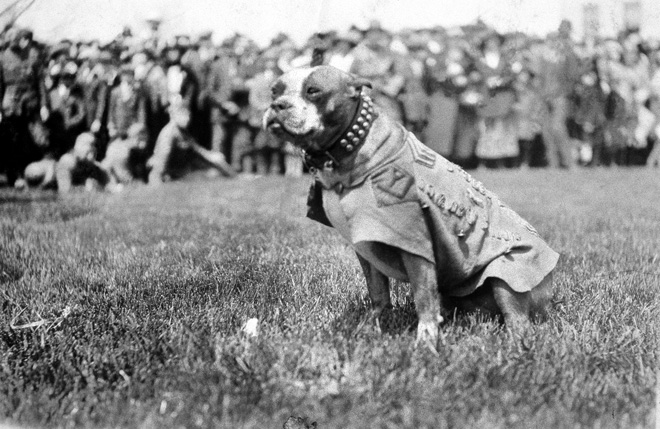
 One such dog was “Chips”, the German Shepherd/Collie/Husky mix who would become the most decorated K-9 of WWII.
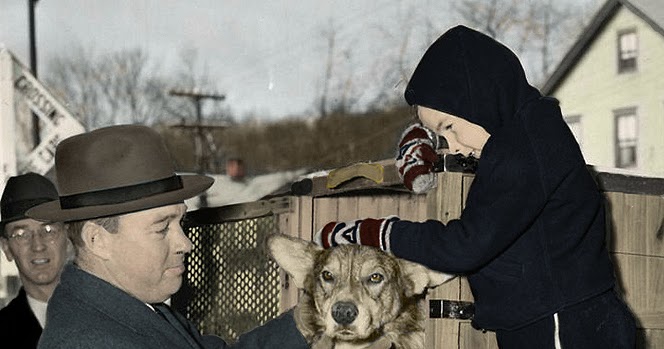


 Indeed, such a system has imperfections, not least among them those who would ascend to political office.



 There never was any formal agreement, concerning road and rail access to Berlin through the 100-mile Soviet zone. Western leaders were forced to rely on the “good will” of a regime which had deliberately starved millions of its own citizens to death, in consolidating power.
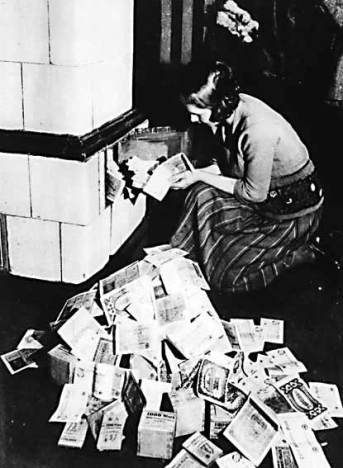


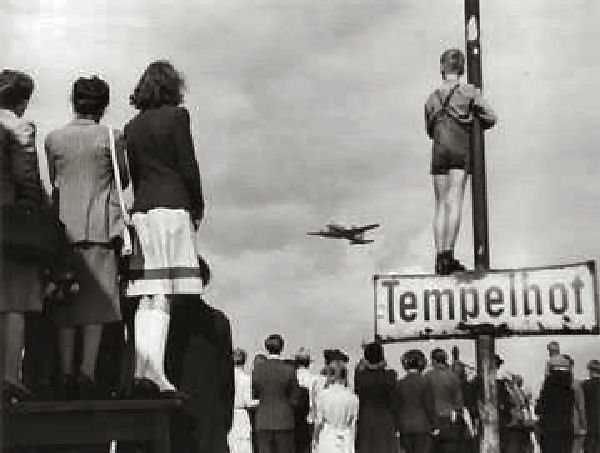


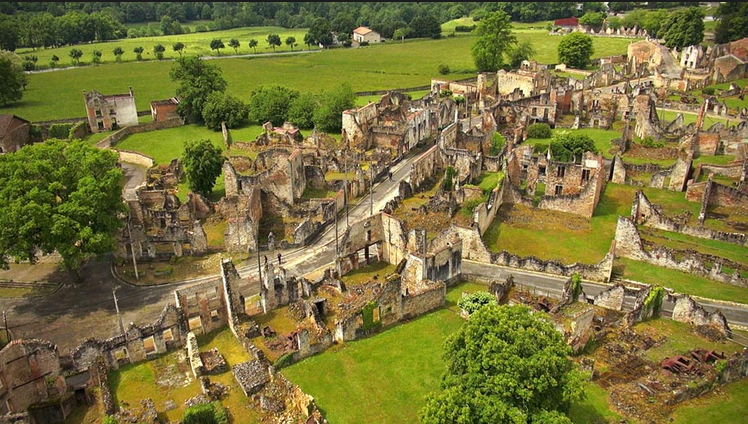

 The women and children of Oradour-sur-Glane were locked in a village church while German soldiers looted the town. The men were taken to a half-dozen barns and sheds, where the machine guns were already set up.
 Nazi soldiers then lit an incendiary device in the church, and gunned down 247 women and 205 children as they tried to escape.

 French President Jacques Chirac dedicated a memorial museum in 1999, the “Centre de la mémoire d’Oradour“. The village stands today as those Nazi soldiers left it, seventy-four years ago today. It may be the most forlorn place on earth.
 a summer day in 1944. . . The soldiers came. Nobody lives here now. They stayed only a few hours. When they had gone, the community which had lived for a thousand years. . . was dead. This is Oradour-sur-Glane, in France. The day the soldiers came, the people were gathered together. The men were taken to garages and barns, the women and children were led down this road . . . and they were driven. . . into this church. Here, they heard the firing as their men were shot. Then. . . they were killed too. A few weeks later, many of those who had done the killing were themselves dead, in battle. They never rebuilt Oradour. Its ruins are a memorial. Its martyrdom stands for thousands upon thousands of other martyrdoms in Poland, in Russia, in Burma, in China, in a World at War”.


You must be logged in to post a comment.