

Two hundred and forty-two years ago, our founding fathers bequeathed to us a nation unique in all history. A nation founded on an idea, that all men are created equal, and government derives its powers from the just consent of the governed. A Federal, Constitutional Republic in which our politicians are not our ‘leaders’ but rather our Representatives, operating within a system of diffuse powers with checks and balances, periodically accountable through democratic processes to their bosses – the people who put them there.
In modern times, it has become fashionable to point to the flaws in such a system. Howard Zinn and others present a victim’s-eye narrative of American history. Smug, faculty iconoclasts and a pop culture Commentariat, decrying the ‘sugar coated fairy tales’, of our past. Yet, the Great Winston Churchill may have had the final word, describing ‘Democracy” as the worst form of government there is…except for all the others.

For many among us, most I should think, some form of that Constitutional, self-governing Republic envisioned by our founders, remains preferable to all other forms of government. Warts and all.
History is replete with examples of what power concentrated in the hands of a few, leads to.
 Indeed, such a system has imperfections, not least among them those who would ascend to political office.
Hearst columnist Ambrose Bierce, a social satirist of his day and my favorite curmudgeon, once defined politics as ‘A strife of interests, masquerading as a contest of principles. The conduct of public affairs for private advantage.
In the late 19th century, Democrat William “Boss” Tweed owned New York politics, fleecing city taxpayers at the head of the Tammany Hall political machine. New York debt levels soared by over $100 million between 1868 and 1870 alone, a figure equivalent to over a Billion dollars, today.
As Governor of Tennessee, Democrat Ray Blanton ran a ‘pay for play’ operation selling pardons, paroles and commutations, until drawing the attention of the eye of Sauron, at the FBI. Blanton’s corruption was extensive enough to spawn a book and a later movie, and launched the political career of prosecutor and sometime actor, Fred Thompson.
And, lest I be accused of picking on Democrats, Pennsylvania Republican and Representative in Congress R. Budd Dwyer faced up to 55 years in prison and a $300,000 fine for racketeering and mail fraud, when he took a .357 Magnum revolver out of a manila envelope and blew his brains out. On live television, no less.

There are so many more and we all have our ‘favorites’, in this parade of horribles. Yet, for insensate cupidity and pure boneheadedness, it would be hard to outdo the attorney, circuit court judge and member of the United States House of Representatives, Andrew Jackson May.
The Kentucky Democrat was a staunch supporter of the ‘New Deal’ policies of President Franklin Delano Roosevelt, serving in seven succeeding Congresses between 1931 and 1947. As Chairman of the powerful Committee on Military Affairs, May became involved with New York businessmen Murray and Henry Garsson, a relationship which would lead to war profiteering allegations.

After the war, a Senate investigating committee discovered evidence of substantial kickbacks from the Garsson brothers. Making matters worse, their munition business took excessive profits, while producing shoddy product. May’s bribery scandal revealed evidence that the Garsson factory produced defective fuses for their 4.2-inch mortar shells, detonating prematurely and leading to the death of no fewer than 38 American soldiers.
Andrew May would serve nine months in Federal prison for accepting bribes in exchange for securing munitions contracts during WW2.
Yet, even that pales in comparison with the ‘May incident’, for which the man has earned eternal infamy. As an influential member of an important committee, Andrew May was necessarily entrusted with highly confidential information, among them deficiencies in Imperial Japanese Navy anti-submarine depth-charge tactics.

For some time, the American submarine service had enjoyed considerable success in its war on Japanese shipping. Imperial Japanese naval planners held some bad assumptions about American submarine specifications, among them maximum depth capabilities.
Japanese depth charges were set to detonate at too shallow a depth, leading to a high survival rate for American subs. Congressman May took care of that problem, in 1943.
Returning home from a junket, the Congressman revealed this highly sensitive information, before a press conference. Various press associations ran with the story and some were bright enough to ‘sit on it’, but not all. Several newspapers published the information, including one in Hololulu.

Japanese naval ASW (Antisubmarine Warfare) forces were quick to adjust depth charge settings. Vice Admiral Charles A. Lockwood, commander of the U.S. submarine fleet in the Pacific, estimated that May’s indiscretion killed as many as 800 American crewman, with the loss of ten submarines. “I hear Congressman May said the Jap depth charges are not set deep enough”, he said. “He would be pleased to know that the Japs set them deeper now.”
Andrew Jackson May was convicted by a federal jury on this day in 1947, for accepting cash bribes from Murray and Henry Garsson, to use his position as Chairman of the Military Affairs Committee to secure munitions contracts for the Garsson firm. The Garsson brothers also received prison terms.
President Harry Truman granted May a full pardon in 1952, though his political career was finished. Andrew May returned home to Kentucky to resume the practice of law, until his death in 1959. We are left only to contemplate, what the man or the press could be thinking, to divulge information more safely left in the hands of a stupid child. That, and the horrifying realization that the democratic process might actually work, and the government we elect is just…like…Us.



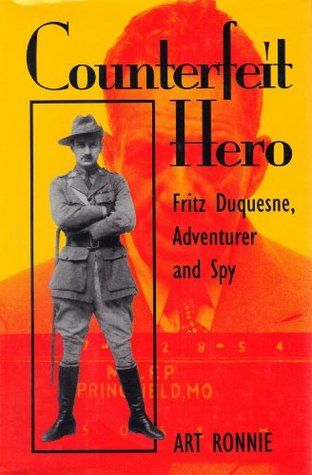 Fritz Duquesne was in charge of moving one of those shipments across the bushveld of Portuguese East Africa, when some kind of argument broke out. When it was over, only two wounded Boers were left alive, along with Duquesne himself and a few tottys (native porters). Duquesne ordered the tottys to hide the gold, burn the wagons and kill the survivors. He then rode off on an ox, having given the rest to the porters.


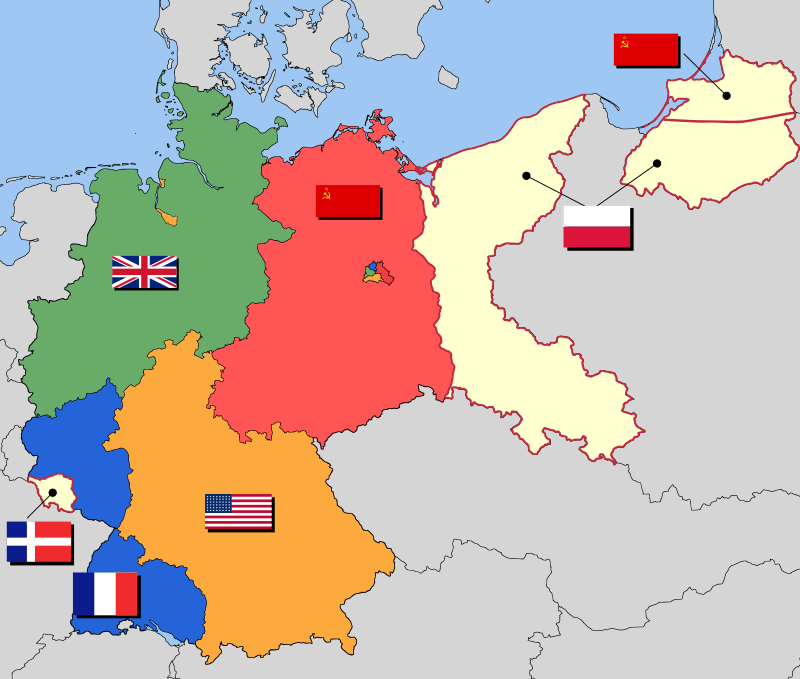
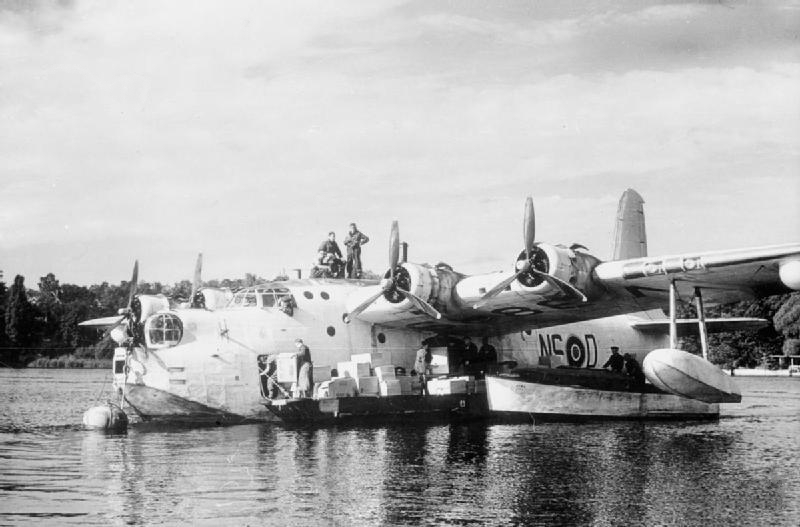
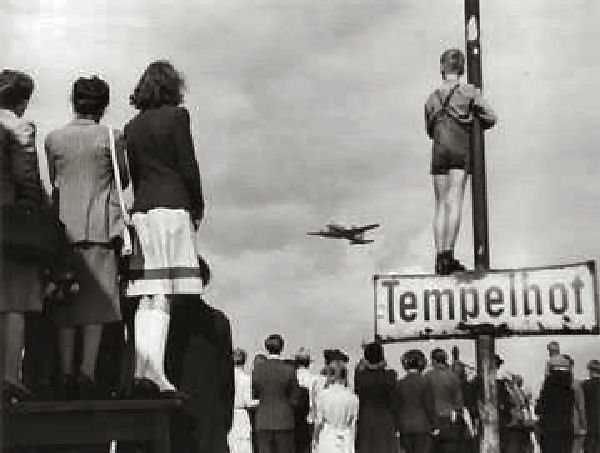
 There never was any formal agreement, concerning road and rail access to Berlin through the 100-mile Soviet zone. Western leaders were forced to rely on the “good will” of a regime which had deliberately starved millions of its own citizens to death, in consolidating power.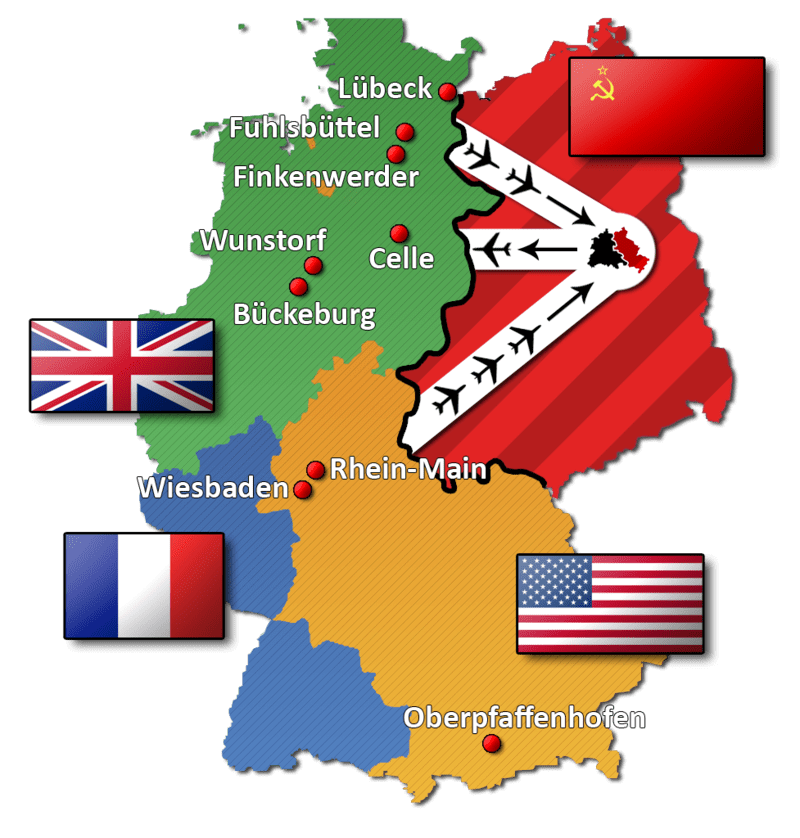



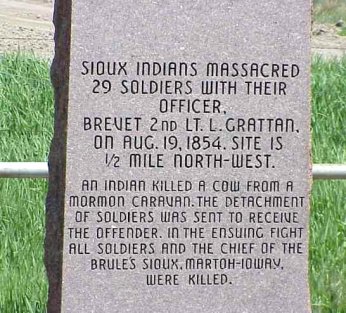 Chief Conquering Bear attempted to negotiate recompense, offering a horse or cow from the tribe’s herd. The owner refused, demanding $25. That same treaty of 1851 specified that such matters would be handled by the local Indian agent, in this case John Whitfield, scheduled to arrive within days with tribal annuities more than sufficient to settle the matter to everyone’s satisfaction.
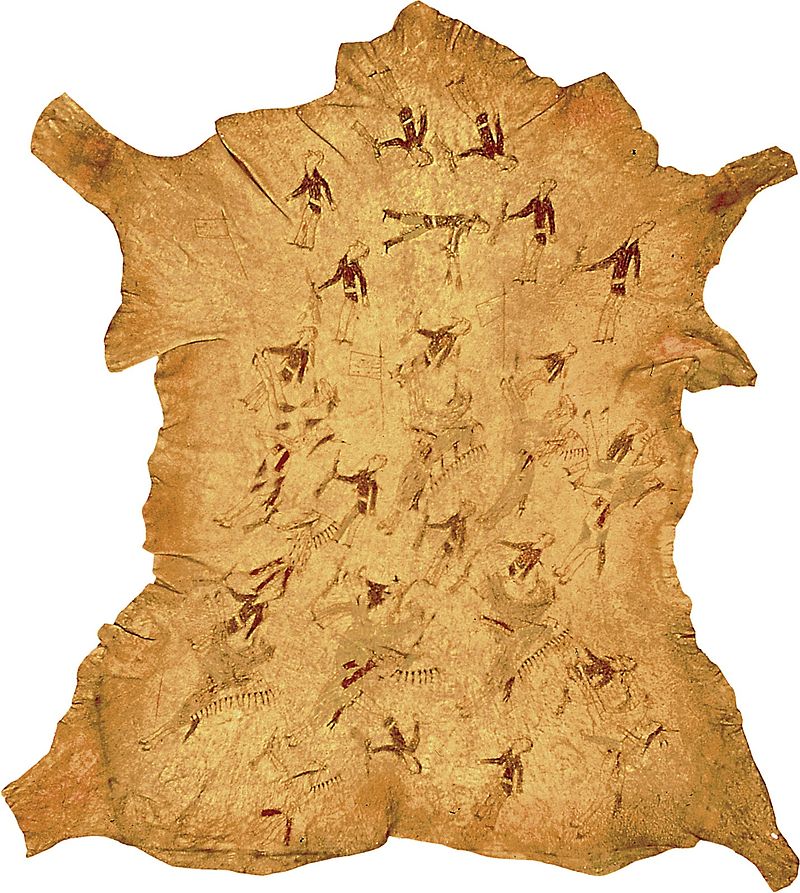
 The tale of those other two columns is worth a “Today in History” essay of their own if not an entire book, but this is a story about Little Big Horn. Suffice it to say that Major Marcus Reno‘s experience of this day was as grizzly and as shocking, as that moment when the brains and face of his Arikara scout Bloody Knife spattered across his own. Reno’s detachment had entered a buzz saw and would have been annihilated altogether, had it not met up with that of captain Frederick Benteen.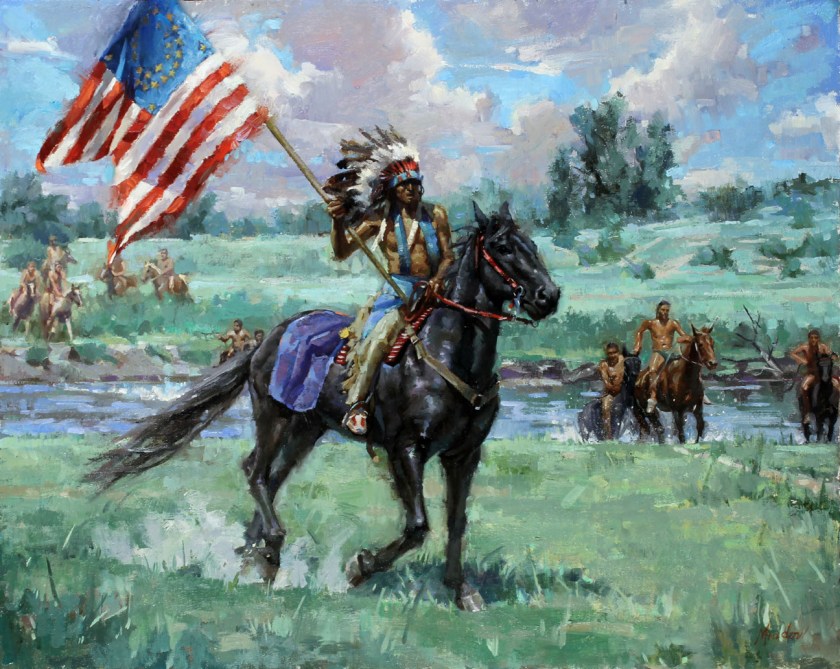

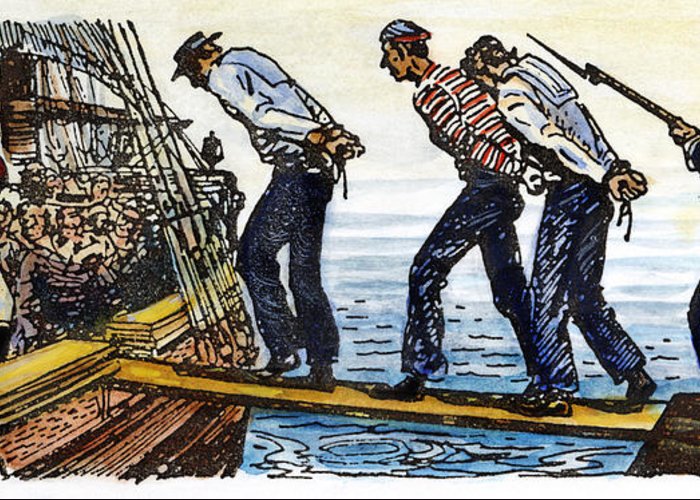
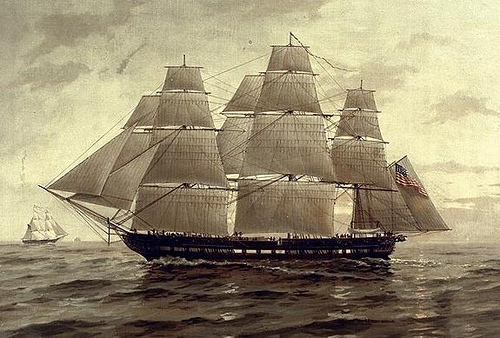
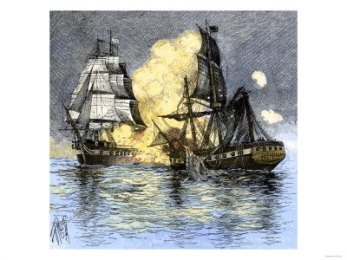 Humphreys then used a hailing trumpet and ordered the American ship to comply, to which Barron responded “I don’t hear what you say”. Humphreys fired two rounds across Chesapeake’s bow, followed immediately by four broadsides.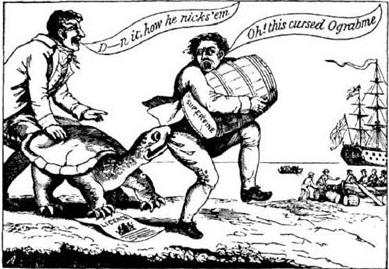
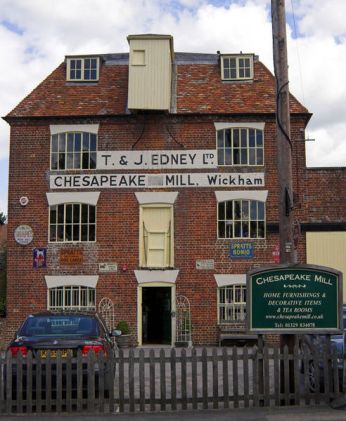 United States Naval Captain James Lawrence was eager to comply, confident in the wake of a number of American victories in single-ship actions.

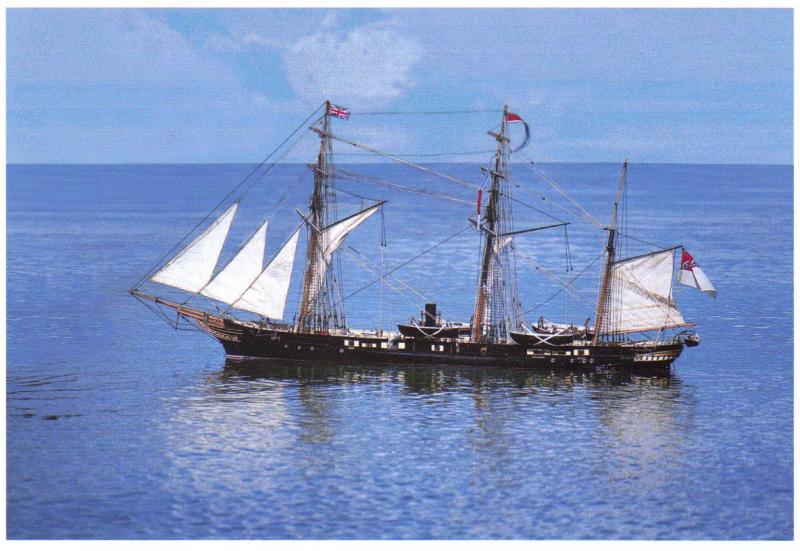
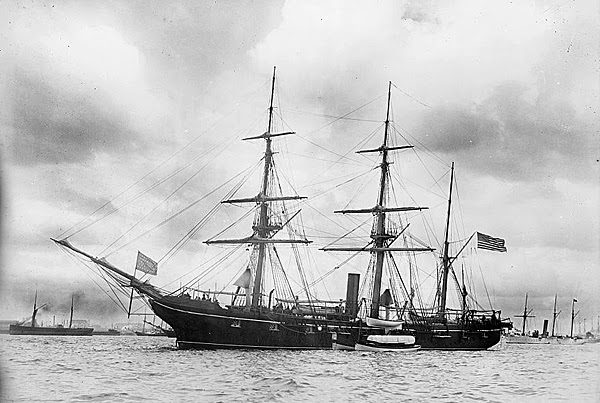

 CSS Alabama steamed out of Cherbourg harbor on the morning of June 19, 1864, escorted by the French ironclad Couronne, which remained nearby to ensure that the combat remained in international waters. Kearsarge steamed further to sea as the Confederate vessel approached. There would be no one returning to port until the issue was decided.
 Captain Winslow put his ship around and headed for his adversary at 10:50am. Alabama fired first from a distance of a mile, and continued to fire as the range decreased.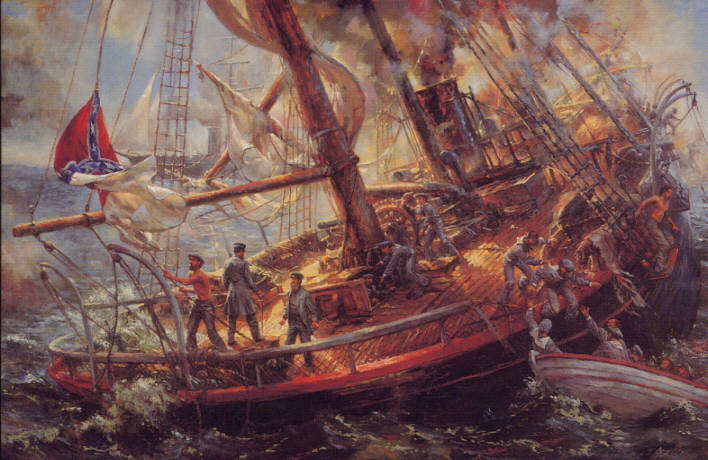
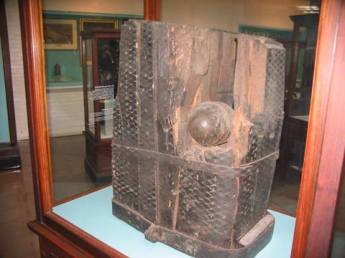


 Austrian military history professor Erik Durschmied wrote in his excellent book`

 Stoker wrote in his notes, “in Wallachian language means DEVIL”. In a time and place remembered for near-cartoonish levels of violence, Vlad Țepeș stands out for his extraordinary cruelty. There are tales of Țepeș disemboweling his own mistress. That he collected the noses of vanquished adversaries. Some 24,000 of them. That he dined among forests of victims, spitted on poles. That he even impaled the donkeys they rode in on.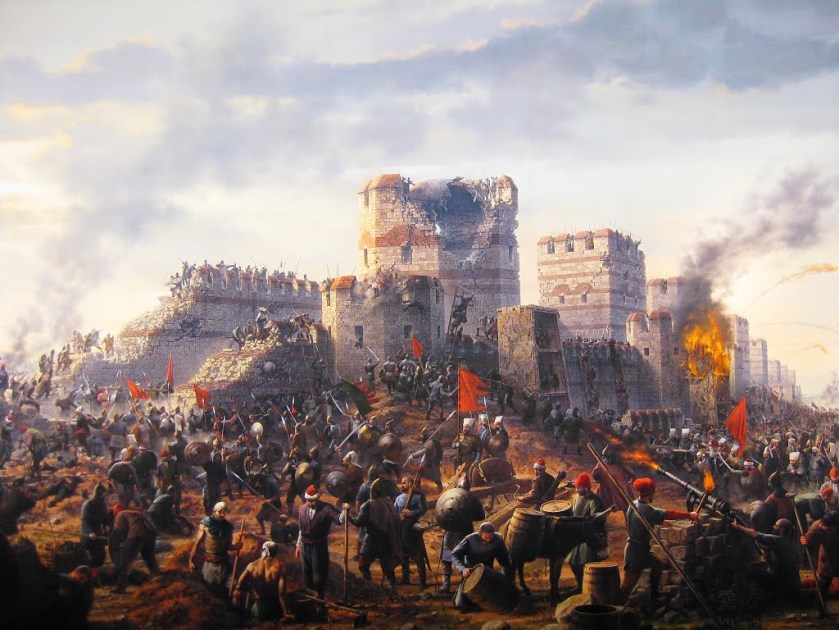
 Outnumbered five-to-one, Ţepeş employed a scorched earth policy, poisoning the waters, diverting small rivers to create marshes and digging traps covered with timber and leaves. He would send sick people among the Turks, suffering lethal diseases such as leprosy, tuberculosis and bubonic plague.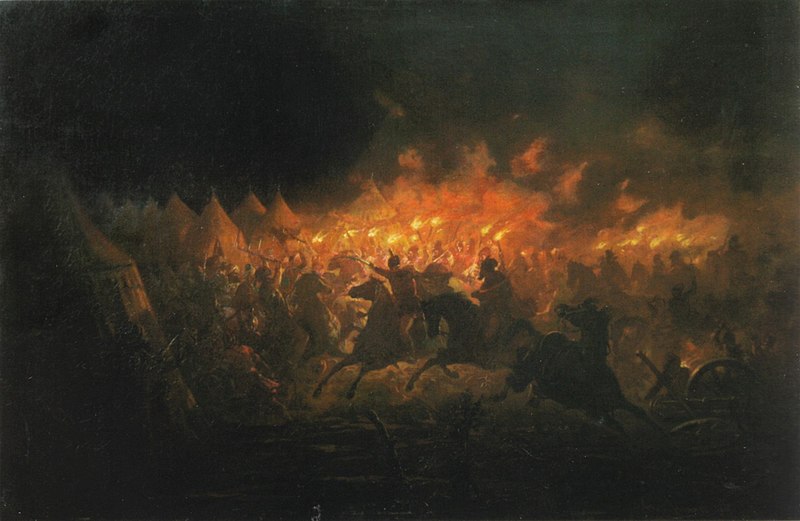


 The British line advanced up Breed’s Hill twice that afternoon, Patriot fire decimating their number and driving the survivors back down the hill to reform and try again.


 From the dawn of the 20th century, the Nobel Peace prize was awarded to individuals and organizations which have “done the most or the best work for fraternity between nations, for the abolition or reduction of standing armies and for the holding and promotion of peace congresses.”
 Great Uncle Jacob Deppin was also there at Appomattox, wearing Blue. He served for the duration, save for the year and one-half spent in captivity.
 Historical Easter Eggs - Today in History
You must be logged in to post a comment.