


In the Netherlands, modern ice hockey began sometime in the 16th century. North Americans have played the sport since 1855. For all that time, flying hockey pucks have collided with the faces of goaltenders. The results have not have been pretty.
The name of Montreal Canadien goal tender Jacques Plante is engraved five times on Lord Stanley’s cup, once for each of five consecutive championships between 1956, and ‘60.
For a lifelong Bruins fan, that isn’t easy to say.

Plante literally wrote the book on NHL goal tending. He was the first to take the position outside of the crease, making himself the third defenseman. He was the first to take the puck behind the net and the first to bring anything even vaguely resembling stick handling, to the position. Before Plante, a Goalie’s job was pretty much to deflect the puck and let the defenders take it from there.
On this day in 1959, Jacques Plante decided he’d had enough. It was three minutes into a game with the New York Rangers when he took a puck to the nose on a shot fired by Andy Bathgate. The puck broke his nose, opening a wound requiring seven stitches to close. When Plante returned to the ice, he was wearing a fiberglass mask.

Coach Toe Blake was furious. He had allowed the mask during practice, but this was regulation. Nobody wore a mask. Coaches believed they cut the goaltender’s field of vision, and, besides. These were supposed to be the “fearless” guys, who jumped in front of the puck.
Easy for him to say. It wasn’t his face. Plante was adamant, and Blake wasn’t about to bench the best goalie in the NHL. There would be one more game when Plante played without the mask, the only game the Canadiens lost in that series, and that was the end of it.
For Jacques Plante, the mask had now become standard equipment.
In 1966, Life Magazine published an image of Toronto Maple Leafs goalie Terry Sawchuk, “a face only a hockey puck could love“. “Re-created here, by a professional make-up artist and a doctor” read the accompanying article, “are some of the more than 400 stitches he had earned during 16 years in the National Hockey League. Terry Sawchuk’s face was bashed over and over, but not all at one time. His wounds healed. The scars weren’t easily seen – except for a few of them. The re-creation of his injuries was done to help show the extent of his injuries over a span of years”.

During a 1968-’69 season playoff game against the Boston Bruins, a puck fired by Phil Esposito hit Plante in the forehead, knocking him out, cold. He later said that the mask had saved his life. He’s probably right.
Gerry Cheevers, who played for the 1970-’72 Bruins, famously had his mask marked up with stitches. That started when a puck hit him in the face during practice. When Bruins coach Harry Sinden followed Cheevers to the dressing room, he found the goalie enjoying a beer and smoking a cigarette. Sinden sent Cheevers back out on the ice and John Forestall, the team trainer, painted stitches on his mask. Every time Cheevers was hit after that, he would have new stitches painted on. The mask became one of the most recognizable symbols of the era, and now hangs on the wall of his grandson’s bedroom.

Jacques Plante wasn’t the first NHL goaltender to wear a face mask. Montreal Maroons’ Clint Benedict wore a crude leather mask in 1929, to protect a broken nose.

It was Plante who introduced the face mask as everyday equipment, now a mandatory fixture for all goaltenders.
I’m not sure if NHL goalies are any prettier these days, but I bet they have a lot more teeth.


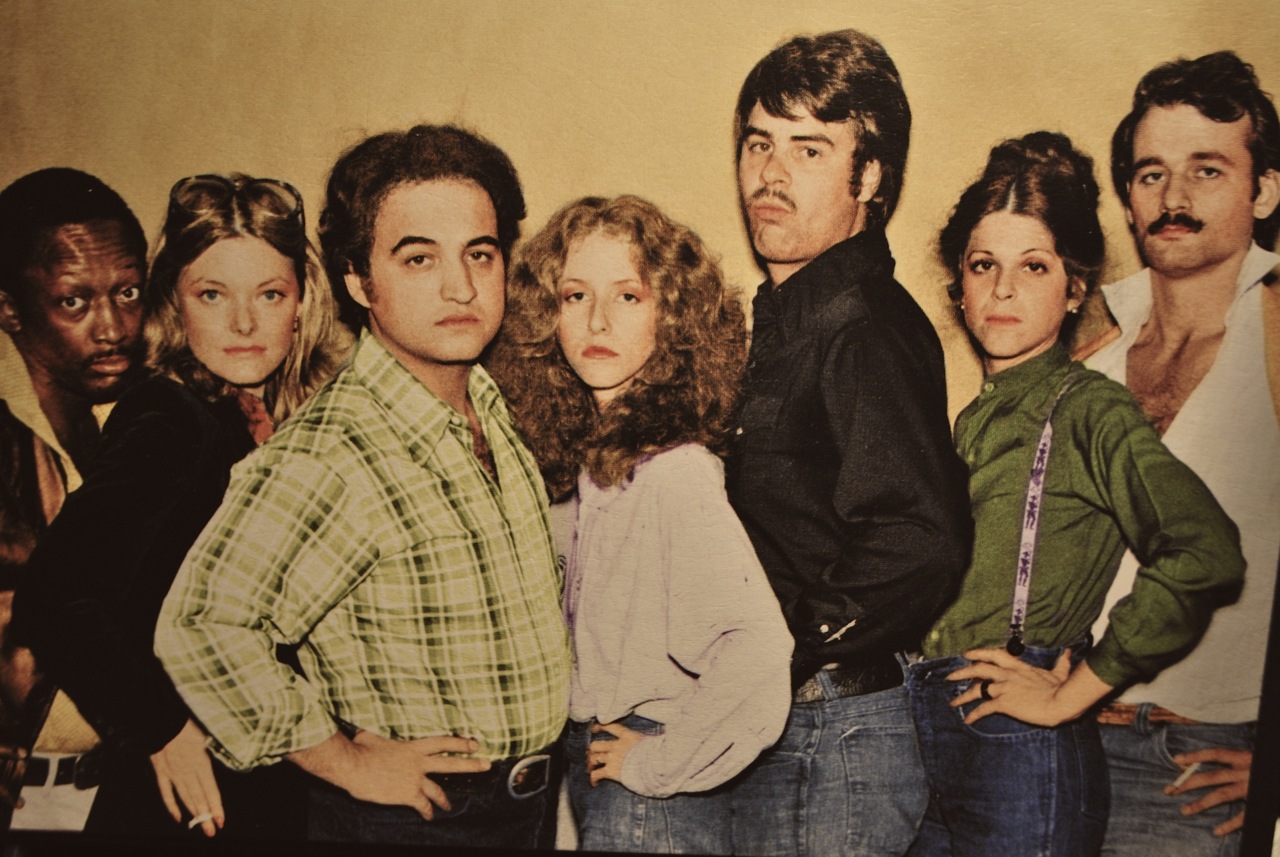 Dan Ackroyd tells a story about long days of rehearsals on the SNL set. An exhausted John Belushi would wander off and let himself into the house of a friend or a stranger, scrounging around for food before falling asleep in the house, unable to be found for the next day’s work. These outings were the inspiration for the SNL horror-spoof sketch “The Thing That Wouldn’t Leave”.
 The Blues Brothers film premiered in Chicago on this day in 1980, four days before general release. Set in the windy city and sprawling across the Midwest, the musical/comedy film tells the story of a paroled convict and his brother, and their mission to save the Catholic orphanage in which they were raised from foreclosure. The Blues Brothers’ “Mission from God” needs to raise $5,000 to pay the orphanage’s property tax bill. To do so, the pair sets out to reignite their old R&B band, pursued by the police and wrecking 103 cars along the way, a world record for that time.
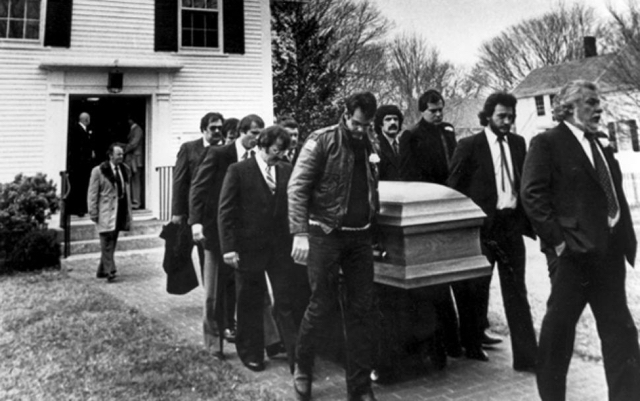 “Fans” repeatedly felt the need to desecrate the grave. The body was removed at Mrs. Belushi’s request and reburied in an undisclosed location. An unmarked tombstone in an undisclosed location marks the final burial location, where the man can at last rest in peace.

 The earliest discernible Mother’s day dates back to 1200-700BC and descending from the Phrygian rituals of modern day Turkey and Armenia. “Cybele” was the great Phrygian goddess of nature, mother of the Gods, of humanity, and of all the beasts of the natural world, her cult spreading throughout Eastern Greece with colonists from Asia Minor.
 In the sixteenth century, it became popular for Protestants and Catholics alike to return to their “mother church” whether that be the church of their own baptism, the local parish church, or the nearest cathedral. Anyone who did so was said to have gone “a-mothering”. Domestic servants were given the day off and this “Mothering Sunday”, the 4th Sunday in Lent, was often the only time when whole families could get together. Children would gather wild flowers along the way, to give to their own mothers or to leave in the church. Over time the day became more secular, but the tradition of gift giving continued.
 Ann Maria Reeves Jarvis was a social activist in mid-19th century western Virginia. Pregnant with her sixth child in 1858, she and other women formed “Mothers’ Day Work Clubs”, to combat the health and sanitary conditions leading at that time to catastrophic levels of infant mortality. Jarvis herself gave birth between eleven and thirteen times in a seventeen year period.
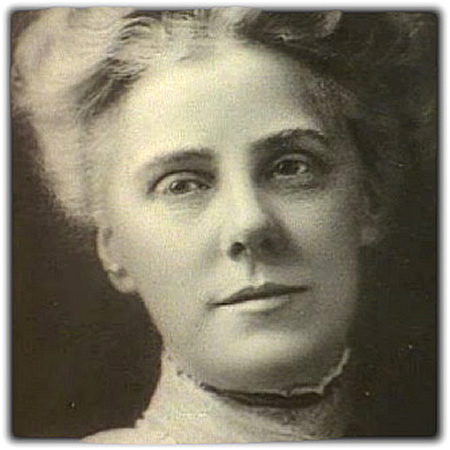 Following Jarvis’ death in 1905, her daughter Anna conceived of Mother’s Day as a way to honor her legacy and to pay respect for the sacrifices made by all mothers, on behalf of their children.
 This story is dedicated to two of the most beautiful women in my life. Ginny Long, thanks Mom, for not throttling me all those times you could have. And most especially, for all those times when you SHOULD have. Sheryl Kozens Long, thanks for 25 great years. Rest in peace, sugar. I wish you didn’t have to leave us, quite so soon.

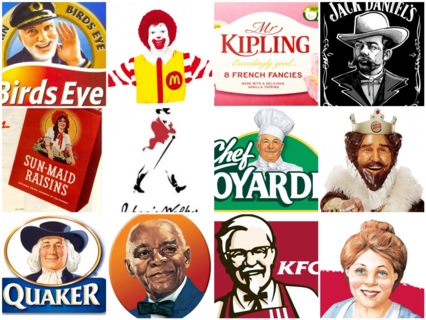
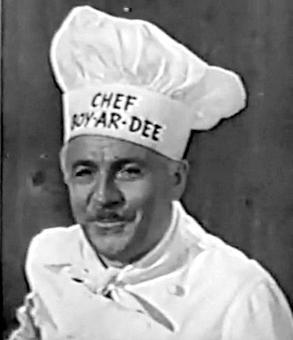 The Plaza Hotel menu was heavy on the French in those days and Ettore began to add some Italian. A little pasta, a nice tomato sauce. Before long, he was promoted to head chef.
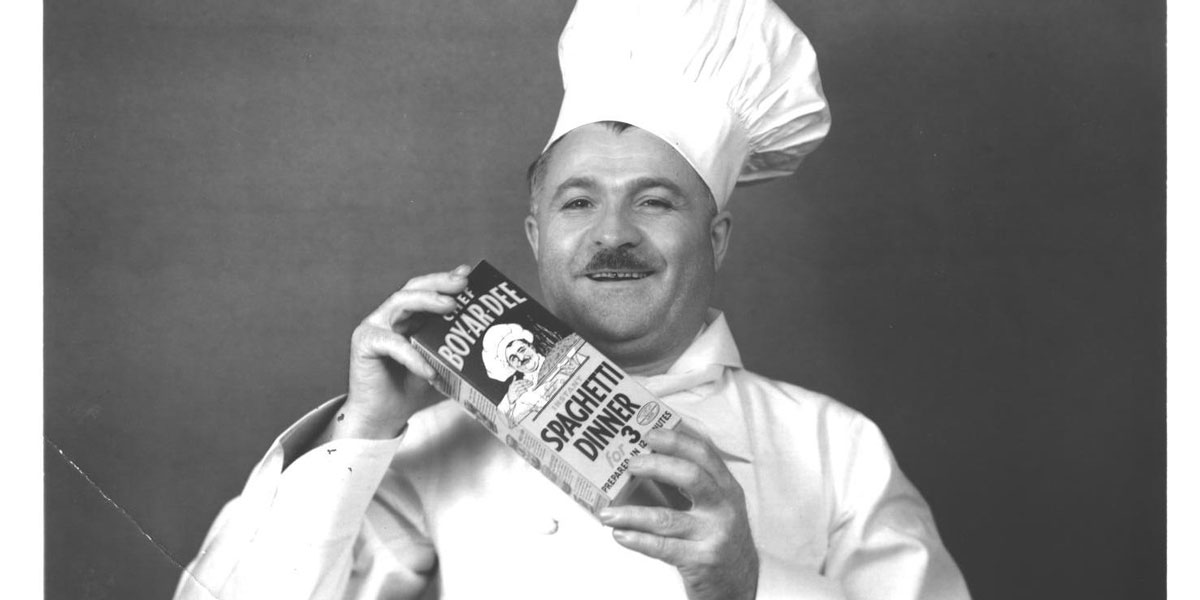 Maurice and Eva Weiner were patrons of the restaurant, and owners of a self-service grocery store chain. The couple helped develop large-scale canning operations. Before long Ettore and Mario bought farm acreage in Milton Pennsylvania, to raise tomatoes. In 1928, they changed the name on the label, making it easier for a tongue-tied non-Italian consumer, to pronounce. Calling himself “Hector” for the same reason, Ettore said “Everyone is proud of his own family name, but sacrifices are necessary for progress.”
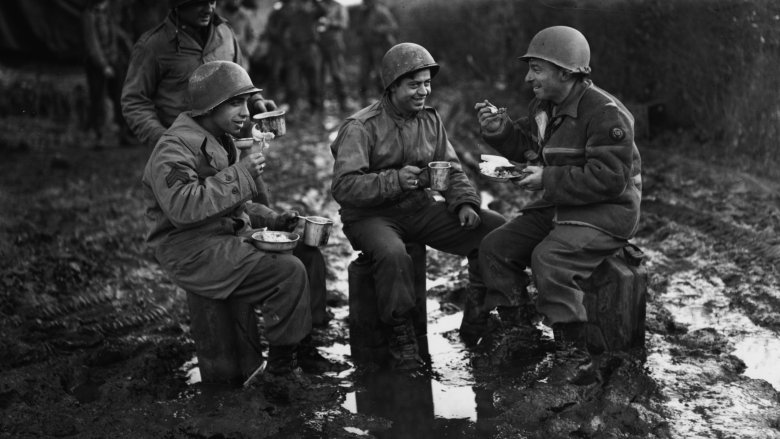 During the Great Depression, Hector would tout the benefits of pasta, praising the stuff as an affordable, hot and nutritious meal for the whole family.


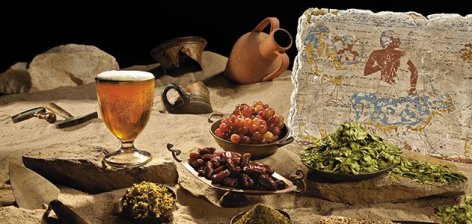 Tacitus scorned the bitter brew of Germanic barbarians. Wine seemed better suited to the sensibilities of the Roman palate. Nevertheless, letters from Roman cavalry commanders of the Roman Britain period, c. 97-103 AD, include requests for more “cerevisia“, for the legionaries.
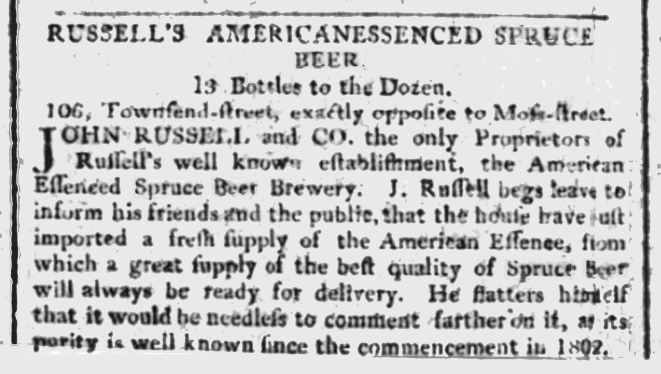 Prior to the drum roaster’s invention in 1817, malt was typically dried over wood, charcoal or straw fires, leaving a smoky quality which would seem foreign to the modern beer drinker. William Harrison wrote in his “Description of England” in 1577, “For the wood-dried malt, when it is brewed, beside that the drink is higher of colour, it doth hurt and annoy the head of him that is not used thereto, because of the smoke“.
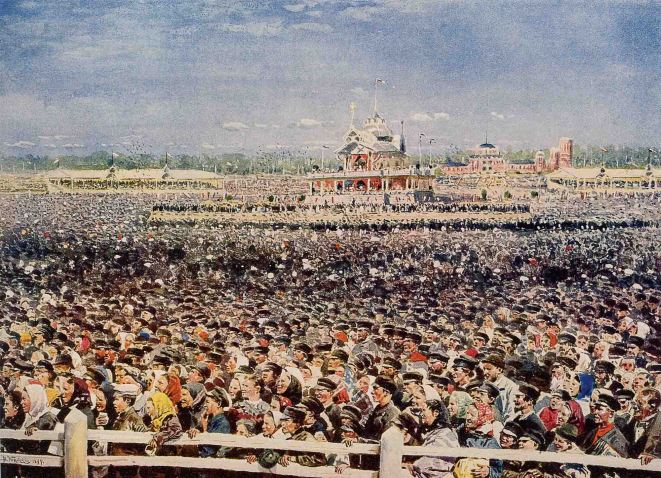
 1,389 were trampled to death and another 1,300 injured in a
  The 18th amendment, better known as “prohibition”, went into effect at midnight, January 16, 1920. For thirteen years it was illegal to import, export, transport or sell liquor, wine or beer in the United States.
 Organized crime became vastly more powerful due to the influx of enormous sums of cash. The corruption of public officials was a national scandal.
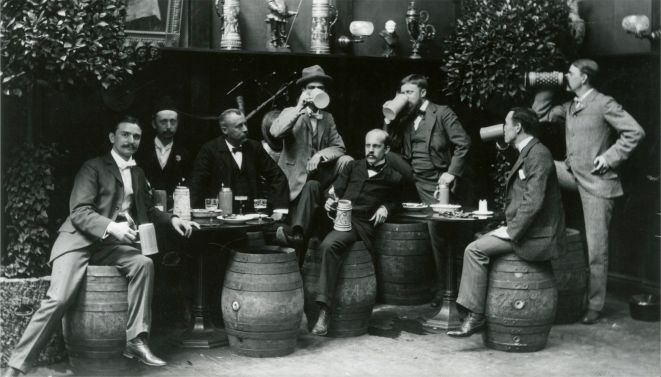 Finally, even John D. Rockefeller, Jr., a lifelong teetotaler who contributed $350,000 to the Anti-Saloon League, had to announce his support for repeal.
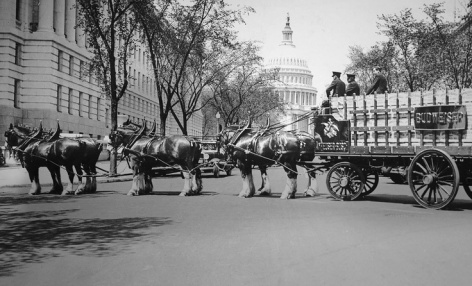 “Dry” leaders tried to prohibit consumption of alcohol on military bases in 1941, but military authorities claimed it was good for morale. Brewers were required to allocate 15% of total annual production to be used by the armed forces. So essential were beer manufacturers to the war effort, that teamsters were ordered to end a labor strike against Minneapolis breweries. Near the end of WWII, the army made plans to operate recaptured French breweries, to ensure adequate supplies for the troops.
 The night before Roosevelt’s law went into effect, April 6, 1933, beer lovers lined up at the doors of their favorite watering holes, waiting for their first legal beer in thirteen years.

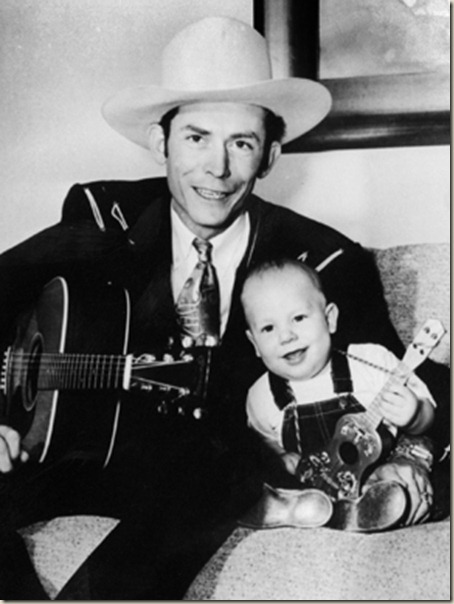 Dad called the younger Williams “Bocephus” after the ventriloquist’s dummy used by Grand Ole Opry comedian Rod Brasfield.
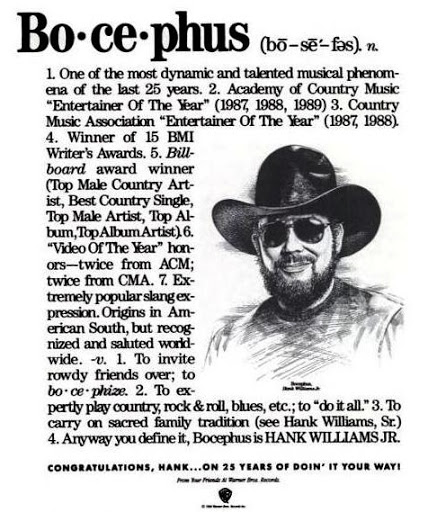 Williams was nearly killed in 1975, while climbing Ajax Peak in Montana. The snow collapsed beneath him, plunging him near-500 feet to the rocks below. There were multiple skull and facial fractures. Williams required several reconstructive surgeries, and had to learn to talk, and sing, all over again. The signature look of beard, sunglasses and cowboy hat have all become part of his brand, but it all began to hide the dreadful scars of that mountain climbing accident.
 No matter. ESPN announced that Williams and his song would be pulled from future broadcasts. ABC and the National Football League, were quick to pile on.
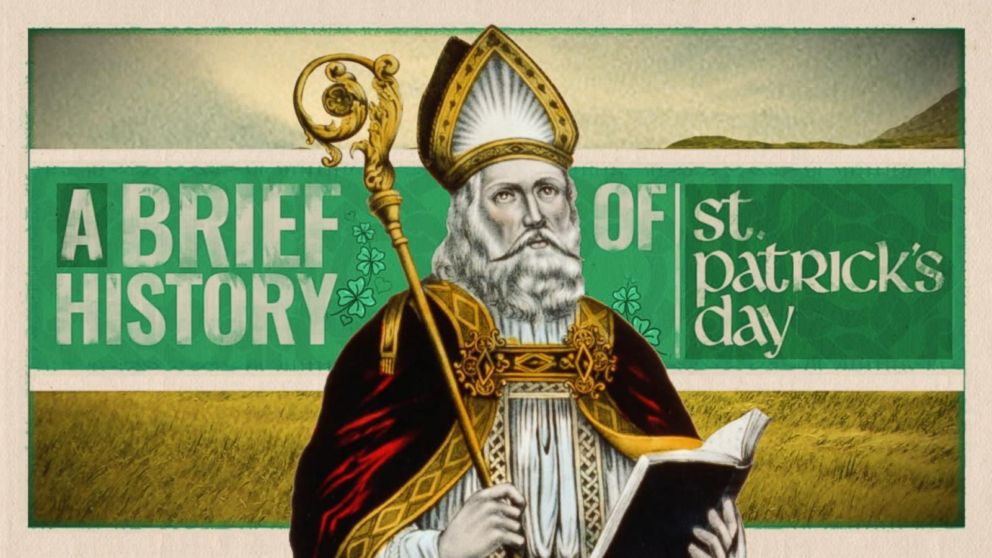
 Today, the “insular” Celtic languages are all that’s left, relegated to two sub-groups: the Goidelic (or Gaelic) spoken by Irish and Scots speakers and once on the Isle of Man, and the Brythonic or Brittonic once spoken in Wales, Brittany and Cornwall.
 Interestingly, Patrick is listed among the 10,000 or so Roman Catholic Saints though it seems he never was actually canonized, by a pope.
 Another legend involves a walking stick of ash, which Patrick carried with him wherever he went. He would thrust this stick into the ground wherever he would preach. At a place now known as Aspatria, (ash of Patrick), the message took so long to get through to the people that the stick took root.
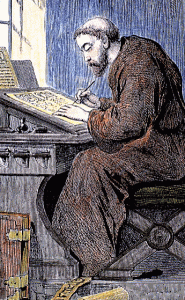 Christian Ireland, with its green color evoking rebirth and eternal life.


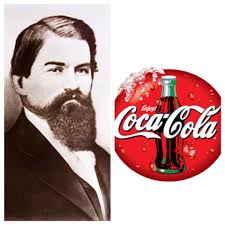 At first sold for their therapeutic value, consumers increasingly bought carbonated beverages for refreshment.
 The most famous rivalry in the soft drink business began in the 1930s, when Pepsi offered a 12oz bottle for the same 5¢ as Coca Cola’s six ounces.
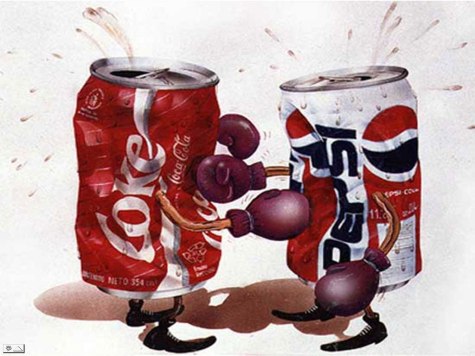 By the ’80s, market analysts believed that aging baby boomers were likely to switch to diet drinks and any growth in the full calorie segment was going to come from younger consumers, who preferred the sweeter taste of Pepsi.
 On an April Friday in 1985, Coke let the media know that a major announcement was coming the following Tuesday. Coca Cola officials spent a busy weekend preparing for the re-launch, while Pepsi Executives announced a company-wide holiday, taking out a full page ad in the New York Times, crowing that “Pepsi had Won the Cola Wars”.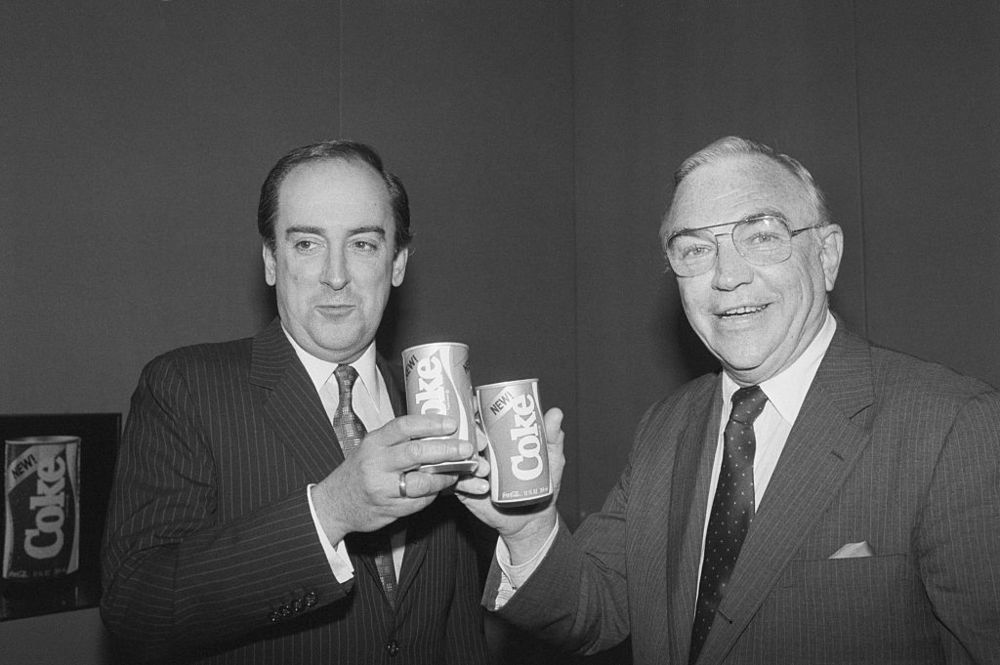
 Not even Max Headroom and his stuttering “C-c-c-catch the wave!” could save the company.
 So it was that, in 1985, Coca Cola announced they’d bring back the 91-year old formula. One reporter asked Keough if the whole thing had been a publicity stunt. Keough’s answer should be taught in business schools the world over, if it isn’t already. “We’re not that dumb,” he said, “and we’re not that smart”.

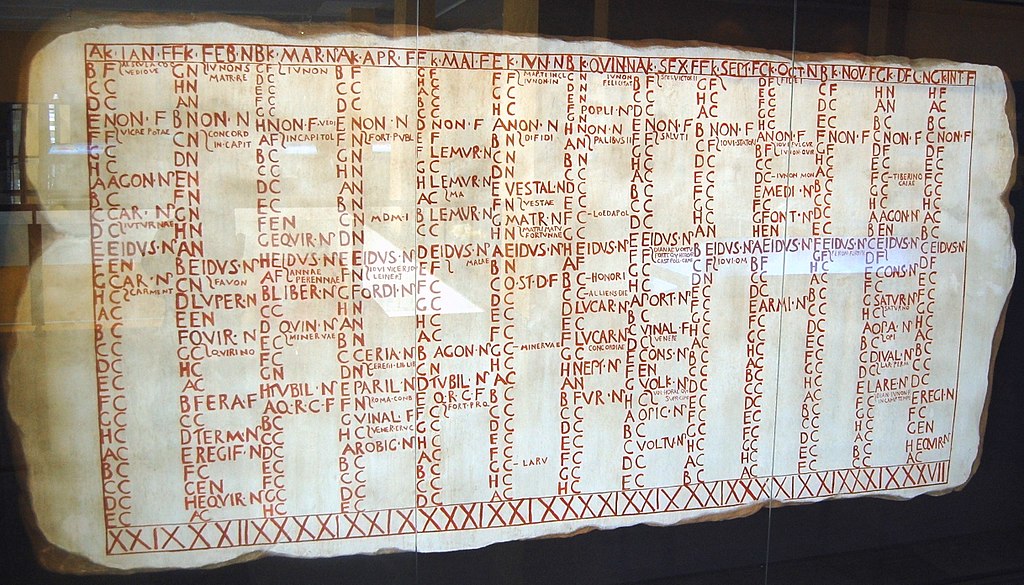 The second month had 30 days back then, when Caesar renamed his birth month from Quintilis to “Julius”, in honor of himself. Rank hath its privileges. To this day, it’s why we have “July”. Not to be outdone, Caesar’s successor Caesar Augustus changed Sextilis to Augustus and, you got it, today we have August. The only thing was, that Augustus had only 29 days to Julius’ 31, and we can’t have that.
 There is an old legend that St. Bridget complained to St. Patrick back in the 5th century, that women had to wait too long for beaus to “pop the question”. Other versions of the story date back before English Law recognized the Gregorian calendar, meaning that the extra day had no legal status. Be that as it may, it is customary in many places for a woman to propose marriage on the 29th of February. According to legend, one old Scottish law of 1288 would fine the man who turned down such a proposal.
 “With great howling and lamentation” wrote Columbus’ son Ferdinand, “they came running from every direction to the ships, laden with provisions, praying the Admiral to intercede by all means with God on their behalf; that he might not visit his wrath upon them”.

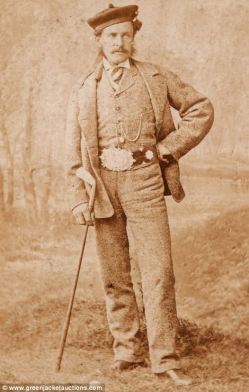


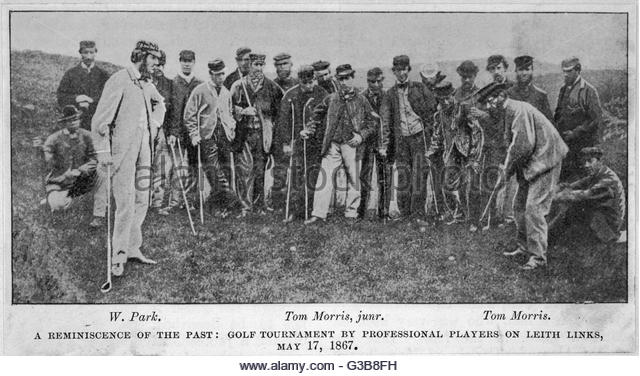 The Father/Son team tee’d off in match against the brothers Willie and Mungo Park on September 11, 1875. With two holes to go, Young Tom received a telegram with upsetting news. His wife Margaret had gone into a difficult labor. The Morrises finished those last two holes winning the match, and hurried home by ship across the Firth of Forth and up the coast. Too late. Tom Morris Jr. got home to find that his young wife and newborn baby, had both died in childbirth.
 Historical Easter Eggs - Today in History
You must be logged in to post a comment.