

The time was not yet 1:00am on June 17, 1972, when security guard Frank Wills noticed tape covering several door latches at the Watergate Complex in the Foggy Bottom neighborhood of Washington, DC. Wills removed the tape and thought little of it, but came back an hour later to see that the doors had been re-taped. This time, Wills called the police.

Five men were discovered inside the offices of the Democratic National Committee. These were Virgilio González, Bernard Barker, James McCord, Eugenio Martínez, and Frank Sturgis. All were arrested and charged with attempted burglary and attempted interception of telephone and other communications.
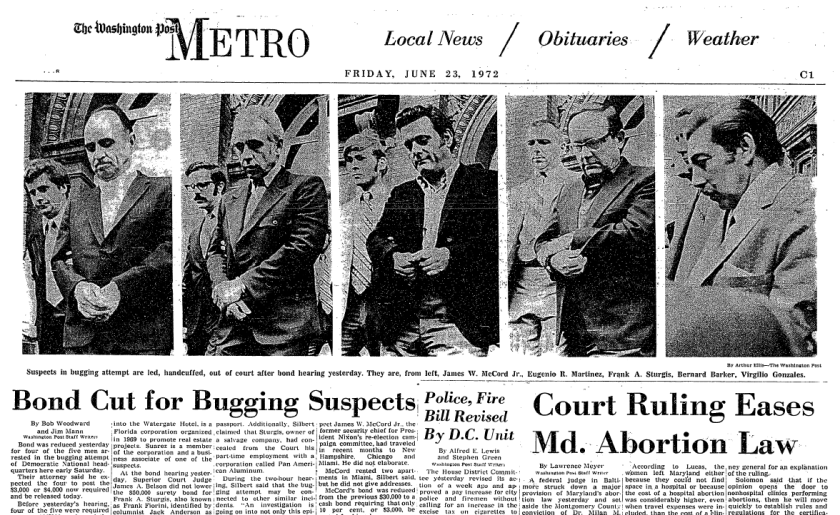
Subsequent investigation incriminated Committee to Re-elect the President (CRP) General Counsel G. Gordon Liddy, and former CIA officer E. Howard Hunt. A grand jury indicted the lot of them for conspiracy, burglary and violation of federal wiretap laws.
During the investigation and ensuing trial, it became clear that all seven had ties to the 1972 CRP. President Richard Nixon stated that his chief counsel John Dean had conducted a thorough investigation of the matter, though it later became clear that there had been no investigation at all.
Press Secretary Ron Ziegler dismissed the break-in as “a third-rate burglary attempt”.
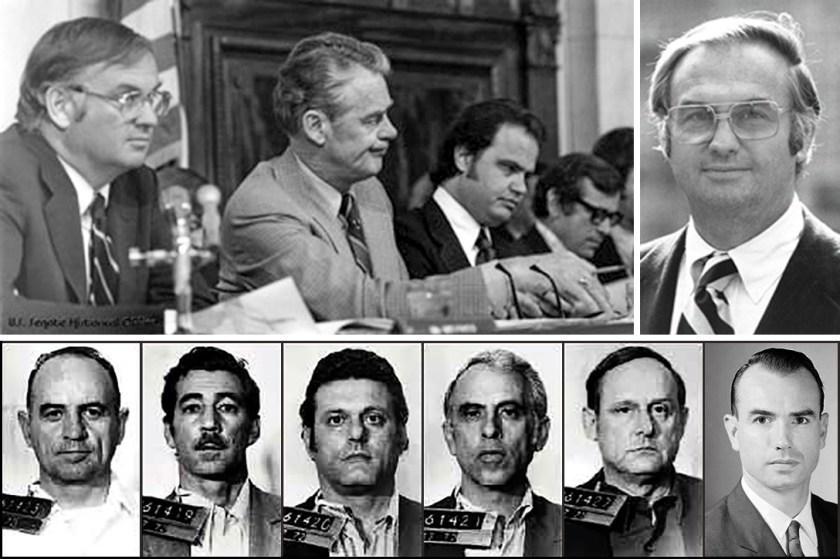
On September 29, it was revealed that John Mitchell had controlled a secret fund while serving as Attorney General, used to finance Republican campaign intelligence gathering operations against Democrats. On October 10, the FBI reported that the Watergate break-in was only part of a comprehensive campaign of spying and political sabotage conducted on behalf of the Nixon re-election committee. The Nixon campaign was never affected by the revelations. The President was re-elected in one of the biggest landslides in American political history.
The Media wouldn’t let it go, particularly the connection between the break-in and the campaign. Relying on anonymous sources, Washington Post reporters Bob Woodward and Carl Bernstein uncovered information suggesting that there was wide-spread knowledge of the break-in and the attempt to cover it up, knowledge running through the Justice Department, FBI, CIA, and all the way to the White House.
 The animosity between the media and the White House grew as Nixon and administration officials discussed plans to “get” hostile media organizations.
The scandal blew apart, the following March. Judge John Sirica, presiding over the burglary trial, read aloud in open court a letter from one of the burglars. The letter written by John McCord claimed that trial testimony had been perjured, and that defendants had been pressured to remain silent. The accusations led to the formation of a Senate select committee to investigate the Watergate burglary and subsequent cover-up, and the ultimate discovery of a secret taping system in the Oval Office.
Demands for the tapes were met with claims of Executive Privilege and refusal to hand them over. Litigation made it all the way to the Supreme Court. On July 24, 1974, the unanimous decision in United States v. Nixon voided all claims of executive privilege.
 Within six days, the House Judiciary Committee approved three articles of impeachment: obstruction of justice, abuse of power and contempt of Congress.
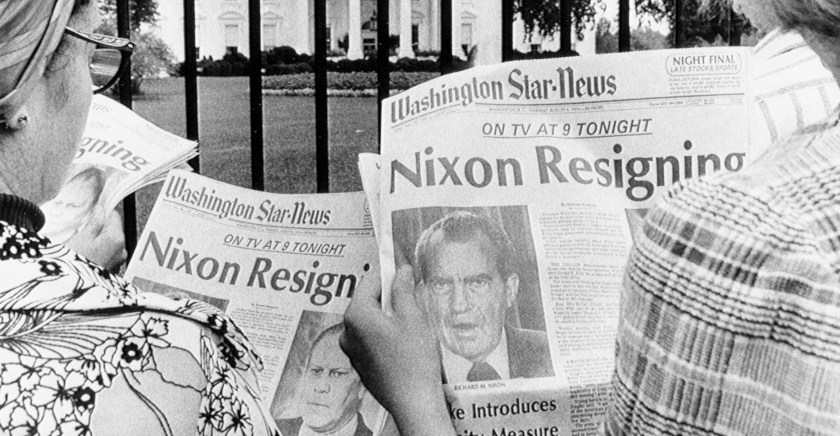
The President’s support in Congress collapsed after the release of the “Smoking Gun” tape, demonstrating that the President himself had entered into a criminal conspiracy with the goal of obstructing justice. On August 8, Richard Nixon announced his intention to resign from office, effective at noon the following day. The first American President in history to resign from office. The Justice Department pondered an indictment, but that discussion ended a month later with a pardon from President Gerald R. Ford.
It isn’t clear whether Nixon had prior knowledge of the break-in. Watergate prosecutor James Neal was convinced that the President hadn’t known in advance, and the later release of Oval Office tapes seem to bear that out. At one point, you can hear the President ask “Who was the asshole who ordered it?”
Years later, the shoe was on the other foot, as the House considered impeachment proceedings against President Clinton for suborning perjury and obstruction of Justice. Representative John Conyers said in a September 30, 1998 Time Magazine article that “We’ve been advocating the Watergate model (of prosecution). I support it”. Contradicting himself in the next paragraph, Congressman Conyers went on to say “The notion that this review should be open ended like Watergate, as the Speaker continues to insist, is preposterous”.
At the time of the Watergate hearings, Jerry Zeifman was serving as Chief Counsel of the House Judiciary Committee’s permanent staff. Zeifman has since claimed to have fired a junior member of the temporary Impeachment Inquiry staff for dishonesty and unethical behavior, though there remains some doubt as to whether he had that authority. That staff member would continue on with the committee until its dissolution, in 1974.
Irrespective of the degree of his early involvement, Nixon himself was an active participant in the cover-up. In the end, that would prove more damaging than the burglary itself. One hopes that any such betrayal of public trust will always be worse than the underlying crime, but time will tell. Years later, that junior member of the temporary Impeachment Inquiry staff would famously ask, “What difference, at this point, does it make”?


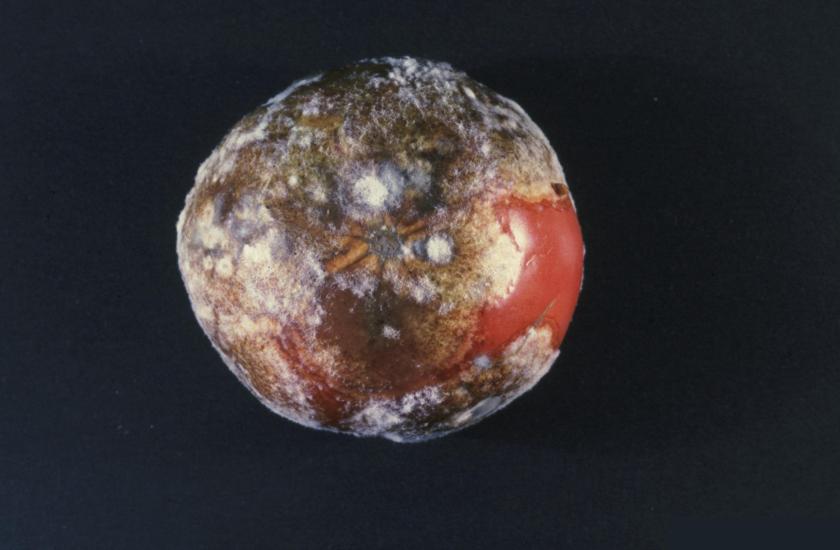

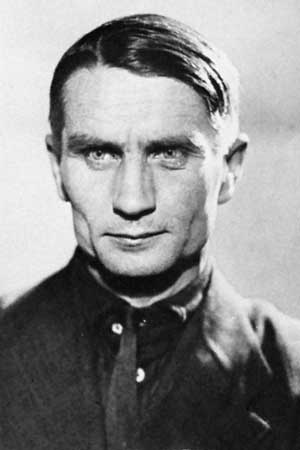
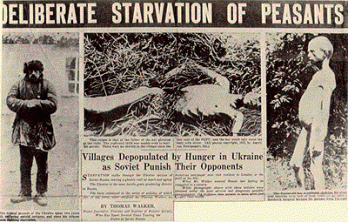 As Stalin’s Soviet Union imposed the “terror famine” of 1932-’33, the deliberate starvation of millions of Ukrainian peasant farmers known as the
  As director of the Soviet Academy of Agricultural Sciences, Lysenko put his theories to work, with unsurprisingly dismal results. He’d force Soviet farmers to plant WAY too close together, on the theory that plants of the same “class” would “cooperate” with one another, and that “mutual assistance” takes place within and even across plant species.

 By the siege’s end in the Spring of 1944, nine of them had starved to death, standing watch over all that food. These guys had stood guard over their seed bank for twenty-eight months, without eating so much as a grain.


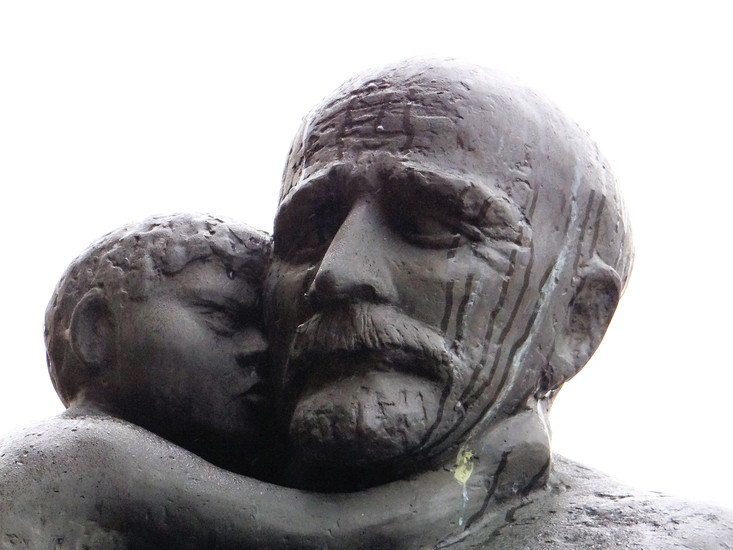
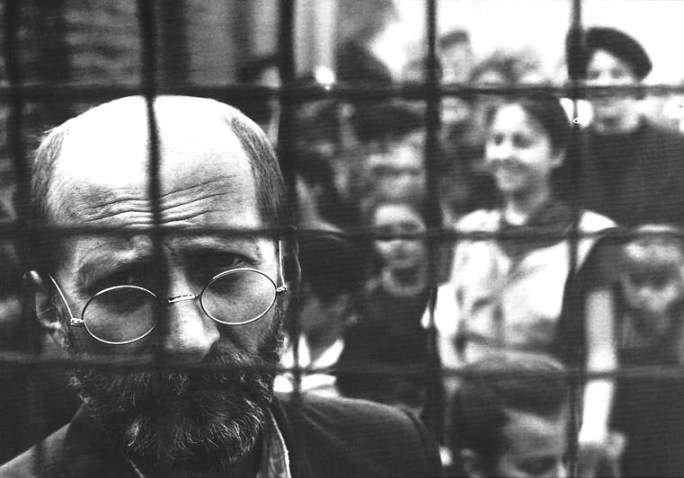
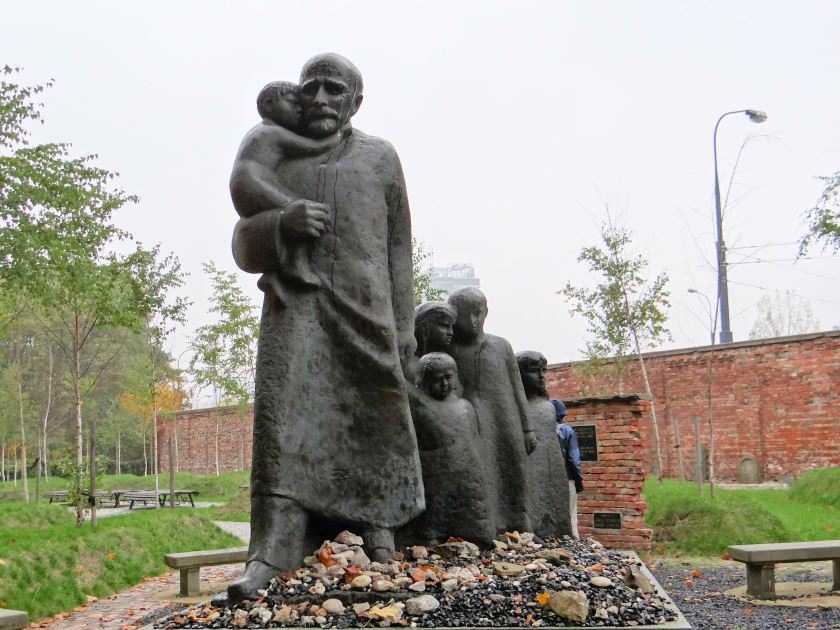
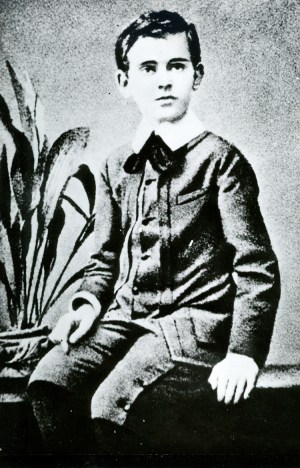 Born Henryk Goldszmit into the Warsaw family of Józef Goldszmit, in 1878 or ’79 (the sources vary), Korczak was the pen name by which he wrote children’s books.
 Korczak wrote for several Polish language newspapers while studying medicine at the University of Warsaw, becoming a pediatrician in 1904. Always the writer, Korczak received literary recognition in 1905 with his book Child of the Drawing Room (Dziecko salonu), while serving as medical officer during the Russo-Japanese war.
 The Polish nation, the sixth largest in all Europe, was sectioned and partitioned for over a century, by Austrian, Prussian, and Russian imperial powers. Korczak volunteered for military service in 1914, serving as military doctor during WW1 and the series of Polish border wars between 1919-’21.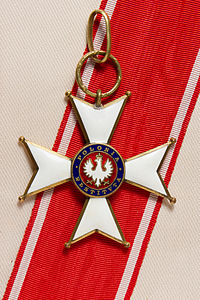






 Shorter in stature and considerably more powerful than Cro-Magnon, our direct ancestor and all but indistinguishable from ourselves, Neanderthal bodies were suited to the ice age of the early and middle Paleolithic era.



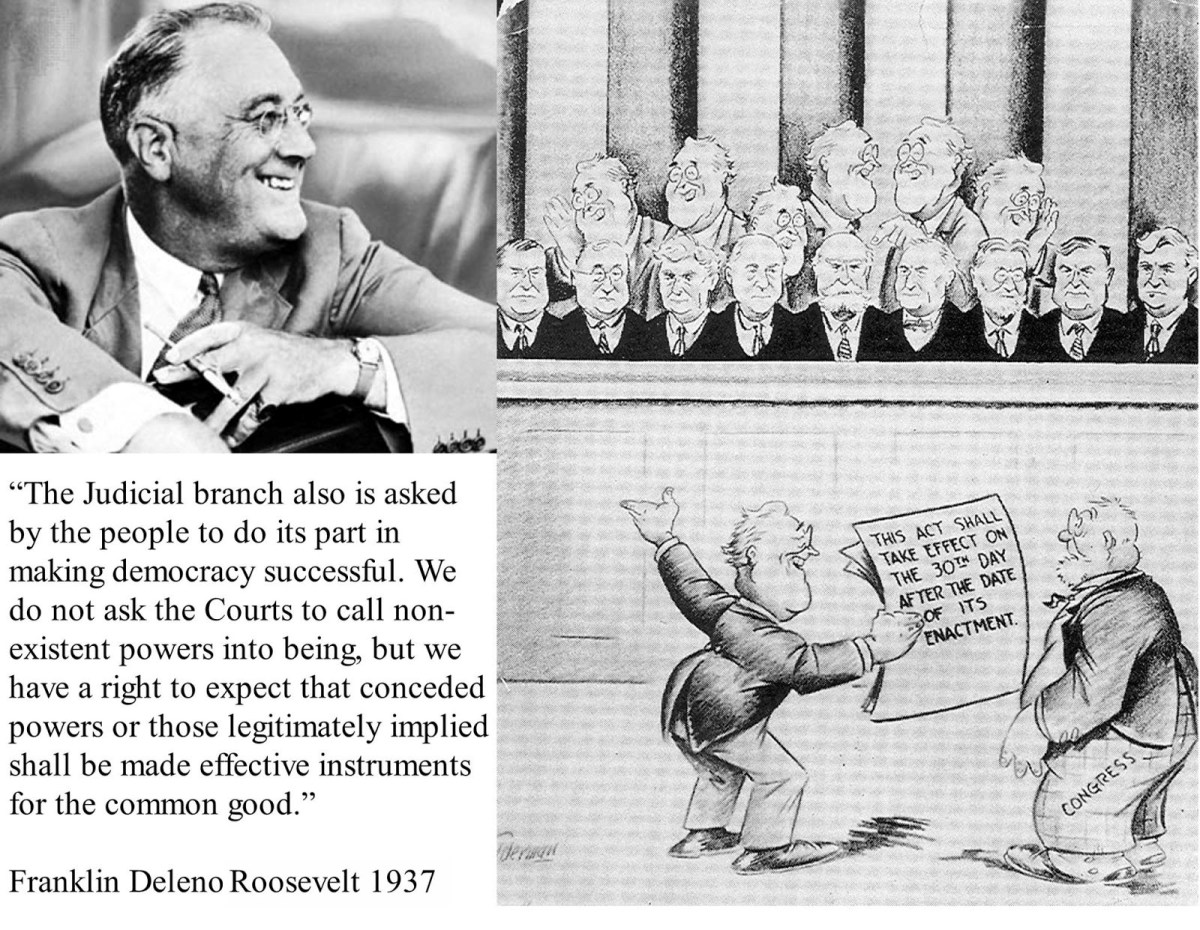
 Article III, Section 1 of the United States Constitution creates the highest court in the land. The relevant clause states that “The judicial power of the United States, shall be vested in one Supreme Court, and in such inferior courts as the Congress may from time to time ordain and establish“. Nowhere does the document specify the number of justices.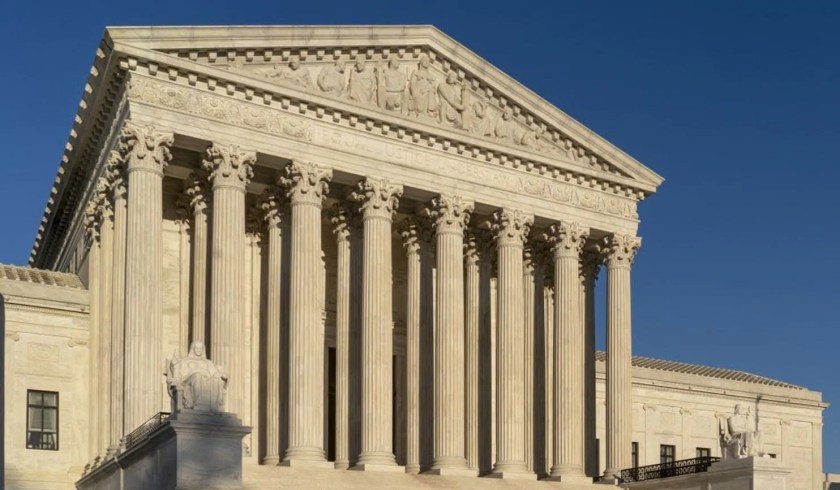


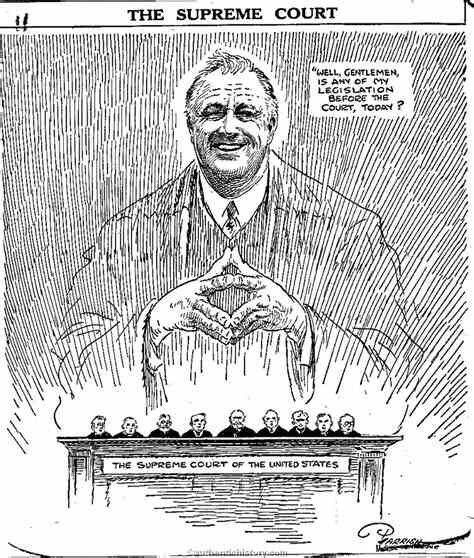
 The full Senate voted on July 22, 1937, to send the bill back to the Senate Judiciary Committee, where provisions for additional justices were stripped from the bill. A modified version passed in August, but Roosevelt’s “Court Packing” scheme was dead.

 Edward M. “Ted” Kennedy, Senior Senator from Massachusetts, was focused on a former secretary and volunteer with his brother’s 1968 Presidential campaign, 28-year-old Mary Jo Kopechne.

 Kennedy’s driver’s license was suspended for a time. There would be no further penalty. Joan Kennedy, who was pregnant at the time, attended Mary Jo Kopechne’s funeral, and stood by her husband’s side at the courthouse, three days later. She miscarried a short time later, a personal tragedy she always blamed on the events at Chappaquiddick.

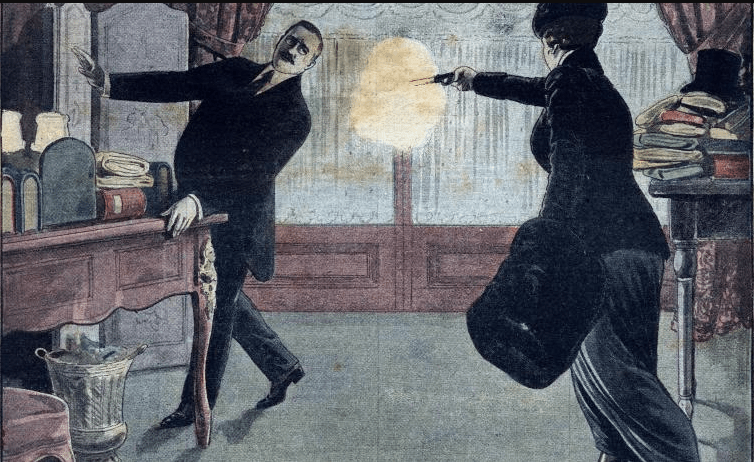
 What would it be like to turn on CNN or Fox News, to learn that Former Secretary of the Treasury Jacob (‘Jack’) Lew was party to a duel and that he was near death, after being shot by the sitting Vice President of the United States, Mike Pence.


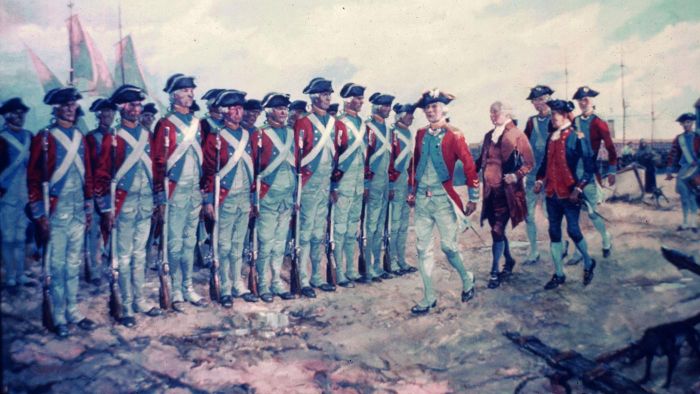


 Lee was appointed to the Committee of Confederation, assigned to write the Articles by which the fledgling nation would govern itself. Lee believed that two such committees were too much and, soon, he would be called home to care for a critically ill wife.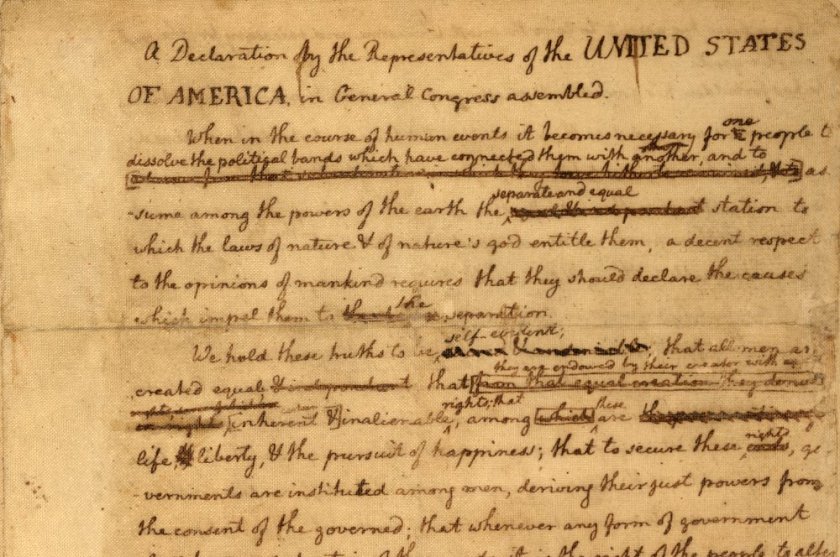



You must be logged in to post a comment.