

The Nazi conquest of Europe began with the Sudetenland in 1938, the border districts of Bohemia, Moravia, and German speaking parts of Czechoslovakia.
The invasion of Poland brought France and Great Britain in on the side of their ally, in 1939. Ground forces of the United Kingdom were shattered the following year, along with those of her French, Indian, Moroccan, Belgian, Canadian and Dutch allies.
The hastily assembled fleet of 933 vessels large and small were all that stood between salvation, and unmitigated disaster. 338,226 soldiers were rescued from the beaches of France. Defeated, all but disarmed yet still unbeaten, these would live to fight another day.

In 1940, every major power on the European mainland was either neutral, or under Nazi occupation. The island nation of Great Britain stood alone and unconquered, defiant in the face of the Nazi war machine. In Germany, street decorations were prepared for victory parades, as plans were laid for “Operation Sea Lion”, the planned invasion of Great Britain and final destruction of the British Isles.
After the allied armies were hurled from the beaches of Dunkirk, Hitler seemed to feel he had little to do but “mop up”. Luftwaffe commander-in-chief Hermann Göring convinced Der Fuhrer that aircraft alone could do the job.
Hitler approved, and turned his attention to the surprise attack on his “ally” to the East. The “Battle of Britain” had begun.
Two days in August 1940 saw 3,275 sorties against the British home isles, with only 120 aircraft lost to the German side. A single Junkers 88 or Heinkel 111 bomber carried 5,510-pounds of bombs.

The wrath of the Luftwaffe was spent by the end of October, Operation sea Lion postponed again and again. Great Britain would fight on alone, but for the shattered remnants of formerly allied powers, for another year and one-half. Prime Minister Winston Churchill captured the spirit of the period as only he could, when he said: “Never in the field of human conflict was so much owed by so many to so few”.


Battle of Britain
Hitler would turn his his back and launch “Operation Barbarossa” in June, 1941. The surprise invasion of the Soviet Union.
Under the terms of the tripartite pact with Fascist Italy and Imperial Japan, Nazi Germany was obliged to render aid in the event that either ally was attacked. On December 8, 1941, the day after the Japanese attack on the US naval anchorage at Pearl Harbor, Ambassador Hiroshi Ōshima came to German Foreign Minister Joachim von Ribbentrop, looking for a commitment of support.

Ribbentrop balked. With their ally having been the aggressor, Germany was under no obligation to intervene. Adolf Hitler thought otherwise. Hitler detested Roosevelt, and thought it was just a matter of time before the two powers were at war. He might as well beat the American President to the punch.
At 9:30am Washington time on December 11, German Chargé d’Affaires Hans Thomsen handed a note to American Secretary of State Cordell Hull. For the second time in the diplomatic history of the United States and Germany, the two nations were in a state of war.
Half a world away, one man went to bed to sleep the “sleep of the saved and thankful”.
“Silly people, and there were many, not only in enemy countries, might discount the force of the United States… But I had studied the American Civil War, fought out to the last desperate inch. American blood flowed in my veins. I thought of a remark which Edward Grey had made to me more than thirty years before—that the United States is like ‘a gigantic boiler’. Once the fire is lighted under it there is no limit to the power it can generate. Being saturated and satiated with emotion and sensation, I went to bed and slept the sleep of the saved and thankful”. – Prime Minister Winston Churchill
 48 days later, at Hunter Field in Savannah, Georgia, the Eighth Bomber Command was activated as part of the United States Army Air Forces. It was January 28, 1942.
The 8th was intended to support operation “Super Gymnast”, the invasion of what was then French North Africa. Super Gymnast was canceled in April. By May, the 8th Bomber Command had moved headquarters to a former girls’ school in High Wycombe, England, from where it conducted the strategic bombing campaign against Nazi Germany.
 Re-designated the Eighth Air Force on February 22, 1944, at its peak the “Mighty Eighth” could dispatch over 2,000 four engine bombers and more than 1,000 fighters on a single mission. 350,000 people served in the 8th Air Force during the war in Europe, with 200,000 at its peak in 1944.
By 1945, the Wehrmacht could tell itself a new joke: “When we see a silver plane, it’s American. A black plane, it’s British. When we see no plane, it’s German”. American aviation paid a heavy price for this little bit of black humor.

Half of US Army Air Force casualties in World War II were suffered by the 8th, over 47,000 casualties, with more than 26,000 killed. By war’s end, 8th Air Force personnel were awarded 17 Medals of Honor, 220 Distinguished Service Crosses, and 442,000 Air Medals. There were 261 fighter aces in the 8th, 31 of whom scored 15 or more confirmed kills. 305 gunners were also recognized, as aces.

Following the allied victory in Europe, 8th AF Headquarters was reassigned to Sakugawa (Kadena Airfield), Okinawa, under the command of Lieutenant General James H. “Jimmy” Doolittle. Tasked with organizing and training new bomber groups for the planned invasion of Japan, the 8th received its first B-29 Superfortress on August 8. Seven days later, the atomic bomb had ended the war in the Pacific.
With the onset of the jet age and the “Cold War” at it height, the 8th Air Force moved to Westover Air Force Base in Massachusetts on June 13, 1955, the second of three Numbered Air Force groups of the newly constituted Strategic Air Command (SAC).
Since that time, the Mighty 8th has been called on to perform combat missions from Southeast Asia to the Middle East to the Federal Republic of Yugoslavia, flying out of its current headquarters at Barksdale Air Force Base, in Louisiana.
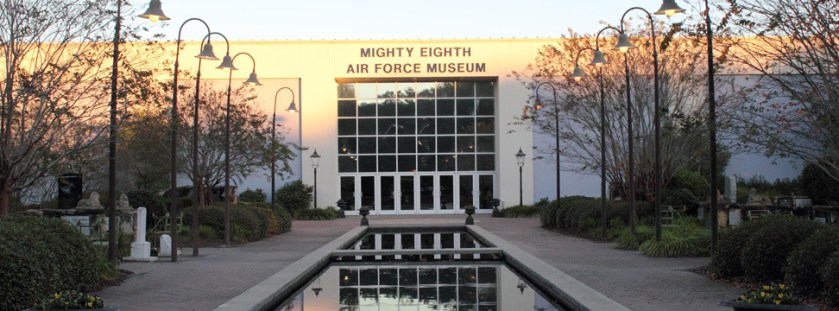
If you’re ever in Savannah, do yourself a favor and pay a visit to the National Museum of the Mighty Eighth Air Force (http://www.mightyeighth.org/). Not only will you experience an incredible story well told, but you will meet some 90+ year old veterans who walk as straight and tall today as they did, seventy years ago.
Happy Birthday, Mighty Eighth.










 Turns out that Mary Bateman, the bird’s owner and a serial fraudster, was writing these messages with some kind of “corrosive ink”, maybe an acid, and reinserting them into the poor chicken. The “Yorkshire Witch” met her end on a gibbet, hanged for the poisoned pudding she gave that couple to relieve their chest pain. But I digress.
 5,000 years ago, the Mayan civilization of modern-day Mexico and Central America developed a sophisticated calendar, working with a base numerical system of 20.


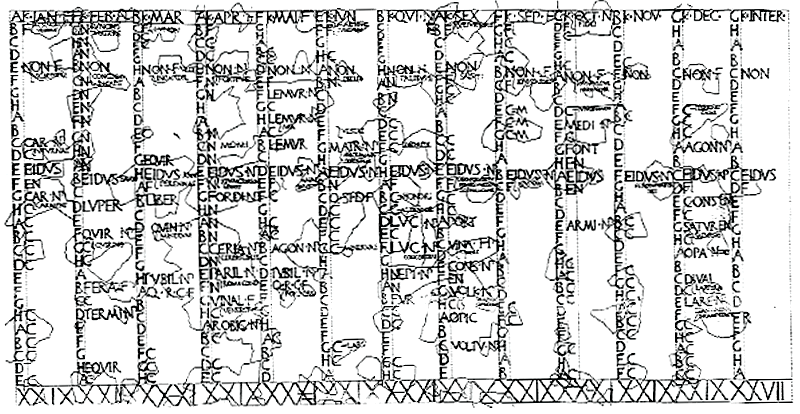
 At one point during this period, then-Senator Julius Caesar stepped to the rostrum to have his say. He was handed a paper and, reading it, stuck the note in his toga and resumed his speech. Cato, Caesar’s implacable foe, stood in the senate and demanded that Caesar read the note. It’s nothing, replied the future emperor, but Cato thought he had caught the hated Caesar red handed. “I demand you read that note”, he said, or words to that effect. He wouldn’t let it go.

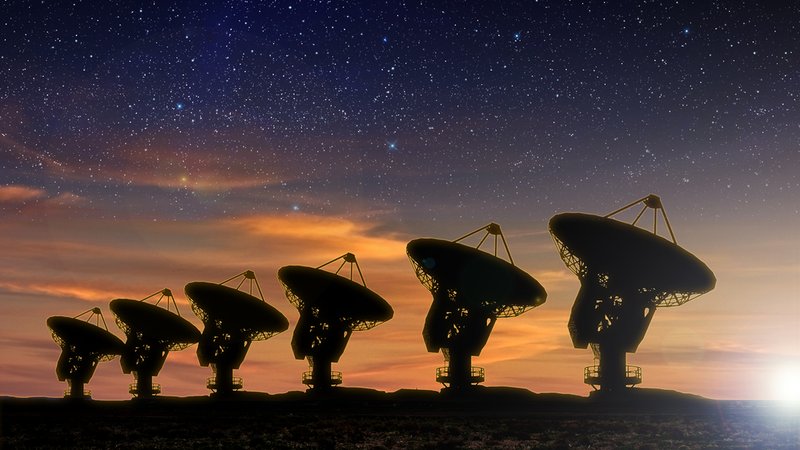
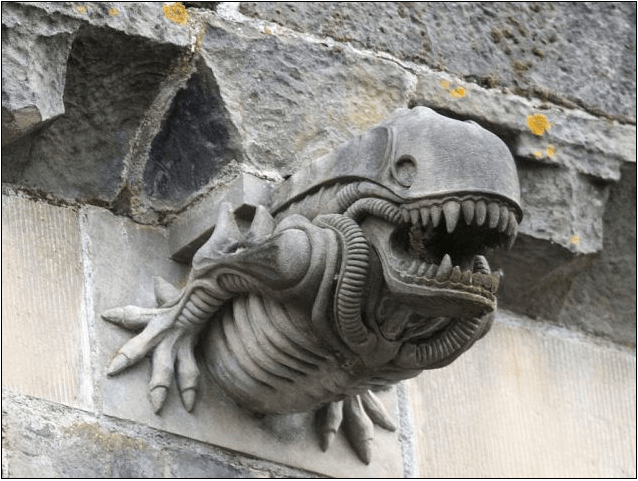

 While much of “mainstream” science seems to steer clear of the subject, the University of California at Berkeley jumped in with both feet on this day in 1984, founding the SETI Institute for the “sharing [of] knowledge as scientific ambassadors to the public, the press, and the government”.



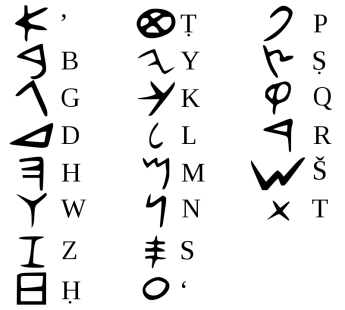

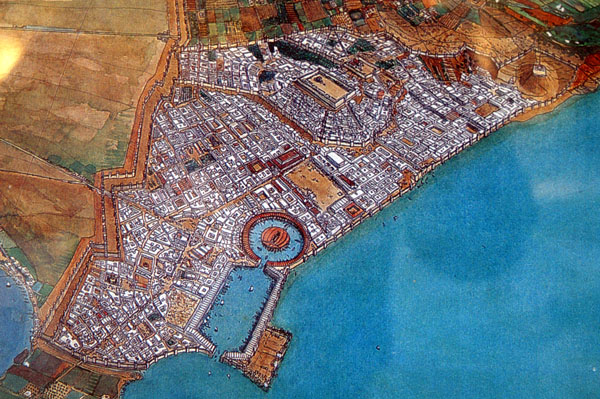
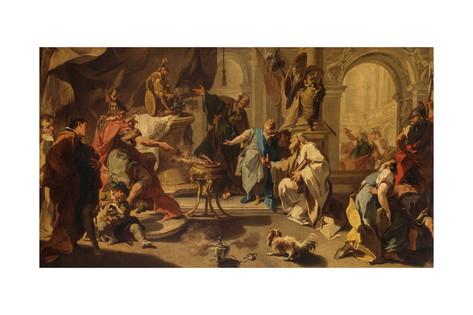
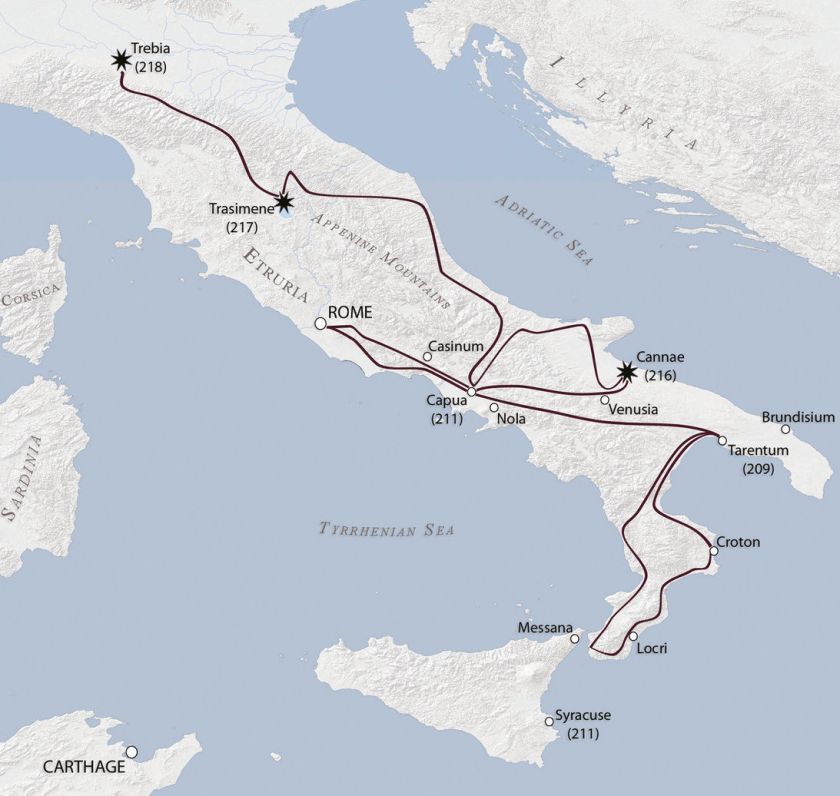


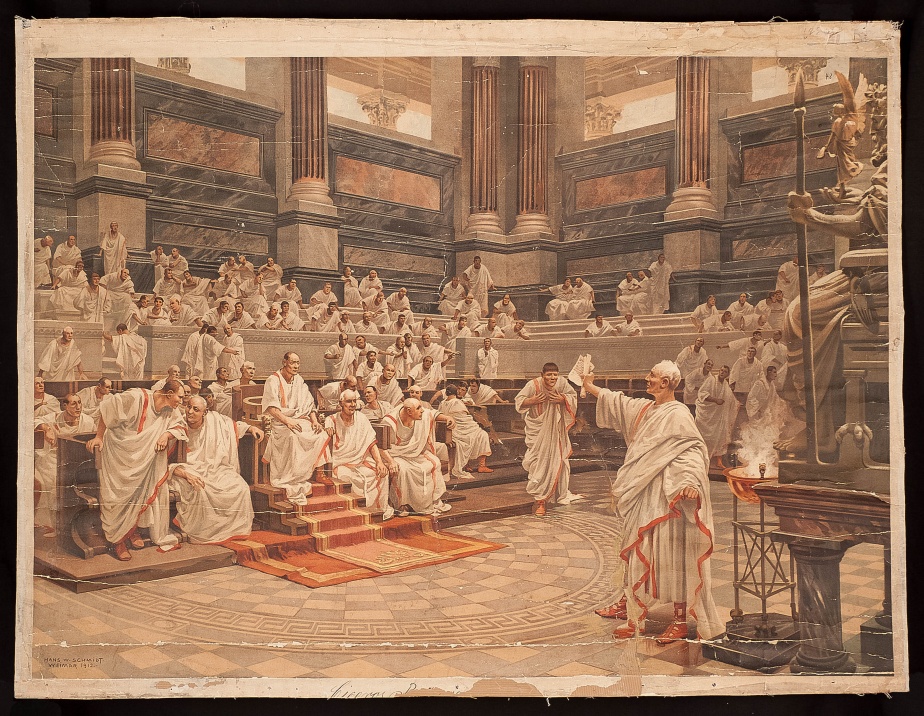
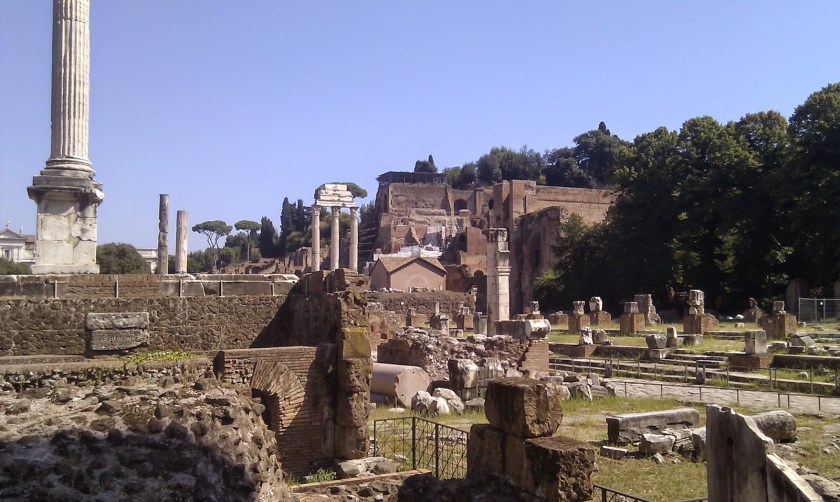 A series of civil wars and other events took place during the first century B.C., ending the Republican period and leaving in its wake an Imperium, best remembered for its long line of dictators.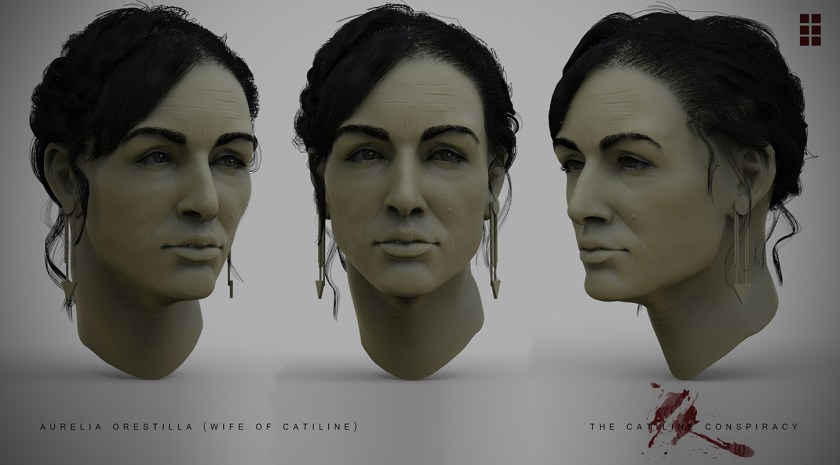


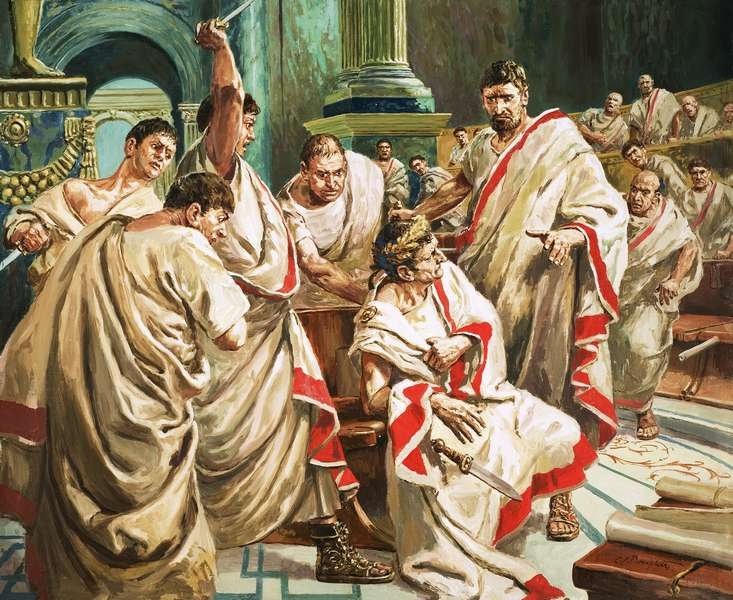
 Brutus was 41 on the 15th of March, 44 B.C. The “Ides of March”. Caesar was 56. The Emperor’s dying words are supposed to have been “Et tu, Brute?”, as Brutus plunged the dagger in. “And you, Brutus?” But that’s not what he said. Those words were put into his mouth 1,643 years later, by William Shakespeare.





 To keep costs down, off-the-shelf components were used whenever possible. The body was made of fiberglass to keep tooling expenses low. The chassis and suspension came from the 1952 Chevy sedan. The car featured an increased compression-ration version of the same in-line six “Blue Flame” block used in other models, coupled with a two-speed Power glide automatic transmission. No manual transmission of the time could reliably handle an output of 150 HP and a 0-60 time of 11½ seconds.


 Historical Easter Eggs - Today in History
You must be logged in to post a comment.