

Around 1523, the Florentine navigator Giovanni da Verrazzano convinced the French King Francis I to fund an expedition to find a western water route to “Cathay” (China). Some of the earliest French presence in the New World began ten years later, with Jacques Cartier’s exploration of the Gulf of St. Lawrence in present-day Canada. In 1534, Cartier planted his flag on the Gaspé Peninsula in present-day Quebec City, claiming the territory in the name of Francis I.
The first French settlement was attempted in 1541 when some 400 individuals put down in Fort Charlesbourg-Royal. That effort would come to an end two years later but, there would be others.
As early English colonists to North America struggled to put down roots in places like Roanoke and Jamestown, the Spanish developed toeholds in Florida and the American southwest. To the north, French fishing fleets sailed the Atlantic coast and into the St. Lawrence waterways, making alliances with Canadian First Nations and developing a rich trade in furs, particularly beaver, which were at that time becoming rare in Europe.
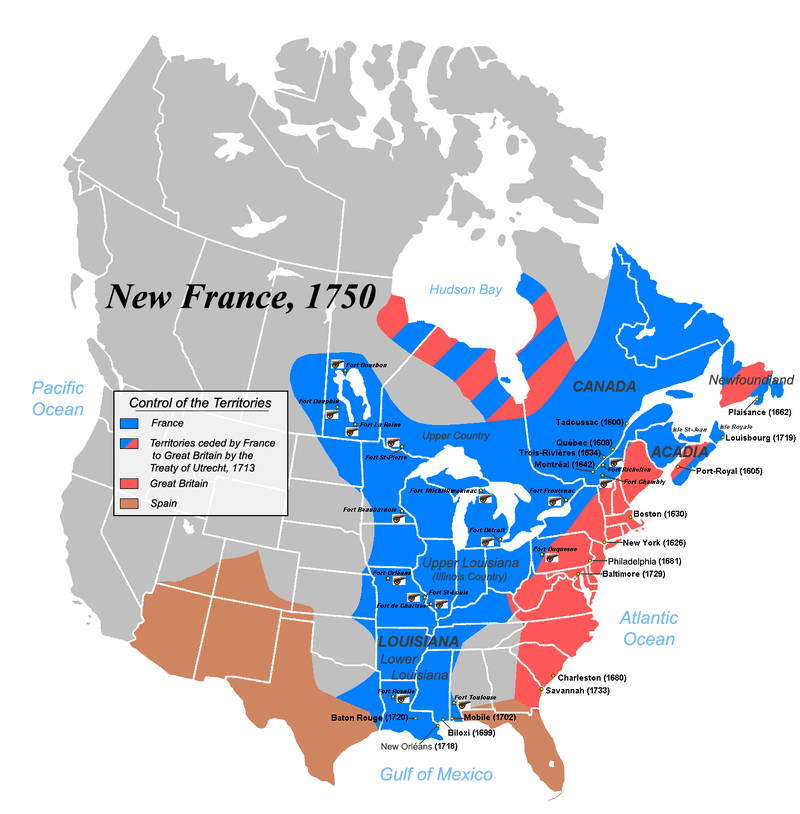
By its peak in 1712, the territory of Nouvelle-France (New France) consisted of five colonies, stretching from Canada to the Gulf of Mexico, and from Newfoundland to the Great Lakes.
English settlers developed a farming economy, and men brought wives and families along, from the earliest days. Not so French settlers. New France was a man’s world, a world of soldiers and fur traders, of missionaries, sailors and fishermen. A world with little to offer women.
Well into the 17th century, a great number of marriageable males would return to France following three-year terms of service. If there was to be permanent French settlement in the New World, that would have to change.
In the thirty years beginning in 1634, private individuals and religious groups recruited a mere 262 filles à marier (marriageable girls) between Québec and Montréal, an area with some 2,500 men.
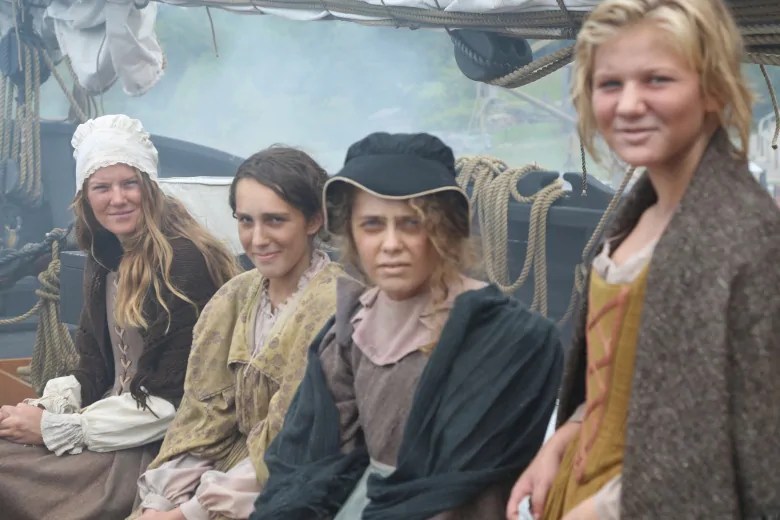
Marguerite Bourgeoy set sail for the New World in 1653 aboard the Saint-Nicholas, along with another hundred or so colonists. There Bourgeoys lived in Fort Ville-Marie (now Montreal) where she educated young girls, the poor, and the native population. Bourgeoys developed one of the first uncloistered religious communities in the Catholic Church and went on to found the Congregation of Notre Dame of Montreal.
Today, Bourgeoy is a Saint of the Roman Catholic Church. It was she who first used the term filles du roi (King’s Daughters).
The term “King’s Daughters” referred not to parentage, but to sponsorship. In 1663, King Louis XIV took over direct control of governing New France, and initiated a system for recruiting and transporting marriageable women into the colony.
Recruiting took place in the northern cities, carried out by merchants and ship’s outfitters. Each girl was expected to be of appropriate age for giving birth, and to present a birth certificate and recommendation from her parish priest or local magistrate, stating that she was free to marry.
Each girl was equipped with an assortment of practical items: a coiffe, bonnet, taffeta handkerchief, pair of stockings, pair of gloves, ribbon, four shoelaces, white thread, 100 needles, 1,000 pins, a comb, pair of scissors, two knives and two livres in cash along with suitable clothing and a few provisions. The cost including passage came to 100 livres, equivalent to $1,425 in the year 2000, a cost which was paid by the French state.
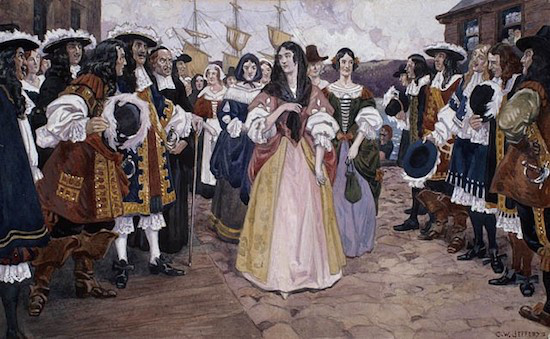
On September 22, the first thirty-six Filles du Roi arrived in Québec.
While awaiting proposals of marriage, women were lodged in dormitory-style houses, under the supervision of a female chaperone or directress. Suitors would come to the house to make their selection, under the supervision of the Directress. Outward appearance was less important in this world, than that these women be equipped for the hardships of the New World.
It quickly emerged that city girls were too “lightheaded and lazy”. Good, strong peasant stock was needed. Marie de l’Incarnation, mother superior of the Ursuline convent at Québec City requested in 1668: “From now on, we only want to ask for village girls who are as fit for work as men, experience having shown that those who are not raised [in the country] are not fit for this country.”
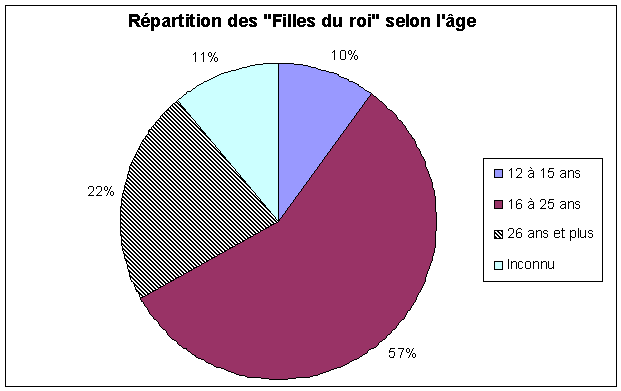
In the following ten years, 800 young French women immigrated to New France under the filles du roi program, sponsored by King Louis XIV and his colonial advisors. Unsurprisingly, Canada experienced a baby boom, such as never seen before, or since. The average family had five children during this period, about twice as many as the “Baby Boom”, following WW2. Families with more than 10 children got a bonus from the Crown: an additional annual pension of 300 livres ($6,000).
According the Canadian Broadcasting Corporation (CBC), two-thirds of modern French Canadians can trace their lineage back to one of those 800 women, including Hillary Clinton, Madonna and Angelina Jolie.

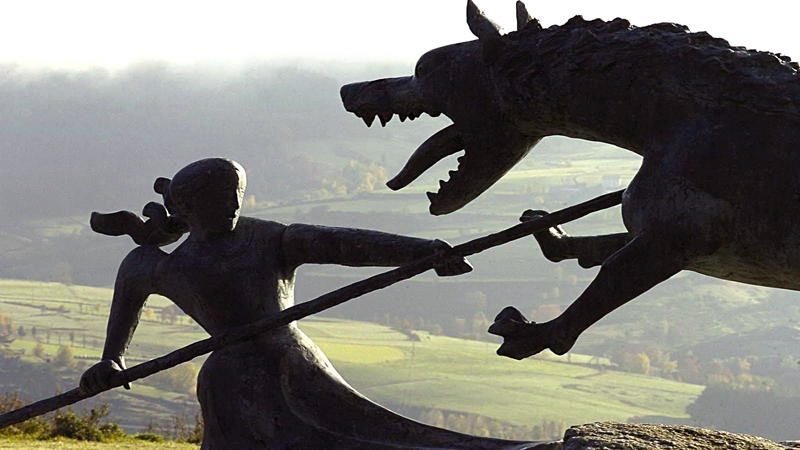

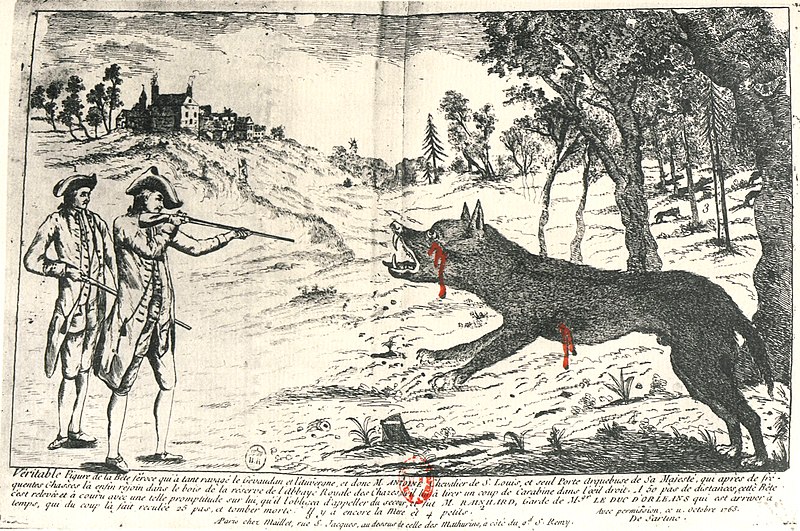
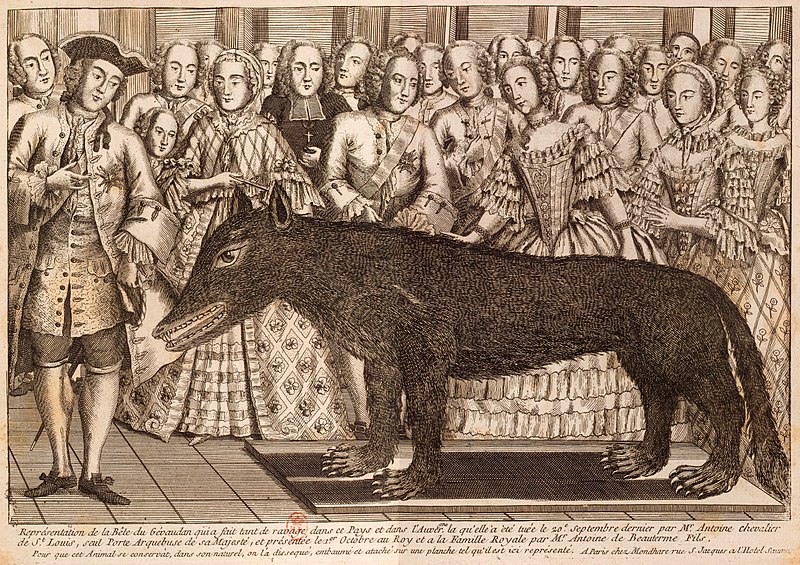
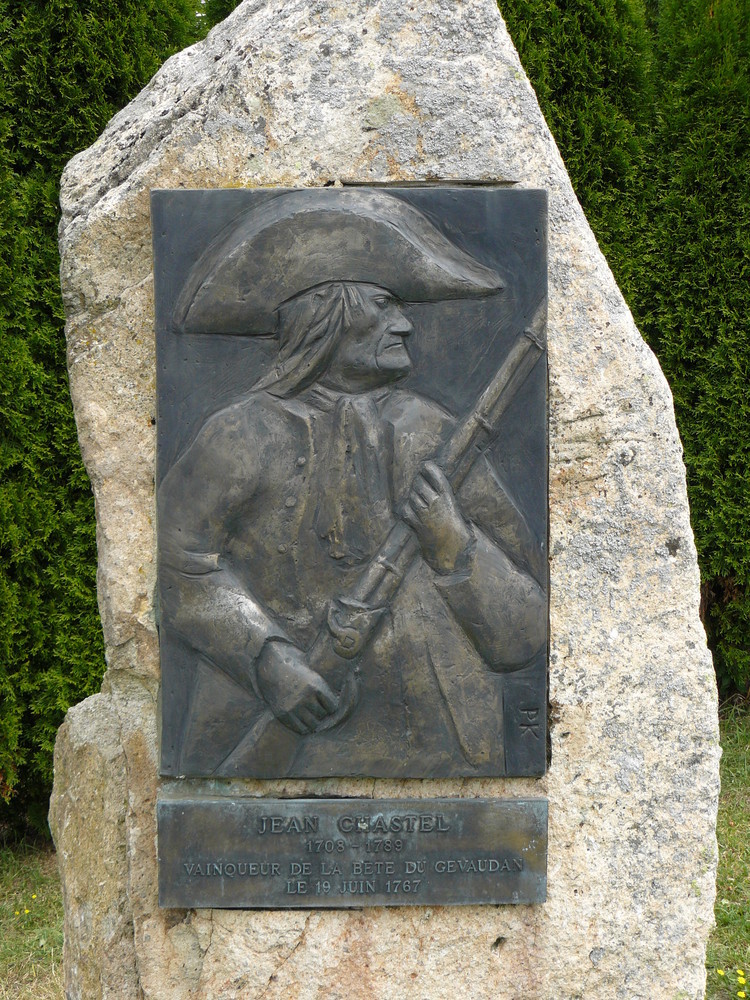
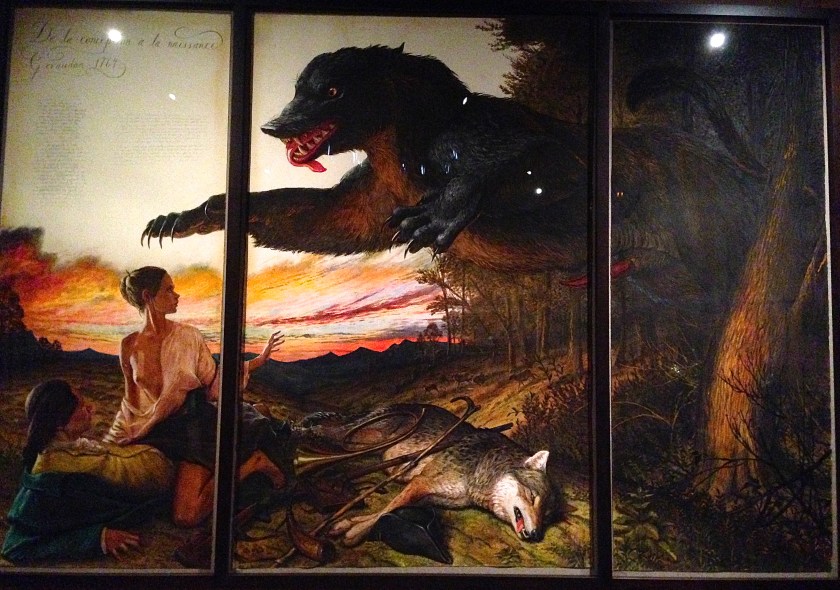
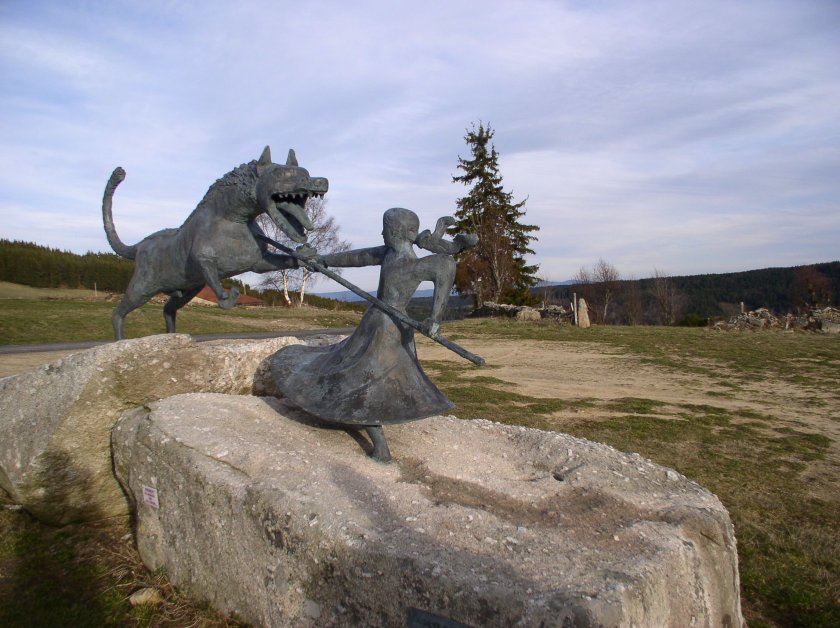
 Terror gripped the region in the later months of 1764, as the Beast attacked women, men and children. Usually while alone, and often while tending livestock.




 Jefferson Davis’ experiment was to be the first large-scale re-introduction of these animals on the North American continent, in geologic history.


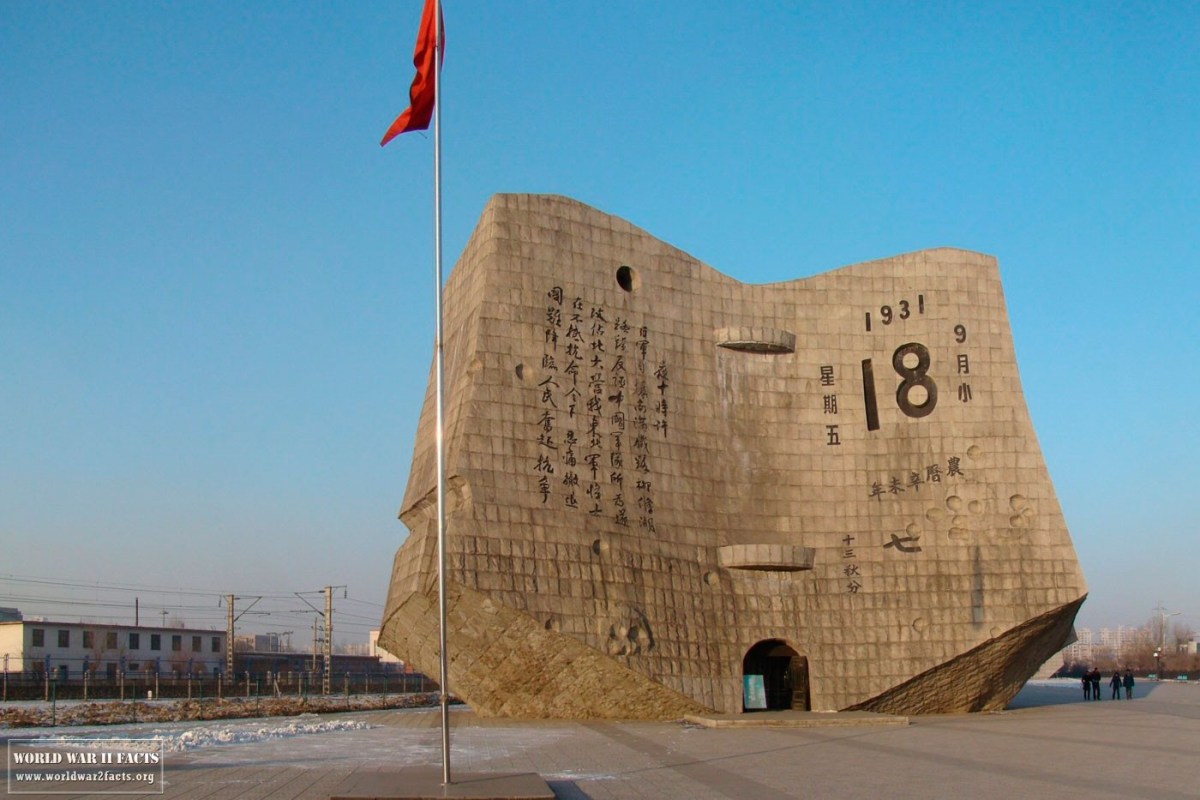
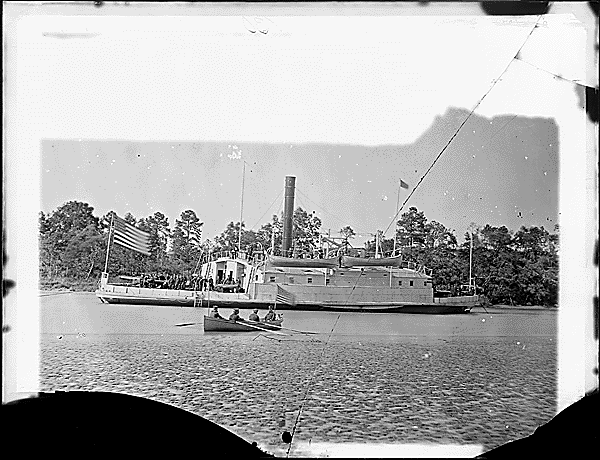
 The first Sino-Japanese war of July 1894 – April 1895, was primarily fought over control of the Korean peninsula. The outcome was never in doubt, with the Japanese army and navy by this time patterned after those of the strongest military forces of the day.
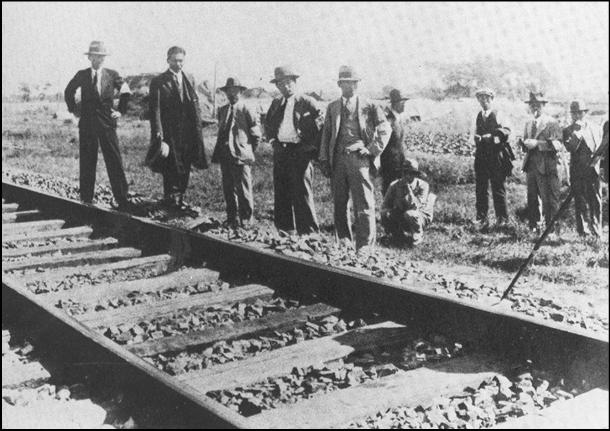
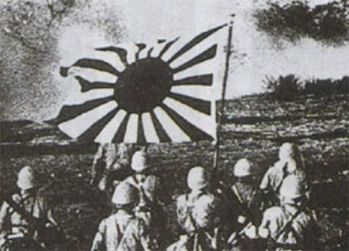 As Western historians tell the tale of WW2, the deadliest conflict in history began in September 1939, with the Nazi invasion of Poland. The United States joined the conflagration two years later, following the sneak attack on the American Naval anchorage at Pearl Harbor, by naval air forces of the Empire of Japan.


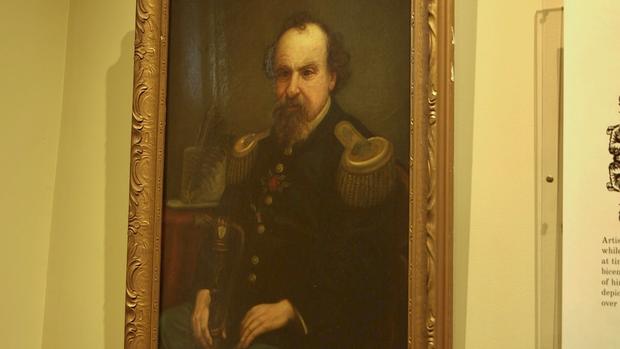
 WHEREAS, it is necessary for the repose of our Empire that the said decree should be strictly complied with; NOW, THEREFORE, we do hereby Order and Direct Major-General Scott, the Command-in-Chief of our Armies, immediately upon receipt of this, our Decree, to proceed with a suitable force and clear the Halls of Congress”.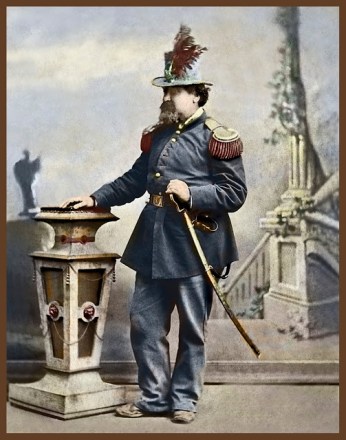

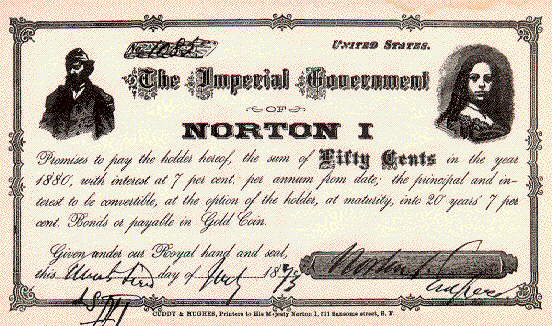



 In the heart of the Financial District in Manhattan, at the corner of Wall Street & Broad stands an office building, commonly known as “The Corner”.


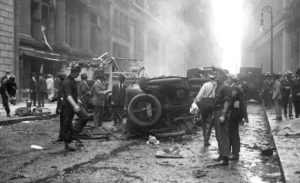 That June, another nine far more powerful bombs used up to twenty-five pounds of dynamite, for the first time introducing the use of metal slugs, to add to the bomb’s lethality. The intended victims were all political figures who’d supported anti-sedition or deportation legislation including AG Palmer himself, or judges who’d sentenced anarchists to long prison terms. None were successful, though one killed a 70-year-old night watchman, who stopped to check a suspicious package on the doorstep of judge Charles Nott.


 Early armored cars were fine for moving personnel over smooth roads, but there was a need for a vehicle capable of navigating the broken terrain of no man’s land. In the run-up to WWI, several soon-to-be belligerents were conducting experiments with “land ships”, with varying degrees of success.

 The most unusual tank of WWI was the tricycle designed “Lebedenko” or “Tsar Tank”. Developed by pre-Soviet Russia, the armament and crew quarters on this thing were 27′ from the ground, making them irresistible targets for enemy artillery.


 Interior temperatures rose to 122° Fahrenheit and more, making me wonder if these things weren’t as dangerous to their own crews as they were to the other side.
 The only German project to be produced and fielded in WWI was the A7V. They only made 20 of these things in the armored, “Sturmpanzerwagen Oberschlesien“, “Upper Silesia Assault Armored Vehicle” version, and a few more in the unarmored “Überlandwagen”, “Over-land vehicle”, used for cargo transport.
 It would be very different, in the next war.

 The documents came from Lt. Col. Bill Burkett, a former Texas Army National Guard officer who had received publicity back in 2000, when he claimed to have been transferred to Panama after refusing to falsify then-Governor Bush’s personnel records. Burkett later retracted the claim, but popped up again during the 2004 election cycle. Many considered the man to be an “anti-Bush zealot”.
 Meanwhile, the four “experts” used in the original story were publicly repudiating the 60 Minutes piece.
 Yet Killian’s wife and son had cleared out his office after his death, and neither found anything so much as hinting at the existence of such documents. Others who claimed to know Carr well described her as a “sweet old lady”, but said they had “no idea” where those comments had come from.
 Public confidence in the “Mainstream Media” plummeted. Many saw the episode as a news network lying, and the “Newspaper of Record” swearing by it.


 On September 13, 1987, Roberto dos Santos Alves and Wagner Mota Pereira entered the Instituto Goiano de Radioterapia (IGR), bent on theft. The private hospital was permanently closed at the time, and partly demolished. Alves and Pereira were looking for anything they might sell, for scrap.

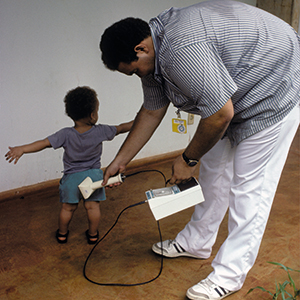 Five days after the theft, Alves sold the items he had pilfered, to a nearby scrapyard. Noticing the blue glow from the punctured capsule, the scrapyard owner thought the object might be valuable or even supernatural, and took the thing inside. Several rice-sized grains of the glowing material were pried from inside the capsule, as Devair Ferreira (the owner of the scrapyard) invited friends and family to come and see the strange, glowing substance. Ferreira’s brother Ivo brought some of the stuff home to his six-year-old daughter, about the time when Devair’s 37-year-old wife Gabriela, became ill.
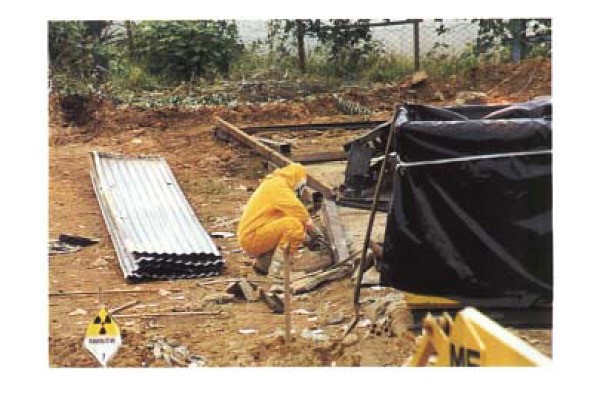 The incident was broadcast all over Brazil, and 130,000 people people flooded into area hospitals, afraid they had been exposed. One thousand individuals showed greater than background levels of radiation, 249 showed significant signs of contamination.
 Historical Easter Eggs - Today in History
You must be logged in to post a comment.