
Located in the south shore city of Braintree Massachusetts, the Fore River Shipyard has played a major role in US ship building since 1883. Most of the vessels built at Fore River were intended for the United States Navy including early submarines, the Battleship USS Massachusetts and the Navy’s first carrier, the USS Lexington.
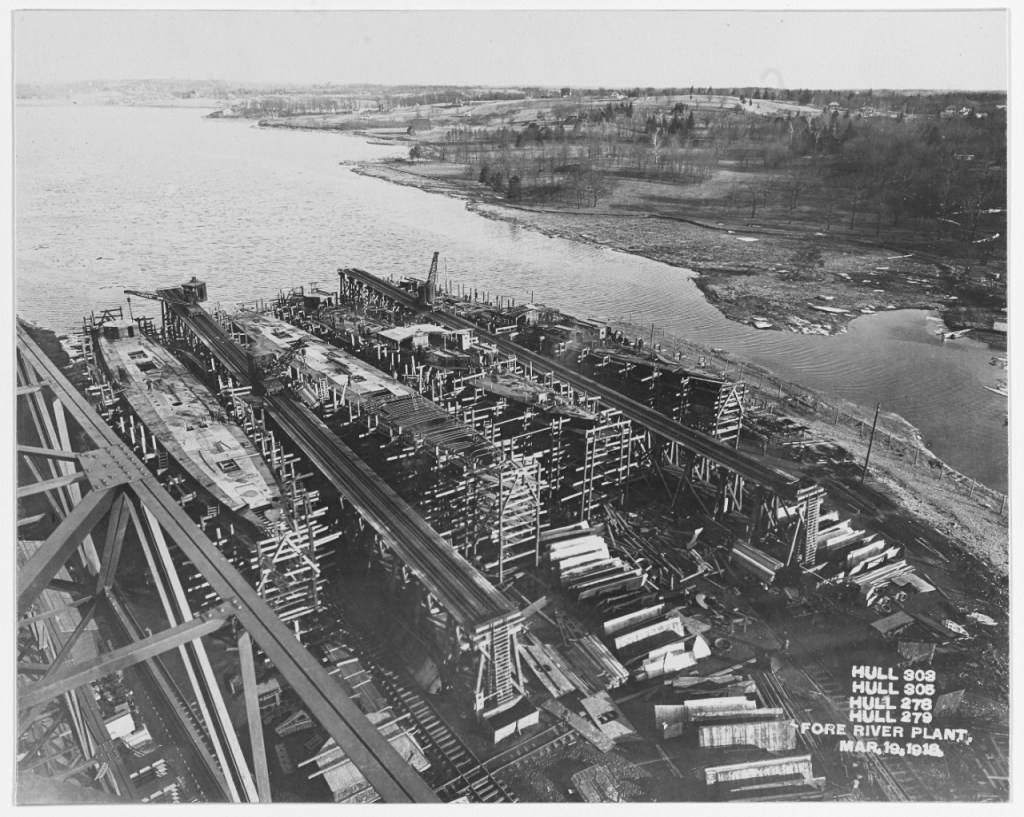
With growing international tensions, the US passed the Naval Act of 1938, mandating a 20% increase in American Naval strength. Much of that increase came through Fore River. The Shipyard employed 17,000 the day Imperial Japan invaded the American Pacific anchorage at Pearl Harbor. That number increased to 32,000 by 1943 with a payroll equivalent to $9.69 Billion in today’s dollars.
The needs of the war led to prodigious increases in speed and production, as necessity became the mother of invention. No sooner was the battleship USS Massachusetts launched than the keel of the guided missile cruiser USS Vincennes began to be laid. By the end of the war, Fore River had completed ninety-two vessels in eleven different classes.
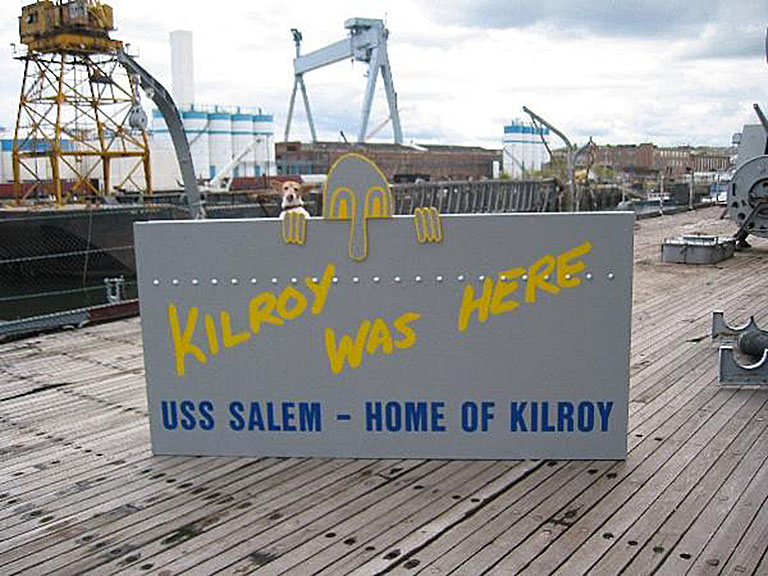
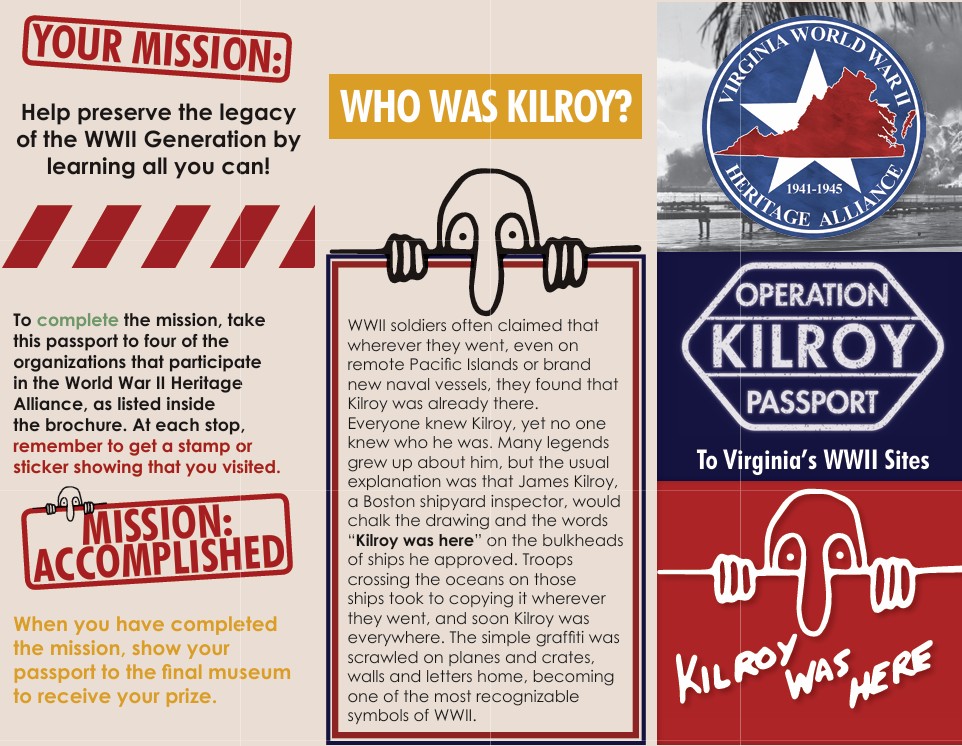
Builders at the yard were paid by the number of rivets installed. Riveters would mark the end of their shift with a chalk mark, but there was a problem. Not-so scrupulous co-workers would erase these marks, placing the starting point for the new shift a few places back on the seam.
Shipyard inspector James Kilroy ended the practice, writing “Kilroy was Here”, next to each chalk mark.
With hulls leaving the yard so fast there was no time to paint the interiors. Kilroy’s name rose to mythic proportions. The man literally seemed to be everywhere, his name written in every cramped and sealed space in the United States Navy.
For the troops inside of those vessels, Kilroy always seemed to have “been there” first. The face became a symbol, an assurance that this particular troop ship was well and truly sealed.


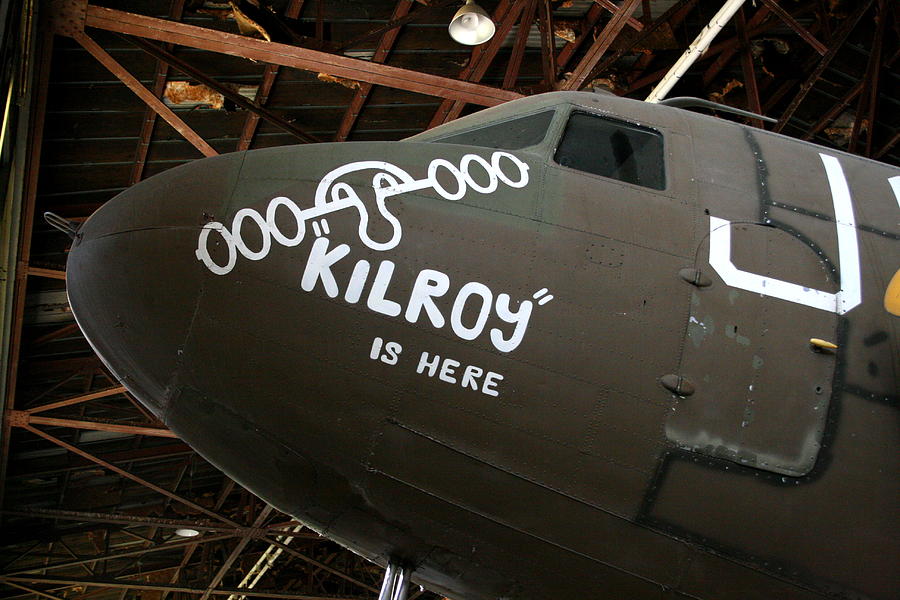
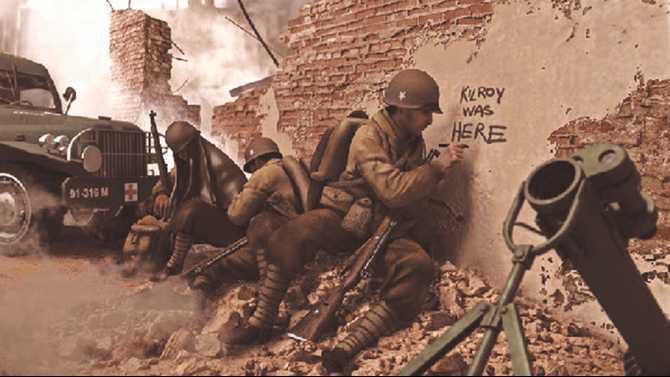
Kilroy was Here became a protective talisman, a good-luck symbol expected to provide good juju for the American GI. Soldiers wrote the graffiti on newly captured areas and landings. Kilroy was the “Super GI”, showing up for every combat, training and occupation zone of the WW2 and Korean war era. The scribbled cartoon face was there before you arrived. He was still there when you left.
German Intelligence believed Kilroy to be some kind of “super spook”, able to go anywhere he pleased and to leave without a trace.
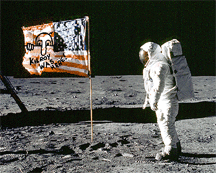
I’ve never been to the top of Mount Everest, but I’ve heard that Kilroy has been there. There’s a story that the cartoon was scribbled into the dust on the moon. That may or not be true, but astronauts Pete Conrad and Alan Bean discovered Kilroy was Here scribbled onto equipment packed aboard the lunar module Intrepid, on Apollo 12. There’s another one on the Statue of Liberty and one on the underside of the Arc de Triomph in Paris. There’s one on the great Wall in China.
The challenge became, who could put the Kilroy graffiti in the most difficult and surprising place.
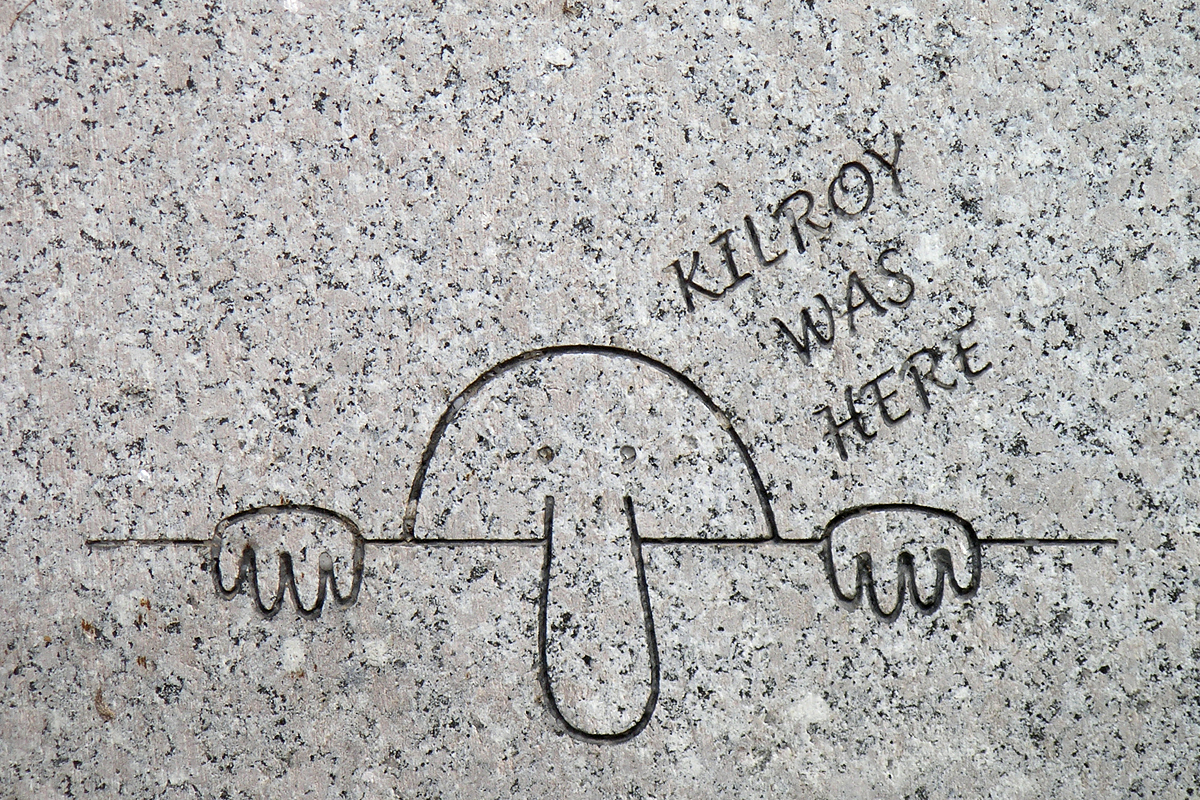
The World War 2 Memorial in Washington, DC could hardly be complete without a Kilroy, engraved in granite. If you look closely enough, you’ll find there are two.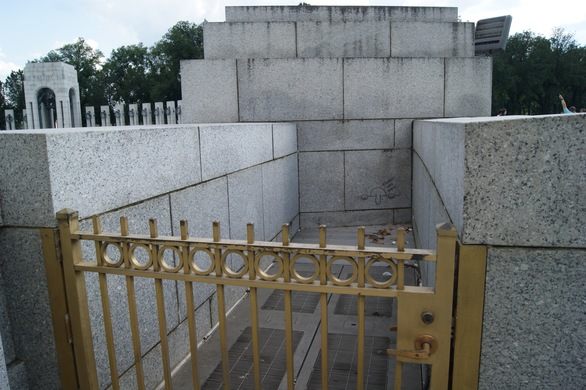
Eighty-two years after the invasion, The D-Day Memorial in Bedford Virginia operates special events and educational programs inviting children to learn, “Who was Kilroy”?

Under-water Demolition (UDT) teams, predecessors to the United States Navy SEALs, swam ashore on Japanese-held Pacific islands, preparing the way for amphibious invasions. More than once, UDT divers found that Kilroy had already been there, the silly cartoon nose scribbled on makeshift signs and even enemy pillboxes.
When Truman, Stalin, and Churchill met at Potsdam, a VIP latrine was built for their exclusive use. Stalin was the first in, emerging from the outhouse and asking his aide, “Who is Kilroy?”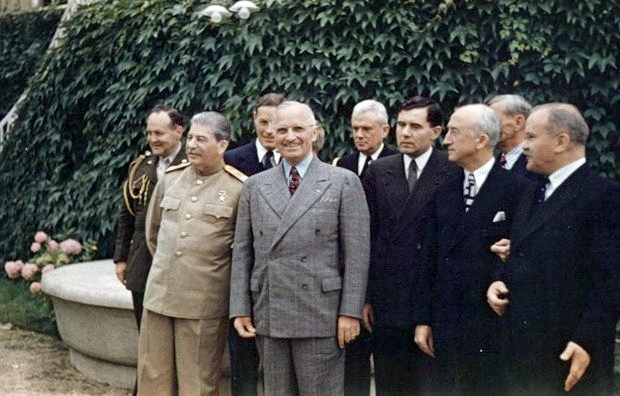
Ask a Brit and he will tell you “Mr. Chad” came first, cartoonist George Chatterton’s response to war rationing. “Wot, no tea”?

The cartoon appeared in every theater of the war, but few knew the mythical Kilroy’s true identity.
In 1946, the Transit Company of America held a contest, asking the “real” Kilroy to come forward.
Nearly forty guys showed up to claim the prize. A real trolley car. Doubtless they all felt they had legitimate claims, but James Kilroy brought a few riveters and some shipyard officials along to vouch for his authenticity. That was it.
That Christmas the Kilroy kids had the coolest playhouse in all Massachusetts. All 9 of them.
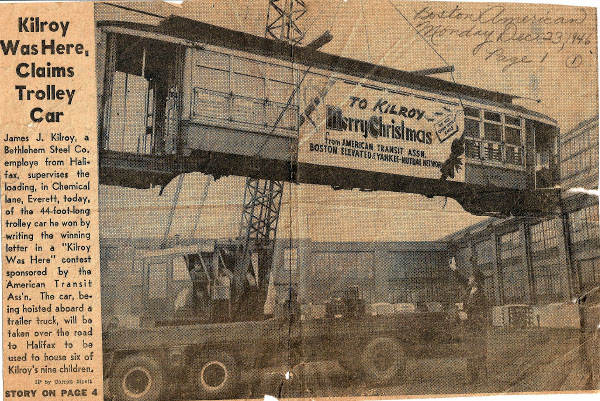 James Kilroy went on to serve as Boston City Councilor and member of the Massachusetts House of Representatives, from Halifax. Surely there is a doodle, in the “Great & General Court” up there in Boston, to inform the passer-by. Kilroy was here.
James Kilroy passed away on this day, November 24, 1962, at the age of sixty.
Sharing Today in History:


