
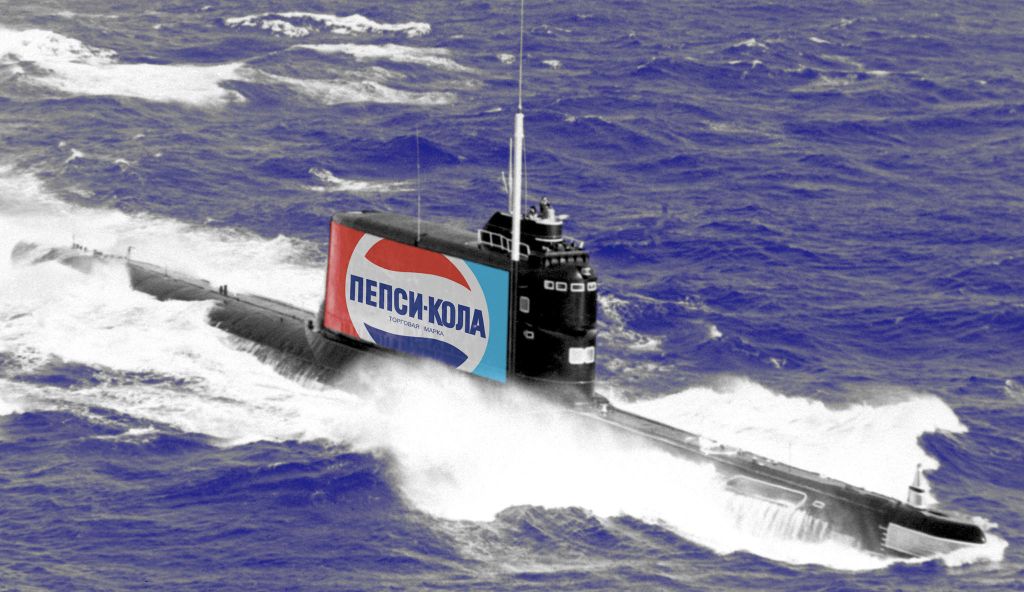
Coca-Cola came around in 1886, archrival Pepsi, about seven years later. The most famous rivalry in the soft drink business heated up in the 1930s, when Pepsi’s 12-oz. bottle went on sale for the same 5¢ as Coca Cola’s six ounces.
By the 80s, market analysts believed that baby boomers were likely to switch to diet drinks as they aged. Any growth in the full calorie segment was going to come from younger consumers who preferred the sweeter taste of Pepsi. Coke responded with “New Coke” in 1985, a product misfire business schools teach to this day as a marketing blunder for the ages.
All of which would fade to insignificance when Pepsi bought its own navy. The hundred-year-old business rivalry had now turned blood feud.
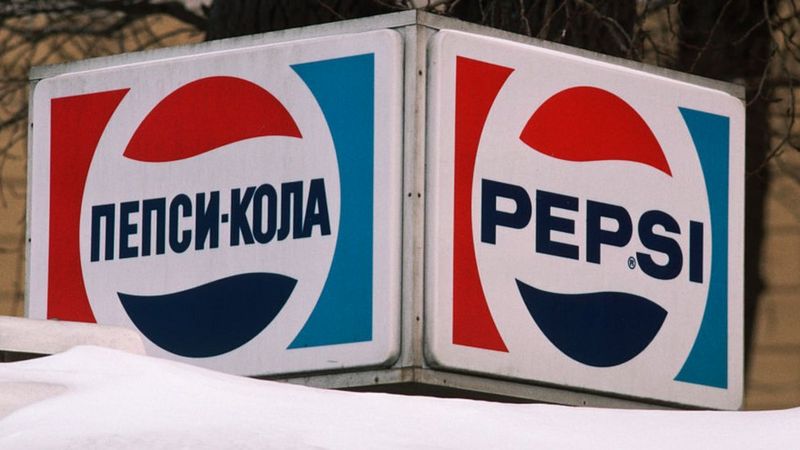
Alright, it didn’t happen quite that way, but still. The company did have its own navy. Not a little one, either. In 1990, Pepsi owned the 6th largest navy in the world.
Permit me to rewind, just a bit. The “Cold War” experienced a period of thaw in 1959. Chairman of the Council of Ministers Nikita Kruschev came to visit President Eisenhower in the White house, when the two agreed on a small cultural exchange. A display of each civilization for the benefit of the other’s citizens.
So it was the American National Exhibition came to Moscow in the summer of 1959, followed by a Soviet display in New York.
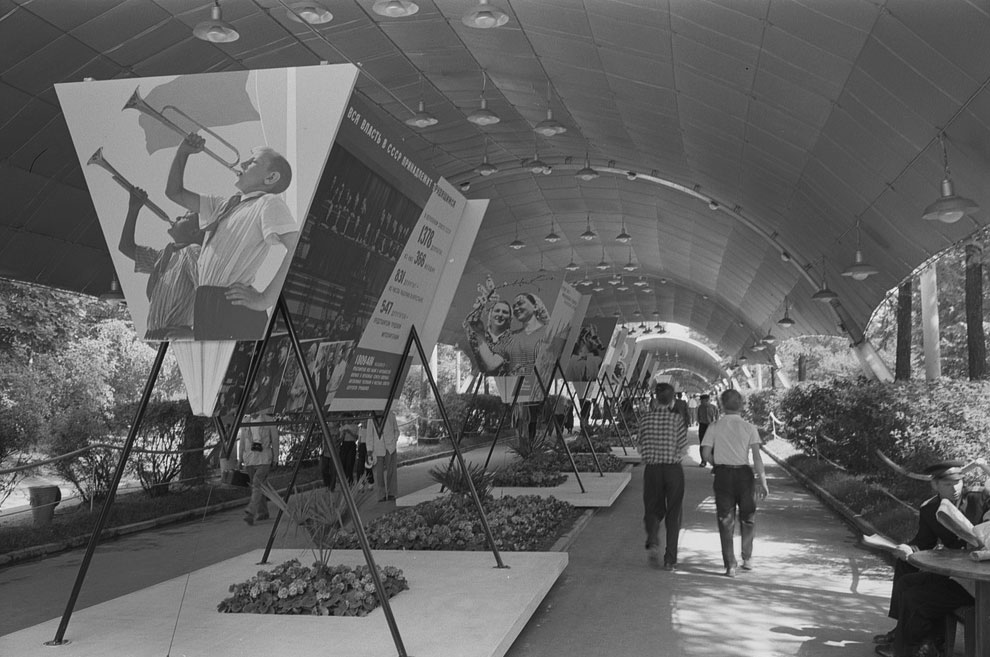
An argument broke out between Vice President Richard Nixon and Leader Kruschev, over the benefits of a free-market economy over Communism.
This was a hot July. The Soviet leader looked thirsty, and Pepsi Cola VP Donald McIntosh Kendall thought it would be a swell idea to offer the man a Pepsi. That’s Kendall in the picture below. He’s pouring. The drink itself was a propaganda coup, the image a victory. Nikita Kruschev loved himself a Pepsi.
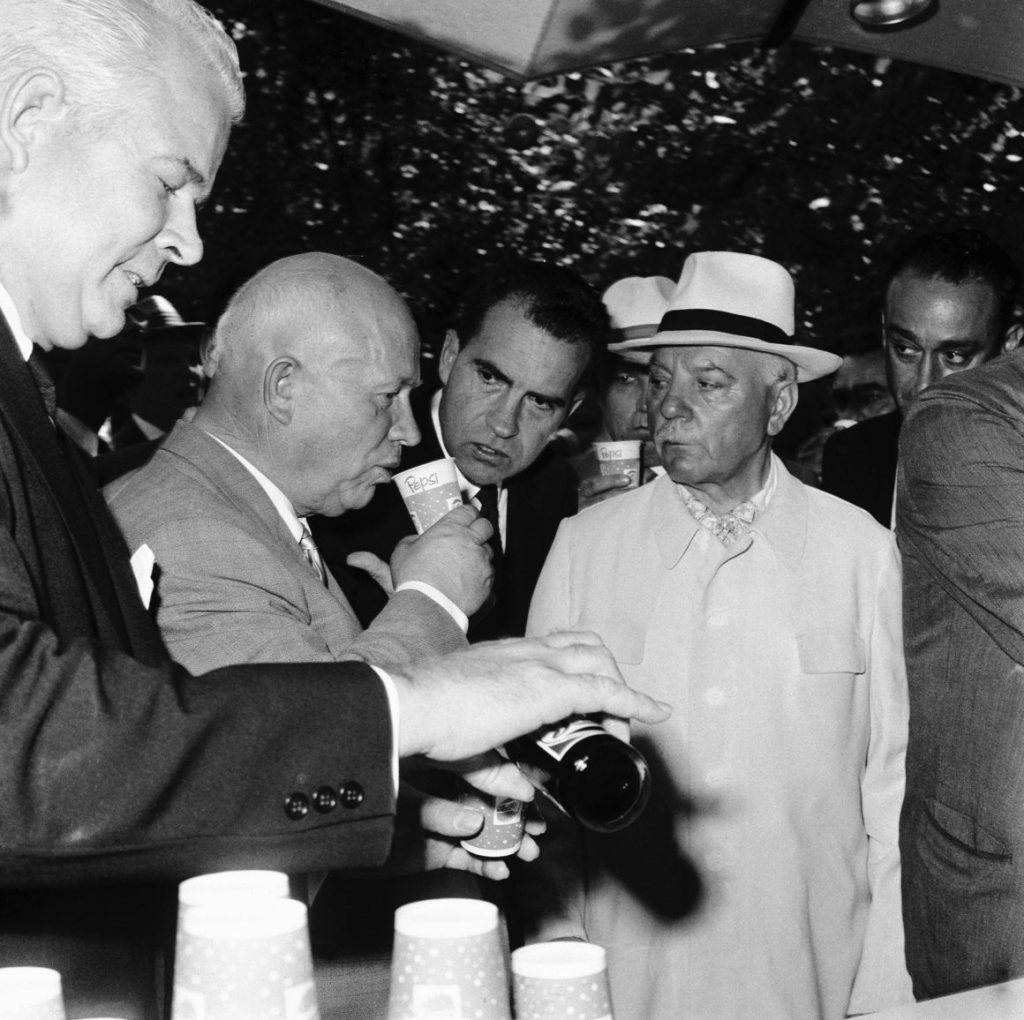
The exhibition opened the way to the Soviet market for several American companies including IBM, Dixie-cup, Disney and…you got it…Pepsi. That image was a coup for Kendall as well. Within a few years he was CEO. In 1972, Pepsi negotiated an exclusive marketing agreement for the Soviet consumer. Coke was out. Pepsi was in. It was the first popular consumer product to make its way to the soviet consumer, a market which would come to be worth $3 billion dollars, with a capital “B”.
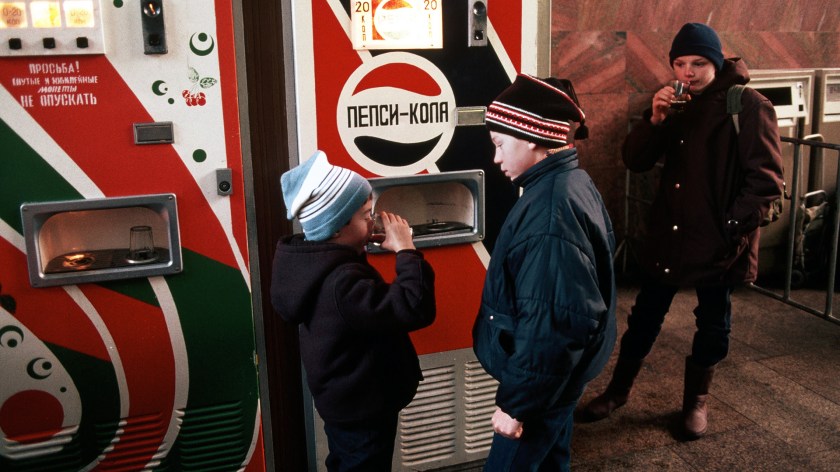
There was a problem however, in the form of payment. The Ruble was no good on the international currency exchange. There had to be a more…umm…liquid form of transfer.
Vodka.
The Russians had tons of the stuff, and so it was agreed. Pepsi in exchange for…Vodka.
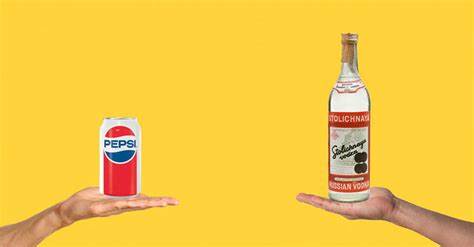
The system worked so nicely that “Stoli” become a household word. By the late 80s, it was time to renegotiate. Pepsi had 20 bottling plants on Soviet soil. Vodka wasn’t about to pay for all that. Did I mention the USSR was a $3 Billion dollar market for sugary, bubbly water?
It happened by this time that the Soviet Union was looking to get rid of surplus equipment. Military gear from the Cold War, including a Destroyer, one Cruiser, 17 Submarines and a Frigate.
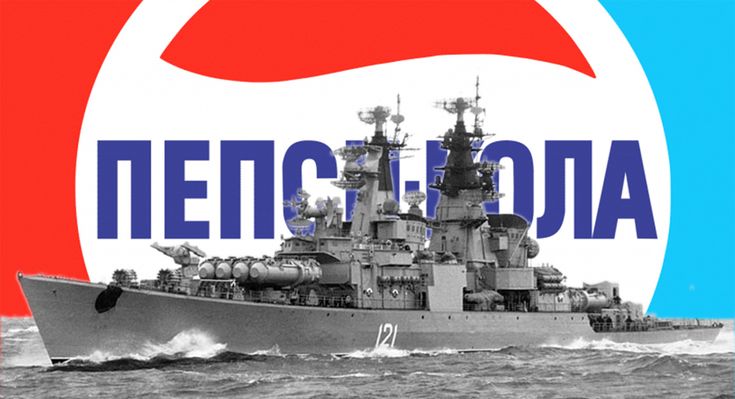
So it was, at least for a time, Pepsi came to own the 6th largest navy on the planet.
Lucky for Coke, the Cola Wars were destined to remain cold. Ice cold. The Pepsi Fleet was sold to a Swedish outfit for $3 Billion worth of scrap. Donald Kendall left this world in 2020, but we must give him the last word in this story.
According to Kendall’s New York Times obituary, the Pepsi chairman once told Brent Scowcroft, National Security Advisor to President George H. W. Bush: “We’re disarming the Soviet Union faster than you are”.


You must be logged in to post a comment.