

The American war in Southeast Asia began on November 1, 1955, and lasted 19 years, 5 months and a day. The Paris Peace accords were signed in early 1973. Two months later the last US combat troops left South Vietnam as Hanoi freed the remaining POWs held in North Vietnam.
It was the longest war in American history. Until Afghanistan.
Jan Craig Scruggs served in that war. Two tours, United States Army, returning home with a Purple Heart and three commendation medals as well as a medal for valor. Theirs was an unpopular war. Like many, Scruggs found readjustment to civilian life difficult.
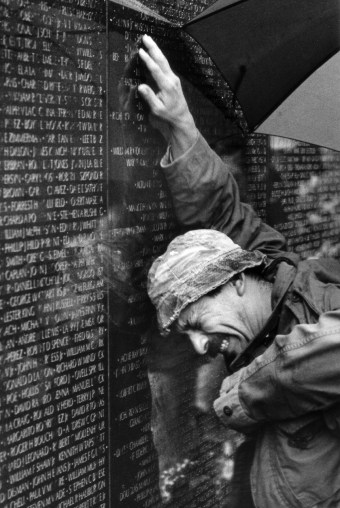
In 1979 he and Becky, his wife of five years, went to see a movie. The Deer Hunter. The film seemed to bring it all back. The RPG that had left him so grievously wounded. The accidental explosion of those mortar rounds that had killed all those men. His buddies. Twelve of them.
That night passed without sleep, a waking nightmare of flashbacks and alcohol. By dawn he’d envisioned a memorial. With names on it. Maybe an obelisk. On the Mall. In Washington DC. Becky feared her husband was losing his mind.
Scruggs was working for the department of labor at the time when he took a week off, to pursue the project.
The idea received little support. The project was impractical it was said. Wouldn’t a project like that distract veterans organizations from more important work? Undaunted, Jan Scruggs left his job to pursue his project, full time.
It was tough going. Becky was now the sole breadwinner. In two months the project raised a scant $144.50.
Always a sign of the contemptible times in which we live, the CBS Evening News ridiculed the project. Late night “comedians” joined in the mockery and yet, that CBS report attracted the attention of powerful allies. Thousands of dollars came in from not-so-powerful contributors, mostly in $5 and $10 denominations.
Chuck Hagel, then deputy administrator for the United States Department of Veterans Affairs, took interest. Likewise John Wheeler, a fellow Vietnam vet turned attorney who’d spearheaded the effort to erect the Southeast Asia Memorial on the military academy at West Point.
$8 million came in over the next two years and then came the competition. The actual design. There were 1,422 submissions, so many that selections were carried out in an aircraft hangar.
Much to her surprise, the winner was 1st-generation Chinese Americann Maya Lin, then an undergraduate studying architecture at Yale University.
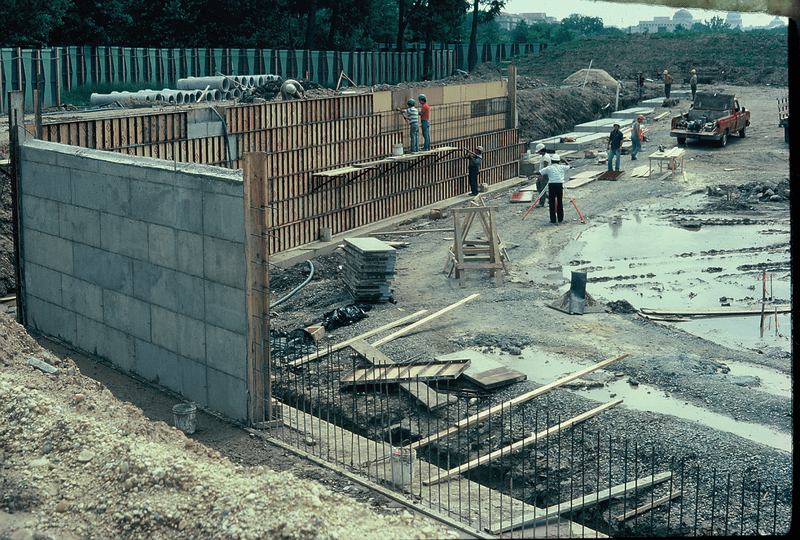
The Vietnam Veteran’s Memorial was dedicated on this day. November 13, 1982.
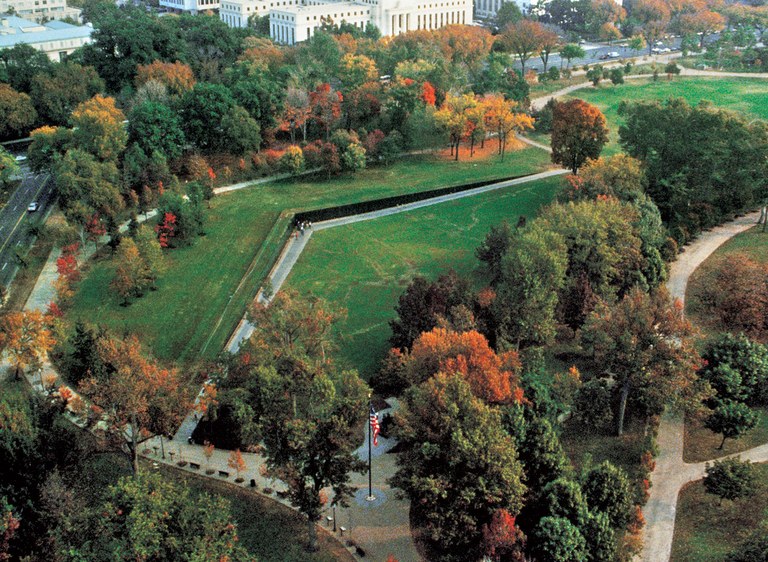
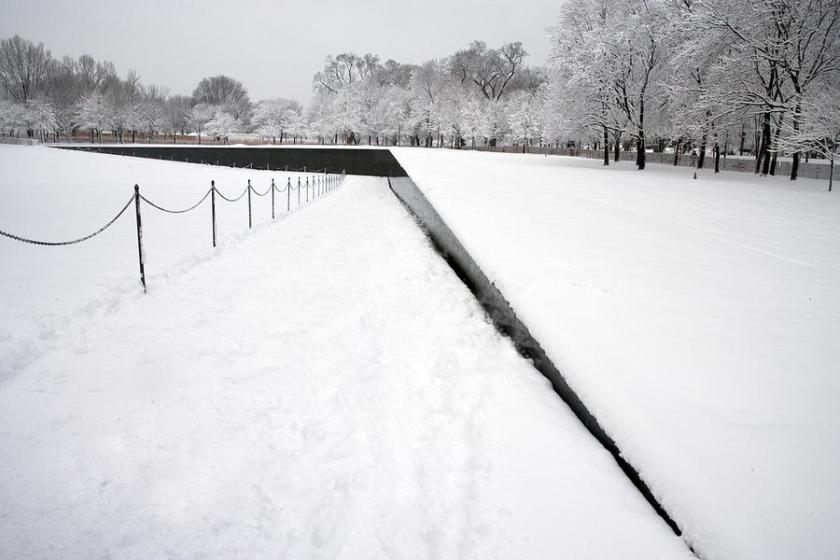
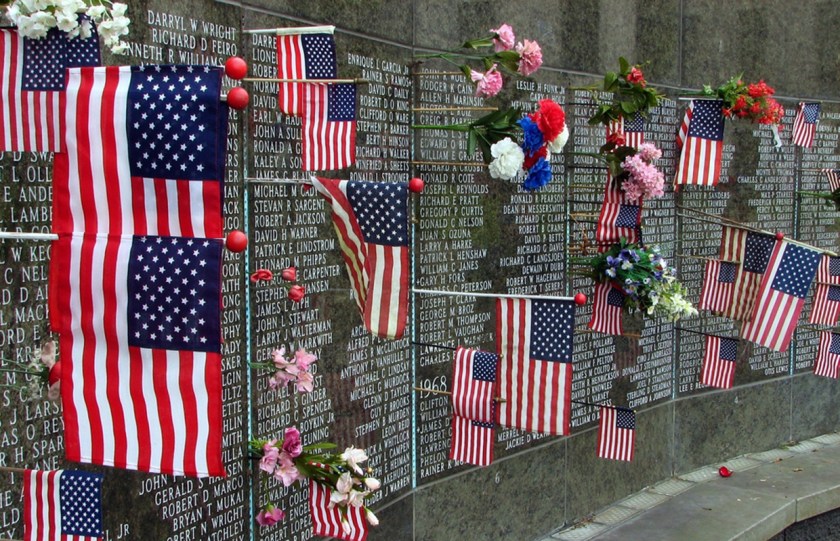
Lin’s design takes the form of a black granite wall, 493½-feet long and 10-feet, 3-inches at its peak, laid out in a great stone wedge seeming to rise from the earth and return to it. The name of every person lost in the war in Vietnam was sandblasted onto that stone, appearing in the order in which each had died, or gone missing.
Beside each name there is a symbol. A diamond (◆) indicates someone who is confirmed dead or presumed dead, at the time of construction. A cross or “plus sign (+) marks someone who was missing or a prisoner when the wall was built.
Go to the highest point on the memorial, panel 1E, the very first name is that of Air Force Tech Sgt. Richard B. Fitzgibbon, Jr. of Stoneham, Massachusetts, killed on June 8, 1956. Some distance to his right you will find the name of Marine Corps Lance Cpl. Richard B. Fitzgibbon III, killed on Sept. 7, 1965. The Fitzgibbons are one of three Father/Son pairs so memorialized.
The names begin at the center and move outward, the east wing ending on May 25, 1968. The same day continues at the far end of the west wing, moving back toward the center at panel 1W. The last name on the wall, the last person killed in the war, meets the first. The circle is closed.
There you will find the name of Kelton Rena Turner of Los Angeles, an 18-year old Marine, killed in action on May 15, 1975 during the “Mayaguez incident”, two weeks after the evacuation of Saigon.
Approach from the east and the first name you will encounter is that of Sergeant Jessie C. Alba of Port Lavaca, Tex., who served in the 101st Airborne Division. He was killed near Hue in a mortar attack. Sgt. Alba was engaged to be married. Mary Ann Lopez later wrote in an on-line tribute, “Even now after so many years past, I still think of him and what our lives, could of been.”
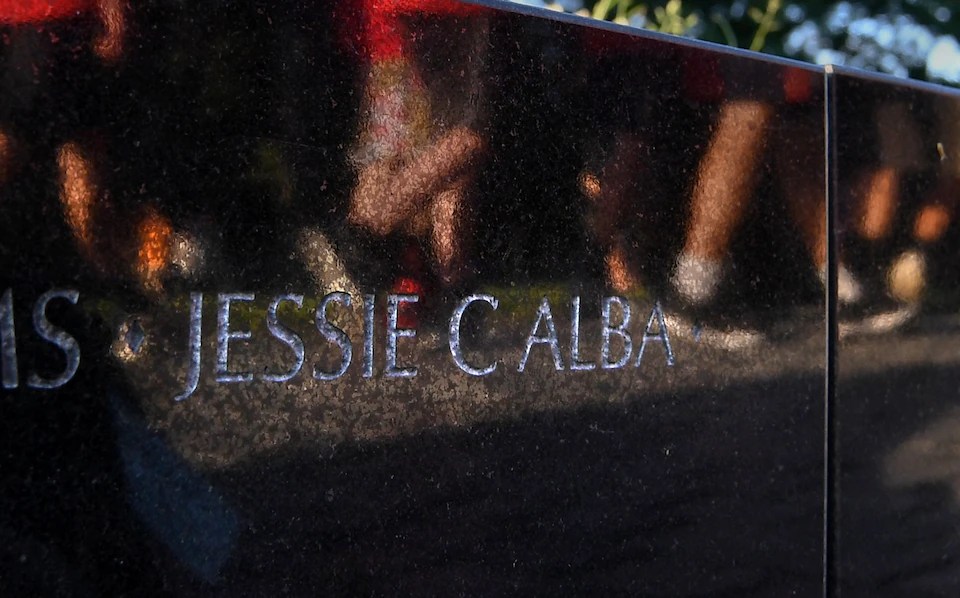
Those who go to war are never the only ones to serve and to sacrifice on behalf of the rest of us.
Most sources list Gary L. Hall, Joseph N. Hargrove and Danny G. Marshall as the last to die in Vietnam, though their fate remains unknown. These were United States Marines, an M-60 machine gun squad mistakenly left behind, while covering their comrades’ evacuation from the beaches of Koh Tang Island. Their names appear along with Turner’s on panel 1W, lines 130-131.
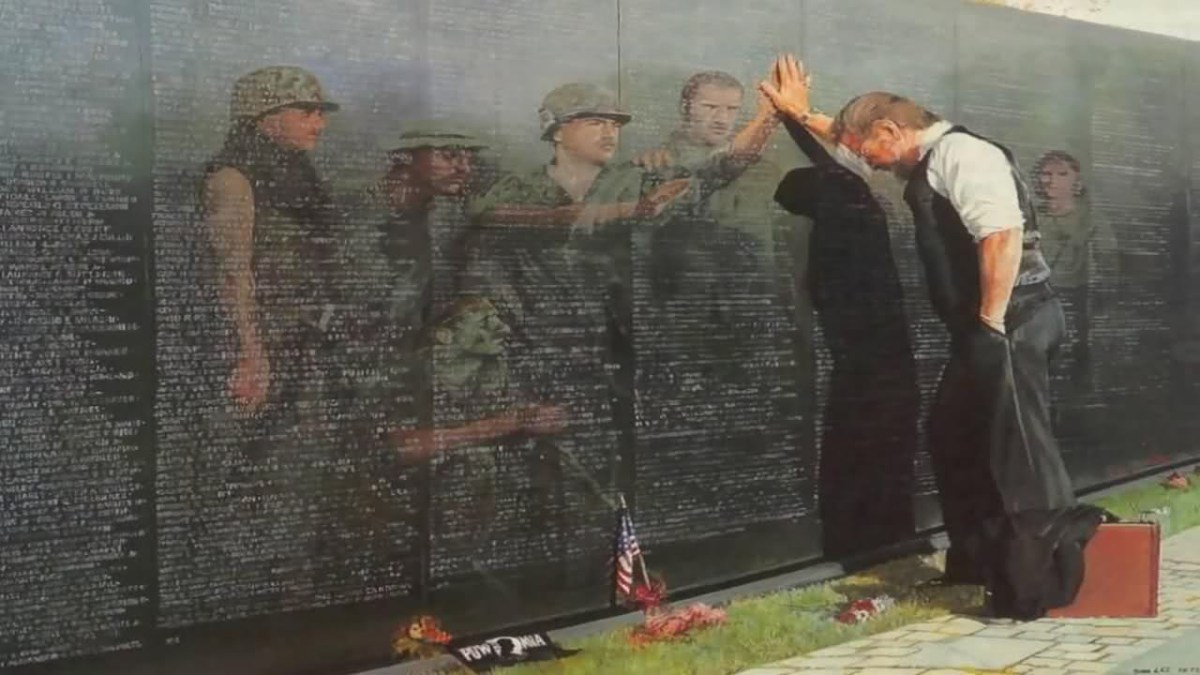
There were 57,939 names inscribed on the Memorial in 1982. 39,996 were 22 or younger when they died. 8,283 were 19. The 18-year-olds are the largest age group with 33,103. Twelve of them were 17. Five were 16. Panel 23W, line 096 contains the name of PFC Dan Bullock, United States Marine Corps. He was 15 years old on June 7, 1969. The day he died.
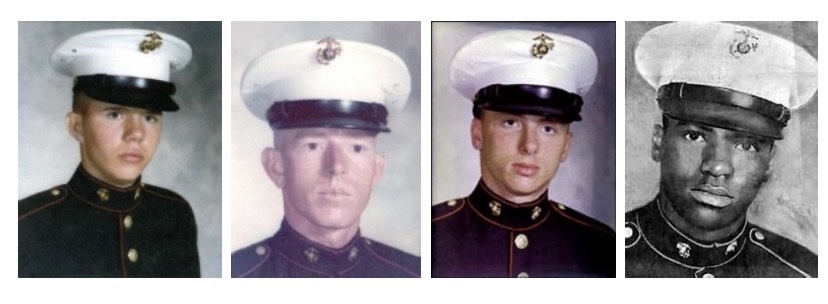
Left to right: PFC Gary Hall, KIA age 19, LCPL Joseph Hargrove, KIA on his 24th birthday, Pvt Danny Marshall, KIA age 19, PFC Dan Bullock, KIA age 15
Eight names belong to women killed while serving as nurses. 997 were killed on their first day in Vietnam. 1,448 died on their last. There are 31 pairs of brothers on the Wall. 62 parents left to endure the loss of two sons.
Over the years, military personnel have succumbed to wounds sustained during the war, their names added to the wall. As of May of this year there are 58,281, according to the Vietnam Veterans’ Memorial Fund.
1,566 Americans are still unaccounted for.
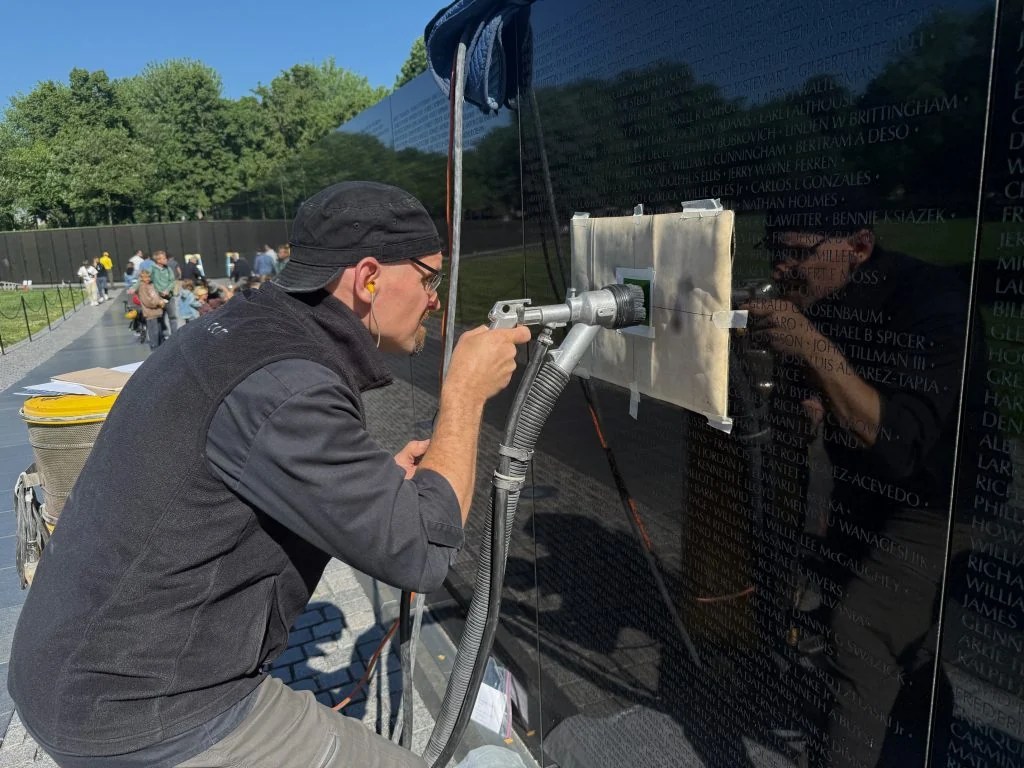
Today the Defense POW/MIA Accounting Agency (DPAA) works in 54 countries to identify and to bring home American service members lost in all wars. Modern DNA analysis allows these teams to restore the names of our honored dead, 2026 seeing a record 250 repatriations including 198 from WWII, 51 from the Korean War and one from the war in Vietnam.
In 2025, seven such names received a diamond (◆), superimposed over what had been a cross (+). Once publicly available, the name of that servicemember repatriated this year will be so updated on the Vietnam Veteran’s memorial.
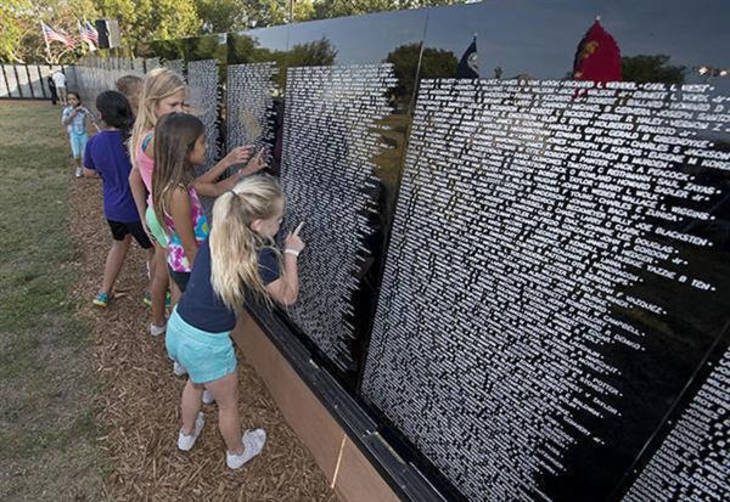
Over the years, the wall has inspired a number of tributes. These include a traveling 3/5ths scale model of the original and countless smaller ones, bringing the grandeur of Lin’s design to untold numbers without the means or the opportunity, to travel to the nation’s capital.
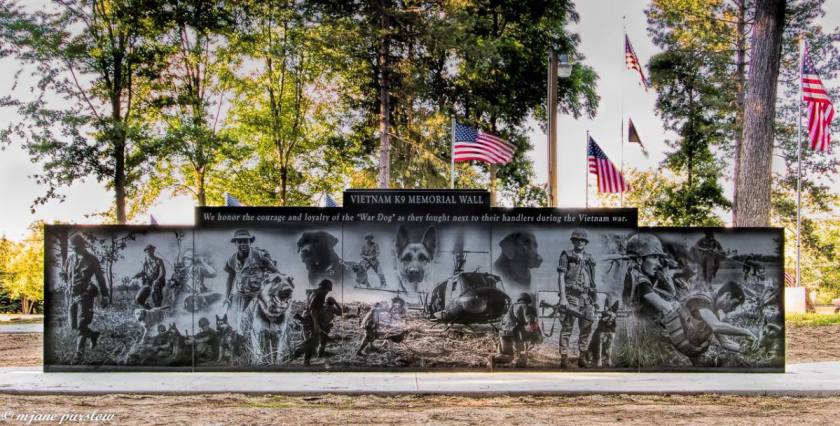
In South Lyons Michigan, the black marble Michigan War Dog Memorial pays tribute to the names and tattoo numbers of 4,234 “War Dogs” who served in Southeast Asia, the vast majority of whom were left behind as “surplus equipment”.
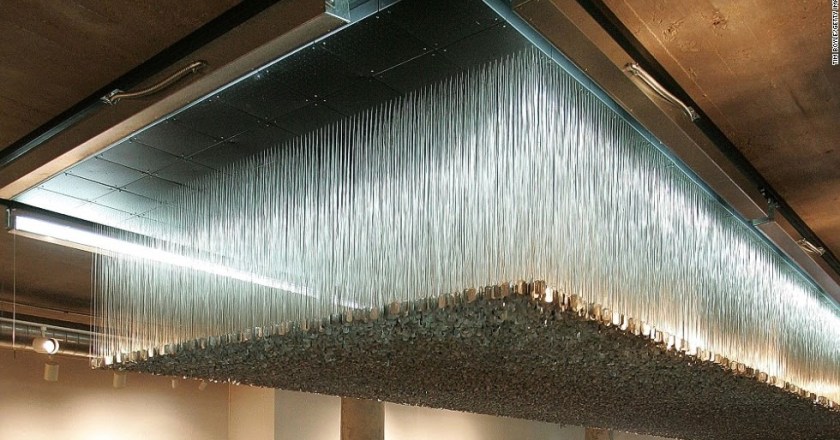
There is even a Vietnam Veterans Dog Tag Memorial at the Harold Washington Library, in Chicago.
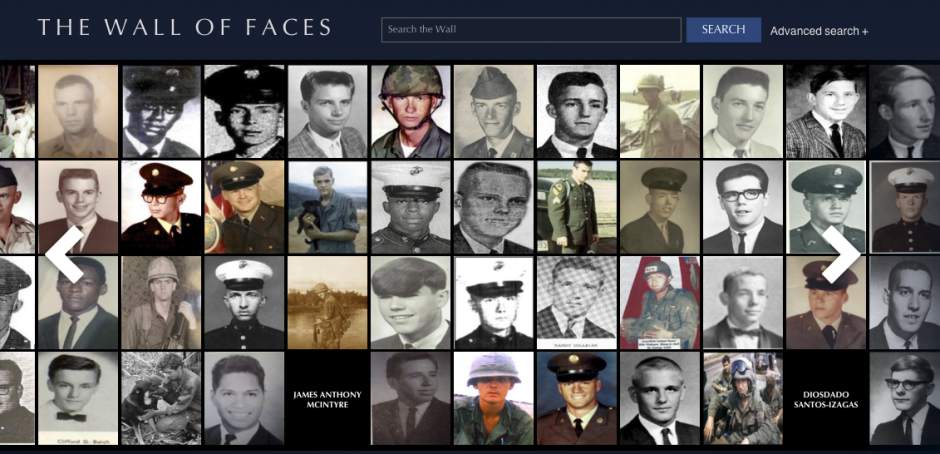
Ten years ago, the Vietnam Veterans Memorial Fund, www.vvmf.org began work on a virtual “Wall of Faces”. Each name is accessible electronically with a face and a story to go with it. In 2017, the organization was still looking for 6,000+ photographs. As I write this there remain some 200 yet to be discovered.
Check it out. Pass it around. You might be able to help.
I was nine years old in May 1968. The single deadliest month of the war with 2,415 killed. All these decades later, I still remember. The way so many disgraced themselves in the way they treated those guys coming home.
Even today as veterans of the war in Vietnam know the appreciation that is their due, the scars run deep for the recognition too often denied those many years ago.
Now in the modern era we trust and expect our fellow Americans will remember. If you have an issue with US war policy, you need to bring it up with a politician. Not a member of the Armed Services doing what his nation called on him to do.


You must be logged in to post a comment.