
Since the age of the Greek phalanx and before, individuals, institutions and nation-states have distinguished among themselves by means of heraldic symbols. From medieval times and lasting to this day, such symbols are incorporated into elaborate coats of arms, used to identify individual persons and families, government organizations, corporations and other entities.

Eighteen states in addition to the United States itself have officially adopted coats of arms, in addition to the formerly independent republics of Texas and Hawaii. These and other symbols are incorporated into official seals, to authenticate passports, certificates, proclamations, and other documents.
Every state in the union has its own seal, as well as the federal district, the five inhabited territories of the United States and the three largest Native American tribes.

When the 2nd Continental Congress declared independence from Great Britain in 1776, there remained several pieces of unfinished business. Benjamin Franklin, Thomas Jefferson and John Adams were appointed to a committee of three to take care of one such detail – the creation of an official seal. The Congress rejected their first draft, approving only the “E pluribus Unum“, (of the many, one), attributed to Thomas Jefferson.
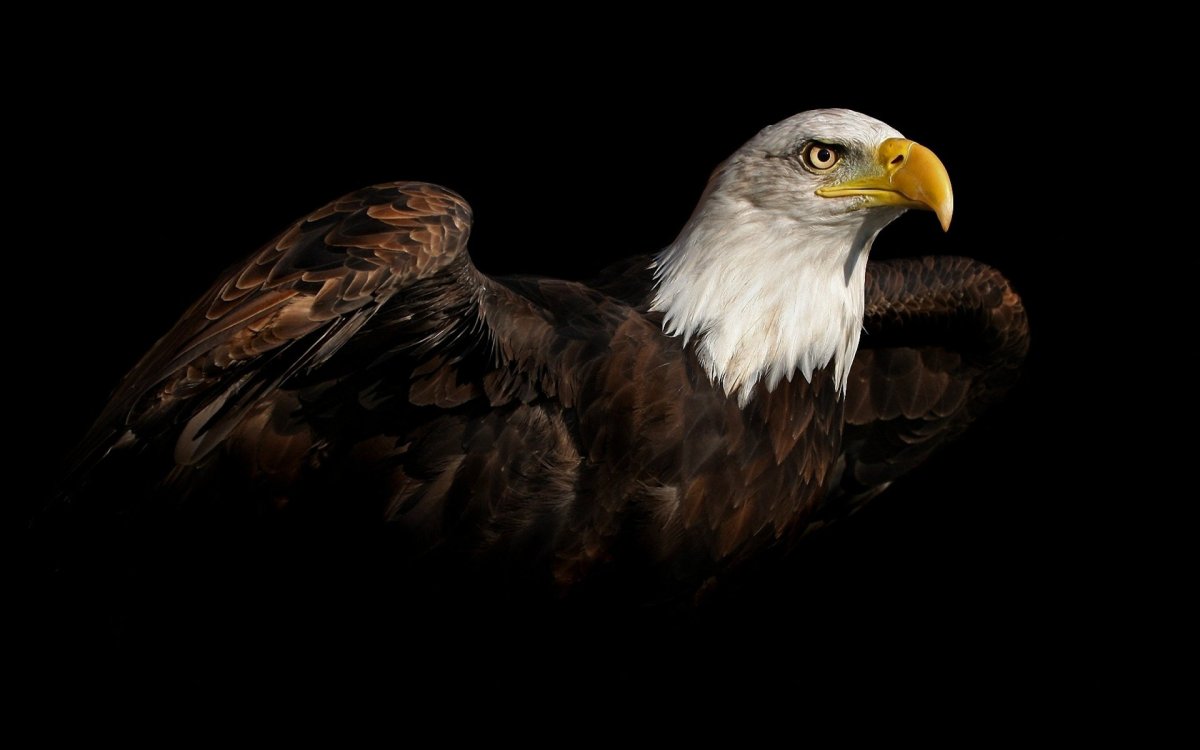
Six years and two such committees later, it was May of 1782. The brother of a Philadelphia naturalist provided a drawing showing an eagle displayed as a symbol of “supreme power and authority.” An earlier submission used a phoenix instead of an eagle, representing a nation risen from the ashes of the Revolution. That bird would be replaced in the final design, by the bald eagle.
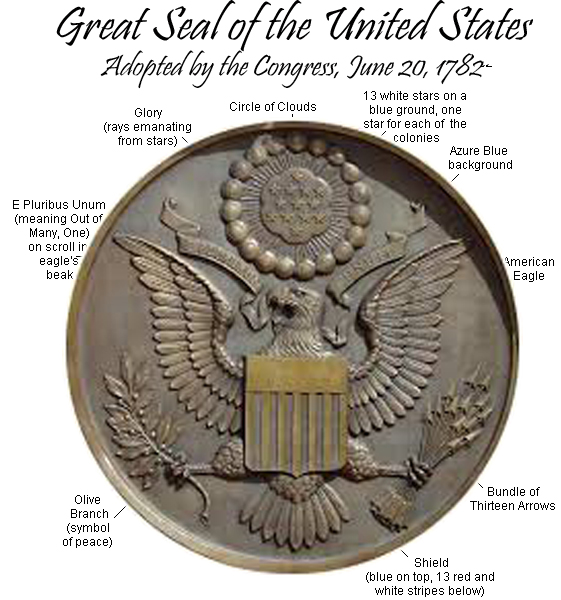
Individual states adopted the eagle as their own symbols, as early as 1778. The Continental Congress officially adopted the current design on this day in 1782. The final design of the obverse (front) side of the seal, depicts a Bald Eagle, symbolic of liberty and freedom. The eagle grasps thirteen arrows in its right talons, symbolizing a strong defense. An olive branch symbolizing peace is held in the other claw. A banner containing Jefferson’s E pluribus Unum, is held in the eagle’s beak.
Prominently displayed on its breast is a shield, the thirteen red and white stripes symbolizing the states, arranged in support of the federal government, symbolized in blue.
 Finally, a constellation of thirteen stars breaks out of the clouds above, signifying a new people, now ready to take its place among the sovereign nations of earth.
Benjamin Franklin objected to the the eagle’s selection, preferring the national symbol be the turkey. He complained of the eagle stealing its dinner from other birds. He said that he’d seen one driven away by a tiny Kingbird, no larger than a sparrow.
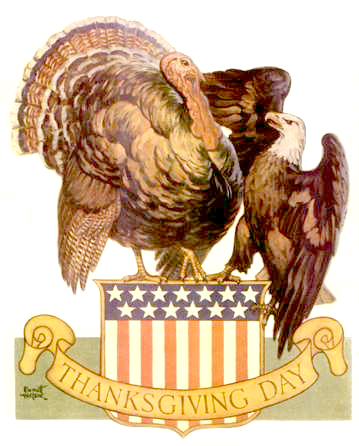
Franklin later wrote a letter to his daughter, saying, “For the Truth the Turkey is in Comparison a much more respectable Bird, and withal a true original Native of America . . . He is besides, though a little vain & silly, a Bird of Courage, and would not hesitate to attack a Grenadier of the British Guards who should presume to invade his Farm Yard with a red Coat on.”
Some versions of the symbol used between 1916 and 1945 showed an eagle facing to its left, toward the arrows, giving rise to the urban legend that the seal is changed to have the eagle face towards the olive branch in peace, and towards the arrows in wartime.
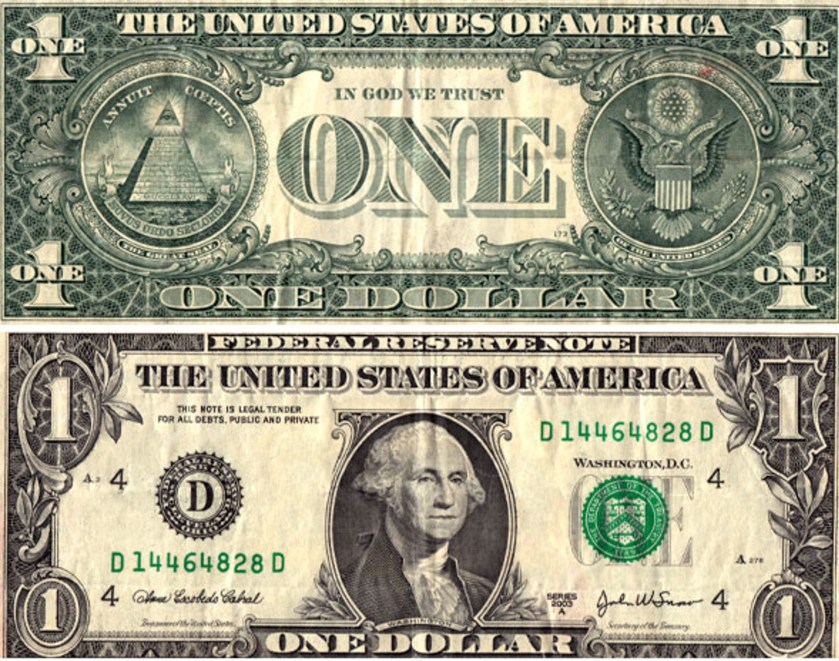
On the reverse (back) side of the Great Seal, the pyramid represents strength and duration, like the great Pyramids at Giza. The Roman numeral MDCCLXXVI at its base translates as 1776. The Latin phrase “Novus ordo seclorum” refers to a “New Order of the Ages.” The pyramid itself has thirteen levels, atop which is the Eye of God, with the Latin phrase “Annuit Cœptis,” loosely translating as “favors undertakings.”
The hand of Providence would favor the United States and its endeavors, for all time.
 The militant atheist type wishing to divest himself of all that “church & state” stuff may, at his convenience, feel free to send those dollar bills, to me. I’m in the book.


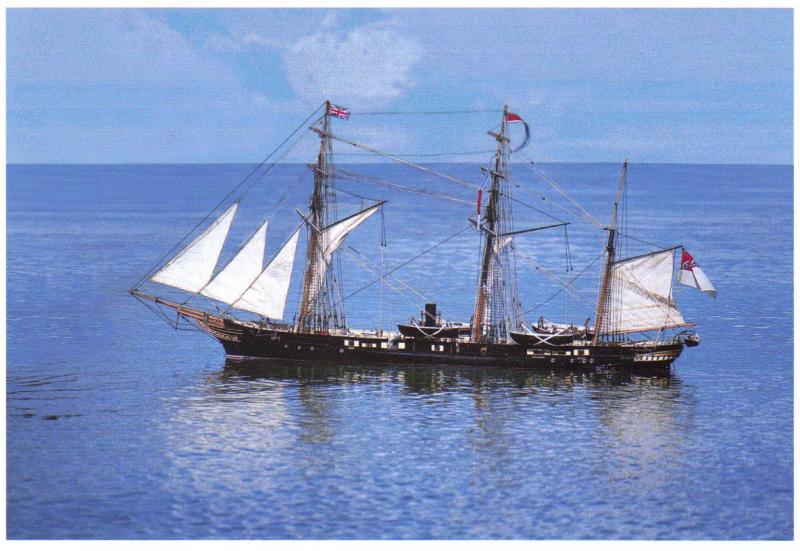
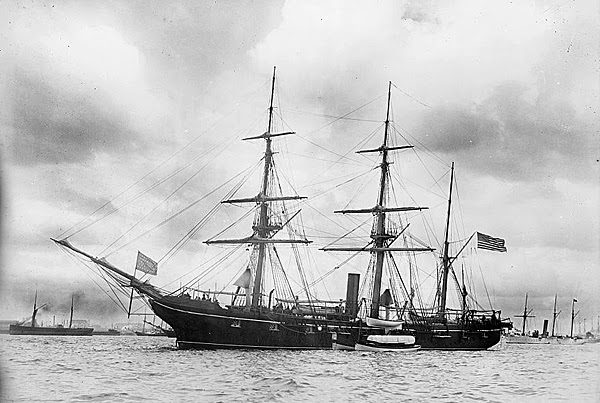

 CSS Alabama steamed out of Cherbourg harbor on the morning of June 19, 1864, escorted by the French ironclad Couronne, which remained nearby to ensure that the combat remained in international waters. Kearsarge steamed further to sea as the Confederate vessel approached. There would be no one returning to port until the issue was decided.
 Captain Winslow put his ship around and headed for his adversary at 10:50am. Alabama fired first from a distance of a mile, and continued to fire as the range decreased.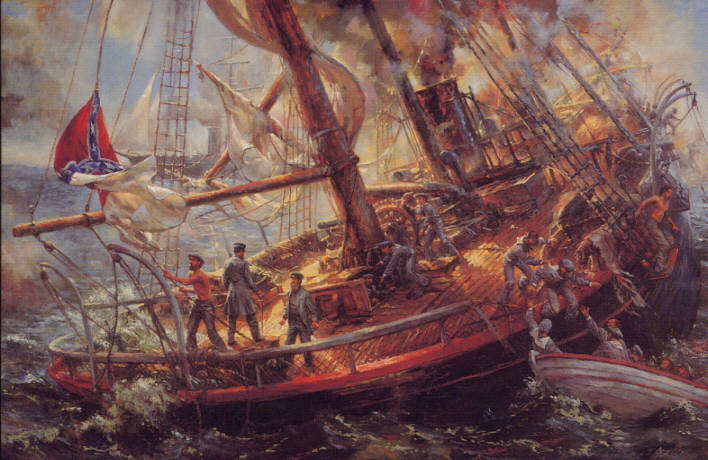
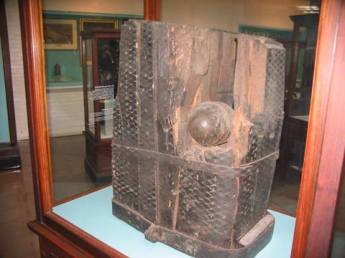


 Austrian military history professor Erik Durschmied wrote in his excellent book`

 Stoker wrote in his notes, “in Wallachian language means DEVIL”. In a time and place remembered for near-cartoonish levels of violence, Vlad Țepeș stands out for his extraordinary cruelty. There are tales of Țepeș disemboweling his own mistress. That he collected the noses of vanquished adversaries. Some 24,000 of them. That he dined among forests of victims, spitted on poles. That he even impaled the donkeys they rode in on.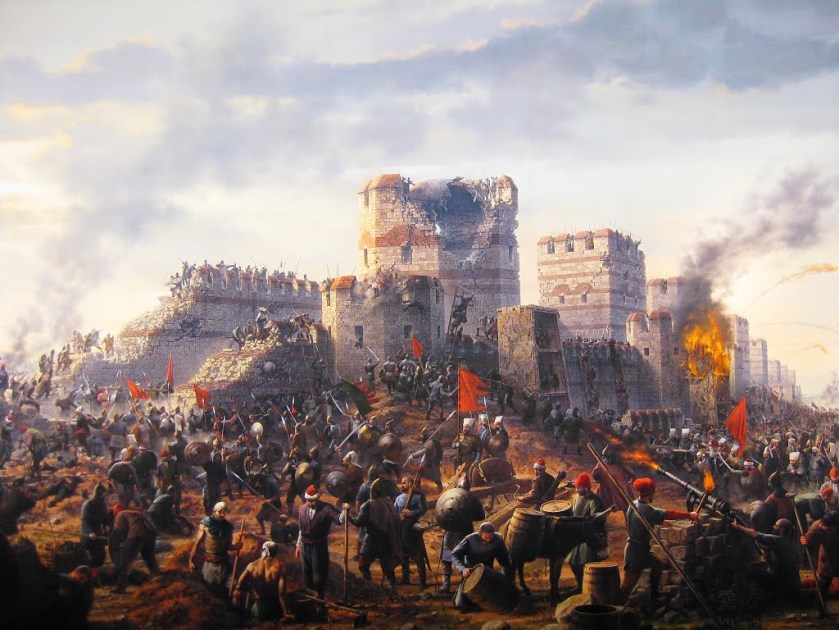
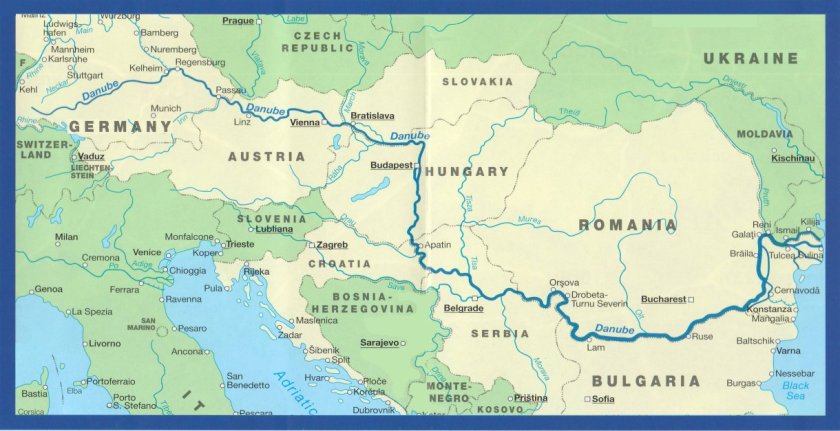
 Outnumbered five-to-one, Ţepeş employed a scorched earth policy, poisoning the waters, diverting small rivers to create marshes and digging traps covered with timber and leaves. He would send sick people among the Turks, suffering lethal diseases such as leprosy, tuberculosis and bubonic plague.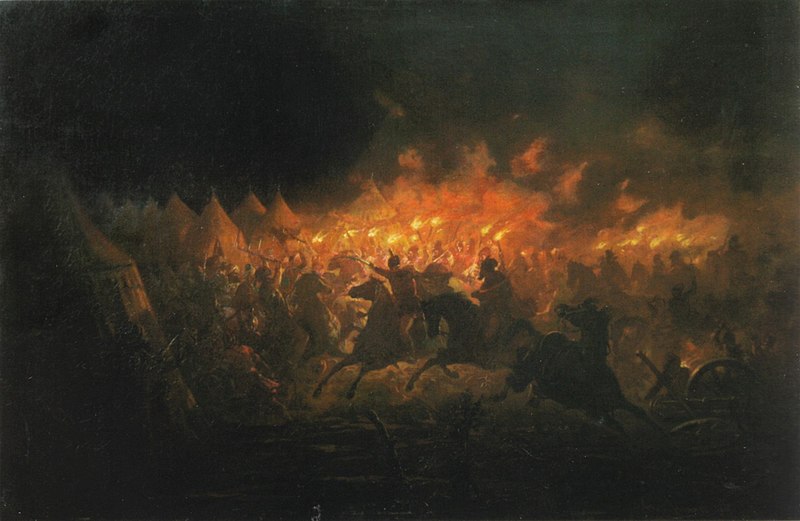


 The British line advanced up Breed’s Hill twice that afternoon, Patriot fire decimating their number and driving the survivors back down the hill to reform and try again.


 Starvation, shipwreck and disease killed no fewer than 1 in 10 during the period 1790 – 1820, without any so much as setting foot in the new world. And still they came.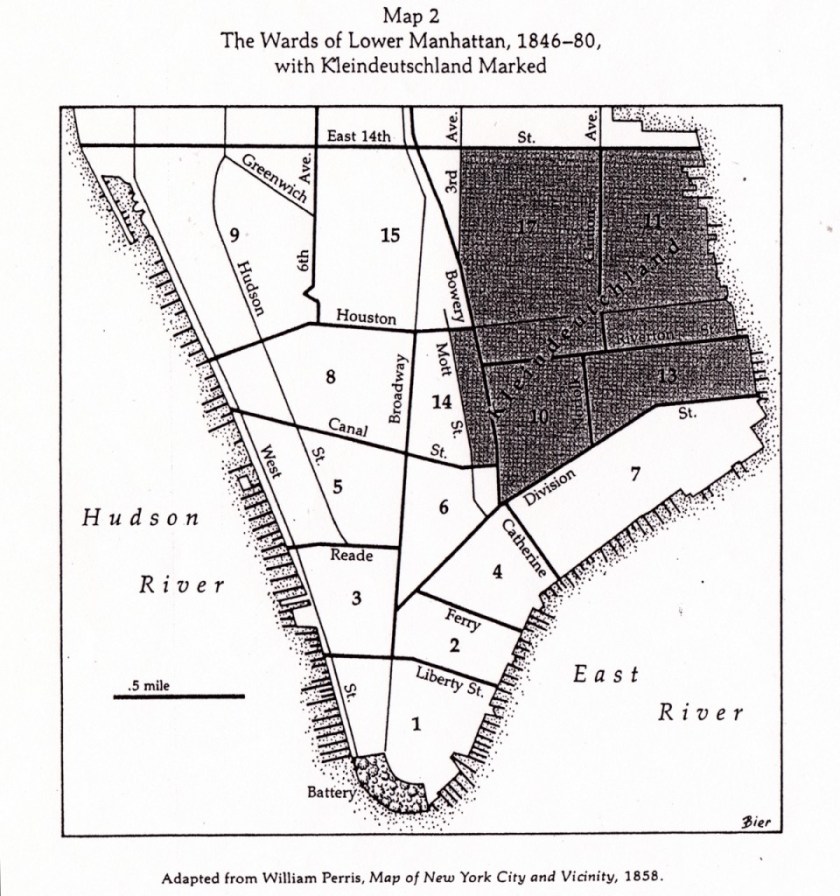


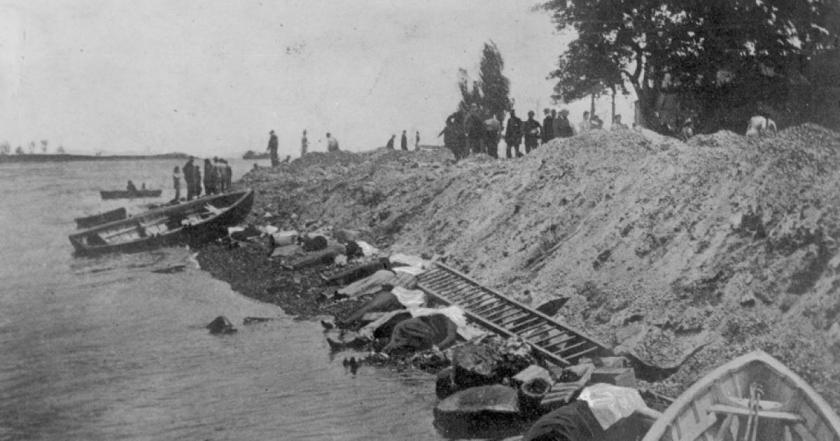


 From the dawn of the 20th century, the Nobel Peace prize was awarded to individuals and organizations which have “done the most or the best work for fraternity between nations, for the abolition or reduction of standing armies and for the holding and promotion of peace congresses.”
 Great Uncle Jacob Deppin was also there at Appomattox, wearing Blue. He served for the duration, save for the year and one-half spent in captivity.


 Lafayette’s wife Adrienne gave birth to their first child on one such visit, a baby boy the couple would name Georges Washington Lafayette.


 Gehrig was pitching for Columbia University against Williams College on April 18, 1923, the day that Babe Ruth hit the first home run out of the brand new Yankee Stadium. Though Columbia would lose the game, Gehrig struck out seventeen batters to set a team record.

 Lou Gehrig collapsed in 1939 spring training, going into an abrupt decline early in the season. The Yankees were in Detroit on May 2 when Gehrig told manager Joe McCarthy “I’m benching myself, Joe”. It’s “for the good of the team”. McCarthy put Babe Dahlgren in at first and the Yankees won 22-2, but that was it. The Iron Horse’s streak of 2,130 consecutive games, had come to an end.



 Boston was all but an island in those days, connected to the mainland only be a narrow “neck” of land. A Patriot force some 20,000 strong took positions in the days and weeks that followed, blocking the city and trapping four regiments of British troops (about 4,000 men) inside of the city.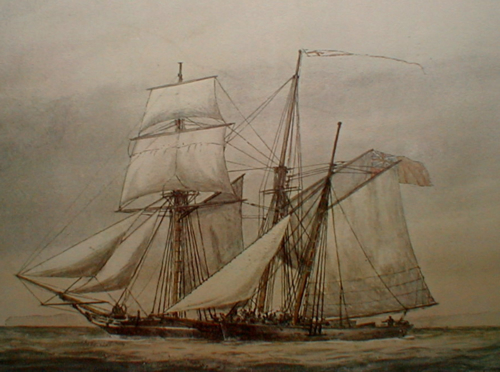
 A group of Machias men approached Margaretta from the land and demanded her surrender, but Moore lifted anchor and sailed off in attempt to recover the Polly. A turn of his stern through a brisk wind resulted in a boom and gaff breaking away from the mainsail, crippling the vessel’s navigability. Unity gave chase followed by Falmouth.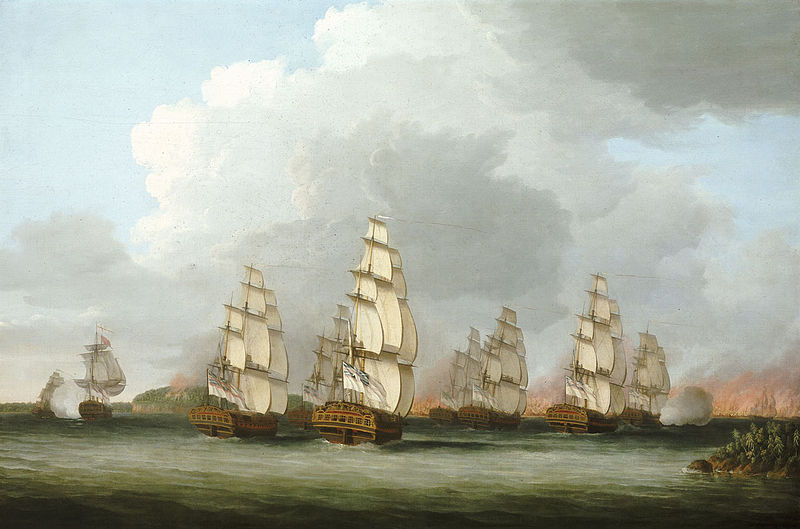

 Historical Easter Eggs - Today in History
You must be logged in to post a comment.