

Johnstown Pennsylvania was founded in 1800, along the banks of the Stony Creek and the Little Conemaugh, where the two waterways combine to form the Conemaugh River. Miles downstream from the drainage basin formed by the Allegheny plateau, the town is hemmed in on both sides by the high, steep hills of the Conemaugh Valley and the Allegheny Mountains. A plaque at the scenic overlook on Rt. 56, four miles outside of Johnstown, describes this gorge as the deepest river gap east of the Rockies.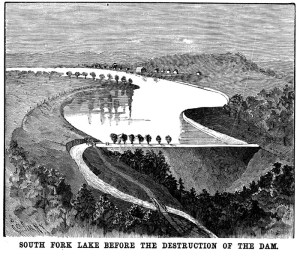
The South Fork Dam was built 14 miles upstream by the Commonwealth of Pennsylvania, forming Lake Conemaugh and providing a feeder for the state’s network of canals. Welsh and German immigrants came to the area as the completion of the Main Line Canal led to the construction of the Pennsylvania Railroad and the Cambria Iron Works. The area flourished as multiple villages and factories were built along the banks of the Conemaugh, crowding the river basin forming the narrow floor of the valley.
The Commonwealth sold the dam and the lake to private interests when rail began to supersede the canal as the primary mode of transport. The property changed hands a couple times more: one owner removing the three iron pipes that formed a spillway and selling them for scrap, the next lowering the dam to build a road and installing a fish grate. These were the wealthy industrialists who turned the mountain lake into an exclusive private retreat for themselves and their families, calling it the South Fork Fishing and Hunting Club.

The rain that began to fall on the 29th was unprecedented, at times falling at the rate of 6 to 10 inches per hour. Elias Unger, then president of the South Fork Fishing and Hunting Club, awoke on the morning of the 31st to see the water just about to overtop the dam. He and several others worked throughout the morning to unclog the fish screen at the spillway. By 1:30 that afternoon they were forced to take to the high ground and wait.
The dam was 72 feet high, 931 feet long, holding back an estimated 4.8 billion gallons of water. The average flow of water over Niagara Falls is 64,750 cubic feet per second. When the South Fork Dam let go it released 642,726,934 cubic feet of water down the valley. The lake was emptied in 45 minutes.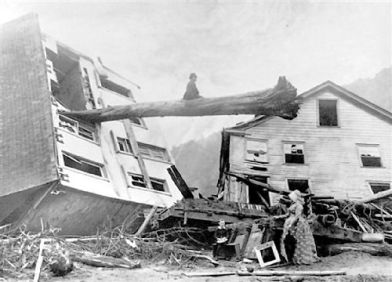
The Village of South Fork was first to be hit, and then the town of Mineral Point, about a mile below the viaduct. When the flood receded, there was nothing left of the town but bare rock.
By the time the flood reached East Conemaugh, it had picked up so much debris that one survivor said it looked like a “huge hill, rolling over and over”. People living and dead cascaded down the valley with trees and homes and animals and debris of every kind. Next the flood hit the Cambria Iron Works and the Gautier Wire Works in Woodvale, sweeping train cars, boilers and miles of barbed wire up in the deluge.
Locomotive engineer John Hess got ahead of the approaching flood for a time, as he tied down the train whistle and raced backward down the line trying to warn as many as possible. His warning saved many people before the flood caught up with him and tossed his locomotive aside. Hess would survive the flood, though many of the passengers stranded in rail cars, did not.
 Traveling at 40 miles per hour, the 60′ wall of water and debris hit Johnstown 57 minutes after the dam broke. Some residents had managed to scramble to high ground, but most were caught by surprise by the flood waters.
An enormous stone railroad bridge at the edge of Johnstown caught and held tons of barbed wire entangled debris on its upstream side. Perversely, the debris caught fire and the fire became an inferno that burned for three days, killing 80 people. After the flood waters receded, the field of debris at the bridge covered 30 acres and reached 70 feet high.
 When it was over, 2,209 were dead. 99 entire families had ceased to exist, including 396 children. 124 women and 198 men were widowed, 98 children orphaned. 777 people, over 1/3rd of the dead, were never identified. Their remains are buried in the “Plot of the Unknown” in Grandview Cemetery in Westmont.
Property damage exceeded $17 million, over $425 million in today’s dollars.

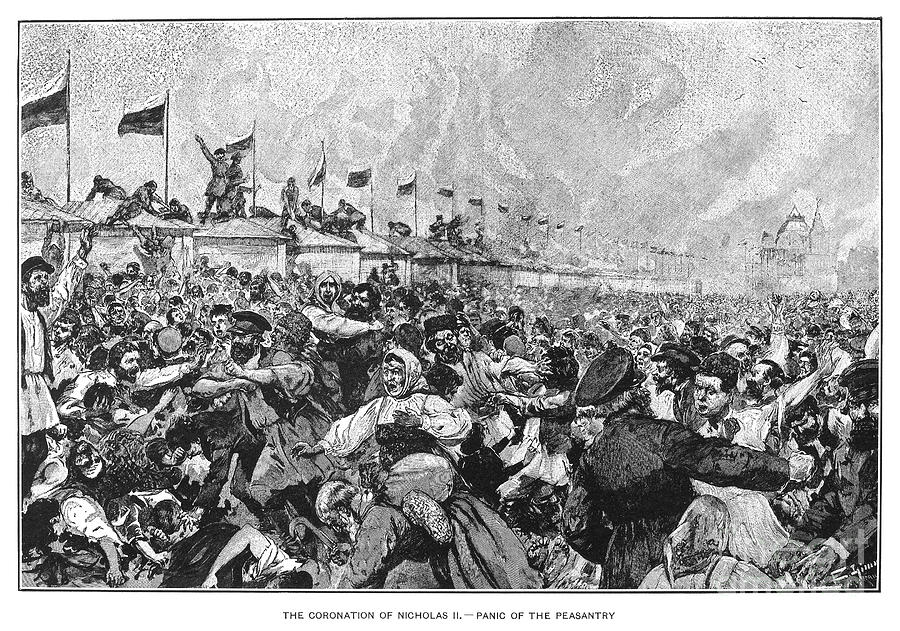
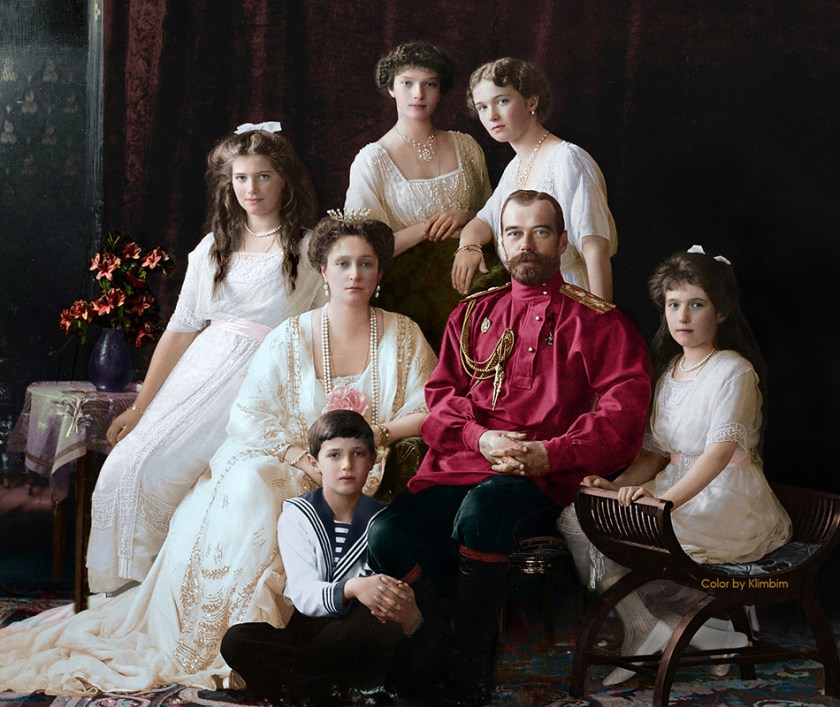
 People began to gather on the 29th. By 5:00am on the 30th, the crowd was estimated at half a million. A rumor began to spread among the crowd that there wasn’t enough beer or pretzels to go around. At that point the police force of 1,800 wasn’t enough to maintain order. The crush of the crowd and the resulting panic resulted in a human stampede. Before it was over 1,389 people were trampled to death, and another 1,300 injured.

 3,662,374 military service certificates were issued to qualifying veterans, bearing a face value equal to $1 per day of domestic service and $1.25 a day for overseas service, plus interest. Total face value of these certificates was $3.638 billion, equivalent to $43.7 billion in today’s dollars and coming to full maturity in 1945.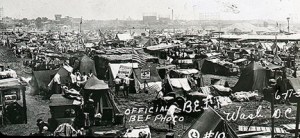
 This had happened before. Hundreds of Pennsylvania veterans of the Revolution had marched on Washington in 1783, after the Continental Army had been disbanded without pay.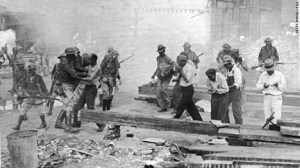
 Bonus marchers fled to their largest encampment across the Anacostia River, when President Hoover ordered the assault stopped. Feeling that the Bonus March was an attempt to overthrow the government, General MacArthur ignored the President and ordered a new attack, the army routing 10,000 and leaving their camps in flames. 1,017 were injured and 135 arrested. The wife of one veteran miscarried. 12 week old Bernard Myers died after being caught in the gas attack. A government investigation later claimed he died of inflammation of the small intestine, but a hospital employee said the tear gas “didn’t do it any good.”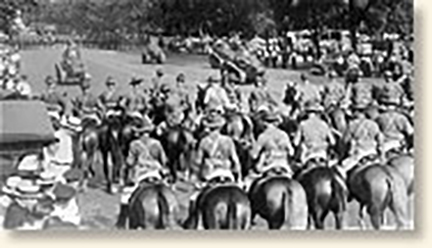


 Predicting a solar eclipse isn’t the same as predicting a lunar eclipse; the calculations are far more difficult. When the moon passes through the shadow of the sun, the event can be seen by half of the planet, the total eclipse phase lasting over an hour. In a solar eclipse, the shadow of the moon occupies only a narrow path, and the total eclipse phase is only about 7½ minutes at any given place.

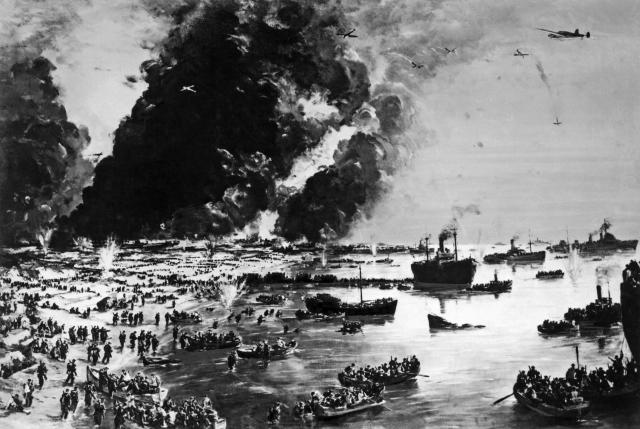
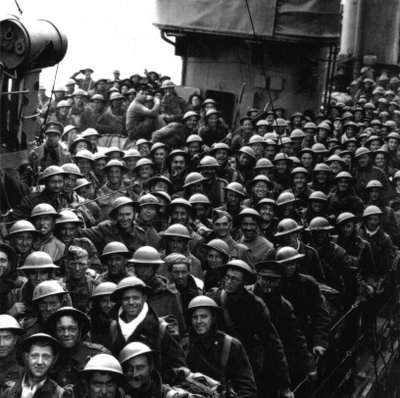
 In May of 1940 the British Expeditionary Force and what remained of French forces occupied a sliver of land along the English Channel. Field Marshall Gerd von Rundstedt called a halt of the German armored advance on May 24, while Hermann Göring urged Hitler to stop the ground assault, let the Luftwaffe finish the destruction of Allied forces. On the other side of the channel, Admiralty officials combed every boatyard they could find for boats to ferry their people off of the beach.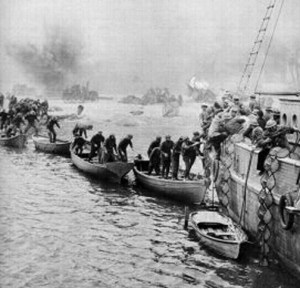




 In 1726, Quaker minister John Wright began a “ferry” service across the Susquehanna River. Starting as a pair of dugout canoes, “Pennsylvania Dutch” farmers were soon settling the Conejohela Valley on the eastern border of Maryland and Pennsylvania.
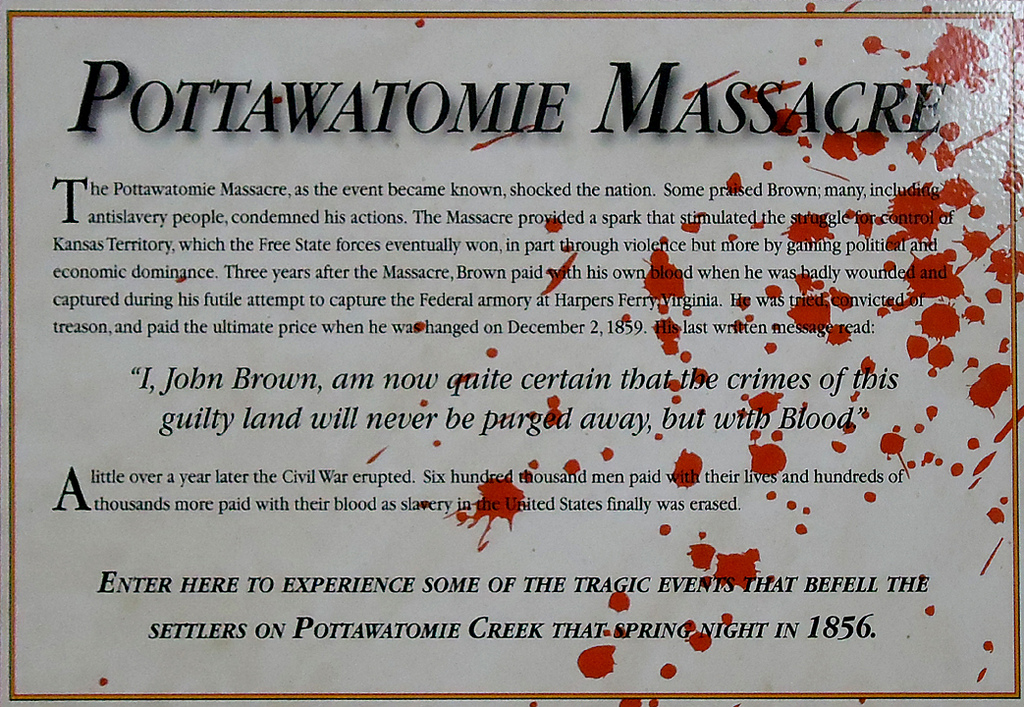
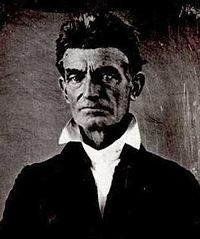
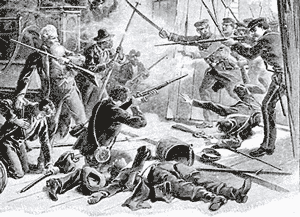 Brown would go on to participate in the Battle of Black Jack and the Battle of Osawatomie in the Kansas Territory. He would be hanged in 1859 after leading a group to the armory in Harper’s Ferry Virginia, in a hare brained scheme to capture the weapons it contained and trigger a slave revolt. The raid was ended by a US Army force under Colonel Robert E. Lee, and a young Army lieutenant named James Ewell Brown (JEB) Stuart.


 The first of five planned sorties began on May 11, before turning back only eight hours later in near blizzard conditions. The second trip took place in near perfect weather conditions and unlimited visibility, the craft covering 4,000 km (2,500 miles) and setting the stage for the third and final trip departing on May 23.
 envelope floated away, Chief Engineer Ettore Arduino started to throw everything he could get his hands on down to the men on the ice. These were the supplies intended for the descent to the pole, but they were now the only thing that stood between life and death. Arduino himself and the rest of the crew drifted away with the now helpless airship.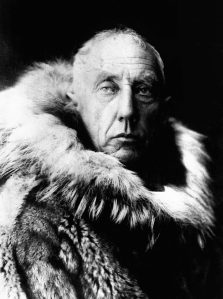


 Historical Easter Eggs - Today in History
You must be logged in to post a comment.