

On December 5, 1937, bar owner Joe Russell faced an increase in rent. From three dollars a week to a whopping four bucks. Lucky for Joe, the former Victoria Restaurant owned by one Juan Farto (I didn’t make that up), was available. That night, everyone in the place picked up his drink, and his chair, and “moved the bar” across the street.
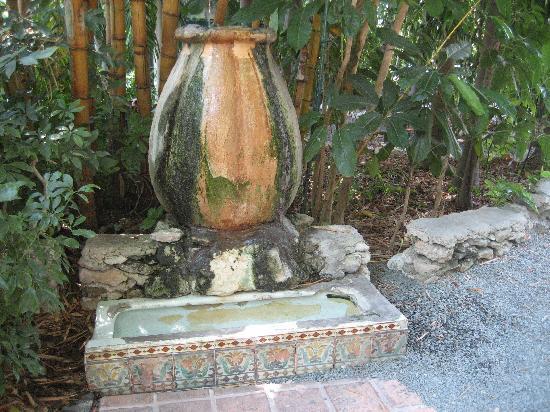
None other than Ernest Hemingway pitched in, (yeah, That Ernest Hemingway), helping himself to the urinal. “I’ve pissed enough of my money into this thing to pay for it‘ he said, bringing the thing home to his wife Pauline, who converted it to a fountain. The peacocks who once roamed “Papa” Hemingway’s yard are gone now but the fountain’s still there, not far from “Sloppy Joe’s Bar” on the corner of Greene and Duval Street.
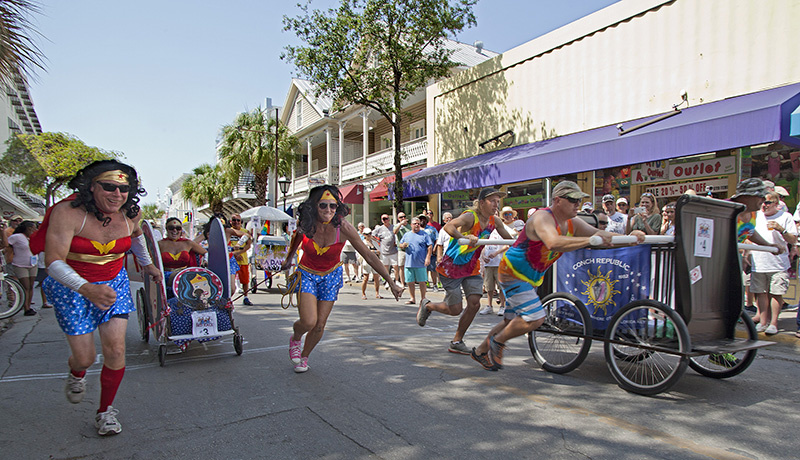
Where else but Duval Street could you watch a “bed race”, pulled by men and women in Wonder Woman outfits, or men in grass skirts. Where Times Square drops a ball to ring in the New year and Miami drops an orange, while Sloppy Joe’s drops a six-foot conch.
Even the above-ground cemetery is “off the beaten path”. Inscriptions on headstones include “I told you I was sick“. One long-suffering wife got to write this one, for a philandering husband: “At least I know where he’s sleeping tonight“.
From “Robert” the evil doll of Fort East Martello to the wild chickens who roam the streets, where conch fritters are considered a food group and history is literally built on salvaging shipwrecks, we’re talking about Key West Florida, where the “Weird go Pro”.
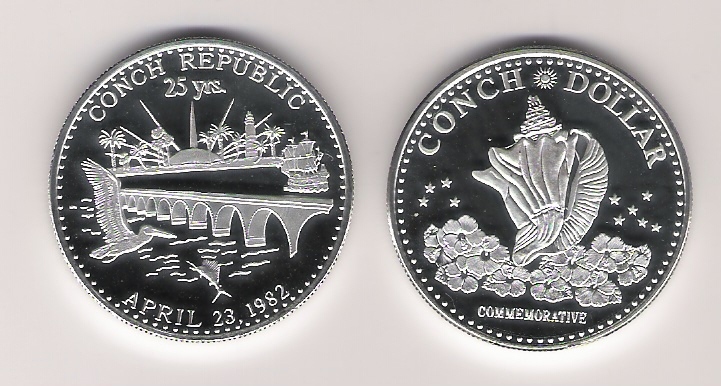
Oh. Did I tell you the place seceded? Really. It’s the “Conch Republic”, now.
Except for the Naval Air Station at Boca Chica and Coast Guard installations in Key West, Marathon and Islamorada, most of the economic activity in the Florida Keys, comes from tourism. It’s no wonder that, when the federal government shuts down the only road into the Keys, the locals are going to get cranky.
In April 1982, the Mariel boat lift was a mere two years in the past, and very much in the public memory.
 The United States had a border in those days, which the Federal government attempted to enforce.
On April 18, Border Patrol set up a roadblock in front of Skeeter’s Last Chance Saloon in Florida City, shutting down US Route 1, the only road in and out of the Florida Keys. Originally intended to intercept illegals entering the country, the roadblock soon morphed into a hunt for illegal drugs, as well.
Cars waited for hours, in lines stretching 19 miles. Predictably, the attitude of Federal officials was one of towering indifference. Not so local business owners. Robert Kerstein wrote in his Key West on the Edge — Inventing the Conch Republic, “No one in Key West doubted that drugs were trafficked widely in the Keys by road and by boat. But tourism’s boosters had little tolerance for interruptions to their business.”
 Dennis Wardlow, then-Mayor of Key West, contacted the chief of police, the Monroe County sheriff, his State Representative and then-Governor Bob Graham, demanding the roadblock’s removal. With none of the above having any knowledge of the barrier and lacking the authority to pull it down, Wardlow contacted INS directly. When the Border Patrol told him it was “none of his business,” the Mayor’s response could best be summed up in the words of Bugs Bunny: “Of course you know, this means war!”
Suffering a blizzard of hotel cancellations, this “attack on Key West’s sovereignty” could not stand. On April 22, Mayor Wardlow, local attorney & pilot David Horan and Old Town Trolley Tours operator Ed Swift flew to Miami seeking legal remedy. When District Court Judge C. Clyde Atkins failed to issue an injunction, the Key West delegation took to the courthouse steps.
“What are you going to do, Mr. Mayor”, asked the assembled media. Swift leaned over and whispered into the Mayor’s ear, “Tell them we are going to go home and secede!” “We are going to go home and secede!”, said Wardlow, and that’s what they did.
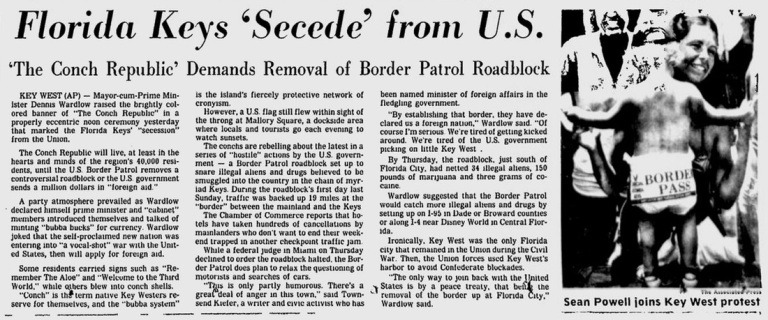
Over the next 24 hours, secessionist co-conspirators worked feverishly to form a new government, filling cabinet positions such as “Secretary of Underwater Affairs” and “Minister of Nutrition”.
 On April 23, with federal agents on scene to monitor the proceedings, a crowd gathered before the old customs building. Mayor Wardlow and a gaggle of allies mounted the back of a flatbed truck, to read the proclamation of secession. “We serve notice on the government in Washington”, Wardlow began, “to remove the roadblock or get ready to put up a permanent border to a new foreign land. We as a people, may have suffered in the past, but we have no intention of suffering in the future at the hands of fools and bureaucrats“.
With that, Mayor Wardlow declared “war” on the United States. The “Great Battle of the Conch Republic” broke out in the harbor, when the Schooner Western Union commanded by Captain John Kraus, attacked the Coast Guard Cutter Diligence with water balloons, Conch fritters and toilet paper. Diligence fought back with water hoses, as the new “Prime Minister” broke a stale loaf of Cuban bread over the head of a man dressed in a Navy uniform.
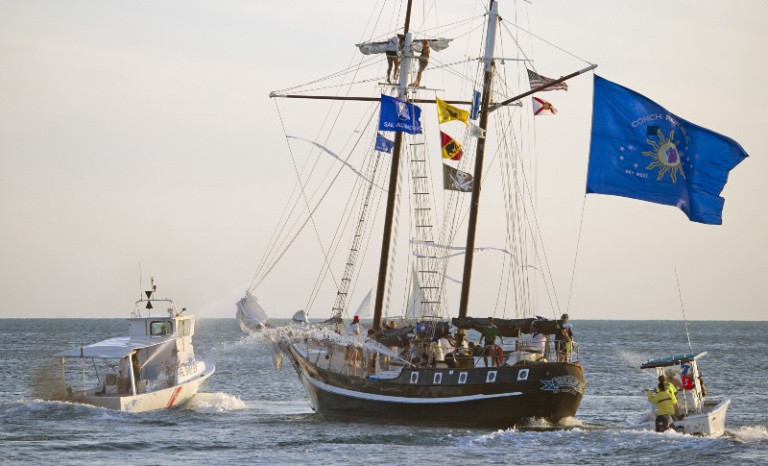
 Apparently, that’s what it takes to get the attention of a Federal government bureaucrat. The roadblock lifted. The restaurants, stores and hotels of the Keys soon filled with tourists and, once again, happiness smiled upon the land. Key West never got its “foreign aid”, but secessionist leaders never received so much as a letter, saying they couldn’t leave the Union, either.
 So it is that the micro-nation of Key West celebrates its independence, every April 23. The “Conch Republic’ issues its own passports, selling T-shirts and bumper stickers with the slogan “We seceded where others failed”.
And if the Federal government ever comes back to mess with the sovereign nation of Key West, it had best be prepared to deal with the Conch Republic’s very own “Special Forces”, the motto for which is “Sanctus Merda”. “Holy Shit”.
Tip of the hat to
“Conch Republic Military Forces, The Official Site of the Conch Republic Military” for the “Conch Battle Hymn of the Republic”. Lyrics by First Sea Lord, Admiral Finbar Gittelman, October 14, 2012 © Finbar Gittelman
Mine eyes have seen the glory of the sunshine and the sea
Right here upon our islands, where we love to live so free
But in April 1982, the peace was not to be
And we went rolling on
CHORUS
Glory glory Conch Republic
Glory glory Conch Republic
Glory glory Conch Republic
From Key to shining Key
They were setting up a check point, tween the mainland and the Keys
They had put a US Border, where it shouldn’t ‘oughta’ be
So that’s when we seceded, and declared our sovereignty
And the fun had just begun
(CHORUS)
We went forth into the harbor and a cutter we did spy
And we sailed up along side her and we took her by surprise
We hoisted up our battle flag, so proudly and so high
And we went sailing on
(CHORUS)
The water and Conch fritters and the Cuban bread did fly
Our bombers, they were raining toilet paper from the sky
Our cannons they did thunder to proclaim our victory
And we fought bravely on
(CHORUS)
We have faced the silly forces of misguided zealotry
We have stood up to their foolishness for all the world to see
And we’ve showed the other nations what America can be From
Key to shining Key
(CHORUS)
Feature image, top of page: Hat Tip Captain Tony’s Saloon, http://www.capttonyssaloon.com/


 Both sides in the battle for Troy used poisoned arrows, according to the Iliad and the Odyssey of Homer. Alexander the great encountered poison arrows and fire weapons in the Indus valley of India, in the fourth century, BC. Chinese chronicles describe an arsenic laden “soul-hunting fog”, used to disperse a peasant revolt, in AD178.
 Imperial Germany was first to give serious study to chemical weapons of war, early experiments with irritants taking place at the battle of Neuve-Chapelle in October 1914, and with tear gas at Bolimów on January 31, 1915 and again at Nieuport, that March.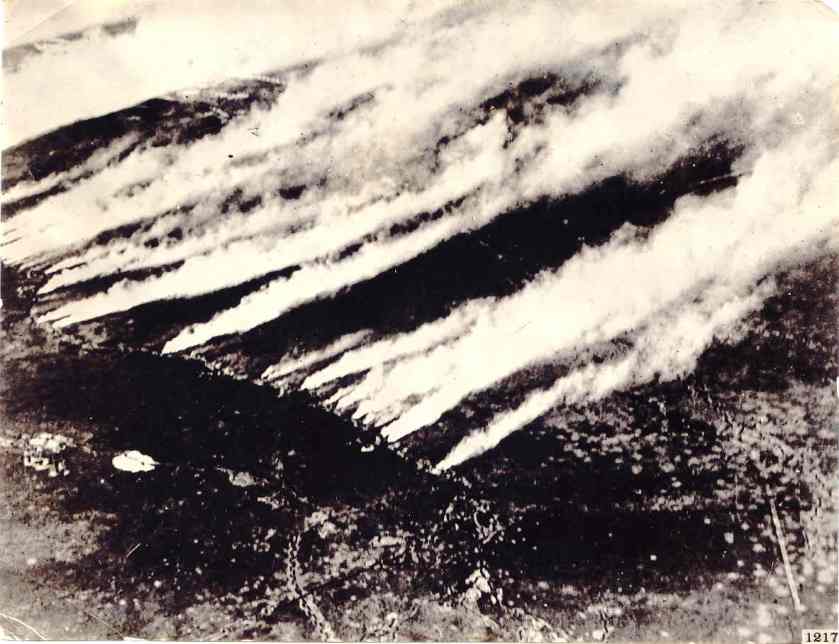
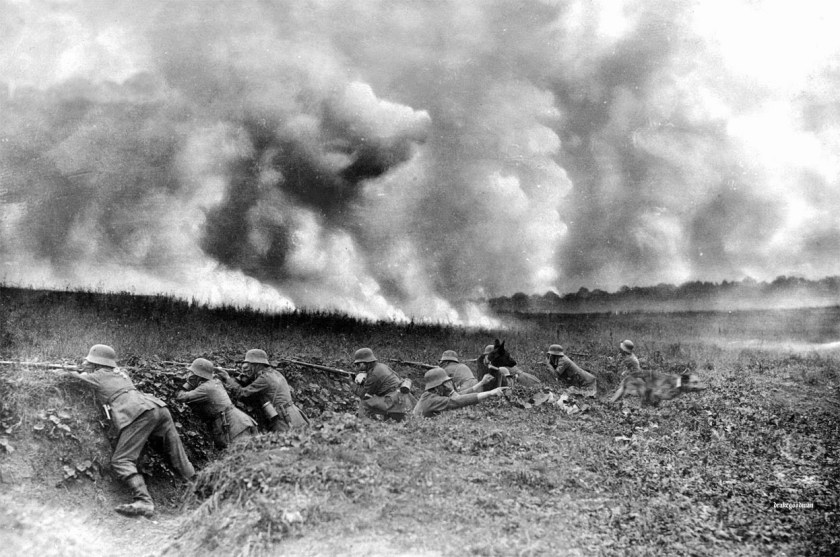
 Great Britain possessed massive quantities of mustard, chlorine, Lewisite, Phosgene and Paris Green, awaiting retaliation should Nazi Germany resort to such weapons on the beaches of Normandy. General Alan Brooke, Commander-in-Chief of the Home Forces, “[H]ad every intention of using sprayed mustard gas on the beaches” in the event of a German landing on the British home islands.
 The Geneva Protocols on 1925 banned the use of chemical weapons, but not their manufacture, or transport. By 1942, the U.S. Chemical Corps employed some 60,000 soldiers and civilians and controlled a $1 Billion budget.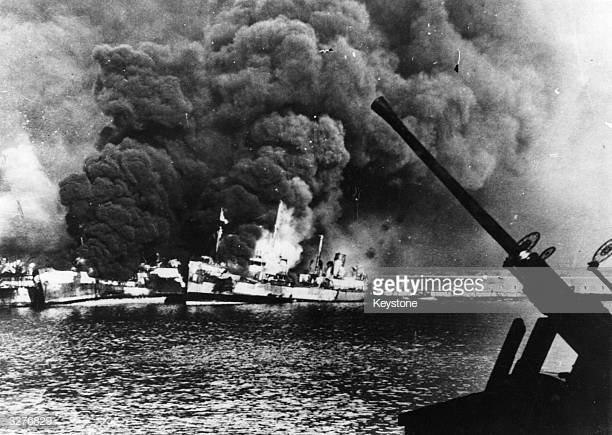
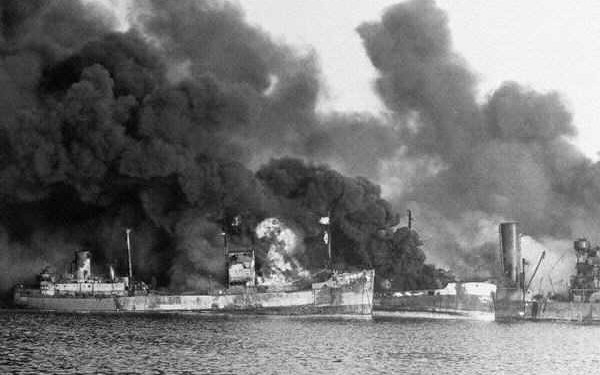
 Death comes in days or weeks. Survivors are likely to suffer chronic respiratory disease and infections. DNA is altered, often resulting in certain cancers and birth defects. To this day there is no antidote.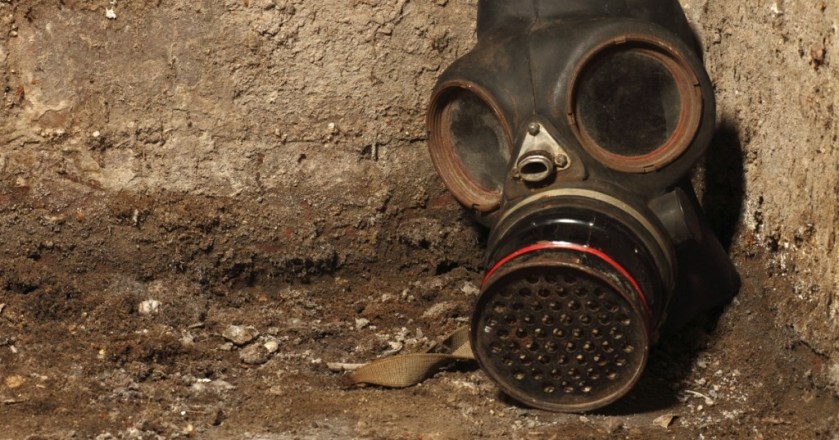

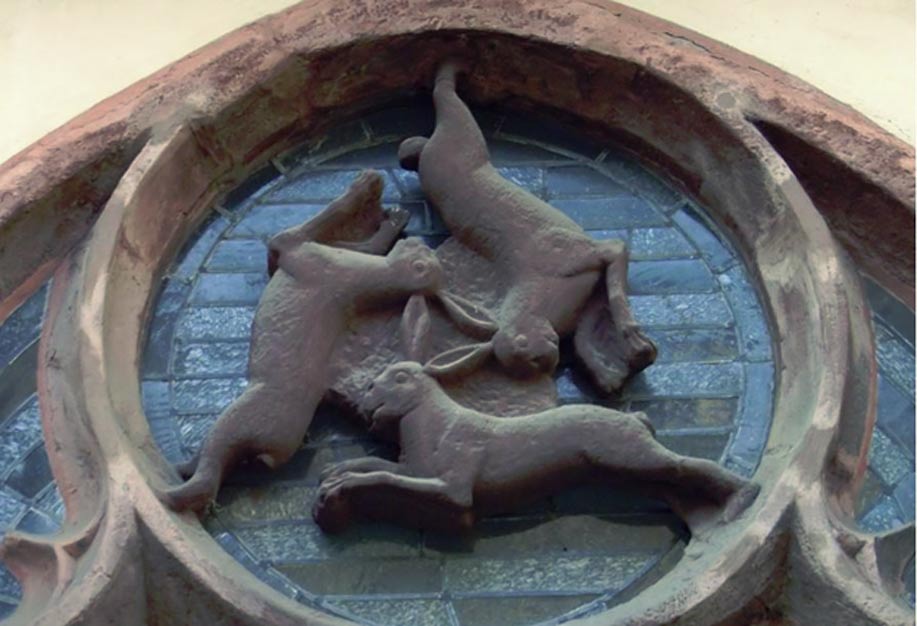


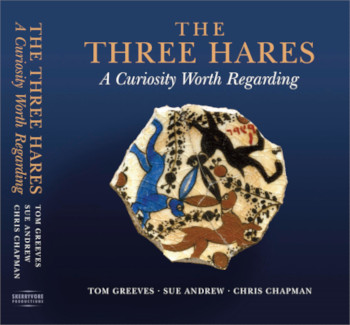


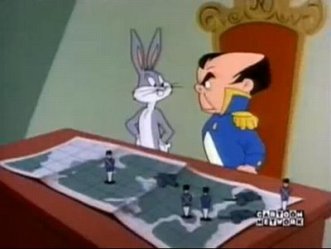
 The story involves no less a figure than Napoleon Bonaparte. In July 1807, Napoleon had just signed the Treaty of Tilsit, ending the war between the French Empire and Imperial Russia. As a means of celebration, Napoleon suggested a rabbit hunt, and ordered Chief of Staff Alexandre Berthier, to make it happen.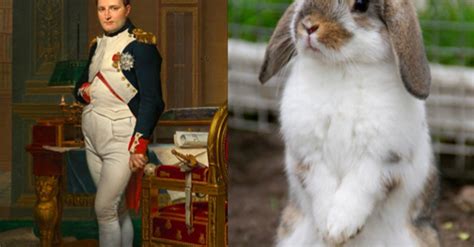

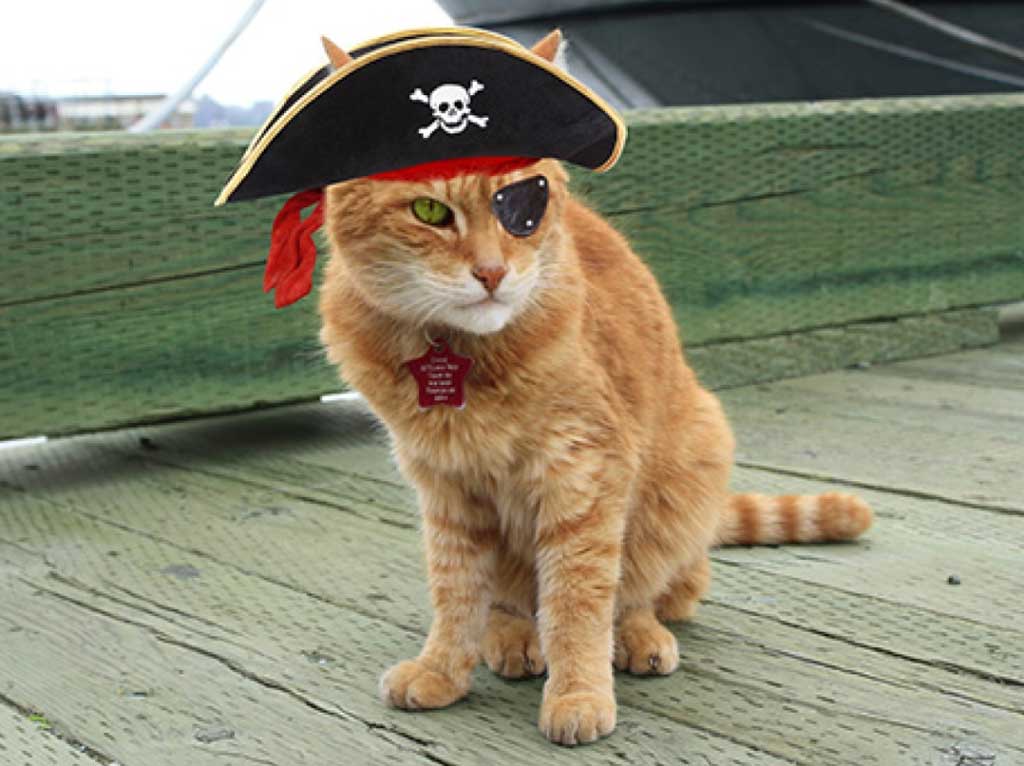
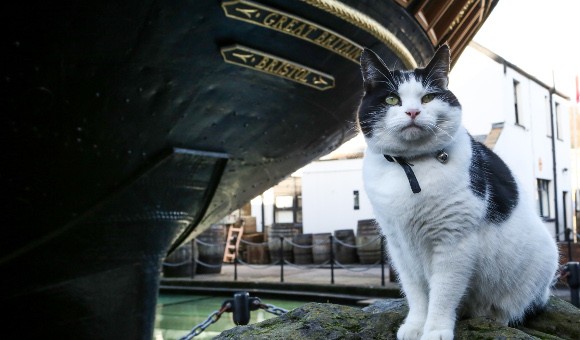
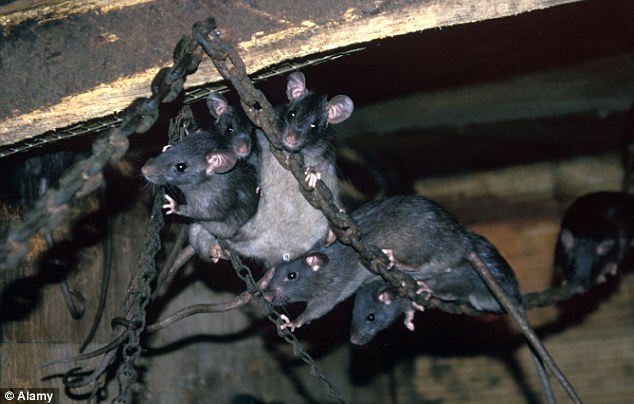


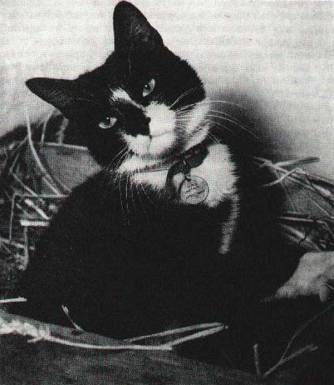
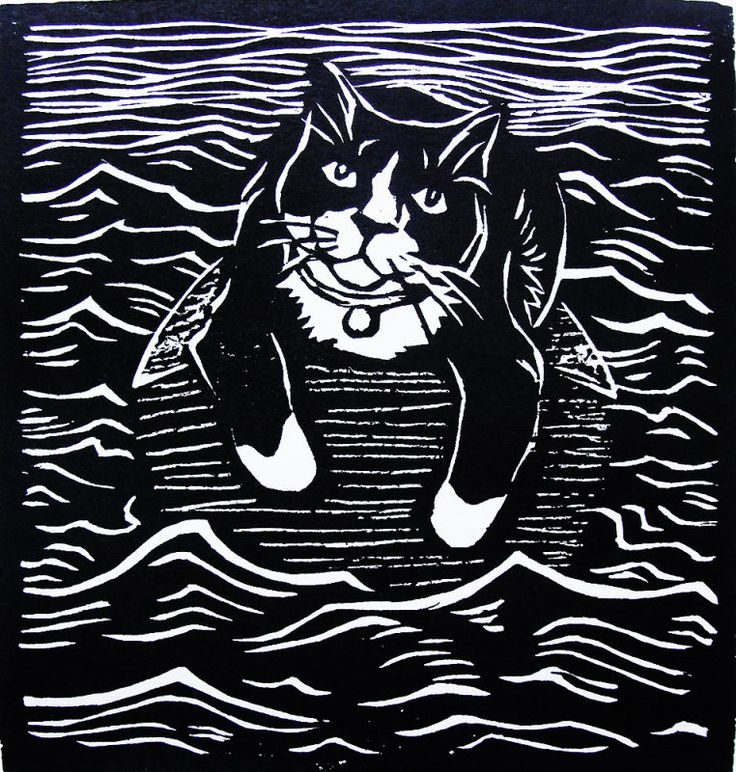
 Amethyst returned fire but it wasn’t long before she was disabled, run aground with most of her guns too high to return fire. The first salvo from the Communist guns exploded in the Captain’s quarters, mortally wounding Commander Skinner and badly injuring the ship’s cat.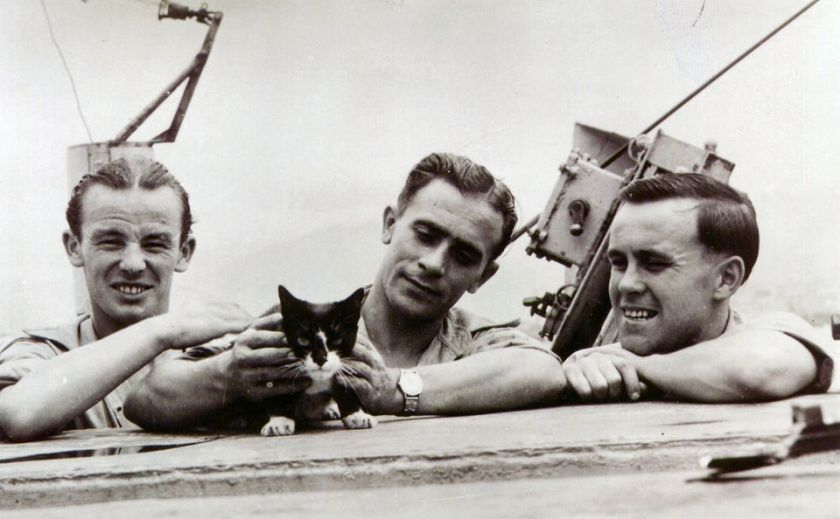
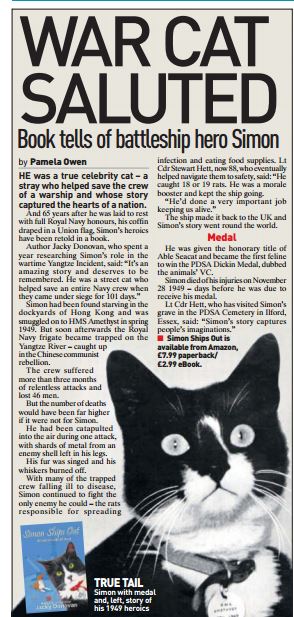 The Amethyst incident resulted in the death of 47 British seamen with another 74, wounded. HMS Amethyst herself sustained heavy damage in the episode. The heavy cruiser HMS London, the destroyer HMS Consort and the sloop HMS Black Swan were also damaged.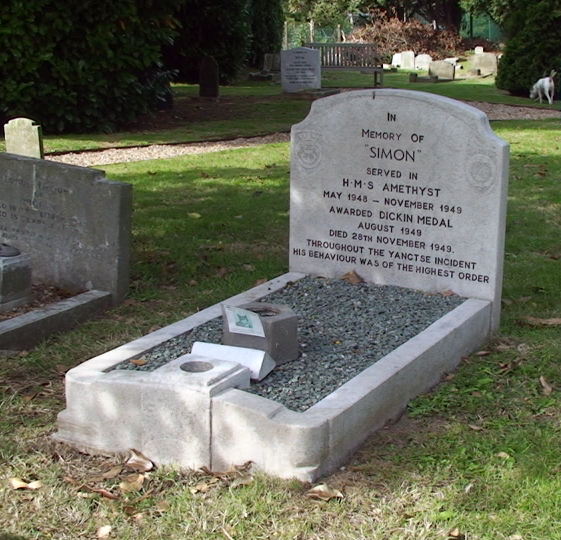




 During his junior year, Pyle and a few fraternity brothers dropped out for a year, to follow the IU baseball. The 1922 trip across the Pacific brought the group to Shanghai, Hong Kong, Manila and Japan, leaving the the young writer with a lifelong love of travel, and exploration.

 What
What  On April 17, 1945, the war correspondent landed with the U.S. Army’s 305th Infantry Regiment, 77th “Liberty Patch” Division on the island of Ie Shima. The small island northwest of Okinawa had been captured by this time, but was by no means clear of enemy soldiers.
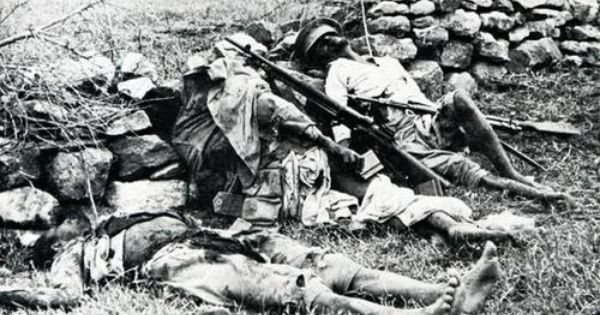
 The best loved reporter of the second World War was buried wearing that helmet, between the remains of an infantry private and a combat engineer.


 So important is this event to the Jewish people that it is commemorated still as the bitterest day of the Jewish calendar, a day of fasting and mourning known as Tisha B’Av.


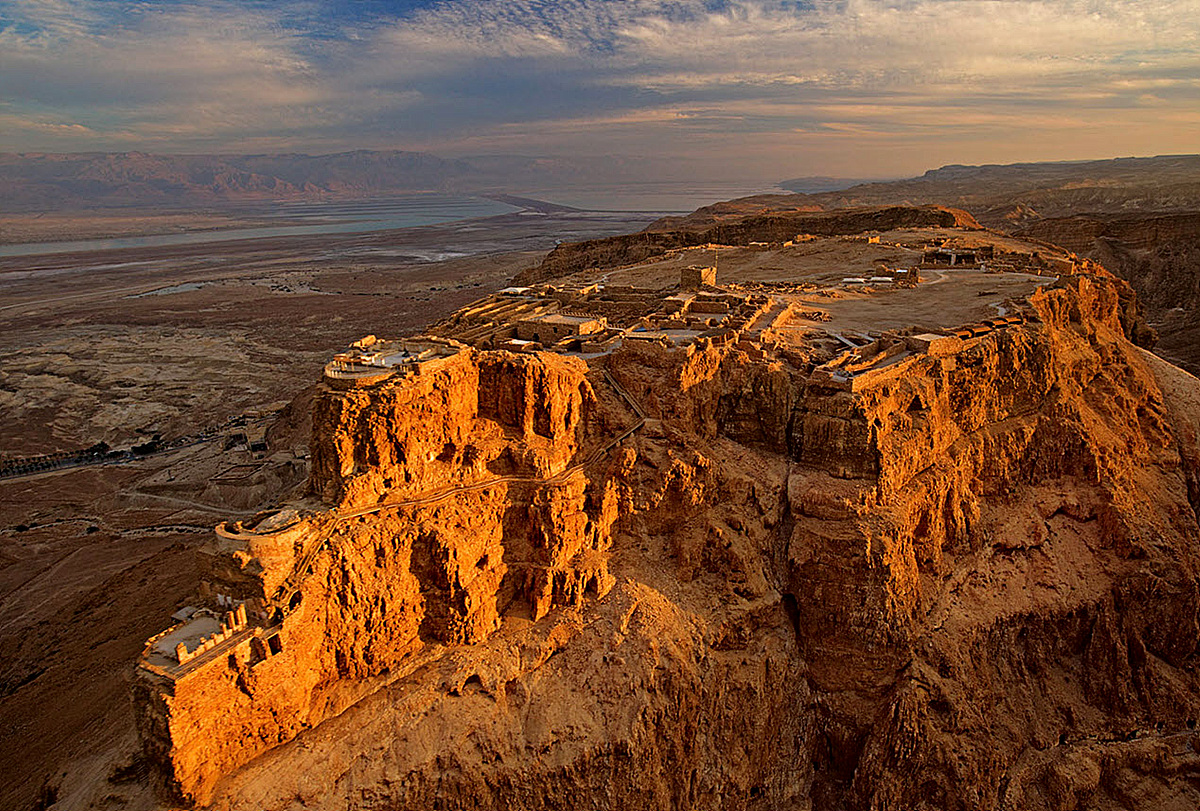
 Masada remained the last remnant of Jewish rule in Palestine in 70, following the fall of Jerusalem and destruction of the second temple. A defending force of fewer than 1,000 (including women and children) held out for nearly two years as the 15,000-strong legions of General Flavius Silva placed stone upon stone, building the sloping ramp of earth and stone seen above.


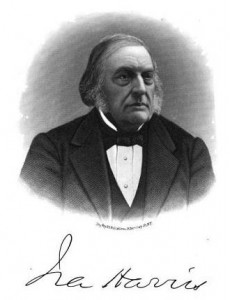 New York Supreme Court Justice Ira Harris, himself a widower and father of four, joined his household with hers when the couple married, in 1848. There were now six kids. A regular 19th-century “Brady Bunch.”
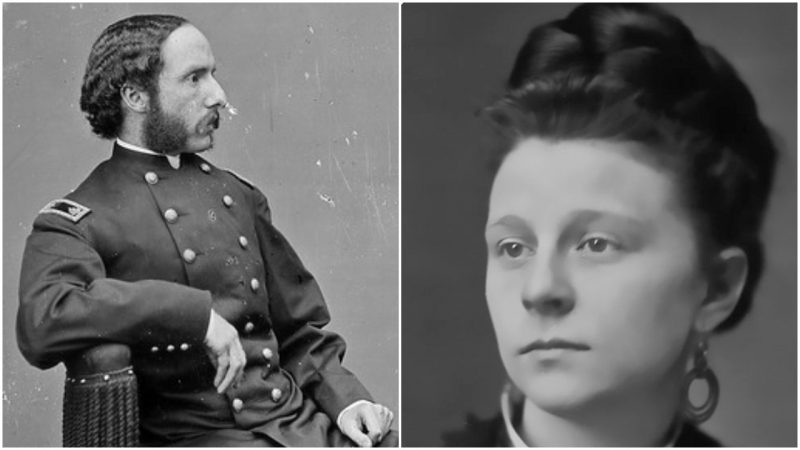 Rathbone served the Union army for the duration of the war, becoming Captain in the 12th Infantry Regiment and participating in the battles at Antietam and Fredericksburg. By the end of the war, Rathbone had attained the rank of Major.




 As the story goes, Taft’s fellow spectators noticed the President rising, and followed his lead. Most had no idea why, but soon the entire section was standing.

 Historical Easter Eggs - Today in History
You must be logged in to post a comment.