

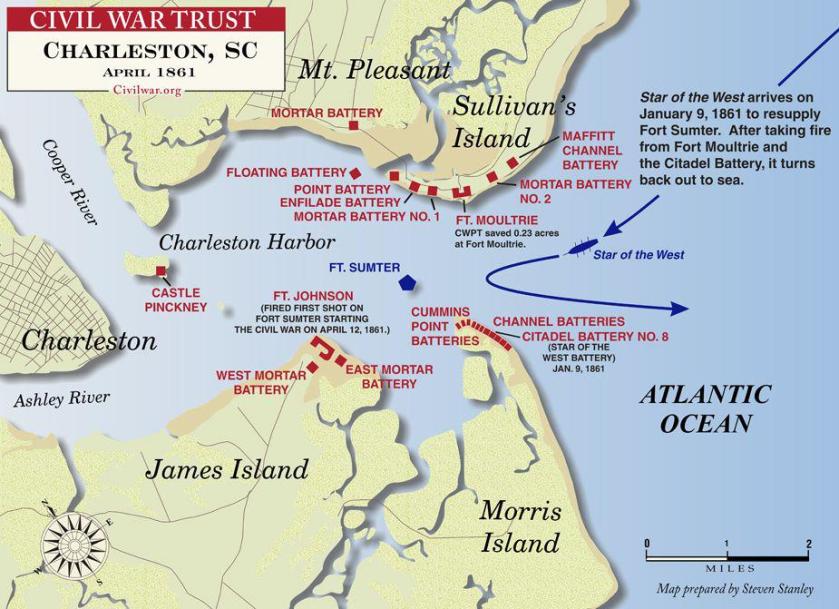
South Carolina seceded from the Union on December 20, 1860, after which the state government considered itself to be that of a sovereign nation. Six days later, US Army Major Robert Anderson quietly moved his small command from the Revolution-era Fort Moultrie on Sullivan’s Island to the as-yet to be completed Fort Sumter, a brick fortification at the mouth of Charleston Harbor.
 President James Buchanan attempted to reinforce and resupply Anderson, via the unarmed merchant vessel “Star of the West”. Shore batteries opened up on the effort on January 9, 1861, effectively trapping Anderson and his garrison inside the only federal property in the vicinity.
The newly founded Confederate States of America couldn’t tolerate the presence of an armed federal force at the mouth of Charleston harbor, while secessionists debated whether this was South Carolina’s problem, or that of the national government, in Mobile.
Meanwhile, the Federal government refused to recognize the Confederacy, as an independent state. Neither side wanted to be seen as the aggressor, both needing the support of the border states.

Political opinion was so sharply divided at that time, that brothers literally wound up fighting against brothers. By the time the war got going, every seceding state but South Carolina sent regiments to fight for the Union. Even that state contributed troops. A surprising number of northern soldiers resigned commissions and fought for the south, including Barre, Massachusetts native Daniel Ruggles, Ohio Quaker Bushrod Johnson and New York native Samuel Cooper, to name a few. But I’m getting ahead of the story.
Confederate Brigadier General Pierre Gustave Toutant-Beauregard (I love that name) was placed in charge of Charleston in March, and immediately began to strengthen the batteries surrounding the harbor.
Fort Sumter was designed for a garrison of 650 in the service of 130 guns, most of them pointed outward, positioned to defend the harbor against threats from the sea. In April 1861 there were only 60 guns, too much for Major Anderson’s 85-man garrison, almost half of whom were non-combatants: workmen or musicians.
When Abraham Lincoln was inaugurated on March 4, the resupply of Fort Sumter became the first crisis for the new administration. Lincoln notified South Carolina Governor Francis Pickens that he was sending supply ships, resulting in Beauregard’s ultimatum: the Federal garrison was to evacuate immediately, or Confederate batteries would open fire.
Major Anderson’s response lacking acceptable specificity, shore batteries opened fire at 4:30 am on April 12th, 4003 guns firing in counter-clockwise rotation. Abner Doubleday, Federal 2nd in command and the man erroneously credited with the invention of baseball, later wrote “The crashing of the shot, the bursting of the shells, the falling of the walls, and the roar of the flames, made a pandemonium of the fort.”
Two years later at Gettysburg, Norman Jonathan Hall would lose over 200 men from his brigade, in furious fighting at a critical breach in Union lines, near the”copse of trees”. One day, a brass plaque would mark the spot of the “High Water Mark” of the Confederacy. On this day, Lieutenant Hall raced through flames to rescue the colors, after a direct hit on the main flagpole knocked the flag to the ground. His eyebrows were permanently burned off of his face, but Hall and two artillerymen were able to jury-rig the pole, so that once again, Old Glory flew over Fort Sumter.

Thousands of shells were fired at Fort Sumter over 34 hours. Federal forces fired back, though vastly outgunned. For all that, the only casualty was one Confederate mule.
The only fatalities in the whole mess, occurred after the Union surrender on April 13. Firing a 100-gun salute while lowering the flag, one cannon misfired, mortally wounding privates Daniel Hough and Edward Galloway.
The following day, Colonel Robert E. Lee resigned his commission in the United States Army.
The Civil War had begun, but there didn’t seem to be a single individual who understood what kind of demons had just been unleashed. Robert Rhett, the rabble rousing editor of the Charleston Mercury Newspaper, offered to personally eat the bodies of all the slain in the coming conflict. Not wanting to be outdone, former Senator James Chesnut, Jr. said “a lady’s thimble will hold all the blood that will be shed,” promising to personally drink any that might be spilled.
The war between the states would end the lives of more Americans than the Revolution, WWI, WWII, and the wars in Korea, Vietnam, Iraq and Afghanistan, combined.

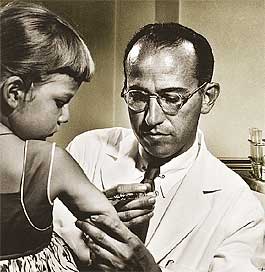 couple kept their kids focused on school.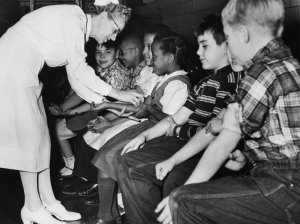
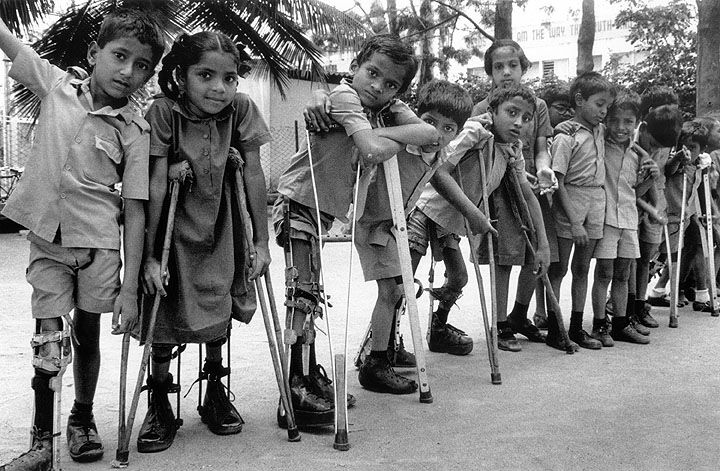
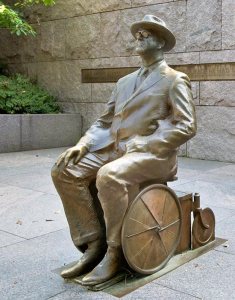
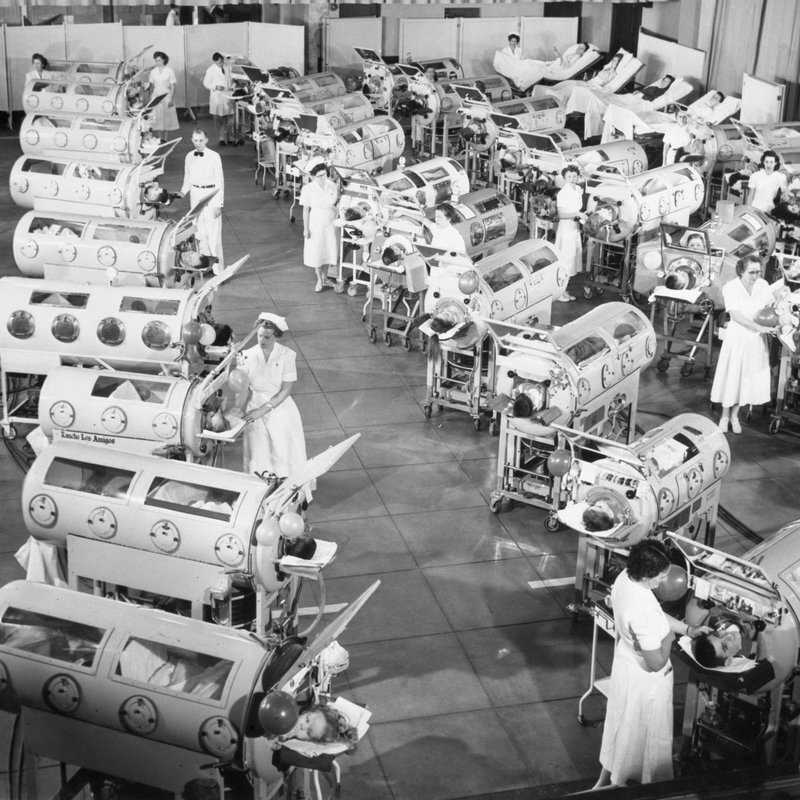
 do to protect the family. I grew up in this era. Each summer, polio would come like The Plague. Beaches and pools would close — because of the fear that the poliovirus was waterborne. Children had to stay away from crowds, so they often were banned from movie theaters, bowling alleys, and the like. My mother gave us all a ‘polio test’ each day: Could we touch our toes and put our chins to our chest? Every stomach ache or stiffness caused a panic. Was it polio? I remember the awful photos of children on crutches, in wheelchairs and iron lungs. And coming back to school in September to see the empty desks where the children hadn’t returned.”



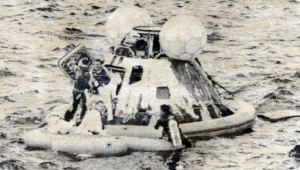
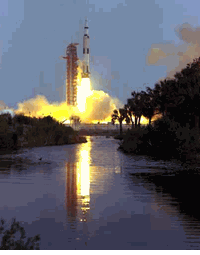 Jack Swigert was supposed to be the backup pilot for the Command Module, (CM), officially joining the Apollo 13 mission only 48 hours earlier, when prime crew member Ken Mattingly was exposed to German measles. Jim Lovell was the world’s most traveled astronaut, a veteran of two Gemini missions and Apollo 8. By launch day, April 11, 1970, Lovell had racked up 572 space flight hours. For Fred Haise, former backup crew member on Apollo 8 and 11, this would be his first spaceflight.
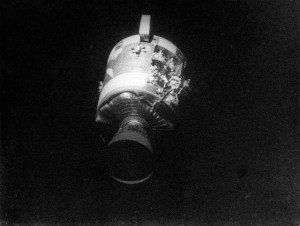
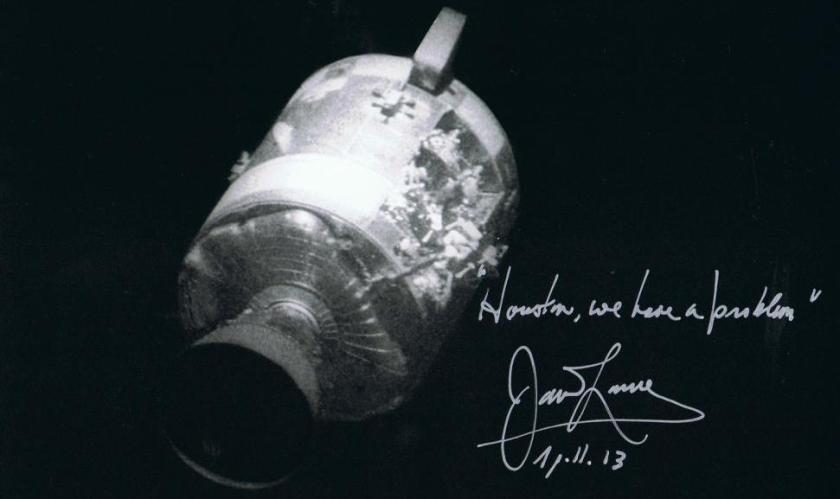
 This situation had been suggested during an earlier training simulation, but had been considered unlikely. As it happened, the accident would have been fatal without access to the Lunar Module.



 The Stuart King James had judges riding into the countryside once a year to hear cases, saving many of his subjects the arduous journey to London. The custom carried “across the pond” and, from the earliest days of the American colonies, judges could be found “riding the circuit”.
 In 1937, President Franklin Delano Roosevelt sought to increase the number of justices to 15. Then as now, the court was sharply divided along ideological lines, consisting of a four member conservative majority called the “four horsemen”, three liberals dubbed the “three musketeers” and two “swing votes”.
 There have been fewer justices in Supreme Court history than you might think. The recent passing of Antonin Scalia made way for only number 113.
 “There are some who believe that the president, having won the election, should have complete authority to appoint his nominee, that once you get beyond intellect and personal character, there should be no further question as to whether the judge should be confirmed. I disagree with this view”. The filibuster was joined by Senators Kennedy, Leahy, Durbin, Salazar, and Baucus.
 Senator Schumer once said, “We have three branches of government. We have a house, we have a senate, we have a president.” He got that wrong, but he was part right. We have three co-equal branches in our government, each having specific responsibilities as laid out in the Constitution.

 losing its National League team to Washington, DC. Only moments before, Padres’ President Buzzie Bavasi had to leave Kroc’s side to investigate concession area water in the clubhouse, when a leak was “promoted” to a flood.
 Buzzie Bavasi did the most to defuse the situation. Taking a cue from Rader’s comments, Bavasi designated the next game in the Houston series “Short Order Cook’s Night”. Any Padres fan who came wearing a chef’s hat, would be admitted into the game for free. Rader, the Astro’s team captain, took the lineup card to home plate wearing an apron with a chef’s hat, slipping the card off a skillet with a spatula and handing it over to the home plate umpire, like a pancake.




 Portable stills went on sale within a week, and organized smuggling was quick to follow. California grape growers increased acreage by over 700% over the first five years, selling dry blocks of grapes as “bricks of rhine” or “blocks of port”. The mayor of New York City sent instructions on wine making, to his constituents.
 Gaining convictions for breaking a law that everyone hated became increasingly difficult. There were over 7,000 prohibition related arrests in New York alone between 1921 and 1923. Only 27 resulted in convictions.
 “Dry” leaders tried to prohibit consumption of alcohol on military bases in 1941, but military authorities claimed it was good for morale. Brewers were required to allocate 15% of total annual production to be used by the armed forces. So essential were beer manufacturers to the war effort, that teamsters were ordered to end a labor strike against Minneapolis breweries. Near the end of WWII, the army made plans to operate recaptured French breweries, to ensure adequate supplies for the troops.
 18 states continued prohibition at the state level after the national repeal, the last state finally dropping it in 1966. Almost 2/3rds of all states adopted some form of local option, enabling residents of political subdivisions to vote for or against local prohibition. Some counties remain dry to this day. Ironically, Lynchburg County, Tennessee, home to the Jack Daniel distillery, is one such dry county.

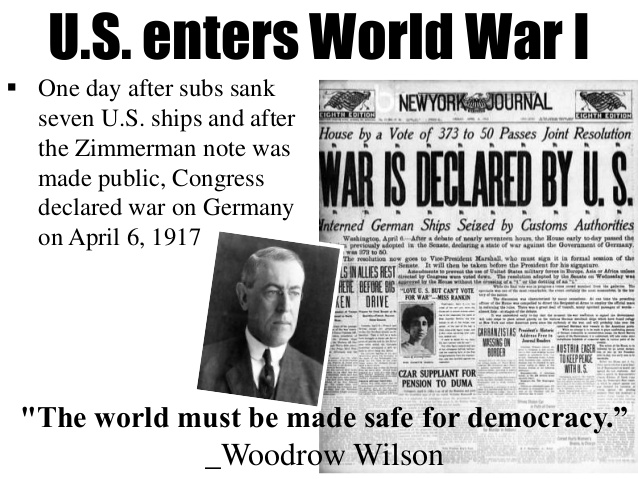
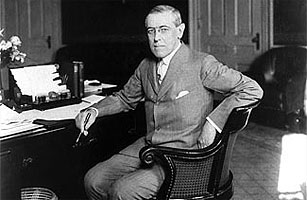 In the early days of WWI, Imperial Germany attempted to comply with standards of maritime warfare, as established by the Hague Conventions of 1899 and 1907.
 The “Zimmermann Telegram” was intercepted and decoded by British intelligence and revealed to the American government on February 24. The contents of the message outraged American public opinion and helped generate support for the United States’ declaration of war.


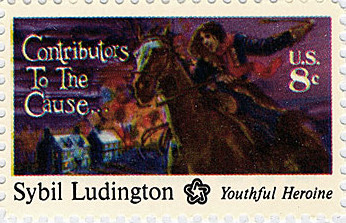
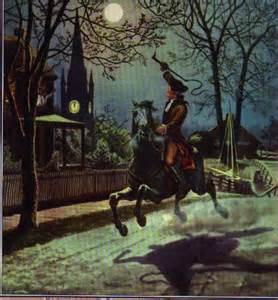 Paul Revere’s famous “midnight ride” began on the night of April 18, 1775. Revere was one of two riders, soon joined by a third, fanning out from Boston to warn of an oncoming column of “regulars”, come to destroy the stockpile of gunpowder, ammunition, and cannon in Concord.
 Patriot Colonel Joseph Cooke’s small Danbury garrison was caught and quickly overpowered on the 26th, trying to remove food supplies, uniforms, and equipment. Facing little if any opposition, Tryon’s forces went on a bender, burning homes, farms and storehouses. Thousands of barrels of pork, beef, and flour were destroyed, along with 5,000 pairs of shoes, 2,000 bushels of grain, and 1,600 tents.



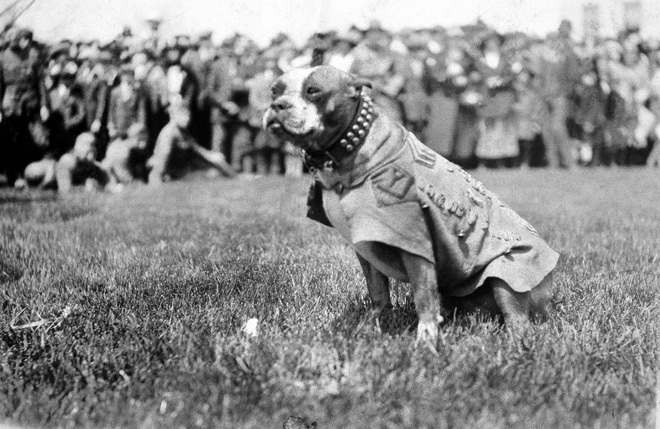
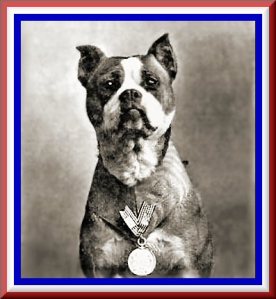 By the last year of WW1, the French, British and Belgians had at least 20,000 dogs on the battlefield, the Germans 30,000. General Headquarters of the American Expeditionary Forces recommended the use of dogs as sentries, messengers and draft animals in the spring of 1918. However, with the exception of a few sled dogs in Alaska, the US was the only country to take part in World War I with virtually no service dogs in its military.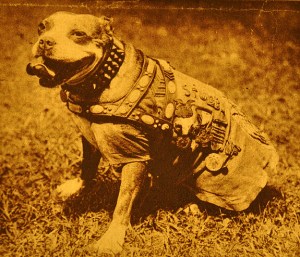
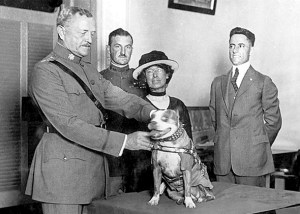 Stubby saw his first action at Chemin des Dames. Since the boom of artillery fire didn’t faze him, he learned to follow the men’s example of ducking when the big ones came close. It became a great game to see who could hit the dugout, first. After a few days, the guys were watching him for a signal. Stubby was always the first to hear incoming fire. We can only guess how many lives were spared by his early warning.


You must be logged in to post a comment.