
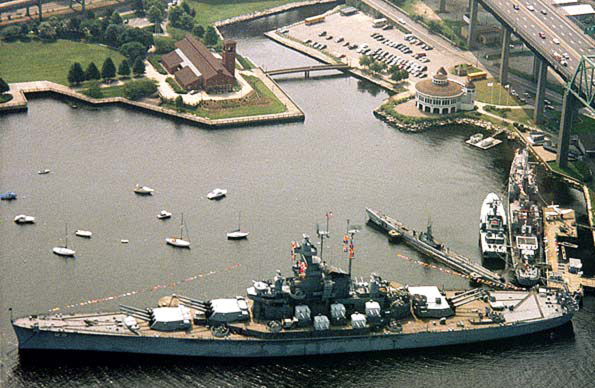
If you’re ever in southeastern Massachusetts, be sure visit Battleship Cove in Fall River, the largest collection of WW2 naval craft, in the world. The Battleship Cove museum sports some sixty exhibits, preserving the naval heritage of these iconic vessels, and the veterans who served them. To walk aboard the battleship USS Massachusetts, the attack submarine USS Lionfish, is to experience a side of WW2, fast receding from living memory.
Walk among the wooden-hulled PT boats of the Pacific war, and there you will find a strange little craft. Closed at the top and semi-submersible, a Japanese kamikaze boat, perhaps, designed for suicide missions against allied warships. Museum management thought it was just that when they acquired the thing, back in the 1970s. CIA files declassified in 2011 revealed a very different story. The tale of a history, that never was.

On August 2, 1939, Hungarian physicist Leó Szilárd delivered a letter which would change history, to President Franklin Delano Roosevelt. Written in consultation with fellow Hungarian physicists Edward Teller and Eugene Wigner and signed by Albert Einstein, the letter warned that Nazi Germany was working to develop atomic weapons, and urged the American government to develop a nuclear program of its own. Immediately, if not sooner.
The Einstein–Szilárd letter spawned the super-secret Manhattan project, culminating in the atomic bombs “Little Boy” and “Fat Man”, and ending the war in the Pacific in August, 1945.
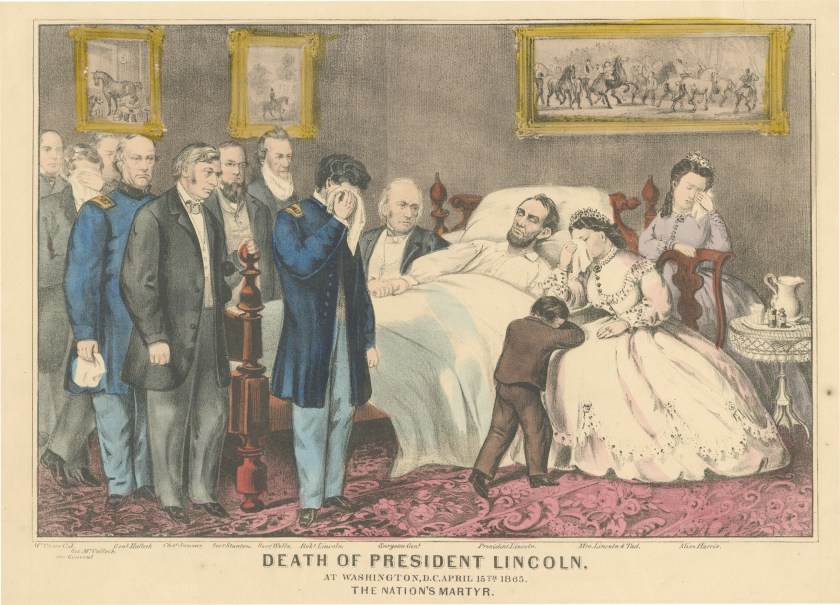
At the time, precious few were aware of even the possibility of such a weapon. Fewer still, the existence of a program dedicated to building one. Vice President Harry Truman, second only to the Commander in Chief himself, was entirely ignorant of the Manhattan project, and only read in following the death of the President in April, 1945.
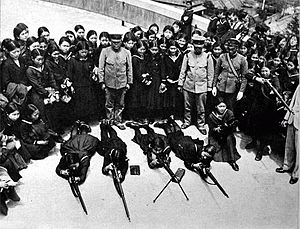
The battle for the Japanese home islands was expected to be a fight like no other. Casualties of a million or more, were expected. And for good reason. Japanese soldiers fought with such fanaticism, that hundreds continued to resist, years after the war was ended. The last holdout wouldn’t lay down his arms until 1974. 29 years, 3 months, and 16 days after the war had ended.
Such frenzied resistance would not be isolated to Japanese military forces, either. Japanese government propaganda warned of “American devils raping and devouring Japanese women and children.” American GIs looked on in horror in 1944, as hundreds if not thousands of Japanese soldiers and civilians hurled themselves to their death, at Laderan Banadero and “Banzai Cliff” on the northern Mariana island of Saipan. One correspondent wrote with admiration of such mass suicides, praising them as “the finest act of the Shōwa period”… “the pride of Japanese women.”
This is what their government, taught them to believe.
Plans for the final defeat of the Imperial Japanese Empire all but wrote themselves, phase one launched from the south against the main island of Kyūshū, and using the recently captured island of Okinawa, as staging area. Phase two was the planned invasion of the Kantō Plain toward Tokyo, on the island of Honshu.
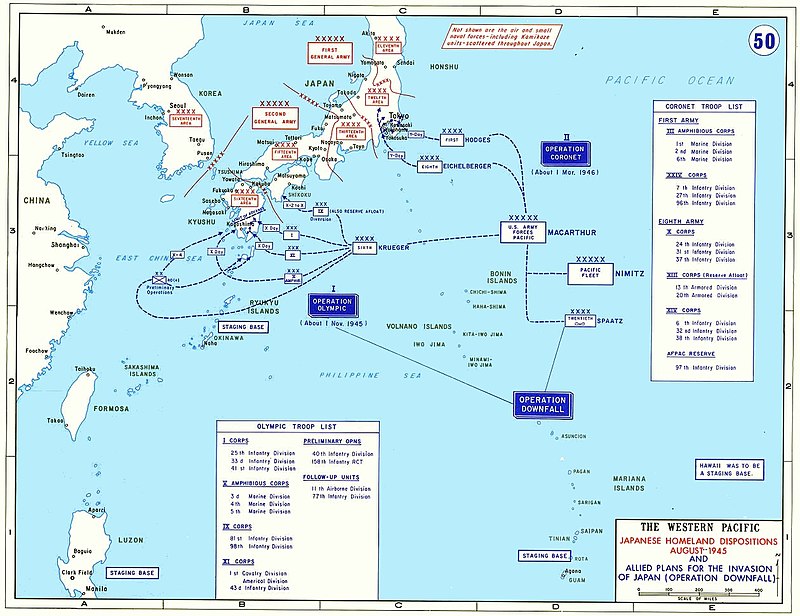
The story of the D-Day invasion begins with deception, a massive head fake intended to draw German defenders away from intended landing zones. “Operation Downfall” offered no such options, for deceit. Geography dictated the method of attack, and everybody knew it. Virtually everything left of Japanese military might would be assembled for the all-out defense of Kyūshū, against what would be the largest amphibious invasion, in history.
American military planners ordered half a million Purple Hearts, in preparation for the final invasion of the Japanese home islands. To this day, military forces have yet to use them all up. As of 2003, 120,000 Purple Heart medals still remained, in inventory.
The whole thing would begin on “X-Day”. November 1, 1945.
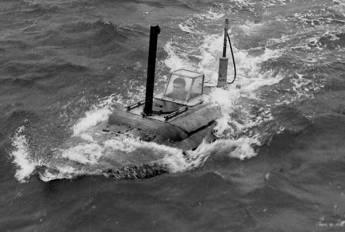 Which brings us back to that funny-looking boat. The Office of Strategic Services (OSS), predecessor to the modern Central Intelligence Agency (CIA), built two of these semi-submersibles, code named “Gimik”, part of a top-secret operation code named “NAPKO”.
55 Korean-Americans and Korean prisoners freed from Japanese prison labor camps were trained to infiltrate Japanese occupied Korea and possibly Japan itself, to collect intelligence and carry out sabotage against military targets in advance of Operation Downfall.
The Gimik craft, each operated by a single OSS officer with two Korean operatives secured inside, would be the means of insertion.
The mission was extremely dangerous for obvious reasons. Training was carried out during the summer of 1945 on Catalina Island, off the California coast. The two boats, nicknamed “Gizmos”, were tested at night against the US Naval base in Los Angeles. Even this part was dangerous, since no one was told about the trials. Should such a vessel be detected entering the American installation, it would be treated as an enemy vessel, and destroyed.
In the end, the Gizmo teams never left American waters. Several such tests were carried out without detection, leading to a scheduled departure date of August 26, 1945. It was never meant to be.
A parallel and equally secret plan to end the war literally burst on the scene on August 6, 1945. The war was over, nine days later.
If you enjoyed this “Today in History”, please feel free to re-blog, “like” & share on social media, so that others may find and enjoy it as well. Please click the “follow” button on the right, to receive email updates on new articles. Thank you for your interest, in the history we all share.


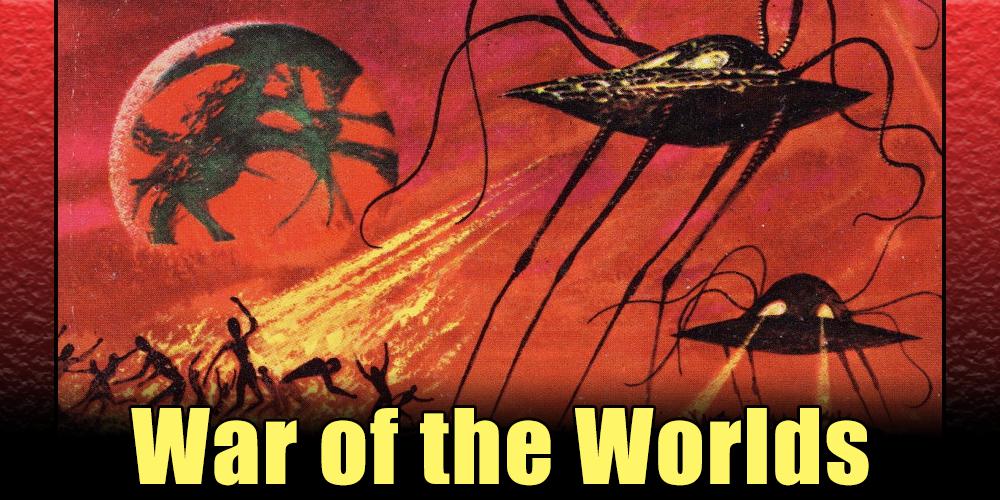
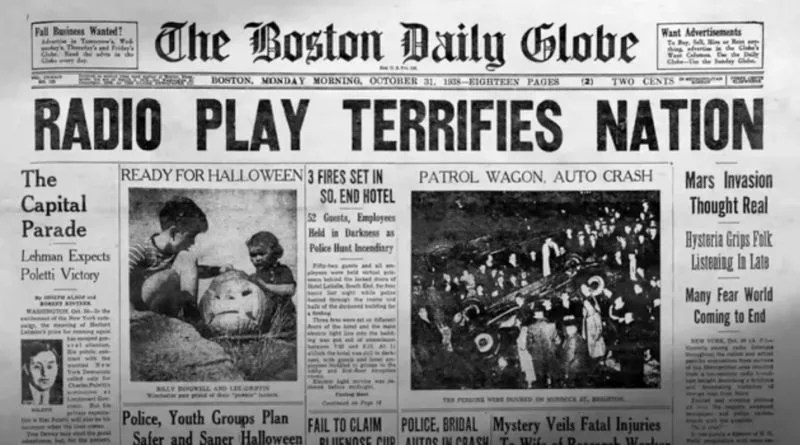
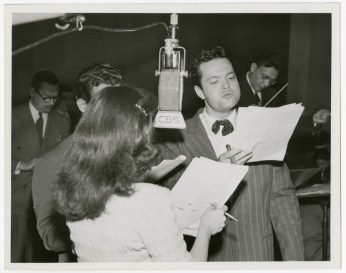 The radio drama began with a statement that, what followed, was fictional. The warning was repeated at the 40 and 55-minute mark, and again at the end of the broadcast. It began with a weather report, and then went to a dance band remote, featuring “Ramon Raquello and his orchestra”. The music was periodically interrupted by live “news” flashes, beginning with strange explosions on Mars. Producer Orson Welles made his first radio appearance as the “famous” (but non-existent) Princeton Professor Dr. Richard Pierson, who dismissed speculation about life on Mars.
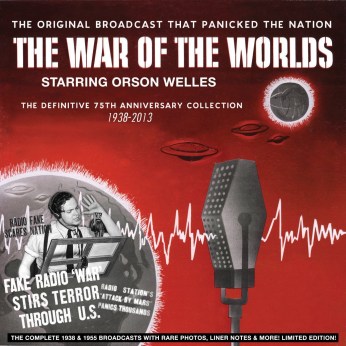 A short time later, another “news flash” reported a fiery crash in Grovers Mill, NJ. What was originally thought to be a meteorite was revealed to be a rocket machine as a tentacled, pulsating Martian unscrewed the hatch and incinerated the crowd with a death ray.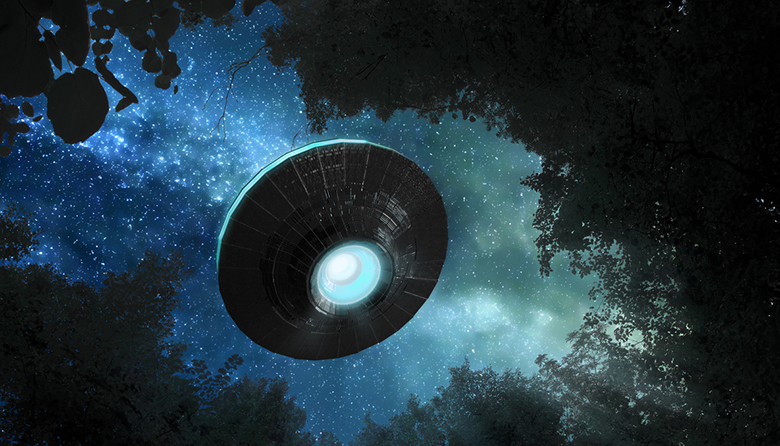


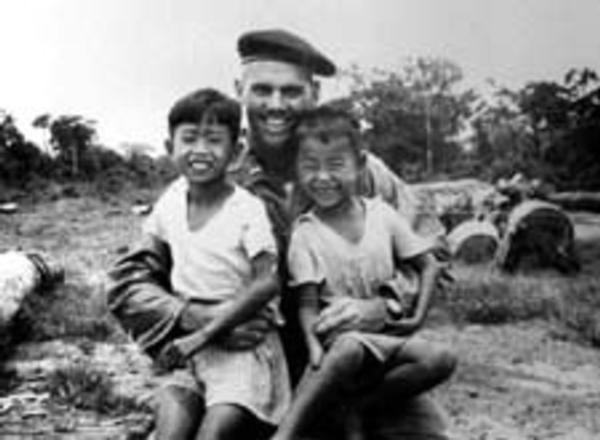
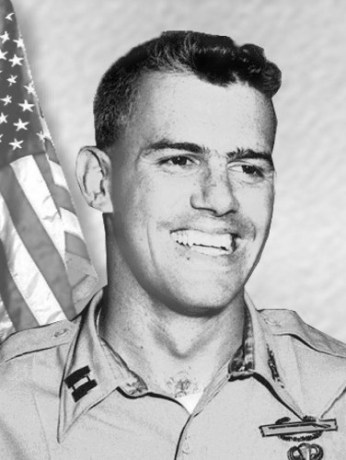 Humbert Roque Versace was born in Honolulu on July 2, 1937, the oldest of five sons born to Colonel Humbert Joseph Versace. Writer Marie Teresa “Tere” Rios was his mother, author of the
 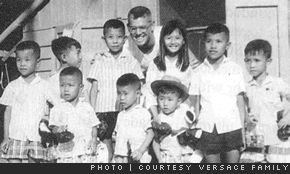 He did his tour, and voluntarily signed up for another six months. By the end of October 1963, Rocky had fewer than two weeks to the end of his service. He had served a year and one-half in the Republic of Vietnam. Now he planned to go to seminary school. He had already received his acceptance letter, from the Maryknoll order.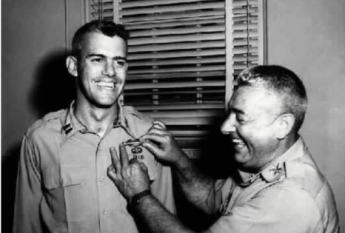
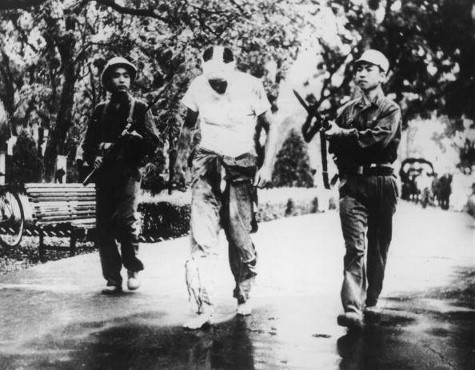
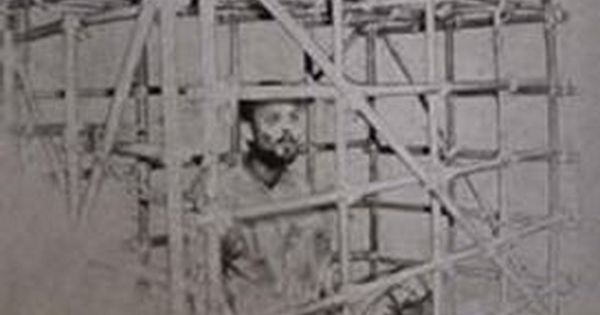
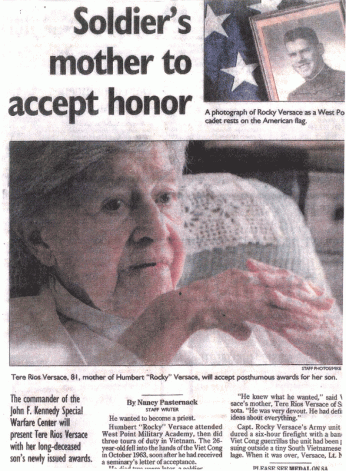 The effect was entirely unacceptable to his Communist tormentors. To the people of these villages, this man made sense.

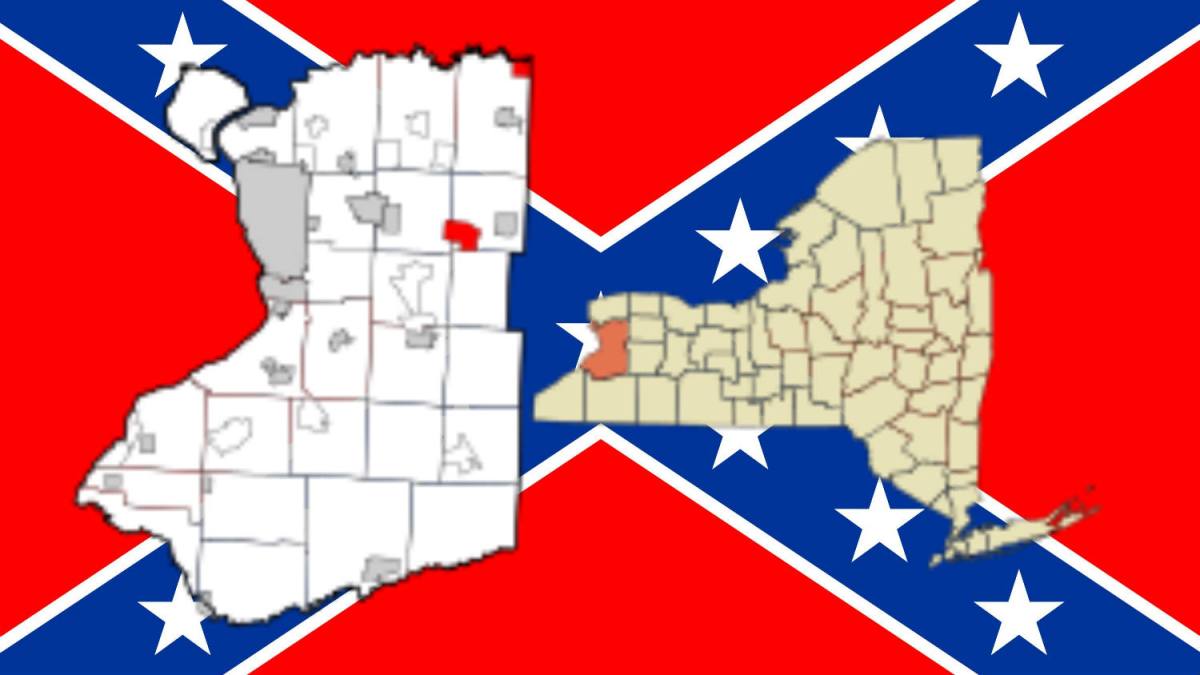
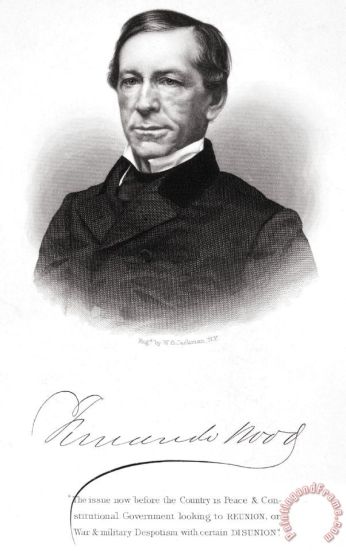 South Carolina seceded in December 1860, and the world waited to see who’d follow. New York City became the next to call for secession on January 6, when Mayor Fernando Wood addressed the city’s governing body. “When Disunion has become a fixed and certain fact”, he said, “why may not New York disrupt the bands which bind her to a venal and corrupt master…and destroyed the Confederacy of which she was the proud Empire City?”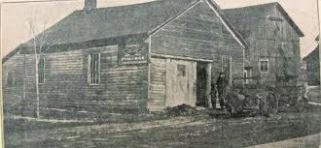

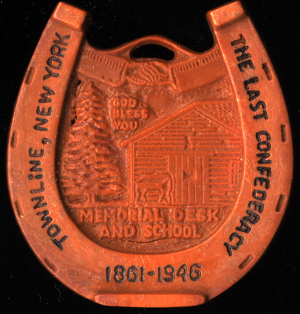 A courier express note arrived on October 7, 1945. “There are few controversies that are not susceptible to a peace time resolution” read the note, “if examined in an atmosphere of tranquility and calm rather than strife and turmoil. I would suggest the possibility of roast veal as a vehicle of peace. Why don’t you run down the fattest calf in Erie County, barbecue it and serve it with fixin’s in the old blacksmith shop where the ruckus started? Who can tell? The dissidents might decide to resume citizenship.” The note was signed “Very Sincerely Yours, Harry Truman”.
![4b4cf0f864c3dabcdb_IMG_7326[1]](https://todayinhistory.blog/wp-content/uploads/2018/10/4b4cf0f864c3dabcdb_img_73261.jpg?w=684&h=513)


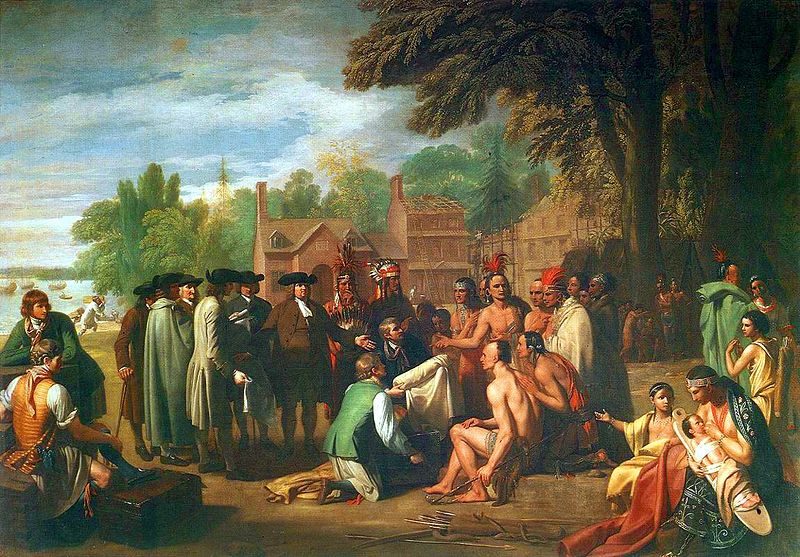
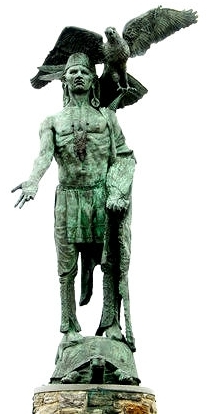 Tammany Societies adopted a number of native terms, with leaders calling themselves Grand Sachem, and meeting in halls called “Wigwams”. The most famous of these was incorporated in New York on May 12, 1789.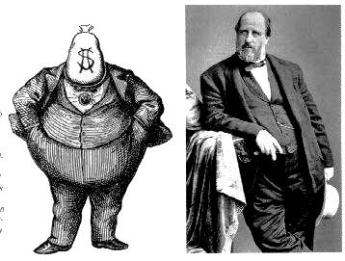
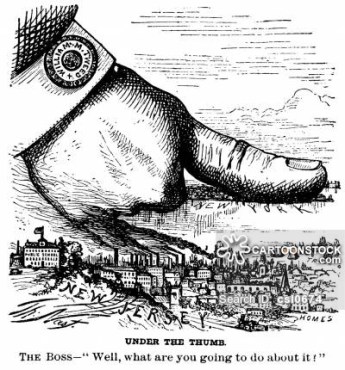 Some among the self-styled “Uppertens”, the top 10,000 amid New York’s socioeconomic strata, fell in with the self-dealing and corruption of the Tammany Hall machine. Others counted on an endless supply of cheap immigrant labor.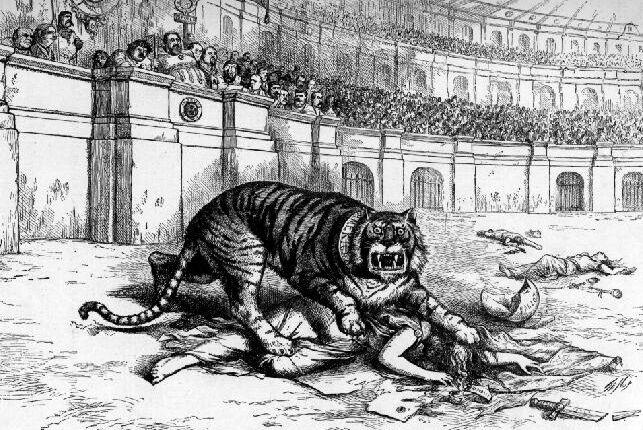
 Next is the spoils system, itself. To this day, too many think it’s government’s job to “Bring home the Bacon”, not seeming to realize that they are themselves, the hogs. The Roosevelt administrations’ efforts to fix the Great Depression resulted in a blizzard of bacon from an increasingly Nationalized federal government, separating the local machines from their proximate base of support.


 The history of the Navajo code talkers of WWII is relatively well known, but by no means, unique. Indigenous Americans of other nations served as code talkers in WW2, including Assiniboine, Lakota and Meskwaki soldiers, who did service in the Pacific, North African, and European theaters of the war.
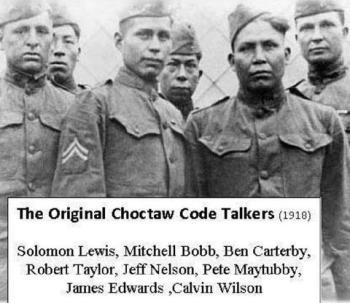 The Choctaw themselves didn’t use the term “Code Talker”, that wouldn’t come along until WWII. At least one member of the group, Tobias W. Frazier, simply described what they did as, “talking on the radio”. Of the 19 who served in WWI, 18 were native Choctaw from southeast Oklahoma. The last was a native Chickasaw. The youngest was Benjamin Franklin Colbert, Jr., the son of Benjamin Colbert Sr., one of Teddy Roosevelt’s “Rough Riders” of the Spanish American War. Born September 15, 1900 in the Durant Indian Territory, he was all of sixteen, the day he enlisted.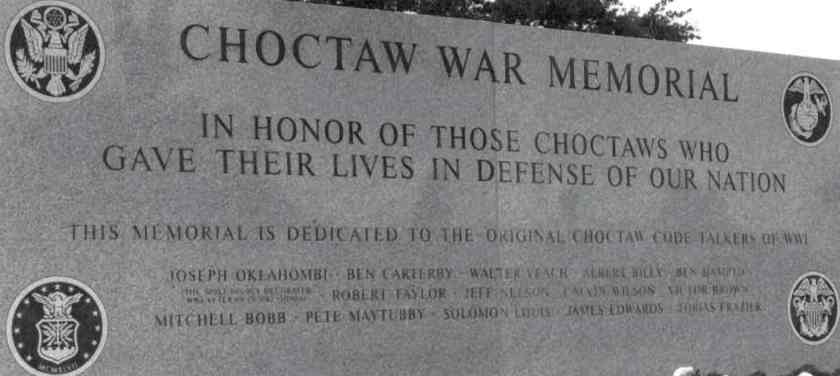

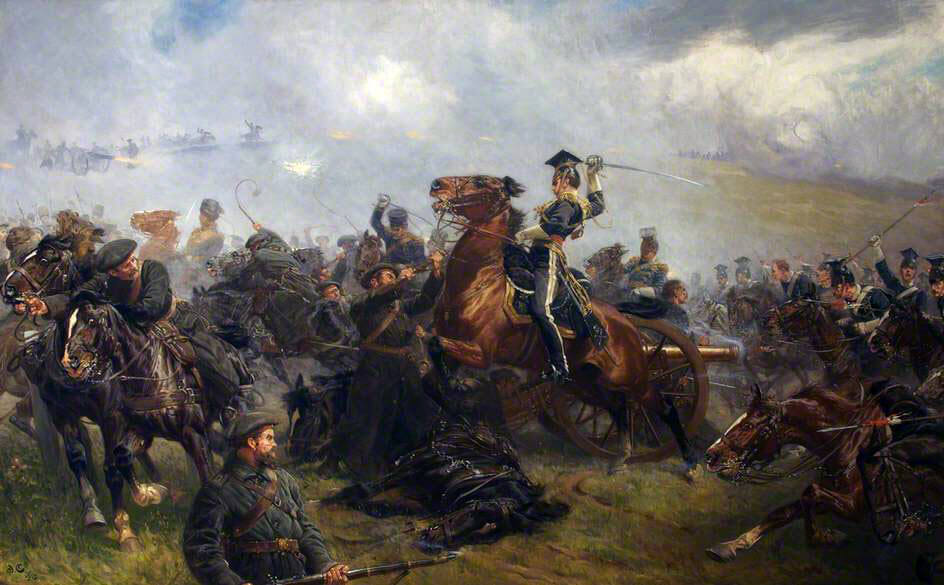
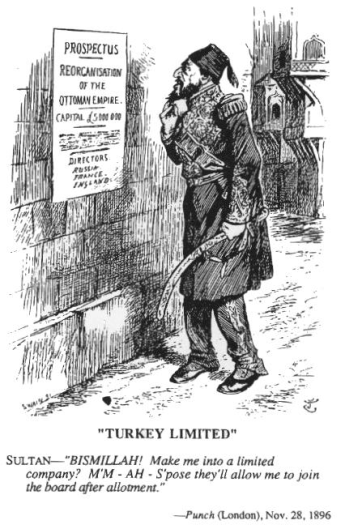
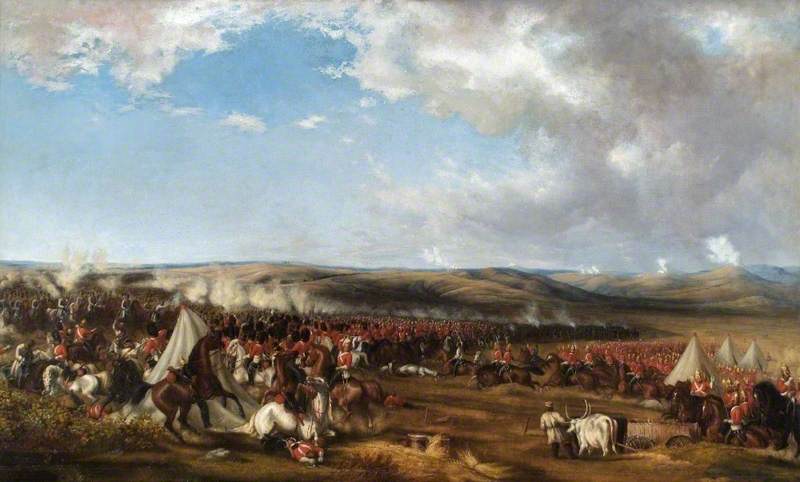
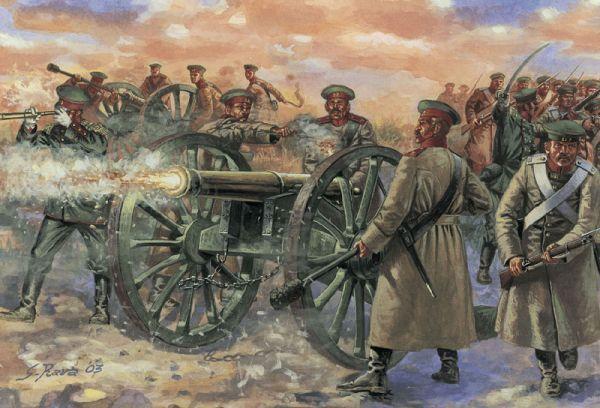
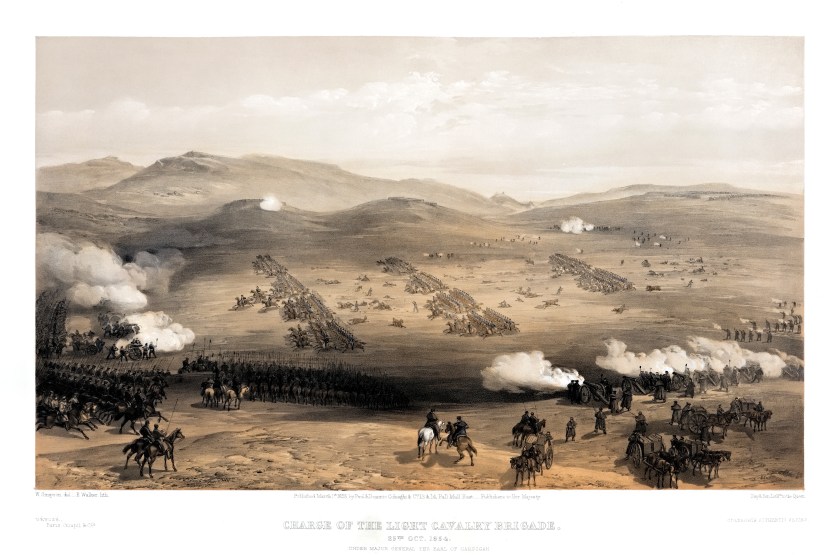
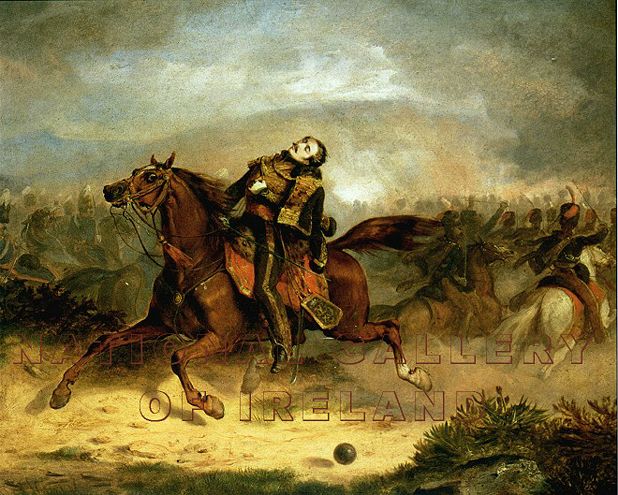
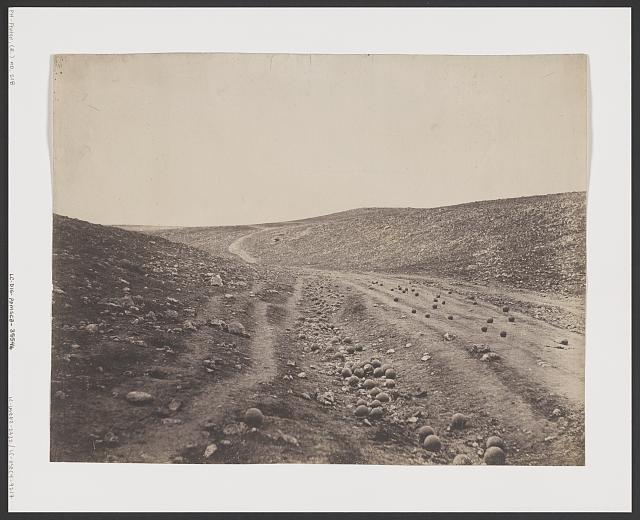
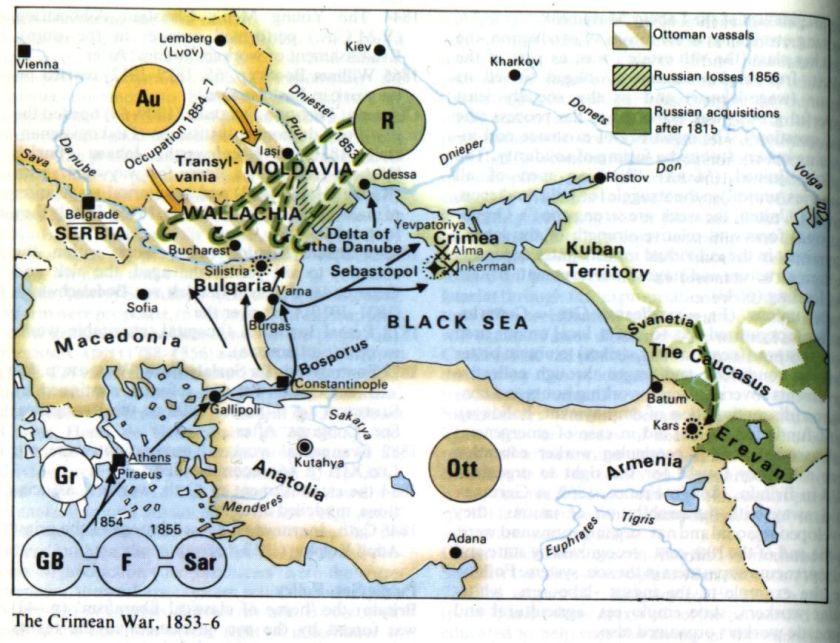 The Battle of Balaclava opened shortly after 5:00am on this day in 1854, when a squadron of Russian Cossack Cavalry advanced under cover of darkness. The Cossacks were followed by a host of Uhlans, their Polish light cavalry allies, against several dug-in positions occupied by Ottoman Turks. The Turks fought stubbornly, sustaining 25% casualties before finally being forced to withdraw.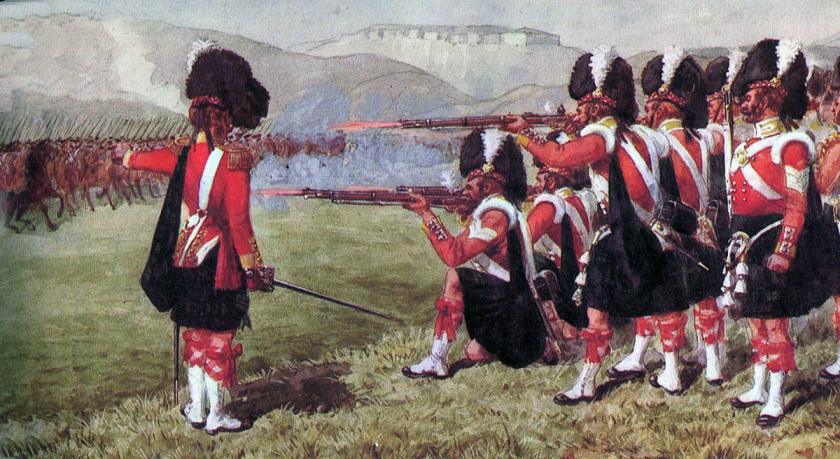




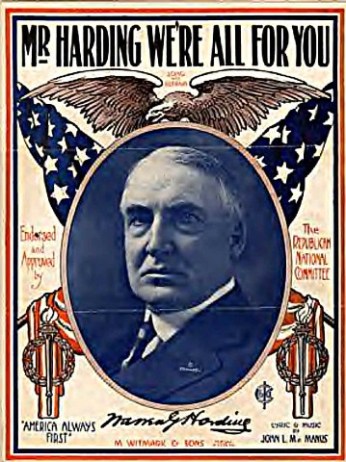 Harding’s Treasury Secretary, Andrew Mellon, believed that money was driven underground or overseas as income tax rates increased. Mellon held the heretical belief for that time, that lower tax rates led to greater levels of economic activity and that, as people had more of their own money to work with, increased activity resulted in higher tax revenues.
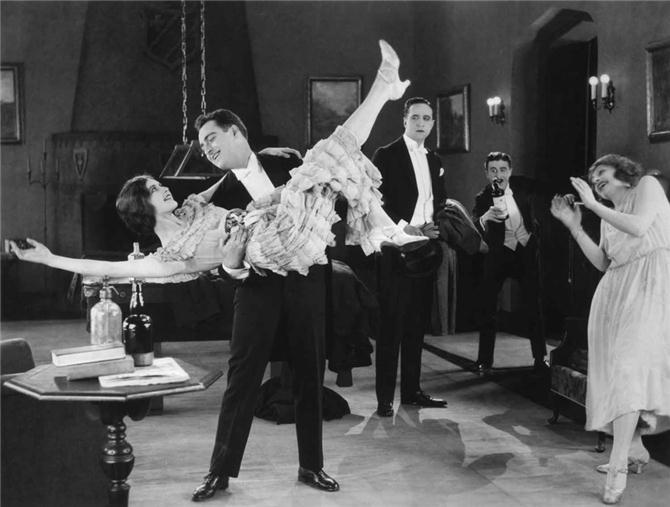

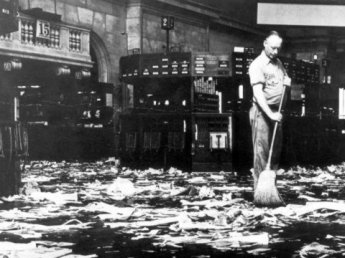 Fears of the Smoot-Hawley tariff act fueled a further contraction in the following weeks, for apparently good reason. When President Hoover signed the protectionist measure into law in 1930, American imports and exports plunged by more than half.


You must be logged in to post a comment.