
Located on the Mediterranean coast of Lebanon, Beirut is the largest seaport in the country. It’s one of the oldest cities on earth. The first reference may be found in the ancient Egyptian Tell el Amarna letters, written in the 15th century BC.
Once called “The Paris of the Middle East”, Beirut was at one time a regional hub of business, banking and tourism.
Lebanon descended into a vicious civil war in 1975, a fifteen-year period which Lebanese ex-patriots have tearfully described to me as a time of “national suicide”.
In 1982, a Multinational Force of United States Marines, Navy SEALs, French Paratroopers and American, Italian and British soldiers were sent to Lebanon to restore the peace.
Thirty-five years ago, October 23 was a Sunday. Things were quiet in the early morning hours, most of Battalion Landing Team 1/8 still asleep in their barracks.
In 1982, the Islamic Republic of Iran established a base in the Syrian-controlled Beqaa Valley in Lebanon, a base which remains in operation, to this day. On September 26, 1983, the American National Security Agency (NSA) intercepted a diplomatic message from the Iranian Ministry of Information and Security (MOIS) to its ambassador in Damascus Ali Akbar Mohtashemi, instructing the ambassador to “take spectacular action against the American Marines.” For reasons which remain unclear, the message would not be passed to the Marines in Beirut until October 26, three days after the barracks bombing.
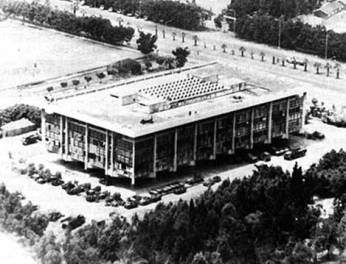
Three hundred American military service personnel were living in the four-story concrete aviation administration building, at Beirut International Airport. Guards paid scant attention at first, when the 19-ton, yellow stake-bed Mercedes truck entered the airport grounds. Such heavy vehicles were a common sight and besides, a water delivery was expected that morning.
Driven by an Iranian National, the truck carried a massive fuel-air explosive device, capable of an explosive force equivalent to 21,000 pounds of dynamite. The explosive was piled on a marble slab on top of a layer of concrete, to direct the destructive force upward.
Peacetime rules of engagement (ROE) prohibited the use of deadly force without explicit permission, or in times of imminent personal danger. Weapons were to be kept on safe, with empty chamber.
The suicide bomber picked up speed, smashing through a five-foot concertina wire barrier and in-between two guard shacks. Lance Corporal Eddie DiFranco on the driver’s side was first to realize something was wrong and managed to chamber a round, but too late. The hijacked truck struck the 1st Battalion, 8th Marine Regimental Battalion Landing Team barracks at 6:22am local time.
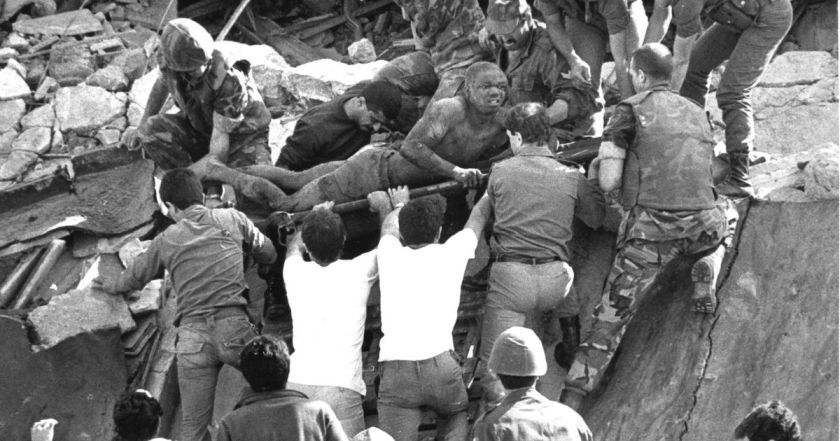
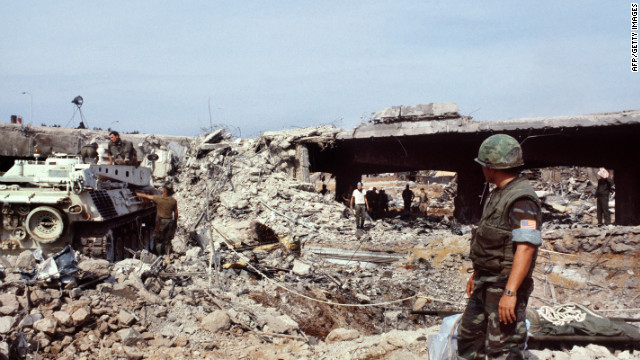
The resulting explosion lifted the four story building, shearing steel-reinforced concrete support columns and dropping floor slabs, like pancakes. 241 American military service personnel were killed in the explosion, or crushed to death in the collapse. Another 100 were injured. The BLT building, had ceased to exist. It was the deadliest single-day attack on United States Marines since the February 1945 battle for Iwo Jima.
Rabbi Arnold Resnicoff, assistant chaplain for the U.S. Sixth Fleet was in a neighboring building, and remembered the scene: “Bodies and pieces of bodies were everywhere. Screams of those injured or trapped were barely audible at first, as our minds struggled to grapple with the reality before us”.
Ten minutes later, a second suicide bomber drove his truck bomb into the French barracks, the nine story Drakkar building housing the 1st Parachute Chasseur Regiment. By this time alerted to the attack, guards were able to shoot and kill the driver, but not before he detonated the device.
Altogether, those who lost their lives at the Marine barracks included 220 Marines, 18 Sailors, 3 Soldiers and an Elderly Lebanese custodian and vendor who was known to sleep in his concession stand, next to the building. 58 French paratroopers were killed at the Drakkar building, along with the wife and four children of a Lebanese janitor.
I didn’t include the two “jihadists”. They’re not worth counting.

For years, radical Islamist tactics were confined mostly, to kidnappings. The Beirut barracks bombings were the first use of suicide tactics, in order to slaughter as many westerners, as possible.
Six months later, a suicide car bomb killed sixty-three at the United States embassy in Beirut, seventeen of whom, were Americans. In 2017, Vice-President Mike pence called it “the opening salvo in a war that we have waged ever since—the global war on terror”.
 A Lebanese cedar tree grows in the green expanse of section 59 at Arlington National Cemetery, marking the final resting place of twenty-one honored dead, among the first Americans to die in the global war against Islamist terrorism. A fight which continues, to this day.
Today, thirty-five years later, survivors and first responders to the Beirut Barracks bombing continue to struggle with the sights, sounds and smells of that day.
The properly functioning conscience of a good man, recoiling in horror at what he has seen in service to his country.
The participants in this story, both living and dead, have earned our respect and our gratitude. They have earned the right to be remembered.

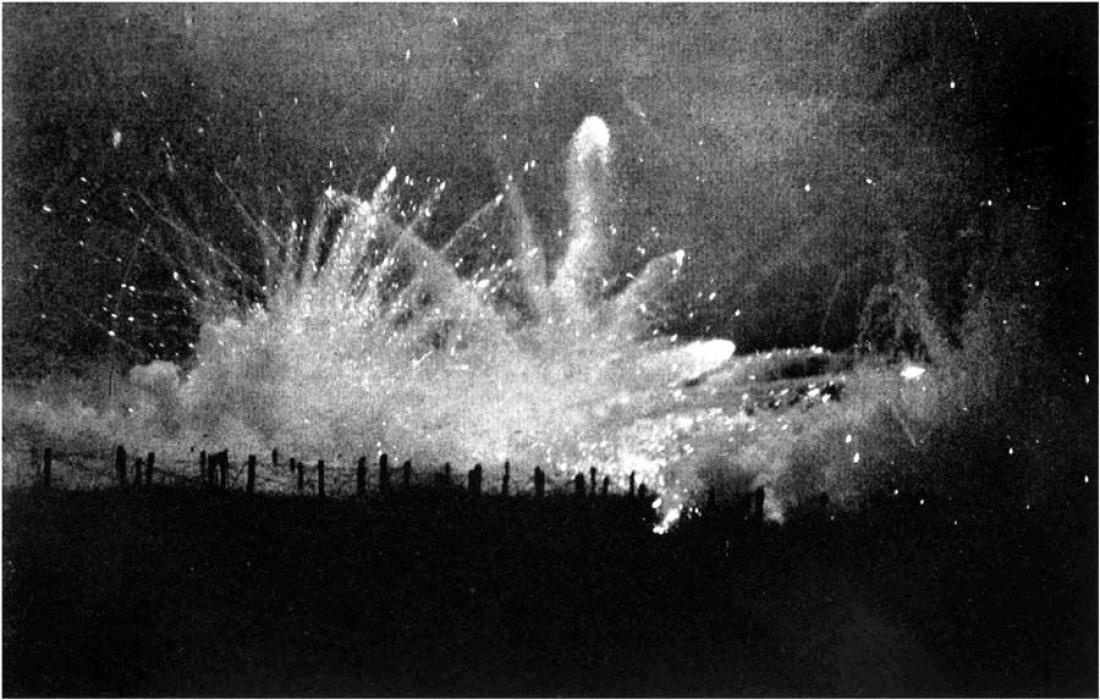


 Doubt has been cast on the “Myth of Langemarck”, and the tragic bravery of idealistic German boys, happily defending the Fatherland. The numbers of dead and maimed are real enough, but most reservists were in fact comprised of older working class men, not the fresh-faced youth, of the Kindermord. Be that as it may, a story must be told. Excuses must be made to the home team, for the crushing failure of the War of Movement, and the four-year war of attrition, to follow.

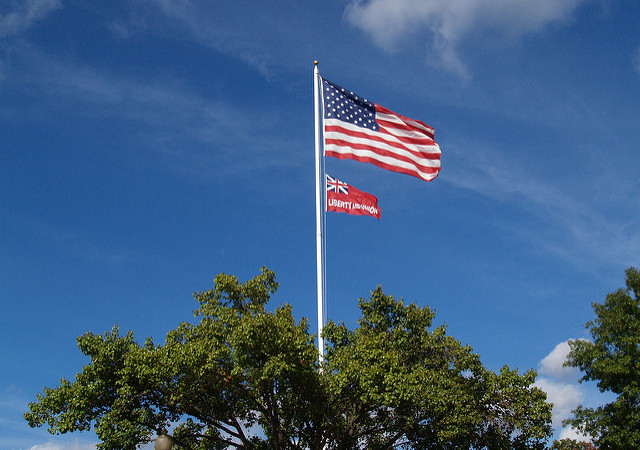
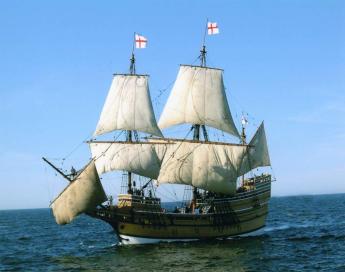

 First raised above the town square on October 19, 1774, the flag’s canton featured the Union Jack, on the blood red field of the British Red Ensign. The


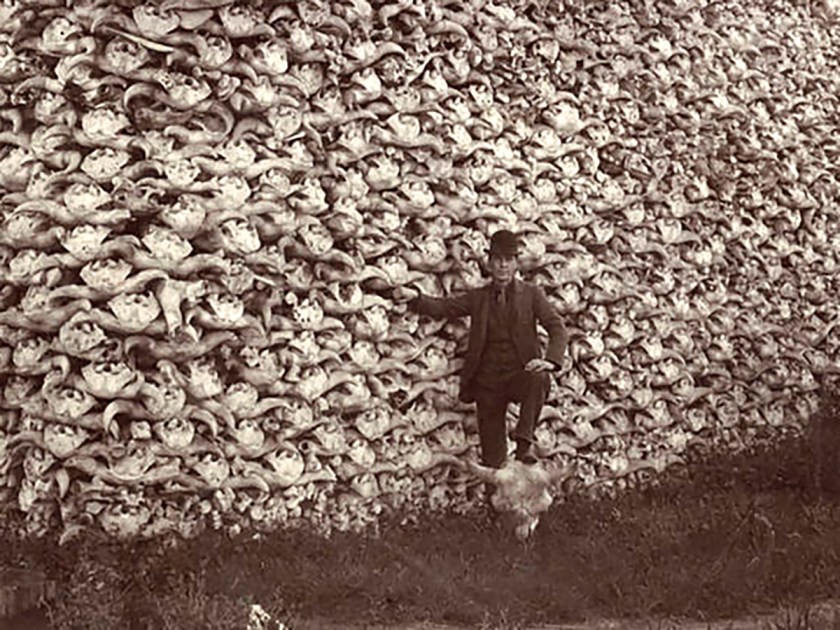
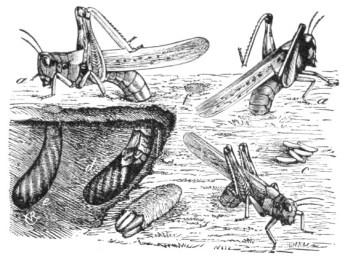

 Farmers used gunpowder, fire and water, anything they could think of, to destroy what could only be seen as a plague of biblical proportion. They smeared them with “hopperdozers”, a plow-like device pulled behind horses, designed to knock jumping locusts into a pan of liquid poison or fuel, or even sucking them into vacuum cleaner-like contraptions.
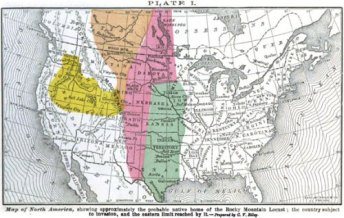 And then the locust went away, and no one is entirely certain, why. It is theorized that plowing, irrigation and harrowing destroyed up to 150 egg cases per square inch, in the years between swarms. Great Plains settlers, particularly those alongside the Mississippi river, appear to have disrupted the natural life cycle. Winter crops, particularly wheat, enabled farmers to “beat them to the punch”, putting away stockpiles of food before the pestilence reached the swarming phase.



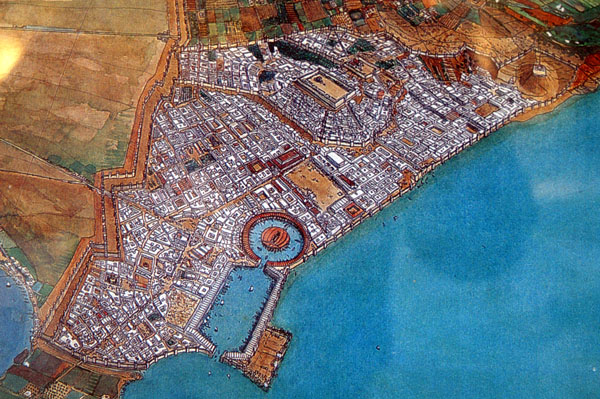
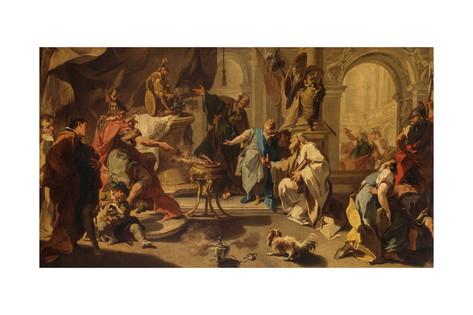
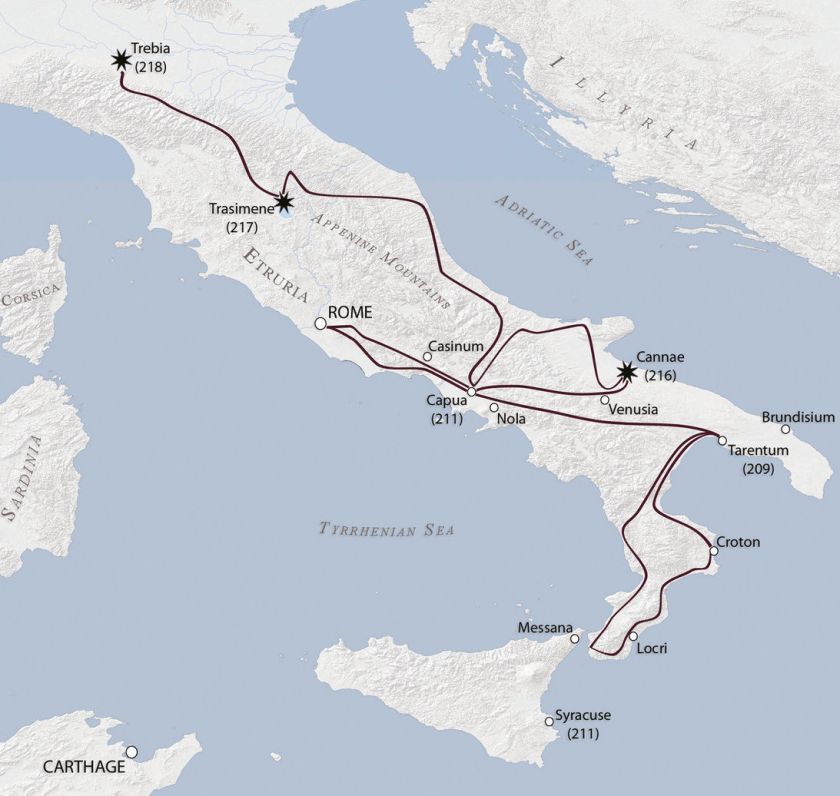


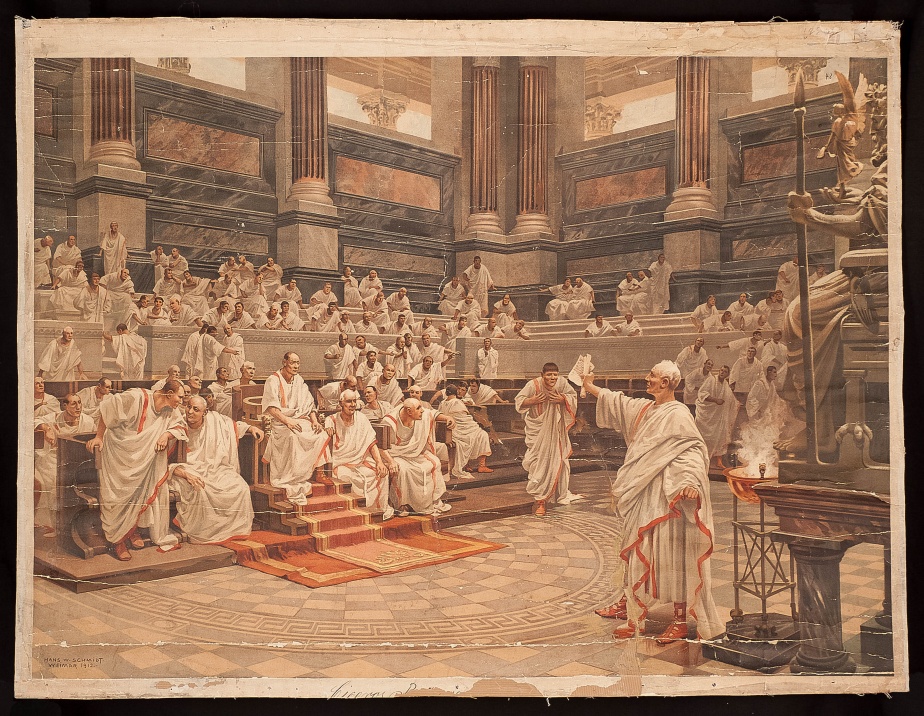
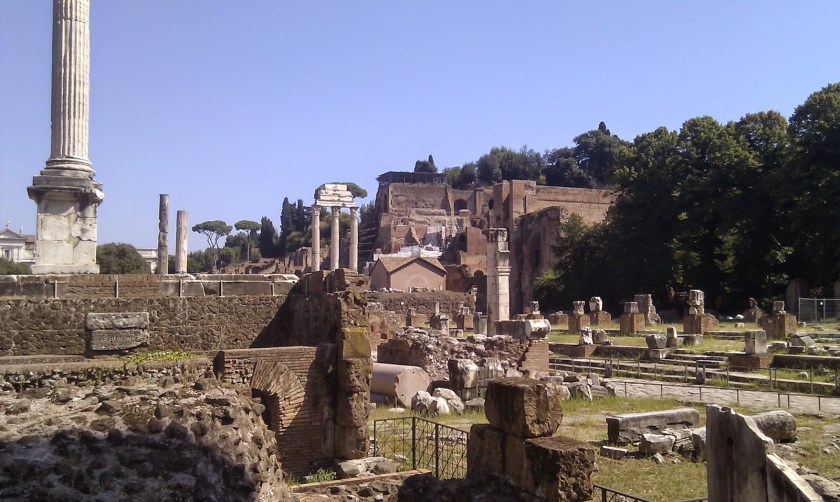 A series of civil wars and other events took place during the first century B.C., ending the Republican period and leaving in its wake an Imperium, best remembered for its long line of dictators.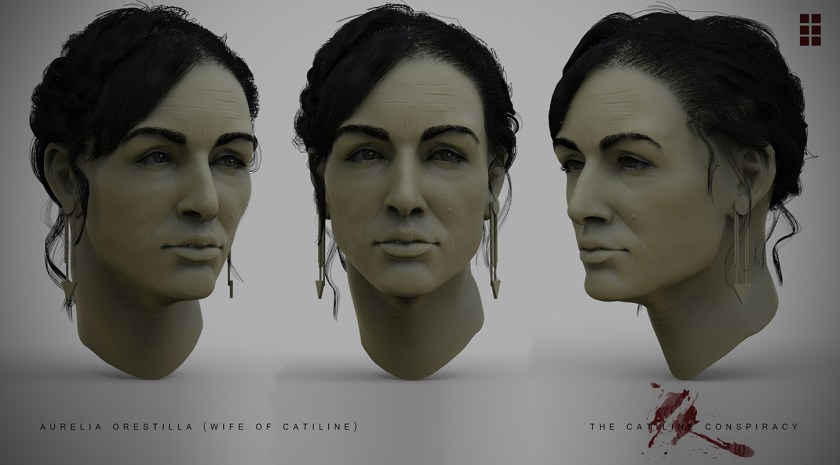


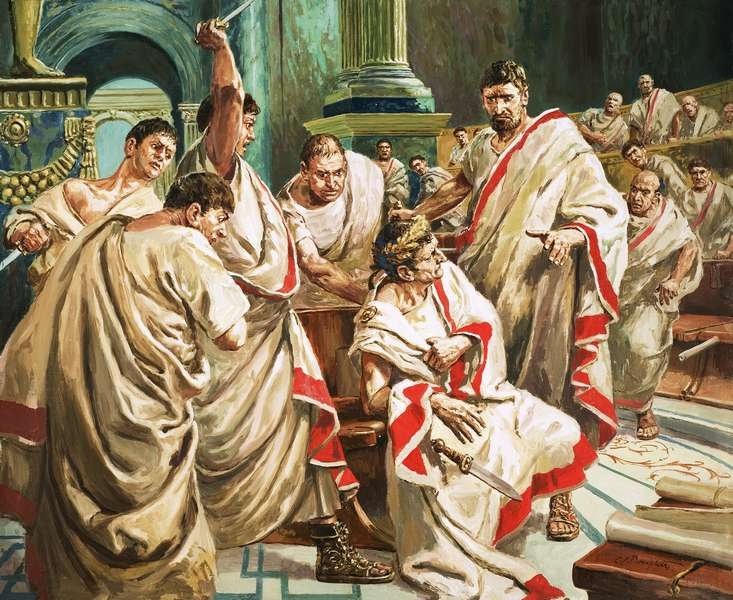
 Brutus was 41 on the 15th of March, 44 B.C. The “Ides of March”. Caesar was 56. The Emperor’s dying words are supposed to have been “Et tu, Brute?”, as Brutus plunged the dagger in. “And you, Brutus?” But that’s not what he said. Those words were put into his mouth 1,643 years later, by William Shakespeare.
 The Meux’s Brewery Co Ltd, established in 1764, was a London brewery owned by Sir Henry Meux. What the Times article was describing was a 22′ high monstrosity, held together by 29 iron hoops.
 The brewery was located in the crowded slum of St. Giles, where many homes contained several people to the room.
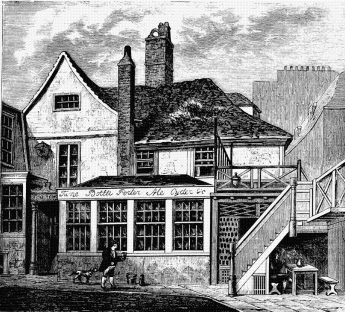 One brewery worker was able to save his brother from drowning in the flood, but others weren’t so lucky.
 In the days that followed, the crushing poverty of the slum led some to exhibit the corpses of their family members, charging a fee for anyone who wanted to come in and see. In one house, too many people crowded in and the floor collapsed, plunging them all into a cellar full of beer.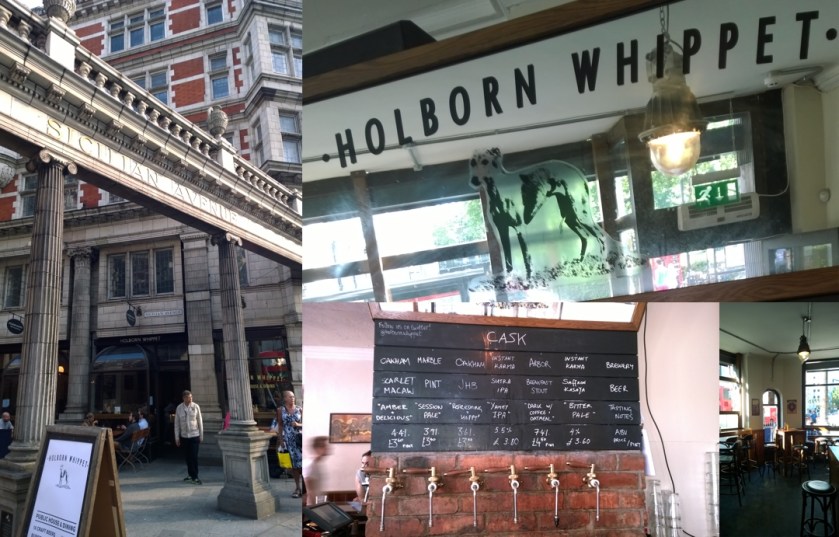


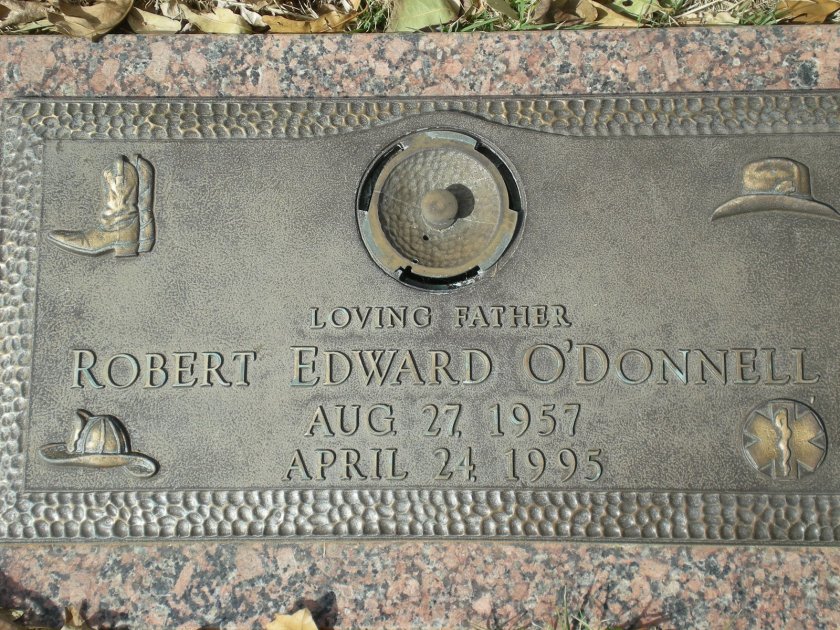
 On this day in 1987, Jessica McClure’s life was anything but normal. Frightened and alone, “Baby Jessica” was stuck twenty-two feet down, at the bottom of a well.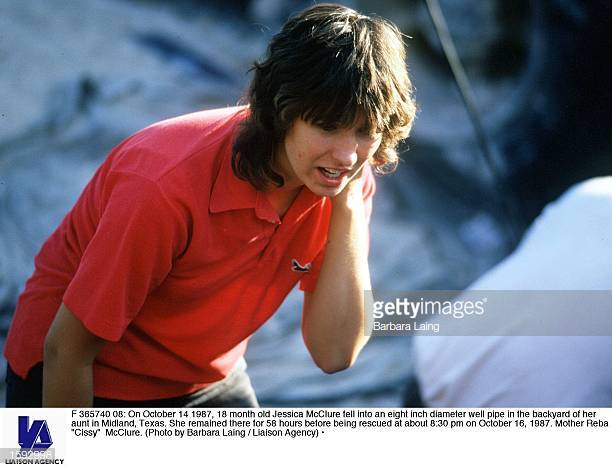

 The sun went down that Wednesday and rose the following day and then it set, and still, the nightmare dragged on.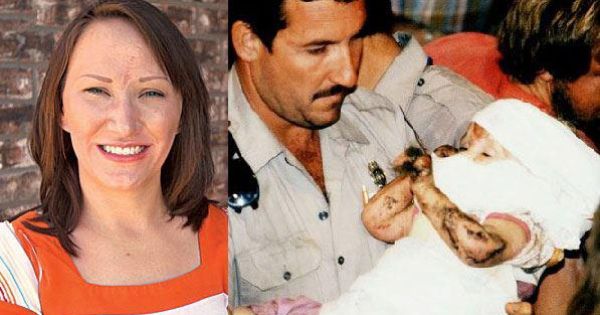



 Margaretha Geertruida Zelle, “M’greet” to family and friends, was born in the Netherlands on August 7, 1876, the eldest of four children.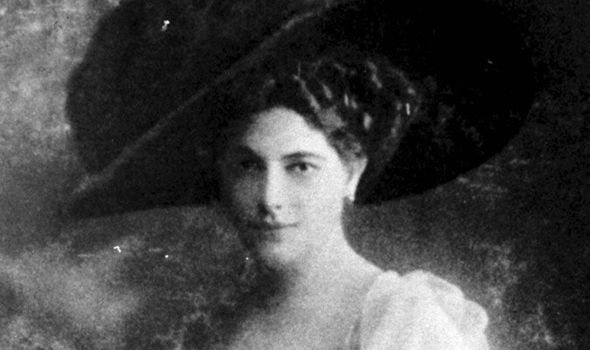
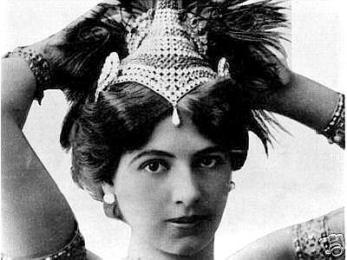 All things “Oriental” were all the rage in early 1900s Paris. Mata Hari played the more exotic aspects of her background to the hilt, projecting a bold and in-your-face sexuality that was unique and provocative for her time.
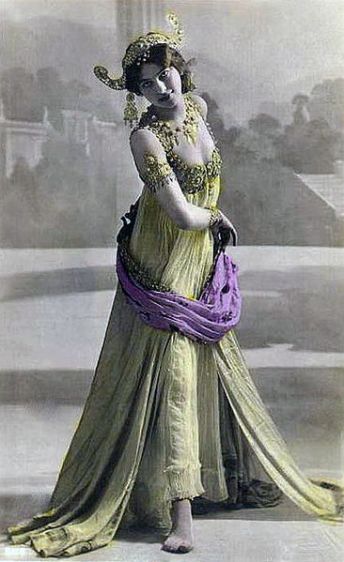 The world stood still at the beginning of World War I, but not Mata Hari. Her dancing days were over by 1914, but her neutral Dutch citizenship allowed her to move about without restriction. But not without a price. Mata Hari’s sexual conquests knew no border, naively including officers and government officials of every nationality, and both sides of the Great War.
 Mata Hari’s elderly defense attorney and former lover Edouard Clunet, never really had a chance. He couldn’t cross examine the prosecution’s witnesses, or even directly question his own.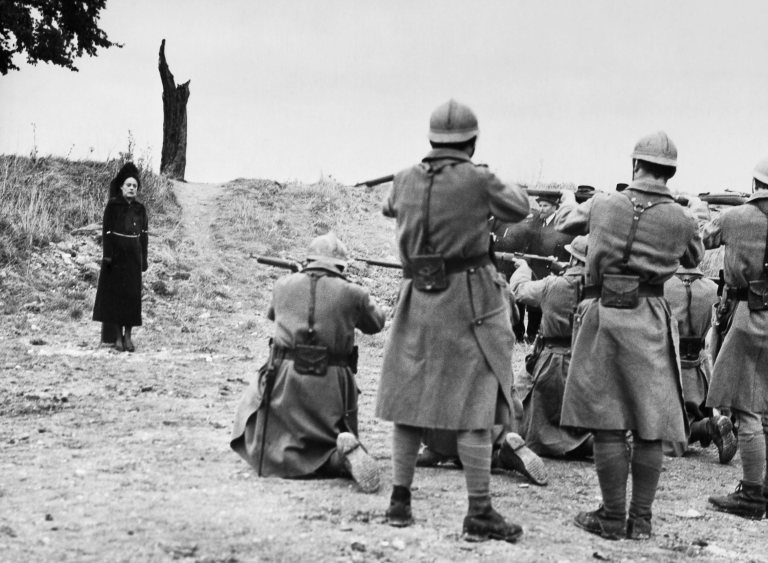


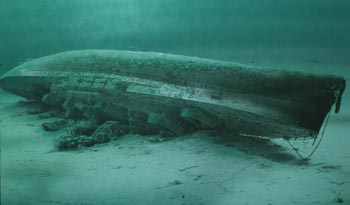
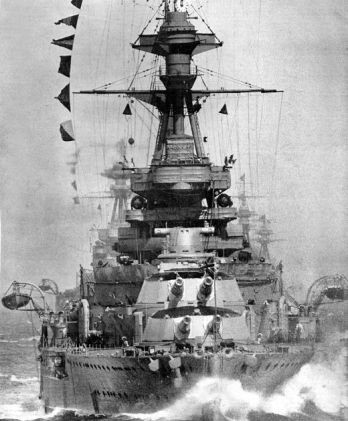 The harbor at Scapa flow had been home to the British deep water fleet since 1904, a time when the place truly was, all but impregnable. By 1939, anti-aircraft weaponry was all but obsolete, old block ships were disintegrating, and anti-submarine nets were inadequate to the needs of the new war.
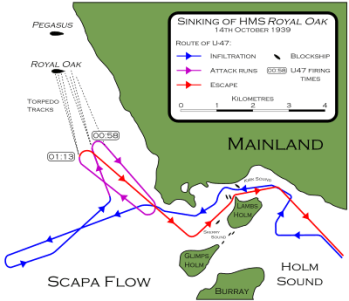 The electric torpedoes of the era were highly unreliable, and this wasn’t shaping up to be their night.


You must be logged in to post a comment.