

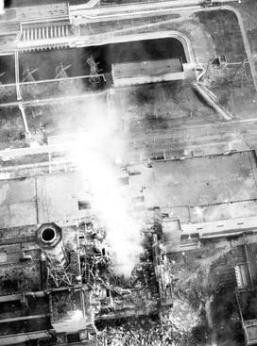
 The accident began as a test, a carefully planned series of events, intending to simulate a station blackout at the Chernobyl Nuclear Power Plant, in the Soviet Socialist Republic of Ukraine.
This most titanic of disasters, began with a series of smaller mishaps. Safety systems intentionally turned off, reactor operators failing to follow checklists, inherent design flaws in the reactor itself.
Over the night of April 25-26, 1986, a nuclear fission chain reaction expanded beyond control at reactor #4, flashing water to super-heated steam resulting in a violent explosion and open air graphite fire. Massive amounts of nuclear material were expelled into the atmosphere during this explosive phase, equaled only by that released over the following nine days by intense updrafts created by the fire. Radioactive material rained down over large swaths of the western USSR and Europe, some 60% in the Republic of Belarus.
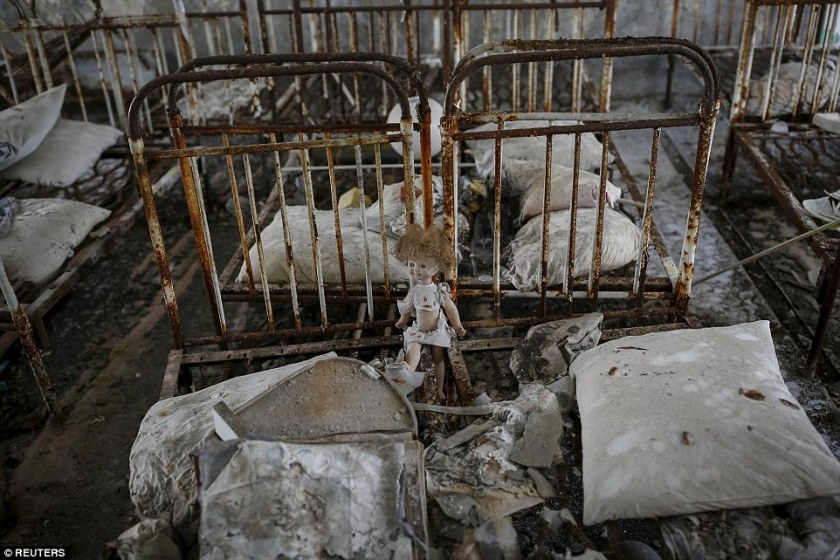
It was the most disastrous nuclear power plant accident in history and one of only two such accidents classified as a level 7, the maximum classification on the International Nuclear Event Scale. The other was the 2011 tsunami and subsequent nuclear disaster at the Fukushima Daiichi reactor, in Japan.

One operator died in the steam-blast phase of the accident, a second resulting from a catastrophic dose of radiation. 600 Soviet helicopter pilots risked lethal radiation, dropping 5,000 metric tons of lead, sand and boric acid in the effort to seal off the spread.
Remote controlled, robot bulldozers and carts, soon proved useless. Valery Legasov of the Kurchatov Institute of Atomic Energy in Moscow, explains: “[W]e learned that robots are not the great remedy for everything. Where there was very high radiation, the robot ceased to be a robot—the electronics quit working.”

Soldiers in heavy protective gear shoveled the most highly radioactive materials, “bio-robots” allowed to spend a one-time maximum of only forty seconds on the rooftops of surrounding buildings. Even so, some of these “Liquidators” report having done so, five or six times.
In the aftermath, 237 suffered from Acute Radiation Sickness (ARS), 31 of whom died in the following three months. Fourteen more died of radiation induced cancers, over the following ten years.

The death toll could have been far higher, but for the heroism of first responders. Anatoli Zakharov, a fireman stationed in Chernobyl since 1980, replied to remarks that firefighters believed this to be an ordinary electrical fire. “Of course we knew! If we’d followed regulations, we would never have gone near the reactor. But it was a moral obligation – our duty. We were like kamikaze“.
The concrete sarcophagus designed and built to contain the wreckage has been called the largest civil engineering project in history, involving no fewer than a quarter-million construction workers, every one of whom received a lifetime maximum dose of radiation. By December 10, the structure was nearing completion. The #3 reactor at Chernobyl continued to produce electricity, until 2000.
Officials of the top-down Soviet state first downplayed the disaster. Asked by one Ukrainian official, “How are the people?“, acting minister of Internal Affairs Vasyl Durdynets replied that there was nothing to be concerned about: “Some are celebrating a wedding, others are gardening, and others are fishing in the Pripyat River.”
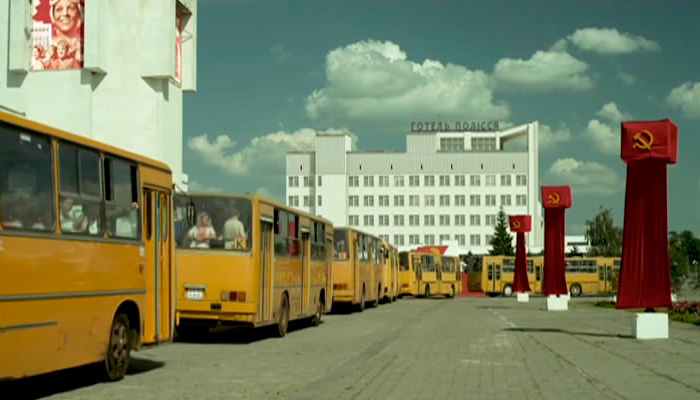
As the scale of the disaster became apparent, civilians were at first ordered to shelter in place. A 10-km exclusion zone was enacted within the first 36 hours, resulting in the hurried evacuation of some 49,000. The exclusion zone was tripled to 30-km within a week, leading to the evacuation of 68,000 more. Before it was over, some 350,000 were moved away, never to return.


The chaos of these evacuations, can scarcely be imagined. Confused adults. Crying children. Howling dogs. Shouting soldiers, barking orders and herding the now-homeless onto waiting buses, by the tens of thousands. Dogs and cats, beloved companion animals, were ordered left behind. Evacuees were never told. There would be no return.
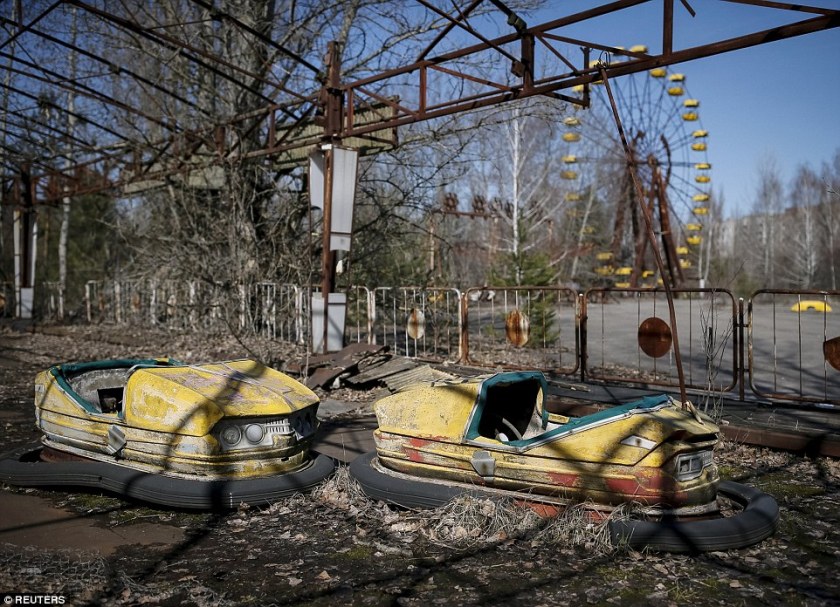
There were countless and heartbreaking scenes of final abandonment, of mewling cats, and whimpering dogs. Belorussian writer Svetlana Alexievich compiled hundreds of interviews into a single monologue, an oral history of the forgotten. The devastating Chernobyl Prayer tells the story of: “dogs howling, trying to get on the buses. Mongrels, Alsatians. The soldiers were pushing them out again, kicking them. They ran after the buses for ages.” Heartbroken families pinned notes to their doors: “Don’t kill our Zhulka. She’s a good dog.”

There would be no mercy. Squads of soldiers were sent to shoot those animals, left behind. Most died. Some escaped discovery, and survived.
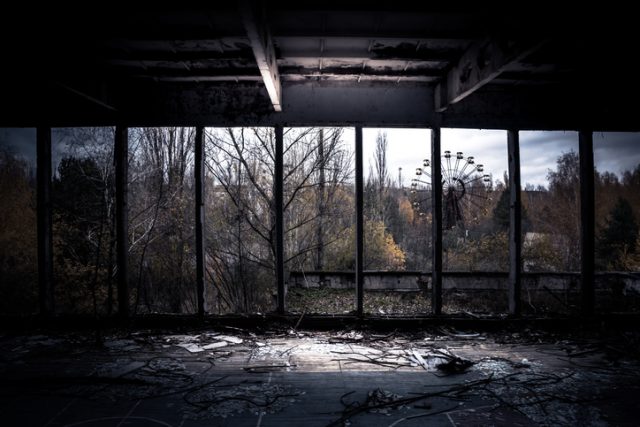
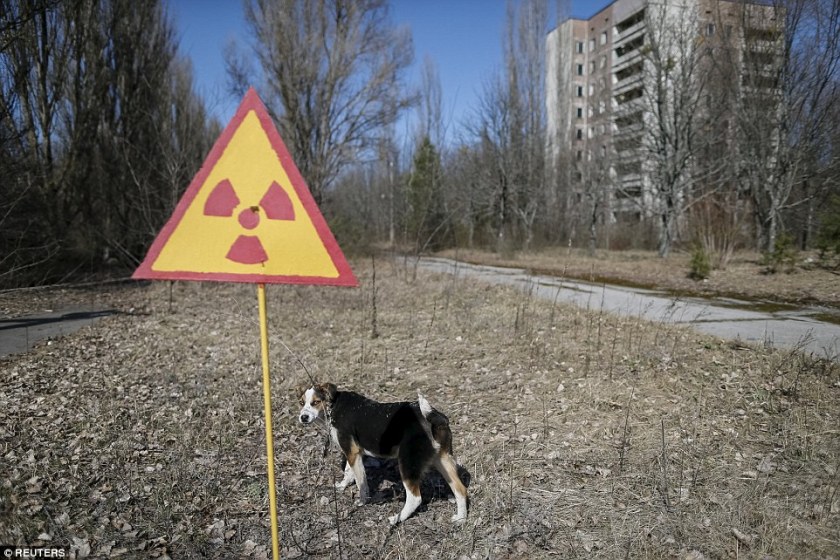
Today, untold numbers of stray dogs live in the towns of Chernobyl, Pripyat and surrounding villages, descendants of those left behind, back in 1986. Ill equipped to survive in the wild and driven from the forests by wolves and other predators, they forage as best they can among abandoned streets and buildings, of the 1,000-mile exclusion zone. Often, increased radiation levels can be found in their fur. Few live beyond the age of six but, all is not bleak.


Since September 2017, a partnership between the SPCA International and the US-based 501(c)(3) non-profit CleanFutures.org has worked to provide for the veterinary needs of these defenseless creatures. Over 450 animals have been tested for radiation exposure, given medical care, vaccinations, and spayed or neutered, to bring populations within manageable limits. Many have been socialized for human interaction and successfully decontaminated, available for adoption into homes in Ukraine and North America, since July.
The work of rescue is ongoing, anticipated to take at least eighteen months. A joint press release from the two organizations gives much-needed hope: “This unprecedented event marks an important partnership with the Ukrainian government, which has been reluctant in the past 32 years to allow anything to be removed from the nuclear exclusion zone.”
The goal is to find homes for as many as 200, of the abandoned dogs of Chernobyl.


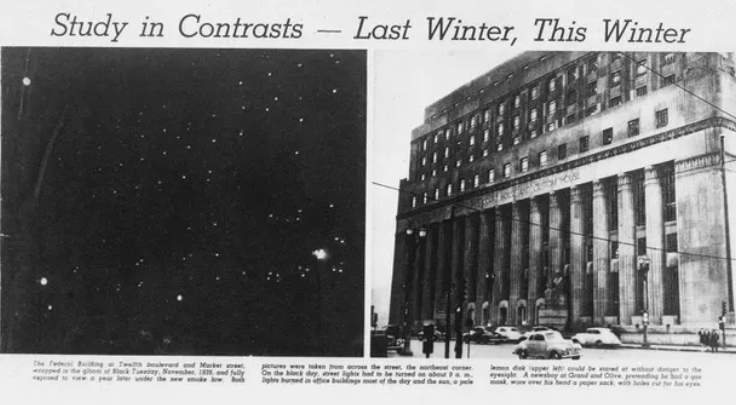
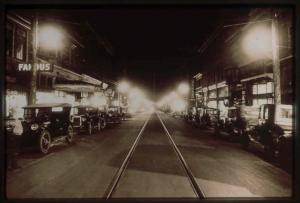
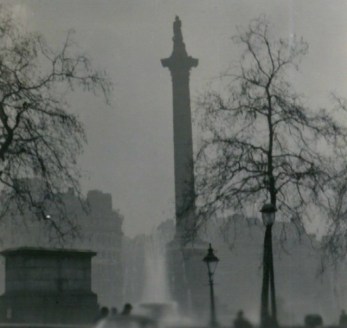
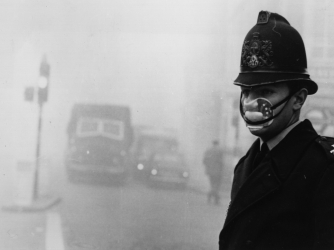 There was no panic, Londoners are quite accustomed to the fog, but this one was different. Over the weeks that followed, public health authorities estimated that 4,000 people had died as a direct result of the smog by December 8, and another 100,000 made permanently ill. Research pointed to another 6,000 losing their lives in the following months, as a result of the event.
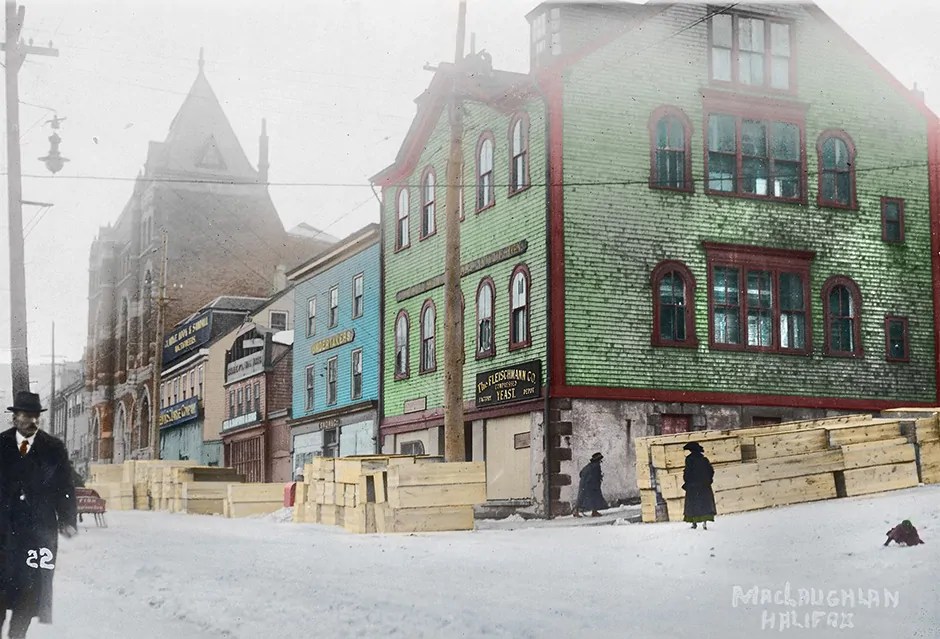


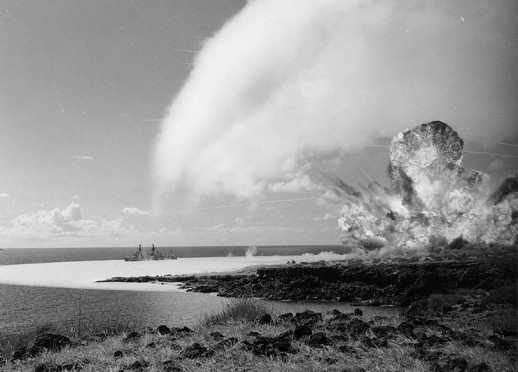


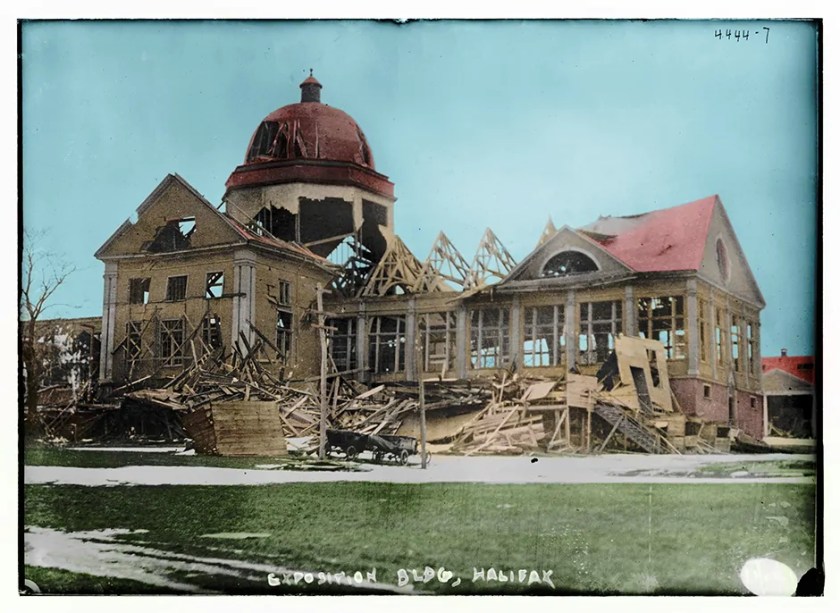 Curley was as good as his word. The Mayor and Massachusetts’ Governor Samuel McCall composed a Halifax Relief Committee to raise funds and organize aid. McCall reported the effort raised $100,000 in its first hour alone, equivalent to over $1.9 million, today.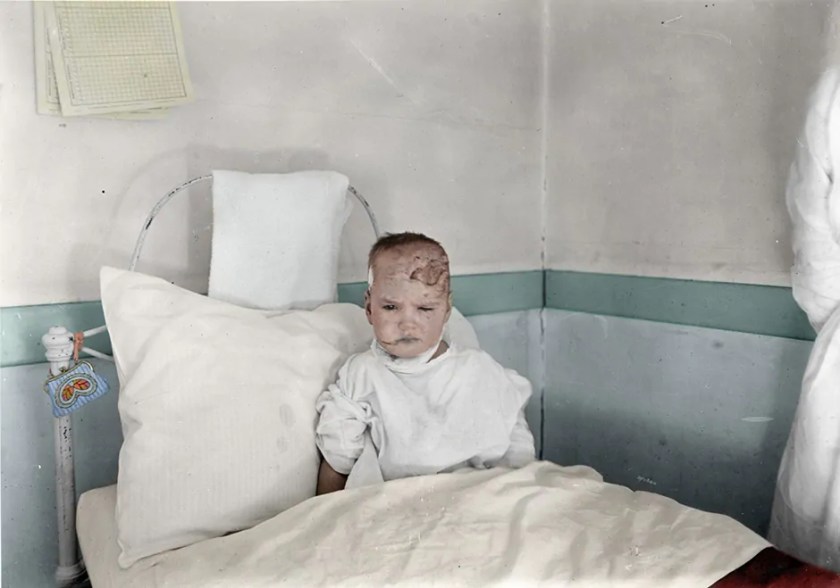





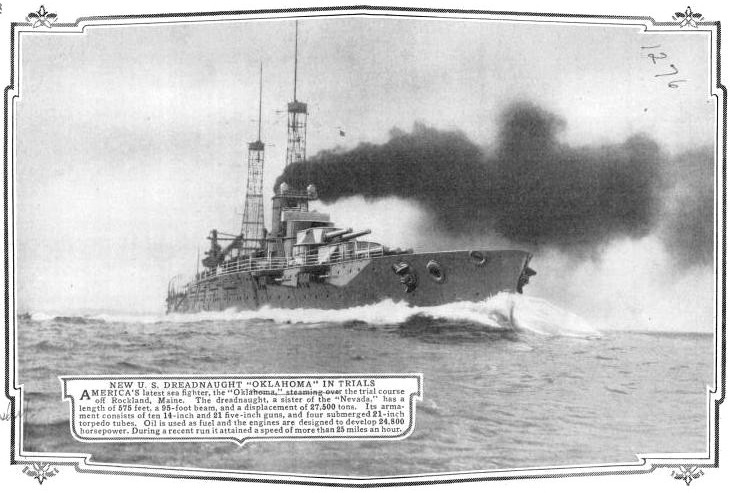
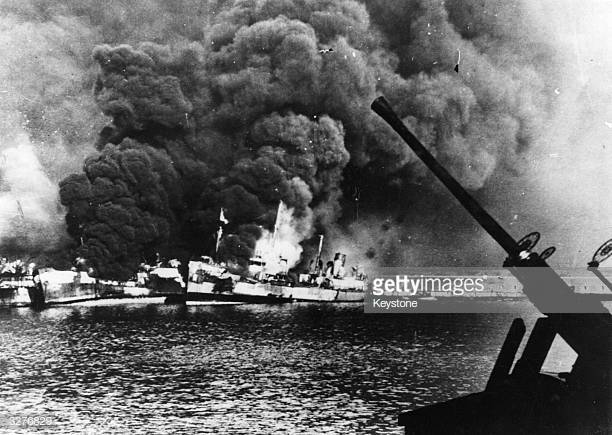
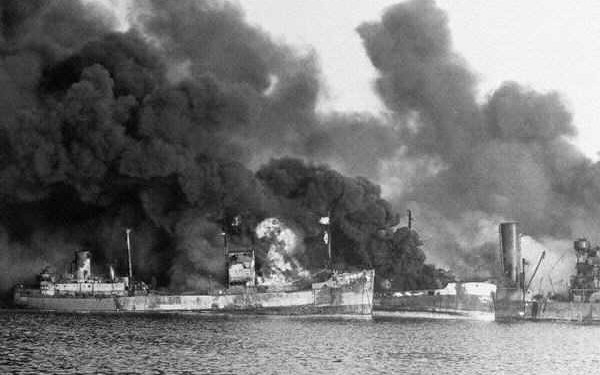
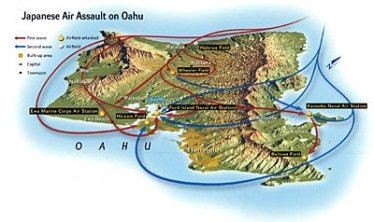 Bilge inspection plates had been removed for a scheduled inspection the following day, making counter-flooding to prevent capsize, impossible. Oklahoma rolled over and died as the ninth torpedo slammed home. Hundreds scrambled out across the rolling hull, jumped overboard into the oil covered, flaming waters of the harbor, or crawled out over mooring lines in the attempt to reach USS Maryland in the next berth.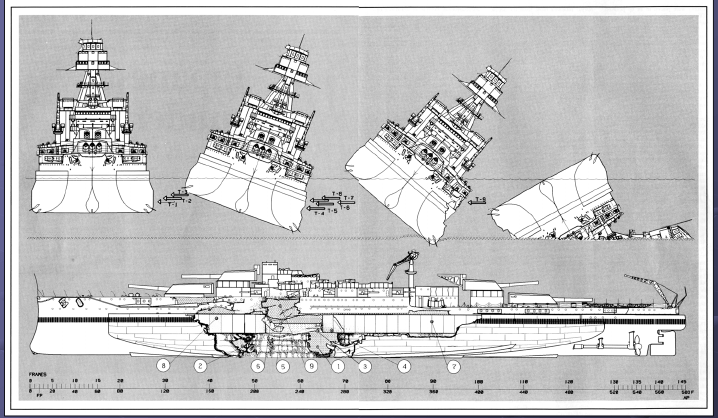
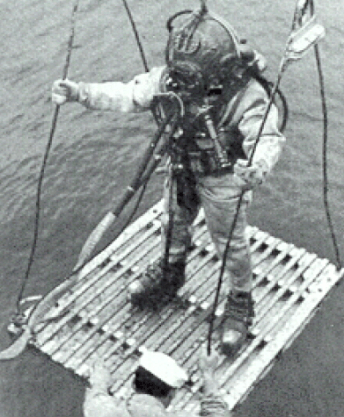 Recovery of the USS Oklahoma was the most complex salvage operation ever attempted, beginning in March, 1943. With the weight of her hull driving Oklahoma’s superstructure into bottom, salvage divers descended daily to separate the tower, while creating hardpoints from which to attach righting cables.
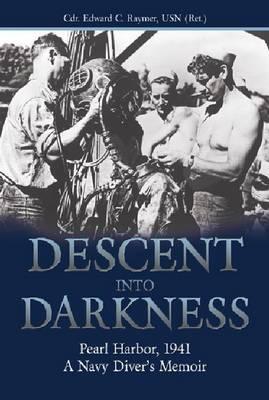 CDR Edward Charles Raymer, US Navy Retired, was one of those divers. Raymer tells the story of these men in




 At one point during this period, then-Senator Julius Caesar stepped to the rostrum to have his say. He was handed a paper and, reading it, stuck the note in his toga and resumed his speech. Cato, Caesar’s implacable foe, stood in the senate and demanded that Caesar read the note. It’s nothing, replied the future emperor, but Cato thought he had caught the hated Caesar red handed. “I demand you read that note”, he said, or words to that effect. He wouldn’t let it go.

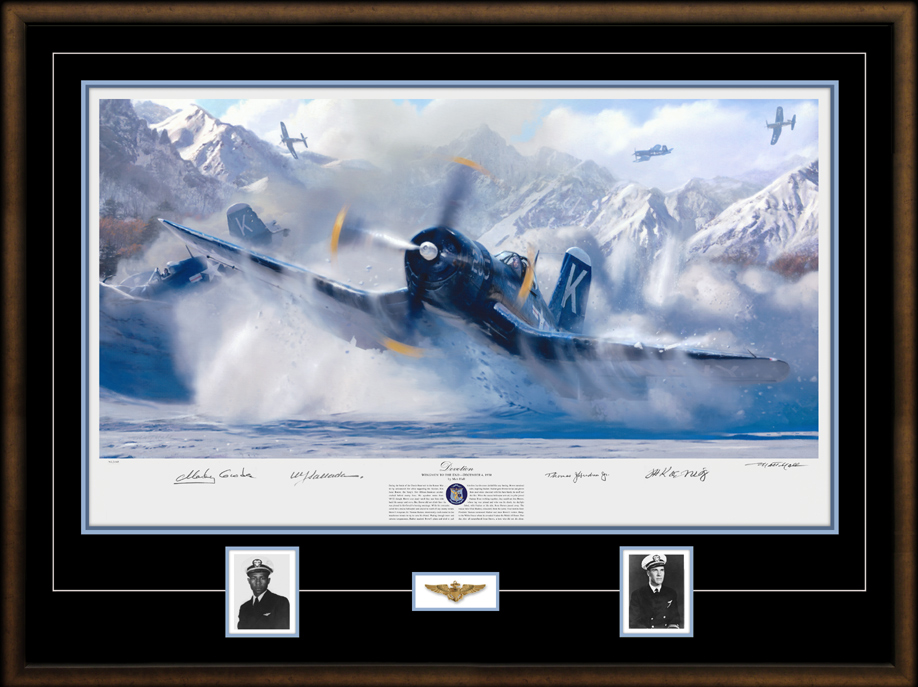
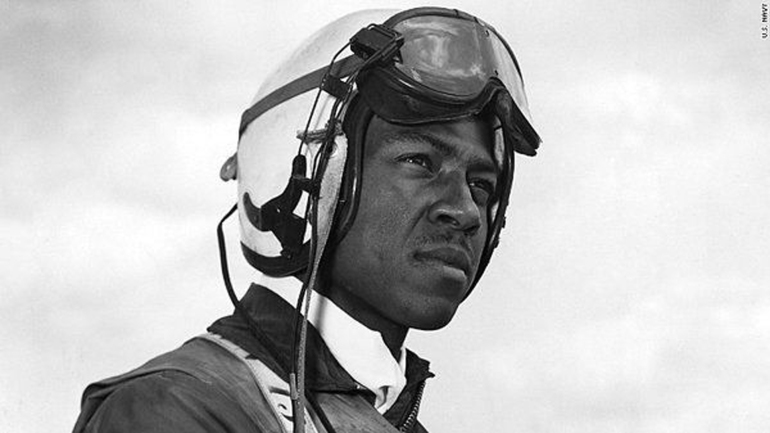
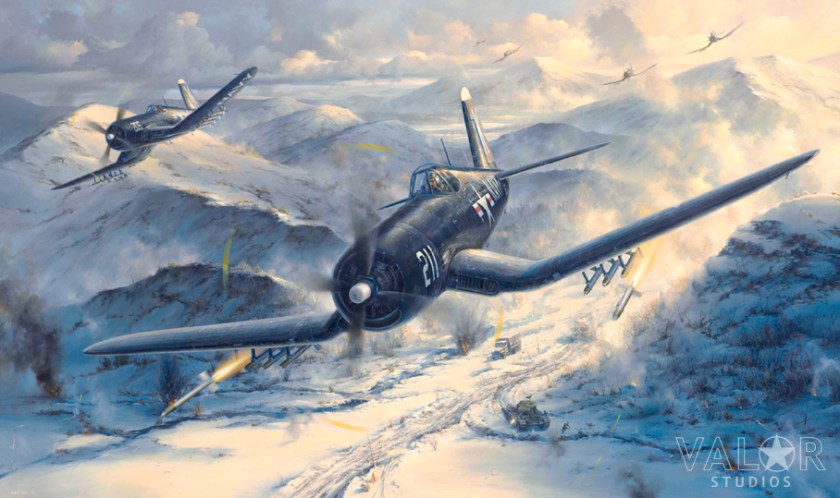
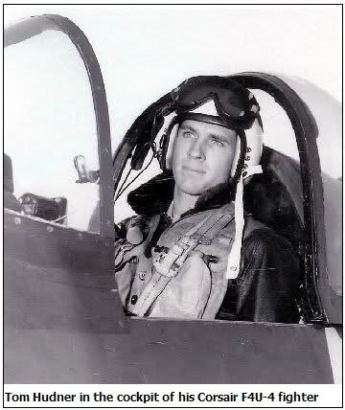 On June 25, 1950, ten divisions of the North Korean People’s Army launched a surprise invasion of their neighbor to the south. The 38,000-man army of the Republic of Korea didn’t have a chance against 89,000 men sweeping down in six columns from the north. Within hours, the shattered remnants of the army of the ROK and its government, were streaming south toward the capital of Seoul.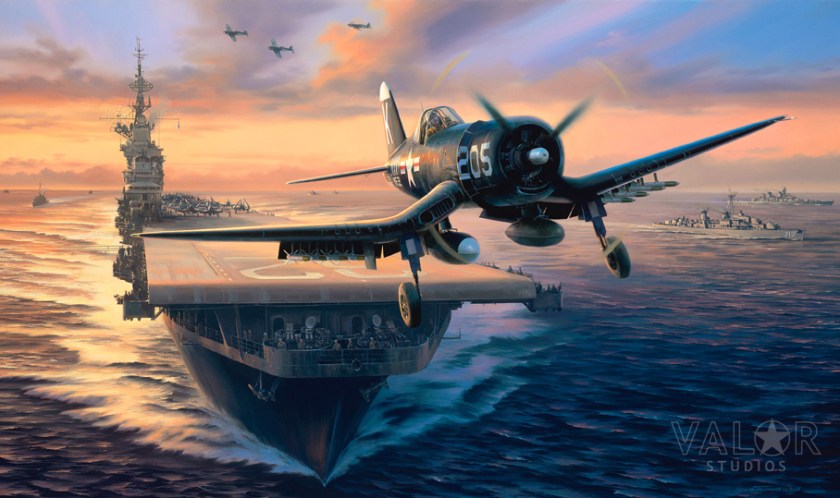


 Mohammad Reza Pahlavi came to power in 1941, following the Commonwealth/Soviet invasion of the Empire of Iran which forced the abdication of his father.


 The Iranian constitution of 1906 was supplanted by popular referendum on this day in 1979, when Ayatollah Ruhollah Khomeini was proclaimed rahbar-e mo’azzam-e irān, Supreme Leader of the Islamic Revolution.
 Ayatollah Ruhollah Khomeini is gone now, but his influence is very much alive. If you want a fun read sometime, download the constitution of the Islamic Republic of Iran. Khomeini is personally named in the document. Three times.





You must be logged in to post a comment.