
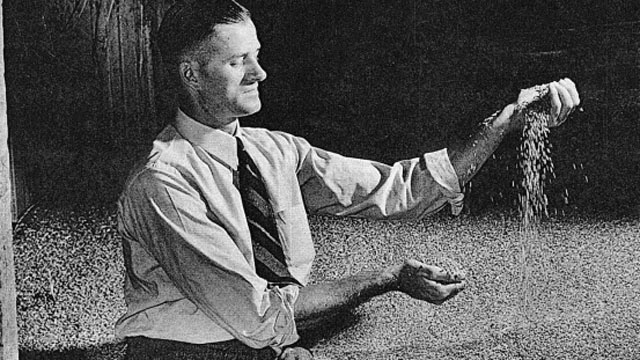
The first bread slicer was invented by Otto Frederick Rohwedder of Davenport, Iowa, in 1912. The idea was unpopular among bakers, who feared that pre-sliced bread would go stale faster, leading to spoiled inventory and dissatisfied customers.
The project almost ended in a fire in 1917, when a fire destroyed the prototype along with the blueprints. Rohwedder soldiered on. By 1927, he had scraped up enough financing to rebuild his bread slicer.
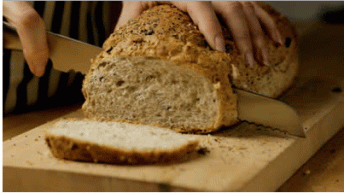 Frank Bench, a personal friend of the inventor, was the first to install the machine. The first pre-sliced loaf was sold in July of the following year. Customers loved the convenience and Bench’s bread sales shot through the roof.
Sliced bread became a national hit when the Continental Baking Company, then-owner of the “Wonder Bread” brand, began using a modified version of Rowhedder’s machine in 1930. Sliced bread was here to stay. Sort of.
These were the early days of the Great Depression. Nine million savings accounts were wiped out in the first three years. Federal agricultural officials conceived the hare brained idea that artificially introduced scarcity would raise prices and therefore wages, in the agricultural sector. No fewer than six million hogs were destroyed in 1933, alone. Not harvested, just destroyed and thrown away at a time when a 22.9% unemployment led the way to widespread malnutrition and hunger.
470,000 cattle were shot in Nebraska alone. Vast quantities of milk were poured down sewers, and whole cotton fields, plowed under.
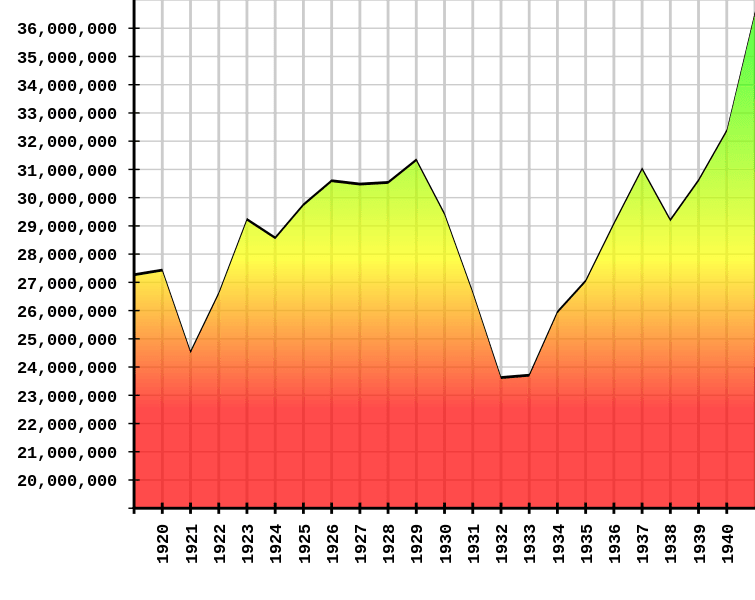
Whether because of or despite government policies, unemployment dropped from 25% to 9% during Roosevelt’s first time (1933 – ’37), then more than doubled to 19%, in 1938.
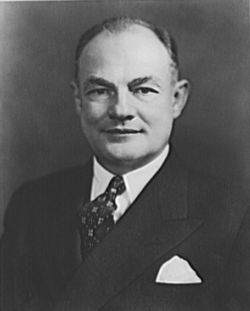
The “Second New Deal” saw a blizzard of social welfare programs, all but crowding out the productive bits of the economy. The Great Depression not so much as ended but paused, with the onset of WW2.
US entry into WW2 was in its second year in 1943 when Claude Wickard, head of the War Foods Administration and Secretary of Agriculture, had the hare brained idea of banning sliced bread.
Mr. Wickard was no stranger to hare brained ideas; it is he who lends his name to the landmark Supreme Court case Wickard v. Filburn.
Speaking of hare brained ideas. The Agricultural Adjustment Act of 1938 limited the area that farmers could devote to wheat production, in an effort to stabilize the price of wheat. Ohio farmer Roscoe Filburn was producing more than his allotment, and the federal government ordered him to destroy the surplus and pay a fine, even though his “surplus” was being consumed on the farm by the Filburn family, and their chickens.
 Article 1, Section 8 of the Constitution includes the “Commerce Clause”, permitting the Congress “To regulate Commerce with foreign Nations, and among the several States, and with the Indian Tribes”. That’s it.
The Federal District Court sided with the farmer, but the Federal government appealed to the Supreme Court, arguing that, by withholding his surplus from the interstate wheat market, Filburn was effecting prices and therefore fell under federal government jurisdiction under the commerce clause.
 The United States Supreme Court, apparently afraid of President Roosevelt and his aggressive and illegal “court packing” scheme, ruled against the farmer. Ever since, what you don’t do can be argued in a court of law to impact interstate conditions, putting what you didn’t do under the jurisdiction of the federal government.
Get it? Neither do I, but I digress.
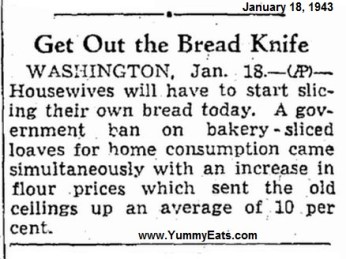
Back to Mr. Wickard, who enacted his ban against sliced bread and put it into effect on January 18, 1943. The push-back, as you might guess, was immediate and vehement. One woman took up her pen, and wrote to the New York Times: “I should like to let you know how important sliced bread is to the morale and saneness of a household. My husband and four children are all in a rush during and after breakfast. Without ready-sliced bread I must do the slicing for toast—two pieces for each one—that’s ten. For their lunches I must cut by hand at least twenty slices, for two sandwiches apiece. Afterward I make my own toast. Twenty-two slices of bread to be cut in a hurry!”
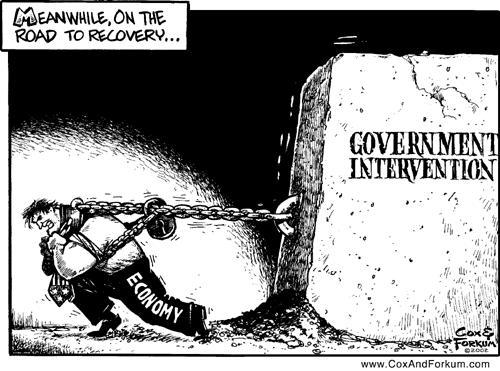 The stated reasons for the ban never did make sense. At various times, Wickard claimed that it was to conserve wax paper, wheat or steel, but one reason was goofier than the one before. According to the War Production Board, most bakeries had plenty of wax paper supplies on hand, even if they didn’t buy any. Furthermore, the federal government had a billion bushels of wheat stockpiled at the time, about two years’ supply, and the amount of steel saved by not making bread slicers has got to be marginal, at best.
The ban was rescinded on March 8, 1943, and pre-sliced bread was once again available to the federal government and its subjects. There’s no telling who first used the expression “the greatest thing since sliced bread”, but a reasonable guess may be made as to why.


 He appeared from 1973 – ’75 on The National Lampoon Radio Hour, along with future SNL regulars Gilda Radner, Chevy Chase and Bill Murray. A number of radio segments went on to become SNL sketches in the show’s first couple of seasons.
 Animal House, the film that launched Belushi’s career on the big screen, almost didn’t happen.
 John Belushi was found dead the following morning. The cause of death was originally thought to be an accidental overdose. Cathy Smith was extradited from Canada and tried on first degree murder charges following a National Enquirer interview in which she admitted giving Belushi eleven speedballs. A plea bargain reduced the charge to involuntary manslaughter. She served fifteen months in prison.


 STS-1, the first mission of the “Space Shuttle” program launched aboard “Columbia” from the Kennedy Space Center on Merritt Island, Florida. It was April 12, 1981, the 20th anniversary of the first human spaceflight aboard the Russian capsule Vostok 1.
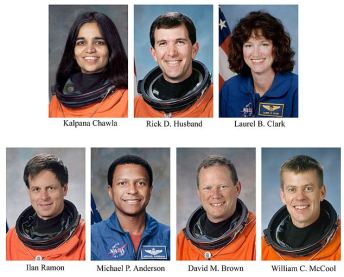 STS-107 launched from the Kennedy Space Center aboard the Space Shuttle Columbia on January 16, 2003.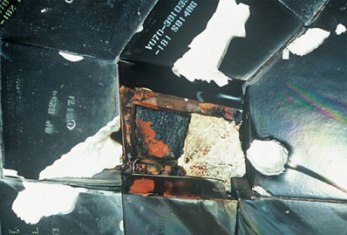





 Educated Spaniards of the era considered witchcraft to be a Protestant superstition. The Spanish Inquisition, launched in 1478 to protect Catholicism as the One True Faith, went first after forced converts from Islam (Moriscos) and Judaism (Marranos) suspected of lapsing into their prior faith.

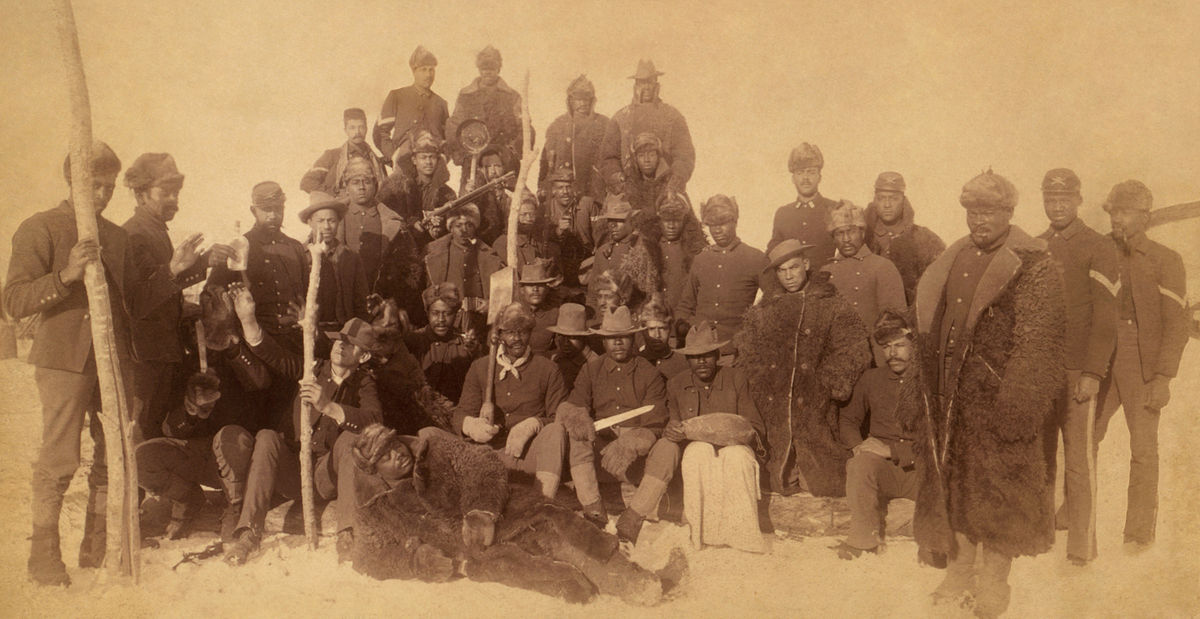
 Cornered in a washout under some railroad tracks, single handed, Randall held off the attack with his revolver, despite a gunshot wound to his shoulder and no fewer than 11 lance wounds.
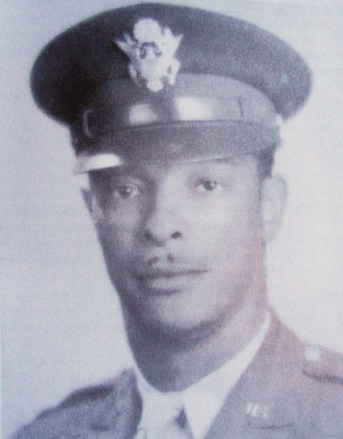
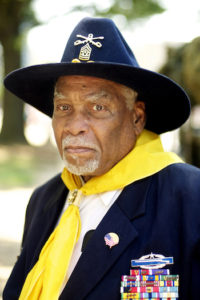 1st Sergeant Mark Matthews, the last of the Buffalo Soldiers, died of pneumonia on September 6, 2005 at age of 111. A man who forged papers in order to join at age fifteen and once had to play taps from the woods, was buried with military honors at Arlington National Cemetery, section 69, grave #4215.





 The younger Williams died of Leukemia two years later, despite a bone marrow donation from his sister. John-Henry joined his father, in 2004.

 Deep in the ground beneath our feet, a rocky shell comprising an outer Crust and an inner Mantle forms a hard and rigid outer shell, closing off and containing the solid inner core of our planet. Between these hard inner and outer layers exists a liquid core of molten material, comprising approximately two-thirds the cross-section of planet Earth.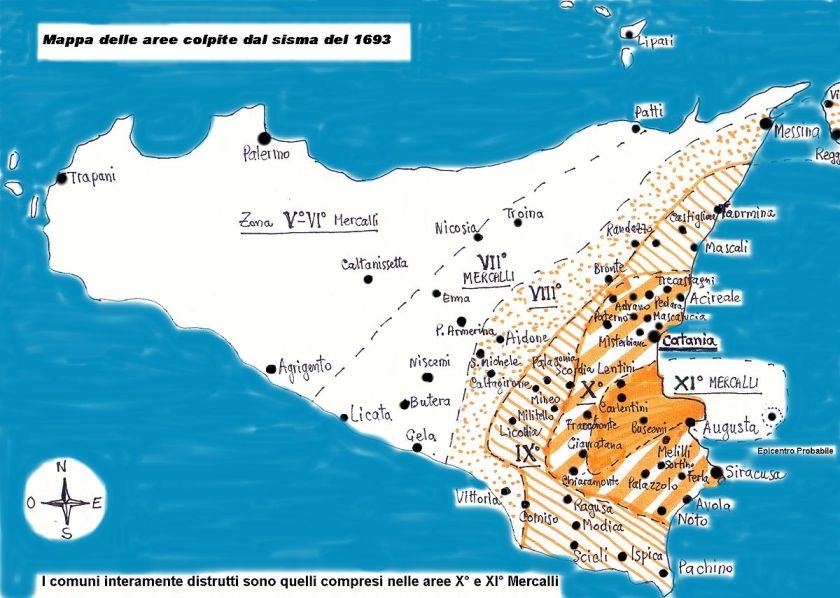




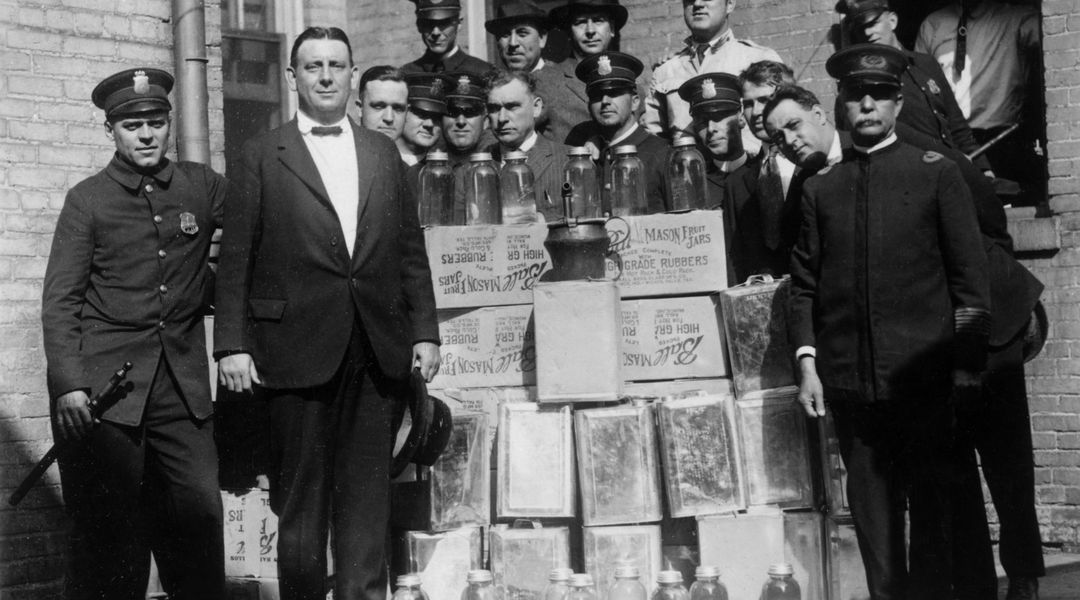
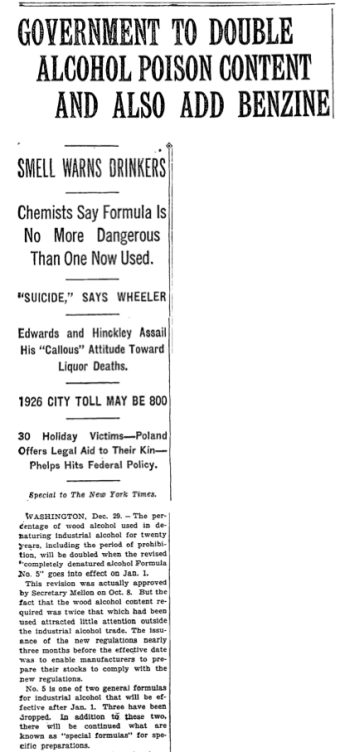
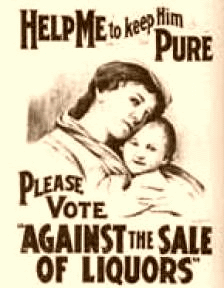 The Eighteenth Amendment establishing the national prohibition of “intoxicating liquors” was passed out of Congress on December 17, 1917 and sent to the states, for ratification. The National Prohibition or “Volstead” act, so named for Chairman of the House Judiciary Committee Andrew Volstead, was enacted to carry out its intent.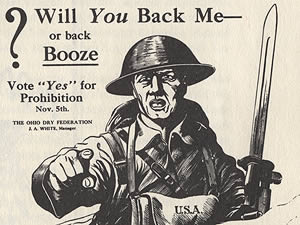


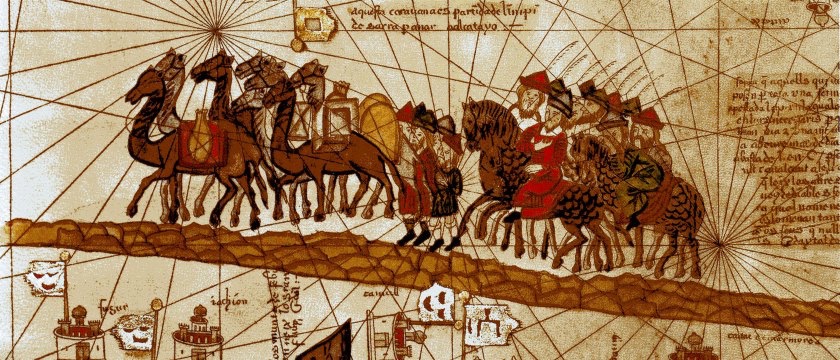

 Columbus had taken his idea of a westward trade route to the Portuguese King, to Genoa and to Venice, before he came to Ferdinand and Isabella in 1486. At that time the Spanish monarchs had a Reconquista to tend to, but they were ready in 1492. The Nina, Pinta and the Santa Maria sailed that August.
 Columbus seems not to have been impressed, describing these mermaids as “not half as beautiful as they are painted.”


You must be logged in to post a comment.