

Europe was unprepared for what was to come in September 1939. Wags called the eight months ending in May 1940 the ‘Phoney War”. The “Sitzkreig”. The outbreak of the “Great War” was different in August 1914, as war exploded across the European landmass. France alone suffered 140,000 casualties over the four-day “Battle of the Frontiers”, where the River Sambre met the Meuse. 27,000 Frenchmen died in a single day, August 22, in the forests of the Ardennes and Charleroi.
The British Expeditionary Force escaped annihilation on August 22-23 only by the intervention of mythic angels, at a place called Mons. In the East, a Russian army under General Alexander Samsonov was encircled and so thoroughly shattered at Tannenberg, that German machine gunners were driven to insanity over the damage inflicted by their own guns, on the milling and helpless masses of Russian soldiers. Only 10,000 of the original 150,000 escaped death, destruction or capture. Samsonov himself walked into the woods, and shot himself.
The “Race to the Sea” of mid-September to late October was more a series of leapfrog movements and running combat, in which the adversaries tried to outflank one another. It would be some of the last major movement of the Great War.
A million men were transported by all sides to the ancient textile town of Ypres, “Leper” to the Dutch and “Wipers” to the Tommies, for the purpose of killing each other.
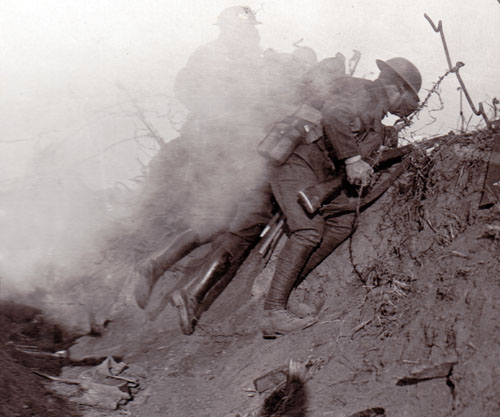
75,000 men from all sides lost their lives in the month-long apocalypse at Ypres while, all along a 450-mile front, millions of soldiers dug into the ground to shelter from what Private Ernst Jünger later called the “Storm of Steel”.
With stalemate on the western front in early 1915, Allied powers considered opening an offensive in another theater. The Ottoman Empire had entered the war on the side of the Central powers by this time, against whom Russia’s Grand Duke Nicholas was asking for help in the Caucasus. A Naval expedition was decided upon to seize the Dardanelles, the narrow strait connecting the Aegean with the Sea of Marmara and taking Turkey out of the war.
Despite misgivings, naval bombardment opened on the Dardanelles on February 19, 1915. A month of French and British shelling failed to force the straits and Allied planners fell back on amphibious invasion. The table was set for the eight month disaster known as the battle of Gallipoli.
489,000 French and Commonwealth troops were fed into the abyss, including some sixty five thousand Australians and New Zealand forces collectively known as the Australian and New Zealand Army Corps. or ANZACs.
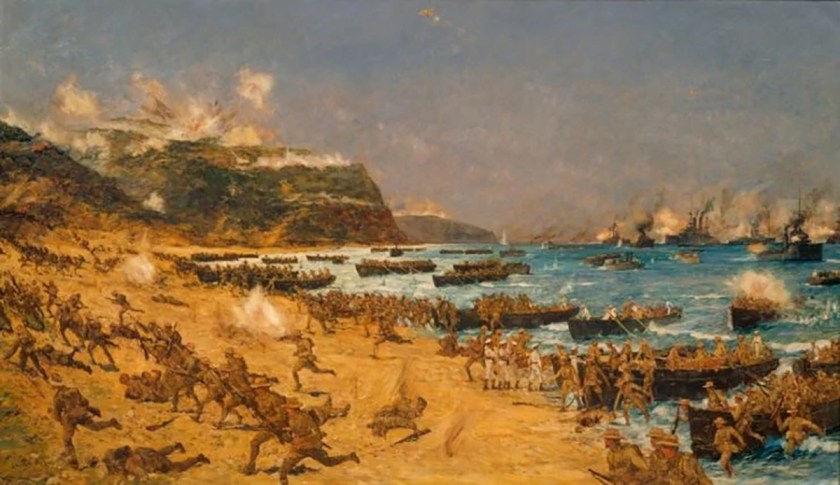
Following four months training in Egypt, the fledgling ANZAC forces came ashore on this day in 1915, under heavy Turkish fire. Commonwealth forces fought heroically, thousands of individual stories including the famous “Six Before Breakfast”, pre-dawn actions leading to as many Victoria Crosses. Despite all of it, the landing was a fiasco, stranding thousands of men, vehicles and vast quantities of stores on the beach.
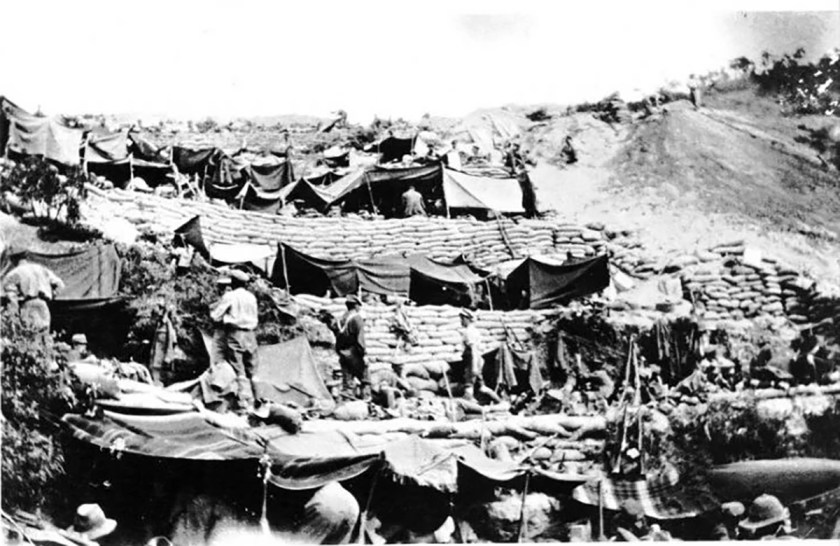
The traffic jam, was horrendous. With the water behind them red with blood, ANZAC forces attempted to force the high ground despite determined fire from Turkish forces under Mustafa (Atatürk) Kemal.
A bold strike designed to knock the Ottomans out of the war became a stalemate, the blood soaked campaign dragging on for eight months.
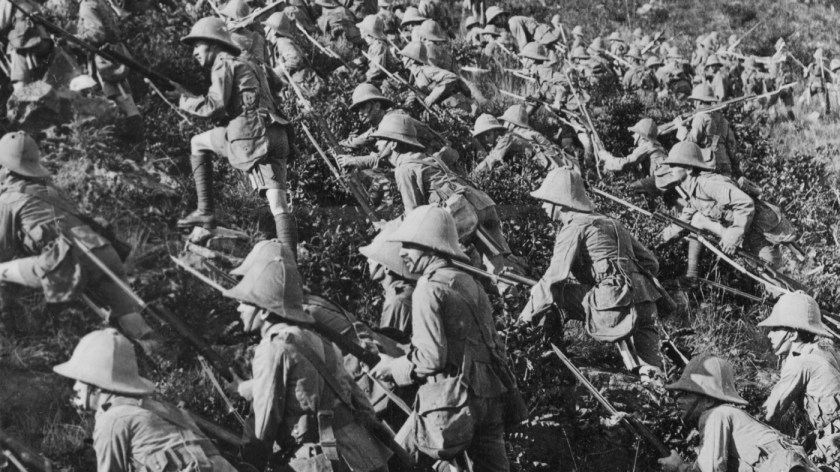
By the end of 1915, Commonwealth forces suffered some 302,000 casualties. While the Gallipoli campaign made little difference in the course of the war, the actions of the ANZACs left a powerful legacy. In time, this date became that rarest of days, a solemn day of remembrance shared by two sovereign nations, a part of the national identity of both countries.
With the beginning of WWII, ANZAC Day became a day to commemorate the lives of Australians and New Zealanders lost in all wars, the meaning of the date broadened to include those killed in all military operations in which the two nations have been involved.
ANZAC Day was first commemorated at the Australian War Memorial in 1942 but, due to government orders preventing large public gatherings in case of Japanese air attack, this was a small affair with neither march nor memorial service.
For the wounded, the dead and the maimed of that day one hundred four years ago today, ANZAC Day remains an occasion for solemn remembrance, from that day to this.


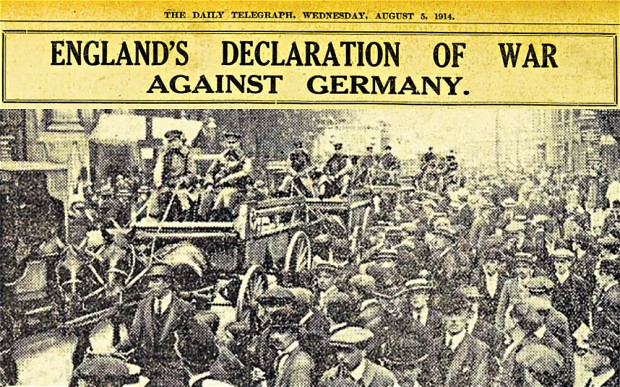
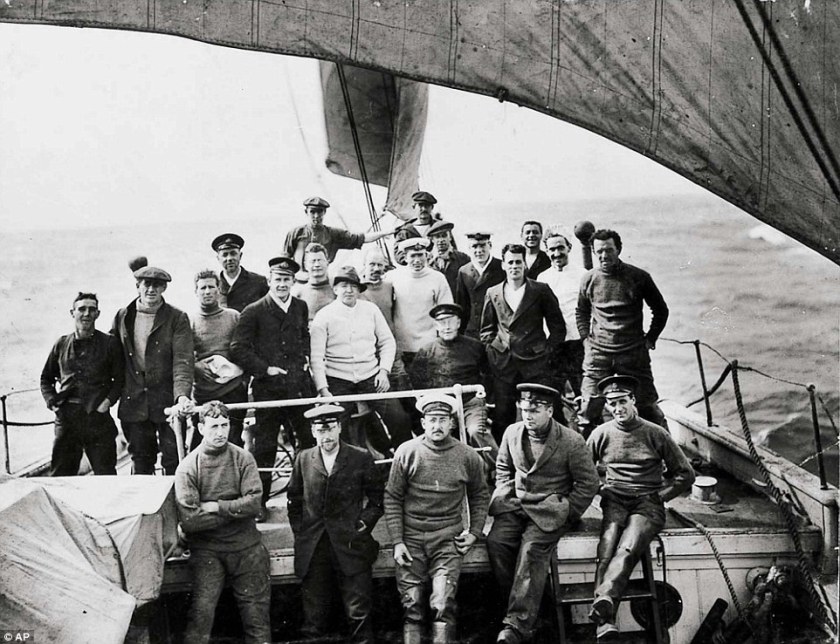
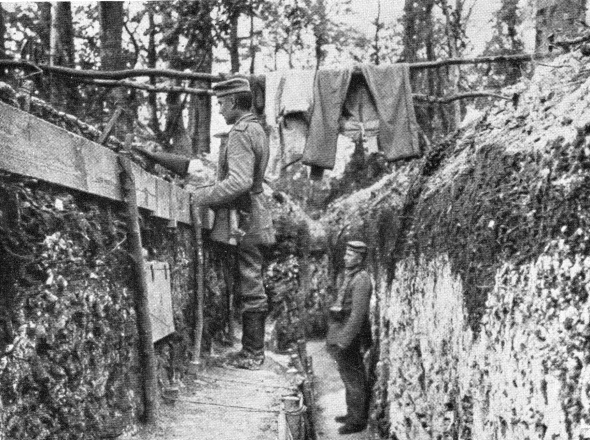
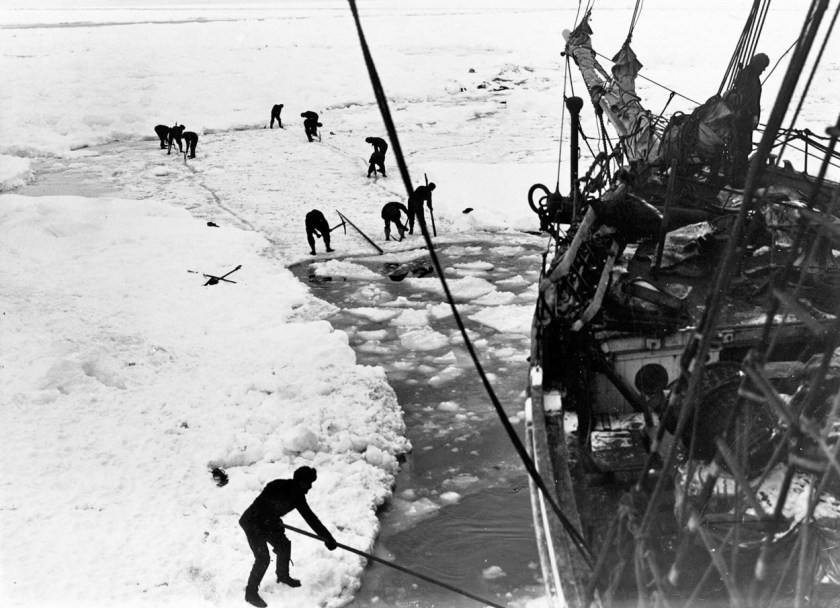
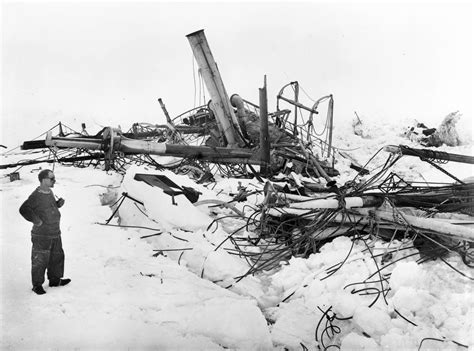
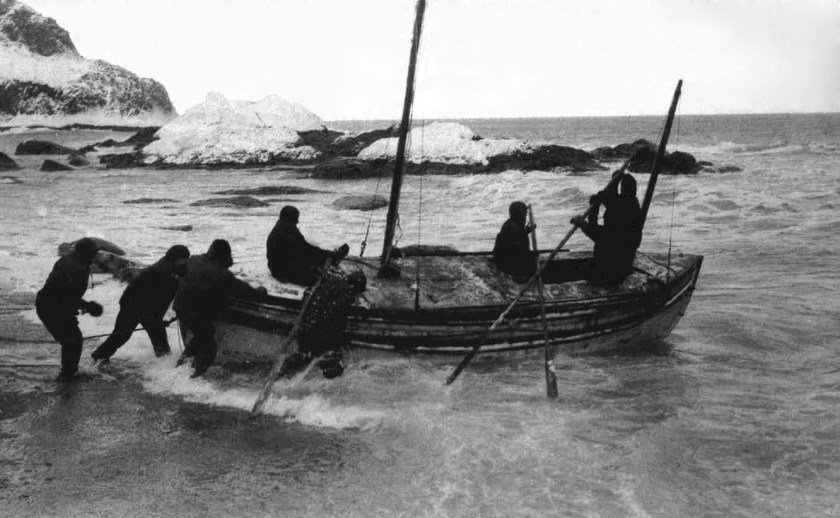
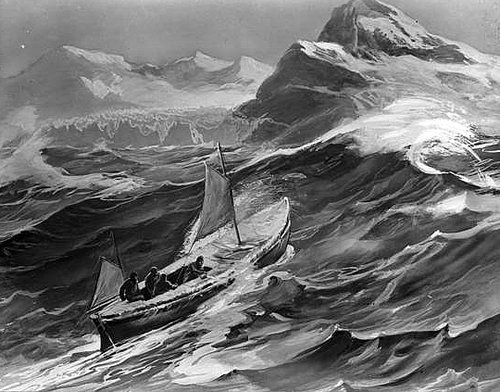
 The disaster of the Great War became “Total War” with the zeppelin raids of January, as Endurance met with disaster of its own. The ship was frozen fast, within sight of the Antarctic continent. There was no hope of escape.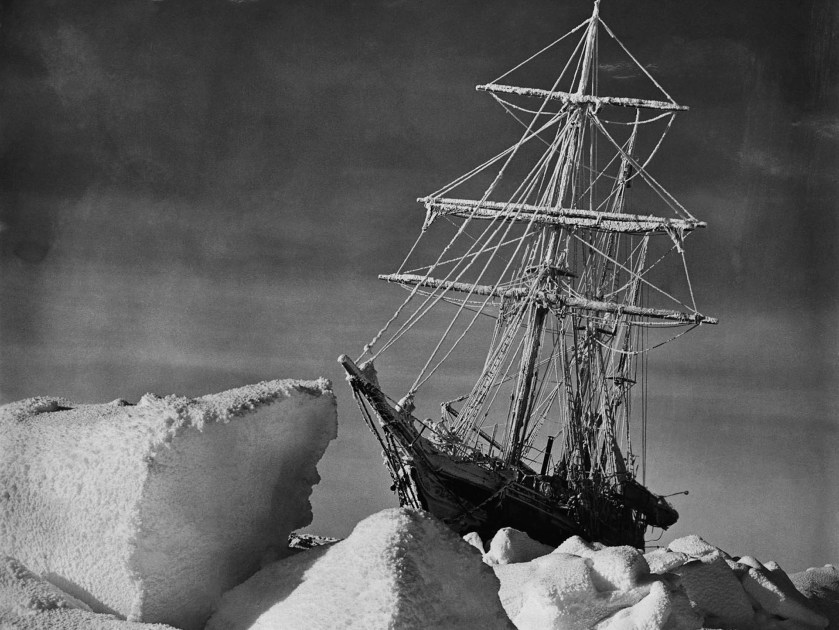



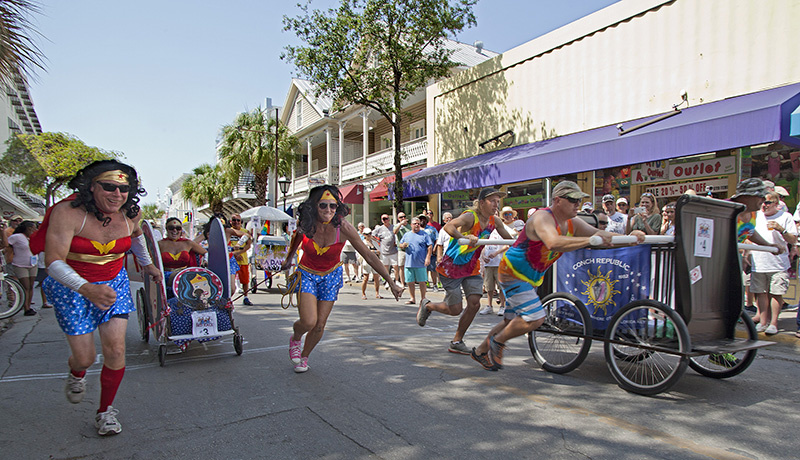

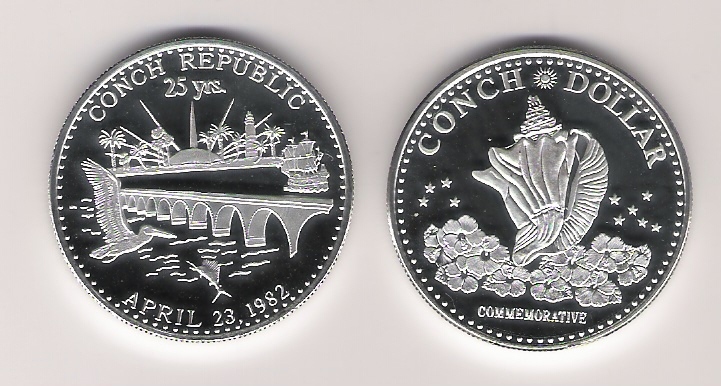
 The United States had a border in those days, which the Federal government attempted to enforce.
 Dennis Wardlow, then-Mayor of Key West, contacted the chief of police, the Monroe County sheriff, his State Representative and then-Governor Bob Graham, demanding the roadblock’s removal. With none of the above having any knowledge of the barrier and lacking the authority to pull it down, Wardlow contacted INS directly. When the Border Patrol told him it was “none of his business,” the Mayor’s response could best be summed up in the words of Bugs Bunny: “Of course you know, this means war!”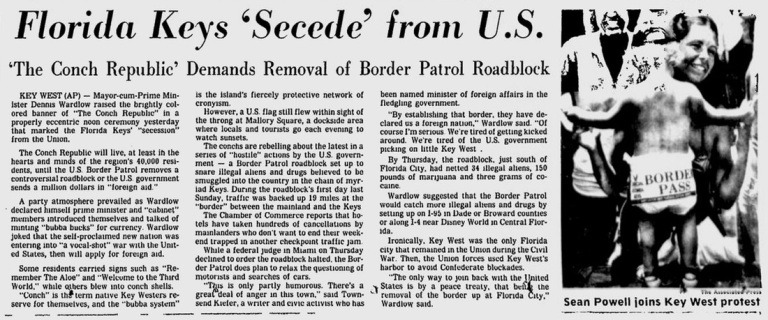
 On April 23, with federal agents on scene to monitor the proceedings, a crowd gathered before the old customs building. Mayor Wardlow and a gaggle of allies mounted the back of a flatbed truck, to read the proclamation of secession. “We serve notice on the government in Washington”, Wardlow began, “to remove the roadblock or get ready to put up a permanent border to a new foreign land. We as a people, may have suffered in the past, but we have no intention of suffering in the future at the hands of fools and bureaucrats“.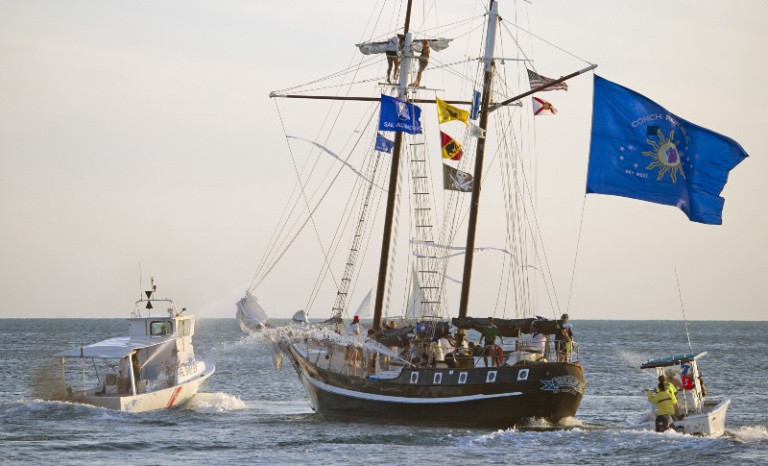
 Apparently, that’s what it takes to get the attention of a Federal government bureaucrat. The roadblock lifted. The restaurants, stores and hotels of the Keys soon filled with tourists and, once again, happiness smiled upon the land. Key West never got its “foreign aid”, but secessionist leaders never received so much as a letter, saying they couldn’t leave the Union, either.
 So it is that the micro-nation of Key West celebrates its independence, every April 23. The “Conch Republic’ issues its own passports, selling T-shirts and bumper stickers with the slogan “We seceded where others failed”.

 Both sides in the battle for Troy used poisoned arrows, according to the Iliad and the Odyssey of Homer. Alexander the great encountered poison arrows and fire weapons in the Indus valley of India, in the fourth century, BC. Chinese chronicles describe an arsenic laden “soul-hunting fog”, used to disperse a peasant revolt, in AD178.
 Imperial Germany was first to give serious study to chemical weapons of war, early experiments with irritants taking place at the battle of Neuve-Chapelle in October 1914, and with tear gas at Bolimów on January 31, 1915 and again at Nieuport, that March.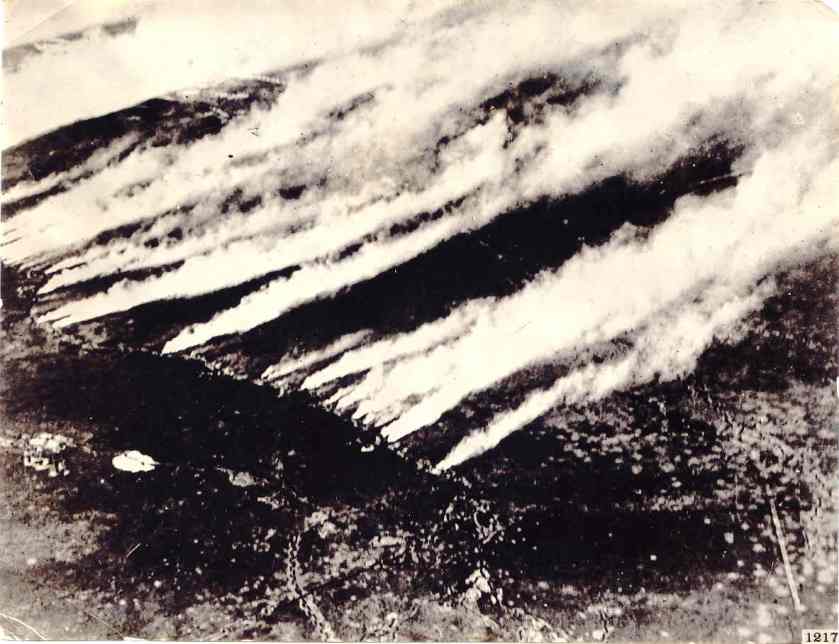
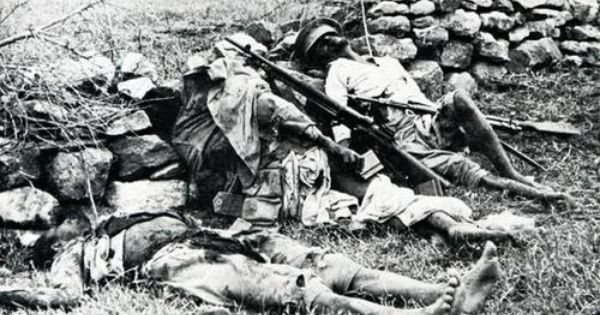
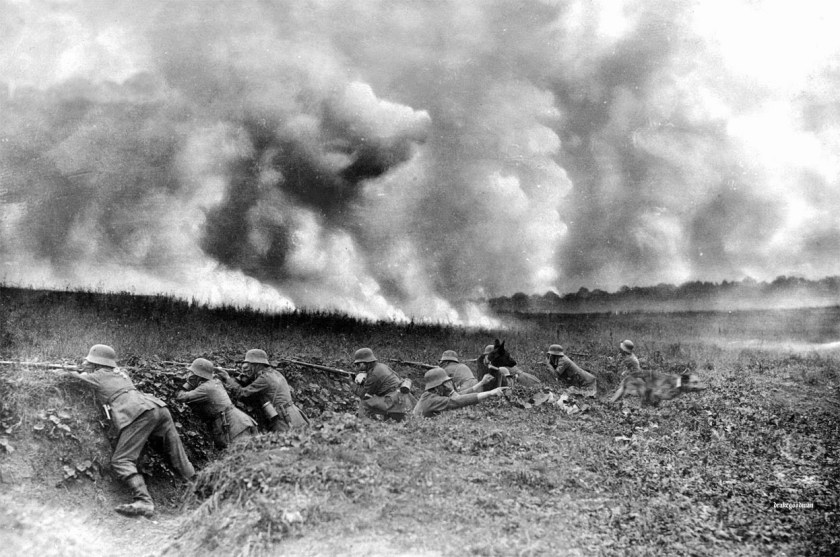
 Great Britain possessed massive quantities of mustard, chlorine, Lewisite, Phosgene and Paris Green, awaiting retaliation should Nazi Germany resort to such weapons on the beaches of Normandy. General Alan Brooke, Commander-in-Chief of the Home Forces, “[H]ad every intention of using sprayed mustard gas on the beaches” in the event of a German landing on the British home islands.
 The Geneva Protocols on 1925 banned the use of chemical weapons, but not their manufacture, or transport. By 1942, the U.S. Chemical Corps employed some 60,000 soldiers and civilians and controlled a $1 Billion budget.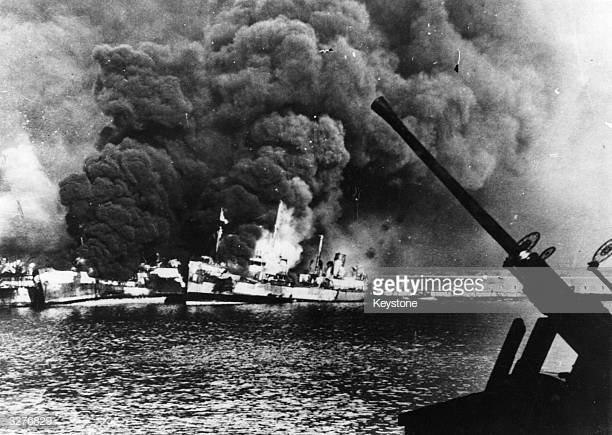
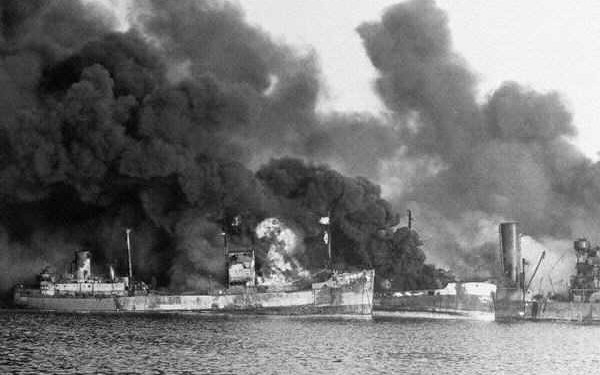
 Death comes in days or weeks. Survivors are likely to suffer chronic respiratory disease and infections. DNA is altered, often resulting in certain cancers and birth defects. To this day there is no antidote.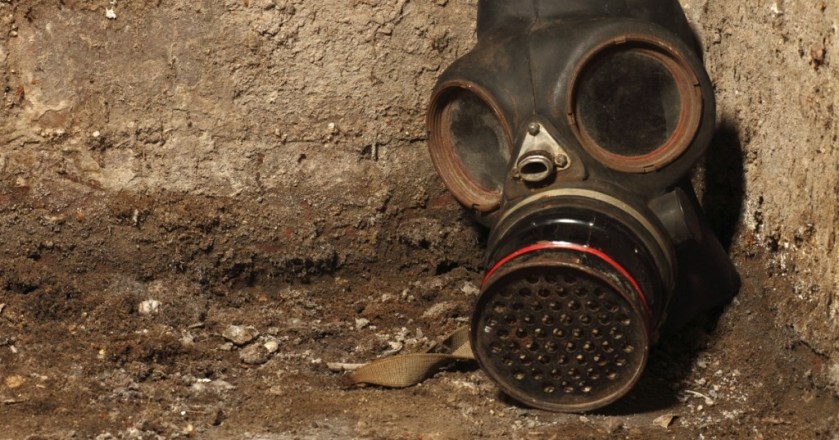
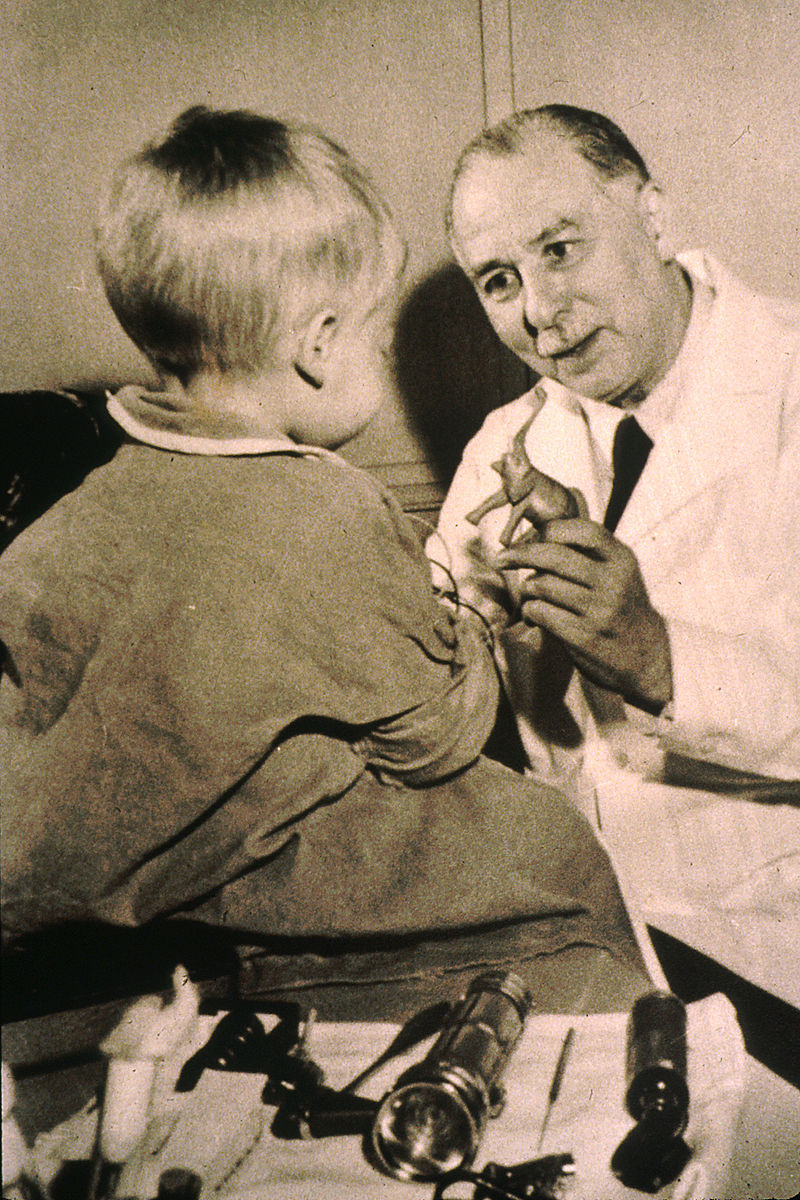

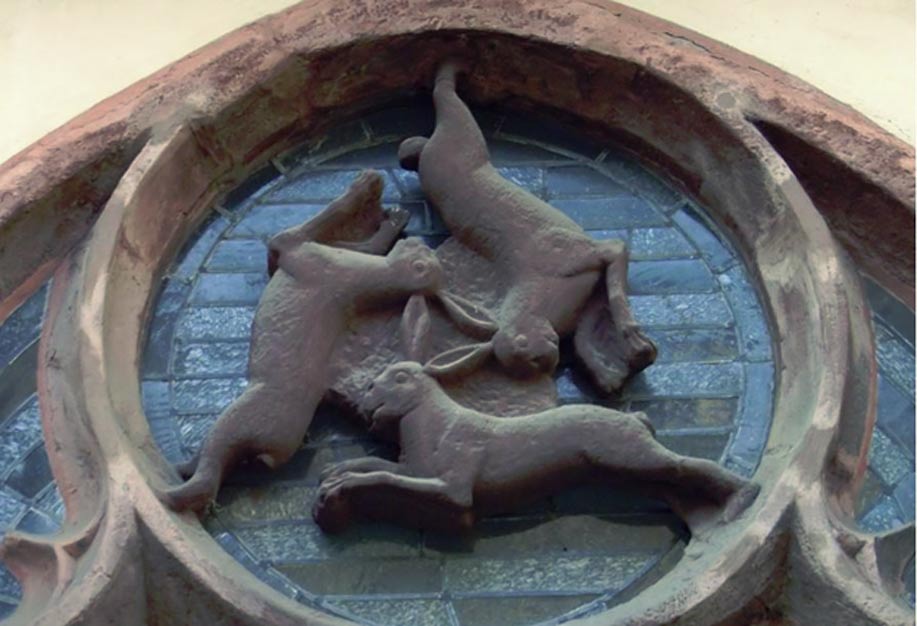


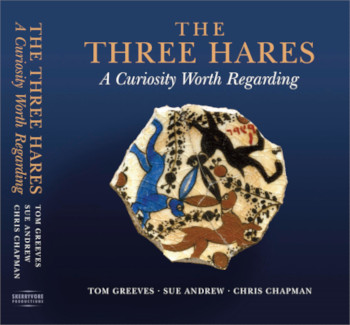


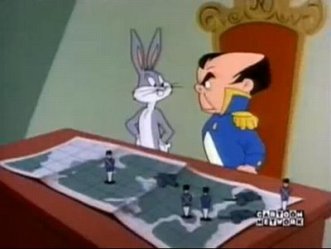
 The story involves no less a figure than Napoleon Bonaparte. In July 1807, Napoleon had just signed the Treaty of Tilsit, ending the war between the French Empire and Imperial Russia. As a means of celebration, Napoleon suggested a rabbit hunt, and ordered Chief of Staff Alexandre Berthier, to make it happen.

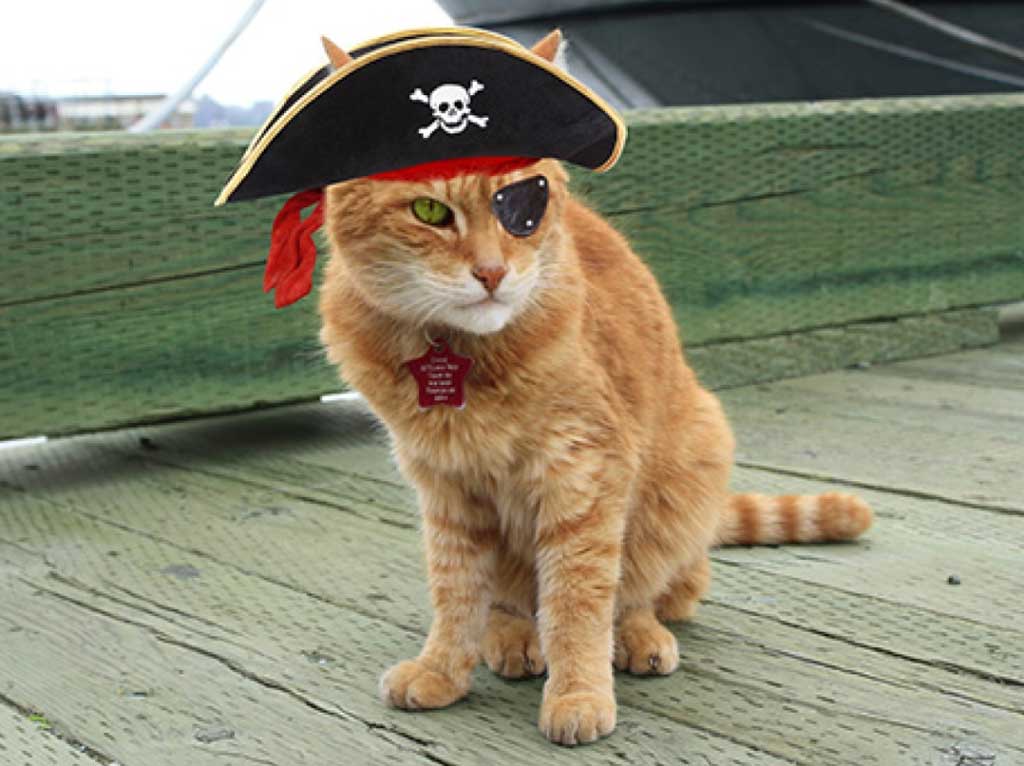
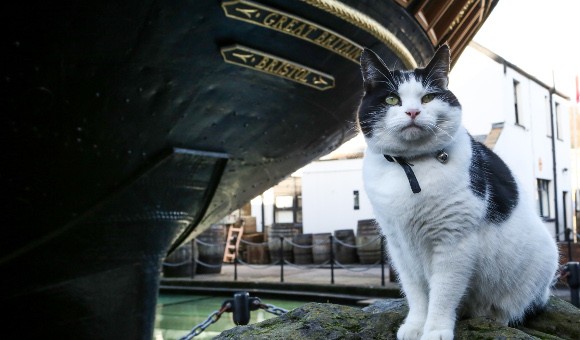



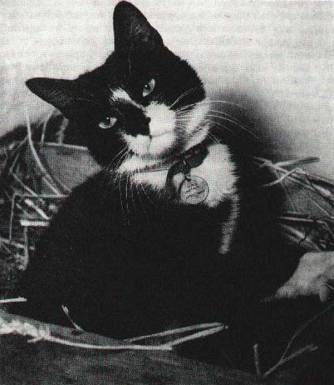
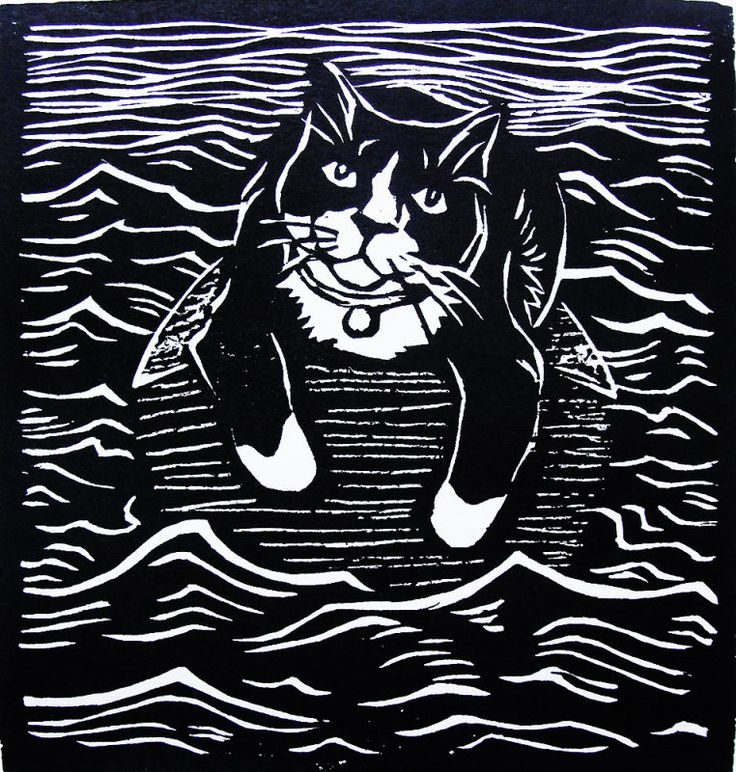
 Amethyst returned fire but it wasn’t long before she was disabled, run aground with most of her guns too high to return fire. The first salvo from the Communist guns exploded in the Captain’s quarters, mortally wounding Commander Skinner and badly injuring the ship’s cat.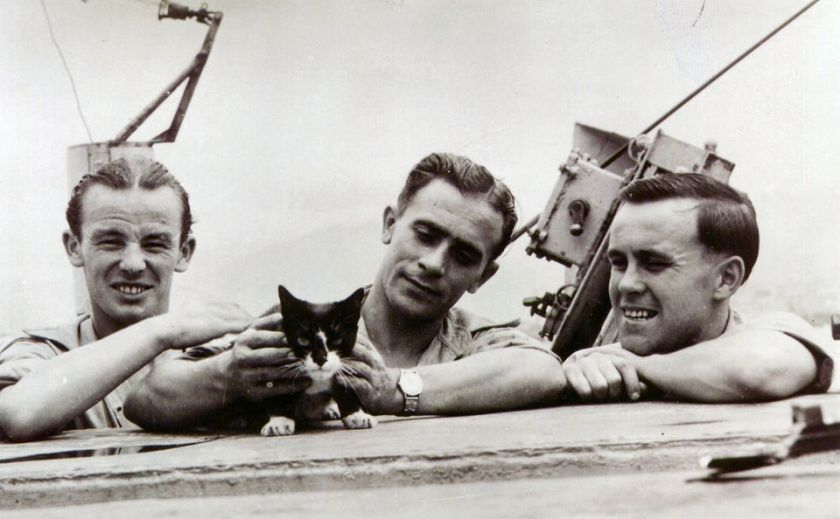
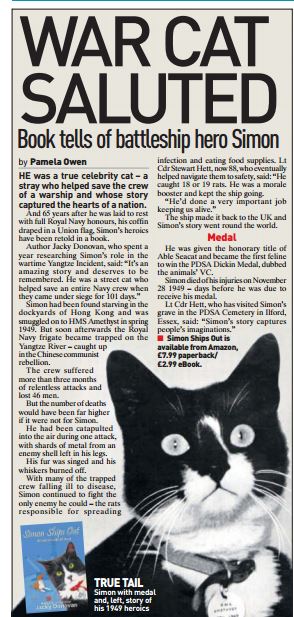 The Amethyst incident resulted in the death of 47 British seamen with another 74, wounded. HMS Amethyst herself sustained heavy damage in the episode. The heavy cruiser HMS London, the destroyer HMS Consort and the sloop HMS Black Swan were also damaged.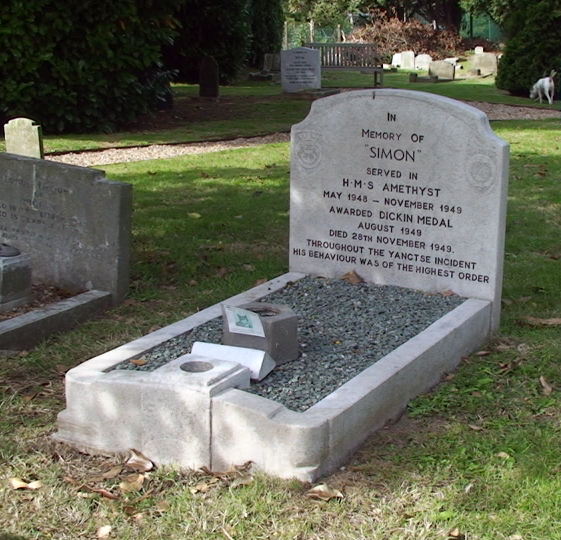




 During his junior year, Pyle and a few fraternity brothers dropped out for a year, to follow the IU baseball. The 1922 trip across the Pacific brought the group to Shanghai, Hong Kong, Manila and Japan, leaving the the young writer with a lifelong love of travel, and exploration.

 What
What  On April 17, 1945, the war correspondent landed with the U.S. Army’s 305th Infantry Regiment, 77th “Liberty Patch” Division on the island of Ie Shima. The small island northwest of Okinawa had been captured by this time, but was by no means clear of enemy soldiers.
 The best loved reporter of the second World War was buried wearing that helmet, between the remains of an infantry private and a combat engineer.


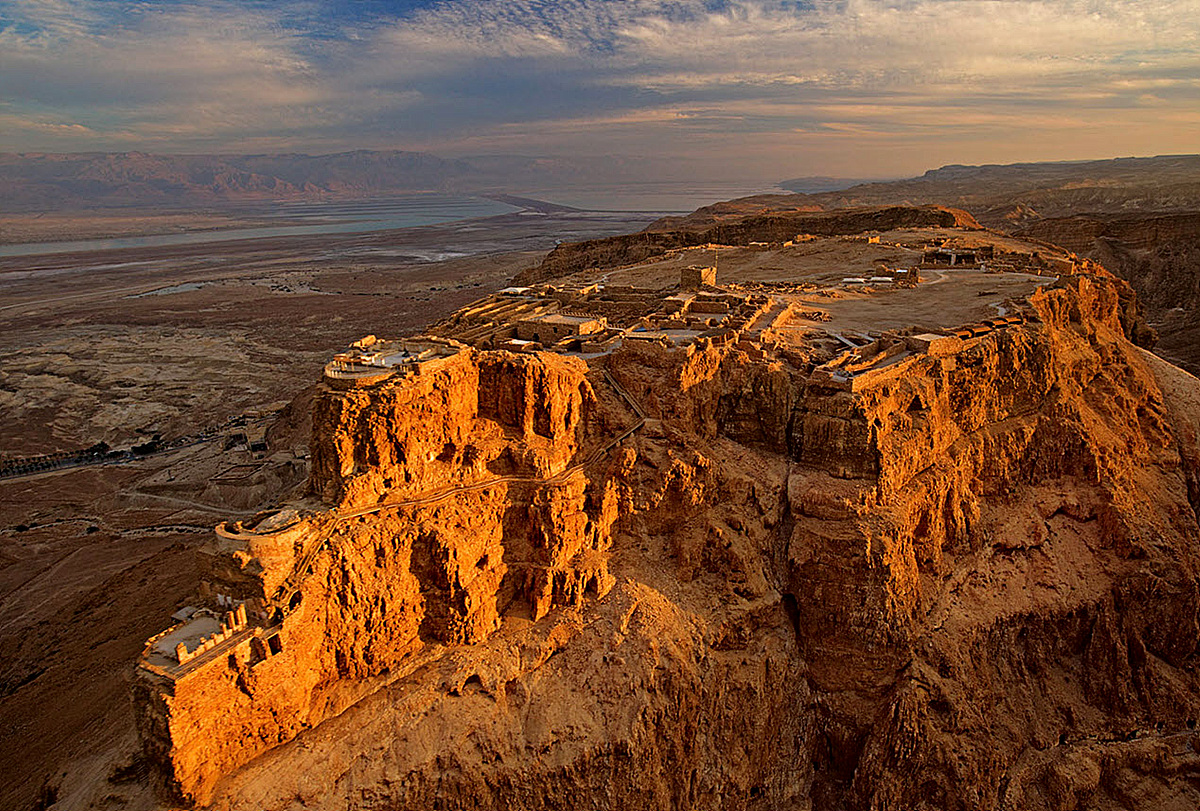
 So important is this event to the Jewish people that it is commemorated still as the bitterest day of the Jewish calendar, a day of fasting and mourning known as Tisha B’Av.


 Masada remained the last remnant of Jewish rule in Palestine in 70, following the fall of Jerusalem and destruction of the second temple. A defending force of fewer than 1,000 (including women and children) held out for nearly two years as the 15,000-strong legions of General Flavius Silva placed stone upon stone, building the sloping ramp of earth and stone seen above.

 Historical Easter Eggs - Today in History
You must be logged in to post a comment.