

When WWI broke out in 1914, a map of Africa looked nothing like it does today. From the Belgian Congo to Italian Somaliland, most of the continent was carved into colonies of the various European powers. France, Britain, Germany, Italy, Portugal, Belgium and Spain. All administered parts of the African continent.
The 2nd Battalion of the Loyal North Lancashire Regiment was stationed in Bangalore, southern India, at the outbreak of war. By mid-October, the more experienced of their Indian allies had shipped off to France, Egypt and Mesopotamia. Little but leftovers were assigned to the German East African invasion. Many had never even fired a rifle, let alone a machine gun.
Since August, there had been an informal agreement that the African territories would be left alone. That changed on November 2, when an allied force of 8,000 British troops and their Indian allies arrived at the seaport town of Tanga, in what is now Tanzania.
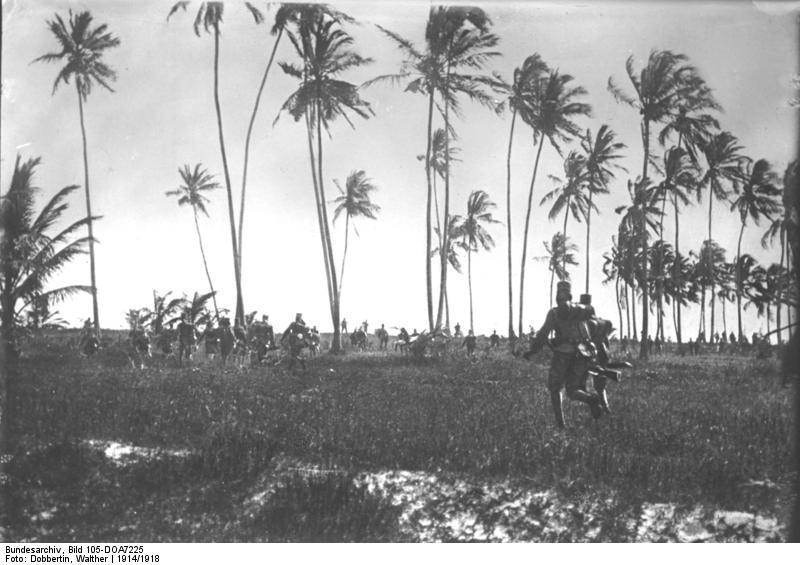 This invasion force, commanded by General Arthur Aitkin, spent that first day and most of the second sweeping for non-existent mines, before finally assembling an assault force on the beaches late on November 3rd. It was a welcome break for the German Commander, Colonel Paul Emil von Lettow-Vorbeck, who had assembled and trained a force of Askari warriors around a core of white German commissioned and non-commissioned officers.
The Germans used those 2 days to bring in more defenders, increasing their number from two companies to almost a thousand individuals. The German and Ascari defenders were well situated and very familiar with the terrain, unlike the British-led allied forces, who had conducted no reconnaissance whatsoever.
The fighting of November 4 met with mixed results. Several columns bogged down in the swamps approaching town, leaving much of their lines in disarray. The harbor contingent had some successes in the fighting that followed, with Gurkhas of the Kashmiri Rifles and the 2nd Loyal North Lancashire Regiment capturing the customs house and Hotel Deutscher Kaiser.
Though outnumbered 8 to 1, the defenders managed to turn their attackers when they got some help from an unexpected direction. Millions of bees, agitated by the gunfire, had joined in the fight.

“Killer” bees are a strain of western honey bees that have been “Africanized”; cross bred with larger, more aggressive African bees, in order to produce more honey in tropical conditions.
The honey producers who crossed these creatures in the 1950s quickly learned what Aitken’s men could have told them in 1914. These things are aggressive, they swarm, and, if angered, they will chase you for a mile and more.
The Germans got some of it, but the bees spent most of their wrath on the British and the Indians, who found themselves pelting for the beaches at maximum speed. I don’t know if it’s true or just a story, but I’ve heard of one radio man who stayed at his post, directing the beach withdrawal as he was stung to death by thousands of bees. According to the story, he received the Victoria Cross, posthumously, for gallantry “while sustaining aerial attack”.
The Battle for Tanga was a humiliating defeat for the British. The Royal Navy refused to carry heavy machine guns back, fearing that they might damage their small landing craft. The guns would be left behind, for future allied forces to deal with. It was a gift for Lettow-Vorbeck, whose forces found enough modern rifles for three Askari companies, along with 600,000 rounds of ammunition, 16 machine guns, several field telephones and enough clothing to last the Schutztruppe for a year.
 Colonel, and later General Lettow-Vorbeck, was called “Der Löwe von Afrika“, the Lion of Africa. He never once had more than 3,000 Germans and 11,000 Askaris under his command, yet he wore the allies out, leading no fewer than 300,000 British, Belgian, and Portuguese troops in a four-years long wild goose chase all over equatorial Africa.
The Lion of Africa returned to Germany a conquering hero at the end of WW1. Of all German field commanders in all theaters of the war, von Lettow alone was undefeated in the field, acclaimed as leading “the greatest single guerrilla operation in history, and the most successful”.
 Paul von Lettow-Vorbeck came to loathe Adolf Hitler, and tried to establish a conservative opposition to the Nazi political machine. When offered the ambassadorship to the Court of St. James in 1935, he apparently did more than merely decline the job. He told Der Fuehrer to perform an anatomically improbable act. Years later, Charles Miller asked the nephew of a Schutztruppe officer about the exchange. “I understand that von Lettow told Hitler to go f**k himself”. “That’s right”Came the reply, “except that I don’t think he put it that politely”.
Persecuted by the Nazis, the Lion of Africa was a broken man by the end of WWII, surviving only due to his former hero status. His home was bombed out and his two sons Rüdiger and Arnd, were dead.
Lettow-Vorbeck would get back on his feet, but for a time he had to depend on food packages from England, sent to him from Sir Richard Meinertzhagen and General Jan Smuts. Two who took to feeding the man, so great was their respect for their former adversary in the earlier war.

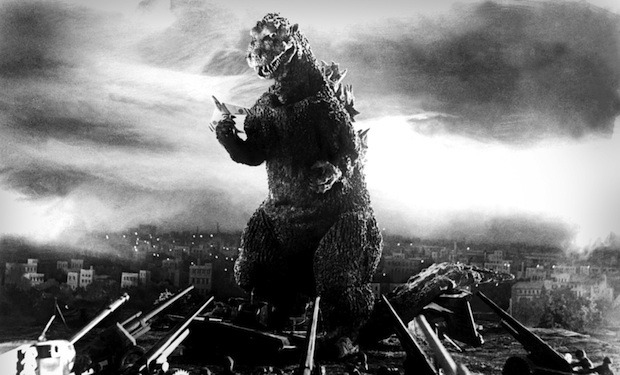
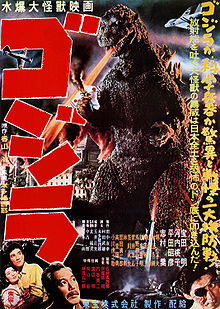
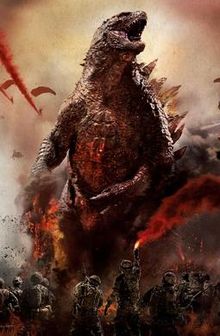 Godzilla got his own star on the Hollywood “Walk of Fame” in 2004, timed to coincide with the release of the 29th movie, “Godzilla: Final Wars.” Instead of nuclear weapons testing, this version was spawned by “environmental pollution”. It takes the superheroes of the “Earth Defense Organization” (but, of course) to freeze him back into the ice of the South Pole. The film was a flop, grossing less than $12 million after a production budget of $19 million.
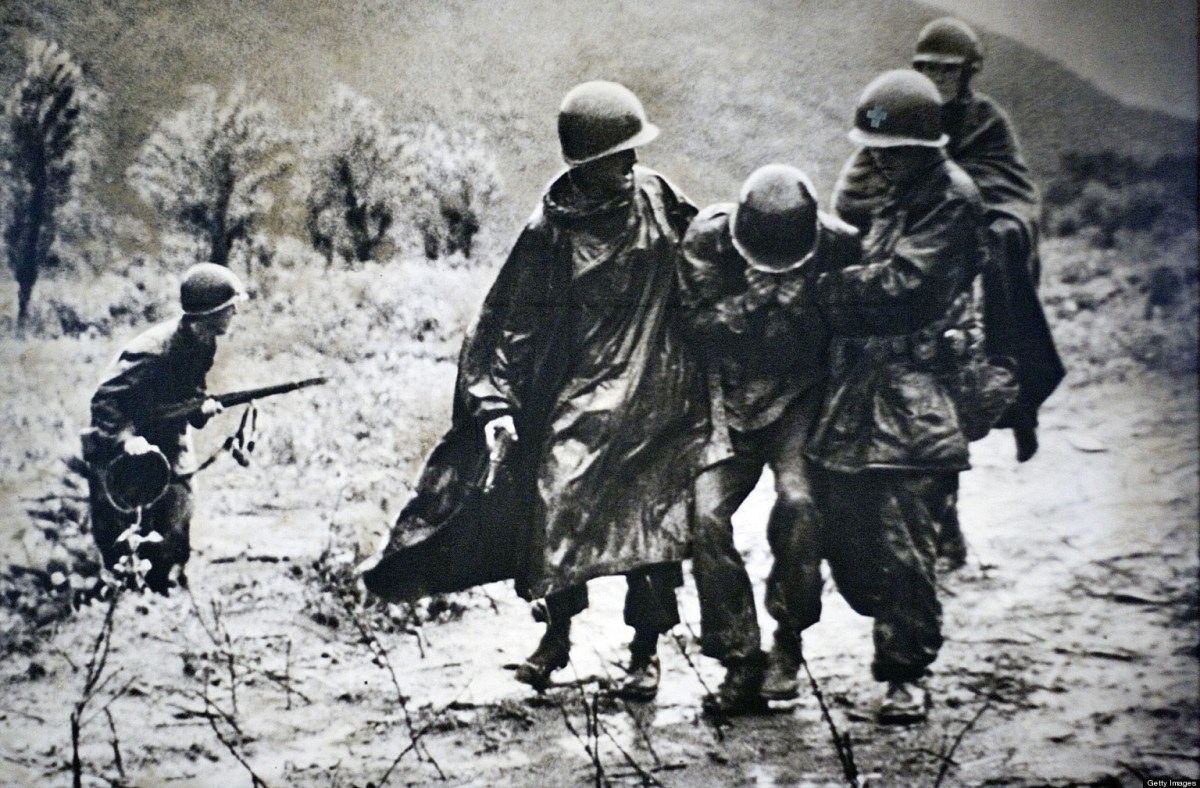
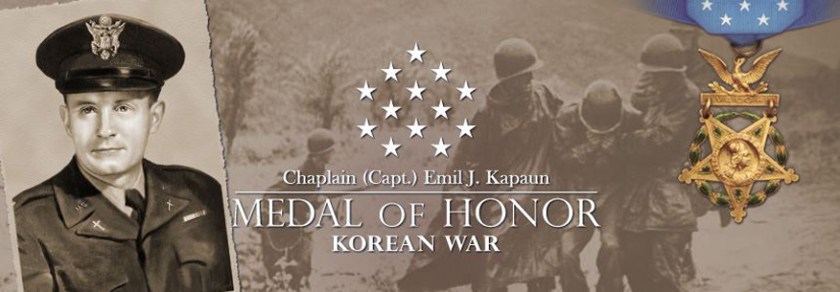
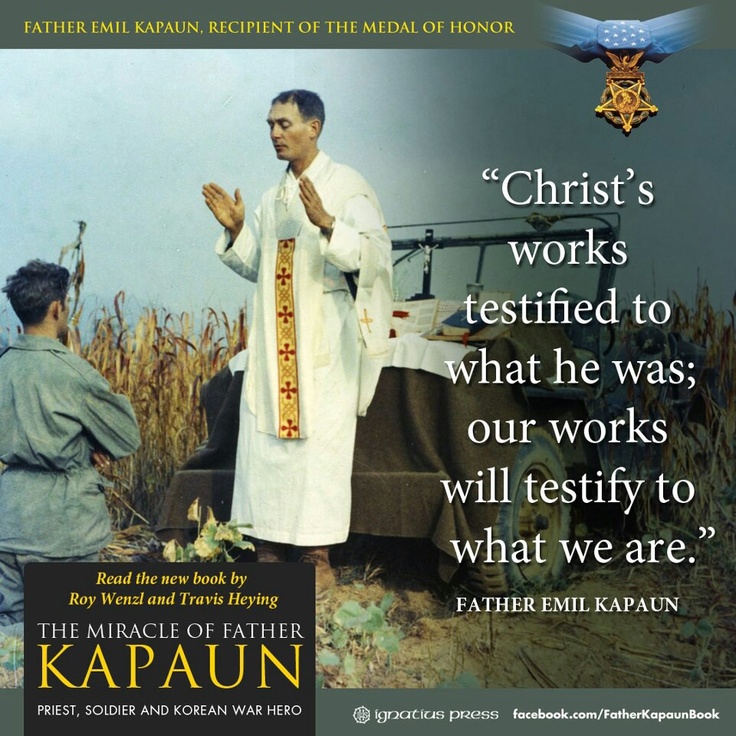
 Emil Joseph Kapaun was the son of Czech immigrants, a farm kid who grew up in 1920s Kansas. Graduating from Pilsen High, class of 1930, Kapaun spent much of the 30s in theological seminary, becoming an ordained priest of the Roman Catholic faith on June 9, 1940.
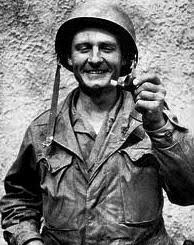
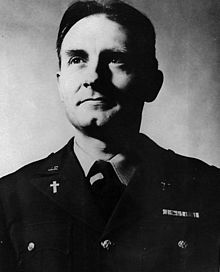


 In the Netherlands, ice hockey began sometime in the 16th century. North Americans have played the sport since 1855. For all that time, flying hockey pucks have collided with the faces of goalies. The results could not have been pretty.


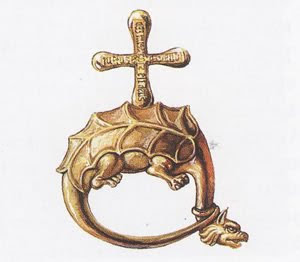 In 1436, Vlad II became voivode, (prince), of Wallachia. The sobriquet “Dracul” came from membership in the “Order of the Dragon” (literally “Society of the Dragonists”), a monarchical chivalric order founded by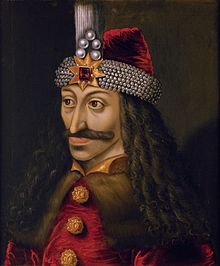
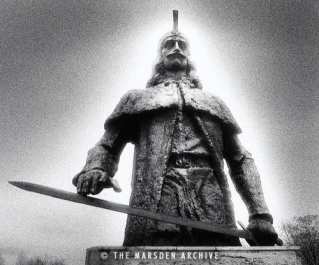 Ethnic Germans had long since emigrated to these parts, forming a distinct merchant class in Wallachian society. These Saxon merchants were allied with the boyars. It was not long before they too, found themselves impaled on spikes.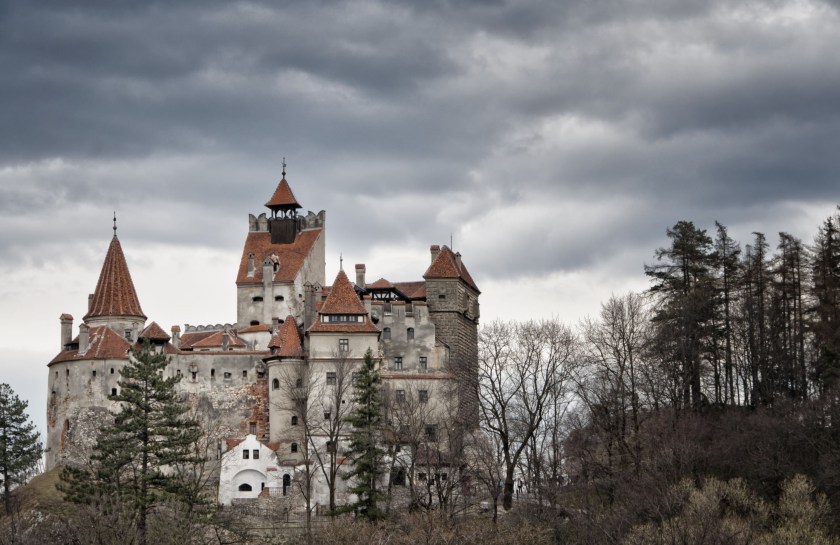


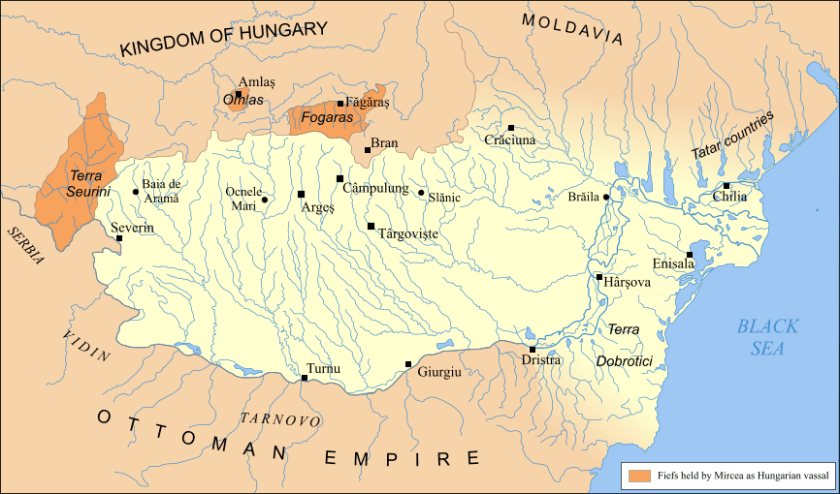

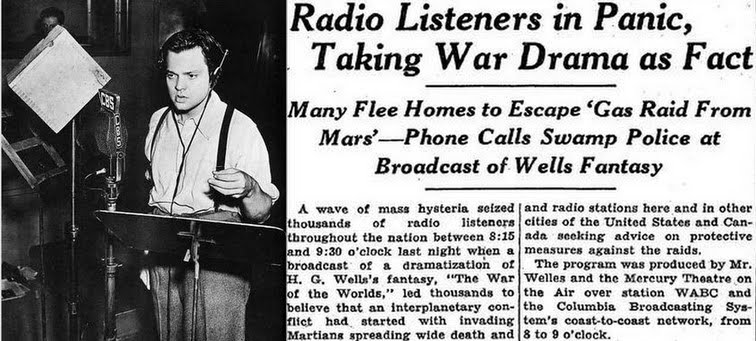
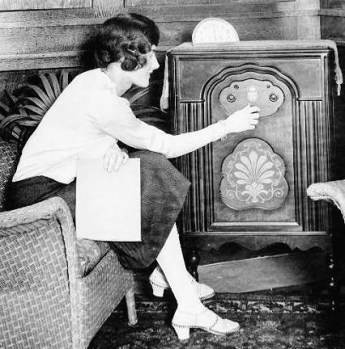 The radio drama began with a statement that what followed was fictional. The warning was repeated at the 40 and 55-minute mark, and again at the end of the broadcast. It began with a weather report, and then went to a dance band remote, featuring “Ramon Raquello and his orchestra”. The music was periodically interrupted by live “news” flashes, beginning with strange explosions on Mars. Producer Orson Welles made his first radio appearance as the “famous” (but non-existent) Princeton Professor Dr. Richard Pierson, who dismissed speculation about life on Mars.
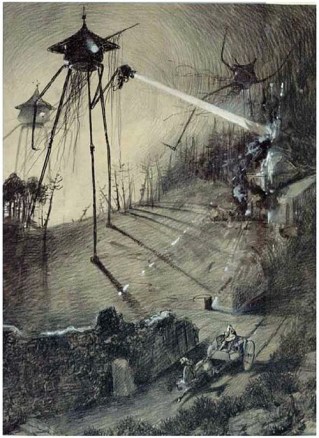 The dramatic technique was brilliant. Welles had his cast listen to the Hindenburg tape, explaining that was the “feel” that he wanted in his broadcast. Fictional on-the-spot reporter Carl Phillips describes the death ray in the same rising crescendo, only to be cut off in mid-sentence as it’s turned on him.
 The New York Times reported on Oct. 31, “In Newark, in a single block at Heddon Terrace and Hawthorne Avenue, more than 20 families rushed out of their houses with wet handkerchiefs and towels over their faces to flee from what they believed was to be a gas raid. Some began moving household furniture”.

 Born on October 29, 1921 in New Mexico and brought up in Arizona, William Henry “Bill” Mauldin was part of what Tom Brokaw called, the “Greatest Generation”.
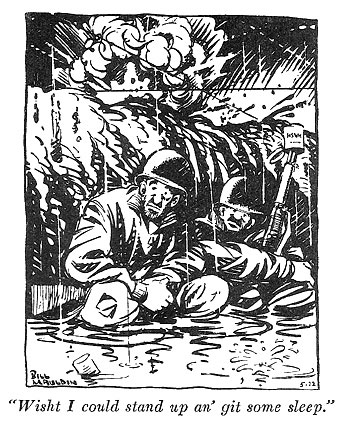 Mauldin developed two cartoon infantrymen, calling them “Willie and Joe”. He told the story of the war through their eyes. He became extremely popular within the enlisted ranks, while his humor tended to poke fun at the “spit & polish” of the officer corps. He even lampooned General George Patton one time, for insisting that his men to be clean shaven all the time. Even in combat.
 Mauldin later told an interviewer, “I always admired Patton. Oh, sure, the stupid bastard was crazy. He was insane. He thought he was living in the Dark Ages. Soldiers were peasants to him. I didn’t like that attitude, but I certainly respected his theories and the techniques he used to get his men out of their foxholes”.
 Bill Mauldin drew Willie & Joe for last time in 1998, for inclusion in Schulz’ Veteran’s Day Peanuts strip. Schulz had long described Mauldin as his hero. He signed that final strip Schulz, as always, and added “and my Hero“. Bill Mauldin’s signature, appears underneath.


 In New York city and “upstate” alike, economic ties with the south ran deep. 40¢ of every dollar paid for southern cotton stayed in New York, in the form of insurance, shipping, warehouse fees and profits.
 “Town Line”, a hamlet on the village’s eastern boundary, put it to a vote. In the fall of 1861, residents gathered in the old schoolhouse-turned blacksmith’s shop. By a margin of 85 to 40, Town Line, New York voted to secede from the Union.
 A rumor went around in 1864, that a
  Even Georgians couldn’t help themselves from commenting. 97-year-old Confederate General T.W. Dowling said: “We been rather pleased with the results since we rejoined the Union. Town Line ought to give the United States another try“. Judge A.L. Townsend of Trenton Georgia commented “Town Line ought to give the United States a good second chance“.
 Fireman’s Hall became the site of the barbecue, “The old blacksmith shop where the ruckus started” being too small for the assembled crowd. On October 28, 1945, residents adopted a resolution suspending its 1861 ordinance of secession, by a vote of 90-23. The Stars and Bars of the Lost Cause was lowered for the last time, outside the old blacksmith shop.

 This is a story of Independence, of Revolution. Of overthrowing a Spanish-speaking government, and creating an Independent Republic in the American South. Its banner was a single, five-pointed white star on a blue field. It was the original Lone Star Republic. The Republic of West Florida.
 The French first came to America in 1524, colonizing vast expanses from Quebec to Green Bay in the north, Baton Rouge to Biloxi in the south. They sought wealth, territory and a route to the Pacific Ocean. What they got was endless conflict.
 President Jefferson bought 828,000 square miles from the French in 1803, doubling the size of the United States, but the exact borders were unclear.
 That was about it. Surviving soldados fled, as the flag of the new Republic was unfurled over the fort: a dark blue field with a single white star. The whole thing had taken about a minute.


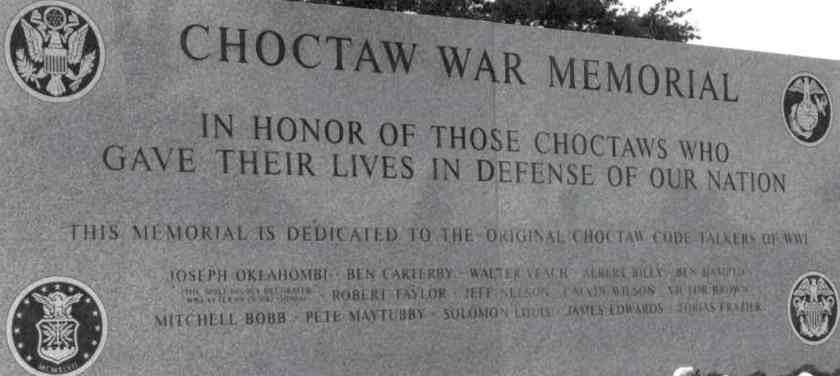
 Late in 1917, Colonel A. W. Bloor was serving in France with the 142nd Infantry Regiment. They were a Texas outfit, constituted in May of that year and including a number of Oklahoma Choctaws.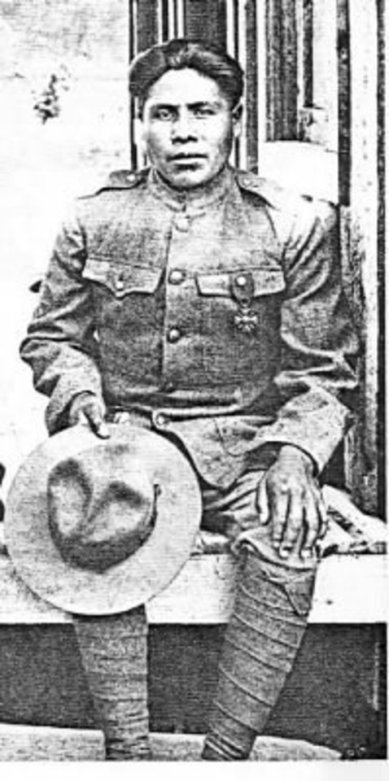


You must be logged in to post a comment.