

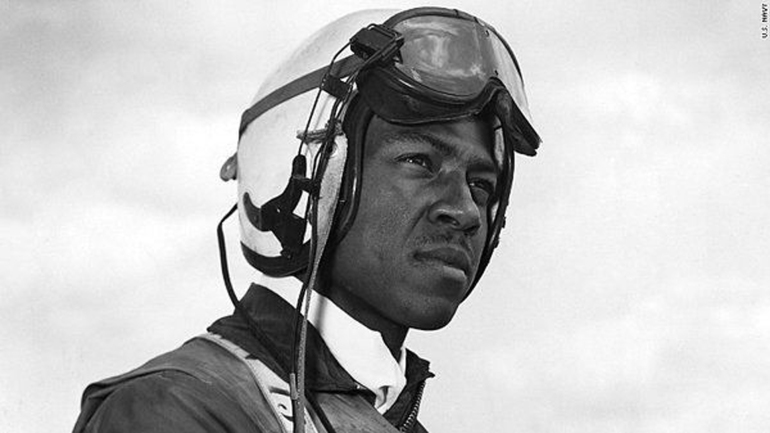
A boy was born this day in Hattiesburg Mississippi, the son of poor tenant farmers. Jesse LeRoy Brown had all the disadvantages of a poor black child growing up under depression-era segregation, but Julia and John Brown kept their son on the “straight & narrow”, insisting he stuck with his studies.
Thomas Jerome Hudner, Jr. was born in 1924, son of the Irish American owner of a chain of grocery stores from Fall River Massachusetts, who went on to attend the prestigious Phillips Andover Academy, in 1939.
Jesse Brown and Thomas Hudner could not have come from more different backgrounds. The lives of the two came together with the United States Navy, the two men becoming pilots and serving together during the conflict in Korea.
On June 25, 1950, ten divisions of the North Korean People’s Army launched a surprise invasion of their neighbor to the south. The 38,000 man army of the Republic of Korea didn’t have a chance against 89,000 men sweeping down in six columns from the north. Within hours, the shattered remnants of the army of the ROK and its government, were retreating south toward the capital of Seoul.
The United Nations security council voted to send troops to the Korean peninsula. In November, the People’s Republic of China entered the conflict in support of their Communist neighbor.
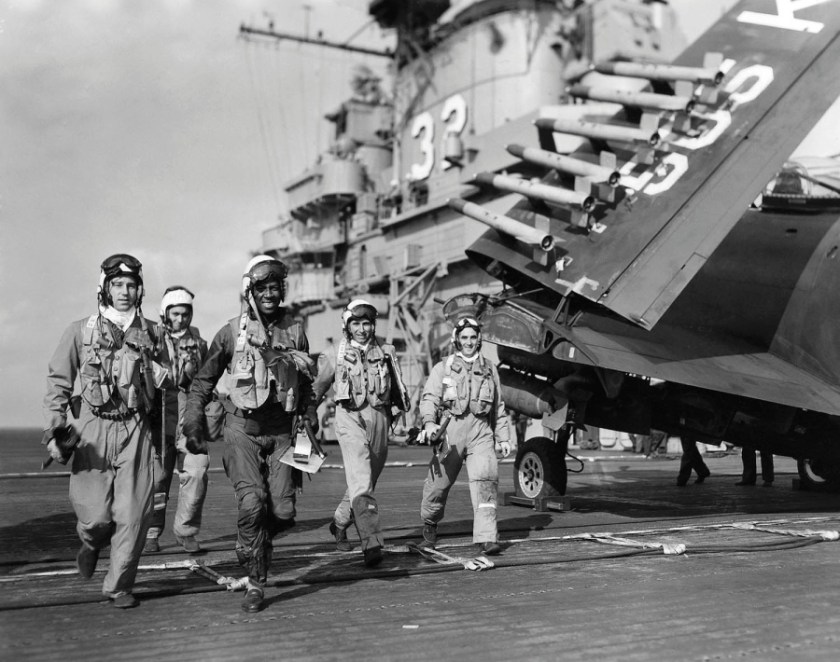
By December, nearly 100,000 troops of the People’s Volunteer Army had all but overrun the 15,000 men of the US X Corps, who found themselves surrounded in the frozen wasteland of the Chosin Reservoir. Dozens of close air support missions were being flown every day to keep the Chinese army at bay. On December 4, Jesse Brown and Thomas Hudner were flying one of those missions.
The two were part of a 6-plane formation of F4U Corsairs, each pilot flying “wing man” for the other. Brown’s aircraft was hit by small arms fire from the ground, leaving him no alternative but a crash landing on a snow covered mountain. Flying overhead, Hudner could see his wing man below, severely injured and struggling to get out of the burning aircraft, his leg trapped in the crumpled cockpit.
 Hudner acted on instinct, deliberately crash landing his own aircraft and, now injured, running across the snow to the aid of his friend and wing man. Hudner scooped snow onto the fire with his bare hands in the bitter 15° cold, burning himself in the progress while Brown faded in and out of consciousness. Soon, a Marine Corps helicopter pilot landed, to help out. The two tore into the stricken aircraft with an axe for 45 minutes, but could not free the trapped pilot.
The Marine and the Navy Pilot were considering Jesse’s plea that they amputate his trapped leg with the axe, when the pilot faded away for the last time. Jesse Leroy Brown’s final words were “Tell Daisy I love her”.
They had to leave. “Night was coming on” Hudner would later explain, “and the helicopter was not equipped to fly in the dark. We’ll come back for you”, he said.
Jesse Brown could no longer hear him.
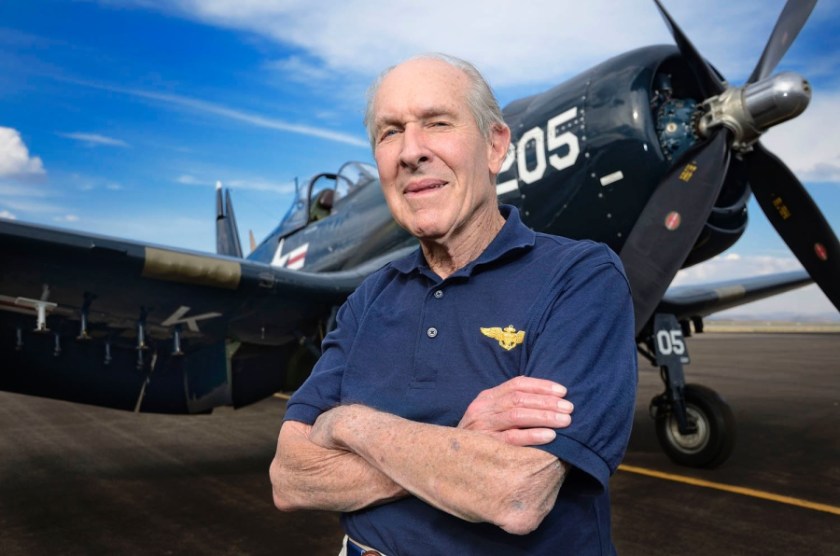
Hudner pleaded with authorities to go back to the crash site, but they were unwilling to risk further loss of life. They would napalm the crash site so that the Chinese couldn’t get to the aircraft or the body, though pilots reported that it looked like the Brown’s body had already been disturbed.
Captain Hudner expected a court-martial for intentionally downing his aircraft. USS Leyte commander Captain Thomas Upton Sisson told him, “Personally, I’ve never heard of a more wonderful act than what you pulled out there.”
Jesse LeRoy Brown was the first Naval Aviator of African ancestry, earning his wings only months after President truman, integrated the military. He was first to die in the Korean War, recipient of the Distinguished Flying Cross and Purple Heart, both awarded, posthumously. Thomas Hudner was awarded the Medal of Honor for his actions on that frozen mountainside. One of eleven to be so honored following the battle of the Chosin Reservoir, Hudner was the only Naval aviator awarded the Medal of Honor, during the entire conflict in Korea.
Thomas Hudner visited the North Korean capital of Pyongyang in July 2013, where he received permission to return to the site. He was 88 at the time, but weather hampered the effort. North Korean authorities told him to return when the weather was more cooperative.
In May 2012, Secretary of the Navy Ray Mabus announced an Arleigh Burke-class guided missile destroyer to be named USS Thomas Hudner. Four years later, 91-year-old Thomas Hudner wrote to the Secretary, on behalf of his wingman:
“It pains me to ask for any favor, but there is one last cause to which I must attend”.
Hudner requested that a ship be named after his wingman.
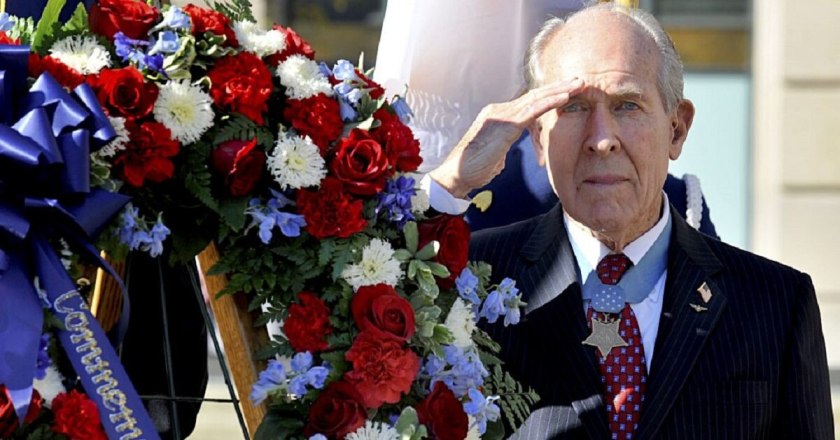
Retired Navy Capt. Thomas Hudner salutes while “Taps” is played during the Centennial of Naval Aviation wreath-laying ceremony at the Navy Memorial in Washington D.C., in 2011. H/T Military Times
Captain Hudner lived out the last years of his life with his wife Georgea, at the couple’s home in Concord Massachusetts. He passed away on November 13, 2017 at the age of 93.
A year later nearly to the day, December 1, 2018, the USS Thomas Hudner (DDG-116) was commissioned in Boston Harbor, members of both families, in attendance.
Jessica Knight Henry, Brown’s granddaughter and namesake, summed up the meaning of this day. “Jesse and Tom’s stories have been intertwined since that fateful day”.
Jesse LeRoy Brown’s remains were never recovered.


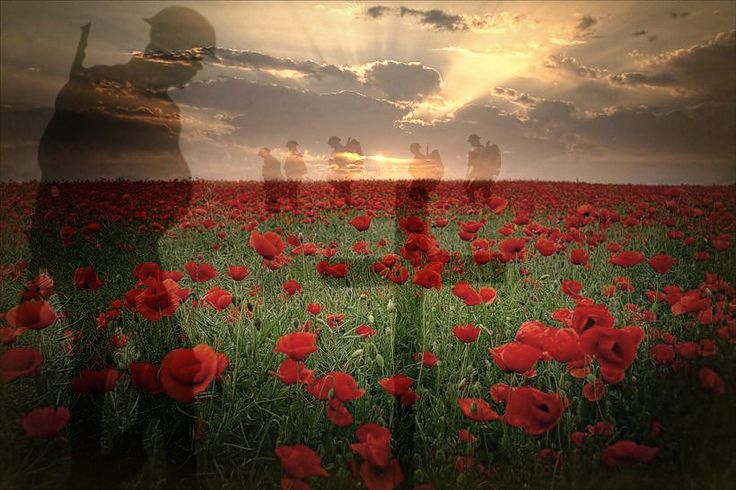
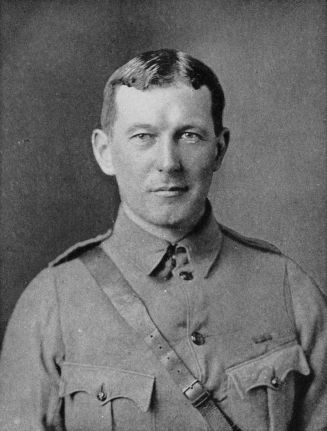 John McCrae was a physician and amateur poet from Guelph, Ontario. Following the outbreak of war in 1914, McCrae enlisted in the Canadian Expeditionary Force at the age of 41. He had the option of joining the medical corps based on his age and training, but volunteered instead to join a fighting unit as gunner and medical officer.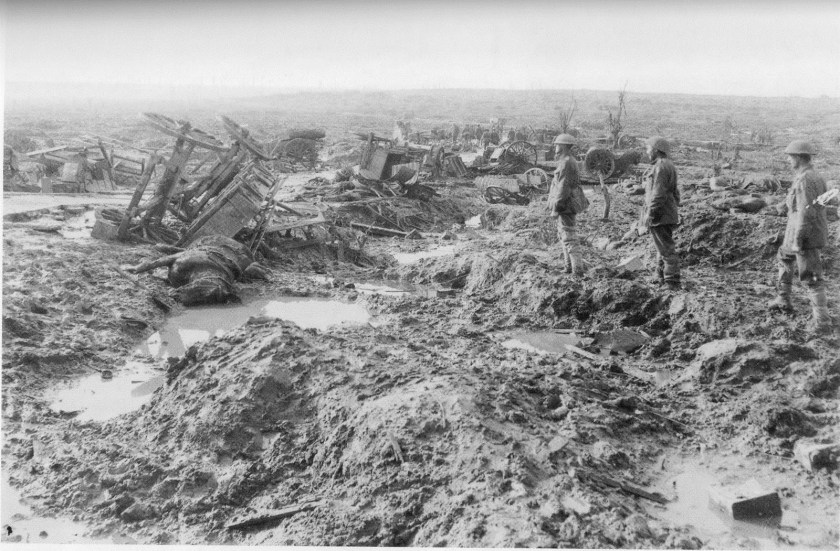




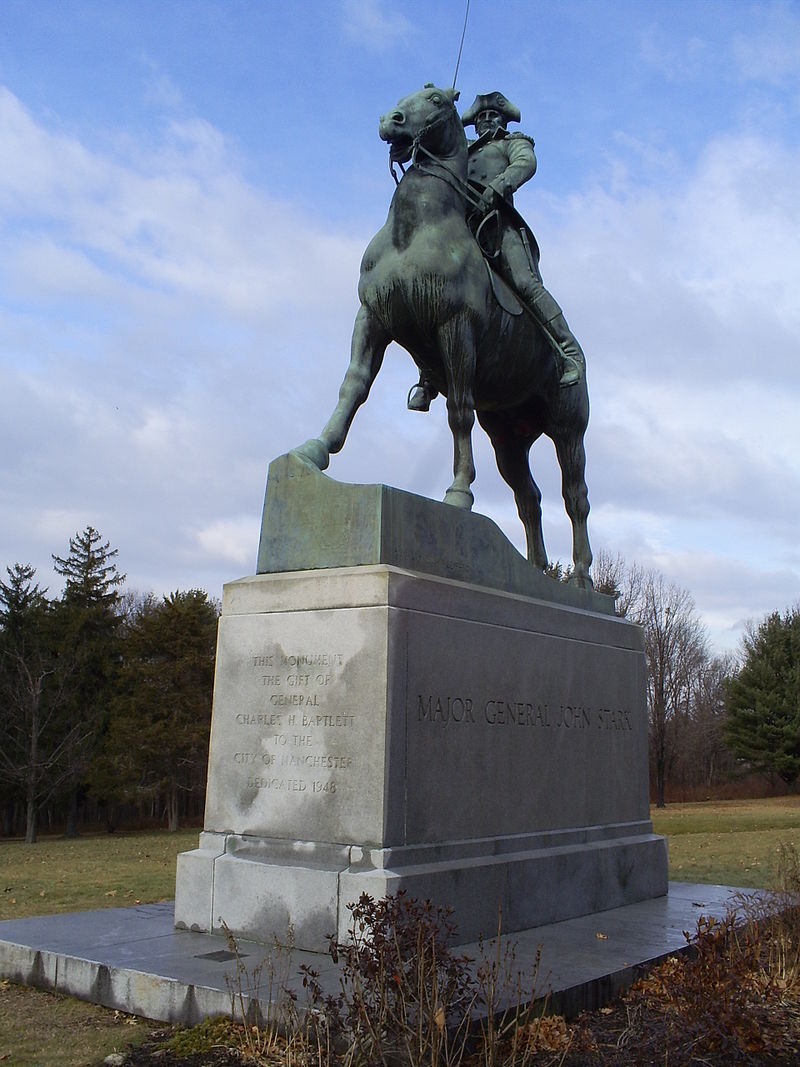
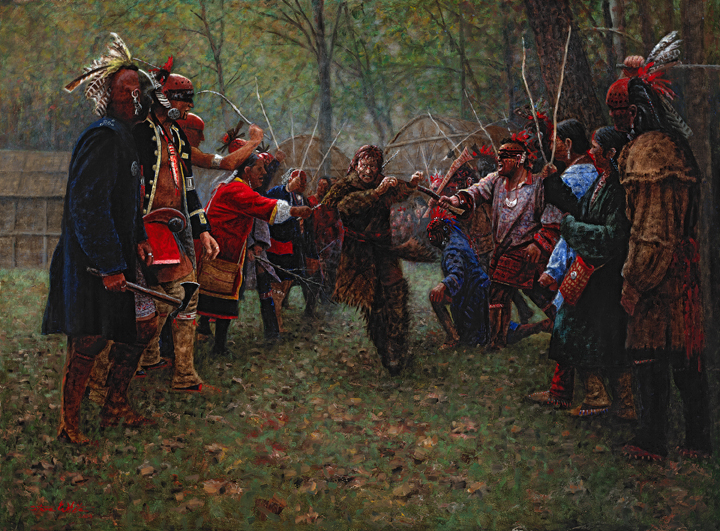
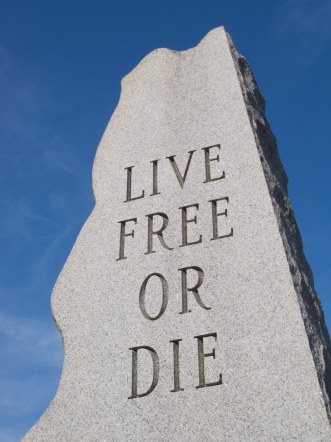 Seven years later during the French & Indian War, Rogers’ Rangers were ordered to attack the Abenaki village with John Stark, second in command. Stark refused to accompany the attacking force out of respect for his Indian foster family, returning instead to Derryfield and his wife Molly, whom he had married the year before.


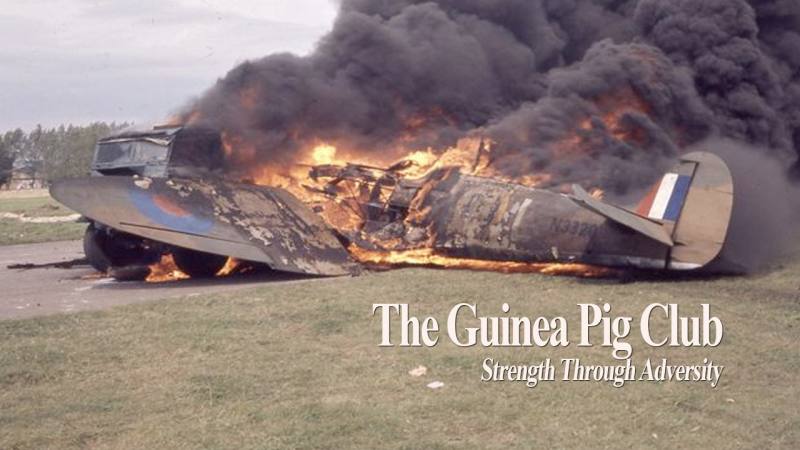




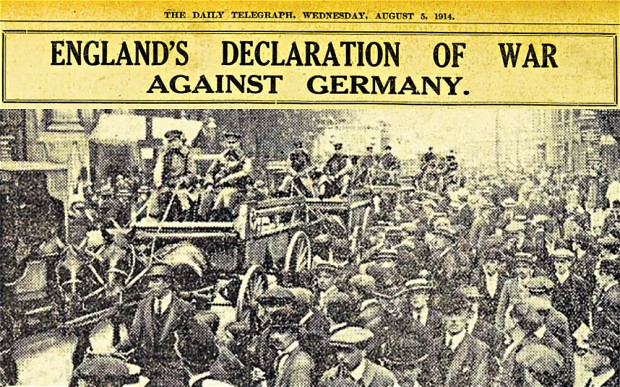
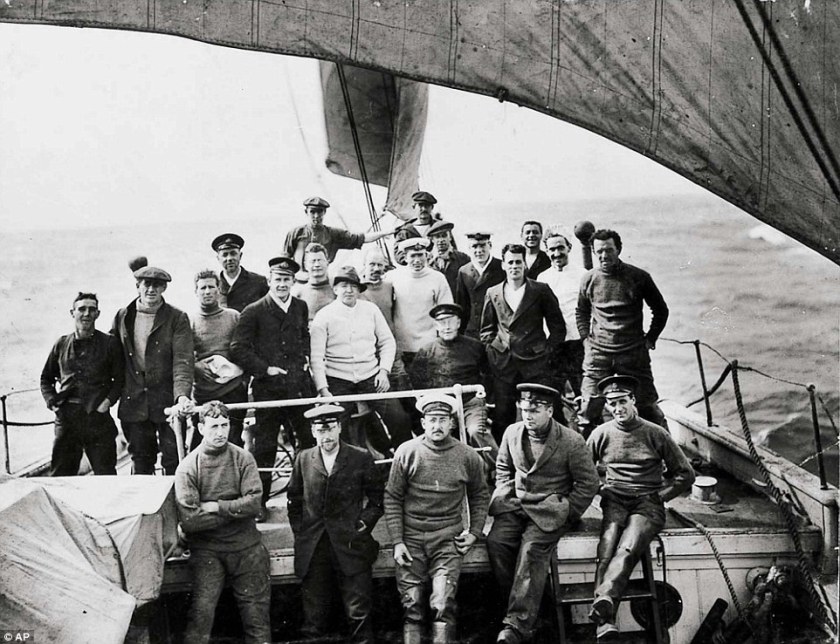
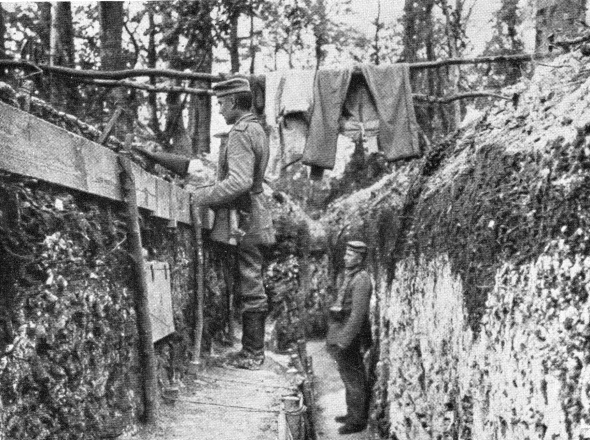
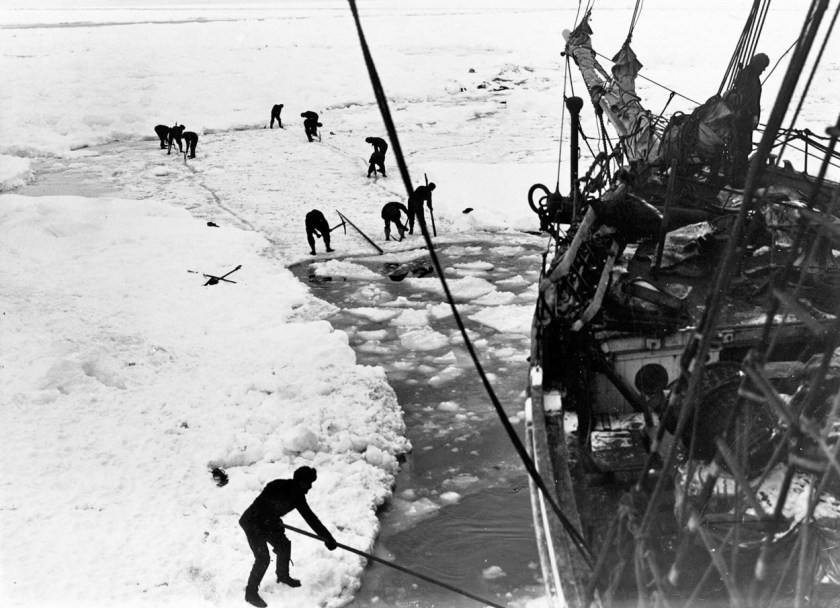
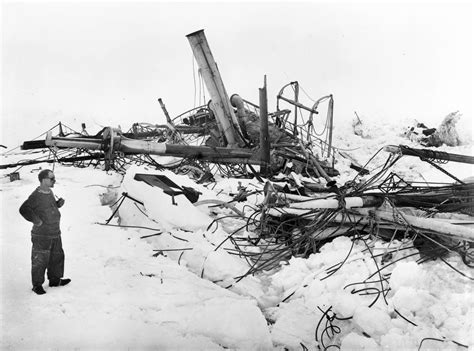
 The disaster of the Great War became “Total War” with the zeppelin raids of January, as Endurance met with disaster of its own. The ship was frozen fast, within sight of the Antarctic continent. There was no hope of escape.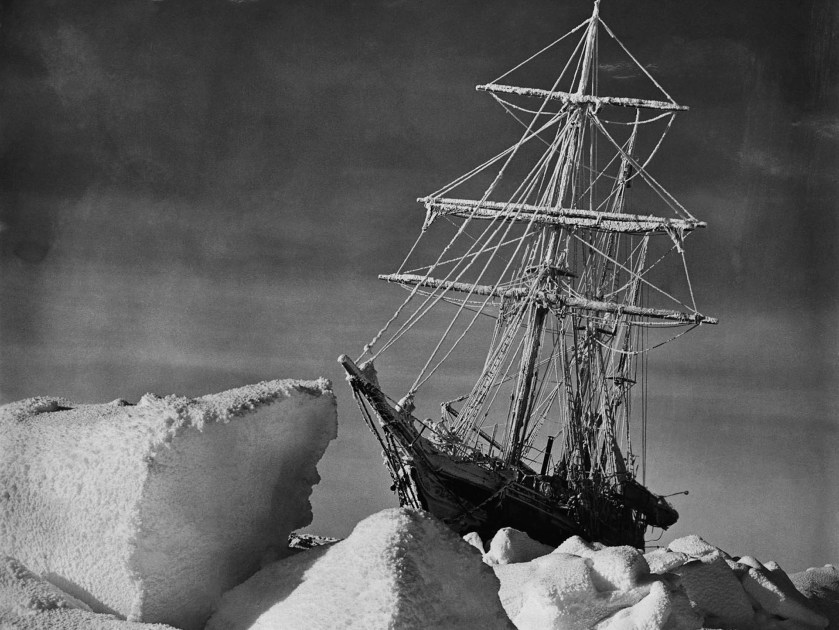
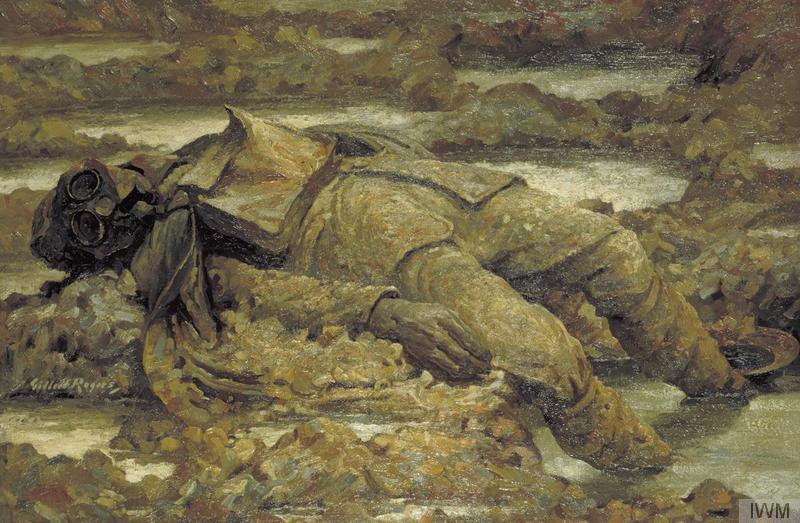


 Both sides in the battle for Troy used poisoned arrows, according to the Iliad and the Odyssey of Homer. Alexander the great encountered poison arrows and fire weapons in the Indus valley of India, in the fourth century, BC. Chinese chronicles describe an arsenic laden “soul-hunting fog”, used to disperse a peasant revolt, in AD178.
 Imperial Germany was first to give serious study to chemical weapons of war, early experiments with irritants taking place at the battle of Neuve-Chapelle in October 1914, and with tear gas at Bolimów on January 31, 1915 and again at Nieuport, that March.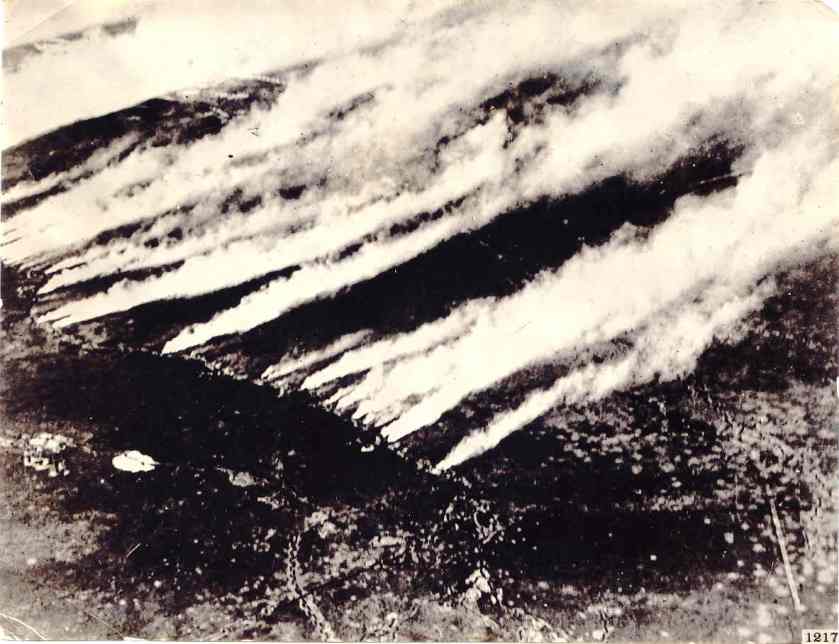
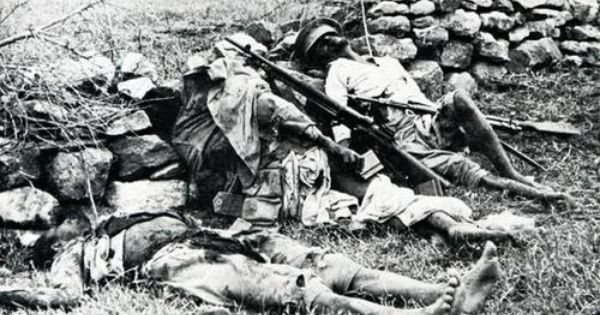
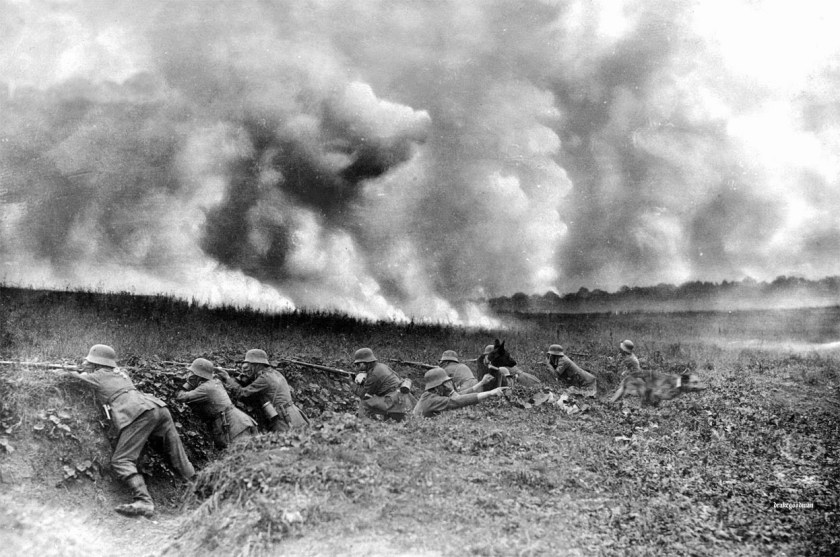
 Great Britain possessed massive quantities of mustard, chlorine, Lewisite, Phosgene and Paris Green, awaiting retaliation should Nazi Germany resort to such weapons on the beaches of Normandy. General Alan Brooke, Commander-in-Chief of the Home Forces, “[H]ad every intention of using sprayed mustard gas on the beaches” in the event of a German landing on the British home islands.
 The Geneva Protocols on 1925 banned the use of chemical weapons, but not their manufacture, or transport. By 1942, the U.S. Chemical Corps employed some 60,000 soldiers and civilians and controlled a $1 Billion budget.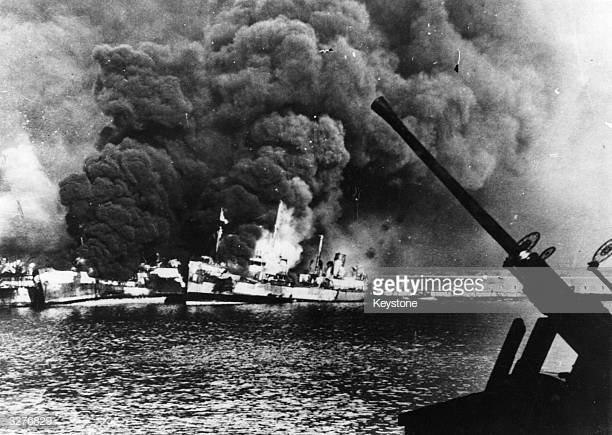
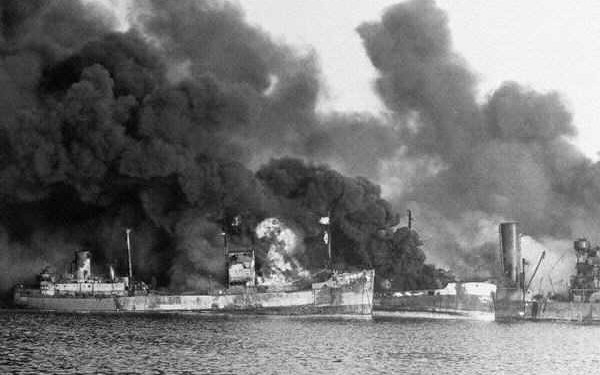
 Death comes in days or weeks. Survivors are likely to suffer chronic respiratory disease and infections. DNA is altered, often resulting in certain cancers and birth defects. To this day there is no antidote.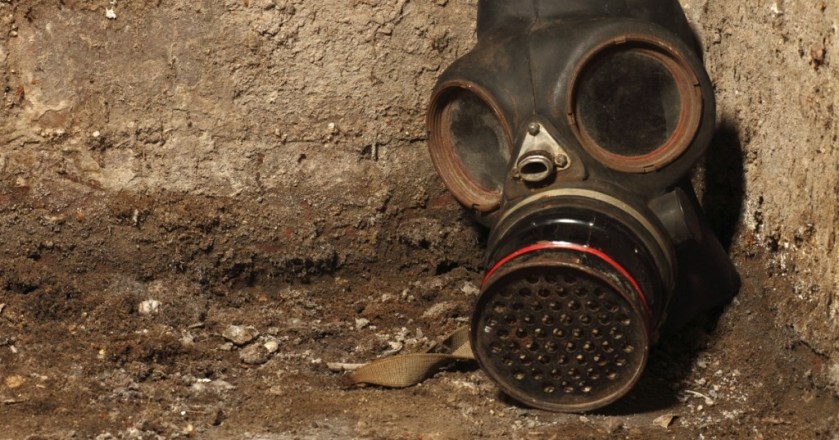


 During his junior year, Pyle and a few fraternity brothers dropped out for a year, to follow the IU baseball. The 1922 trip across the Pacific brought the group to Shanghai, Hong Kong, Manila and Japan, leaving the the young writer with a lifelong love of travel, and exploration.

 What
What  On April 17, 1945, the war correspondent landed with the U.S. Army’s 305th Infantry Regiment, 77th “Liberty Patch” Division on the island of Ie Shima. The small island northwest of Okinawa had been captured by this time, but was by no means clear of enemy soldiers.
 The best loved reporter of the second World War was buried wearing that helmet, between the remains of an infantry private and a combat engineer.
 Historical Easter Eggs - Today in History
You must be logged in to post a comment.