
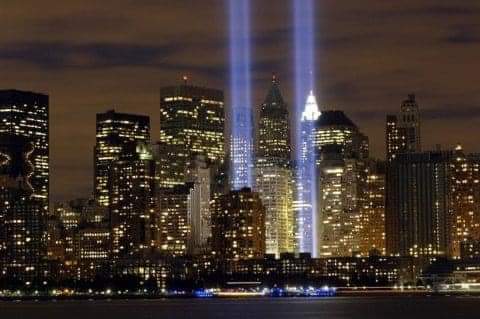
A great wave of immigrants came to the United States around the turn of the 20th century, 20 million Europeans or more making the long journey to become Americans.
Among them was the Ogonowski family, emigrating from Poland to make their home in Massachusetts’ Merrimack Valley, along the New Hampshire line.
The earliest members of the family received invaluable assistance from Yankee farmers, well acclimated to growing conditions in the harsh New England climate. Four generations later, the Ogonowski family still tilled the soil of their 150 acre “White Gate Farm” in Dracut, Massachusetts.
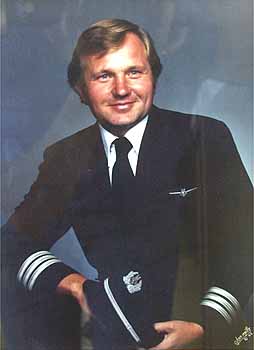
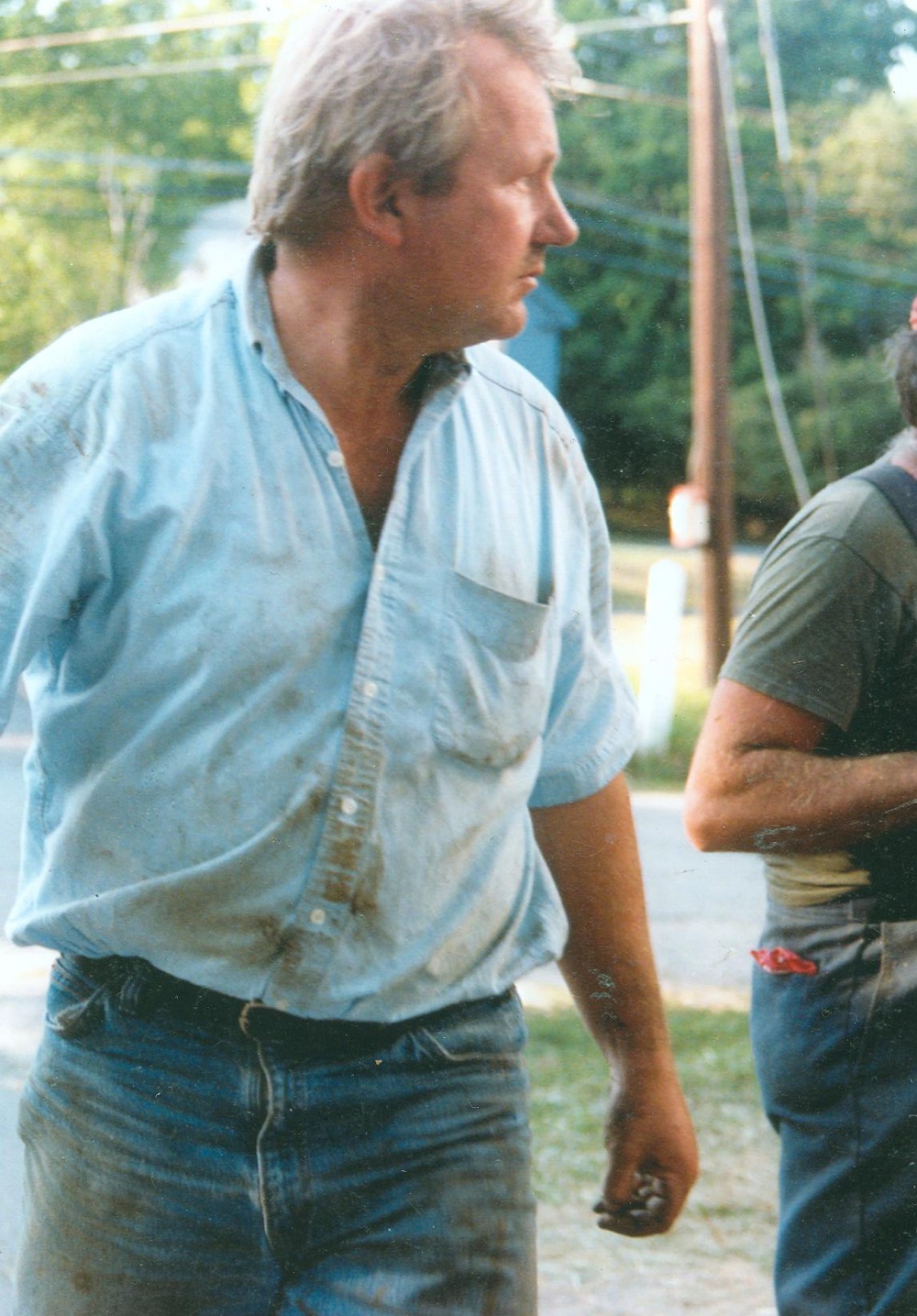
Graduating from UMass Lowell in 1972 with a degree in nuclear engineering, John Ogonowski joined the United States Air Force. During the war in Vietnam, the farmer-turned-pilot would ferry equipment from Charleston, South Carolina to Southeast Asia, sometimes returning with the bodies of the fallen aboard his C-141 transport aircraft.
Ogonowski left the Air Force with the rank of Captain, becoming a commercial pilot and joining American Airlines in 1978. There he met Margaret, a flight attendant, “Peggy” to her friends. The two would later marry and raise three daughters.
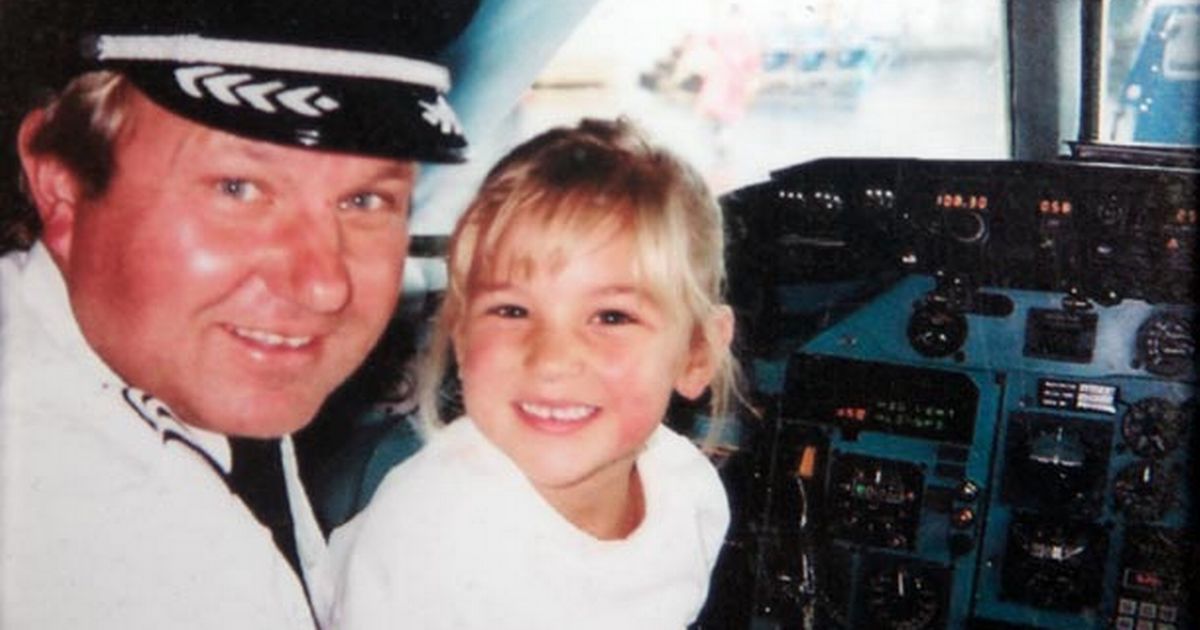
Twelve days a month, Ogonowski would leave the farm in his Captain’s uniform, flying jumbo jets out of Logan Airport. He’d always return to the land he loved.
Family farming is not what it used to be, as suburban development and subdivisions creep into what used to be open spaces. “When you plant a building on a field” he would say, “it’s the last crop that will ever grow there”.
Ogonowski helped to create the Dracut Land Trust in 1998, working to conserve the town’s agricultural heritage. He worked to bring more people into farming. The bumper sticker on his truck read “There is no farming without farmers”.
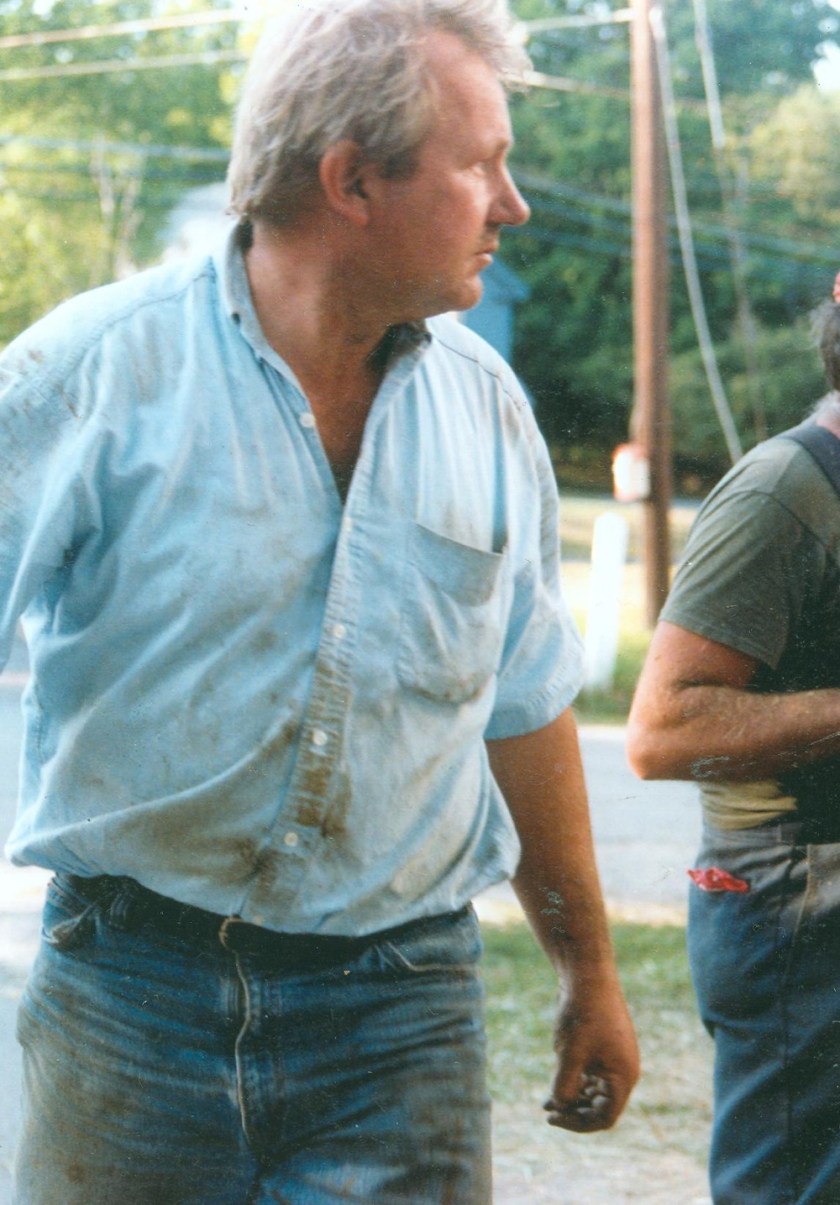
That was the year the farm Service Agency in Westford came looking for open agricultural land, for Southeast Asian immigrants from Lowell.
It was a natural fit. Ogonowski felt a connection to these people, based on his time in Vietnam. He would help them, here putting up a shed, there getting a greenhouse in order or putting up irrigation. He would help these immigrants, just as those Yankee farmers of long ago had helped his twice-great grandfather.
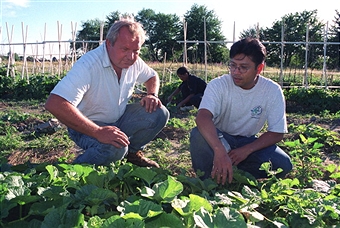
Cambodian farmers learned to grow their native vegetables in an unfamiliar climate. They would lease small plots, growing water spinach, lemon grass, pigweed, Asian basil, and Asian squash. There was taro and Laotian mint, coconut amaranth, pickling spices, pea tendrils and more. It was the food they grew up with. They would sell it into nearby immigrant communities and to the restaurants of Boston.
The program was a success. Ogonowski told The Boston Globe in 1999, “These guys are putting more care and attention into their one acre than most Yankee farmers put into their entire 100 acres.”

So it was that, with the fall harvest of 2001, Cambodian immigrants found themselves among the pumpkins and the hay of a New England farm, putting on a special lunch spread for visiting agricultural officials from Washington, DC. It was September 11.
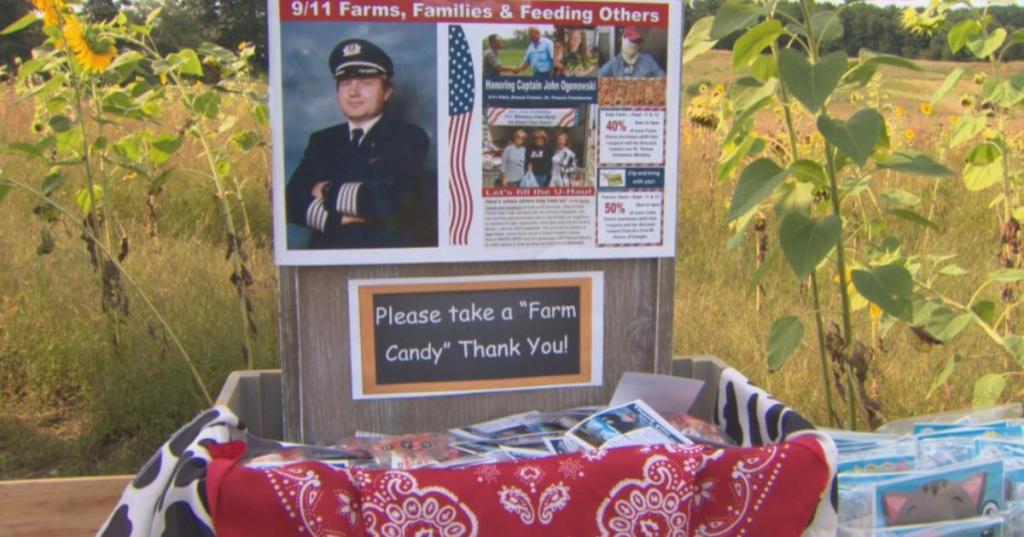
By now you know that John Ogonowski was flying that day, Senior Captain on American Airlines flight 11. He was perhaps the first to die, murdered in his cockpit by Islamist terrorist Mohammed Atta and his accomplices.
It’s a new perspective on a now-familiar story, to think of the shock and grief of those refugees from the killing fields of Pol Pot, on hearing the news that their friend and mentor had been hijacked and flown into the World Trade Tower.

The White Gate Farm closed for a week, but the Ogonowski family was determined that John’s dream would not die. Peg said it best: “This is what he was all about. He flew airplanes, he loved flying, and that provided all the money, but this is what he lived for. He was a very lucky man, he had both a vocation and an avocation and he loved them both.”
John Ogonowski had been working with the Land Trust to raise $760,000 to purchase a 34 acre farm in Dracut, previously slated to be developed into a golf course with housing. Federal funds were raised with help from two members of Congress. The “Captain John Ogonowski Memorial Preservation Farmland” project was dedicated in 2003, a living memorial to Captain John Ogonowski. The pilot, the American Patriot, and the farmer.




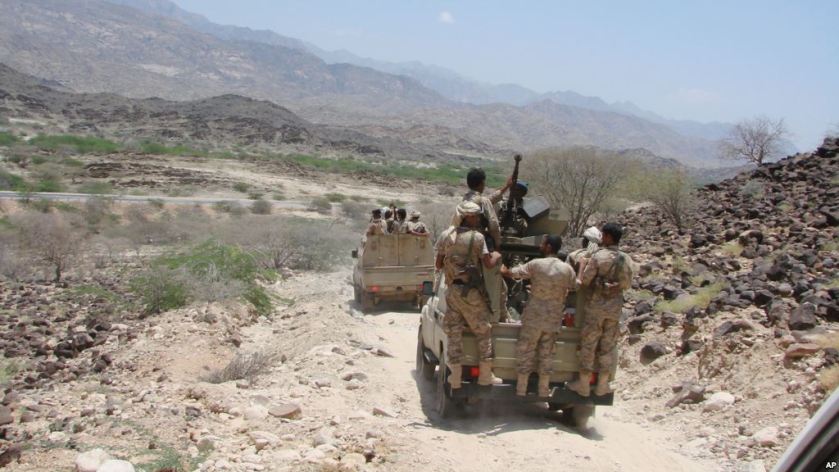






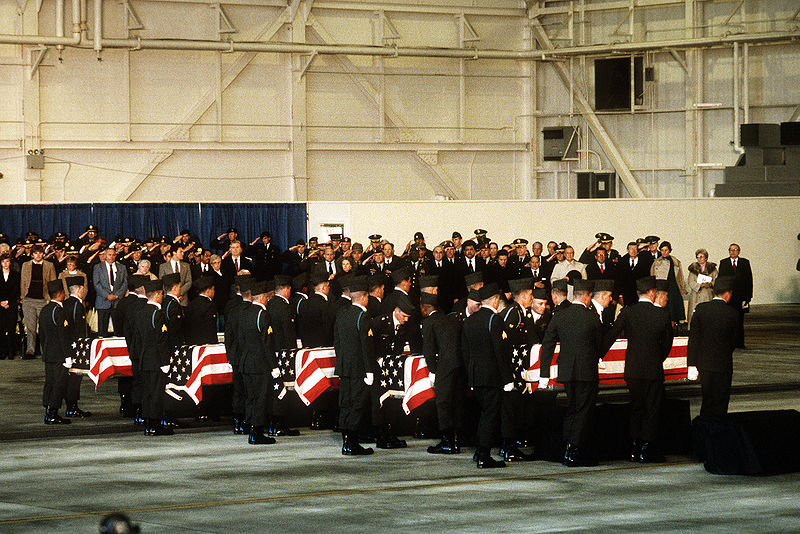
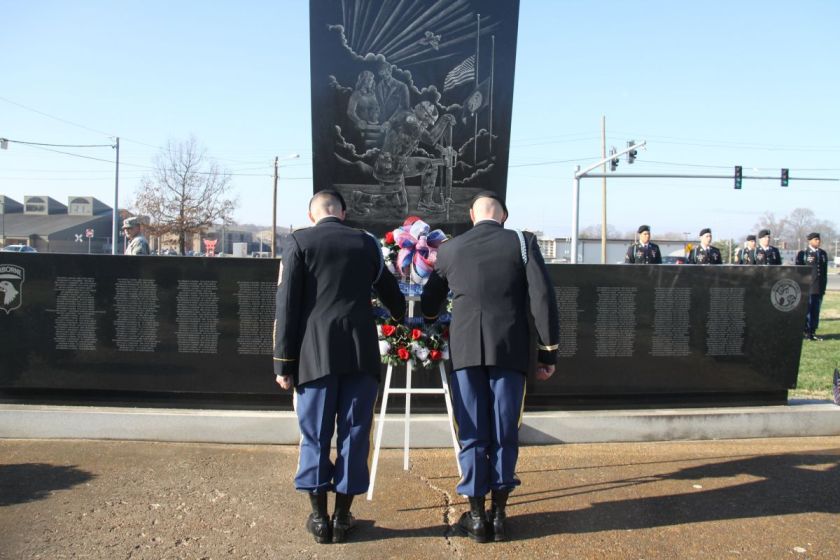


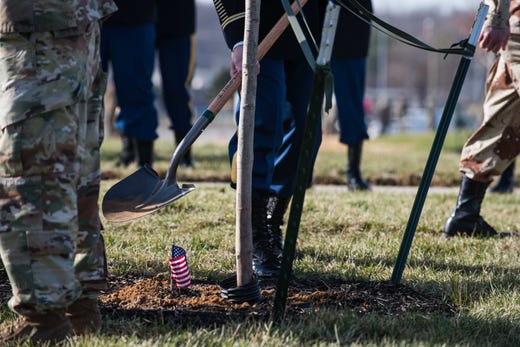



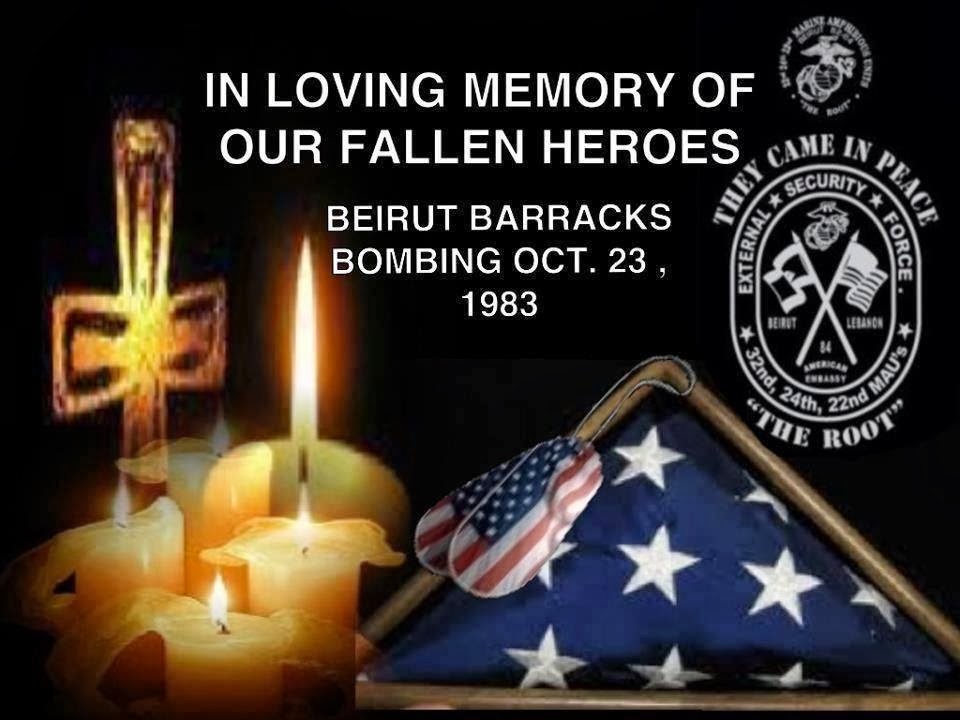
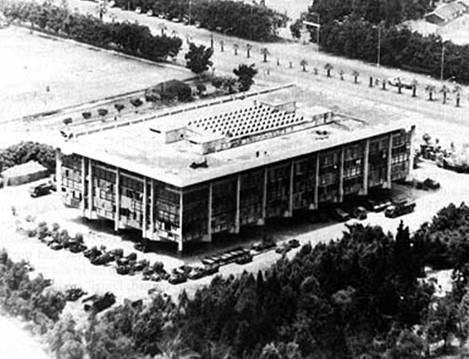
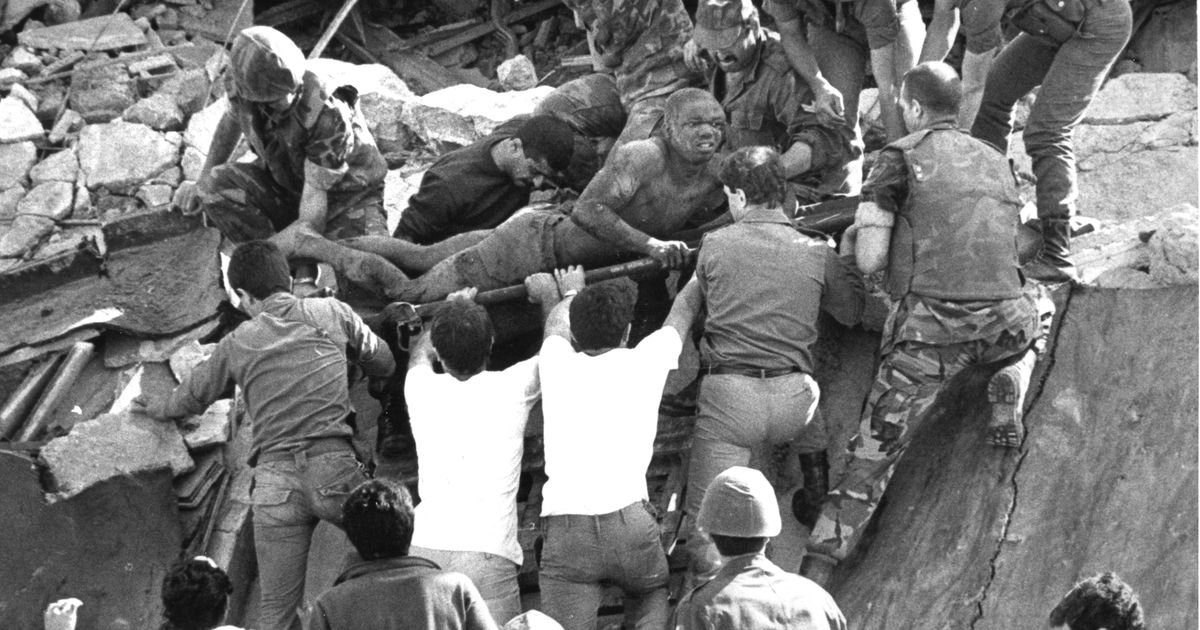
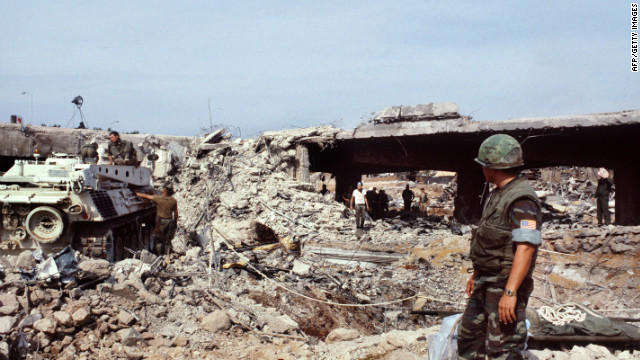
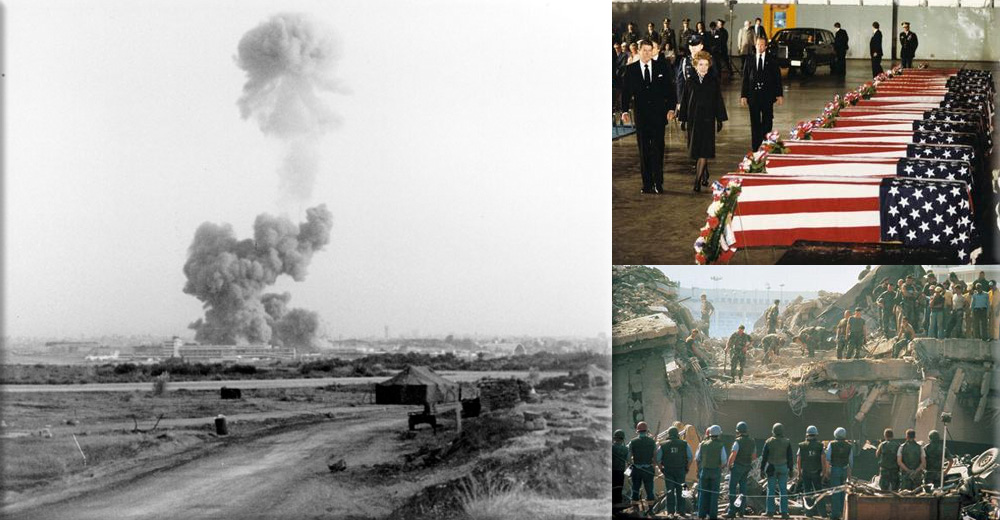
 A Lebanese cedar tree grows in the green expanse of section 59 at Arlington National Cemetery, marking the final resting place of twenty-one honored dead, among the first Americans to die in the global war against Islamist terrorism. A fight which continues, to this day.

 If you’ve raised a child, you are well acquainted with the triumphs and the terrors of giving those little tykes the sword with which they will conquer their world.



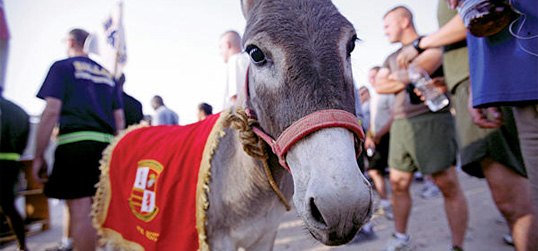
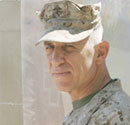 Early one August morning, Colonel Folsom awoke to a new sound. The thwap-thwap-thwap of the helicopters, the endless hum of the generators, those were the sounds of everyday life. This sound was different – the sound of braying donkey.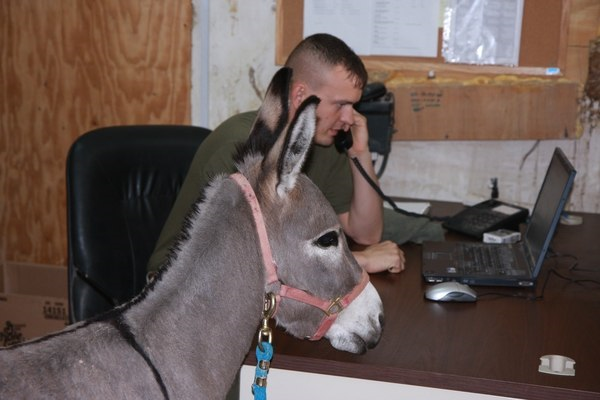
 Before long, Smoke was a familiar sight around Camp Taqaddum. After long walks around the wire, Smoke learned to open doors and wander around. If you ever left that candy dish out on your desk, you were on your own.
 Regulations prohibit the keeping of pets in a war zone. A Navy Captain helped get Smoke designated as a therapy animal, and he was home to stay. As it turned out, there was more than a little truth to the label. For young women and men thousands of miles from home in a war zone, the little animal was a welcome reminder of home.
 Colonel Folsom couldn’t get the little animal out of his head and, learning of his plight in 2010, determined to get him back. There were plenty of kids who had survived trauma of all kinds in his home state of Nebraska. Folsom believed that the animal could do them some good, as well.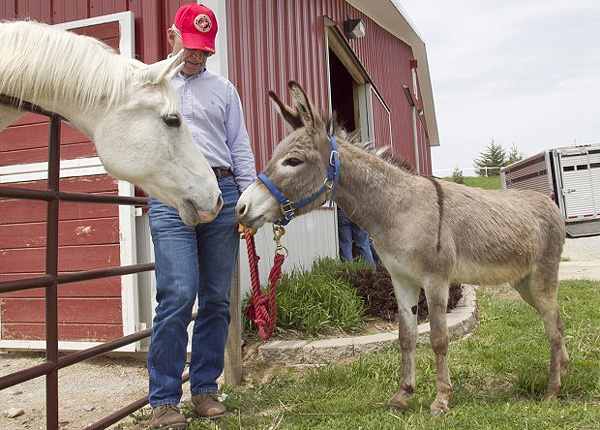





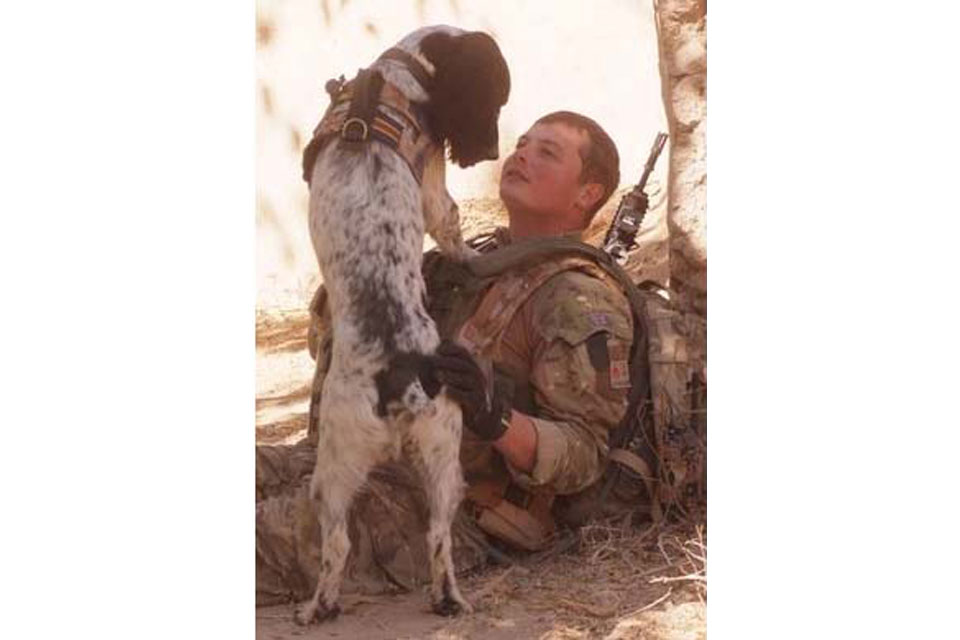
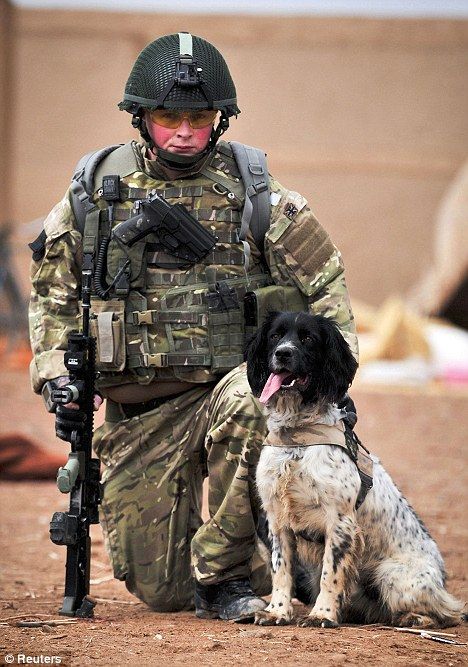 On March 1, 2011, L/Cpl Tasker was killed by a Taliban sniper while on patrol in Helmand Province, and brought back to base by his fellow soldiers. Theo suffered a seizure after returning to base and never recovered. He died that afternoon. It was believed that Theo’s seizure was brought on by the stresses of Tasker’s death, but the autopsy proved inconclusive. Liam’s mother Jane Duffy later said, “I think Theo died of a broken heart, nobody will convince me any different.”
 On a more upbeat note, and this story needs one, our daughter Carolyn and son-in-law Nate transferred to Savannah in 2013, where Nate deployed to the Wardak province of Afghanistan as a TEDD handler and paired with “MWD Zino”, a four-year-old German Shepherd trained to detect up to 64 explosive compounds.
 Historical Easter Eggs - Today in History
You must be logged in to post a comment.