

The Great War was in its third year in 1917, with another year to go. Before such conflicts acquired numbers, this was the most cataclysmic war in human history (or at least one of the top two), destroying the lives of some thirty-six million on all sides and leaving untold millions more, maimed for life.
In March of the following year, a new batch of trainees cycled through Fort Riley in Kansas, fresh recruits destined for the “War to End All Wars”. On reporting for breakfast one morning, none could know that an enemy lurked among them, more lethal than the war itself.
Private Albert Gitchell was coming down with cold-like symptoms: sore throat, fever and headache. Never mind breakfast. Pvt. Gitchell was headed for the base hospital. By noon, over one-hundred had reported sick, with similar symptoms.
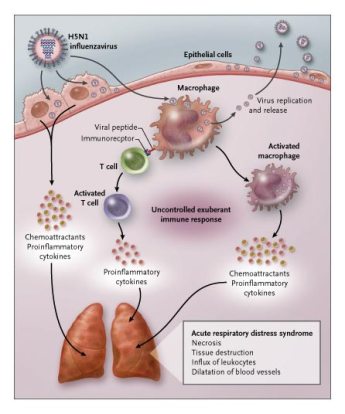
Ordinary flu strains prey most heavily on children, elderly, and those with compromised immune systems. Not this one. This flu would kick off a positive feedback loop between small proteins called cytokines, and white blood cells. This “cytokine storm” resulted in a death rate for 15 to 34-year-olds twenty times higher in 1918, than in previous years.
It was the young and healthy immune system of these victims, which was most likely to kill them.
On November 29, 1918, the armistice was a bare two weeks in the past, the treaty formally ending the war, seven months into an uncharted future. Serbia, the place where it all started, annexed the former Ottoman territory of Montenegro. Former combatants were beginning to come home, while politicians worked out the details.
History has a way of swallowing some events, whole. Like they never even happened. The Spanish flu would afflict some five hundred million worldwide, killing an estimated fifty to one hundred million souls. Two to three times those killed by the war itself. Yet, this story was overshadowed, by the end of WW1.
Small wonder that such an event would itself eclipse a pandemic far smaller but in some ways more terrifying, than such a universal calamity as the Spanish flu. To this day, nobody knows where this enemy came from. Or where it left to, when it went away.
In 1915, Austrian psychiatrist and neurologist Constantin von Economo described the signs and symptoms of a strange new condition which came to be called Von Economo’s Disease. The illness was labeled Encephalitis Lethargica, literally “Inflammation of the brain which makes you tired”.
E.L. is also referred to by the deceptively benign name of “Sleepy Sickness”. Von Economo distinguished three phases of the illness. Symptoms of the somnolent-ophthalmoplegic include paralysis of the cranial nerves, leading to expressionless faces and involuntary eye movements, with overwhelming sleepiness leading to coma. Fully one-third of E.L. sufferers died during this phase, of respiratory failure. The hyperkinetic form manifested itself with restlessness and motor disturbances leading to facial contortion, anxious mental state and an inability to sleep, often leading to death by exhaustion.
The amyostatic-akinetic form frequently resulted in a chronic state resembling Parkinson’s disease, called Postencephalitic Parkinsonism.
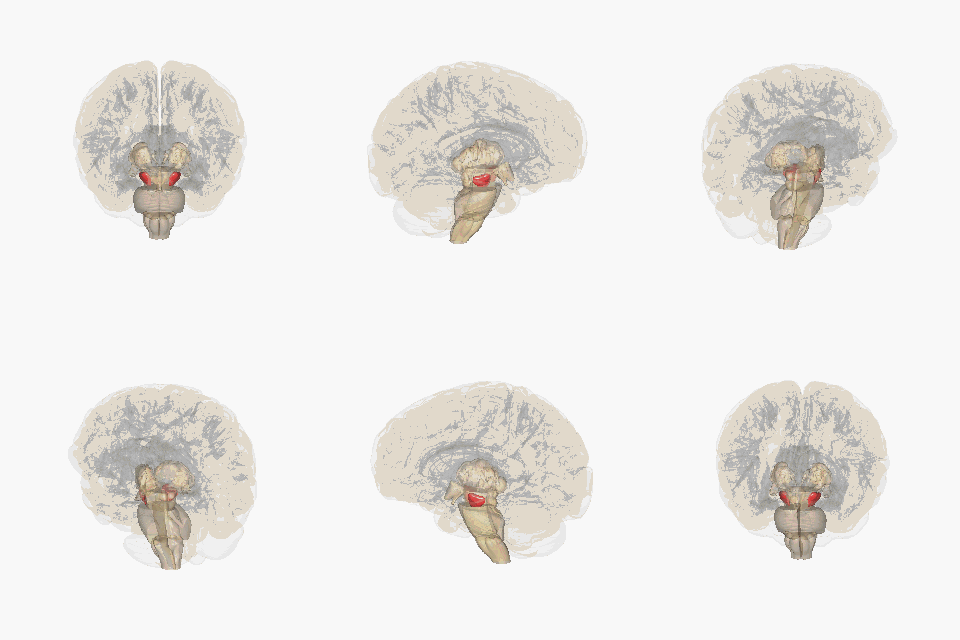
Autopsies revealed this third phase to result from localized neurodegeneration of the Substantia Nigra, the basal ganglia structure of the mid-brain which plays a role in reward and associative learning, as well as bodily movement. Unknown to the sufferer, this neurodegeneration takes place over an interval of a few days to thirty years, consigning the sufferer to a trance-like state in which the patient is rendered speechless and motionless, fully aware but, for all intents and purposes, a statue.
The 1973 non-fiction book Awakenings by Oliver Sacks, describes what that looks like:
“They would be conscious and aware – yet not fully awake; they would sit motionless and speechless all day in their chairs, totally lacking energy, impetus, initiative, motive, appetite, affect or desire; they registered what went on about them without active attention, and with profound indifference. They neither conveyed nor felt the feeling of life; they were as insubstantial as ghosts, and as passive as zombies”.
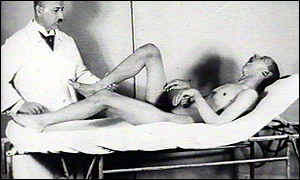
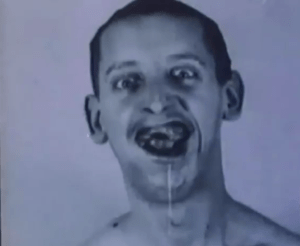 The worldwide Encephalitis Lethargica epidemic afflicted some five million people between 1915 and 1924. One-third of sufferers died in the acute phase of the disease, a higher mortality rate than the Spanish flu of 1918-’19. Many of those who survived never returned to their pre-existing state of “aliveness”, and lived the rest of their lives institutionalized, as described above.
The causes of Encephalitis Lethargica are uncertain. Studies have explored the origin of the condition as an autoimmune response. Recent research reveals a possible association with Diplococcus, a gram-negative relative of the Strep bacterium.
 Individual cases continue to pop up, but have never assumed the pandemic proportions of 1915-’24. Further study is needed but, perversely, such study is only possible given more cases of the disease. For now, Encephalitis Lethargica must remain one of the great medical mysteries of the twentieth century. An epidemiological conundrum, locked away in a nightmare closet of forgotten memory.
Let us hope that it stays there.

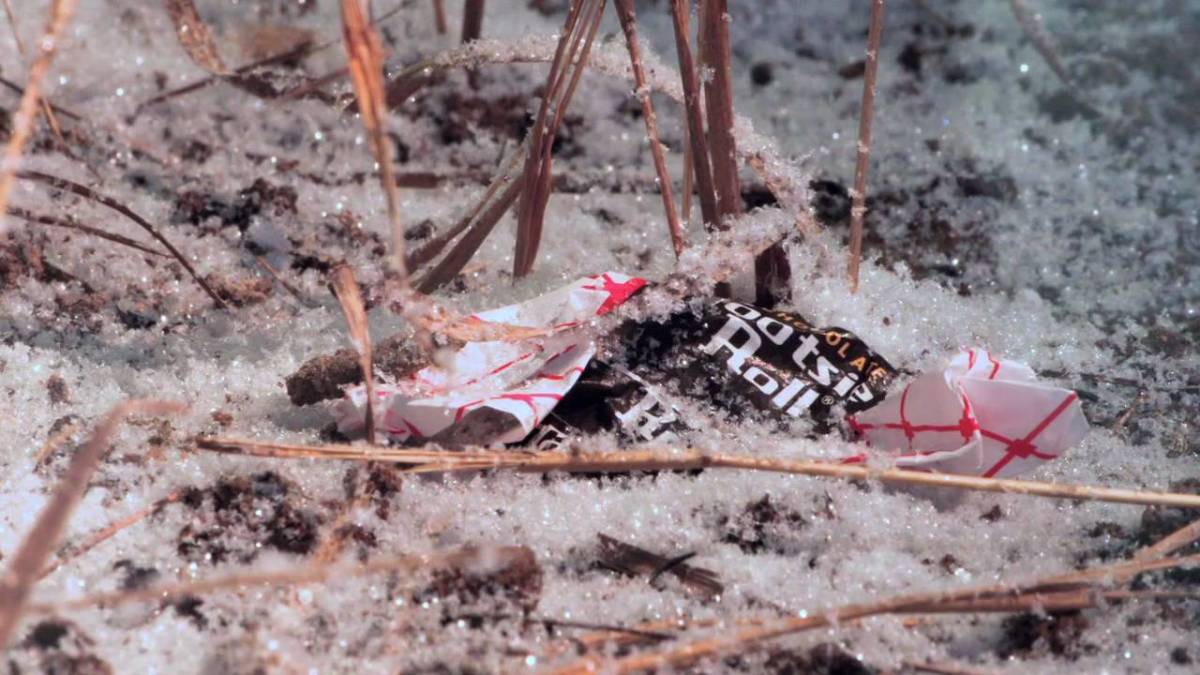
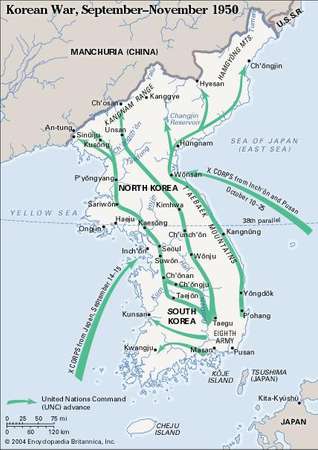
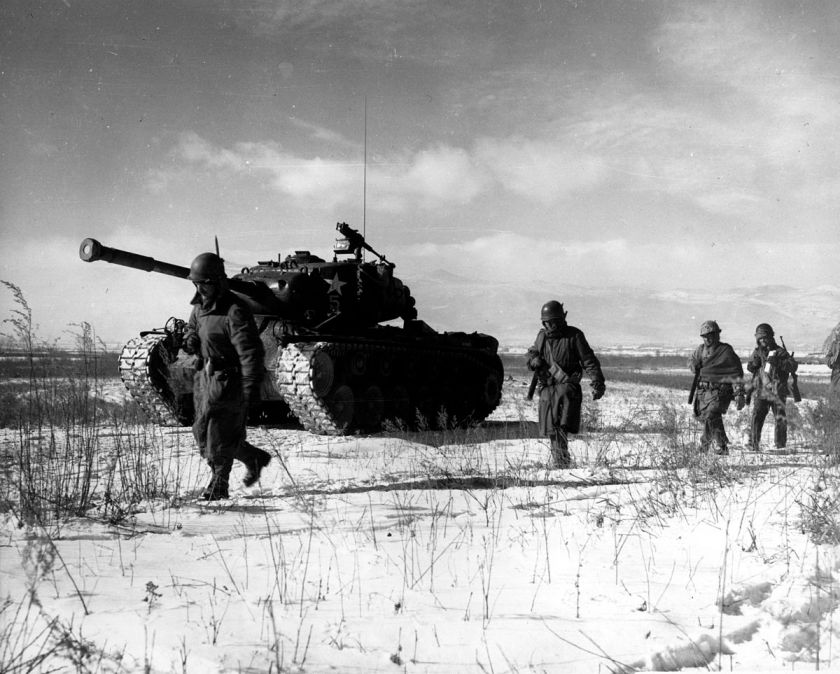


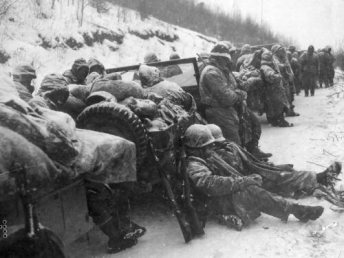 Untold thousands of Tootsie roll wrappers littered the seventy-eight miles back to the sea. Most credit their survival to the energy provided by the chocolate candy. It turns out that frozen tootsie rolls make a swell putty too, useful for patching up busted hoses and vehicles.
 On the third came Longstreet’s assault, better known as “Pickett’s charge”. 13,000 Confederate soldiers came out of the tree line at Seminary Ridge, 1¼-miles distant from the Federal line.

 Historian Michael Gannon writes that the “real first Thanksgiving” in America took place in 1565, when Pedro Menéndez de Avilés landed in modern-day Florida, and “had the Indians fed and then dined himself.” Likely, it was salt-pork stew with garbanzo beans. Yum.
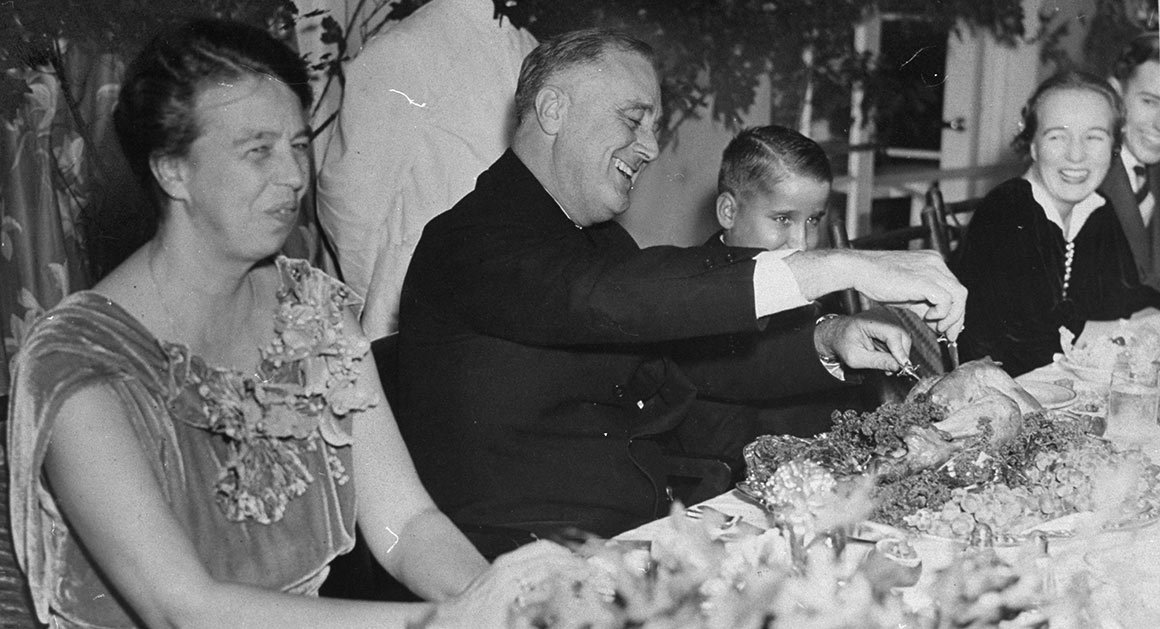
 In those days, it was considered poor form for retailers to put up Christmas displays or run Christmas sales, before Thanksgiving. Lew Hahn, General Manager of the Retail Dry Goods Association, was afraid that extra week was going to cut into Christmas sales.
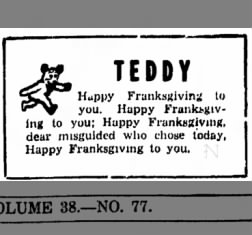 In Plymouth Massachusetts, self-described home of the “first Thanksgiving”, Chairman of the Board of Selectmen James Frasier, “heartily disapproved”.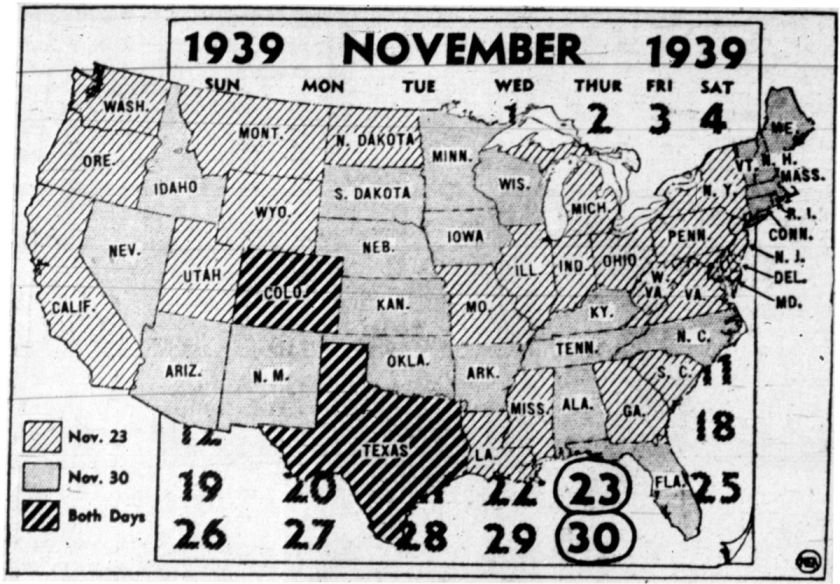

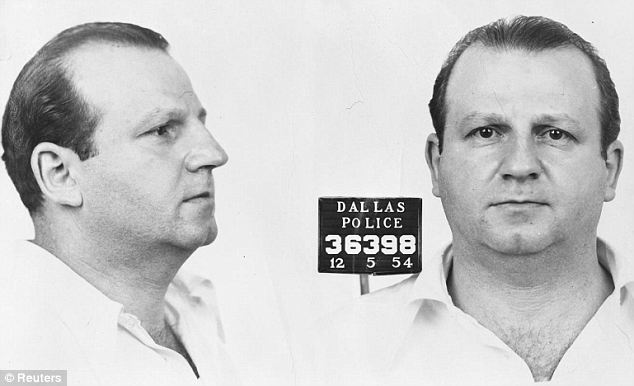
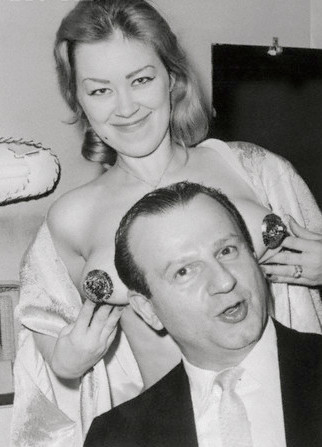 Rubinstein spent the early ’40s at racetracks in Chicago and California, until being drafted into the Army Air Forces, in 1943. Honorably discharged in 1946, Rubenstein returned to Chicago, before moving to Dallas the following year.
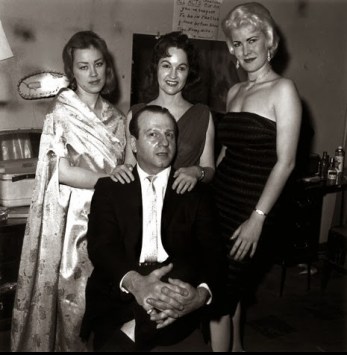 Months later, the nation was stunned at the first Presidential assassination in over a half-century. I was 5½ at the time, I remember it to this day. An hour after the shooting, former marine and American Marxist Lee Harvey Oswald killed Dallas police officer J.D. Tippit, who had stopped him for questioning. Thirty minutes later, Oswald was arrested in a movie theater.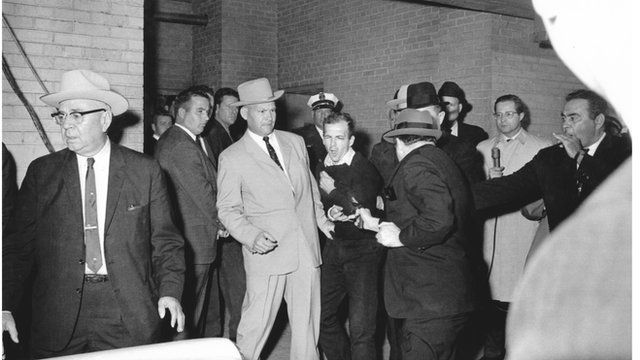



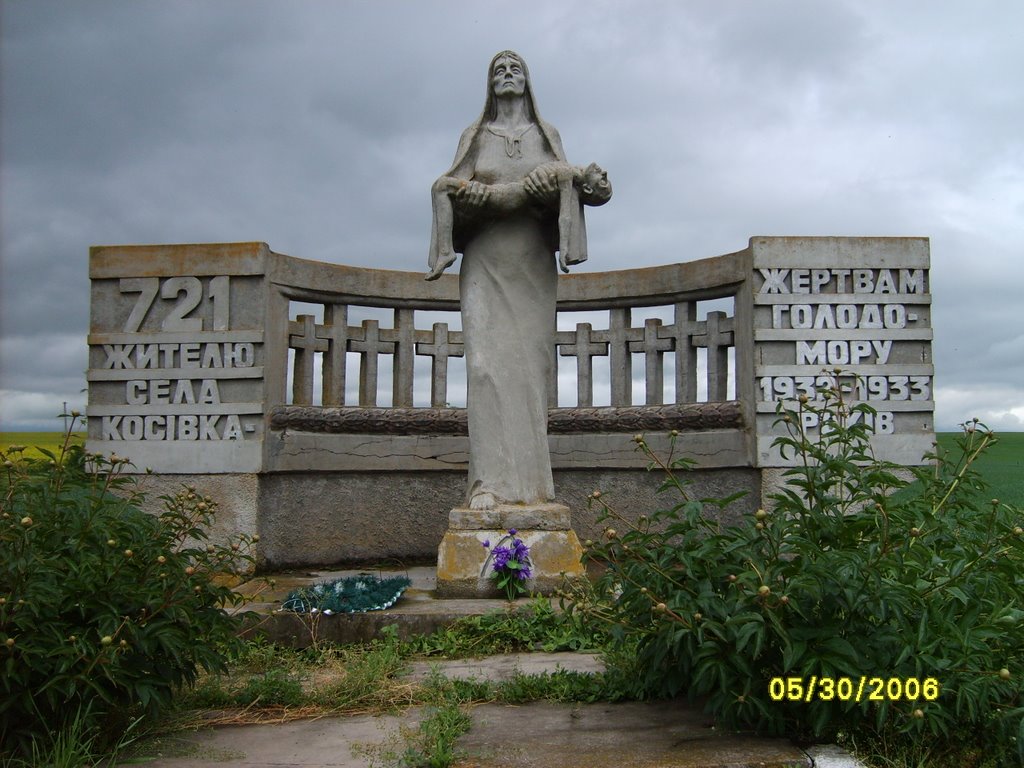
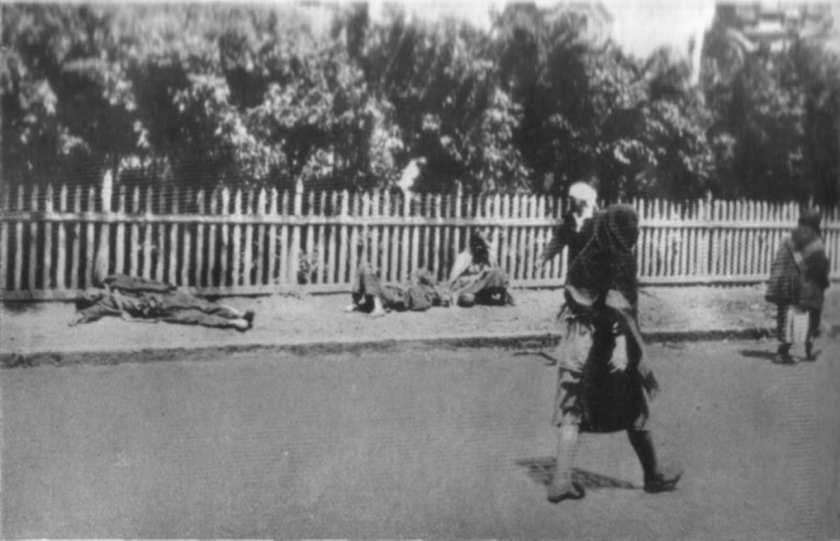
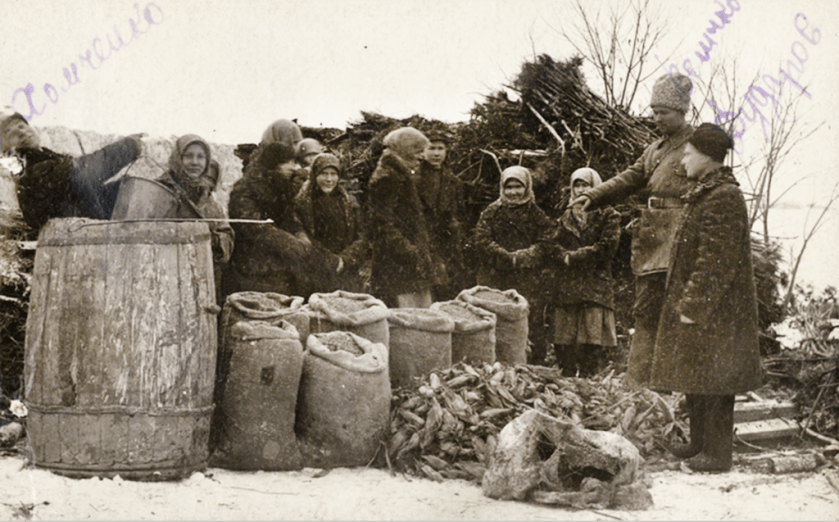
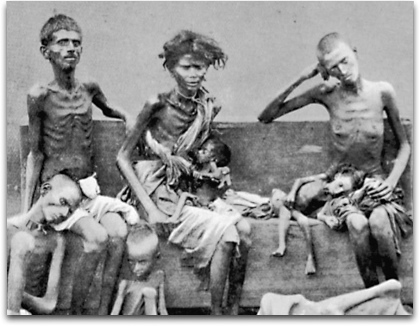
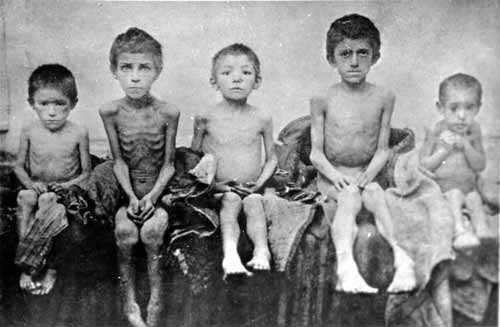
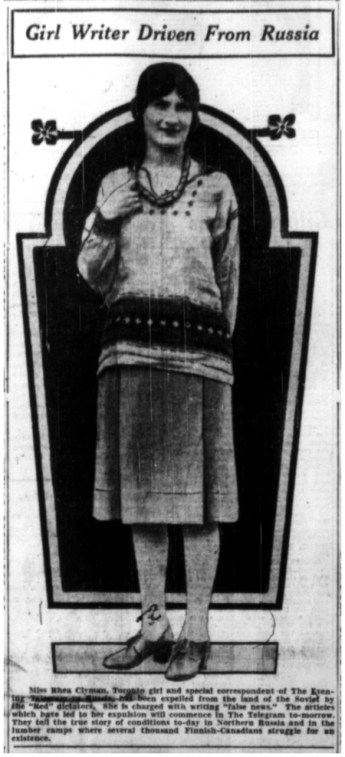 A tall, bearded peasant was spokesman. His two sons and the rest of the men and women nodded approval at every word. The little crippled boy stood with his right hand on his crutch, translating everything he said into Russian for me, word by word.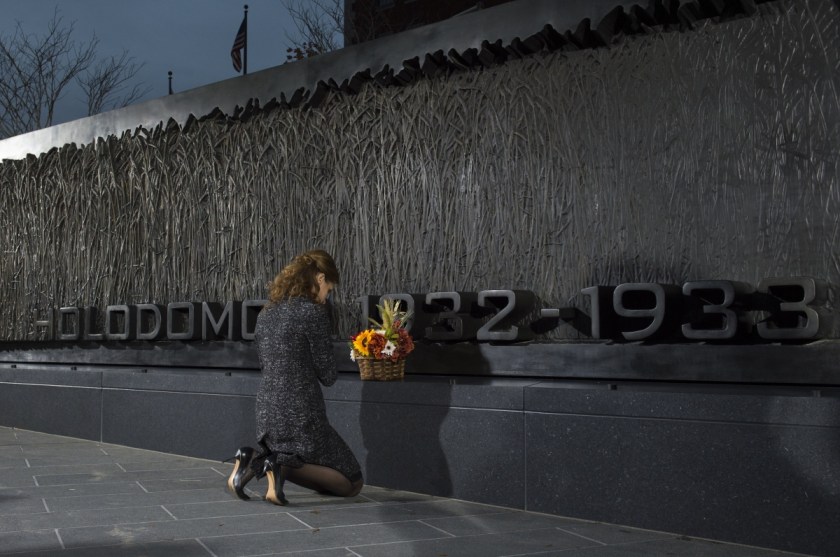

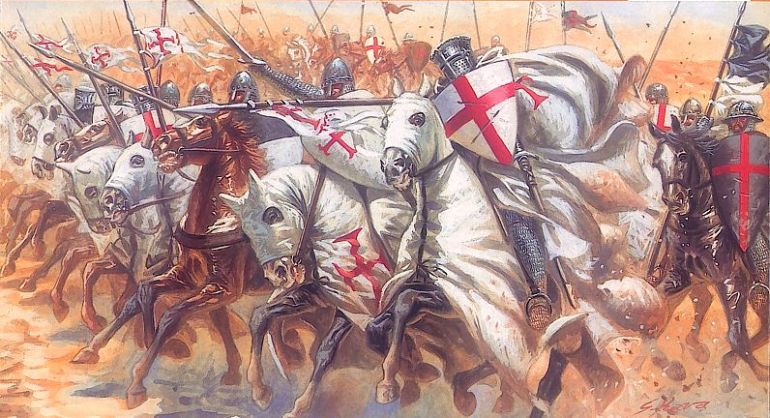
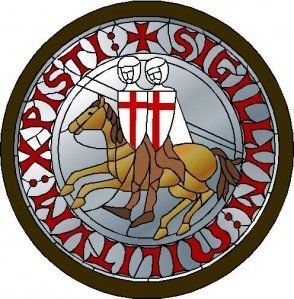 The French knight Hugues de Payens approached King Baldwin II of Jerusalem and Warmund, Patriarch of Jerusalem in 1119, with a proposal. He would create a monastic order of warrior knights to protect these pilgrims, to be headquartered in a wing of the recaptured Al Aqsa Mosque, built on the ruins of the Temple of Solomon.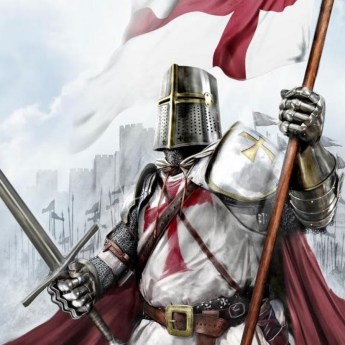
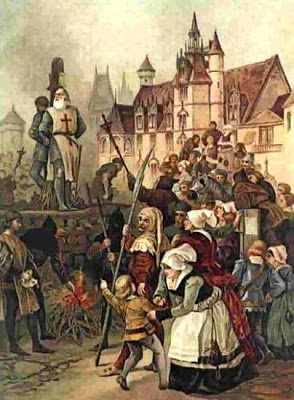 Under pressure from the French King, Pope Clement issued the bull “Pastoralis praeeminentiae” on November 22, instructing Christian monarchs throughout Europe to arrest Templar officials and seize their assets.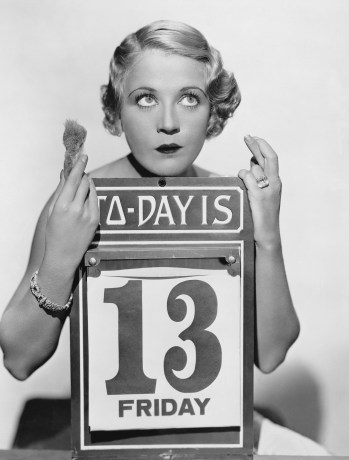


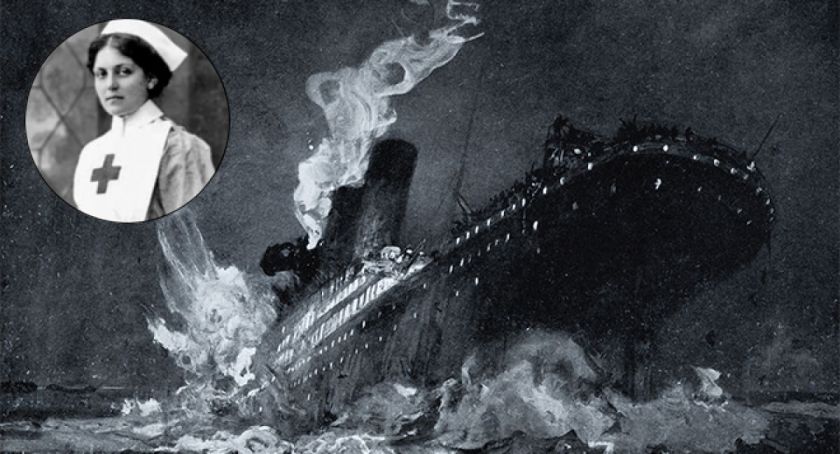
 The ship was built to survive flooding in four watertight compartments. The iceberg had opened five. As Titanic began to lower at the bow, it soon became clear that the ship was doomed.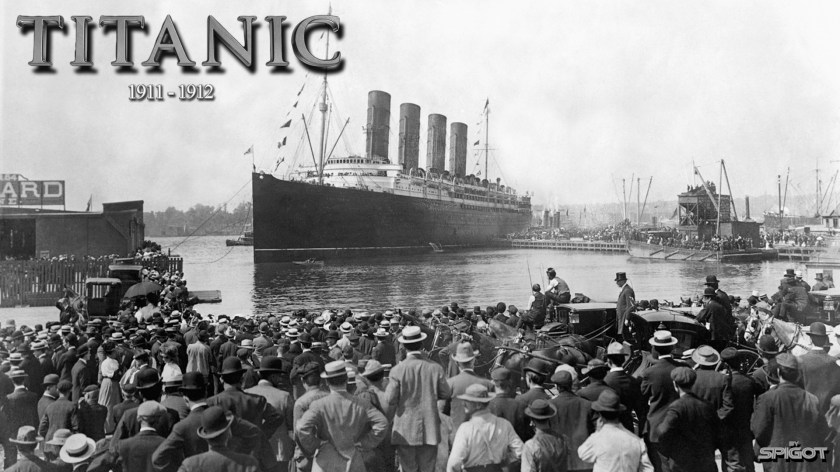

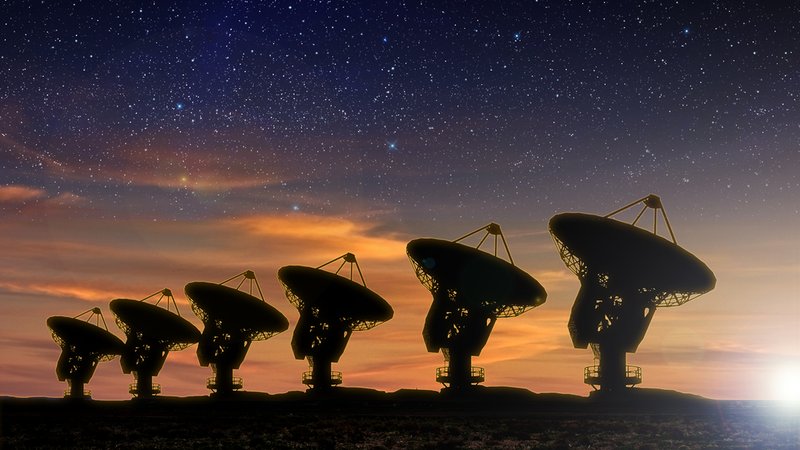

 While much of “mainstream” science seems to steer clear of the subject, the University of California at Berkeley jumped in with both feet on this day in 1984, founding the SETI Institute for the “sharing [of] knowledge as scientific ambassadors to the public, the press, and the government”.



You must be logged in to post a comment.