
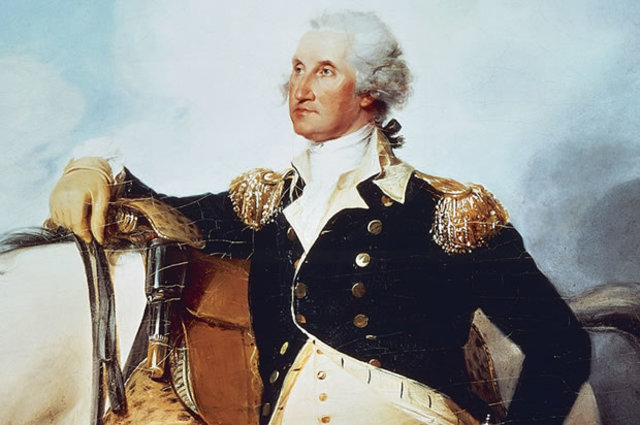
The great rebellion effectively came to an end in October 1781 with Lord Cornwallis’ surrender at Yorktown, though no one knew it at that time. Eight years after the “shot heard round the world“, the American Revolution had slowed to a standoff.
King George III remained personally in favor of prosecuting the war even after the Patriot victory at Yorktown, while opinion in Parliament, was split. Across the water, some 26,000 British troops remained in occupation in Charleston, Savannah and New York, backed up be a mighty fleet.
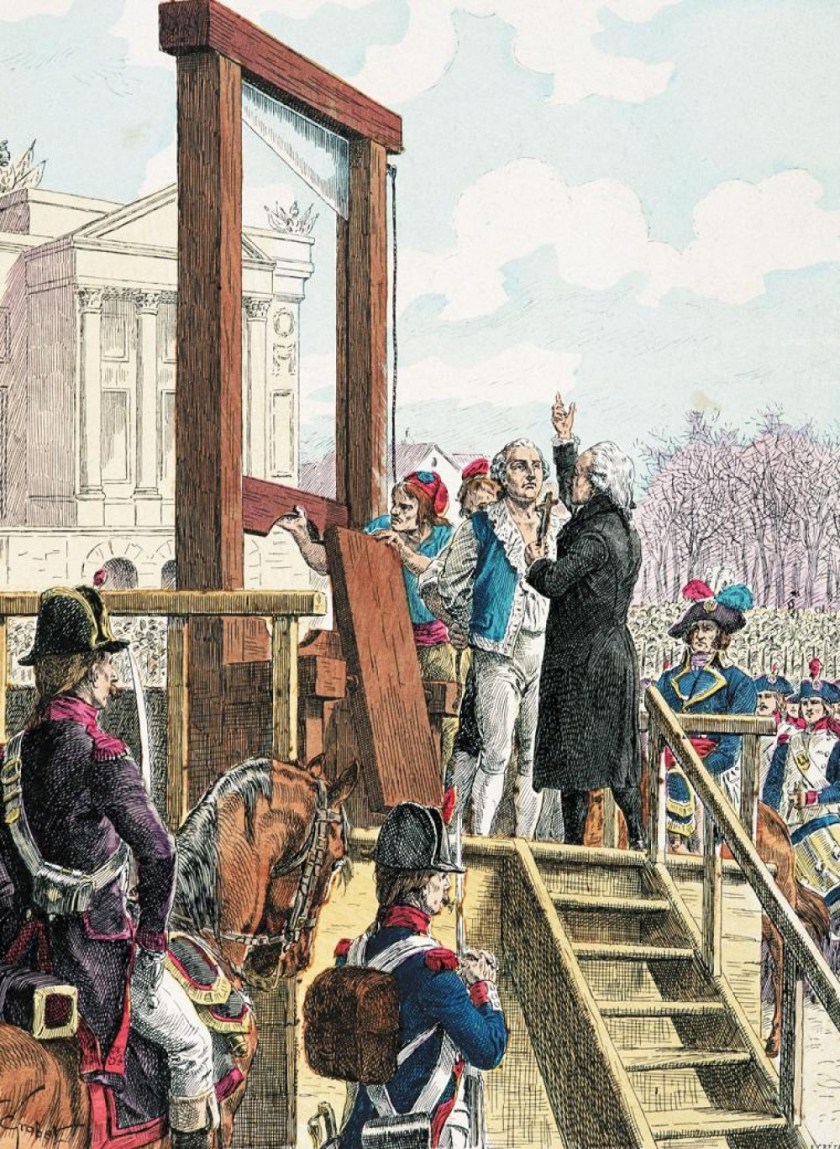
The Americans’ greatest ally departed in 1782, never to return. With state finances already prostrate with debt, l’Ancien régime (French: “the old order”) would be overthrown by its own revolution inside the next ten years, the French King Louis XVI and Queen Consort Marie Antoinette executed, by guillotine.
Negotiations carried on for nearly three years in Paris while, an hour’s drive north by modern highway from the British occupation of New York, the Continental Army waited at Newburgh.
France wasn’t the only one, ruined by this war. The American Revolution debilitated the finances of all three principle belligerents, none more so than the new-born American Republic, itself. In fact, the fledgling United States nearly died on this day in 1783, by the very hands which had given them birth.
The Articles of Confederation, ratified by the states in March 1781, provided for a loose alliance of sovereign states. In theory, Congress possessed the authority to govern foreign affairs, conduct war and regulate currency. In practice, these powers were limited to a national body with no authority to enforce its will on the states.
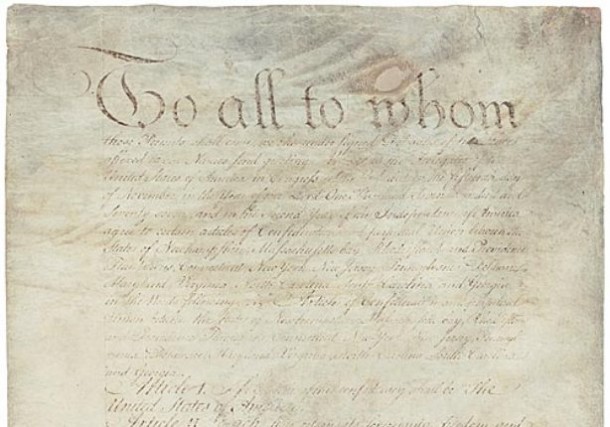
In 1780, Congress promised Continental officers a lifetime pension, equal to half-pay upon discharge. The government in Philadelphia attempted to amend the Articles, to allow a new import duty or “impost”. States were divided against the measure. Two years later, the cupboard was bare. Continental soldiers weren’t being paid at all.
It wasn’t even possible to borrow. That required evidence, of an income stream.
The politician who alienates a battle hardened army in the field walks on dangerous ground. Don’t pay for their services, that’s a good way to do it. At the outset of war, these guys left homes and fields and families, to risk their lives on behalf of the dream of Liberty. Many among their number, had given all in service to that dream.
There was little to do during those long winter months of 1782-’83, but wait. Each with his own financial hardship waiting at home, every man worried that his promised compensation, would not come. The rumor mill worked overtime: The Army would be disbanded. The promised pensions would remain, unfunded.
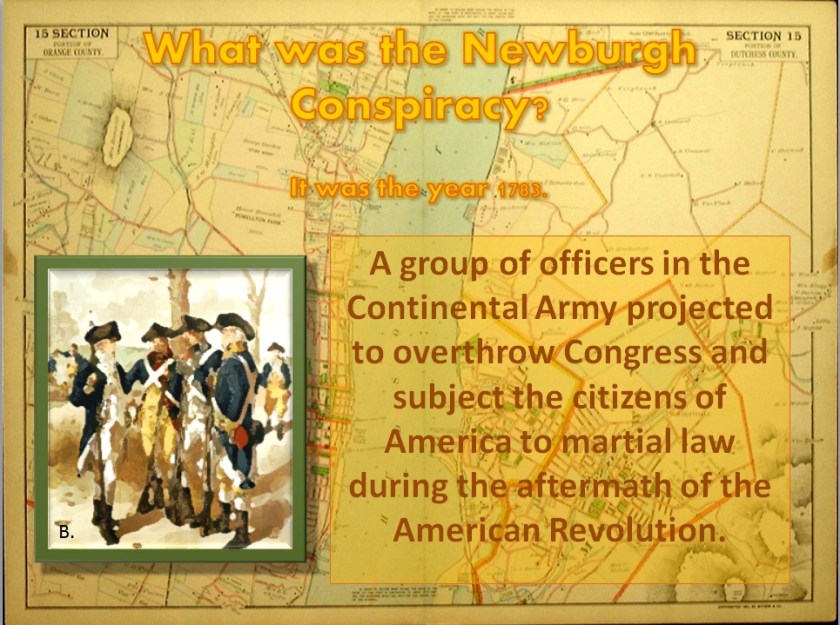
The vague unease of rumor turned to a fury of near certainty through the late winter months, as one overture after another met with defeat, in Congress. On March 10, an unsigned letter believed to have been written by Major John Armstrong, aide to General Horatio Gates, urged unspecified action against the Continental Congress. Another called for a meeting on the morning of March 11. Events were building toward armed insurrection. A coup d’état.
General George Washington reacted quickly, objecting in his General Orders of March 11 to the “disorderly” and “irregular” nature of such a meeting. Washington specified the morning of March 15 for an officer’s meeting and requested a report, implying that he himself, would not be present.
The mood was one of surprise and anger when the Commander-in-Chief himself walked into the room, hard men pushed past the point of patience, and now determined to take action. The General urged patience in a brief and impassioned speech remembered as the Newburgh address.
Washington’s words may as well have fallen on deaf ears. There was little of the usual deference, in this room.
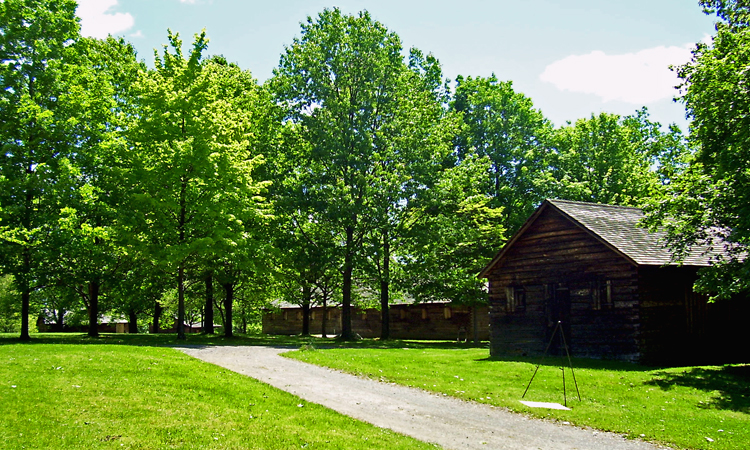
The future President of the United States then produced a letter from a member of Congress, to read to his officers. The content is unimportant. George Washington gazed on the letter in his hands without speaking and, fumbling in his pocket, came up with a pair of reading glasses. These were new. Few men in the room even knew the man required glasses.
Washington spoke:
Gentlemen, you will permit me to put on my spectacles, for I have not only grown gray but almost blind in the service of my country.
The words were as a physical blow, on the men assembled in that room. Obstinate and unheeding mere moments before, the realization dawned on all at once. This man had been at their head and by their sides. Washington had personally endured every bit of the hardship, as these men bent on mutiny.

There was hardly a dry eye in the place. The moment was broken for all time. Bent on mutiny a mere moment before, the cream of the continental army now determined, to wait. This Republic to which we owe so much may have died before it was born, two hundred thirty-six years ago on this day. All but for one magnificent man with an actor’s sense of timing. And a new pair of spectacles.
A Trivial Matter
At age twenty-six, George Washington married Martha Dandridge Custis, a widow with two children: Jacky and Patsy. The Father of the Nation never had any children of his own. At 6 feet, 3½ inches and 200-pounds, George Washington towered above his fellow Continental soldier, with an average height of 5-feet, 8-inches in height.


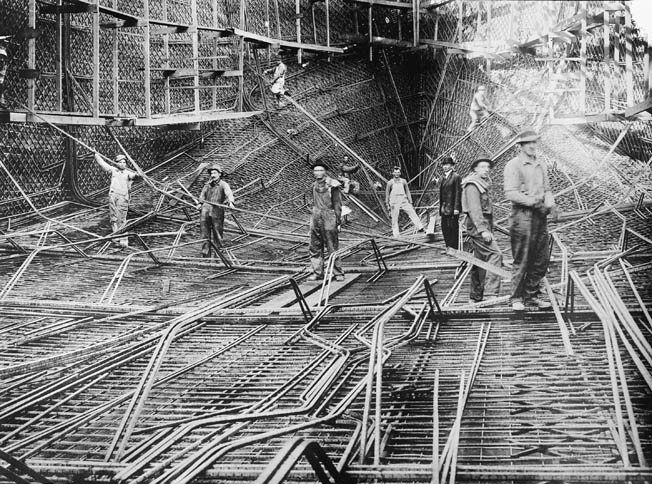
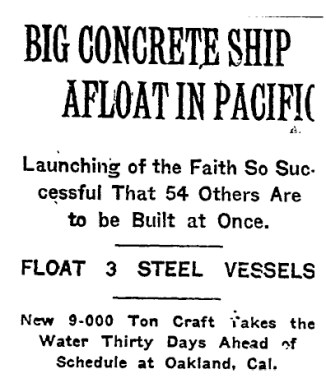
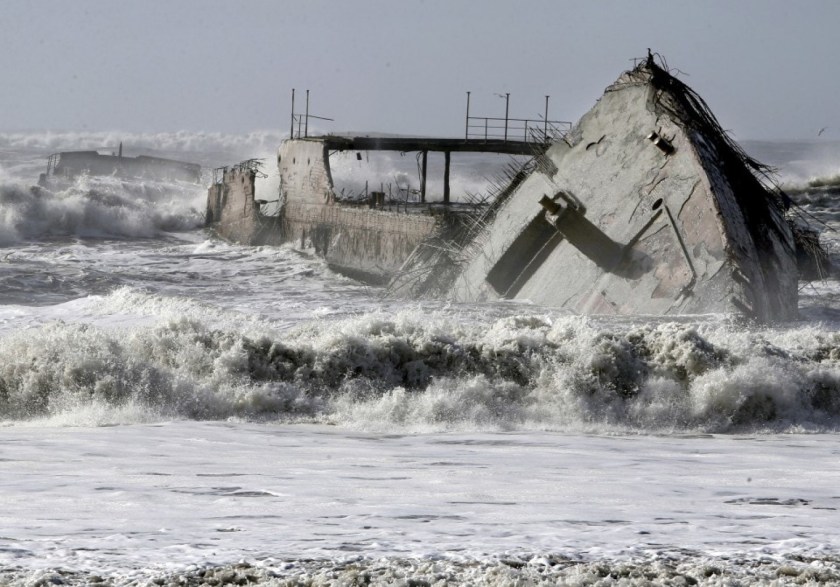



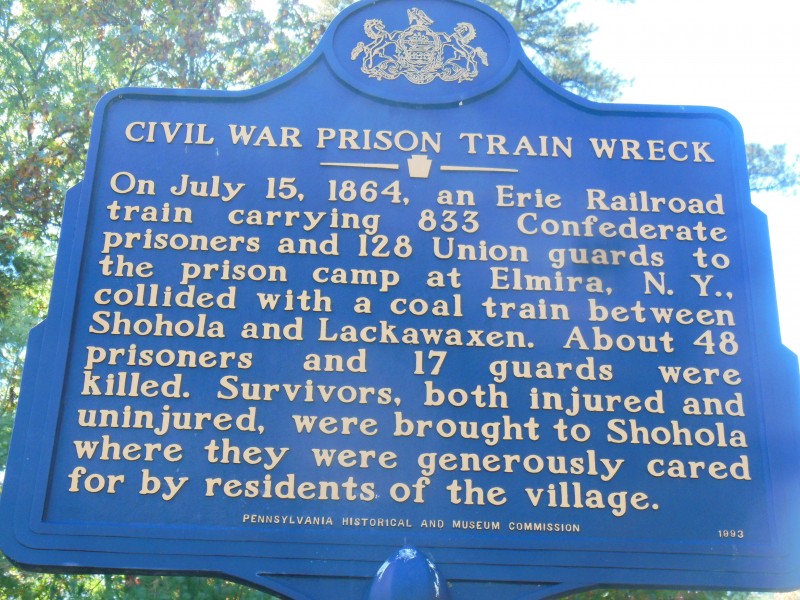


 Captured at Spotsylvania in early 1864, 52nd North Carolina Infantry private James Tyner was incarcerated at the Elmira camp at this time. Tyner’s brother William was one of the prisoners on board #171.


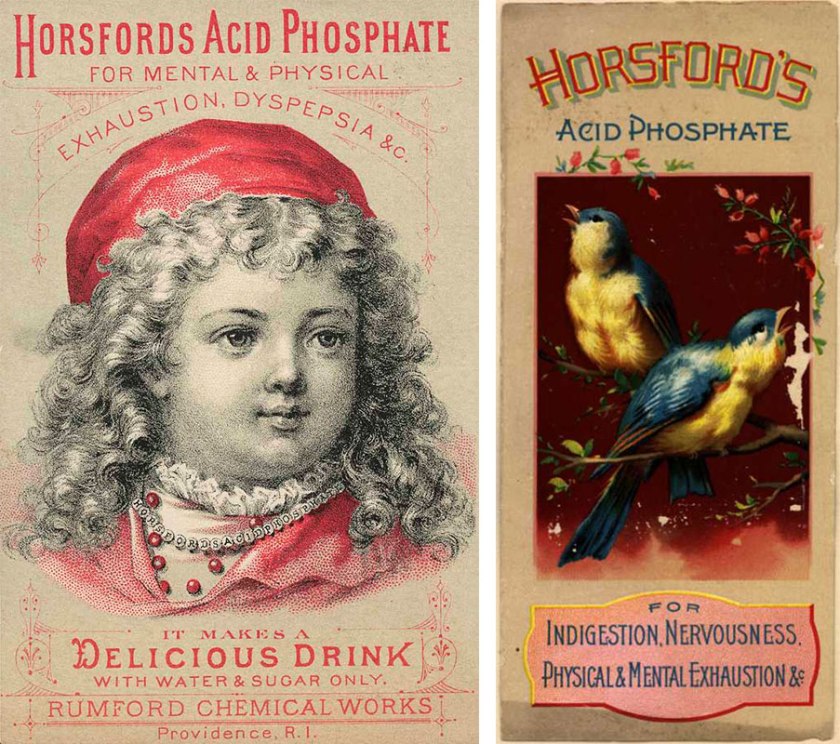
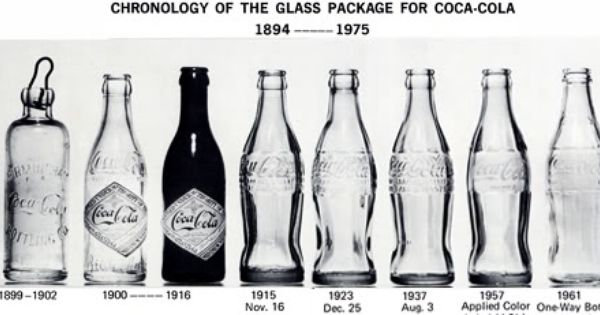
 By the 80s, market analysts believed that baby boomers were likely to switch to diet drinks as they aged, and any growth in the full calorie segment was going to come from younger consumers who preferred the sweeter taste of Pepsi.
 Even Max Headroom and his “C-c-c-catch the wave!” couldn’t save the company.
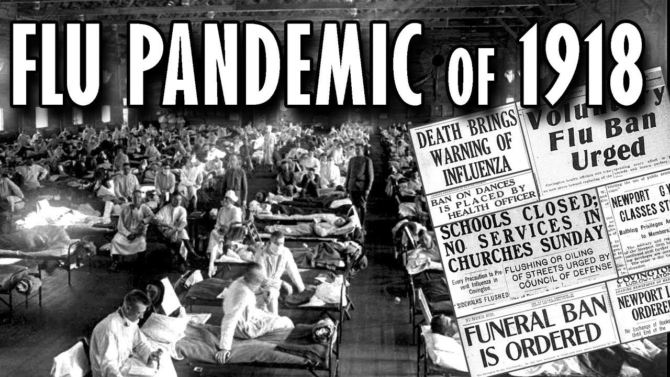
 When the “Great War” broke out in 1914, US Armed Forces were small compared with the mobilized forces of the European powers. The Selective Service Act, enacted May 18, 1917, authorized the federal government to raise an army for the United States’ entry into WWI. Two months after the American declaration of war against Imperial Germany, a mere 14,000 American soldiers had arrived “over there”. Eleven months later, that number stood at well over a million.
 On the morning of March 11, 1918, most of the recruits at Fort Riley, Kansas, were turning out for breakfast. Private Albert Gitchell reported to the hospital, complaining of cold-like symptoms of sore throat, fever and headache. By noon, more than 100 more had reported sick with similar symptoms.
 Over the next two years, this strain of flu infected one in every four people in the United States, killing an estimated 675,000 Americans. Eight million died in Spain alone, following an initial outbreak in May. Forever after, the pandemic would be known as the Spanish Flu.


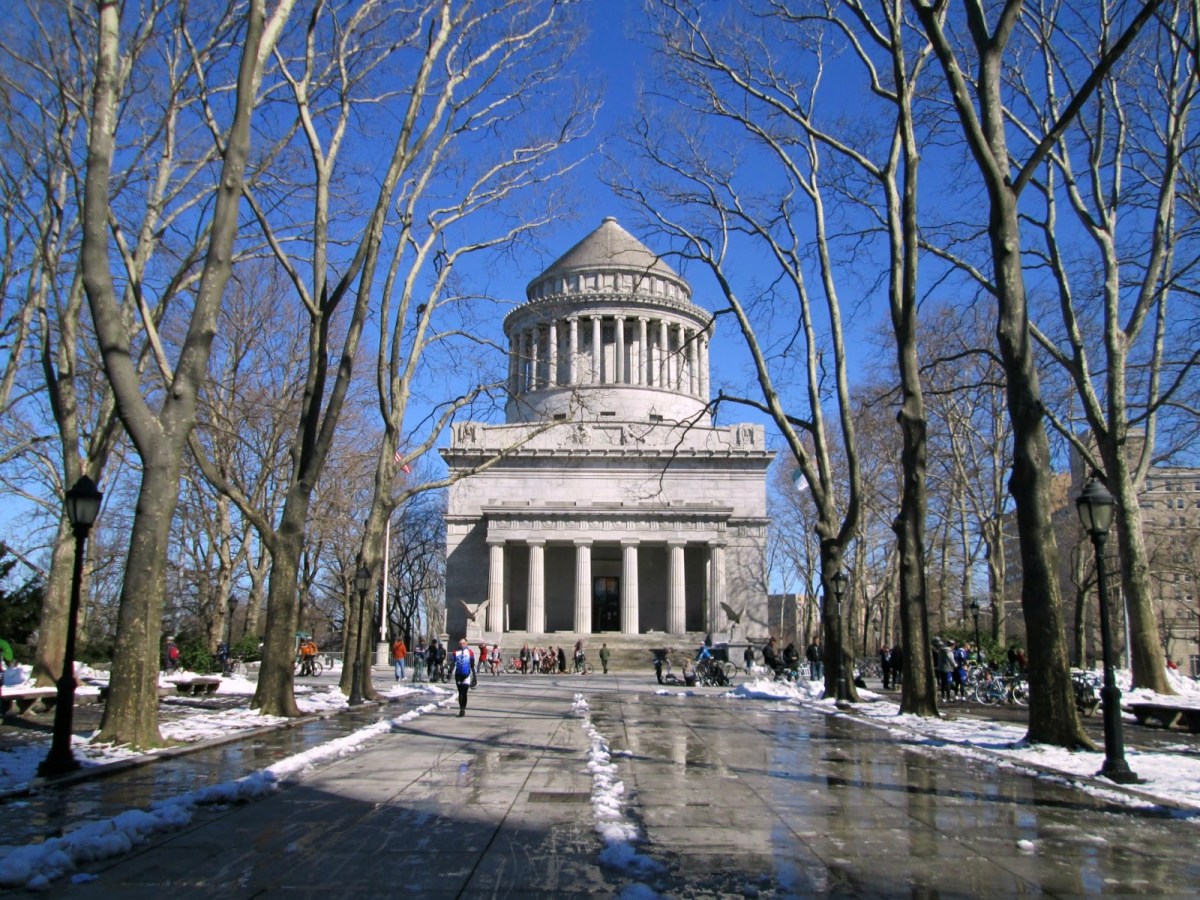

 Grant was a light smoker before Donelson, generally preferring a pipe, if anything. A reporter spotted him holding an unlit cigar during the battle, a gift from Admiral Foote. Soon, ten thousand cigars were sent to him in camp. The general gave away as many as he could, but the episode started a cigar habit which became one of his trademarks, and probably led to his death of throat cancer, in 1885.
 Grant bought a house in New York City in 1881 and invested his considerable fortune with the investment firm of Grant and Ward in which his son Ulysses, Jr., was a partner. The firm collapsed in 1884, investors fleeced and left penniless, by Ferdinand Ward.




 The struggle raged for fifteen hours. In terms of American casualties, the Battle for Saipan was the third costliest battle of the Pacific war, after Okinawa and Iwo Jima. Some 4,300 Japanese troops were killed in the Bonsai charge of June 7. William O’Brien of Troy, New York, Benjamin Lewis Salomon of Milwaukee Wisconsin and Thomas Alexander Baker of Troy New York all earned the Medal of Honor. Posthumously.


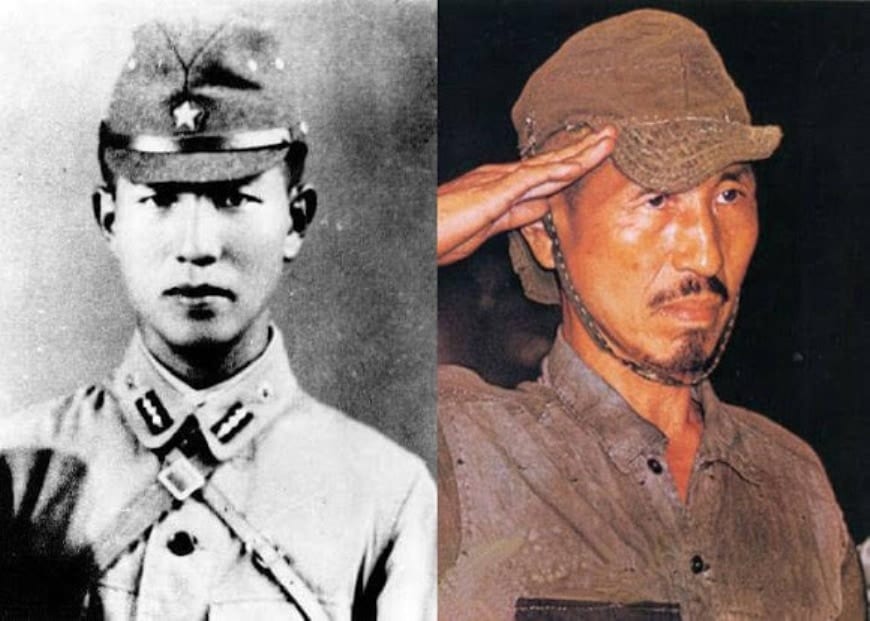
 As a member of the Japanese Army, Hirō Onada received back pay and a pension equal to $160,000(US), equivalent to $850,000, today. Not so, Teuro Nakamura. As a member of a colonial army, Nakamura’s thirty-years service to the former Japanese Empire got him $1,186(US) and a trip back to Taiwan where he died of lung cancer, in 1979.


 Satellites measured the coldest temperature in recorded history on August 10, 2010 at −93.2 °C (−135.8 °F), in East Antarctica. The Amundsen-Scott weather station at the South Pole reports the average daily temperature for March, at -50.3°C (-58.54°F).


 Historical Easter Eggs - Today in History
You must be logged in to post a comment.