

For two years, General Motors designer Harley Earl labored to build an affordable American sports car, to compete with the MGs, Jaguars and Ferraris coming out of Europe. The first convertible concept model appeared in early 1953, part of the GM Motorama display at the New York Auto Show held at the Waldorf-Astoria Hotel.

Chevrolet wanted to give the new model a “non-animal” name, starting with ‘C’. Newspaper photographer Myron Scott suggested the name of a small class of warship, the “trim, fleet naval vessel that performed heroic escort and patrol duties during World War II.” They called this new model a Corvette.
Workers at the Flint Michigan plant assembled the first Corvette on this day in 1953. The first production car rolled off the assembly line two days later. 300 hand-built Corvettes came off the line that model year, all white.
 To keep costs down, off-the-shelf components were used whenever possible. The body was made of fiberglass to keep tooling expenses low. The chassis and suspension came from the 1952 Chevy sedan. The car featured an increased compression-ration version of the same in-line six “Blue Flame” block used in other models, coupled with a two-speed Power glide automatic transmission. No manual transmission of the time could reliably handle an output of 150 HP and a 0-60 time of 11½ seconds.
GM moved production to St. Louis, Missouri the following year. Since 1974, the car has been manufactured in Bowling Green, Kentucky, where the Corvette has become the official sports car of the Commonwealth of Kentucky.

Sales were disappointing in the first couple years, compared with those of European competitors. GM refined the early design and added a V-8 in 1955, greatly improving the car’s performance. By 1961, the Corvette had established itself as a classic American muscle car.
The second generation (C2) introduced the “Stingray” name in 1963. Still sporting fiberglass body panels, the car was smaller and lighter than previous models with a maximum output of 360 HP. The sleek, tapered design was said to be patterned after the Mako shark caught by lead designer Bill Mitchell, on a deep sea fishing trip.
The third generation (1968–1982) featured a radically new body and interior design, and Chevy’s first use of T-top removable roof panels. The “Stingray” name was dispensed with in 1976, in 1978, the C3 became the first of 12 Corvettes to be used as Pace Cars for the Indy 500.
The radical redesign of the fourth generation Corvette was intended for the 1983 model year but, quality issues and delays from parts suppliers resulted in only 43 prototypes being built. None of them were ever sold. Only one of the 1983 prototypes survives; it’s on display at the National Corvette Museum in Bowling Green, Kentucky.

When it came to quality and styling, many felt that the C4 compared poorly with Japanese competitors like the Nissan 300ZX and Mazda RX-7. The 5th generation introduced in 1997 addressed many of these issues. The production C5 had a top speed of 181 mph, while the lower drag coefficient and new, aerodynamic styling resulted in 28 mpg on the highway.

Twenty-first century updates exposed headlights for the first time since 1962, the 7th generation becoming the first to bear the Stingray name since the 1976 model year. Air intake grills were exposed for the first time in four generations, as the all-important 0-60 times approached the four-seconds mark.
Corvette enthusiasts criticized the aggressive, angular lines of the C7, claiming the rear end looks more like a C5 Camaro. Others complained about the front end; with an air intake grill exposed for the first time in four generations.

The supercharged 6.2L V8 power plant of the 2019 Z06 develops 650 horsepower, capable of accelerating from 0-60 mph in 2.95 seconds with a top end of 207.4 mph. Ain’t nobody fussing about that.











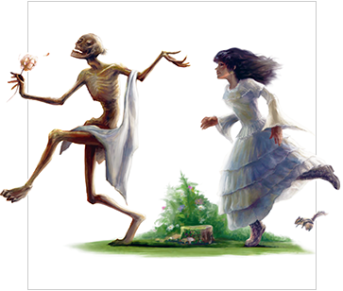 Most such outbreaks coincided with periods of extreme hardship such as crop failure, famine and floods, and involved between dozens and tens of thousands of individuals.
 Even today there is little consensus about what caused the phenomenon. Some have blamed “St Anthony’s Fire”, a toxic and psychoactive fungus of the Claviceps genus, also known as ergot. Often ingested with infected rye bread, symptoms of ergot poisoning are not unlike those of LSD, and include nervous spasms, psychotic delusions, spontaneous abortion, convulsions and gangrene resulting from severe vasoconstriction.


 There is an oft-repeated but mistaken notion that the circus goes back to Roman antiquity. The panem et circenses, (bread and circuses)” of Juvenal, ca AD100, refers more to the ancient precursor of the racetrack, than to anything resembling a modern circus. The only common denominator is the word itself, the Latin root ‘circus’, translating into English, as “circle”.
 These afternoon shows gained overwhelming popularity by 1770, and Astley hired acrobats, rope-dancers, and jugglers to fill the spaces between equestrian events. The modern circus, was born.
 and fear, his demonstrations emphasizing the animal’s intelligence and tractability over ferocity.

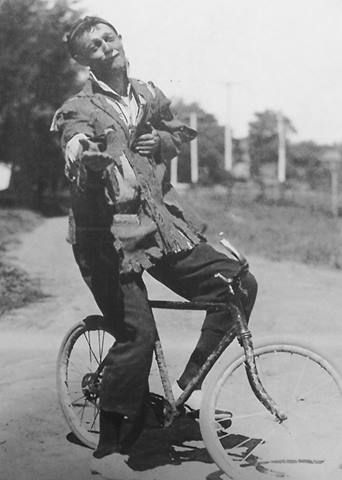


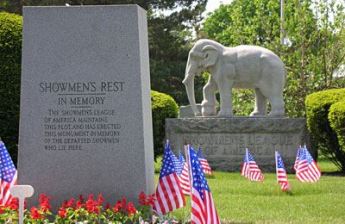

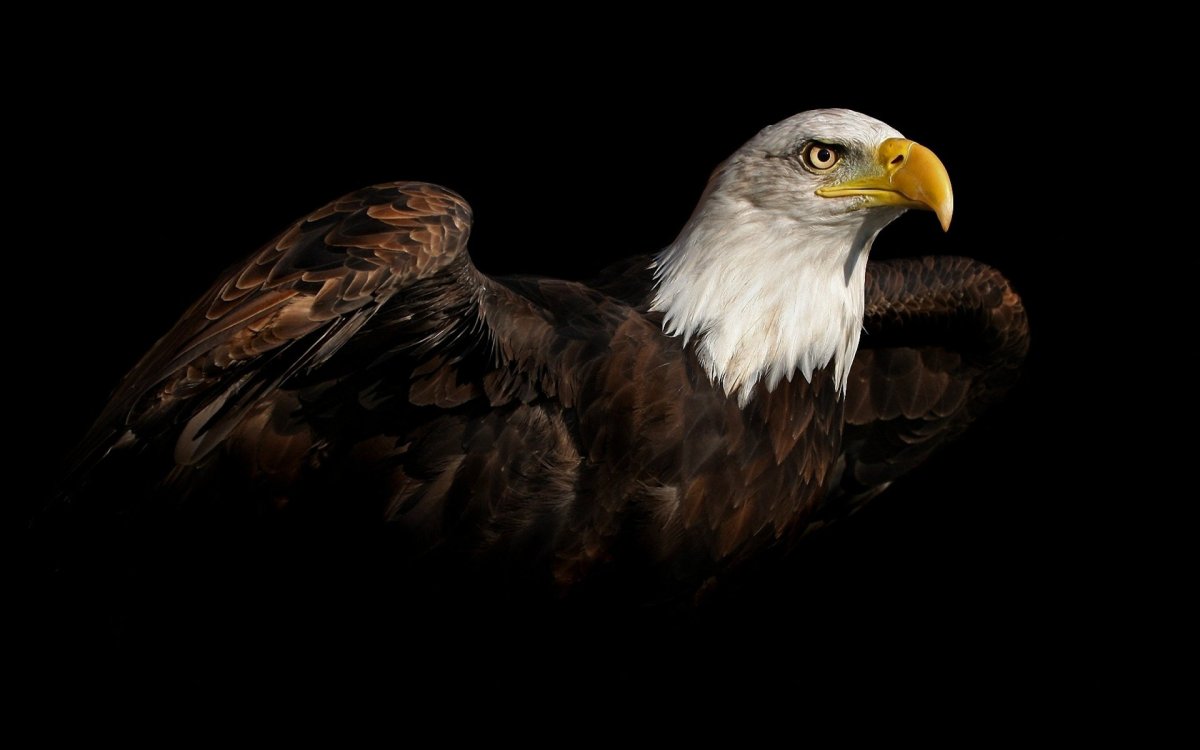


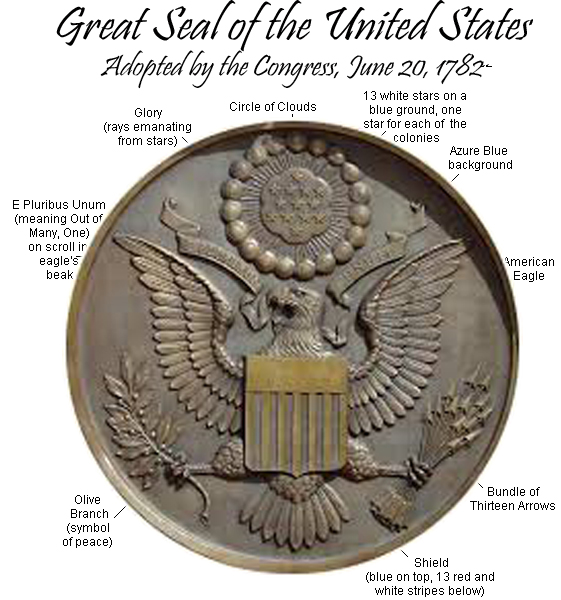
 Finally, a constellation of thirteen stars breaks out of the clouds above, signifying a new people, now ready to take its place among the sovereign nations of earth.
 The militant atheist type wishing to divest himself of all that “church & state” stuff may, at his convenience, feel free to send those dollar bills, to me. I’m in the book.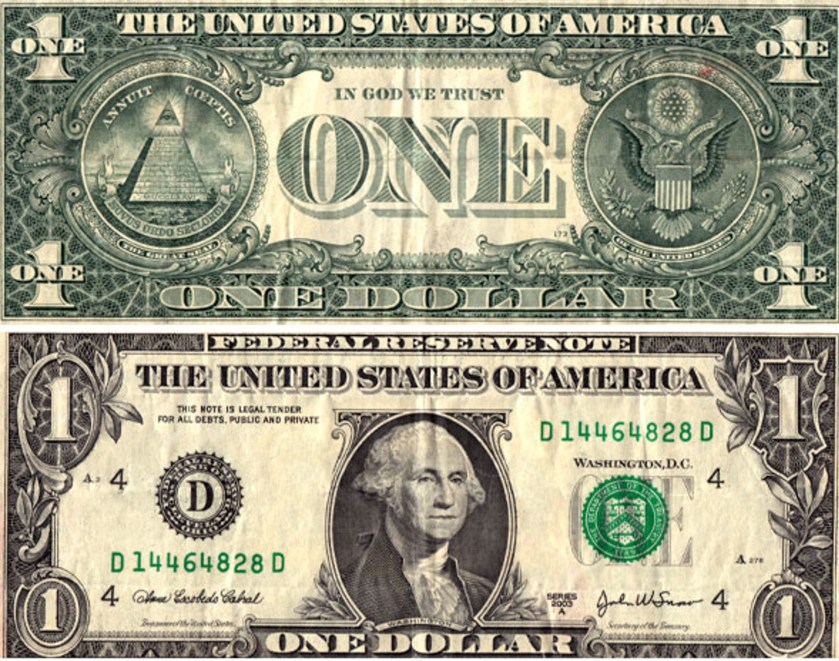


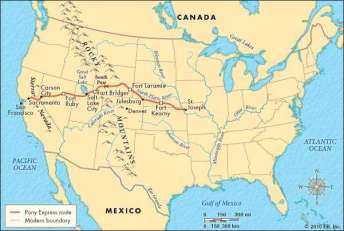 across the Isthmus of Panama or the Isthmus of Tehuantepec, in Mexico. The simmering tensions which would lead the nation to Civil War would prove such a system inadequate, as the rapid transfer of information became ever more important.
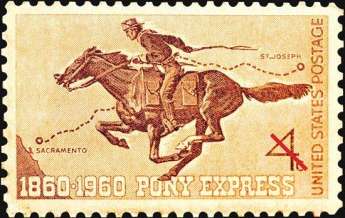 The Pony Express compressed the standard 24-day schedule for overland delivery to ten days, but the system was a financial disaster. Little more than an expensive stopgap before the first transcontinental telegraph system.
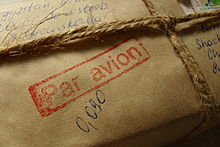 The first mail carried through the air arrived by hot air balloon on January 7, 1785, a letter written by Loyalist William Franklin to his son William Temple Franklin, at that time serving a diplomatic role in Paris with his grandfather, the United States’ one-time and first postmaster, Benjamin Franklin.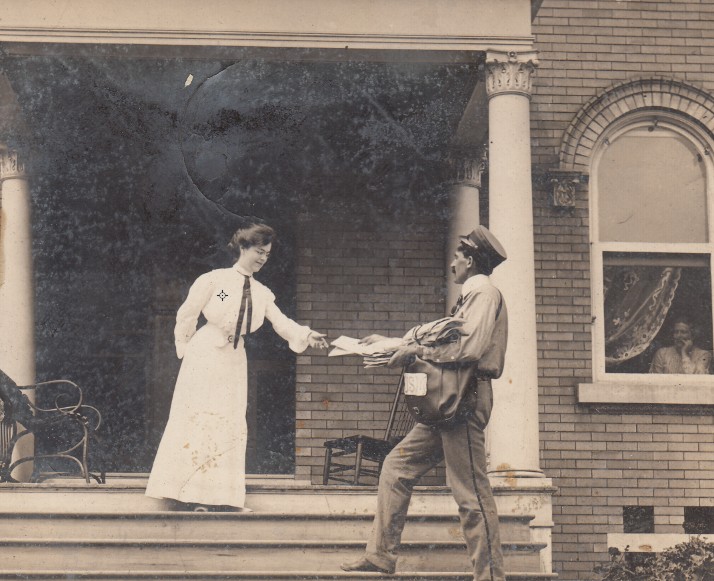
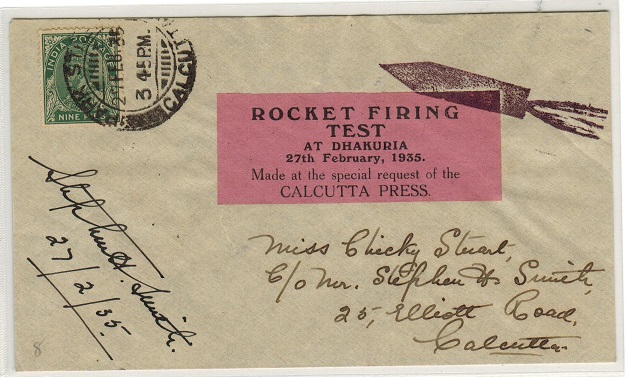
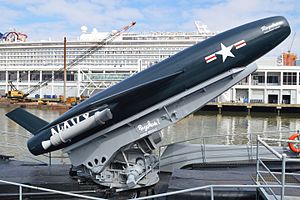


 The Regulus was superseded by the Polaris missile in 1964, the year in which Barbero ended her nuclear strategic deterrent patrols. She was struck from the Naval Registry that July, and suffered the humiliating fate of the target ship, sunk off the coast of Pearl Harbor on October 7 by the nuclear submarine USS Swordfish.


 Lay became a lumberjack, a jewelry salesman, and a peanut salesman, before going to work for the Atlanta based Barrett Potato Chip Company. He traveled the Southeast during the Great Depression in his Model A Ford, selling chips to grocery stores, gas stations and soda shops. When the company’s owner died, Lay raised $60,000 and bought the company’s plants in Atlanta and Memphis.
 Lay began buying up small regional competitors at the same time that another company specializing in corn chips, was doing the same. “Frito”, the Spanish word for “fried”, merged with Lay in 1961 to become – you got it – Frito-Lay. By 1965, Lay’s was the #1 potato chip brand sold in every state.
 The biggest threat that Frito-Lay would ever experience came from the Beer giant Anheuser-Busch, when the company introduced their “Eagle” line of salty snacks in the 1970s. It made perfect sense at the time, a marketing and distribution giant expanding into such a complementary product category, what could go wrong? Frito-Lay profits dropped by 16% by 1991 and PepsiCo laid off 1,800 employees, but Eagle Snacks never turned a profit in 16 years. Anheuser-Busch put the company up for sale in 1995.
 Tom Peters wrote about Frito-Lay in his 1982 book “In Search of Excellence”. The company will spend $150 to make a $30 delivery if that’s what they need to do. Their customer is counting on them. While a transaction like that doesn’t make economic sense, the company prides itself on a 99½% on-time delivery record. Frito-Lay has the highest profit margins in the industry and a 60% market share in an “undifferentiated commodity”, in which their closest competitor has 7%.


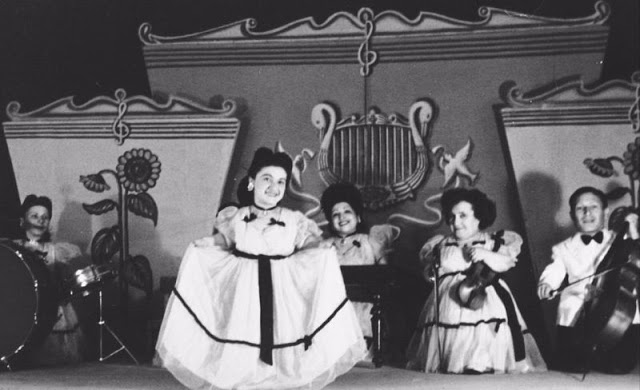

 There was no future for them in this place. Only 50 of the 650 Jewish inhabitants of the village ever returned. The family emigrated to Israel in May 1949, resuming their musical tour and performing until the group retired in 1955.
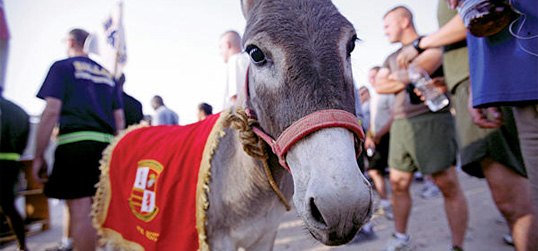
 Early one August morning, Colonel Folsom awoke to a new sound. The thwap-thwap-thwap of the helicopters, the endless hum of the generators, those were the sounds of everyday life. This sound was different – the sound of braying donkey.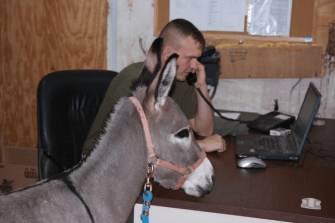
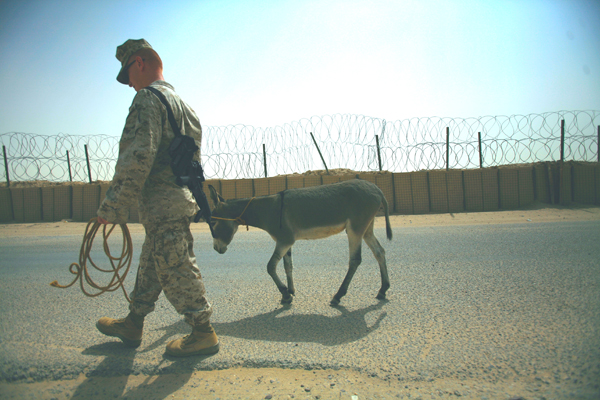 Before long, Smoke was a familiar sight around Camp Taqaddum. After long walks around the wire, Smoke learned to open doors and wander around. If you ever left that candy dish out on your desk, you were on your own.
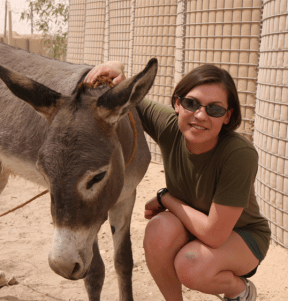 Regulations prohibit the keeping of pets in a war zone. A Navy Captain helped get Smoke designated as a therapy animal, and he was home to stay. As it turned out, there was more than a little truth to the label. For young women and men thousands of miles from home in a war zone, the little animal was a welcome reminder of home.
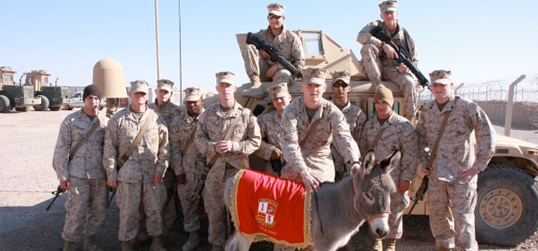 Colonel Folsom couldn’t get the little animal out of his head and, learning of his plight in 2010, determined to get him back. There were plenty of kids who had survived trauma of all kinds in his home state of Nebraska. Folsom believed that the animal could do them some good, as well.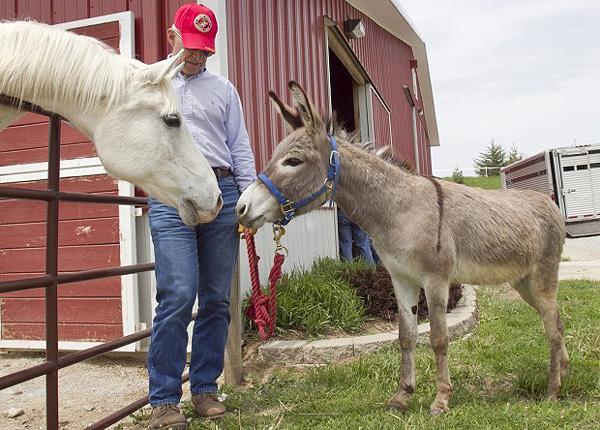


 The camels arrived on May 14, 1856, and set out for the newly established Camp Verde in West Texas, with elements of the US Cavalry and seven handlers.


 A few months later, a Salt River rancher named Cyrus Hamblin spotted the animal while rounding up cows. It was a camel, and Hamblin saw that it had something that looked like the skeleton of a man tied to its back. Nobody believed his story, but a group of prospectors fired on the animal several weeks later. Though their shots missed, they saw the animal bolt and run, and a human skull with some parts of flesh and hair still attached fell to the ground.


You must be logged in to post a comment.