

In 1858, the overly crowded tenements of Roxbury Massachusetts teemed with newly arrived Irish immigrants, looked down upon as “unmannered bogtrotters” and given wide berth by the self-appointed elites, of Boston. 5-foot 2-inch Michael Sullivan, newly arrived from County Kerry, worked as “hod carrier” for bricklayers and masons, dug ditches, and did any other job, that was available.
Like many first-generation immigrants, Michael and Catherine Sullivan did whatever they had to do, always hoping for something better, for their children.

That was the year the couple’s first-born son came into the world. From the beginning, baby John Lawrence was something different. “Strong as a bear” even as an infant, one family legend described little “Sully” clocking a visiting aunt before the age of one, leaving the woman with a black eye.
Sully excelled in sports as a boy and got into plenty of fights, which he easily won. He left high school as a young teenager and made a few bucks in semi-professional baseball, while working as a tinsmith, plumber and mason.
Prize fighting was illegal in those days, looked down upon by the middle classes as “butchery for profit”. The working classes had no such qualms, reveling in the sport in the saloons and music halls of most American cities.
Nineteenth century prizefighting rules were nothing like the modern “sweet science” of boxing. The earliest recognizable form of the sport, as opposed to mere brawling, came about after a 1744 bout in which British boxer George Stevenson was fatally injured, following a fight with Jack Broughton.
Broughton’s “seven rules of boxing” were printed and framed, and posted that August at his London amphitheater.

Frank Lewis Dowling wrote in Fistiana; or The Oracle of the Ring:…Results of prize battles from 1700 to December 1867, that Broughton’s rules brought about “that spirit of fair play which off ers so wide a contrast to the practices of barbarous ages…[when] It is to be lamented that, even in modern times, the inhuman practices of uncivilised periods have subsisted to a disgraceful extent, and hence we have heard of gouging, that is to say forcing out the eye of an antagonist with the thumb or finger…kicking a man with nailed shoes as he lies on the ground, striking him in vital parts below the waistband, seizing him when on his knees, and administering punishment till life be extinct…”
In 1838, William “Brighton Bill” Phelps died following a particularly savage match with the British bare-knuckle prize fighter, Owen Swift. Phelps, who had himself killed a man in the ring, died after an 85-round, ninety-five minute fight for which Swift was tried and convicted, of manslaughter. Robert Rodriguez, author of The Regulation of Boxing: A History and Comparative Analysis of Policies Among American States writes that the “London Prize Ring Rules” of that year and amended in 1853 “introduced measures that remain in effect for professional boxing to this day, such as outlawing butting, gouging, scratching, kicking, hitting a man while down, holding the ropes, and using resin, stones or hard objects in the hands, and biting.”
The London prize ring rules specified the size and shape of the ring, and that of the spikes in the fighter’s shoes, as well as the role for each fighter’s “second”. Nothing is said of the length or number, of rounds. Each round ended when a fighter was knocked (or thrown) to the ground. There followed a thirty-second break when the umpire would cry “Time!”, and an eight-second interval when each combatant was to step up to the “scratch line”. Failure to come “up to scratch” or incapacity put an end to the match, but 70+-round fights, were commonplace.
 This was the world of bare knuckle boxing in the age of John L. Sullivan. He thrived in that world. The urban prize ring was his “temple of manhood”. He intended to be its Crown Prince.
In 1879, Sullivan trounced the veteran brawler Mike Donovan in an exhibition match. The older fighter was the more skilled and experienced, but the 21-year-old made up for it with speed and power. Afterward, Donovan knew that he had “just fought the coming champion of the prize ring.”
A month later, Sullivan challenged “any man breathing” to fight for prizes ranging between $1,000 to $10,000. Sometimes, matches were fought with bare knuckles, other times, with padded gloves and timed rounds. Over 450 fights, Sullivan seemed unbeatable. “The Hercules of the Ring.” Gamblers and other backers were making a fortune.
The media eagerly promoted the fighter as an “urban Paul Bunyan”. Stories were told and retold, each becoming more outlandish, as Sullivan “battled wild animals with his bare hands, drank rivers of liquor, had his way with regiments of women. . . .”
The epic drunkenness and domestic violence of the man’s real life at home, went largely unreported.

Sullivan was a Rockstar, the “Boston Strongboy”, the first professional athlete to make a million dollars. He performed in vaudeville, and hung out with some of the most iconic figures of the ‘gilded age’, from Presidents and Kings to wild west gunslingers. Sullivan made countless public appearances and even considered a run for the United States Senate. A famous song of the era invited listeners to “shake the hand that shook the hand of John L. Sullivan.”
On this day in 1887, thousands of adoring fans crowded the ways to Nantasket Beach in Hull, to glimpse the Heavyweight Champion of the World with his diamond-studded, gold-plated belt.
Depending on who you read, Sullivan was first considered world heavyweight champion either in 1888 when he fought Charley Mitchell in France, or in 1889 when he knocked out Jake Kilrain in round 75 of a scheduled 80-round bout.

The modern sport of Boxing was born in 1867, with the twelve rules drawn up by John Graham Chambers, member of the British Amateur Athletic Club under the sponsorship of John Sholto Douglas, 9th Marquess of Queensberry. Timed rounds and gloves remained optional until the night of July 8, 1889, a scheduled 80-round bare knuckle bout between the undefeated champion John L Sullivan, and Jake Kilrain, the last professional fight to be held under the old London Prize Ring rules.
Whiskey had taken its toll on Sullivan by this time. It looked like he was done when he threw up in the 42nd round, but Sullivan got his second wind. Kilrain’s second threw in the towel in round 75, afraid that his principle was about to be killed.
 Sullivan’s unbeaten record over 44 professional fights came to an end on July 9, 1892, when “Gentleman Jim” Corbett unloaded a smashing left in the 21st round that put the champion down, for good. Sullivan would later say that his opponent only “gave the finishing touches to what whiskey had already done to me.”
Sullivan retired to his home in Abington Massachusetts. In his later years, the last bare knuckle champ in history became a sports reporter, celebrity baseball umpire and tavern owner. He gave up his life-long addiction to alcohol taking his last drink in 1905. Sullivan took to the temperance lecture circuit, but the prizefighting years and those “Rivers of Whiskey” had taken their toll.

John Lawrence Sullivan earned over a million dollars over his career, and died with an estate valued at $3,675, and ten dollars in his pocket. He was fifty-nine. Sullivan constantly warned young men to avoid the perils of alcohol. “John L. Sullivan, champion of the world, could not lick whiskey. What gives any one of them the notion that he can?”


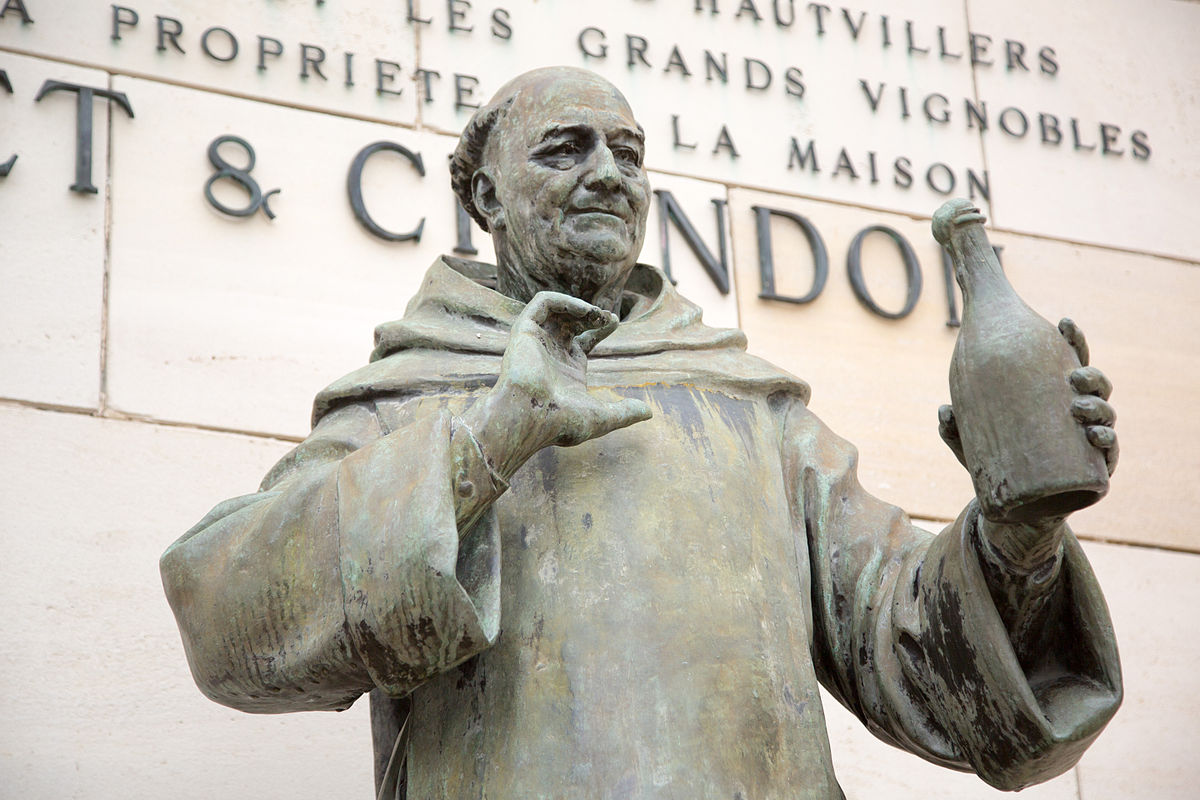
 The oldest winery for which archaeological evidence exists was established around BC4100, in present-day Armenia. The Egyptian Pharoahs were producing a wine-like substance from 3100BC for use in public ceremonies, due to its resemblance to blood.
 Sounds like a great job, as Greek Gods go.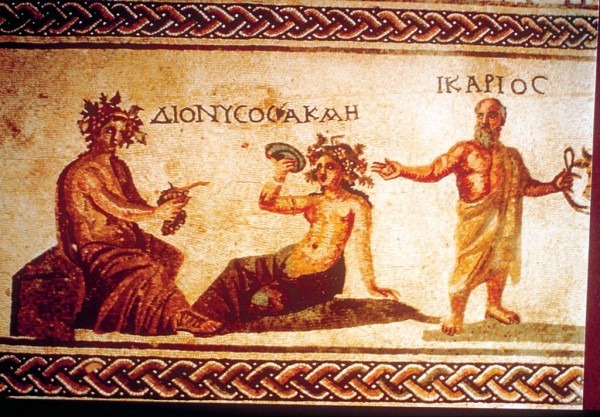
 The legions of Rome expanded the Empire across Europe from modern day France and Germany into Portugal and Spain. Everywhere the Legions went, vineyards were soon to follow. To this day, some regions are said to have more ‘Terroir’, than others.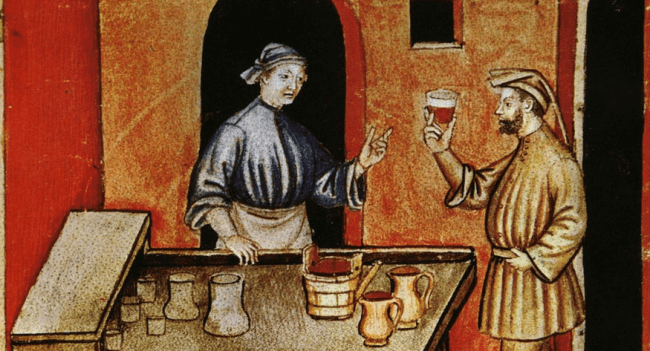
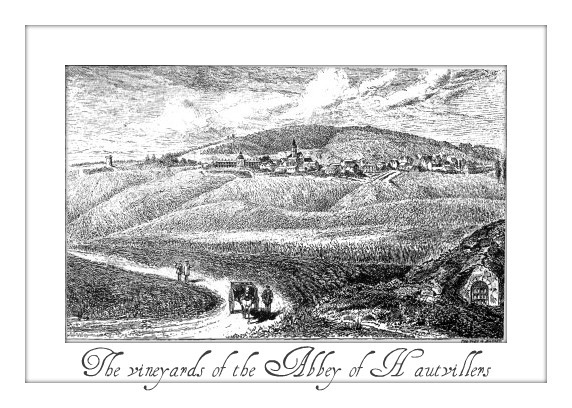 The story is almost certainly a myth, a later embellishment to the story. During his 47 year career, Pérignon went to considerable lengths to eliminate bubbles from his wine. Dom Pérignon never succeed in that goal, yet he did make bubbly wine a whole lot better, using corks for the first time to prevent the escape of carbon dioxide, and perfecting a ‘gentle’ pressing technique which left out the murkiness of the skins.
 Pérignon didn’t like white grapes because of their tendency to enter refermentation. He preferred the Pinot Noir, and would aggressively prune the plants so that vines grew no higher than three feet and produced a smaller crop. The harvest was always in the cool, damp early morning hours, and Pérignon took every precaution to avoid bruising or breaking his grapes. Over-ripe and overly large fruit was always thrown out. Pérignon never permitted grapes to be trodden upon, always preferring the use of multiple presses.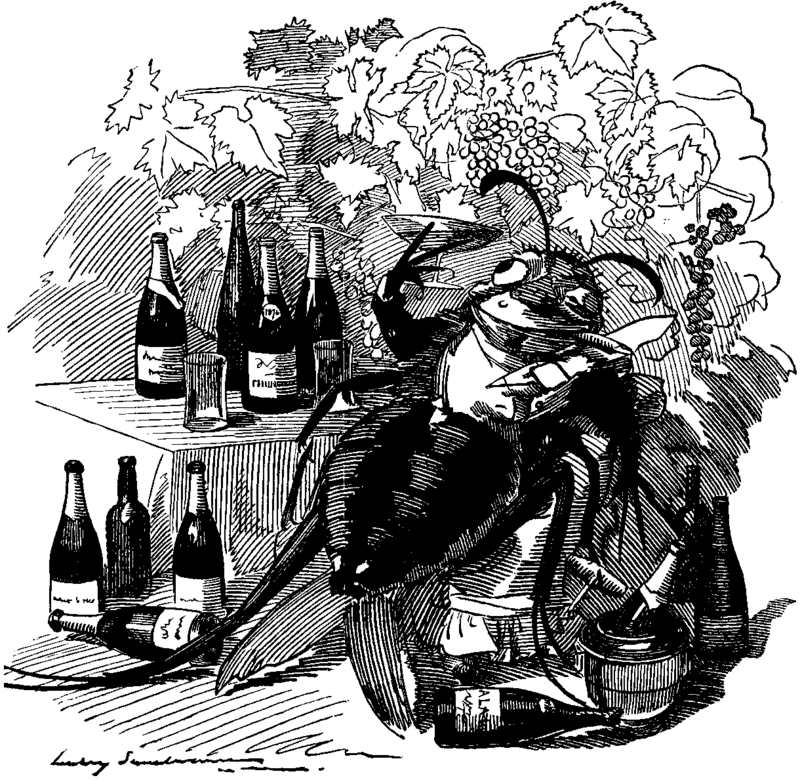



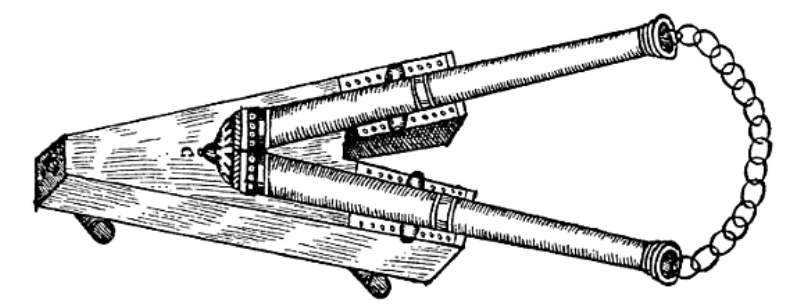
 Augustus Longstreet Hull was born 1847 in “The Classic City” of Athens Georgia, and enlisted in the Confederate Army on September 8, 1864.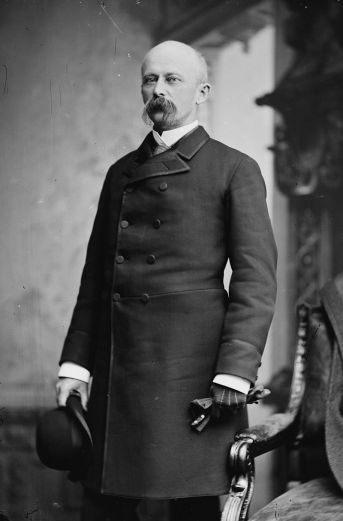

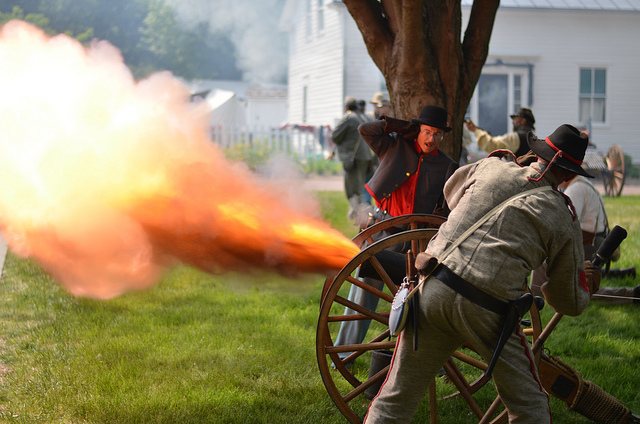


 The scandal of the 1919 “Black Sox” series began when Arnold “Chick” Gandil, the first baseman with ties to Chicago gangsters, convinced his buddy and professional gambler Joseph “Sport” Sullivan, that he could throw the World Series against the Cincinnati Reds. New York gangster Arnold Rothstein supplied the money through his right-hand man, former featherweight boxing champion Abe Attell.

 in the possession of Comiskey’s lawyer. It’s funny how that works.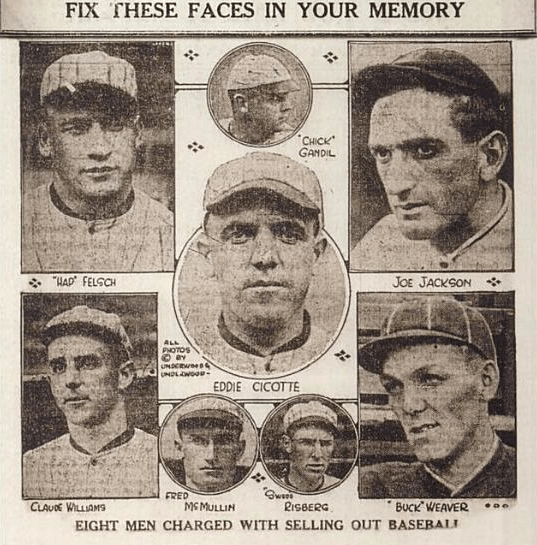


 The first non-stop transatlantic flight in history began on June 14, 1919, when British aviators John Alcock and Arthur Whitten Brown departed St. John’s, Newfoundland in a modified bomber, arriving in Ireland the following day.
 Five years later, “Lady Lindy” disappeared over the South Pacific, along with copilot Frederick J. Noonan.
 Corrigan made additional modifications and repeated applications over the next two years, all of which were rejected. By 1935, the once-freelance aviation industry faced increasing government regulation. Corrigan found his project losing ground. . In 1937, federal officials not only rebuffed his flight plan. Authorities deemed Corrigan’s aircraft Sunshine unstable for safe flight, and denied renewal of its license to fly.
 Aviation officials were apoplectic that a New York to California flight plan, would wind up in Ireland. At a time when Western Union charged by the word, the pilot was excoriated with a 600-word diatribe, enumerating the pilot’s transgressions. Corrigan served a 14-day suspension of his flying license, ending the day he returned with his aircraft aboard the steamship Manhattan.
 Wrong Way Corrigan flight tested bombers during WW2 and retired in 1950, and bought an orange grove in Santa Ana, California. He claimed he knew nothing about growing oranges, he just copied what his neighbors were doing.

 What would it be like to turn on CNN or Fox News, to learn that Former Secretary of the Treasury Jacob (‘Jack’) Lew was party to a duel and that he was near death, after being shot by the sitting Vice President of the United States, Mike Pence.


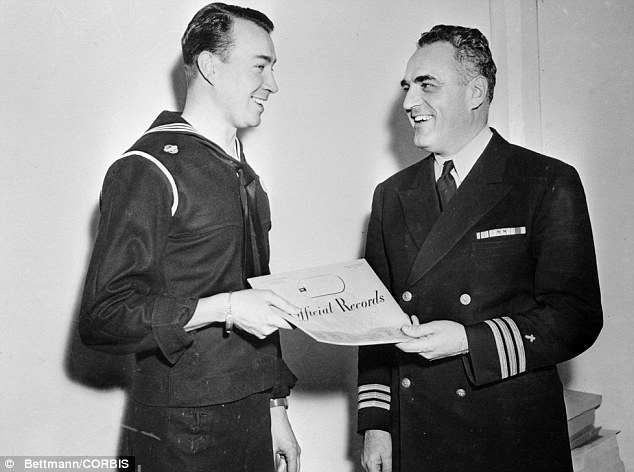
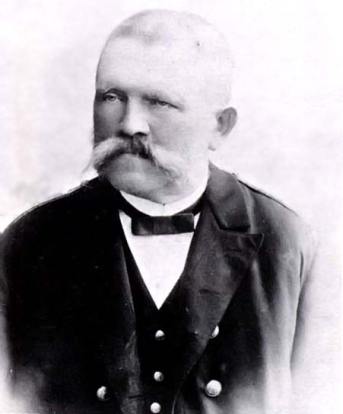
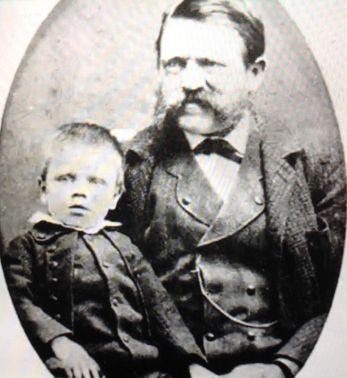 There are plenty of tales regarding the man’s paternity, but none are any more than that. Alois Schicklgruber ‘legitimized’ himself in 1877, adopting a variant on the name of his stepfather and calling himself ‘Hitler”.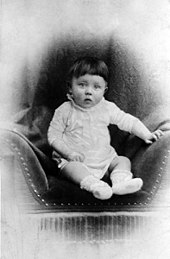
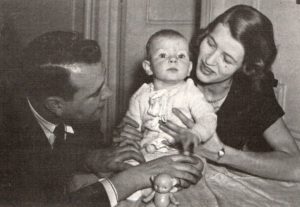


 In pre-1955 America and around much of the world, Summer was a time of dread. TIME Magazine offered what solace it could, in 1946: “for many a parent who had lived through the nightmare fear of polio, there was some statistical encouragement: in 1916, 25% of polio’s victims died. This year, thanks to early recognition of the disease and improved treatment (iron lungs, physical therapy, etc.) the death rate is down to 5%.”
 Charles Vansant’s left thigh was stripped to the bone. He was brought to the Engleside hotel, where he bled to death on the front desk.
 Like some earlier, real-life “Jaws”, authorities and the press downplayed the incident. The New York Times reported that Vansant “was badly bitten in the surf … by a fish, presumably a shark.” Pennsylvania State Fish Commissioner and former director of the Philadelphia Aquarium James M. Meehan opined that “Vansant was in the surf playing with a dog and it may be that a small shark had drifted in at high water, and was marooned by the tide. Being unable to move quickly and without food, he had come in to bite the dog and snapped at the man in passing“.
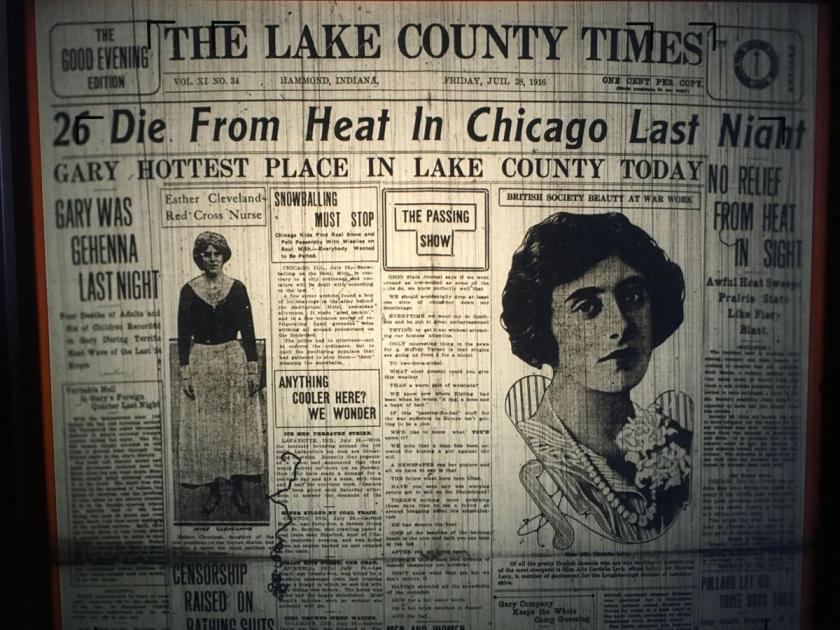



 Based on the style of the attacks and glimpses of the shark(s) themselves, the attacks may have been those of Bull sharks, or juvenile Great Whites. Massive shark hunts were carried out all over the east coast, resulting in the death of hundreds of animals. Whether all five attacks were carried out by a single animal or many, remains unknown.
 At the time, the story resulted in international hysteria. Now, the tale is all but unknown, but for the people of Matawan. Stanley’s grave sits on a promontory at the Rose Hill Cemetery, overlooking Lester’s grave, below. People still stop from time to time, leaving flowers, toys and other objects. Perhaps they’re paying tribute. Homage to the courage of those who would jump into the water, in the face of our most primordial fear.
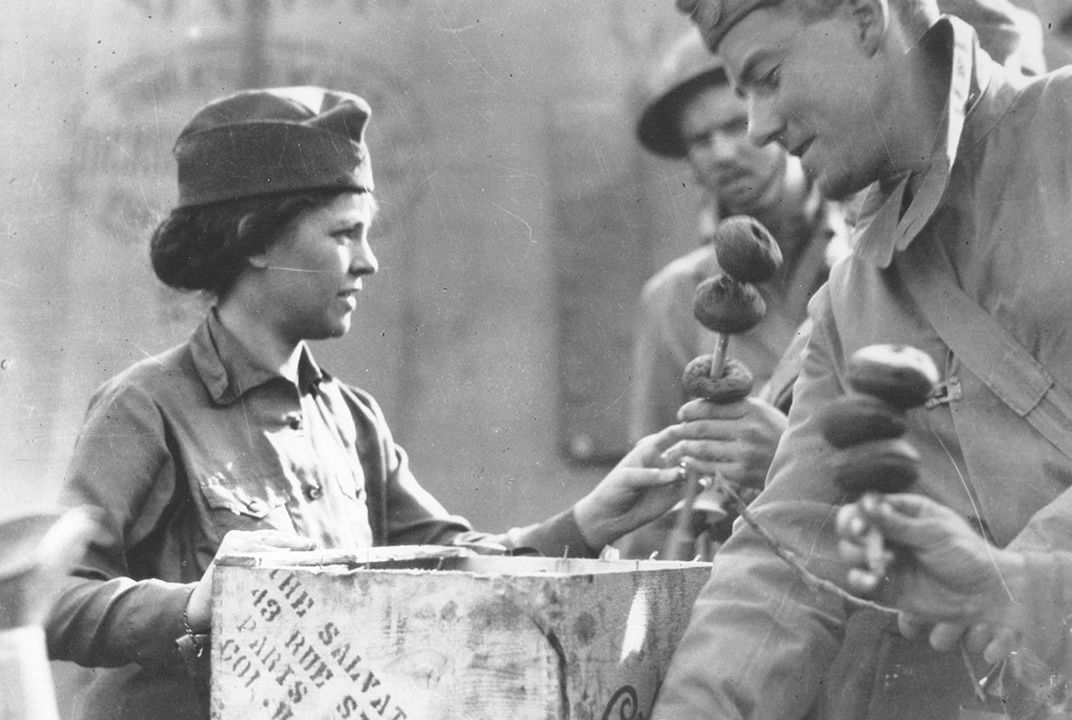
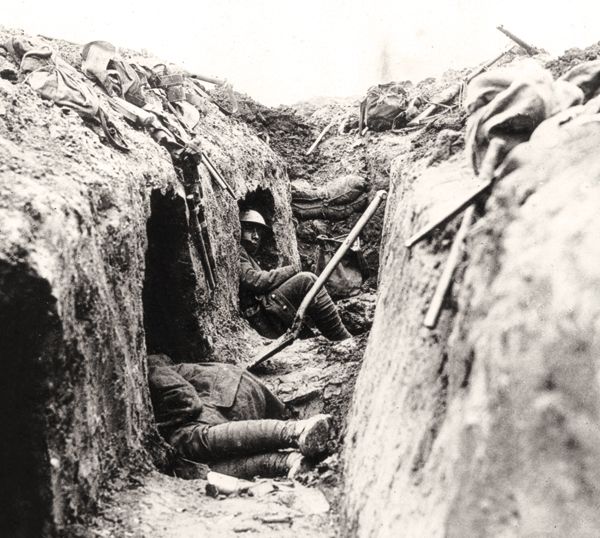
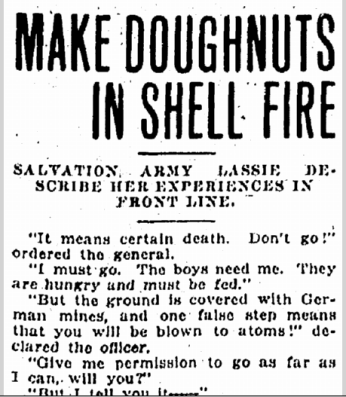 Often unseen in times of such dread calamity, are the humanitarian workers. Those who tend to the physical and spiritual requirements, the countless small comforts, of those so afflicted.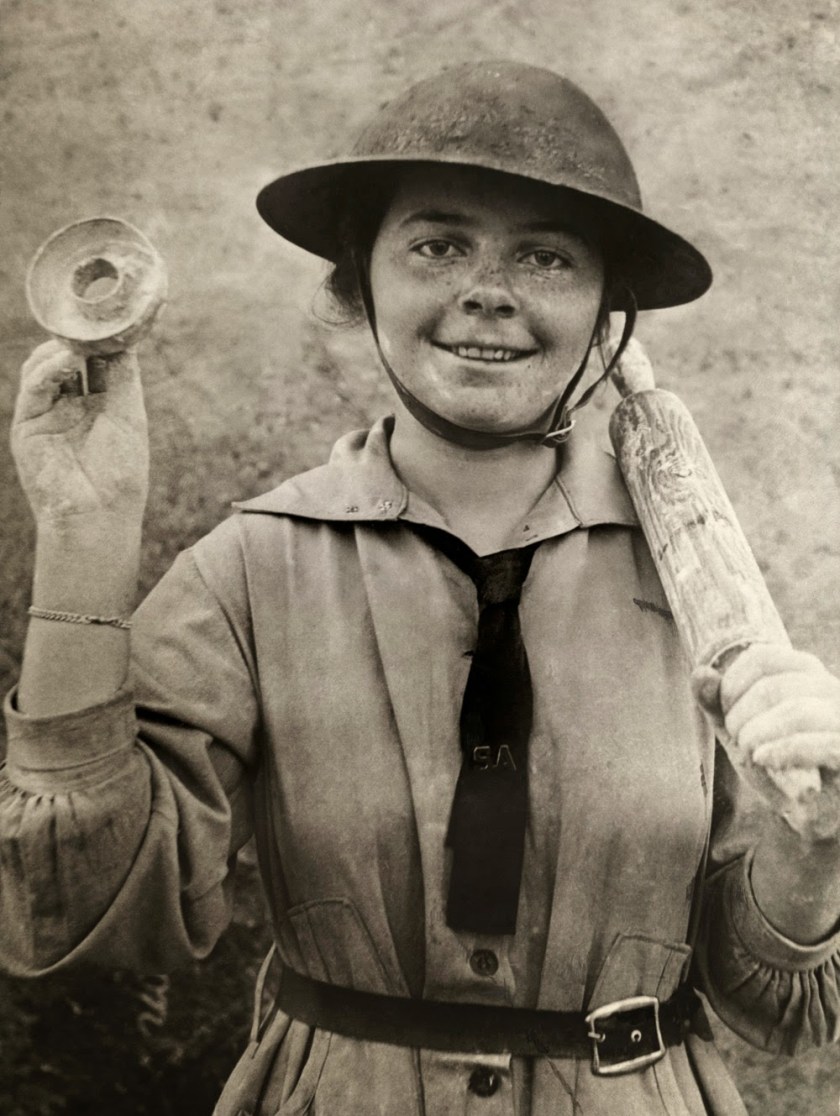
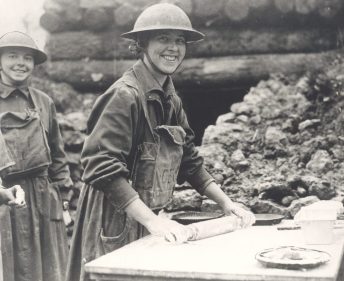 A small group of carefully selected female officers was sent to France on August 22. That first party comprised six men, three women and a married couple. Within fifteen months their number had expanded by a factor of 400.
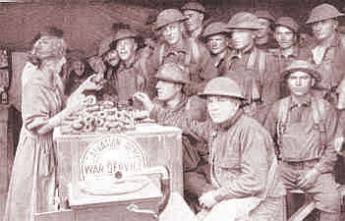 ‘Hutments’ were formed all over the front, many right out at the front lines. There were canteen services. Religious observances of all denominations were held in these facilities. Concert performances were given, clothing mended and words of kindness offered in response to all manner of personal problems. On one occasion, the Loyal Order of Moose conducted a member initiation. Pies and cakes were baked in crude ovens and lemonade served to hot and thirsty troops. Of all these corporal works of mercy, the ones best remembered by the ‘doughboys’ themselves, were the doughnuts.

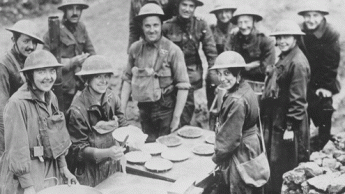 Before long, the women got better at it. Soon they were turning out 2,500 to 9,000 doughnuts a day. An elderly French blacksmith made Purviance a doughnut cutter, out of a condensed milk can and a camphor-ice tube, attached to a wooden block.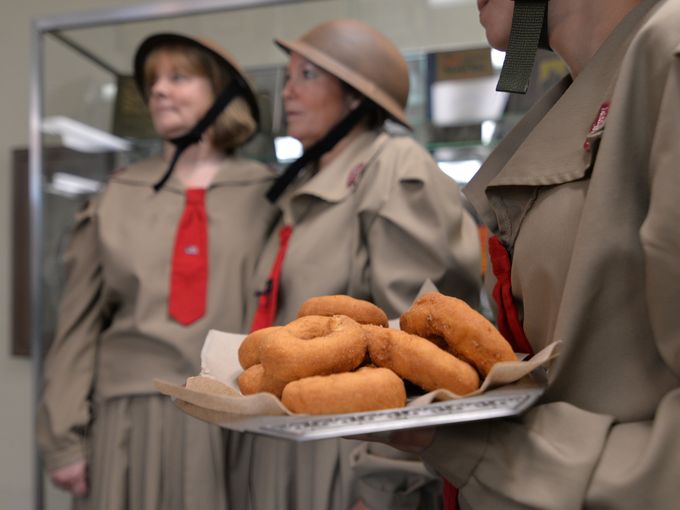


You must be logged in to post a comment.