
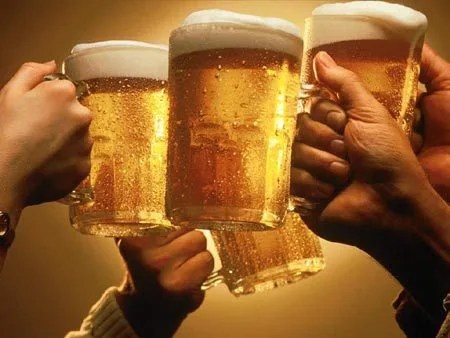
Given the right combination of sugars, nearly any cereal will undergo simple fermentation, due to the presence of wild yeasts in the air. In all likelihood, our cave-dwelling ancestors experienced their first beer as the result of this process.
In the 18,000-year old Wadi Kubbaniya in upper Egypt, starch dusted stones and the remains of doum-palm and chamomile indicate a “very likely they were making beer there” according to University of Pennsylvania archaeologist, Dr. Patrick McGovern.
Chemical analysis of pottery shards date the earliest barley beer to 3400BC in the Zagros Mountains of Iran.
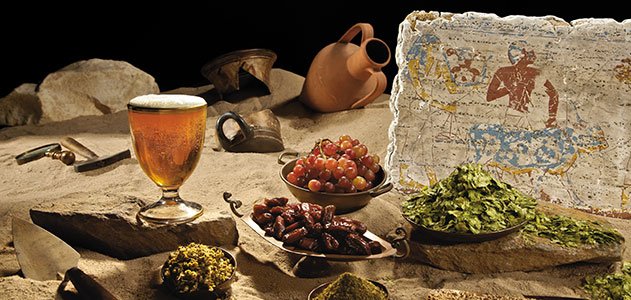
Tacitus maligned the bitter brew of the Germanic barbarians. Wine seemed better suited to the sensibilities of the Roman palate. Even so, letters from Roman cavalry commanders of the Roman Britain period, c. 97-103 AD, include requests for more “cerevisia“ for the legionaries.
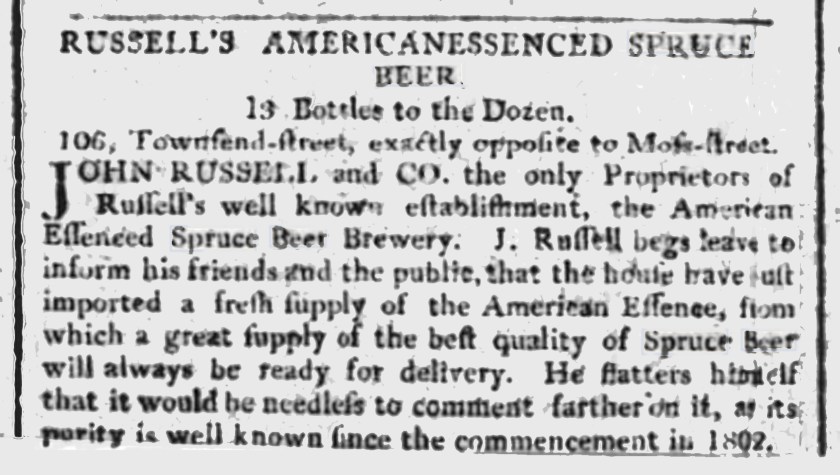
In North and South America, native peoples brewed fermented beverages from local ingredients including agave sap, the first spring tips of the spruce tree, and maize.
Pilgrims left the Netherlands city of Leiden in 1620 hoping not for the frozen, rocky soil of New England, but for rich farmland and a congenial climate in the New World. Lookouts spotted the wind-swept shores of Cape Cod on November 9, 1620 and may have kept going, had there been enough beer. One Mayflower passenger wrote in his diary: “We could not now take time for further search… our victuals being much spent, especially our beer…”
Prior to the invention of the drum roaster in 1817, malt was typically dried over wood, charcoal or straw fires leaving a smoky quality which would seem foreign to the modern beer drinker. William Harrison wrote in his “Description of England” in 1577, “For the wood-dried malt, when it is brewed, beside that the drink is higher of colour, it doth hurt and annoy the head of him that is not used thereto, because of the smoke“.
Smoky flavor didn’t trouble the true aficionado of the age. When the Meux Brewery casks let go in 1814 spilling nearly 400,000 gallons onto the street, hundreds of Brits hurried to scoop the stuff up in pots and pans. Some got down on all fours and lapped it up off of the street, doggy-style.

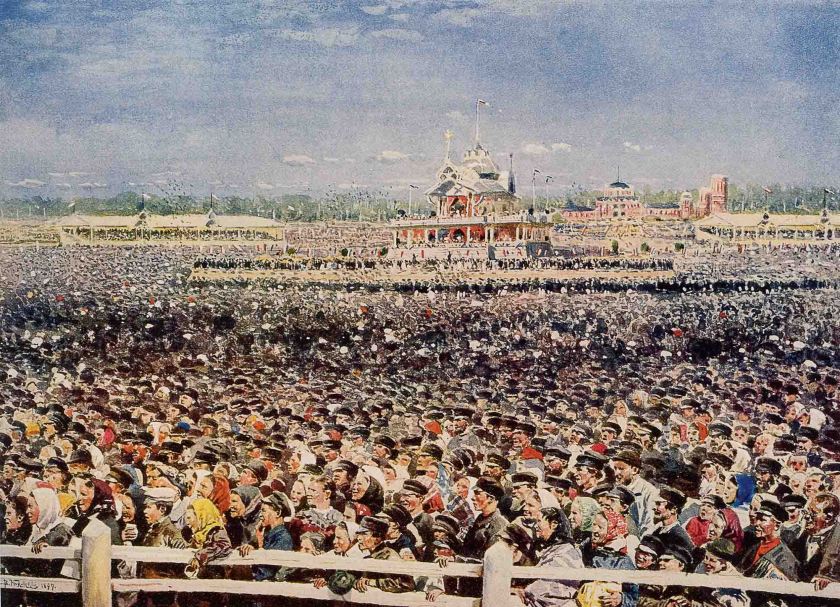
1,389 poor souls were trampled to death and another 1,300 injured in a stampede for the suds when someone thought the beer had run out at the coronation of Czar Nicholas II, in 1896.
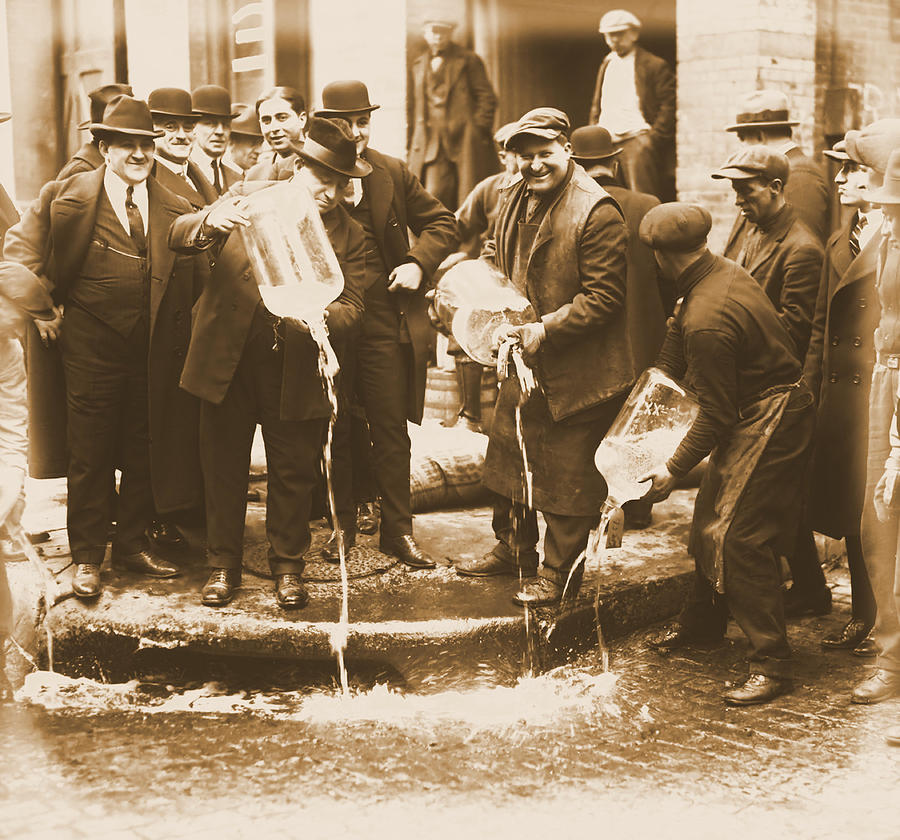
The 18th amendment, better known as “prohibition”, went into effect at midnight, January 16, 1920. For thirteen years it was illegal to import, export, transport or sell liquor, wine or beer in the United States.
Portable stills went on sale within a week, and organized smuggling was quick to follow. California grape growers increased acreage by over 700% over the next five years, selling dry blocks of grapes as “bricks of rhine” or “blocks of port”. The mayor of New York City sent instructions to his constituents, on how to make wine.
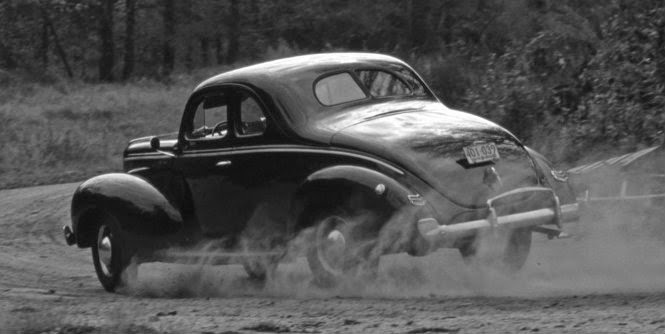
Smuggling operations became widespread as cars were souped up to outrun “the law”. This would lead to competitive car racing, beginning first on the streets and back roads and later moving to dedicated race tracks. It’s why we have NASCAR, today.
Organized crime became vastly more powerful due to the influx of enormous sums of cash. The corruption of public officials was a national scandal.
Gaining convictions became increasingly difficult for breaking a law that everyone hated. There were over 7,000 prohibition related arrests in New York alone between 1921 and 1923. Only 27 resulted in convictions.

The federal government went so far as to deliberately poison denatured alcohol to discourage its “renaturing” resulting in no fewer than 10,000 dead. Even so, the writing was on the wall. Not even poisonous hooch was going to keep the determined reveler, from enjoying a drink.
At last even John D. Rockefeller, Jr., the lifelong teetotaler who contributed $350,000 to the Anti-Saloon League, had to announce support for repeal.
It’s difficult to compare rates of alcohol consumption before and during prohibition. If death by cirrhosis of the liver is any indication, alcohol consumption never decreased by more than 10 to 20 per cent.
President Franklin Delano Roosevelt signed the Cullen–Harrison Act into law on March 22, 1933 with the quip, “I think this would be a good time for a beer.” The law went effect on April 7. For the first time in 13 years Americans could once again buy, sell and legally enjoy a beer containing up to 3.2% alcohol.
A team of draft horses hauled a wagon up Pennsylvania Avenue, delivering a case of beer to the White House. It was the first public appearance of the now-famous, Budweiser Clydesdales.

“Dry” leaders tried to prohibit consumption of alcohol on military bases in 1941, but authorities claimed it was good for morale. Brewers were required to allocate 15% of total annual production to be used by the armed forces. So essential were beer manufacturers to the war effort that teamsters were ordered to end a labor strike against Minneapolis breweries. Near the end of WWII, the army made plans to operate recaptured French breweries, to ensure adequate supplies for the troops.
18 states continued prohibition at the state level after national repeal, the last state finally dropping it in 1966. Almost 2/3rds of all states adopted some form of local option, enabling residents of political subdivisions to vote for or against local prohibition.
Some counties remain dry to this day. Kansas and Tennessee for instance, default to dry status. Any given county must vote in the affirmative in order to become “wet”. Lynchburg County, Tennessee, home to the world-famous Jack Daniel distillery, remained dry well into the 21st century, becoming, errr, “moist”, in the early 2010s.
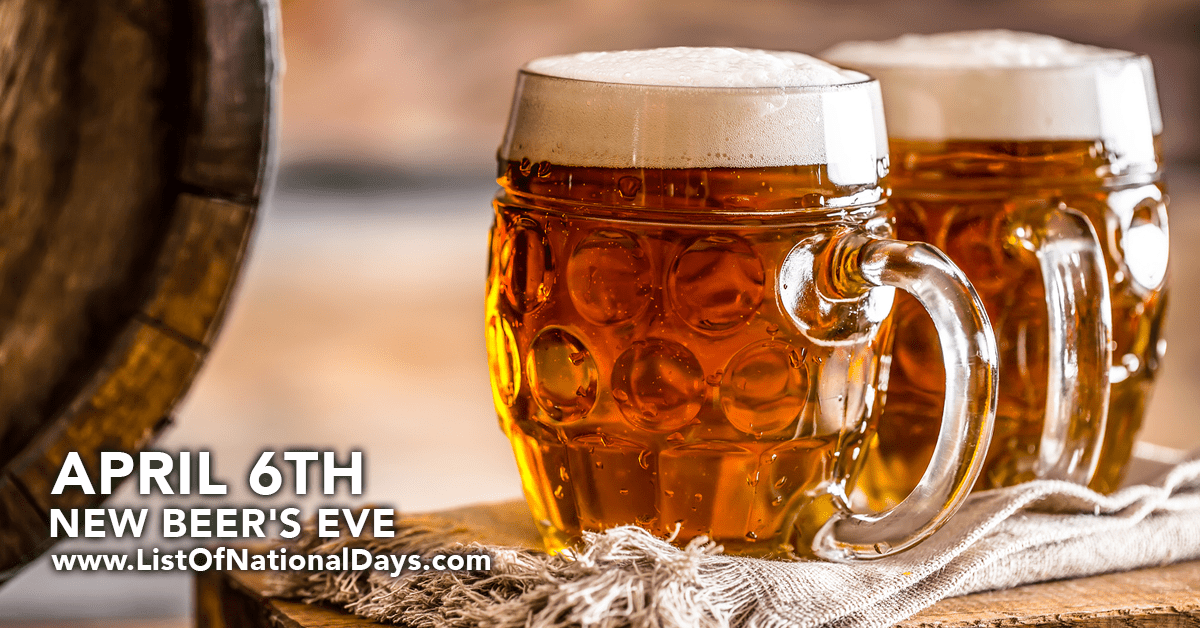
The night before Roosevelt’s law went into effect was April 6, 1933. Beer lovers lined up at the doors of their favorite watering holes waiting for their first legal beer in thirteen years. A million and a half barrels of the stuff were consumed the following day, a date remembered to this day as “National Beer Day”.
So it is from that day to this we remember April 6, as “New Beer’s Eve”.
Sláinte.
For every wound, a balm.
For every sorrow, cheer.
For every storm, a calm.
For every thirst, a beer.
Irish toast, author unknown























 Historical Easter Eggs - Today in History
You must be logged in to post a comment.