

Many years ago, Prussian Chancellor Otto von Bismarck said “If a general war begins, it will be because of some damn fool thing in the Balkans“.
The Chancellor got his damn fool thing on a side street in Sarajevo, when a tubercular 19-year old leveled his revolver and murdered the heir-apparent to the Austro-Hungarian throne and his wife on June 28, 1914.
In another time and place, such an event could have led to limited conflict. A policing action, in the Balkans. Instead, mutually entangling national alliances brought mobilization timetables into effect, dictating the movement of men and equipment according to precise and predetermined schedules.
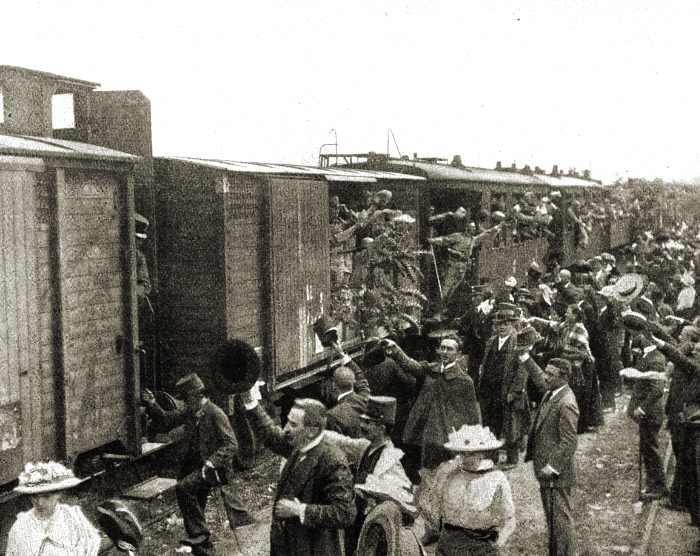
German troops, leaving for the front
The hippie subculture of the 1960s produced an antiwar slogan based on the title of a McCall’s Magazine article by Charlotte E. Keyes. “Suppose They Gave a War and No One Came.” In 1914, the coming war Had to happen. If only because everyone was there.
The cataclysm could have been averted, as late as the last day of July. By the first of August, mutual distrust had brought events past the point of no return. By the time it was over a generation was shattered, a continent destroyed and a new century, set on a difficult and dangerous course.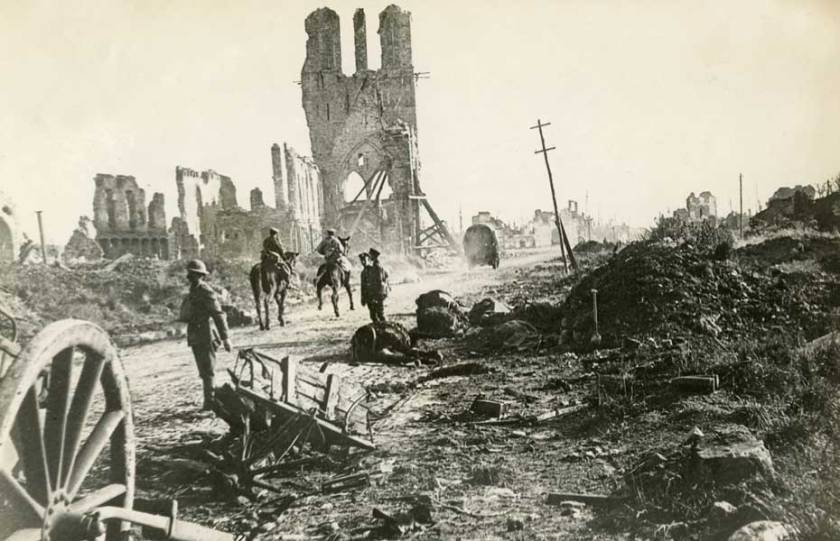 Some 40 million were killed in the Great War, either that or maimed or simply, vanished. It was a mind bending number, equivalent to the entire population in 1900 of either France, or the United Kingdom. Equal to the combined populations of the bottom two-thirds of every nation on the planet. Every woman, man, puppy, boy and girl.
The United States entered the conflict in 1917, suffering casualties of 320,518 in only a few short months.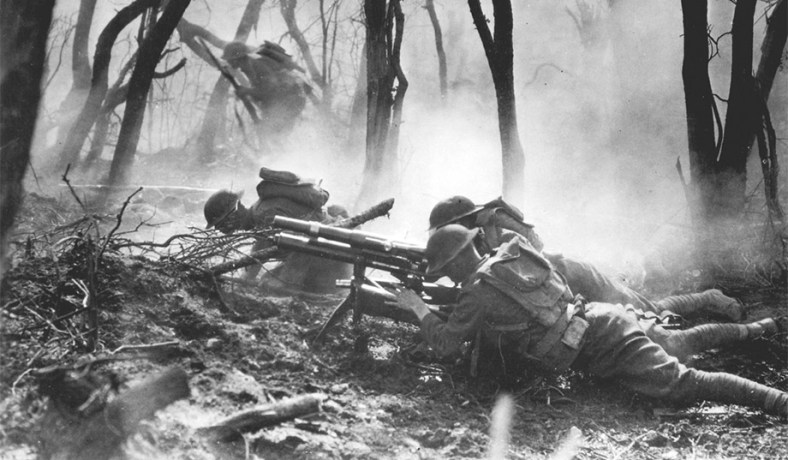 The idea of honoring the unknown dead from the “War to end all Wars” originated in Europe. Reverend David Railton remembered a rough cross from somewhere on the western front, with the words written in pencil: “An Unknown British Soldier”.
In November 1916, an officer of the French war memorial association Le Souvenir Français proposed a national-level recognition for the unknown dead of the Great War. Across the English Channel, Reverend Railton proposed the same.
The two nations performed ceremonies on the first anniversary of Armistice Day, the Unknown Warrior laid to rest at Westminster Abbey on November 11, 1920. La Tombe du Soldat Inconnu was simultaneously consecrated under the Arc de Triomphe with the actual burial taking place, the following January.


Left to Right: Tomb of the Unknown Warrior, Westminster Abbey, London. La Tombe du Soldat Inconnu. lArc de Triomphe, Paris.
That was the year, the United States followed Great Britain and France in honoring her own, unknown dead. Four unidentified bodies were selected from the Aisne-Marne, Meuse-Argonne, Somme and St. Mihiel cemeteries and carefully examined, lest there be any clues to identity. The four were then transported to the Hôtel de Ville at Châlons-sur-Marne, and placed in a makeshift chapel.
Six soldiers were invited to act as pallbearers, each man a highly decorated and respected member of his own unit. Outside the chapel, Major Harbold of the Graves Registration Office handed a large spray of pink and white roses to twice-wounded Sergeant Edward F. Younger, of the American Expeditionary Force (AEF). It was he who would perform the final selection.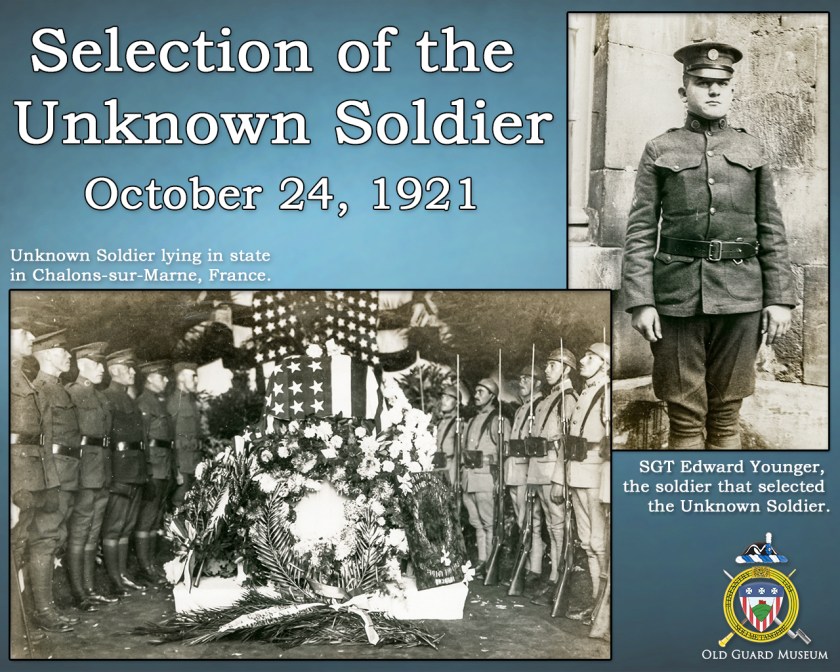 Passing between two lines of French and American officials, Sgt. Younger entered the room, alone. Slowly, he circled the four caskets, three times, before at last stopping at the third from the left. “What caused me to stop” he later said, “I don’t know. It was as though something had pulled me“. Younger placed the roses on the casket, drew himself to attention, and saluted. This was the one.
The body was transferred to a black casket bearing the inscription: “An Unknown American who gave his life in the World War” and transported to the protected cruiser USS Olympia.
Flags at half-mast with stern bedecked with flowers, Commodore George Dewey’s former flagship during the Battle of Manila Bay, received the precious cargo and returned to the United States, arriving in the Navy Yard in Washington DC on November 9, 1921. There the flag draped casket was solemnly transferred to the United States Army, and placed under guard of honor on the catafalque which had borne the bodies of three slain Presidents: Abraham Lincoln, James Garfield, and William McKinley.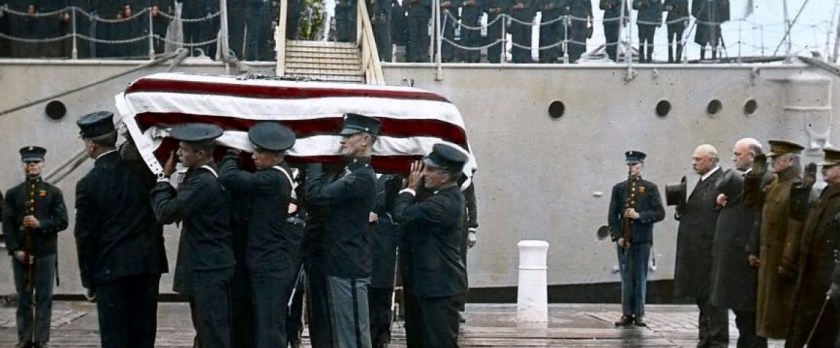 On November 11, the casket was removed from the Rotunda of the Capitol and escorted under military guard to the amphitheater at Arlington National Cemetery. In a simple ceremony, President Warren G. Harding bestowed upon this unknown soldier of the Great War, the nation’s highest military decorations. The Medal of Honor. The Distinguished Service Cross.
Special representatives of foreign nations then bestowed, each in turn, his nation’s highest military decoration. The Croix de Guerre of Belgium. The English Victoria Cross. Le Medaille Militaire & Croix de Guerre of France. The Italian Gold Medal for Bravery. The Romanian Virtutes Militara. The Czechoslavak War Cross. The Polish Virtuti Militari.
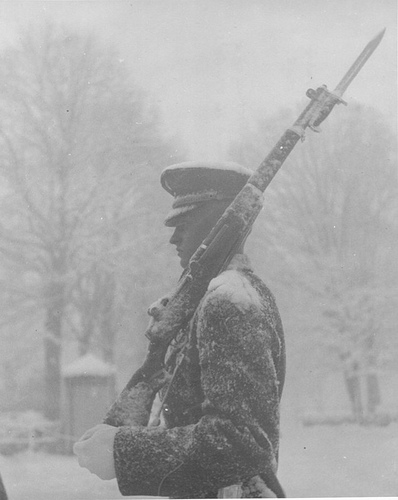 With three salvos of artillery, the rendering of Taps and the National Salute, the ceremony was brought to a close and the 12-ton marble cap placed over the Tomb of the Unknown Soldier. The west facing side bears this inscription:
“Here Rests In
Honored Glory
An American Soldier
Known But To God”
Two years later, a civilian guard was placed at the tomb of the unknown. A permanent Military guard took its place in 1926 and there remains, to this day.
In 1956, President Dwight David Eisenhower signed a bill to select and pay tribute to the unknown dead of WW2 and the American war in Korea. Selection and interment of these Unknowns took place in 1958.
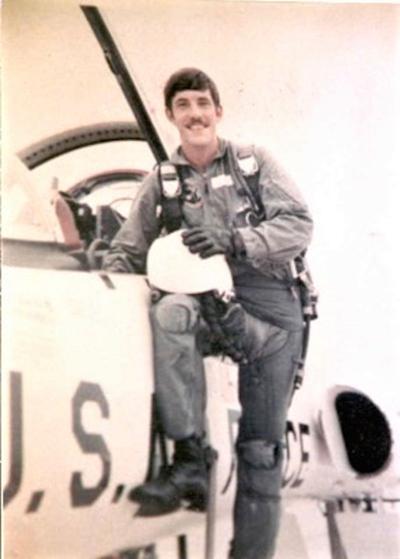
The Unknown from the American war in Vietnam was selected on May 17, 1984, but wouldn’t remain unknown, for long.
Advances in mitochondrial DNA led to the exhumation and identification of Air Force 1st Lt. Michael Joseph Blassie of St. Louis, Missouri, shot down near An Lộc, in 1972.
The Tomb of the Unknown from the Vietnam conflict remains empty. It is unlikely any future war is capable of producing a truly “Unknown”.
So it is through bitter cold and scorching heat, through hurricanes and blizzards and irrespective of day or night or whether Arlington is open or closed, the Tomb of the Unknown Soldier stands under guard.
This Guard of Honor is performed by a carefully selected elite body of the 3rd Infantry Division. The “Old Guard”. In service since 1784, the Tomb Guard is part of the longest-serving active infantry unit in the United States military.
Since the 14th-century, the cannon salute signified the recognition of a sovereign state and a peaceful intent, among nations. The 21-gun salute is the highest military honor, a nation can bestow. The Tomb Sentinel who “walks the mat” walks precisely 21 steps down the 63-foot black mat laid across the Tomb of the Unknown, signifying that 21-gun salute. The Guard then turns east to face the Tomb, pauses another 21-seconds, before beginning the return walk of 21-steps.
The Tomb Sentinel will continue in this manner for a half-hour, one hour or two depending on the time of day, and the season of the year. If you have witnessed the Changing of the Guard, you are not likely to forget it. My brother and I were once privileged to experience the moment, in the company of an Honor Flight of WW2 veterans. If you’ve never seen the ceremony, I recommend the experience.
Back in 1919, AEF commander General John Pershing and Allied Supreme Commander Marshall Ferdinand Foch of France were adamantly opposed to the treaty, at Versailles. Germany had been defeated they argued, but not Beaten. Without destroying the German war machine on its own soil, Pershing believed the two nations would once again find themselves at war. Marshall Foch agreed, reading the treaty with the remark: “This isn’t a peace. It’s a cease-fire for 20 years!”
He got that wrong. By 36 days.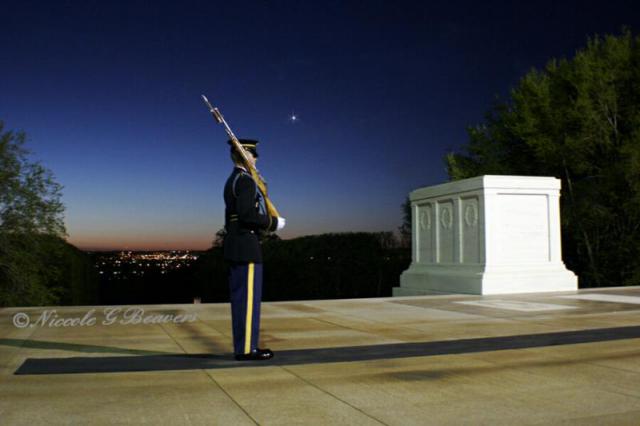

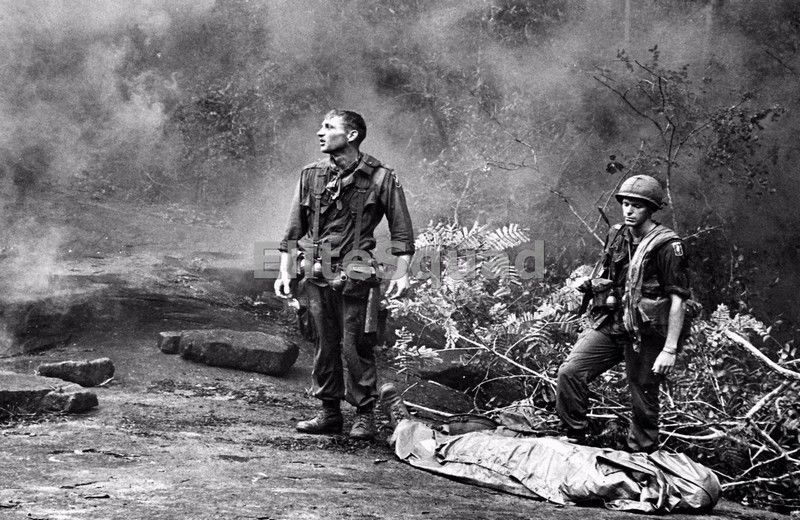
 On this day in 1965, the 173rd Airborne Infantry Brigade was halfway through a one-year term of service, in Vietnam. “Operation Hump”, so named in recognition of that mid-point, was a search and destroy mission inserted by helicopter on November 5.
 There was little contact through the evening of the 7th, when B and C Companies of the 1/503rd took up a night defensive position in the triple canopied jungle near Hill 65.
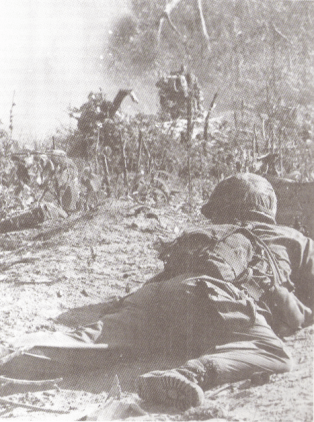 Outnumbered in some places six to one, it was a desperate fight for survival as parts of B and C companies were isolated in fighting that was shoulder to shoulder, hand to hand.
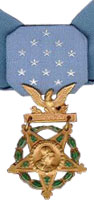 “For conspicuous gallantry and intrepidity at the risk of life above and beyond the call of duty. Specialist 5 Joel demonstrated indomitable courage, determination, and professional skill when a numerically superior and well-concealed Viet Cong element launched a vicious attack which wounded or killed nearly every man in the lead squad of the company. After treating the men wounded by the initial burst of gunfire, he bravely moved forward to assist others who were wounded while proceeding to their objective. While moving from man to man, he was struck in the right leg by machine gun fire. Although painfully wounded his desire to aid his fellow soldiers transcended all personal feeling. He bandaged his own wound and self-administered morphine to deaden the pain enabling him to continue his dangerous undertaking. Through this period of time, he constantly shouted words of encouragement to all around him. Then, completely ignoring the warnings of others, and his pain, he continued his search for wounded, exposing himself to hostile fire; and, as bullets dug up the dirt around him, he held plasma bottles high while kneeling completely engrossed in his life saving mission. Then, after being struck a second time and with a bullet lodged in his thigh, he dragged himself over the battlefield and succeeded in treating 13 more men before his medical supplies ran out. Displaying resourcefulness, he saved the life of one man by placing a plastic bag over a severe chest wound to congeal the blood. As 1 of the platoons pursued the Viet Cong, an insurgent force in concealed positions opened fire on the platoon and wounded many more soldiers. With a new stock of medical supplies,
 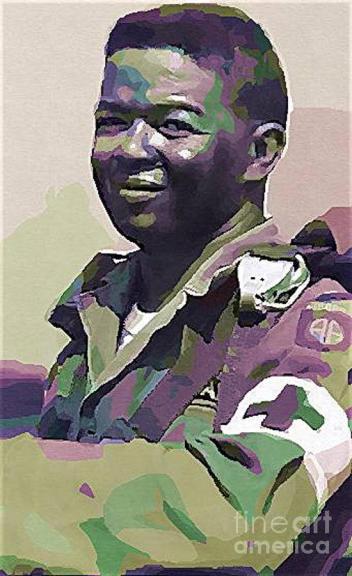 Specialist 5 Joel again shouted words of encouragement as he crawled through an intense hail of gunfire to the wounded men. After the 24 hour battle subsided and the Viet Cong dead numbered 410, snipers continued to harass the company. Throughout the long battle, Specialist 5 Joel never lost sight of his mission as a medical aid man and continued to comfort and treat the wounded until his own evacuation was ordered. His meticulous attention to duty saved a large number of lives and his unselfish, daring example under most adverse conditions was an inspiration to all. Specialist 5. Joel’s profound concern for his fellow soldiers, at the risk of his life above and beyond the call of duty are in the highest traditions of the U.S. Army and reflect great credit upon himself and the Armed Forces of his country“.

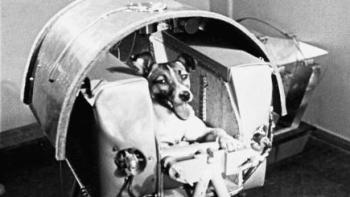 The first living creature to enter space was the dog “

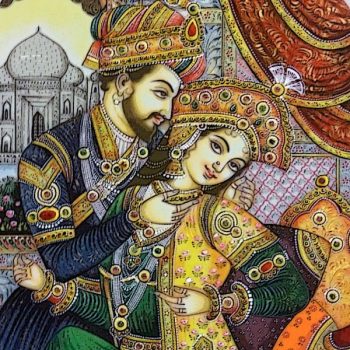 As Empress consort and beloved by the Emperor above all his wives, Arjumand was better known by the title “Mumtaz Mahal”, translating from the Persian as “the exalted one of the palace”. Jahan called her ‘Malika-i-Jahan’. She was his “Queen of the World”.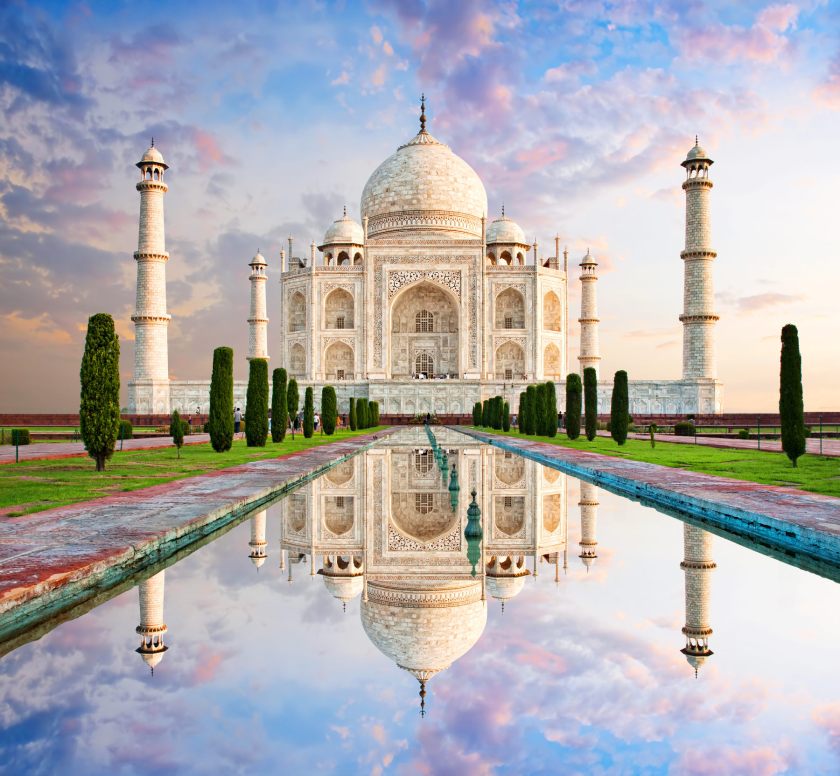


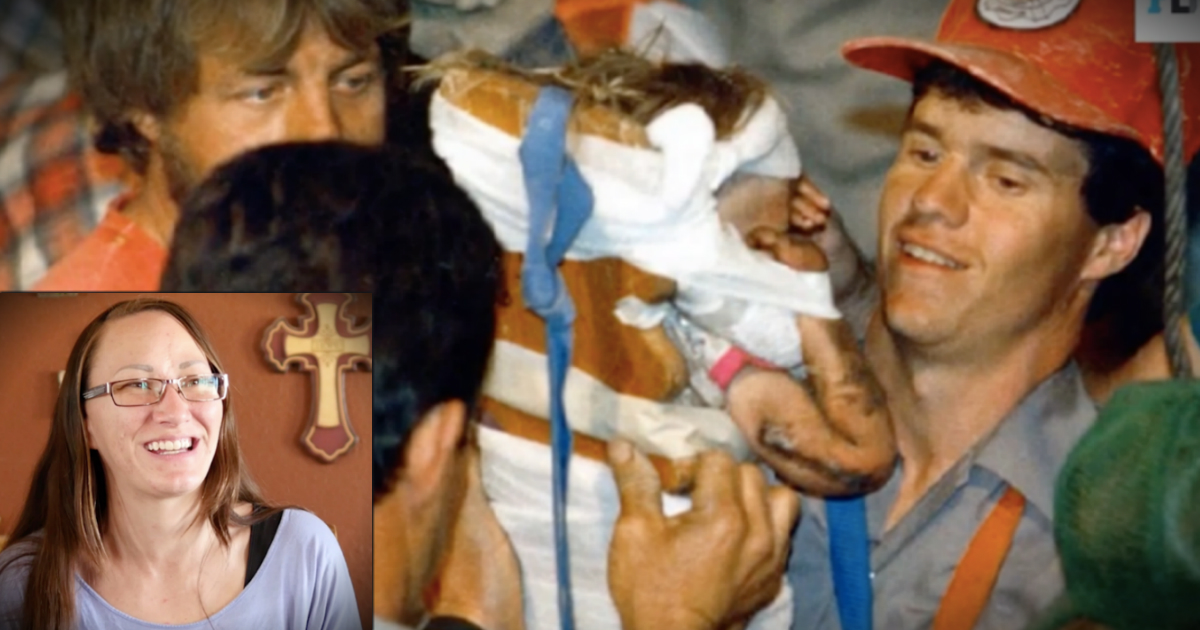
 Jessica McClure Morales is 33-years old. A typical West Texas Mom, with two kids and a dog. Her life is normal in every way. She’s a teacher’s aide. Her husband Danny, works for a piping supply outfit.
 Midland, Texas first responders quickly devised a plan. A second shaft would be dug, parallel to the well. Then it was left only to bore a tunnel, until rescuers reached the baby. The operation would be over, by dinnertime.
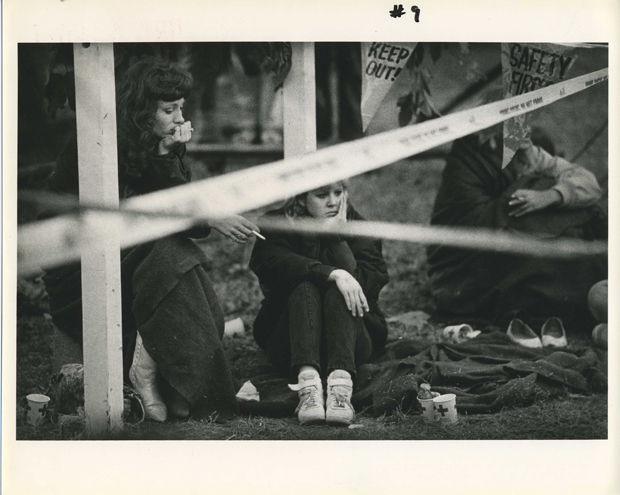


 These were good signs. A baby could neither sing nor cry, if she could not breathe.
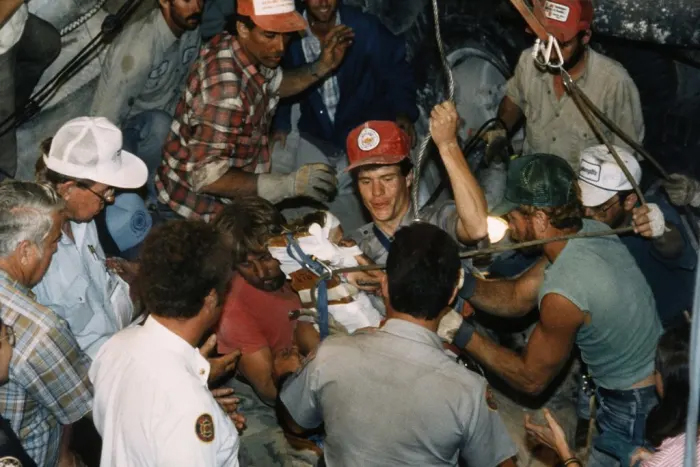 Baby Jessica came out of that well with her face deeply scarred and toes black with gangrene, for lack of blood flow. She required fifteen surgeries before her ordeal was over, but she was alive.
 The story has a happy ending for baby Jessica. Not so, for many others. The New York Times wrote:
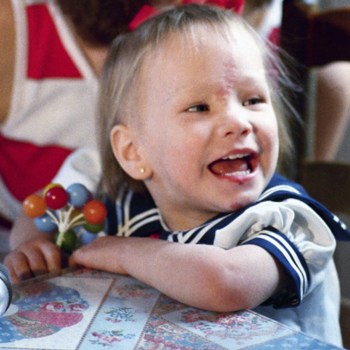 President Ronald Reagan quipped, “Everybody in America became godmothers and godfathers of Jessica while this was going on.” Baby Jessica appeared with her teenage parents Reba and Chip on Live with Regis and Kathie Lee, to talk about the incident. Scott Shaw of the Odessa American won the Pulitzer prize for The photograph. ABC made a television movie: Everybody’s Baby: The Rescue of Jessica McClure. USA Today ranked her 22nd on a list of “25 lives of indelible impact.” Everyone in the story became famous. Until they weren’t.
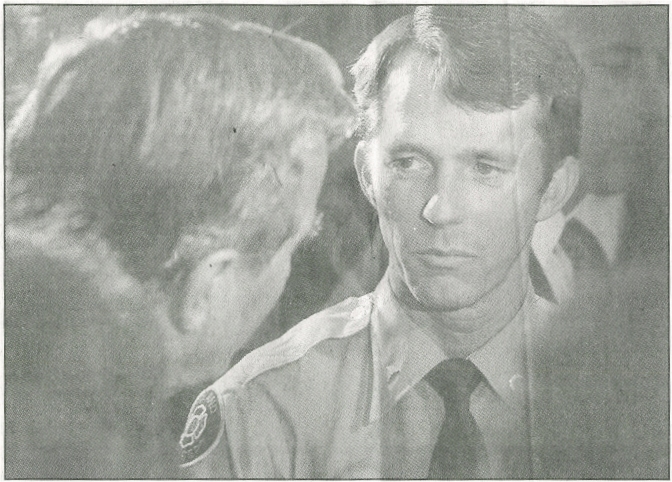 In April 1995, O’Donnell’s mother noticed the missing shotgun at the family ranch, in Stanton Texas. The 410 buckshot, loaded with larger pellets intended for bigger game, or self defense. They found the body some 20-miles away, slumped over the wheel of the new Ford pickup. This was no accident. You don’t put a barrel that long into your mouth, without meaning to.
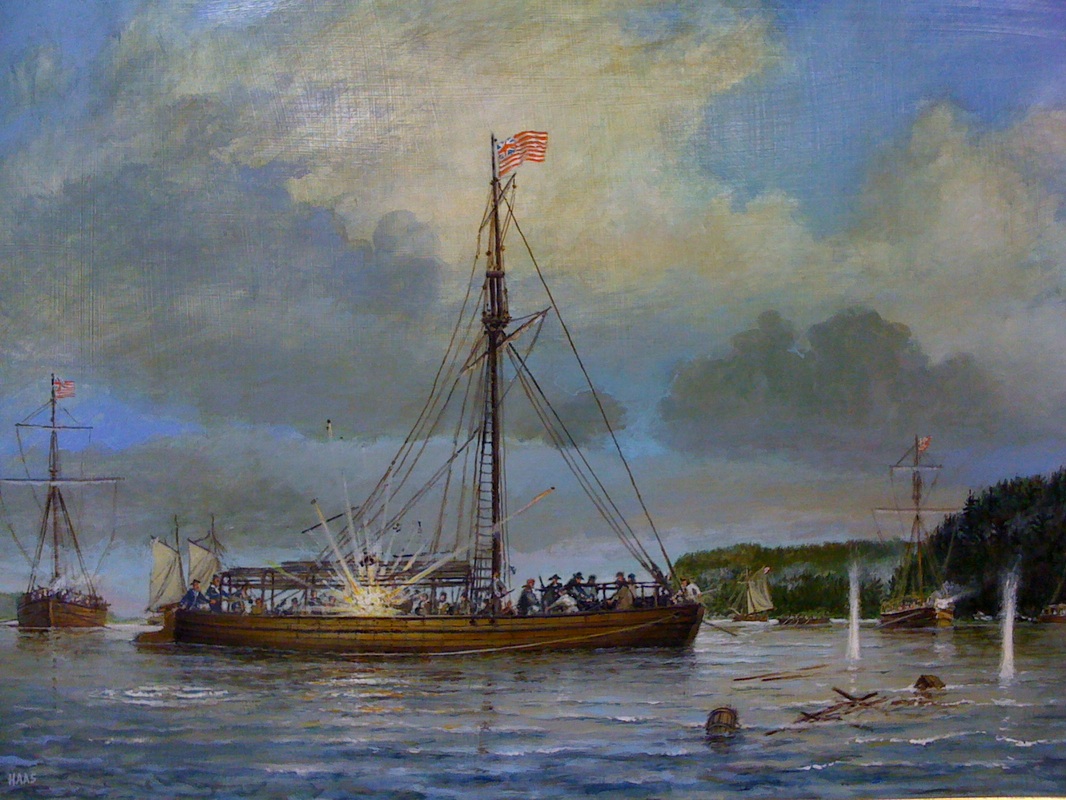
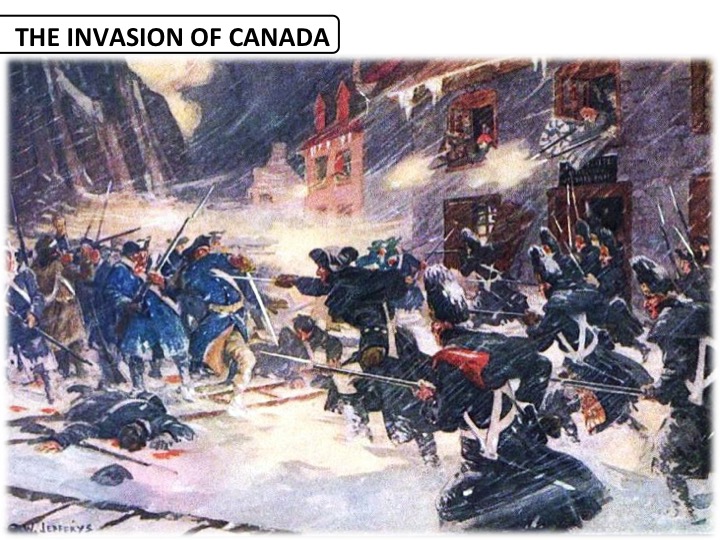
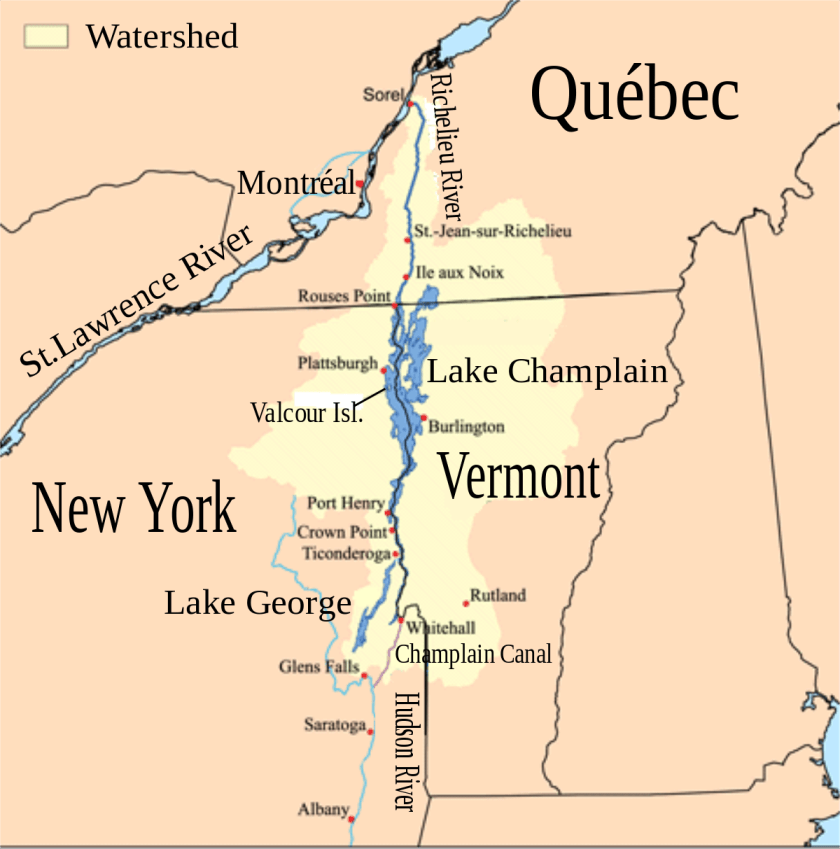
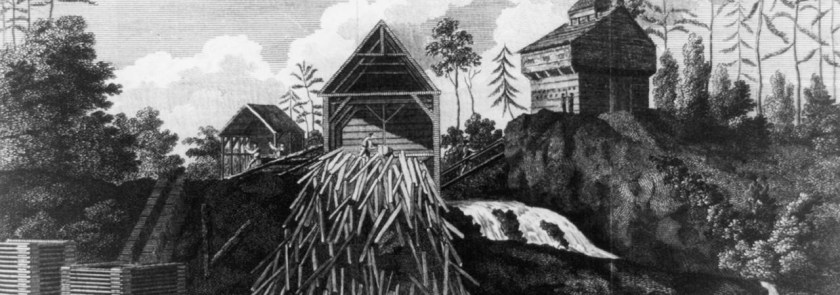 Hermanus Schuyler oversaw the effort, while military engineer Jeduthan Baldwin was in charge of outfitting. Gates asked General Benedict Arnold, an experienced ship’s captain, to spearhead the effort, explaining “I am intirely uninform’d as to Marine Affairs”.
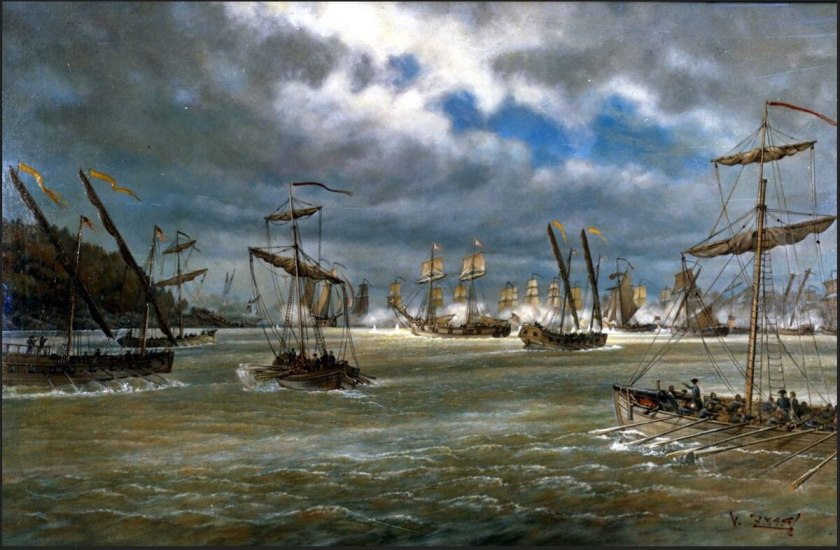
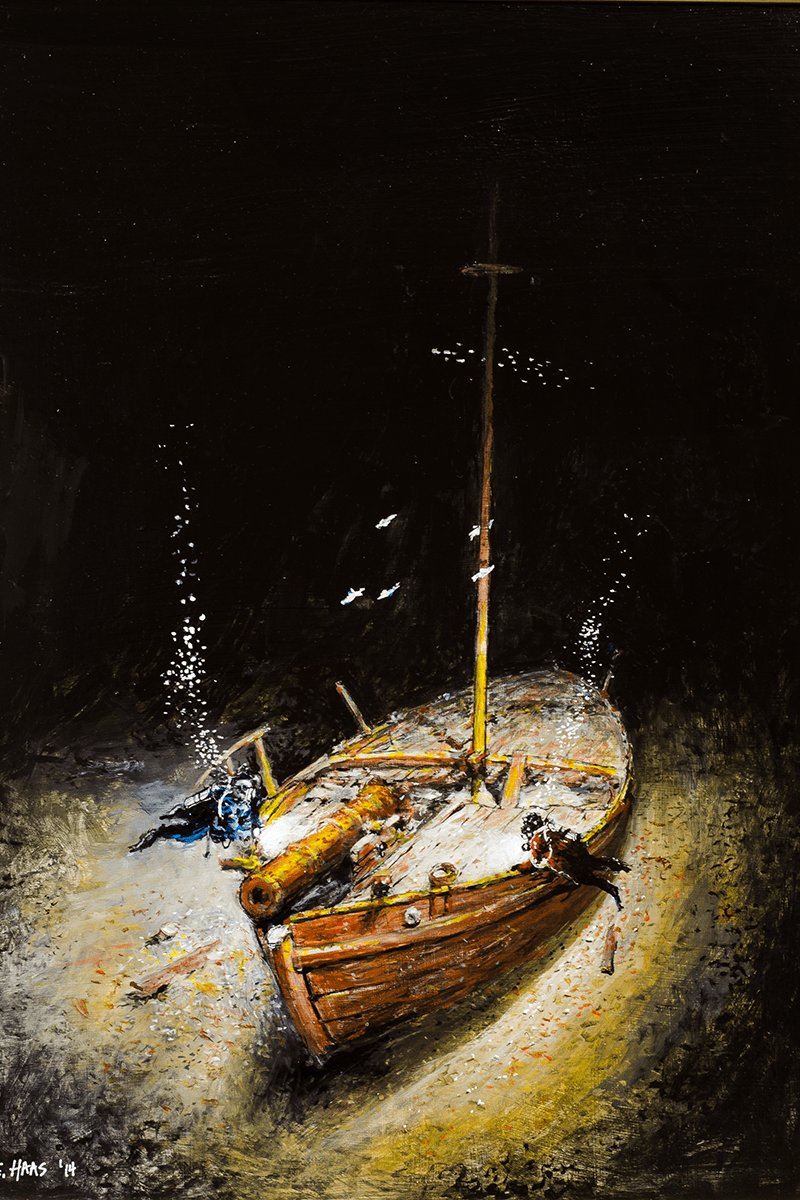
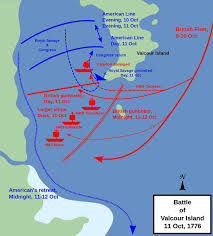 As the two sides closed in the early days of October, General Arnold knew he was at a disadvantage. The element of surprise was going to be critical. Arnold chose a small strait to the west of Valcour Island, where he was hidden from the main part of the lake. There he drew his small fleet into a crescent formation, and waited.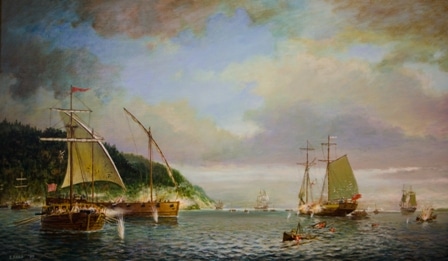





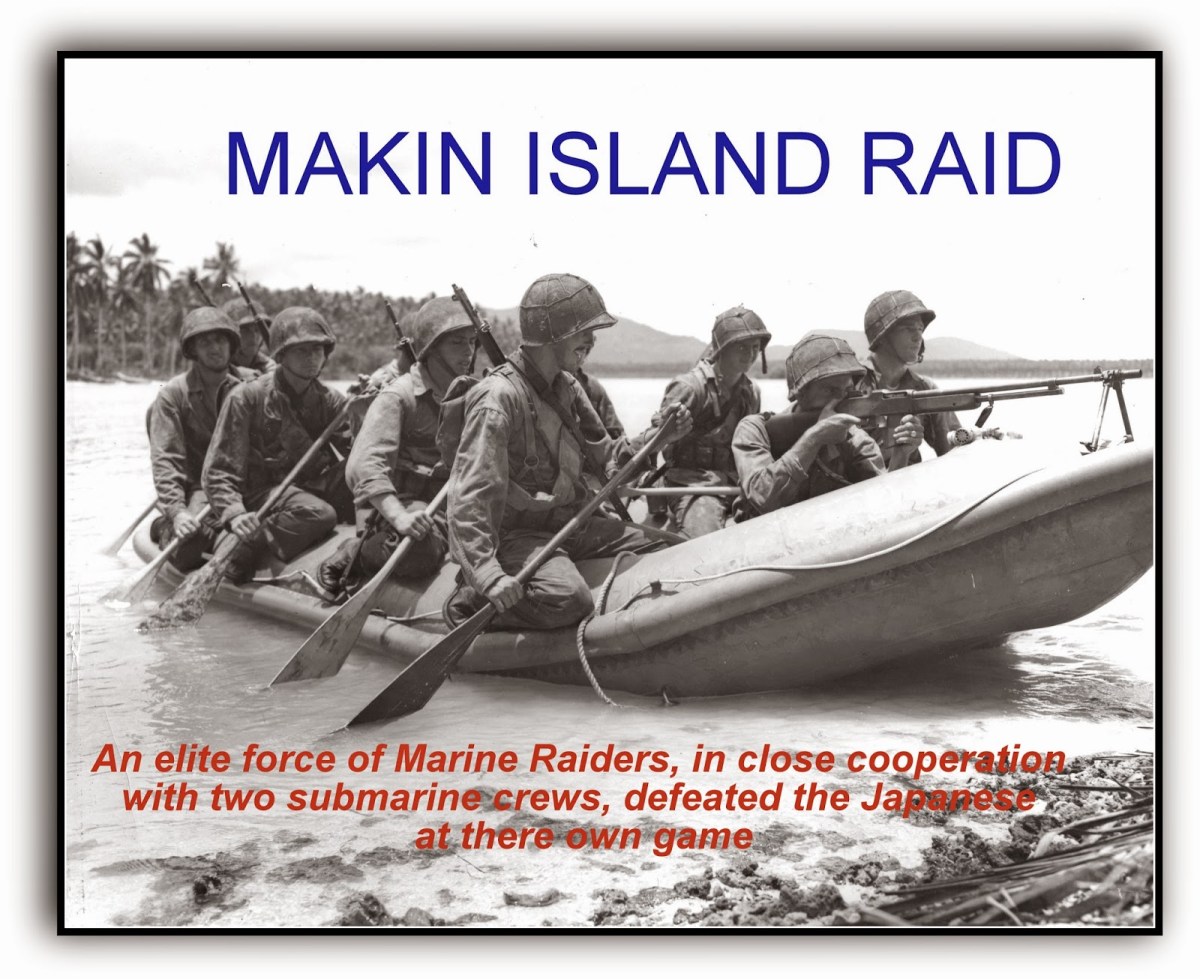
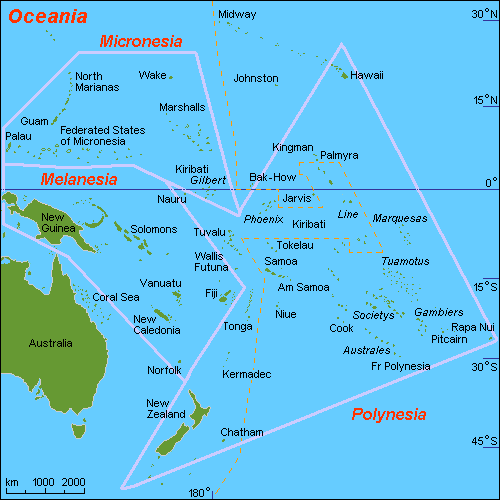
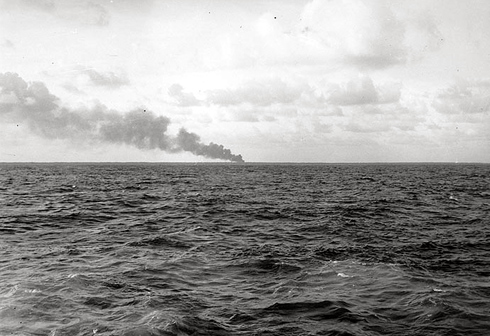
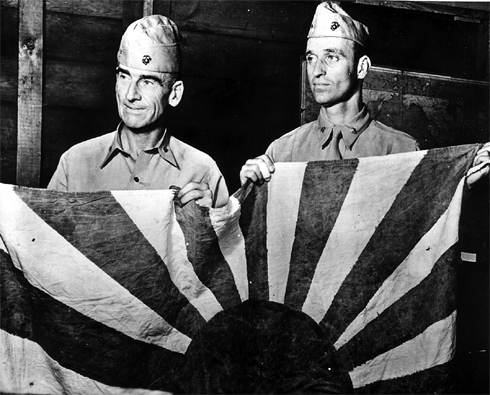
 A few minutes past 00:00 (midnight) on August 17, 1942, 211 United States Marine Corps raiders designated Task Group 7.15 (TG 7.15) disembarked from the submarines Argonaut and Nautilus, and boarded inflatable rubber boats for the landing on Makin Island. The raid was among the first major American offensive ground combat operations of WW2, with the objectives of destroying Japanese installations, taking prisoners to gain intelligence on the Gilbert Islands region, and to divert Japanese reinforcement from allied landings at Guadalcanal and Tulagi.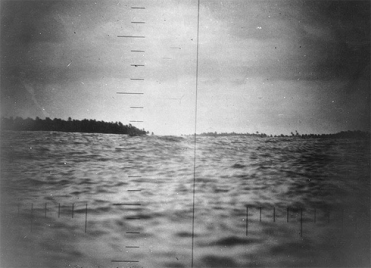





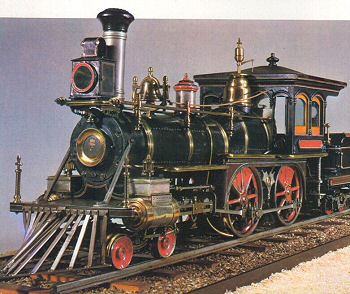
 Erie Engine #237 arrived at Lackawaxen at 2:30 pm pulling 50 coal cars, loaded for Jersey City. Kent gave the all clear at 2:45. The main switch was opened, and Erie #237 joined the single track heading east out of Shohola.
 “[T]he wooden coaches telescoped into one another, some splitting open and strewing their human contents onto the berm, where flying glass, splintered wood, and jagged metal killed or injured them as they rolled. Other occupants were hurled through windows or pitched to the track as the car floors buckled and opened. The two ruptured engine tenders towered over the wreckage, their massive floor timbers snapped like matchsticks. Driving rods were bent like wire. Wheels and axles lay broken. The troop train’s forward boxcar had been compacted and within the remaining mass were the remains of 37 men”. Witnesses saw “headless trunks, mangled between the telescoped cars” and “bodies impaled on iron rods and splintered beams.”
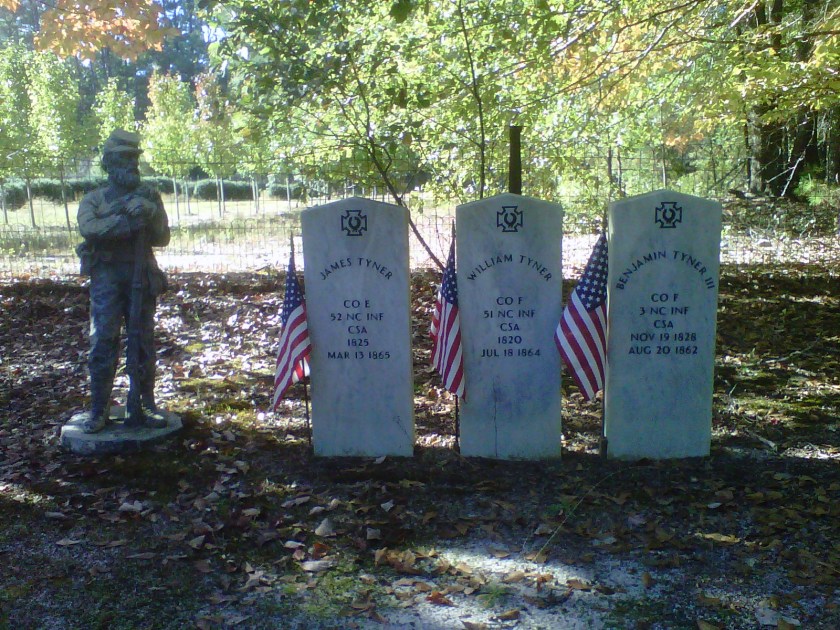
 As the years went by, signs of all those graves were erased. Hundreds of trains carried thousands of passengers up and down the Erie Railroad, ignorant of the burial ground through which they passed.
 Historical Easter Eggs - Today in History
You must be logged in to post a comment.