
The air strip lies in central Iraq 50 miles west of Baghdad, on the Habbaniya plateau. Originally built by the RAF in 1952, the base was home to several Iraqi Air force units following the overthrow of the Hashemite monarchy and ascension of the Arab socialist ‘Baath” party, in 1958. The place was bombed during the Iran-Iraq war and destroyed by American Air forces, in 1991. Reoccupied by the US Army following the 2003 invasion of Iraq, the abandoned base was briefly known as Forward Operating Base (FOB) Ridgeway.
In 2004 the name was changed to Taqaddum, Arabic for ‘progress”, to keep a more Iraqi face on the mission. In 2008, camp Taqaddum or “TQ” was home to several United States Marine Corps fixed- and rotary wing squadrons, plus ground support and combat operating units.

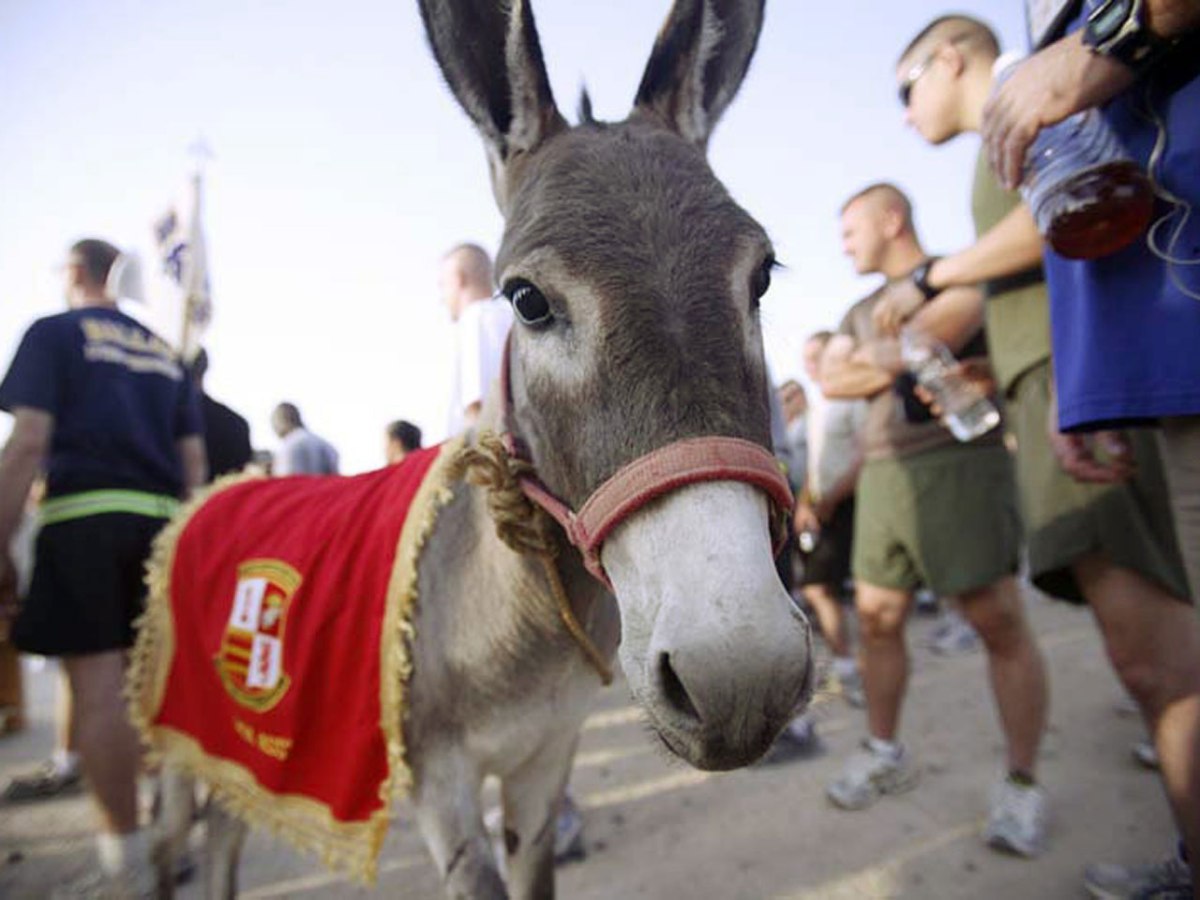
Marine Colonel John Folsom was stationed at TQ in 2008, along with the rest of Marine 1st Combat Logistics Battalion, stationed at the base near Fallujah. That was the year the small animal first appeared, wandering the countryside. Starved, emaciated and alone it was a donkey, arrived in hopes of a morsel. Marines took him in, this malnourished Iraqi donkey, and built him a stable, and corral. The donkey would stroll into offices where he learned to open desk drawers in search of a goody. An apple, a carrot or some other sweet treat, planted there by some Marine. He loved to steal cigarettes whether lit or unlit and so it was, they called him “Smoke”.
 Smoke had his very own blanket, bright red and emblazoned with unit insignia, for the camp’s September 11 parade. On the side were these words, “Kick Ass”.
 Regulations prohibited keeping the animal on base but Colonel Folsom found a Navy psychologist, willing to designate Smoke a therapy animal. He was good for morale.
Dads would write letters home to their kids, telling stories about Smoke the donkey.
Folsom and his Marines left TQ in 2009. The army unit moving into the base, didn’t want a donkey. Marines found an Iraqi sheikh who said he’d look after the animal, and they said their reluctant goodbyes. After half a life serving the United States Marine Corps, John Folsom returned home to Omaha. He’d often think of his “battle buddy” and those long walks, around the base.
In 2010, Folsom learned that Smoke was out on his own again, wandering half starved and alone.  Thus began “Operation Donkey Drop”, Folsom’s 18-month odyssey first to raise the funds and then to wrangle the red tape thrown in his way through multiple jurisdictions, on Smoke’s journey to his new home in Nebraska.
Turkey alone posed a titanic, 37-day ordeal to untie the bureaucratic Gordian knot, with help from the Society for the Prevention of Cruelty to Animals International. Folsom himself grew a beard to help conceal his western identity and flew to Turkey to enlist the aid of the US Departments of State and Agriculture and the United States Marine Corps, with further aid from the German government. Terri Crisp heads SPCAI’s “Baghdad pups”, reuniting US troops with dogs and cats they had once bonded with, while serving overseas. This was her first donkey.
Reuters news service reports, ““He was a great traveler,” Crisp said, noting Smoke posed for hundreds of photos during a six-hour wait in the Istanbul airport parking lot. “Everywhere we went, he’d draw a crowd.””
Smoke was formally released by the Society for the Prevention of Cruelty to Animals on May 18, 2011, arriving at JFK International Airport in New York for the long drive to his new home in Nebraska.
 For Colonel John Folsom, USMC (retired), “semper fidelis” (“always faithful”) had become “semper fi(nally).”
Smoke lived out the rest of his days at the Take Flight Farms in Omaha, helping therapists help children come to terms with deployed or war-wounded parents.
Smoke died of natural causes on August 14, 2012 and was cremated, along with that red blanket with the words, “Kick Ass”.
The daily Star Newspaper of Lincoln Nebraska interviewed Sharon Robino-West, a Marine veteran who once worked with the donkey and “still has to bite her lip when she talks about laying a shiny Marine challenge coin on Smoke’s red blanket”.
Today, the ashes of John Folsom’s old battle buddy are on his desk, in his own special urn. As of October 2014 a little donkey filly peered out of the stall, where Smoke’s face could once be seen.
“She doesn’t have the story that Smoke did,” Folsom said, “but I needed to fill the void.”


 March elections failed to produce a Nazi party majority. For the time being, Herr Hitler was forced to rely on his coalition partner the German National People’s Party (DNVP), to hold a majority in the new Reichstag.
 Nazi propaganda was relentless. Hitler himself had written back in 1924, that propaganda’s “task is not to make an objective study of the truth, in so far as it favors the enemy, and then set it before the masses with academic fairness; its task is to serve our own right, always and unflinchingly.”
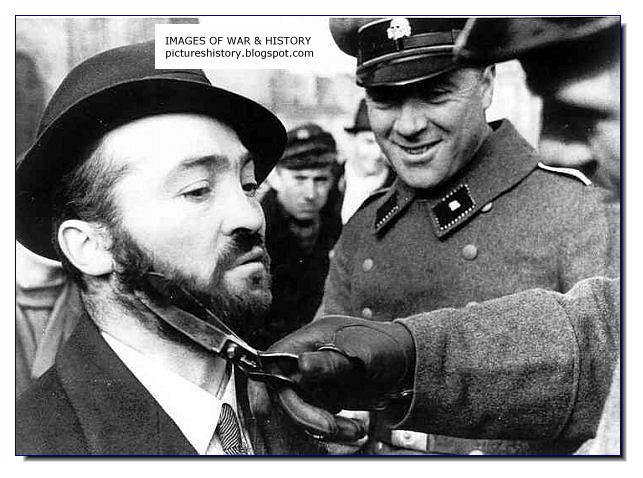 Jacob and Pauline Levinsons came to Berlin in 1928, a few years before Hitler came to power. Both Latvian Jews, the couple gave birth to a beautiful baby girl on this day in 1934. Later that year, the proud parents brought wide-eyed, curly haired, chubby little Hessy to photographer Hans Ballin of Berlin.
 And that’s where the story ends, except, no. Unbeknownst to the Levinsons, the photographer submitted the portrait in a contest, a search for the perfect Aryan child.

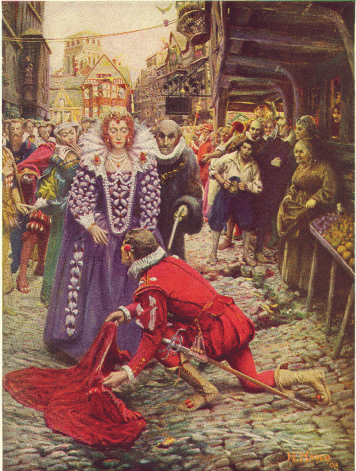 Queen Elizabeth I of England granted Walter Raleigh a charter to establish a colony north of Spanish Florida in 1583, the area called “Virginia” in honor of the
  Following the coastline, Gosnold discovered an island covered with wild grapes. Naming it after his deceased daughter, he called the place Martha’s Vineyard. The expedition came ashore on Cuttyhunk in the Elizabethan island chain where they briefly ran a trading post, before heading back to England. Today, Gosnold is the smallest town in Massachusetts with a population of 75 with most of the land owned by the Forbes family.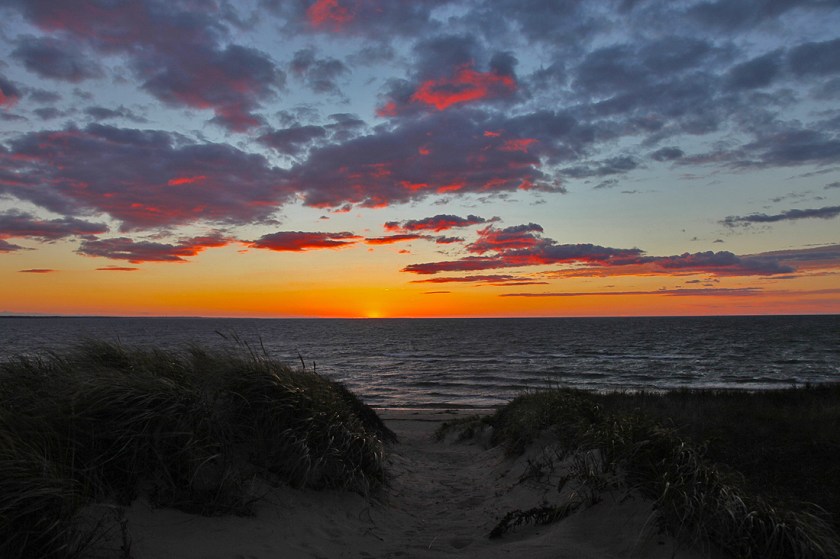
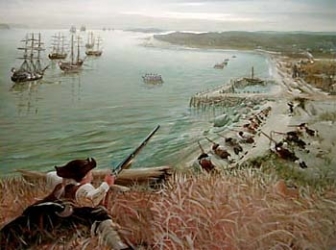 The British warship HMS Nimrod fired on my little town during the War of 1812. It’s closed now, but the building formerly housing the Nimrod Restaurant, still sports a hole in the wall where the cannon ball came in.
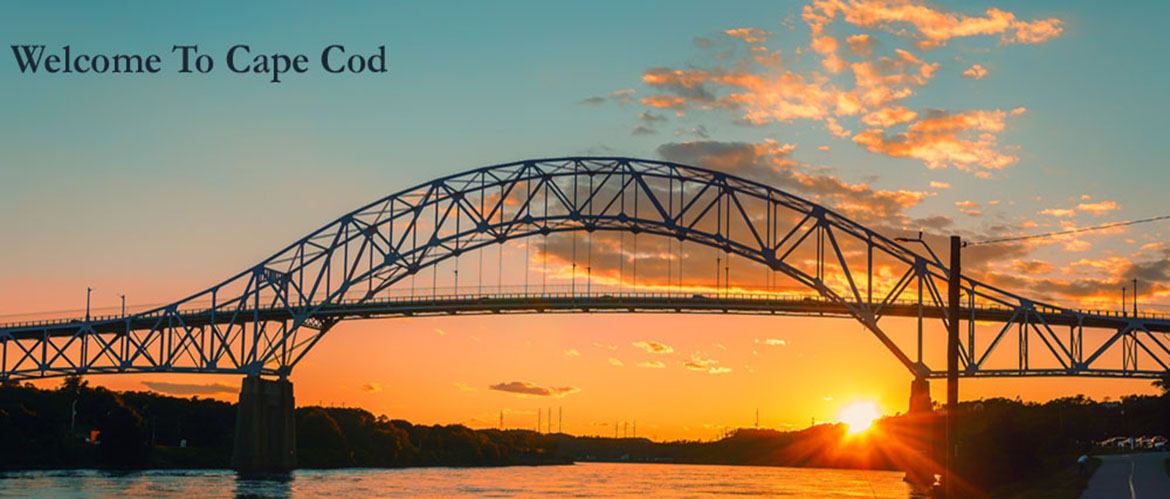
 The dredging of a canal connecting the Manomet and Scusset rivers and cutting 62 miles off the water route from Boston to New York had been talked about since the time of Miles Standish. Construction of a privately owned toll canal began on June 22, 1909. Giant boulders left by the glaciers and ghastly winter weather hampered construction, the canal finally opening on July 29, 1914 and charging a maximum of $16 per vessel. Navigation was difficult, due to a 5-plus mile-per-hour current combined with a maximum width of 100′ and a max. depth of 25-feet. Several accidents damaged the canal’s reputation and toll revenues failed to meet investors’ expectations.
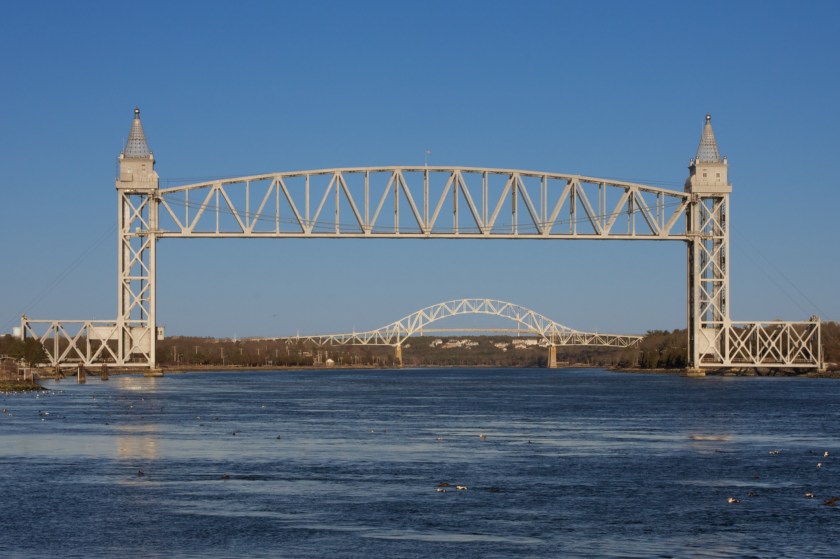 Despite the WuFlu, millions of tourists will wait countless hours this year in a sea of brake lights, to cross those two narrow roadways onto “the Cape” to enjoy that brief blessed moment of warmth hidden amidst our four seasons, known locally as “almost winter, winter, still winter and bridge construction”.

 Childhood memories of standing in line. Smiling. Trusting. And then…the Gun. That sound. Whack! The scream. That feeling of betrayal…being shuffled along. Next!
 And did you know? The American Revolution was fought out, entirely in the midst of a smallpox pandemic.
 The idea of inoculation was not new. Terrible outbreaks occurred in Colonial Boston in 1640, 1660, 1677-1680, 1690, 1702, and 1721, killing hundreds, each time. At the time, sickness was considered the act of an angry God. Religious faith frowned on experimentation on the human body.
 Colonists were chary of the procedure, deeply suspicious of how deliberately infecting a healthy person, could produce a desirable outcome. John Adams submitted to the procedure in 1764 and gave the following account:
 As Supreme Commander, General Washington had a problem. An inoculated soldier would be unfit for weeks before returning to duty. Doing nothing and hoping for the best was to invite catastrophe but so was the inoculation route, as even mildly ill soldiers were contagious and could set off a major outbreak.

 So it was on December 9, 1979, smallpox was officially described, as eradicated. The only infectious disease ever so declared.

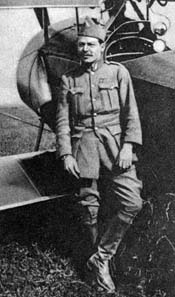
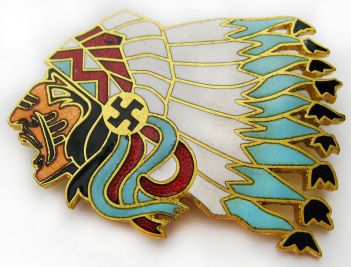
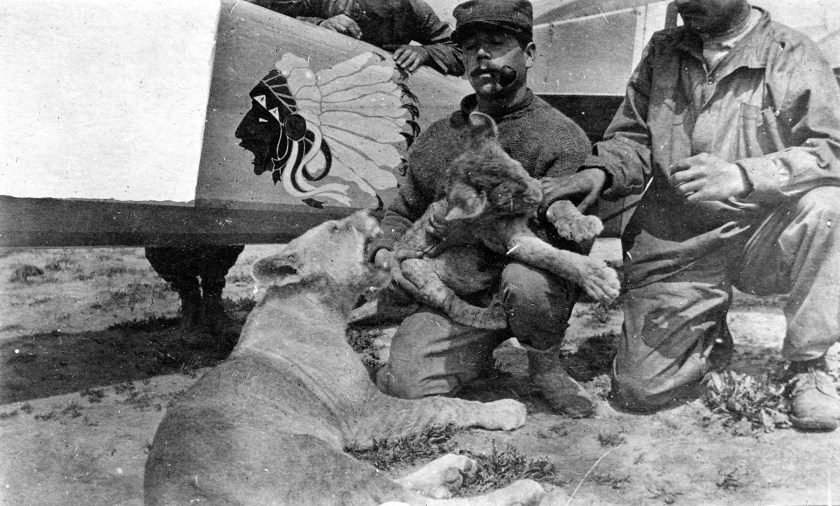
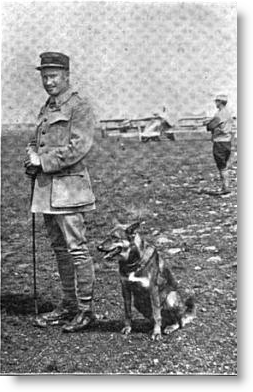 A female lion, “Soda”, was purchased sometime later. The lions were destined to spend their adult years in a Paris zoo but both remembered from whence they had come. Both animals recognized William Thaw on a later visit to the zoo, rolling onto their backs in expectation of a good belly rub.
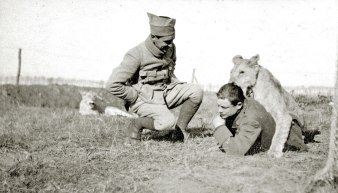 Escadrille N.124 changed its name in December 1916, adopting that of a French hero of the American Revolution. Marie-Joseph Paul Yves Roch Gilbert du Motier, Marquis de Lafayette.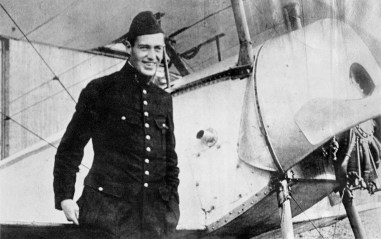


 Burgoyne’s movements began well with the near-bloodless capture of Fort Ticonderoga in early July, 1777. By the end of July, logistical and supply problems caused Burgoyne’s forces to bog down. On July 27, a Huron-Wendat warrior allied with the British army murdered one Jane McCrae, the fiancé of a loyalist serving in Burgoyne’s army. Gone was the myth of “civilized” British conduct of the war, as dead as the dark days of late 1776 and General Washington’s “Do or Die” crossing of the Delaware and the Christmas attack on Trenton.
 Meanwhile, attempts to solve the supply problem culminated in the August 16 Battle of Bennington, a virtual buzz saw in which New Hampshire and Massachusetts militiamen under General John Stark along with the Vermont militia of Colonel Seth Warner and Ethan Allen’s “Green Mountain Boys”, killed or captured nearly 1,000 of Burgoyne’s men.
 Meanwhile Howe’s capture of Philadelphia met with only limited success, leading to his resignation as Commander in Chief of the American station and Sir Henry Clinton, withdrawing troops to New York.
 Fort Moultrie surrendered without a fight on May 7. Clinton demanded unconditional surrender the following day but Lincoln bargained for the “Honours of War”. Prominent citizens were by this time, asking Lincoln to surrender. On May 11, the British fired heated shot into the city, burning several homes. Benjamin Lincoln surrendered on May 12.
 In the summer of 1780, American General Horatio Gates suffered humiliating defeat at the Battle of Camden. Cornwallis idea of turning over one state after another to loyalists failed to materialize, as the ham-fisted brutality of officers like Banastre Tarleton, incited feelings of resentment among would-be supporters. Like the Roman general Fabius who could not defeat the Carthaginians in pitched battle, General Washington’s brilliant protege Nathaniel Greene pursued a “hit & run” strategy of “scorched earth”, attacking supply trains harassing Cornwallis’ movements at every turn.
 Through the Carolinas and on to Virginia, Greene’s forces pursued Cornwallis’ army. With Greene dividing his forces, General Daniel Morgan delivered a crushing defeat, defeating Tarleton’s unit at a place called Cowpens in January, 1781. The battle of Guilford Courthouse was an expensive victory, costing Cornwallis a quarter of his strength and forcing a move to the coast in hopes of resupply.

 For nine years, threat of war with Mexico stayed the American hand. Through all or part of the next four Presidential terms, formal annexation of the Independent Republic was never far from view. Through all or part of the Jackson, Van Buren and Harrison administrations, it was not until 1944 when President John Tyler restarted negotiations. Issues related to the balance between slave and free states between north and south, doomed the treaty to failure. It was March 1, 1845 when Tyler finally got his joint resolution, with support from President-elect James K. Polk. Texas was admitted to the union on December 29.
 In April 1846, Mexican troops crossed the Rio Grande and invaded Brownsville Texas, attacking US troops 20 miles upriver from Taylor’s camp.




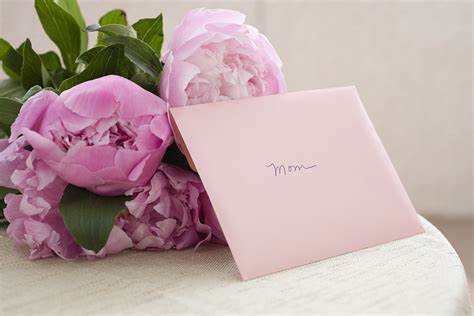
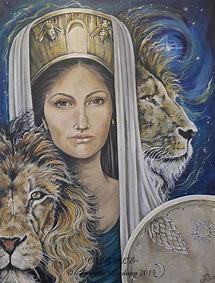 The earliest discernible Mother’s day dates back to 1200-700BC and descending from the Phrygian rituals of modern day Turkey and Armenia. “Cybele” was the great Phrygian goddess of nature, mother of the Gods, of humanity, and of all the beasts of the natural world, her cult spreading throughout Eastern Greece with colonists from Asia Minor.
 In the sixteenth century, it became popular for Protestants and Catholics alike to return to their “mother church” whether that be the church of their own baptism, the local parish church, or the nearest cathedral. Anyone who did so was said to have gone “a-mothering”. Domestic servants were given the day off and this “Mothering Sunday”, the 4th Sunday in Lent, was often the only time when whole families could get together. Children would gather wild flowers along the way, to give to their own mothers or to leave in the church. Over time the day became more secular, but the tradition of gift giving continued.
 Ann Maria Reeves Jarvis was a social activist in mid-19th century western Virginia. Pregnant with her sixth child in 1858, she and other women formed “Mothers’ Day Work Clubs”, to combat the health and sanitary conditions leading at that time to catastrophic levels of infant mortality. Jarvis herself gave birth between eleven and thirteen times in a seventeen year period.
 Following Jarvis’ death in 1905, her daughter Anna conceived of Mother’s Day as a way to honor her legacy and to pay respect for the sacrifices made by all mothers, on behalf of their children.
 This story is dedicated to two of the most beautiful women in my life. Ginny Long, thanks Mom, for not throttling me all those times you could have. And most especially, for all those times when you SHOULD have. Sheryl Kozens Long, thanks for 25 great years. Rest in peace, sugar. I wish you didn’t have to leave us, quite so soon.

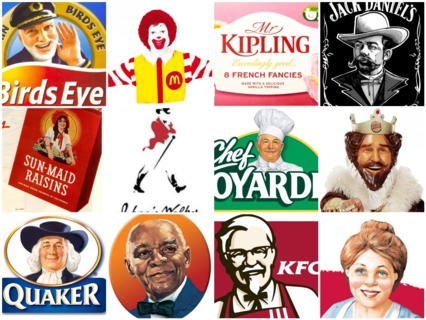
 The Plaza Hotel menu was heavy on the French in those days and Ettore began to add some Italian. A little pasta, a nice tomato sauce. Before long, he was promoted to head chef.
 Maurice and Eva Weiner were patrons of the restaurant, and owners of a self-service grocery store chain. The couple helped develop large-scale canning operations. Before long Ettore and Mario bought farm acreage in Milton Pennsylvania, to raise tomatoes. In 1928, they changed the name on the label, making it easier for a tongue-tied non-Italian consumer, to pronounce. Calling himself “Hector” for the same reason, Ettore said “Everyone is proud of his own family name, but sacrifices are necessary for progress.”
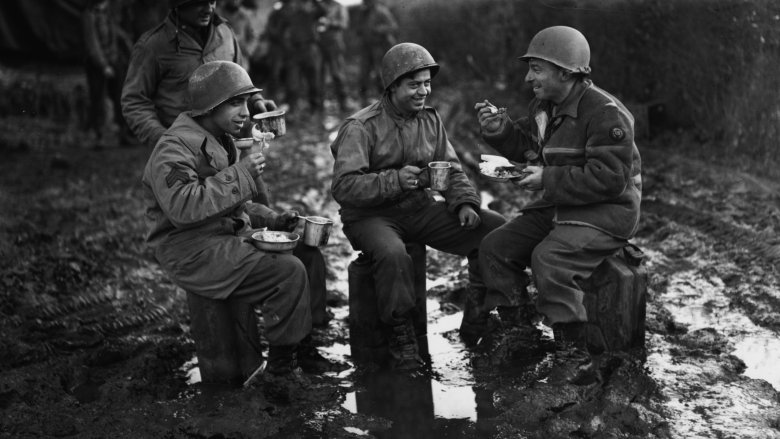 During the Great Depression, Hector would tout the benefits of pasta, praising the stuff as an affordable, hot and nutritious meal for the whole family.


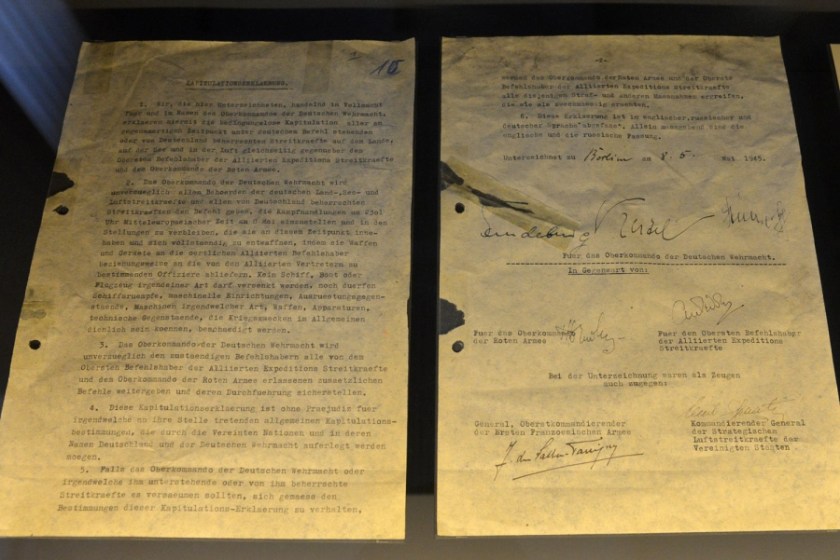 The German government announced the end of hostilities right away to its own people, but most of the Allied governments, remained silent. It was nearly midnight the following day when Field Marshal Wilhelm Keitel signed a second instrument of surrender, in the Berlin headquarters of Soviet General Georgy Zhukov.
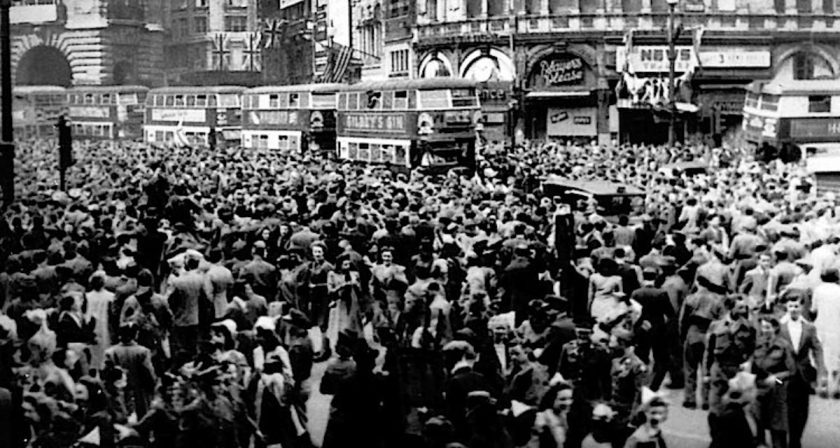 And still, the world waited.
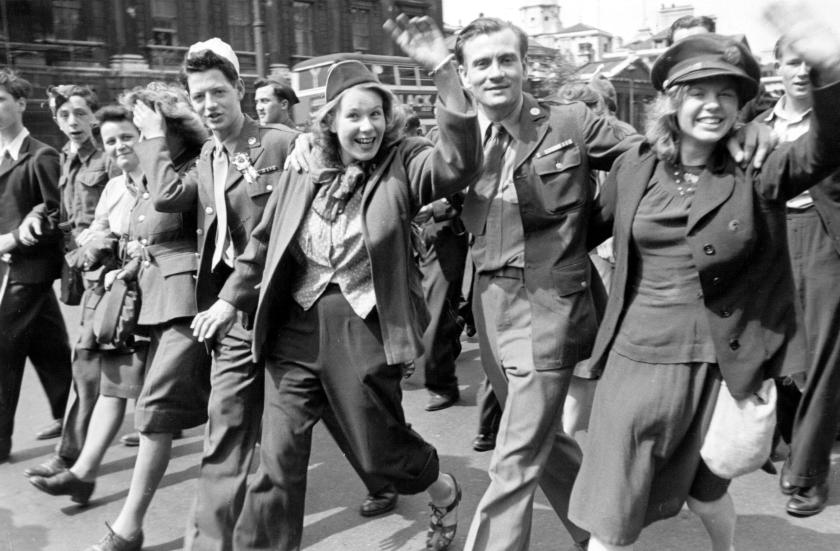 President Truman’s speech begins: “This is a solemn but a glorious hour. I only wish that Franklin D. Roosevelt had lived to witness this day. General Eisenhower informs me that the forces of Germany have surrendered to the United Nations. The flags of freedom fly over all Europe. For this victory, we join in offering our thanks to the Providence which has guided and sustained us through the dark days of adversity”.
 Nearly every extermination camp, death march, ghetto and pogrom now remembered as the Holocaust, occurred on the Eastern Front.

 Historical Easter Eggs - Today in History
You must be logged in to post a comment.