

As the late 19th century gave way to the 20th, the increasing number of women in the workforce was driving a change in women’s fashion. Gone were the confinements of Victorian era bodices. The “shirtwaist” blouses of the Edwardian era were patterned on men’s shirts only looser, ranging from plain, “ready to wear” simplicity to the elaborate detail and stitching that transformed the plain shirtwaist to haute mode.
A September 16, 1906 article in the Pittsburgh Press said, “A very fashionable woman with a half a hundred waists boasts that there are no two alike.” Shirtwaist blouses were sold around the country, but most were made in Philadelphia and New York City.
 At the turn of the century there were over 450 textile factories in Manhattan alone, employing something like 40,000 garment workers. Many of them were young, immigrant women of Jewish and Italian ethnicity, working nine hours a day on weekdays and seven on Saturdays. Wages were typically low: $7 to $12 per week, equivalent to $3.20 to $5.50 per hour, in 2016.
The Triangle Shirtwaist factory was located in the Asch Building in the Greenwich Village area of New York City, now known as the Brown Building and part of New York University. In 1911, the factory occupied the 8th – 10th floors, employing some 500 people.
The fire started in a wicker scrap bin on the 8th floor, and spread quickly. A bookkeeper warned coworkers on the 10th by telephone, but there was no way to contact anyone on the 9th floor. Survivor Yetta Lubitz said the first warning came about the same time as the flames themselves.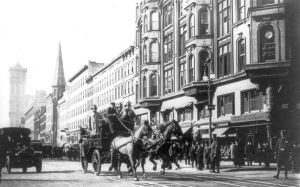
Every one of the fatalities that day, came from the 200 working on this one floor. The Washington Place stairwell was locked to prevent thefts & unauthorized breaks, and the foreman had fled with the keys. The Greene Street stairwell was packed solid in three minutes. The only survivors were those who fled to the roof.
Terrified employees crowded onto a rickety fire escape, collapsing it under the weight and dropping 20 people some 100′ to their death. Fire companies were quick to arrive, but ladders only reached up to the 6th or 7th floors. A life net was unfurled, but ripped away when three women jumped for it, simultaneously. For the most part, fire companies could only look on helplessly, along with the crowd gathered on the street. 62 people, some already on fire, jumped or fell to the street below. As on 9/11, at least one couple stepped off together, holding hands as they fell.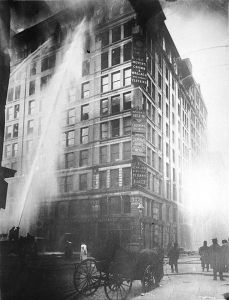
With one exit on fire and the other locked, elevator operators Joseph Zito and Gaspar Mortillalo did everything they could to save lives. Mortillalo made three trips before being forced to give up when the rails of his elevator buckled under the heat. Desperate to get out, some victims pried open the other elevator door, hoping to slide down greasy cables, or just to jump into the shaft and hope for the best. The weight and impact of their bodies warped Zito’s elevator car, making another rescue attempt impossible.
Reporter William Gunn Shepard learned a sound that day, that many of us remember from those first hours of 9/11. Before the media censored itself. “I learned a new sound that day, a sound more horrible than description can picture — the thud of a speeding living body on a stone sidewalk”.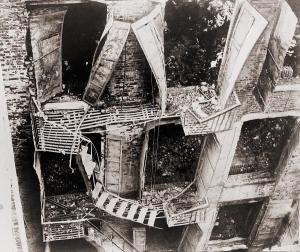
Louis Waldman, later to become a Socialist state assemblyman, described the scene: “Horrified and helpless, the crowds — I among them — looked up at the burning building, saw girl after girl appear at the reddened windows, pause for a terrified moment, and then leap to the pavement below, to land as mangled, bloody pulp”.
146 died that day, 123 women and 23 men.
The company’s owners, Max Blanck and Isaac Harris, survived by fleeing to the roof when the fire began. The pair had four suspicious factory fires between 1902 and 1910, but arson was not suspected in this case.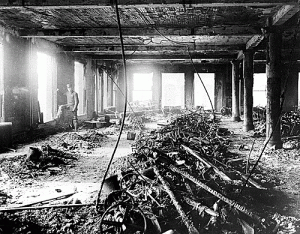
Blanck and Harris were indicted on charges of 1st and 2nd degree manslaughter, but the jury acquitted them both. Their attorney convinced the jury that witnesses may have been “coached”, since their stories didn’t change on cross examination.
They lost a subsequent civil suit in 1913 in which plaintiffs won compensation amounting to $75 per dead victim. The insurance company paid $60,000 more than the reported losses, for a profit of $336 per corpse.
The fire led to 64 new laws regulating the health and safety of New York’s factory workers, and helped spur the growth of the International Ladies’ Garment Workers’ Union (ILGWU). In 1913, Blanck was once again arrested for locking a factory door during working hours. He was fined $20.
The Triangle Shirtwaist conflagration led to the largest loss of life by fire, in New York history. The second largest would be the “Happy Land” night club fire in the Bronx. 79 years later, to the day.



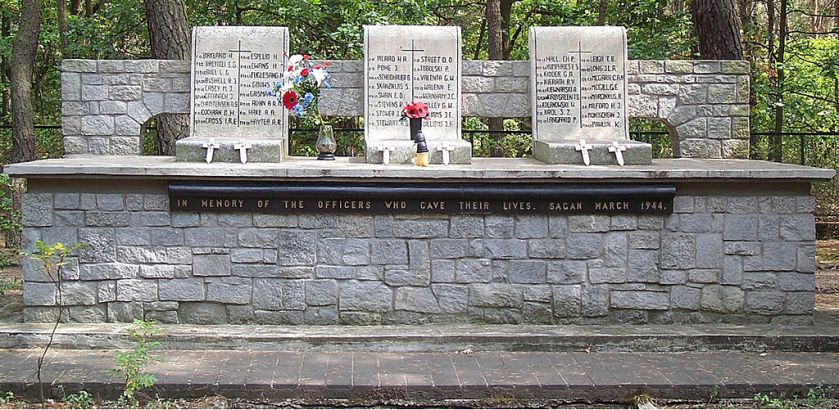


 100 years ago, “Sumerologists” labored to learn the customs and ways of this ancient civilization. One such team pieced together a stone tablet and, through years of study, managed to decipher the cuneiform words contained thereon.


 Randall Hank Williams was born May 26, 1949 in Shreveport, Louisiana, the son of country singer/songwriter, Hiram King “Hank” Williams. Surprisingly for a guy who could neither read nor notate music and died at the age of 29, the elder Williams has been described as “one of the most significant and influential American singers and songwriters of the 20th century”.



 In a later examination of Vivian, ERO field worker Dr. Arthur Estabrook pronounced her “feeble minded” saying that she “showed backwardness”, supporting the “three generations” theory expressed in the SCOTUS opinion.

 Stationed in German East Africa and knowing that his sector would be little more than a side show in the greater war effort, Lettow-Vorbeck determined to tie up as many of his adversaries as possible.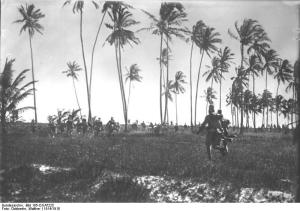
 In 1964, the year Lettow-Vorbeck died, the Bundestag voted to give back pay to former African warriors who had fought with German forces in WWI. Some 350 elderly Ascaris showed up. A few could produce certificates given them back in 1918, some had scraps of old uniforms. Precious few could prove their former service to the German Empire.



 For those of us who rooted for the New England Patriots during the losing years, the 1986 Super Bowl XX was the worst moment ever. We all had our “Berry da Bears” shirts on. Life was good when New England took the earliest lead in Super Bowl history, with a field goal at 1:19.

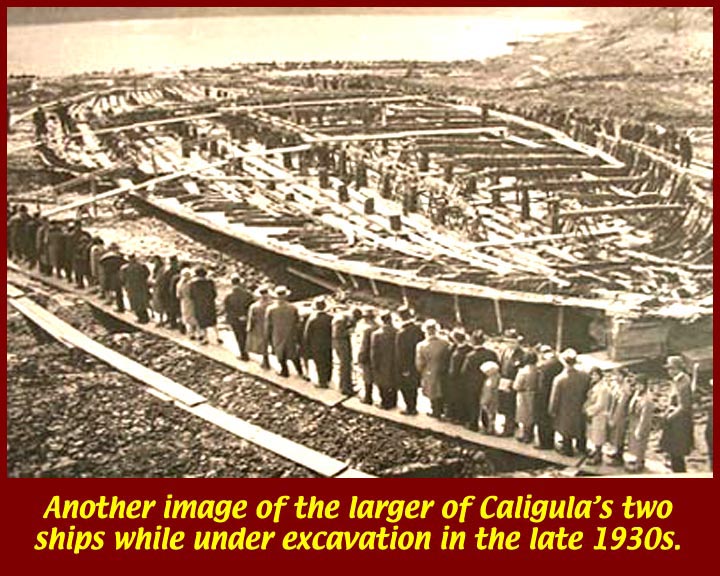
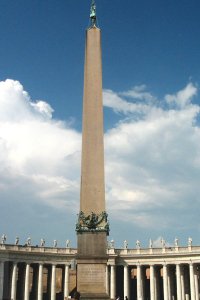 On this day in the year 37, the Roman Senate annulled the will of the Emperor Tiberius, proclaiming 24 year old Caligula, Emperor. After years of purges and treason trials, Caligula’s ascension to the throne was seen as a welcome breath of fresh air. His first two years were relatively peaceful and prosperous.
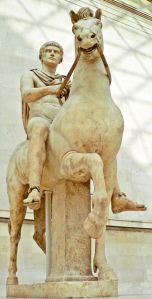 using ships as pontoons, stretching for over two miles from the resort of Baiae to the neighboring port of Puteoli. Though he could not swim, he rode his favorite horse, Incitatus, across the bridge, wearing the breastplate of Alexander the Great. The act was in defiance of a prediction by Tiberius’ soothsayer Thrasyllus of Mendes, that Caligula had “no more chance of becoming emperor than of riding a horse across the Bay of Baiae”.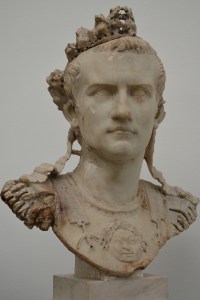


 Saint Patrick’s Day is observed on March 17, the date generally agreed to correspond with the date of his enslavement in 432, and with his death in 460. The date is celebrated in Ireland as both a liturgical and non-liturgical holiday, where in some diocese it is both a solemnity and a holy day of obligation. Outside of Ireland, the day has become a general celebration of all things Irish.
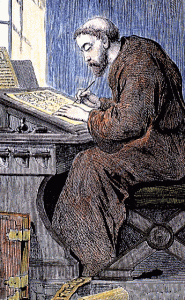 Christian Ireland, with its green color evoking rebirth and eternal life. The three leaves symbolize the “triple goddess” of ancient Ireland. Patrick is said to have taught the Irish about the Holy Trinity, using the three leaves of the shamrock to illustrate the Christian teaching of three persons in one God: the Father, the Son, and the Holy Spirit.

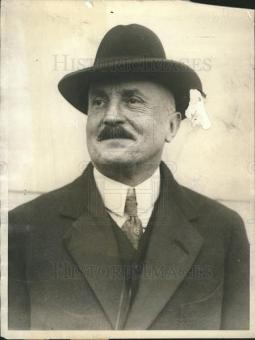
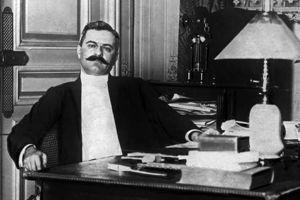
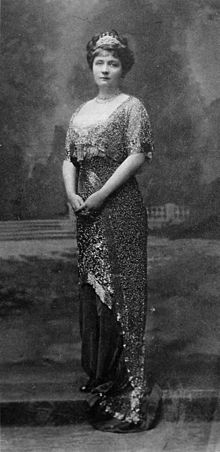
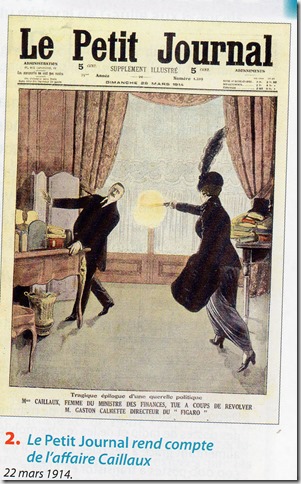 Right, the fall of the powerful, and all the salacious details anyone could ask for. Most of France was riveted by the Caillaux affair in July 1914, ignorant of the European crisis barreling down on them like the four horsemen of the apocalypse. Madame Caillaux’s trial for the murder of Gaston Calmette began on July 20.


You must be logged in to post a comment.